
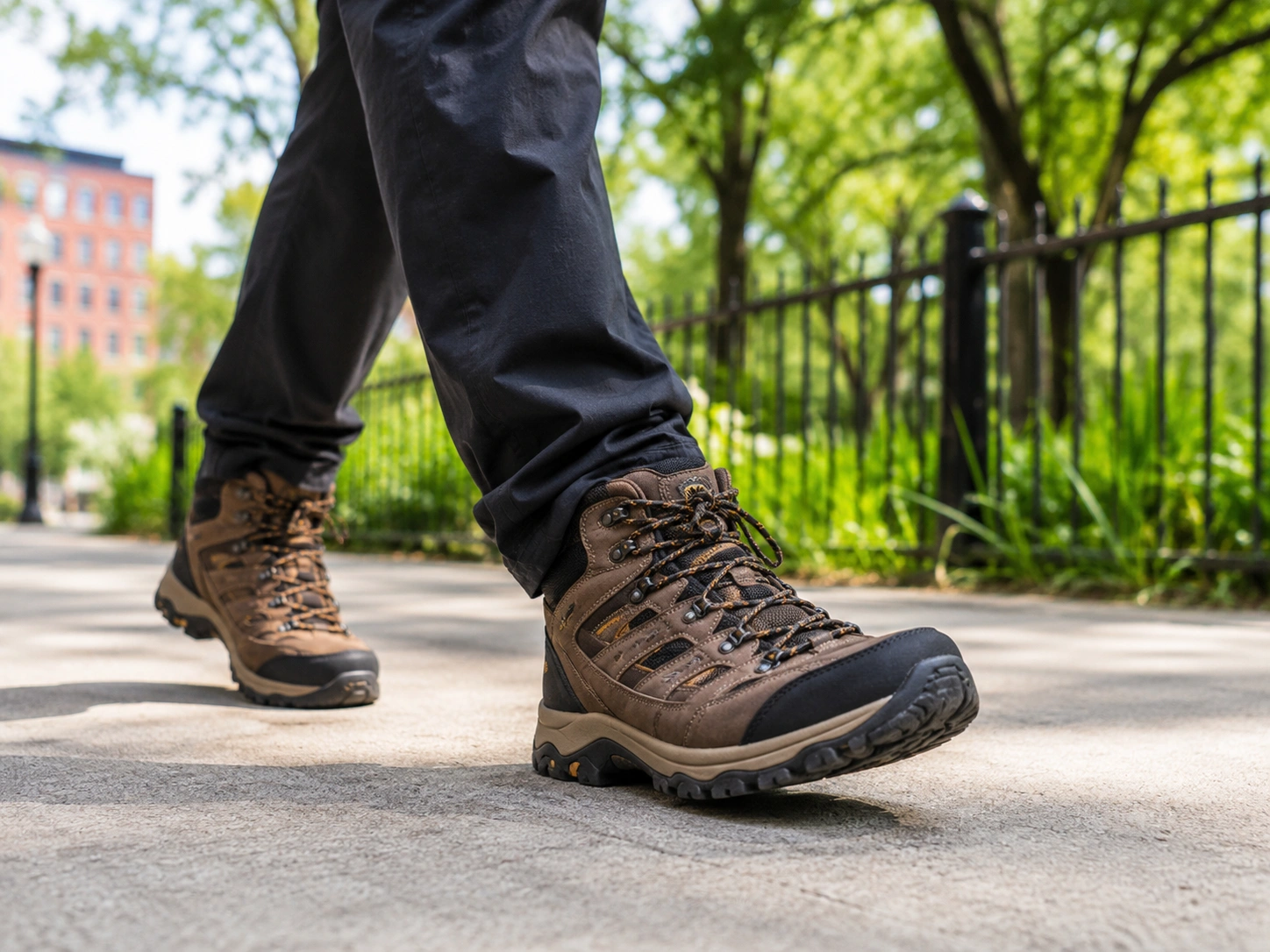
Can you wear hiking boots everyday without causing problems for your feet or wearing out your boots too fast? I hear this question from hikers who like the support, grip, and tough feel of hiking footwear so much that they want to use it for work, errands, travel, and daily walks too.
In many cases, you can. But the right answer depends on the boot, your daily routine, the weather, and how your feet feel. A heavy backpacking boot may feel great on a rocky trail but awkward on smooth pavement all day.
In this guide, I will explain when daily wear makes sense, when another shoe may be better, and how to protect both your feet and your hiking gear.
Quick Answer: It Depends on Your Boots and Your Day
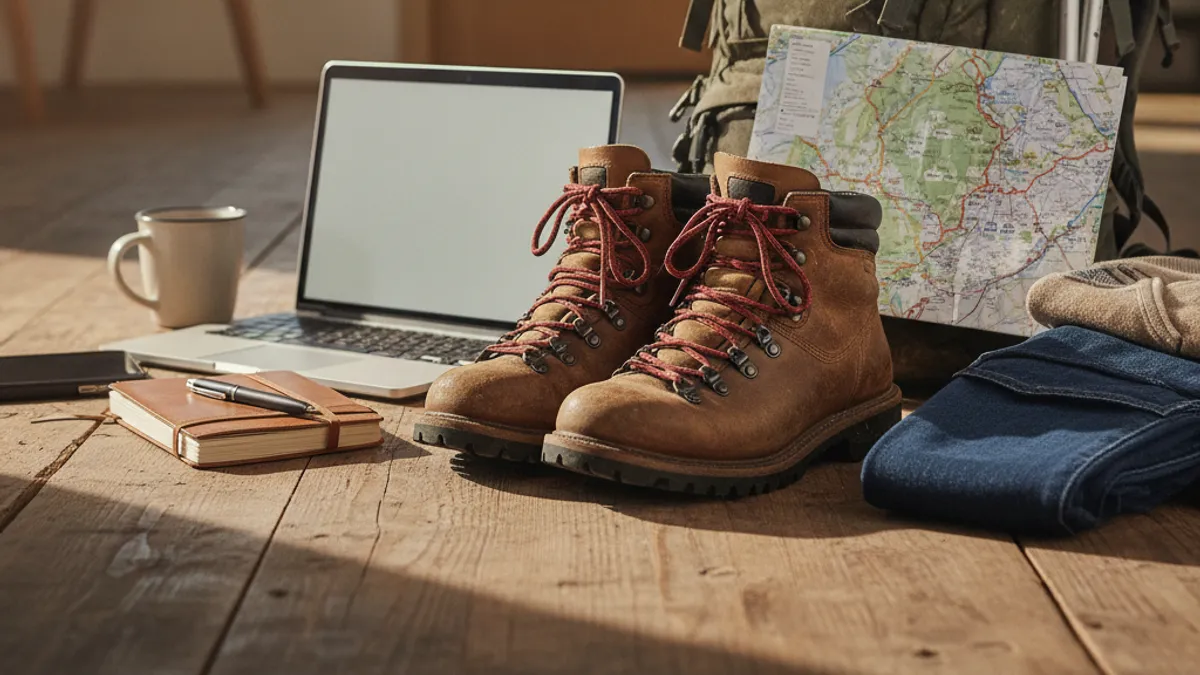
Yes, you can wear hiking boots every day if they fit well, feel comfortable, and match your normal activities. Lightweight hiking boots often work well for walking, travel, outdoor jobs, and wet weather. Heavy or stiff backpacking boots may feel hot, bulky, and tiring during long hours on pavement. Daily use can also wear down the outsole faster, which may reduce the grip you want for future hikes.
Can You Wear Hiking Boots Everyday Without Problems?
For many people, the answer is yes. Hiking boots are still footwear, and there is no rule that says they can only touch a trail. The real question is whether your specific boots are comfortable and practical for the places where you wear them.
Hiking boots are designed with trail use in mind. Depending on the model, they may have deeper tread, a firmer sole, ankle coverage, water-resistant materials, or extra protection around the toes. Those features can be useful on rough ground, but they are not always needed for a normal day in town.
Lightweight hiking boots are usually easier to use every day. They often feel closer to hiking shoes while still giving more coverage around the ankle. Heavy backpacking boots are different. They are usually built for rougher terrain and heavier loads, so they may feel stiff during long periods of casual walking.
Daily wear may make sense when you:
- Walk on mixed surfaces such as pavement, gravel, dirt, or grass.
- Spend much of the day outdoors.
- Need better traction in wet or muddy conditions.
- Prefer more foot and ankle coverage than a low-cut shoe gives.
- Travel and want one practical pair for walking and easy trails.
However, hiking boots are not automatically the best everyday shoe for everyone. Fit matters more than the label on the footwear. A boot that causes rubbing, pressure, numbness, or repeated discomfort is not a good daily choice just because it is made for hiking.
How Daily Use Affects Hiking Boots
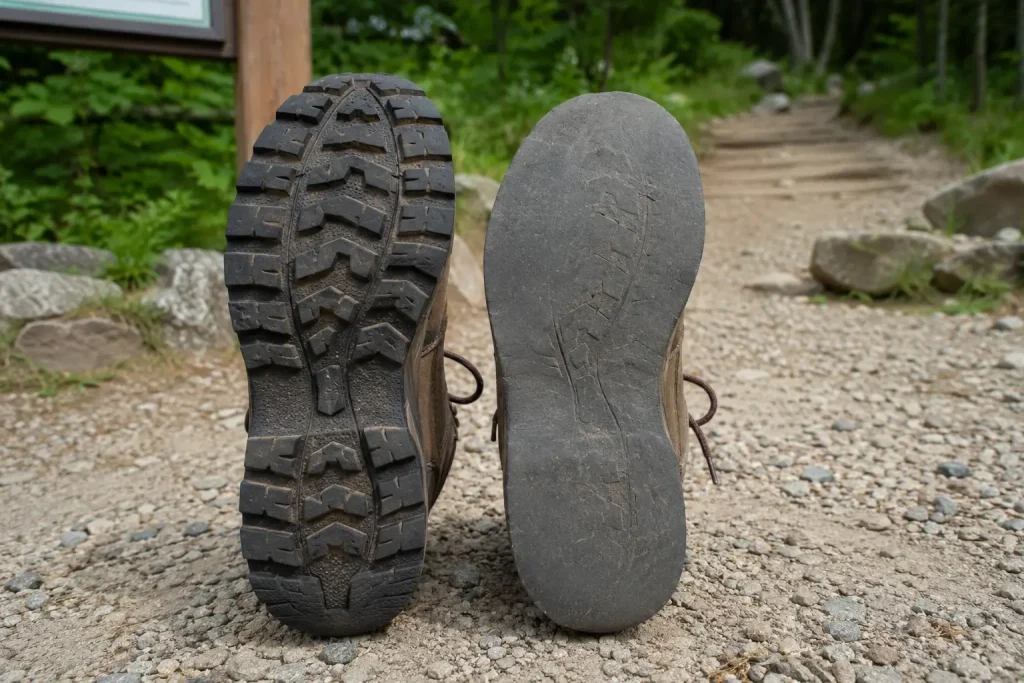
The biggest tradeoff is wear. Pavement can slowly wear down the tread on hiking boots, especially softer rubber compounds and deep lugs made for dirt, mud, and uneven ground.
That does not mean a few walks on pavement will ruin your boots. The concern is long-term use. If the same pair becomes your work shoe, travel shoe, shopping shoe, and hiking shoe, it may reach the end of its useful life sooner.
Watch the parts of the boot that take the most stress:
- Outsole: Look for tread that is becoming smooth or uneven.
- Midsole: Notice if the cushioning feels flat or less supportive.
- Upper: Check for cracks, tears, loose stitching, or damaged panels.
- Inside lining: Watch for worn heel areas that may start rubbing.
- Laces and eyelets: Replace damaged parts before they fail during a hike.
Before a planned hike, I suggest checking your boots as part of your normal hiking gear checklist. A boot can still look fine from the top while the tread underneath is badly worn.
Signs You Should Adjust Your Hiking Boots, Daily Routine, or Trail Choice
Your feet and your boots usually give you warning signs. Pay attention early instead of waiting until discomfort becomes a bigger problem.
| What You Notice | What It May Mean | Practical Next Step |
|---|---|---|
| Boots feel comfortable during normal walking | The fit may suit your daily routine | Keep checking tread and overall wear |
| Hot spots or repeated rubbing | Fit, socks, lacing, or boot shape may not suit you | Adjust your setup and stop using the boots if discomfort continues |
| Tread looks smooth | Traction may be reduced | Consider different footwear for demanding trails |
| Feet feel unusually tired on pavement | The boots may be too heavy or stiff for daily use | Try lighter footwear for routine walking |
| Boots stay wet or damp inside | They may not be drying fully between uses | Let them dry before wearing them again |
| Sole separation, major cracking, or structural damage | The footwear may no longer be dependable | Do not rely on the damaged pair for a serious hike |
Trail choice matters too. A boot that feels fine on a local park path may not be the best option for steep rock, mud, snow, or a long backpacking route. Check current trail conditions, closures, and local guidance before leaving. The National Park Service hiking safety guidance is a useful starting point for basic trip planning.
How to Use Hiking Boots Every Day Step by Step
- Start with the right fit.
Your toes should not feel crushed, and your heel should not move enough to cause repeated rubbing. Try the boots with the type of socks you normally plan to wear.
- Match the boot to your daily activity.
A lighter hiking boot may suit commuting, travel, and regular walking better than a stiff backpacking boot.
- Break in new boots gradually.
Wear them for shorter periods first. Do not make a long hike the first major outing in an unfamiliar pair.
- Keep them dry and clean.
Remove loose dirt after use and let damp boots dry naturally in a ventilated place. Follow the footwear maker’s care instructions because materials can differ.
- Check the tread before hiking.
Daily walking can slowly change the outsole. Look underneath the boots before a trip, especially if the route may be wet, steep, rocky, or uneven.
- Choose the rest of your hiking essentials for the actual trip.
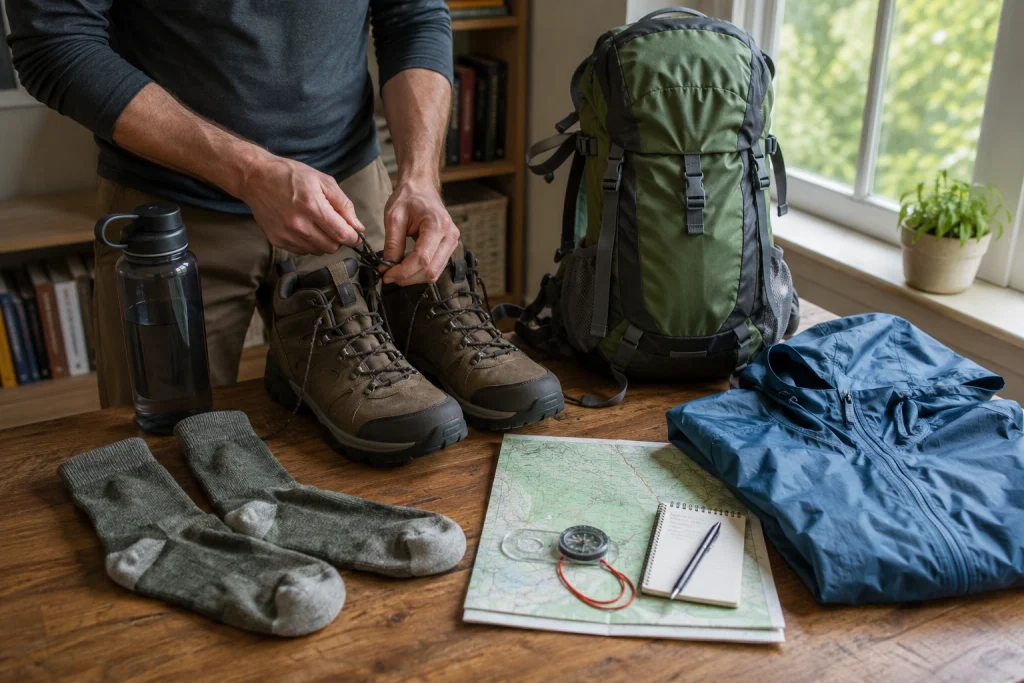
Boots alone do not make a hike prepared. Depending on the route, you may also need water, snacks, a trail map, an offline navigation option, weather layers, a headlamp, and a basic first-aid kit.
For a day hike, check your route and forecast before leaving. The National Weather Service safety information can help you review weather hazards, but local park and trail alerts are also important.
Common Mistakes to Avoid
- Wearing painful boots because they feel “supportive.” Support does not make ongoing pain or rubbing something to ignore.
- Using one pair until the tread is completely smooth. Check the outsole before you depend on the boots on a demanding trail.
- Choosing heavy boots for every situation. More boot is not always better for easy walking or warm weather.
- Putting wet boots on again every day. Give damp footwear time to dry when possible.
- Assuming waterproof means comfortable in all weather. Some waterproof footwear may feel warmer during hot daily use.
- Ignoring the rest of your hiking plan. Good boots cannot replace navigation, hydration, weather planning, or sound trail choices.
Practical Tips from Oscar
Use Different Footwear When It Makes Sense
I do not believe one pair of shoes needs to handle every job. If your hiking boots feel great on trails but heavy during a full day on pavement, use a lighter shoe for normal daily walking. This can also help save the hiking boot tread for the terrain where you need it most.
Check the Soles, Not Just the Uppers
A clean upper can make an old boot look ready for another season. I always suggest checking underneath. Uneven wear, smooth tread, or visible damage can matter more than how good the boot looks from above.
Think About Heat and Moisture
A boot that feels comfortable in cool weather may feel too warm in summer. Socks, boot materials, activity level, and weather all affect comfort. Let footwear dry between uses when possible.
Keep Trail Use in Mind
If you plan to use the same pair for daily life and hiking, inspect it before each important trip. For beginner hiking, I would rather notice a worn sole at home than discover the problem after reaching a muddy or rocky section of trail.
While you are outdoors, protect the places you visit too. The Leave No Trace principles offer practical guidance for reducing your impact on trails and natural areas.
Key Takeaways
- You can wear hiking boots every day when they fit well and suit your normal activities.
- Lightweight hiking boots are often easier for daily use than heavy backpacking boots.
- Regular pavement use can slowly wear down trail tread.
- Check for discomfort, damaged soles, worn tread, and moisture before relying on the boots for a hike.
- Choose footwear based on the route, weather, terrain, and your own comfort.
Key Boot Features That Matter for Daily Wear
Sole Stiffness and Flexibility
The stiffness of a hiking boot’s sole is a critical distinguishing feature when considering it for everyday wear. Boots designed for tackling steep inclines and rocky trails often incorporate stiff midsoles and shanks to provide exceptional support and prevent your feet from tiring on uneven ground. This rigidity is fantastic for hiking, but it means the boot doesn’t flex naturally with your foot’s arch during normal walking on flat surfaces. Aggregate reviews indicate that overly stiff soles can lead to discomfort, fatigue, and an unnatural gait if worn for extended periods on pavement.
Conversely, lighter trail shoes or some mid-weight boots offer more flexibility. This allows for a more natural foot motion, mimicking that of sneakers or casual shoes, making them far more adaptable for daily use outside of a hiking context. Finding that balance between on-trail support and everyday adaptability is key. This is why understanding the specific construction, perhaps looking at How To Choose Hiking Boots, is so important before making them a daily staple.
Weight and Ankle Support
The weight of your hiking boots can significantly impact your comfort levels over a long day. Heavy-duty backpacking boots, which often weigh over 1.5 pounds (0.68 kg) per boot, can contribute to foot fatigue with every step, especially when you’re not on the trail and carrying a pack. Manufacturer specifications often detail boot weights, and lighter hikers or trail runners might weigh under a pound (0.45 kg) each, making them far less taxing for general daily wear.
Similarly, the level of ankle support plays a role. High-cut boots are designed to prevent ankle rolls on unpredictable terrain. While this is a major benefit for hiking, the rigid cuff can feel restrictive during everyday movements like quickly changing direction or simply walking on flat ground. For many, this extensive ankle support is more than they need for daily activities and can even feel unnatural compared to lower-cut footwear.
Breathability and Waterproofing
Many modern hiking boots incorporate waterproof membranes, such as those made with PTFE-based materials like Gore-Tex, to keep feet dry from external moisture. While a massive advantage on the trail for crossing streams or hiking in wet conditions, these membranes can also impede breathability. Per testing standards documented by manufacturers, these waterproof barriers restrict air circulation, which can cause your feet to sweat more and feel uncomfortably warm, especially in warmer climates or indoor environments.
This reduced breathability can lead to damp socks and, in turn, increase the risk of blisters or fungal infections with prolonged daily wear. If your daily routine doesn’t involve exposure to significant moisture, you might opt for non-waterproof hiking boots or even lighter trail shoes that offer better ventilation. Understanding this trade-off is crucial for comfort; a boot that’s waterproof often isn’t the most breathable. Our guide on Waterproof Hiking Boots Worth It explores this balance in more detail.
Potential Downsides of Daily Hiking Boot Wear
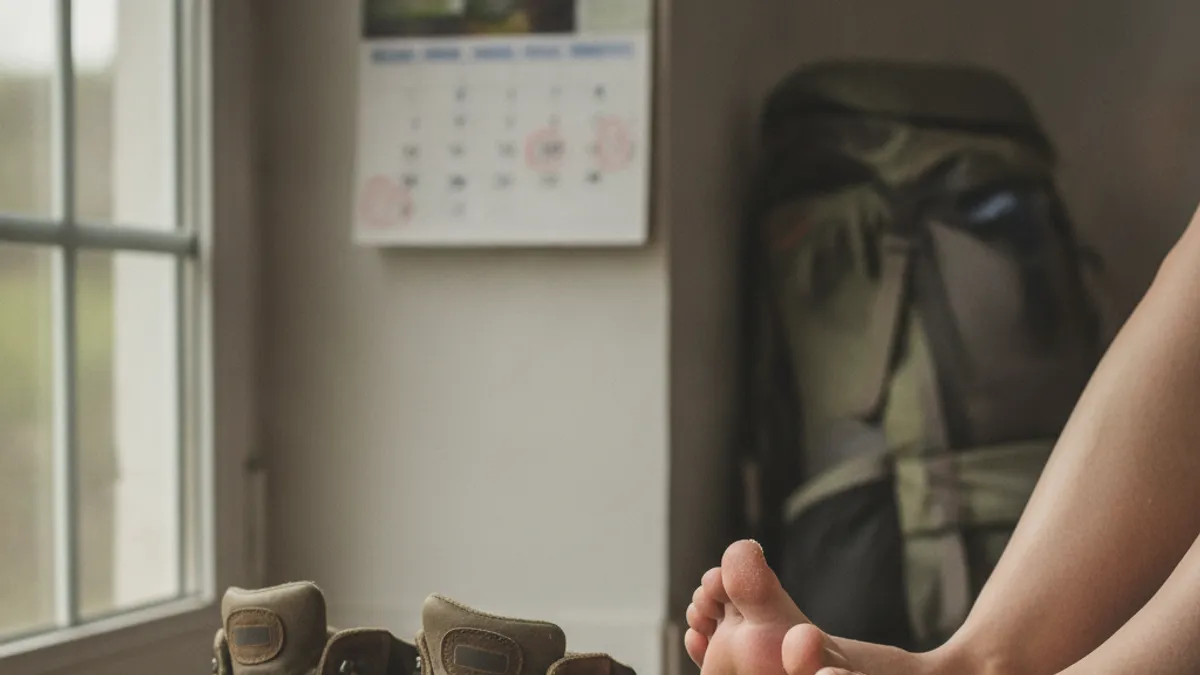
Fatigue and Foot Strain
Wearing hiking boots every single day for non-hiking activities can lead to significant foot fatigue and strain. Their design prioritizes robust support, which can translate into stiffness that fights against the natural flexing motion of your foot on flatter surfaces. Aggregate user reviews frequently report that extended periods of standing or walking in heavy-duty hiking boots, especially on hard ground, can leave feet feeling tired and achy by the end of the day. This is much like wearing stiff dress shoes all day; they’re great for certain occasions, but not for constant use.
This is particularly true if your daily tasks involve a lot of repetitive motion or standing in place. The extra weight of some hiking boots also contributes to this fatigue. Over time, this constant strain could potentially lead to issues like plantar fasciitis or general discomfort. While they offer excellent protection and stability on trails, they might not be the most biomechanically efficient choice for casual, everyday movement.
Treading on Pavement: Wear and Tear
The aggressive tread patterns found on most hiking boots are designed to grip loose soil, mud, rocks, and scree. When you wear these boots daily on abrasive surfaces like concrete, asphalt, and sidewalks, you’re accelerating their wear rate significantly. Manufacturer specifications for outsole durability are typically based on trail use, not consistent pavement pounding. This means the lugs on your sole can wear down much faster, reducing their effectiveness for actual hiking.
This premature wear doesn’t just shorten the lifespan of your boots; it can also compromise their performance. Less tread means less grip, which could be a safety concern if you then take them on the trail. Think of it like driving a powerful off-road tire on a highway constantly; it wears down faster and might not perform as well off-road later. For optimal longevity and performance, it’s often best to reserve trail-specific footwear for its intended purpose.
When Daily Hiking Boot Wear Makes Sense
The Practicality of Trail Shoes for Errands
If your “every day” involves a lot of movement outside of strenuous hiking, lighter trail shoes might actually be a fantastic choice. These footwear options, often categorized as trail runners or low-cut hiking shoes, offer a great compromise. They provide better traction and more durable construction than standard sneakers, while remaining flexible and light enough for comfort during regular daily activities. Verified buyer feedback reports that for tasks like walking the dog, grocery shopping, or simply running errands, these lighter models offer the support without the bulk.
These types of shoes often feature EVA or PU midsoles for cushioning and more flexible outsoles that still provide decent grip on various surfaces. They won’t offer the same level of ankle support as a mid or high-cut boot, but for many who aren’t prone to ankle instability, this is a welcome trade-off for increased comfort and agility in daily life. Our article on Trail Runners Vs Hiking Boots further explores this distinction.
Mixed-Terrain Lifestyles
For those whose lives naturally blend urban environments with frequent outdoor excursions, a pair of versatile hiking boots can indeed be a practical daily choice. Imagine living in a city that’s close to natural parks or hiking trails, and your routine involves commuting on foot or public transport, then heading straight to a trail after work. In such scenarios, wearing a well-suited hiking boot all day can be efficient. This is especially true for mid-weight hiking boots that offer a balance of comfort for walking and enough robustness for light trails.
The key here is moderation and selection. If your daily activities don’t involve standing rigidly for 8+ hours or repetitive, high-impact movements on hard surfaces, the support and protection of a hiking boot can be beneficial. This thoughtful approach ensures you’re leveraging the boot’s strengths without succumbing to its potential drawbacks. Understanding how your daily routine stacks up against the boot’s intended design is crucial.
When to Reconsider Daily Hiking Boot Wear
Heavy Boots for Light Duty
If you find yourself primarily navigating indoor environments, smooth sidewalks, or only engaging in very short, casual walks, wearing heavy-duty backpacking or mountaineering boots every day might be a case of bringing a sledgehammer to a tack-driving job. These boots are engineered for rugged, extended treks where maximum support, protection, and load-bearing capacity are paramount. Their stiff soles, substantial weight (often exceeding 1.5 pounds or 0.68 kg), and rigid ankle collars are designed for preventing injuries on treacherous terrain, not for the simple demands of city living.
Manufacturer specifications for these types of boots emphasize their robust construction for backcountry use. When used daily on flat, hard surfaces, this stiffness can lead to foot fatigue, awkward gait patterns, and unnecessary strain on joints. It’s similar to wearing ski boots to the grocery store; functional, but highly impractical and uncomfortable. For such light duty, lighter footwear will invariably offer superior comfort and better suit your everyday needs.
Comfort is King (or Queen)
Ultimately, the golden rule for any footwear, especially for daily wear, is comfort. If your hiking boots, regardless of their type, are not supremely comfortable for an entire day of your typical activities, then wearing them every day is likely a bad idea. Our research consistently shows that foot comfort is paramount for overall well-being and avoiding long-term issues. Even a slight pinch or awkward pressure point can become unbearable after hours of walking or standing.
This is especially true when considering that all brands, from Merrell to Keen, have varying fits and constructions. What feels comfortable on a mile-long hike might feel entirely different when performing mundane daily tasks. If your boots cause blisters, hot spots, or general foot soreness even after a proper break-in period, it’s a clear sign they’re not suited for constant daily use and you should look for alternatives.
Mistakes to Avoid When Wearing Hiking Boots Daily
Assuming All Hiking Boots Are Equal
A common pitfall is treating all hiking boots as interchangeable for daily wear. Many people make the mistake of assuming that because a boot is designed for hiking, it automatically translates to comfortable, practical everyday footwear. However, as we’ve discussed, the spectrum ranges from flexible trail shoes to rigid mountaineering boots. Wearing a stiff, heavy-duty boot for casual tasks is like using a professional chef’s knife for spreading butter; it’s designed for a much more demanding job and might be awkward or damaging for simple tasks.
Make sure you understand the intended purpose of your specific pair. The aggressive lug patterns on stout boots are meant for grip on dirt and rock. Using them solely on pavement at a rate of, say, 5 miles (8 km) a day will wear them down much faster than intended, reducing their utility for actual trails. If your boots are stiff and heavy, consider them for hiking days, not for your daily commute or standing duties.
Ignoring Your Body’s Signals
Perhaps the most crucial mistake is ignoring what your feet and body are telling you. If you start wearing hiking boots every day and notice increased soreness, fatigue, blisters, or unusual joint pain, that’s a clear signal. Your body is indicating that the footwear isn’t suited for the demands you’re placing on it. Pushing through this discomfort can lead to more significant issues down the line, such as stress fractures or aggravated pre-existing conditions.
This is a primary concern for anyone considering daily wear, especially if transitioning from lighter shoes. Pay attention to the subtle cues: are your arches aching? Do your heels feel strained? Are your toes cramped?
These aren’t just minor discomforts; they are indicators that the biomechanics of your movement are being negatively impacted by the footwear choice. As of 2026, ergonomic research continues to stress the importance of footwear that complements natural movement, especially for daily activities.
Tips for Making Hiking Boots Work Daily
Sock Choices Matter
The socks you pair with your hiking boots can significantly influence your comfort if you plan on wearing them daily. For casual wear, ditch the thick, wool hiking socks and opt for thinner, moisture-wicking socks made from merino wool blends or synthetic materials. These offer adequate cushioning without adding excessive bulk or heat, which is crucial when breathability is already a concern in some hiking boots. A well-chosen sock can help prevent excessive sweating and reduce the friction that leads to blisters, especially if you’re on your feet for extended periods.
Consider the fabric composition. While thick wool is great for warmth and cushioning on the trail, thinner versions provide better performance in milder daily conditions. Synthetic blends often offer good durability and moisture management. Brands like Darn Tough or Smartwool offer a range of options suitable for various activities, so choosing the right thickness and material for your daily routine will make a big difference in overall comfort.
Watch for Overheating
If your hiking boots are waterproof, you’ll want to pay close attention to how your feet handle heat during daily wear. The very membranes that keep water out also tend to limit airflow, creating a warmer environment inside the boot. On hot days, or if you’re in climate-controlled indoor spaces, this can lead to uncomfortable overheating and excessive sweating. Aggregate user reports frequently mention that waterproof boots can feel stifling in warmer weather when not actively hiking.
To mitigate this, ensure you’re wearing breathable socks, as mentioned above. Take opportunities to air out your feet when possible, perhaps by briefly removing your boots if your environment allows. If you anticipate consistently warm weather and daily wear, you might consider looking for non-waterproof hiking boots or trail shoes designed for better ventilation. This is a trade-off between all-weather protection and daily comfort in varied conditions.
Final Thoughts
So, can you wear hiking boots everyday? Yes, for many people you can. The best choice is a pair that fits well, feels comfortable, and matches the surfaces and weather you deal with most often.
Just remember that everyday miles still count. Check the tread, let damp boots dry, and do not assume a heavily worn daily pair is ready for every trail. Before your next outing, review your footwear along with your route, weather, water, navigation, and other hiking essentials.
A good next step is to use a simple day hiking checklist before your next trip so your boots are only one part of a well-planned day outdoors.
