
Hey there, Oscar here. When I first started hitting the trails, I honestly thought any pair of running shoes would be fine. I learned the hard way on a rocky, wet trail that standard sneakers do not always cut it. My feet were sore, my toes were bruised, and I slipped on muddy roots more times than I care to admit. That trip sent me straight back to the drawing board to figure out exactly what I needed on my feet.
If you are planning your first big day hike or looking to upgrade your beginner hiking gear, you are probably asking the same question I did: what are hiking boots, really? Are they just heavy, bulky shoes, or do they actually serve a purpose? The short answer is yes, they serve a massive purpose. Good trail footwear can make the difference between a great day outdoors and a miserable trek back to the car.
In this guide, we are going to break down exactly what makes a hiking boot special, why you might need a pair, and how to tell if it is time to upgrade your footwear. Let’s dive in and get your feet ready for the trail.
Quick Answer
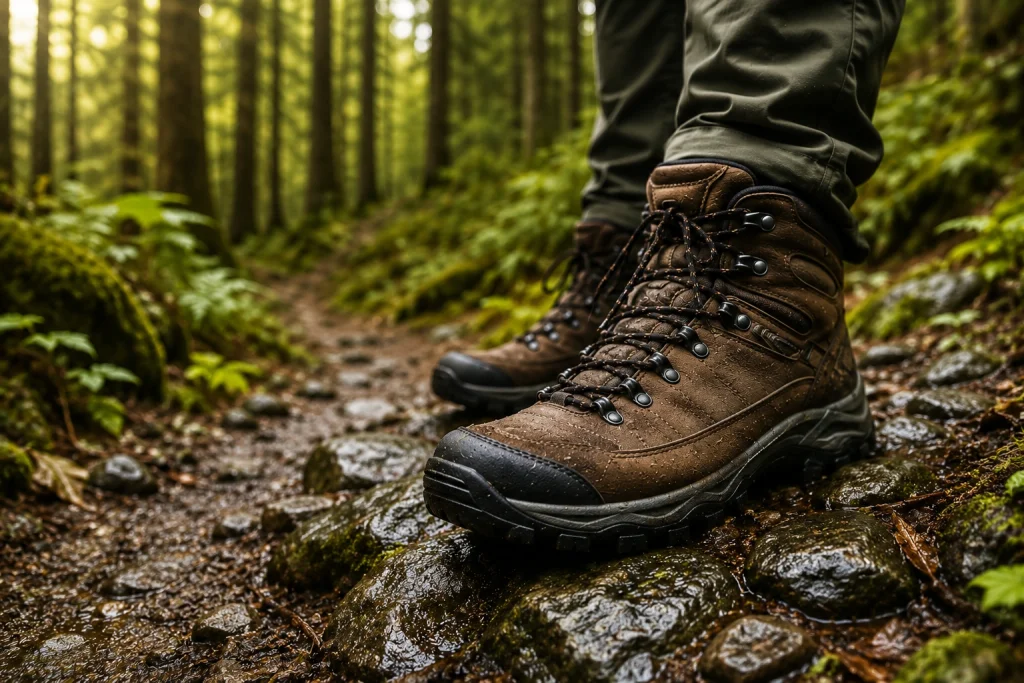
What are hiking boots? They are specialized outdoor footwear designed to protect your feet and ankles during walks on unpaved, natural trails. Unlike regular sneakers, hiking boots feature deep rubber tread for gripping dirt and rock, stiff midsoles to protect the bottoms of your feet from sharp stones, and durable upper materials to shield your toes from roots and debris. They usually extend above the ankle to provide extra stability when carrying a loaded backpack over uneven terrain.
What Hikers Should Know About Hiking Boots
To really understand what hiking boots are, you have to look at how they are built. Everyday shoes are made for flat, paved surfaces. Trail footwear is built for the exact opposite. A good boot acts as a shock absorber, a shield, and a tractor tire all rolled into one.
When you look at a pair of hiking boots, you will notice a few key features that set them apart from standard gym shoes. Understanding these parts will help you choose the right pair for your next adventure.
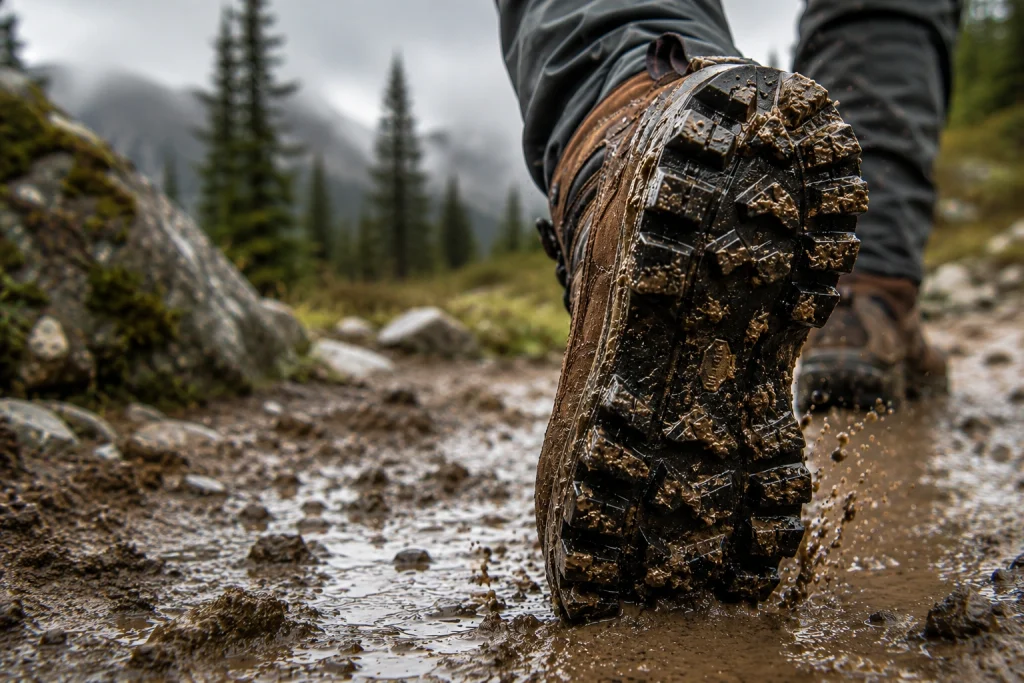
- The Outsole: This is the very bottom of the boot. It is usually made of hard rubber and features deep grooves called “lugs.” These lugs bite into mud, loose dirt, and snow to keep you from slipping.
- The Midsole: Hidden between the outer rubber and your foot, the midsole acts as a buffer. It is much stiffer than a running shoe, which stops your foot from bending painfully over sharp rocks.
- The Upper: This is the outside material of the boot. It is usually made of leather, synthetic mesh, or a blend of both. Its job is to breathe, block water, and hold your foot securely in place.
- The Rand: Many hiking boots have a rubber bumper around the toes or heels. This protects your toes if you accidentally kick a rock or a heavy root.
It is also helpful to know that not all trail shoes are full boots. While traditional boots cover the ankle, many everyday hikers prefer hiking shoes (which stop below the ankle) or trail running shoes (which are lightweight and flexible). The right choice depends on your trail conditions, the weight of your backpack, and your personal comfort.
Signs You Should Adjust Your Hiking Plan or Footwear
Sometimes, the shoes you have are just not right for the trail you want to hike. Recognizing this before you are miles away from the trailhead is a crucial part of outdoor safety. If you ignore the warning signs, you might end up with severe blisters, rolled ankles, or slipping accidents.
Here are a few signs that your current footwear is not working for your hiking plan:
- You feel every rock: If the bottoms of your feet are tender and bruised after a short hike, the midsoles of your shoes are too soft. You need a boot with a stiffer sole or a protective shank.
- You are losing traction: If you find yourself sliding on dry dirt, slipping on wet rocks, or struggling to walk up mild inclines, your shoes lack proper lugs.
- Your toes hit the front: If your toes jam into the front of your shoe when walking downhill, your boots are either too small or laced incorrectly. Over time, this can cause you to lose toenails.
- Your ankles feel wobbly: If you are carrying a heavy backpack and your ankles feel tired, shaky, or prone to twisting, you likely need a mid-cut or high-cut hiking boot for better support.
Always adapt to the conditions. If you only have lightweight mesh sneakers, but the trail is known for thick mud and sharp scree, it is smarter to choose an easier, paved trail for the day. For accurate trail conditions, always check official sources like the National Park Service (NPS) or local park websites before you head out.
| Footwear Type | Best For | Not Recommended For |
|---|---|---|
| Standard Sneakers | Paved walking paths, flat gravel trails. | Mud, wet rocks, steep inclines, heavy backpacks. |
| Trail Runners | Fast hiking, dry days, light daypacks, well-groomed dirt trails. | Deep snow, carrying heavy backpacking gear, very weak ankles. |
| Low-Cut Hiking Shoes | Day hikes, moderate terrain, rocky paths. | Deep mud crossings, off-trail bushwhacking, heavy snow. |
| Mid-to-High Hiking Boots | Heavy backpacks, off-trail routes, muddy conditions, ankle support. | Very hot, dry desert hikes (unless highly breathable). |
How to Choose and Fit Hiking Boots Step by Step
Finding the perfect pair of hiking boots takes a little bit of patience. You cannot just grab your normal shoe size and head to the checkout line. Follow these practical steps to find the safest and most comfortable fit for your feet.
- Identify your hiking style. Ask yourself where you will hike most often. If you plan to stick to flat dirt paths on sunny days, a lightweight hiking shoe is perfect. If you are planning a multi-day trip with a 30-pound backpack, you will need a sturdy, high-cut boot.
- Shop late in the day. Your feet naturally swell as you walk and go about your day. Trying boots on in the late afternoon or evening gives you a more accurate picture of how big your feet will be in the middle of a long hike.
- Bring your trail socks. Never try on hiking boots with thin dress socks or barefoot. Bring the exact wool or synthetic hiking socks you plan to wear on the trail. This ensures the volume inside the boot is correct.
- Test for length and volume. Put the boots on and leave them unlaced. Slide your foot all the way to the front until your toes touch. You should be able to slide one index finger down the back of your heel. If you cannot, they are too small.
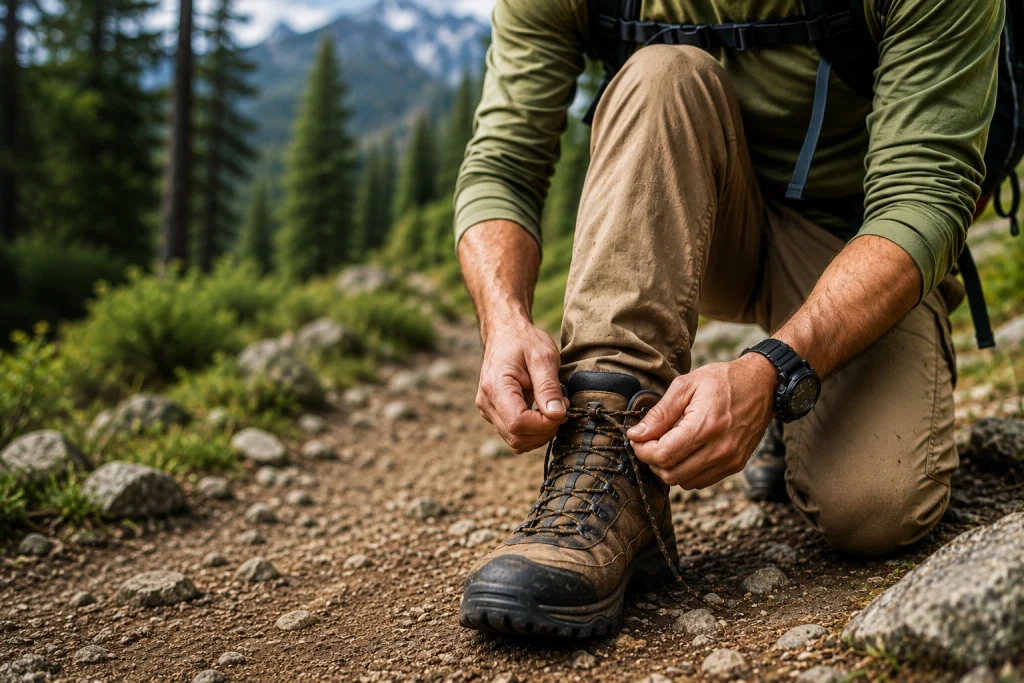
- Check the heel lock. Lace the boots up snugly. Walk around the store or up and down a set of stairs. Your heel should stay locked in place. If your heel lifts up and down inside the boot, you will almost certainly get blisters on the trail.
- Test on an incline. Find a ramp or a slant board at the store. Walk down the incline. If your toes slam into the front of the boot, try sizing up a half size or adjusting the laces.
Common Mistakes to Avoid
As a beginner, it is incredibly easy to make footwear mistakes. I have made quite a few of these myself. Avoid these common traps to keep your feet happy and healthy.
- Buying boots for their looks: A boot can look amazing on the shelf, but if it pinches your toes, it is useless. Always prioritize fit and function over fashion.
- Wearing cotton socks: Cotton holds onto sweat and stays wet, which creates friction and causes massive blisters. Always wear wool or synthetic hiking socks with your boots.
- Skipping the break-in period: Never buy stiff leather boots on a Friday and wear them on a 10-mile hike on Saturday. Your feet will pay the price. Wear them around your house and neighborhood first.
- Ignoring waterproof breathability issues: Waterproof boots are great for rain and mud, but they trap heat. If you only hike in hot, dry climates, waterproof boots will make your feet sweat heavily.
- Buying boots that are too small: Hiking causes your feet to swell, and going downhill pushes your foot forward. Most hikers need boots a half size or a full size larger than their everyday shoes.
Practical Tips from Oscar
After years of walking trails in all kinds of conditions, I have picked up a few practical habits for managing my footwear. I am not a podiatrist, but these are the simple tricks that keep me moving comfortably.
Key Takeaways
- Hiking boots are specialized shoes designed to offer traction, foot protection, and ankle support on natural trails.
- Deep rubber lugs on the outsole prevent slipping on mud, wet rocks, and loose dirt.
- Stiff midsoles protect the bottoms of your feet from bruising on sharp rocks and roots.
- Always try on hiking boots late in the day with proper wool hiking socks to get an accurate fit.
- Heel slip and toe-banging are the two biggest causes of trail blisters—ensure your boots fit securely in the heel and have room in the toes.
Frequently Asked Questions
Are hiking boots strictly necessary for beginners?
Not always. If you are hiking a flat, smooth, well-maintained dirt path, a pair of supportive athletic shoes might be okay for your first short trip. However, as soon as trails become rocky, steep, muddy, or you start carrying a heavy backpack, proper hiking boots or trail shoes become essential for safety and comfort.
Can I just use running shoes for hiking?
You can use trail running shoes, which have grippy rubber soles designed for dirt. Standard street running shoes, however, have smooth foam bottoms that become extremely slippery on wet rocks, mud, and loose gravel. They also lack the stiffness needed to protect your feet from sharp stones.
How long do hiking boots usually last?
For most everyday hikers, a good pair of hiking boots will last between 500 and 1,000 miles of use. The lifespan depends heavily on the terrain you hike and how well you clean and maintain them. Once the tread looks smooth or the midsole feels flat and unsupportive, it is time for a new pair.
Should I buy waterproof hiking boots?
It depends on your climate. Waterproof boots are excellent for cold weather, rain, snowy trails, and muddy spring hikes. However, the waterproof membrane traps heat. If you hike primarily in hot, dry, desert environments, non-waterproof, breathable mesh boots are a much better and more comfortable choice.
How should a hiking boot feel when it fits right?
A properly fitting hiking boot should feel snug and secure around your heel and midfoot, preventing your foot from sliding up and down. At the same time, the toe box should be roomy enough that you can wiggle your toes freely. Your toes should never hit the front of the boot, even when walking steeply downhill.
Conclusion
Figuring out what hiking boots are and why you need them is one of the most important first steps in your outdoor journey. Your feet are your transportation on the trail. If you treat them right by giving them a sturdy, grippy, and well-fitting pair of boots, they will carry you to some truly incredible places.
Remember, gear is highly personal. Take your time at the store, try on several different brands, and walk up and down any ramps you can find. A great pair of boots combined with some solid beginner hiking gear essentials will make your weekend adventures infinitely more enjoyable.
Stay safe out there, check the weather before you go, and I will see you on the trail!
