
I remember standing in the outdoor gear store, staring at a massive wall of hiking boots. Some of them cost as much as a car payment. As a beginner, I just wanted something that would protect my feet on weekend trails without draining my wallet. That is when I noticed a rack of Columbia hiking shoes.
If you are planning your first day hike or looking for affordable trail footwear, you have probably asked the exact same question. Are Columbia hiking shoes actually good, or are they just a cheap compromise? Here’s the thing. They are incredibly popular for a very good reason, but they are not built for every single type of adventure.
In this guide, I will walk you through exactly what Columbia shoes do well, where they fall short, and how to know if they are the right fit for your next outdoor trip. We will look at comfort, durability, traction, and overall value. Let’s get right into it.
Quick Answer
Yes, Columbia hiking shoes are very good for beginner to intermediate hikers looking for affordable, comfortable footwear. They are perfect for casual day hikes, well-maintained dirt trails, and weekend camping trips. Most models require zero break-in time and feel comfortable right out of the box. However, they lack the stiff ankle support and extreme durability needed for heavy backpacking, technical mountaineering, or highly rugged, wet terrain.
What Hikers Should Know About Columbia Footwear
Columbia Sportswear has built a massive reputation by focusing on high value. Their hiking shoes and boots usually cost between $70 and $100. That is a fraction of what premium outdoor brands charge for similar gear.
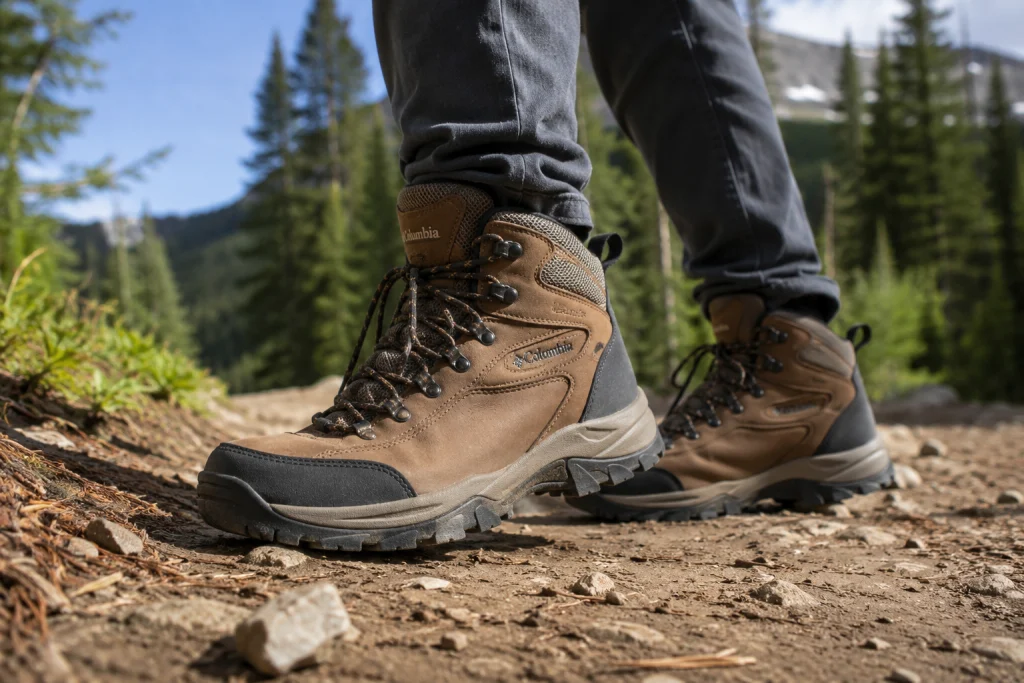
The good news is that you get a whole lot of comfort for that price. Columbia uses lightweight materials like flexible mesh and soft suede leather. Their Techlite foam midsoles absorb impact incredibly well. This makes their shoes feel more like supportive running sneakers than clunky, heavy mountain boots.
Here are the main benefits you can expect on the trail:
- Instant comfort out of the box: You can usually take them straight from the store to the trail. They rarely cause blisters on the first wear.
- Lightweight design: They will not drag your feet down after miles of walking. Heavy boots can make your legs tired very fast.
- Good dry traction: Their Omni-Grip rubber soles hold up well on dry dirt, loose gravel, and flat forest paths.
- Everyday versatile style: Many models look normal enough to wear around town or to the grocery store after your hike.
But you should keep your expectations realistic. Because they use softer materials, they will wear out faster than a $250 pair of heavy leather boots. If you hike every single weekend on sharp rocks, a Columbia shoe might only last a season or two. For the casual hiker, though, that lifespan is usually perfectly fine.
Columbia also offers different types of waterproofing. Their basic waterproof shoes use a membrane called Omni-Tech. It keeps out rain and puddle water. If you hike in the snow, they offer a warmer lining called Omni-Heat. It is important to buy the right version for your local weather.
Signs You Should Adjust Your Hiking Plan, Gear, or Trail Choice
Your footwear plays a huge role in your overall trail safety. Wearing the wrong shoe on the wrong trail can lead to rolled ankles, nasty blisters, or dangerous slips. Columbia shoes are fantastic for moderate trails, but you need to know when to upgrade your gear or change your route.
Pay close attention to these signs before and during your hike:
- The trail is covered in slick, wet rocks: Columbia’s rubber is decent, but it can slip on wet, smooth stone. If heavy rain is falling, consider an easier, flatter path.
- You are carrying a heavy backpack: If your pack weighs more than 30 pounds, you need stiff ankle support. Columbia’s flexible shoes might leave your feet and ankles feeling sore.
- Your feet ache early in the hike: If you feel sharp rocks poking through the soft sole, the trail might be too rugged for lightweight shoes. Turn back if the pain gets bad.
- Weather conditions are changing fast: If you wear non-waterproof mesh shoes and a cold storm rolls in, your feet will freeze. Always check local weather sources like NOAA Weather before heading out.
| Trail Condition | Are Columbia Shoes Good Here? | What to Watch Out For |
|---|---|---|
| Flat dirt paths and local parks | Excellent | Perfect match. Highly comfortable. |
| Moderate day hikes with some hills | Great | Watch your step on loose gravel going downhill. |
| Heavy rain and muddy trails | Okay (If Waterproof) | Thick mud can cake in the treads, causing slips. |
| Steep, rocky mountain scrambles | Not Recommended | Lacks the stiff support needed for safety on ledges. |
How to Handle Buying Your Hiking Shoes Step by Step
Columbia makes dozens of different models, like the Crestwood, the Newton Ridge, and the Redmond. Picking the right one depends on where you hike and what the weather looks like. Follow these simple steps to find your perfect match safely.
- Decide between a shoe and a boot. Choose a low-cut shoe (like the Crestwood) for flat, easy trails. Choose a mid-cut boot (like the Newton Ridge) if you want a little more ankle protection against loose rocks and roots.
- Check the weather protection. If you hike in dry, hot summer weather in the desert, buy a breathable mesh shoe. If you hike in the spring when trails are soggy, look for models with the waterproof label.
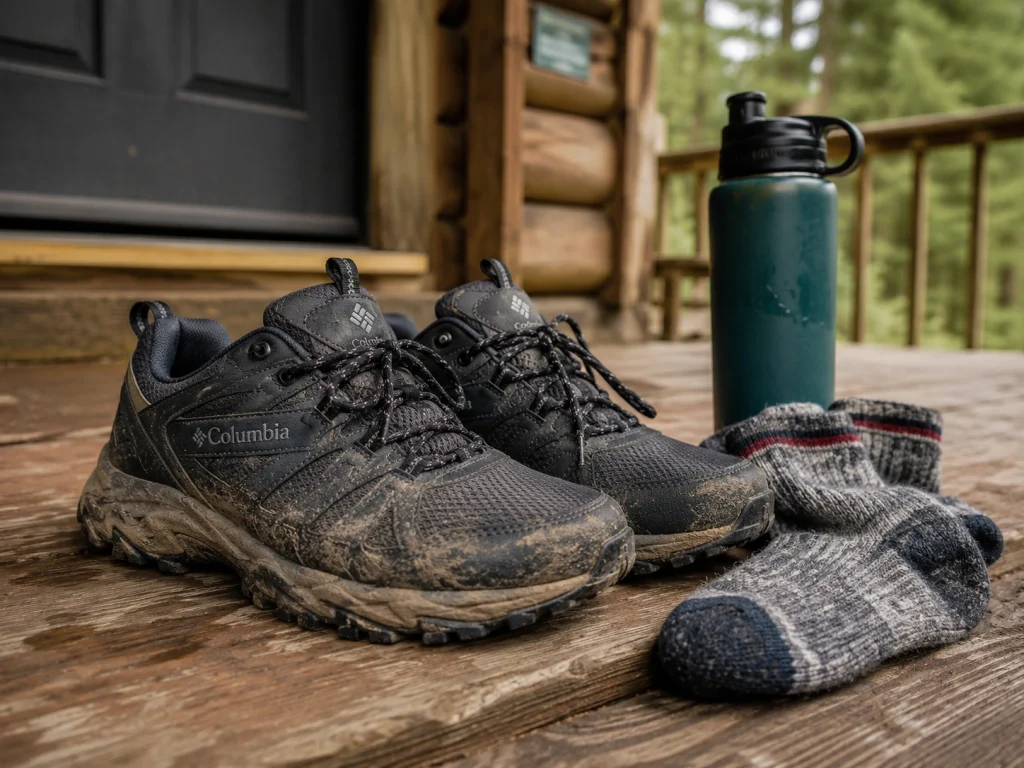
- Focus on the proper fit. Columbia shoes run fairly true to size. Always try them on at the end of the day when your feet are slightly swollen. Wear the exact wool hiking socks you plan to use on the trail.
- Leave some toe room. Make sure you have a thumbnail’s width of empty space at the front of the shoe. When you hike downhill, your foot slides forward. If your toes constantly hit the front, you will lose toenails.
- Test them on flat ground first. Do not take brand new shoes on a ten-mile hike. Wear them around your house or local neighborhood park for a few hours to make sure they feel right.
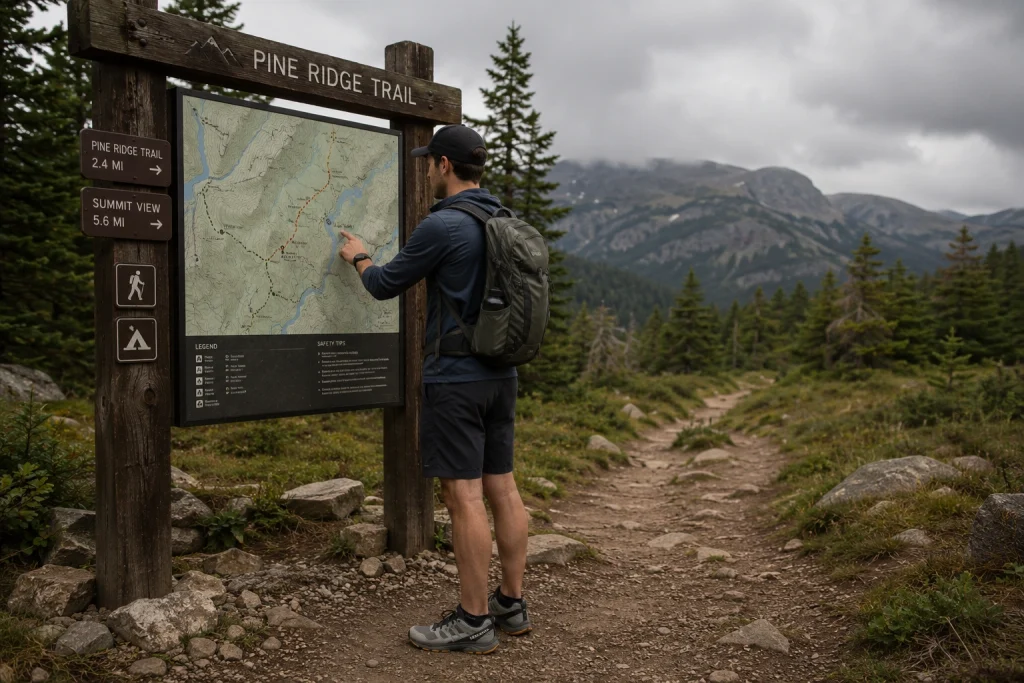
- Pack your safety essentials. Even on a short, easy hike in comfortable shoes, always carry water, snacks, a trail map, and a basic first-aid kit. Leave no trace and stay prepared for the unexpected.
Common Mistakes to Avoid
Even with good shoes, beginners can run into trouble on the trail. Avoid these common hiking footwear mistakes to keep your feet happy.
- Assuming waterproof means completely dry. Waterproof shoes keep puddles out, but they also trap foot sweat inside. In hot summer weather, your feet might get completely soaked from your own sweat.
- Ignoring early hot spots. If you feel rubbing on your heel, stop walking immediately. Apply a blister bandage right then. Do not wait for the skin to tear open.
- Drying shoes near a hot campfire. High heat will melt the glue holding the shoe soles together. Always let them air dry in the shade or stuff them with dry newspaper.
- Hiking far off-trail. Lightweight shoes do not protect well against cactus needles, snake bites, or hidden holes. Stick to official, established trails to stay safe.
- Wearing cotton socks. Cotton holds onto moisture and causes awful blisters. Always wear synthetic or merino wool hiking socks.
Oscar’s Practical Tips for Hiking in Columbia Shoes
Over the years, I have walked plenty of miles in lightweight, budget-friendly shoes. They can perform incredibly well if you treat them right and know a few simple tricks.
Key Takeaways
- Columbia hiking shoes are highly affordable, usually costing under $100 for a solid pair.
- They offer amazing out-of-the-box comfort with almost zero break-in time required.
- They are best used for day hikes, beginner dirt trails, and casual weekend camping trips.
- They are not designed for heavy backpacking, technical rock scrambling, or extreme winter weather.
- Proper fit is everything. Always wear proper wool hiking socks and leave a little room in the toe box for downhill walking.
Frequently Asked Questions
Are Columbia hiking shoes good for walking on concrete?
Yes, they are quite comfortable on hard surfaces. Because they use soft foam midsoles similar to running shoes, they absorb shock well on concrete and city pavement. They are great for urban exploring.
Do Columbia hiking boots run small or large?
Most Columbia shoes run true to size. However, some models can feel slightly narrow in the toe box for people with wide feet. It is best to try them on with thick hiking socks to ensure the right fit.
How long do Columbia hiking shoes last?
For a casual hiker going out a few times a month, they should easily last one to two years. Heavy hikers who log hundreds of miles may wear down the soft rubber treads in a single hiking season.
Are Columbia shoes good for winter hiking?
Standard summer models are not warm enough for snow. If you hike in the freezing cold, look for Columbia boots with the “Omni-Heat” reflective lining, which traps your body heat inside the boot.
Can you backpack in Columbia Newton Ridge boots?
You can use them for light, overnight backpacking with a small pack. However, if you are carrying a very heavy load over rugged terrain, you will want a stiffer, more supportive boot to protect your ankles.
Conclusion
So, let’s wrap this up. Are Columbia hiking shoes good? Absolutely. If you are just getting into hiking, you do not need to spend a fortune to enjoy the outdoors safely. Models like the Crestwood and Newton Ridge provide excellent comfort, decent traction, and reliable performance on standard dirt trails.
They might not last ten years, and they are not built for scaling icy mountains. But for the average weekend hiker looking to explore local state parks, they are a fantastic, budget-friendly choice. You get exactly what you need without overpaying for features you will never use.
Remember, the best shoe is always the one that fits your foot perfectly and matches your specific trail conditions. Keep your daypack light, check the weather forecast, and break your new shoes in on a short local trail first. If you want more gear advice, check out my beginner’s guide to day hiking essentials.
Stay safe out there, and I will see you on the trail!
