
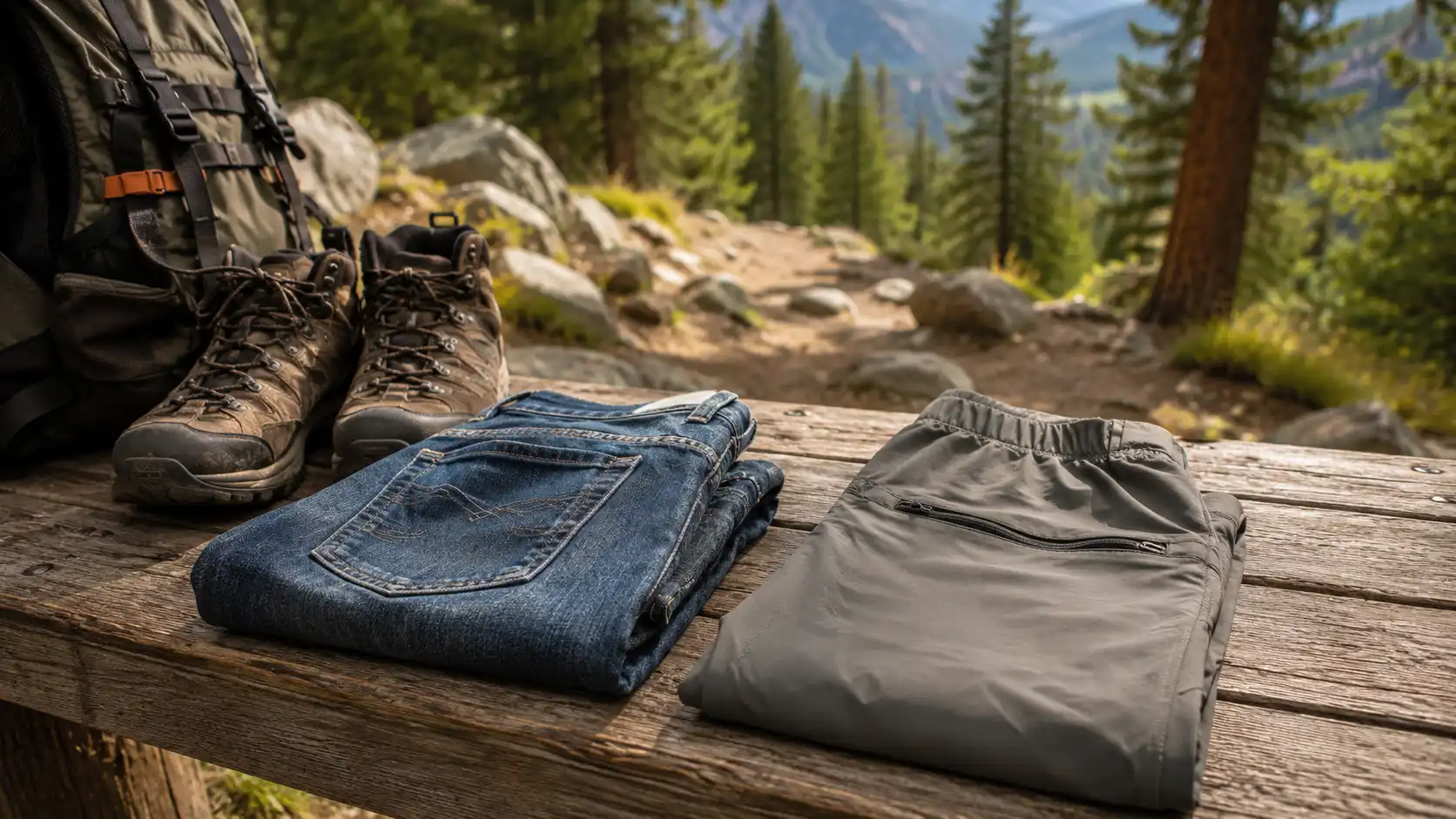
So, you’re wondering if those trusty old jeans can tag along on your next outdoor adventure. It’s a common question, especially when you’re just heading out for a casual stroll or a shorter trail and want to keep things simple. As someone who’s spent a fair bit of time on the trails, I can tell you it’s not a straightforward “yes” or “no.” It really depends on a few key things.
Think of it this way: a hammer is great for nails, but it’s not so useful for painting. Jeans are similar. They’re fantastic for everyday wear, but hiking is a bit of a different ballgame. We need to consider what the trail throws at you and what you expect from your clothing.
Manufacturer specifications for performance hiking fabrics, like those found in polyester-based hiking pants, often highlight breathability ratings, typically exceeding 3,000 g/m²/24hr, a stark contrast to the much lower ratings of traditional denim. This immediately tells you something important about how different materials handle exertion.
What to Consider When Thinking About Jeans for Hiking
Before you decide to rock your denim on the trail, let’s walk through what you should be thinking about. It’s all about making sure you’re comfortable and safe. When you’re planning a hike, your clothing choices can make a huge difference in your experience.
The Key Factors: Weather, Terrain, and Intensity
If you’re trying to decide whether jeans are the right choice for a particular outing, you need to look at three main things: the weather forecast, the type of ground you’ll be covering, and how hard you plan to work.
- The Weather: Is it a scorching hot day, or is there a chill in the air? Is it sunny, or is rain on the horizon? This is your first check point. If you expect significant temperature swings or precipitation, jeans will likely cause problems.
- The Terrain: Are we talking about a well-maintained park path, or are you navigating rocky, muddy, or overgrown sections? Different ground conditions require different clothing flexibility and protection. Rougher terrain often means more movement and potential for scraping against surfaces.
- The Length and Intensity of Your Hike: Is this a quick, hour-long walk on flat ground, or an all-day trek with significant elevation changes that will get your heart rate up? The longer and harder you push yourself, the more your clothing needs to perform, especially regarding moisture management and freedom of movement. If you’re looking for guidance on this, our Hiking Workout Plan For Beginners article can help you gauge intensity.
Why Jeans Can Be Tricky for Hiking
Jeans are made from denim, which is typically cotton. Now, cotton is a great fabric for many things, but when it comes to outdoor activities, especially hiking, it has some significant downsides that can turn a fun day into a miserable experience.
The Downsides of Denim on the Trail
If you’ve ever worn wet jeans, you already know the feeling: heavy, clingy, and cold. This is because cotton fibers absorb a lot of water and release it very slowly. For hiking, this translates into a few major problems that can impact your comfort and even your safety.
- They Get Wet and Stay Wet: If you walk through a puddle, sweat a lot, or it starts to rain, cotton jeans will soak up that moisture like a sponge. Unlike synthetic materials or merino wool that wick moisture away from your skin and dry quickly, denim holds onto it. This retention of moisture makes your legs feel cold and clammy, which is particularly uncomfortable if the temperature drops or the wind picks up.
- They Cause Chafing: When wet and heavy, denim can rub against your skin with every step. This friction, especially on longer hikes or if you’re wearing a backpack with a hip belt, can quickly lead to painful chafing and raw skin. This is a common frustration for hikers who underestimate the impact of wet clothing.
- Limited Breathability: Denim isn’t super breathable, meaning air doesn’t flow through it easily. This traps body heat and moisture, making you feel hot and stuffy, even on cooler days. As your exertion level increases, this lack of airflow becomes a significant factor in discomfort and overheating.
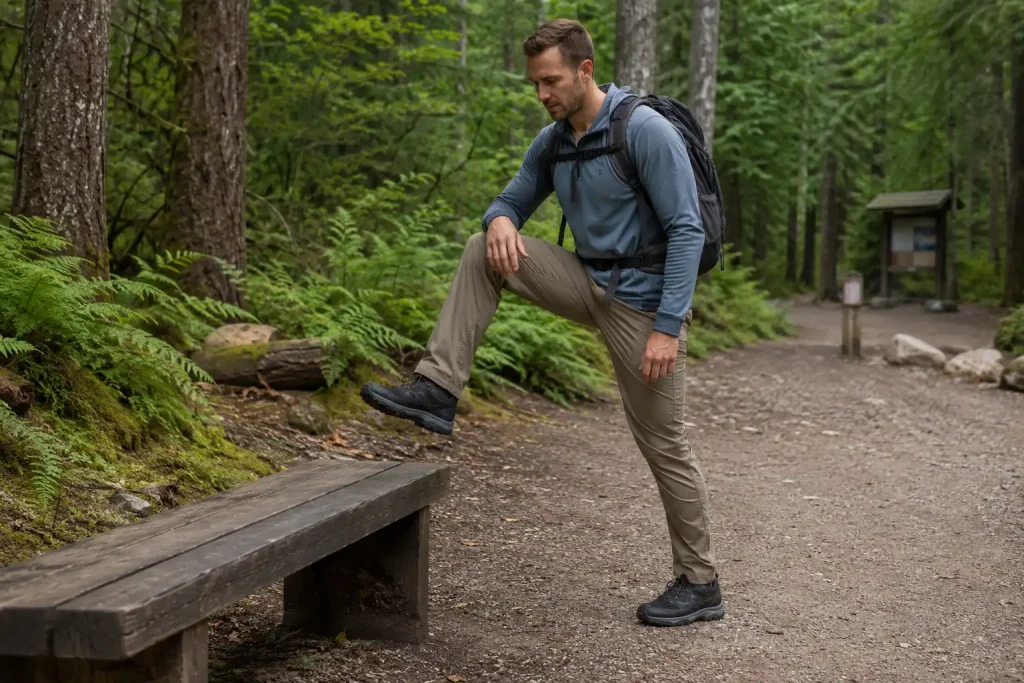
- Reduced Freedom of Movement: Traditional jeans can be stiff and restrictive, primarily due to their weave and the cotton fabric itself. If you’re climbing over rocks, scrambling up steep sections, or navigating uneven ground where you need to lift your knees high or move your legs in dynamic ways, jeans might limit your ability to move freely and easily. This restriction can not only be uncomfortable but can also increase the risk of slips or stumbles.
When Jeans Might Be Okay-ish for Hiking
It’s not always a hard no. There are certain situations where jeans might be acceptable, especially if your expectations are managed and the hike is very low-impact. We’re talking about scenarios where you’re not pushing your limits and comfort is less of a performance factor.
Short, Easy, Dry Trails
If you’re going for a very short walk on a well-maintained, flat, and completely dry trail, a pair of comfortable, perhaps slightly stretchy jeans might be fine. Think of a gentle city park loop on a warm, sunny day where the primary goal is a brief outing in nature rather than a challenging physical endeavor. In these cases, the fabric’s drawbacks are minimized. For instance, if the hike is less than an hour and doesn’t involve any water crossings or steep inclines, the risk of significant discomfort from wetness or chafing is low.
This type of outing is more about enjoying a pleasant walk than testing your gear.
If your idea of hiking is more of a leisurely stroll and you’re not planning on getting too sweaty or encountering challenging conditions, basic jeans could work. However, it is important to remember that even short hikes can present unexpected challenges, like a sudden rain shower or walking through dew-covered grass. For example, a trail that appears dry at the start might have muddy patches after a passing cloud.
Very Casual “Hikes” and Style Prioritization
Let’s be honest, sometimes we just want to look a certain way. If style is a top priority and you’re not pushing your limits, you might choose jeans for a very casual outing. This typically involves short walks with minimal elevation gains where appearance is valued over technical performance. You might see someone wearing jeans on a short, flat nature trail where the main focus is a leisurely walk and social interaction.
In these situations, the trade-offs are usually minor. The limited freedom of movement and potential for dampness aren’t significant concerns over a short duration. It’s important to weigh this choice against the potential for discomfort if the hike lasts longer than anticipated or encounters unforeseen conditions. If style is your main driver, consider “athletic fit” or “stretch” denim, which offer more flexibility than traditional rigid jeans.
For beginners, focusing on comfort and functionality first is usually the better route, as detailed in our Beginner Hiking Checklist.
When You Should Definitely Avoid Jeans for Hiking
On the flip side, there are definitely times when reaching for your jeans would be a significant mistake. These are the situations where the inherent properties of denim will actively work against you, making the experience uncomfortable, potentially hazardous, and generally unpleasant. Ignoring these conditions can lead to a really bad day on the trail.
Situations Demanding Better Gear
Choosing jeans in these scenarios means accepting a high probability of discomfort and potential issues. It’s about understanding the risks and making an informed decision for your own well-being and enjoyment.
- Wet or Muddy Conditions: If there’s any chance of rain, crossing streams, or hiking through marshy or muddy areas, skip the denim. Cotton jeans will become saturated very quickly, leading to the rapid onset of cold and heavy limbs, as well as increased chafing. This is perhaps the most critical scenario to avoid jeans.
- Longer or Strenuous Hikes: The discomfort and potential for chafing will become much more pronounced the longer you’re out and the more you move. For hikes lasting several hours or involving significant elevation gain, the moisture retention and stiffness of jeans will become increasingly problematic. You might find yourself regretting your choice within the first hour.
- Chilly or Variable Weather: Cotton’s poor insulation when wet makes it a bad choice when the temperature could drop. If the forecast is cool, or if you’re hiking in an environment where temperatures can fluctuate, wet jeans will make you dangerously cold. This can lead to hypothermia in extreme cases, especially if you’re exposed to wind.
- Challenging Terrain: If you’ll be scrambling over rocks, bushwhacking through dense vegetation, or need maximum flexibility for dynamic movements, jeans will hold you back. Their stiffness can restrict your stride and range of motion, increasing the effort required for each movement and posing a tripping hazard.
- If You Sweat a Lot: If you tend to overheat or sweat heavily even during moderate activity, the moisture-retaining nature of cotton will become a problem very quickly. This constant dampness can lead to skin irritation and a general feeling of being uncomfortable and chilled, even in warm weather. Our guide on How To Stay Hydrated On A Hike also touches on how managing sweat is part of overall comfort.
What Hiking Apparel Alternatives Are Better?
If you’re looking for better options for hiking, there are plenty of great materials and designs out there that are specifically engineered for the demands of the outdoors. These alternatives prioritize performance, comfort, and safety, ensuring your clothing works with you, not against you, on the trail. They offer critical advantages over traditional denim for almost any hiking scenario.
Synthetics, Merino Wool, and Performance Blends
When it comes to choosing what to wear, focusing on fabrics that actively manage moisture and allow for easy movement is key. These materials have been widely adopted by outdoor apparel manufacturers for good reason, they perform.
- Synthetics: Fabrics like polyester and nylon are fantastic for hiking. They are highly durable, dry very quickly if they get wet, and importantly, they are excellent at “wicking” moisture. Wicking means they pull sweat away from your skin and spread it across the fabric’s surface, where it can then evaporate. This keeps you drier and more comfortable, reducing the risk of chafing and feeling cold. You’ll find these in most dedicated hiking pants and shorts.
- Merino Wool: This is a natural fiber that’s surprisingly good for hiking, offering a unique set of benefits. It’s highly breathable, helping to regulate your body temperature by keeping you cooler in heat and warmer when it’s cold. Merino wool also has natural odor-resistant properties, which is a huge plus for multi-day trips. Crucially, unlike cotton, merino wool continues to insulate even when it gets wet, and it doesn’t feel as clammy. Fabrics like these are often featured in our discussions on Best Hiking Snacks For Energy because comfort is paramount to sustained effort.
- Performance Blends: Many modern hiking pants use clever blends of synthetic fibers, often with a touch of spandex or elastane for added stretch. This combination offers the best of many worlds: the durability and quick-drying properties of synthetics, the temperature regulation of wool, and the flexibility needed for dynamic movement. These pants are designed to withstand abrasion, dry quickly, and allow you full range of motion, whether you’re navigating a steep ascent or sitting down for a trailside break. For a good starting point on specific types of specialized hiking footwear that pair well with these garments, check out our Trail Runners Vs Hiking Boots comparison.
Your Hiking Gear Decision Guide
Making the right gear choices can significantly impact your hiking experience, turning a potentially uncomfortable trek into an enjoyable adventure. Since jeans aren’t typically the best choice for most hikes, understanding how to select appropriate alternatives is crucial. This guide will walk you through the process of choosing what to wear, focusing on functionality and comfort.
Choosing the Right Pants for Your Next Adventure
When you’re deciding between different types of hiking pants, think about the specific conditions you’ll be encountering. There isn’t a one-size-fits-all answer, but by considering key factors, you can narrow down your options effectively. Remember, the goal is to have clothing that supports your movement and keeps you comfortable throughout your journey, regardless of the trail’s demands. If you need a broader overview of what else to pack for a day hike, our What To Bring On A Day Hike article is a great resource.
- Consider Your Primary Activities: Are you mostly walking on gentle paths? Or do you anticipate more climbing, scrambling, or trekking through brush? For most general hiking, versatile synthetic hiking pants are a solid bet. If you know you’ll be dealing with rougher terrain, look for pants made from durable ripstop nylon. For very hot climates and less demanding trails, breathable hiking shorts or convertible pants (which zip off into shorts) can be excellent choices. Our Best Hiking Sandals Review also offers insights into warmer-weather choices.
- Assess the Weather Forecast: If you expect rain, water-resistant or waterproof pants are essential. Many hiking pants offer a DWR (durable water repellent) finish that sheds light rain and splashes. For more persistent wet conditions, investing in a separate pair of waterproof rain pants that can be worn over your regular hiking pants is a smart move. In colder conditions, you might opt for fleece-lined pants or wear a base layer underneath lighter hiking pants. Our guide on Best Hiking Gloves For Cold Weather covers another important aspect of cold-weather prep.
- Prioritize Fit and Flexibility: The best hiking pants allow for a full range of motion. Look for features like articulated knees (pre-shaped knee panels), a gusseted crotch (an extra panel of fabric in the crotch area), and a bit of stretch in the fabric. A comfortable fit means no pinching or binding when you take large strides or lift your legs high. The waist closure should also be comfortable, especially if you plan to wear a backpack with a hip belt; some hikers prefer adjustable waistbands or integrated belts. Choosing the right hiking boots is also critical; consult our How To Choose Hiking Boots guide for footwear selection.
- Look for Practical Features: Many hiking pants include useful pockets, often with zippers, for securing essentials like your phone, keys, or a small snack. Some also have reinforced cuffs to protect against abrasion from boots or vegetation, or even integrated gaiters if you’re hiking in snow or scree. Features like quick-release buckles on hydration packs, as detailed in Hiking Backpack Essentials, also highlight the importance of thinking through each component of your gear system. As of 2026, many manufacturers are also incorporating recycled materials into their performance apparel, aligning with sustainability goals.
Mistakes to Avoid When Choosing Hiking Gear
Even with the best intentions, hikers sometimes make choices that compromise their comfort and safety. When it comes to pants, understanding common missteps can save you a lot of trouble on the trail. These are the things we see trip people up time and again.
Common Errors That Hinder Your Hike
Choosing the wrong gear often comes down to a few recurring themes. Most of these mistakes stem from either overlooking critical trail conditions or prioritizing the wrong attributes. If you’ve ever regretted your clothing choice, it was likely one of these issues.
- Treating All Trails the Same: The biggest mistake is assuming any pair of pants is suitable for any hike. A short, paved walk in a city park is entirely different from a steep, rocky ascent in the mountains. Failing to match your clothing to the specific demands of the trail is a recipe for discomfort.
- Ignoring the Weather Forecast: This is a close second to the above. Relying on a sunny morning prediction when the afternoon calls for possible rain, or choosing breathable shorts when temperatures are expected to plummet, leads to poor outcomes. Always check the forecast for the entire duration of your planned outing.
- Over-Reliance on “Durable” Jeans: While denim is tough for everyday wear, its lack of flexibility and poor performance when wet make it a risky choice for any hike where you might sweat, get splashed, or encounter more than a bit of mud. Durability doesn’t equal suitability for performance.
- Neglecting Freedom of Movement: Pants that are too tight, too stiff, or poorly designed for articulation can significantly restrict your stride. This not only makes hiking harder work but can also increase the risk of falls. If your pants feel constrictive when you squat or lift your leg high, they are likely unsuitable for challenging trails.
- Wearing Cotton for Everything: This is a fundamental error repeated by many novice hikers. While cotton feels soft and comfortable when dry, its tendency to absorb and retain moisture is a major performance killer outdoors. As we’ve discussed, this can lead to cold, chafing, and general misery.
Expert Tips for Selecting Pants
Beyond the basic do’s and don’ts, there are a few insider tips that can elevate your hiking experience. These are the little details that make a big difference between a good hike and a great one, ensuring your gear is as helpful as possible.
Smart Hacks for Trail-Ready Legs
These pieces of advice come from years of editorial analysis of outdoor gear and accumulated user feedback. They’re designed to help you make the most informed choices.
- Consider “Convertible” Pants: For hikers who encounter variable weather or enjoy a range of activities, convertible pants are incredibly versatile. These garments zip off to become shorts, allowing you to adapt quickly to changing temperatures or terrain throughout a single hike. This eliminates the need to carry an extra pair of shorts.
- Look for UPF Protection: Many performance hiking pants offer Ultraviolet Protection Factor (UPF) ratings, typically ranging from UPF 30 to UPF 50+. This is a crucial feature for sunny environments, as it helps shield your skin from harmful UV rays, reducing the risk of sunburn and long-term skin damage. A UPF 50 rating blocks about 98% of UV radiation.
- Test Fit with Underwear and Socks: When trying on hiking pants, wear the type of underwear and socks you plan to hike in. A hiking sock can add bulk that changes the fit around the calf and ankle. Similarly, wearing moisture-wicking underwear helps assess potential chafing points.
- Prioritize Quick-Dry Materials: Even if rain isn’t expected, you’ll likely sweat. Fabrics that dry quickly will keep you more comfortable. Polyester, nylon, and merino wool blends excel here. For an idea of how other moisture management applies, look at our guide to Electrolytes For Hiking.
- Think About Insect Repellency: Some hiking pants are treated with insect repellent, such as permethrin, which can be very effective against mosquitoes and ticks, especially in buggy areas. If the pants aren’t pre-treated, you can often use a spray on your existing gear, though treatments vary in longevity.
What to Wear Instead: The Ideal Hiking Pants
If jeans aren’t the go-to, what should you be looking for? The ideal hiking pants are designed with movement, comfort, and protection from the elements in mind. They balance durability with breathability and offer features that support your outdoor activities.
Key Characteristics of Performance Hiking Trousers
When you’re browsing outdoor gear, keep an eye out for these attributes. They are the hallmarks of pants that will serve you well on the trail, whether you’re on a strenuous ascent or a relaxed woodland walk. This aligns with general advice found in What To Wear Hiking For Beginners.
- Material: Look for synthetic fabrics like nylon and polyester, or blends that include them. These materials are chosen for their strength, quick-drying capabilities, and moisture-wicking properties. Some pants also incorporate spandex or elastane for stretch, enhancing freedom of movement.
- Fit and Articulation: Pants should offer a comfortable, non-restrictive fit. Features like articulated knees and a gusseted crotch are vital. These design elements allow for a greater range of motion, which is essential for stepping over obstacles, climbing, and navigating uneven terrain.
- Durability: Hiking can be tough on clothing. Materials that resist abrasion and tearing are important. Pants often feature reinforced areas in high-wear zones, such as the seat and knees. Ripstop weaves in fabrics like nylon significantly improve their resistance to tearing.
- Breathability and Ventilation: Good hiking pants allow air to circulate, preventing overheating. Some pants include zippered vents in the thigh or calf area, which can be opened to increase airflow when you’re working hard or when temperatures rise.
- Water Resistance: While not always fully waterproof, most good hiking pants have a DWR (Durable Water Repellent) finish. This treatment causes water to bead up and roll off the surface, keeping you drier during light rain or splashes. For heavier rain, you’d typically wear separate waterproof rain pants over these.
Your Hiking Gear Decision Guide
Making the right gear choices can significantly impact your hiking experience, turning a potentially uncomfortable trek into an enjoyable adventure. Since jeans aren’t typically the best choice for most hikes, understanding how to select appropriate alternatives is crucial. This guide will walk you through the process of choosing what to wear, focusing on functionality and comfort.
Choosing the Right Pants for Your Next Adventure
When you’re deciding between different types of hiking pants, think about the specific conditions you’ll be encountering. There isn’t a one-size-fits-all answer, but by considering key factors, you can narrow down your options effectively. Remember, the goal is to have clothing that supports your movement and keeps you comfortable throughout your journey, regardless of the trail’s demands. If you need a broader overview of what else to pack for a day hike, our What To Bring On A Day Hike article is a great resource.
- Consider Your Primary Activities: Are you mostly walking on gentle paths? Or do you anticipate more climbing, scrambling, or trekking through brush? For most general hiking, versatile synthetic hiking pants are a solid bet. If you know you’ll be dealing with rougher terrain, look for pants made from durable ripstop nylon. For very hot climates and less demanding trails, breathable hiking shorts or convertible pants (which zip off into shorts) can be excellent choices. Our Best Hiking Sandals Review also offers insights into warmer-weather choices.
- Assess the Weather Forecast: If you expect rain, water-resistant or waterproof pants are essential. Many hiking pants offer a DWR (durable water repellent) finish that sheds light rain and splashes. For more persistent wet conditions, investing in a separate pair of waterproof rain pants that can be worn over your regular hiking pants is a smart move. In colder conditions, you might opt for fleece-lined pants or wear a base layer underneath lighter hiking pants. Our guide on Best Hiking Gloves For Cold Weather covers another important aspect of cold-weather prep.
- Prioritize Fit and Flexibility: The best hiking pants allow for a full range of motion. Look for features like articulated knees (pre-shaped knee panels), a gusseted crotch (an extra panel of fabric in the crotch area), and a bit of stretch in the fabric. A comfortable fit means no pinching or binding when you take large strides or lift your legs high. The waist closure should also be comfortable, especially if you plan to wear a backpack with a hip belt; some hikers prefer adjustable waistbands or integrated belts. Choosing the right hiking boots is also critical; consult our How To Choose Hiking Boots guide for footwear selection.
- Look for Practical Features: Many hiking pants include useful pockets, often with zippers, for securing essentials like your phone, keys, or a small snack. Some also have reinforced cuffs to protect against abrasion from boots or vegetation, or even integrated gaiters if you’re hiking in snow or scree. Features like quick-release buckles on hydration packs, as detailed in Hiking Backpack Essentials, also highlight the importance of thinking through each component of your gear system. As of 2026, many manufacturers are also incorporating recycled materials into their performance apparel, aligning with sustainability goals.
