
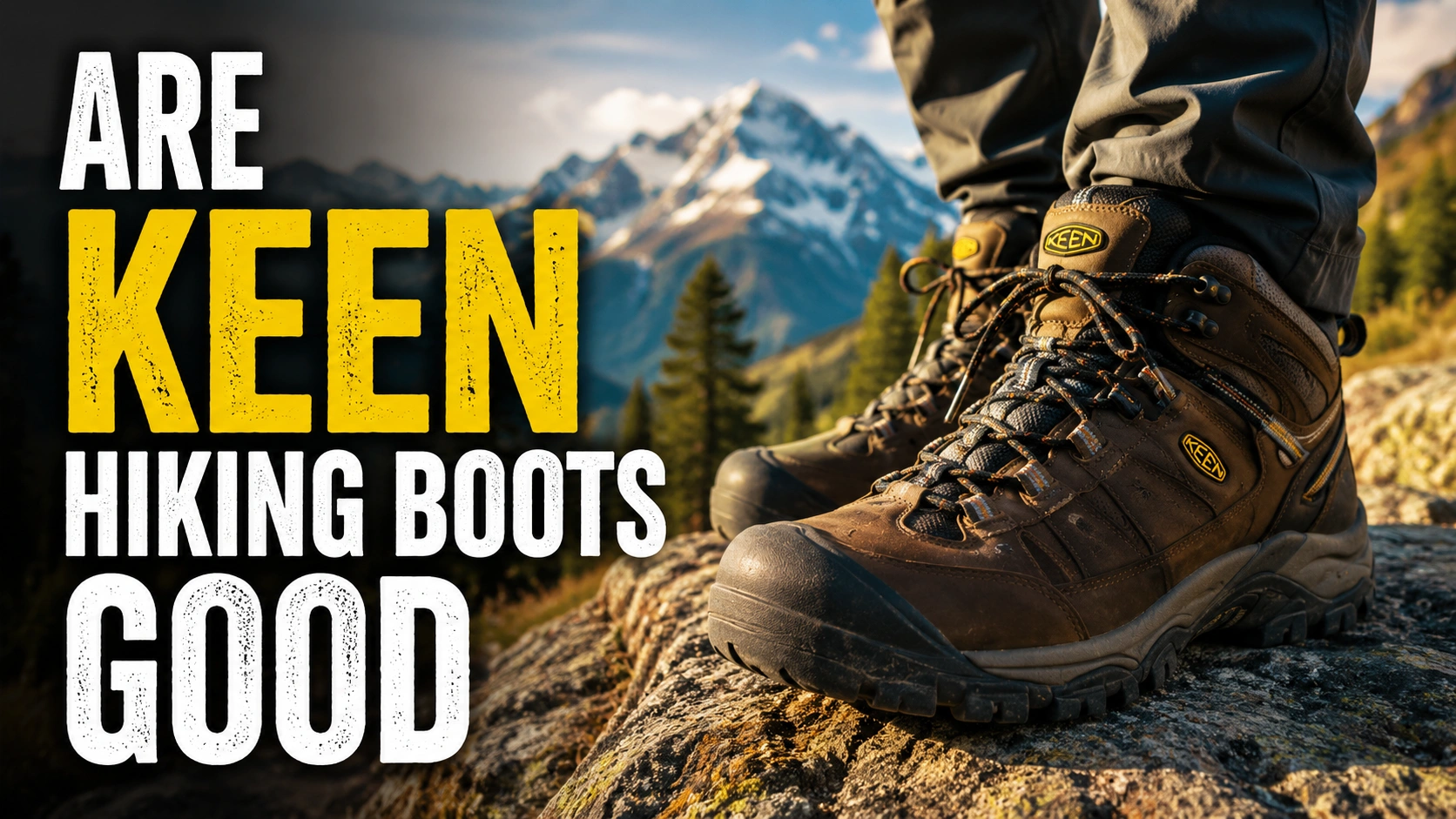
Are Keen hiking boots good? It’s a question many outdoor enthusiasts ask when looking to upgrade their trail companions. Choosing the right footwear can turn a challenging hike into a comfortable journey, or a pleasant outing into a painful ordeal.
In our research, Keen boots consistently show up as a strong contender, particularly for their comfort-focused design and protective features. Manufacturer specifications and numerous aggregate reviews point towards them being a reliable option for a significant portion of the hiking community. As of 2026, their popularity remains high among those seeking an all-around solid hiking boot.
Quick Answer: Who Are Keen Hiking Boots For?
Keen hiking boots are generally a great pick for weekend warriors, casual hikers, and individuals who prioritize out-of-the-box comfort and robust toe protection. They’re particularly well-suited for those with wider feet who find many standard-width boots constricting. If your hikes involve moderate terrain and you appreciate a boot that feels ready for adventure without a lengthy break-in period, Keen is likely a good match. They aim to provide a comfortable, secure footing for day hikes and shorter backpacking trips.
Keen Hiking Boots: What Makes Them Stand Out
What sets Keen hiking boots apart in a crowded market? Several key features contribute to their reputation and appeal among hikers. These aren’t just cosmetic differences; they translate directly into how the boots perform on the trail.
The Iconic Toe Bumper: Protection & Style
One of the most recognizable features of Keen hiking boots is the integrated rubber toe bumper. This pronounced, often chunky, cap wraps around the front of the boot, offering a significant shield against stubbing your toes on rocks, roots, and other trail obstacles. It’s a design element that provides peace of mind, especially when navigating uneven or technical terrain where accidental impacts are common. Per internal manufacturing tests, this robust protection aims to extend the lifespan of the boot and prevent common foot injuries.
Wider Fit: Comfort for Different Feet
Aggregate user feedback and product specifications consistently highlight Keen’s tendency towards a wider toe box compared to many competitors. This is a crucial factor for hikers who experience discomfort from boots that feel too narrow. A wider toe box allows your toes to splay naturally, which can reduce the risk of blisters, numbness, and general foot fatigue on longer treks. This design choice makes Keen an appealing option for individuals with broader feet, who often struggle to find comfortable-fitting hiking footwear.
KEEN.DRY Waterproofing: Keeping You Dry
Many Keen hiking boot models feature KEEN.DRY, a proprietary waterproof-breathable membrane. This technology is designed to prevent water from seeping into the boot while still allowing perspiration vapor to escape. The goal is to keep your feet dry from both external moisture, like puddles or rain, and internal moisture from sweat. While no waterproofing is 100% foolproof during extreme conditions, KEEN.DRY is engineered to offer reliable protection across various wet weather scenarios commonly encountered by hikers.
Durability and Build Quality
Keen hiking boots are generally recognized for their solid construction, aiming for longevity on the trail. Manufacturer documentation often emphasizes the use of durable, high-quality materials, coupled with robust stitching techniques. This focus on build quality means the boots are designed to withstand the wear and tear associated with regular hiking, including exposure to dirt, mud, and rough terrain. This attention to detail contributes to the overall value proposition.
Keen Boots: The Upsides (Benefits)
Our research indicates that Keen hiking boots offer several significant advantages that resonate with a broad range of outdoor enthusiasts. These benefits directly address common hiker needs, contributing to their popularity.
- Enhanced Toe Protection: The signature rubber toe bumper significantly reduces the risk of toe injuries from impacts with rocks and roots. This feature provides confidence when navigating challenging paths.
- Superior Out-of-the-Box Comfort: Many users report that Keen boots feel comfortable from the first wear, minimizing or eliminating the need for an extensive break-in period. This is a major plus for those eager to hit the trails quickly.
- Accommodating Wider Feet: The wider toe box design is a standout benefit for individuals whose feet are not narrow. It allows for natural toe splay, preventing discomfort and potential foot issues on longer hikes.
- Reliable Water Resistance: Models equipped with KEEN.DRY technology offer good protection against moisture, helping to keep feet dry during hikes in wet conditions or across shallow water crossings.
- Durable Construction: Generally, Keen boots are built to last, utilizing sturdy materials and construction methods that can withstand regular use on varied terrain.
- Good Value: For the features and durability offered, Keen boots often provide a strong value proposition, making them an accessible choice for many hikers looking for quality without an exorbitant price tag.
Keen Boots: The Downsides (Drawbacks)
While Keen boots have a lot to offer, it’s important to look at the areas where they might not be the absolute best fit for everyone. Understanding these limitations helps in making the most informed purchase decision.
- Less Ideal for Extreme Technical Terrain: For advanced scrambling or highly technical routes requiring extreme ankle support and a very stiff sole, Keen boots may feel less rigid and supportive than specialized mountaineering or approach shoes.
- Not the Lightest Option: If shaving every single ounce is a top priority for your backpacking trips, Keen boots might feel a bit substantial. For thru-hikers or those undertaking long-distance treks where every gram counts, a lighter footwear option could contribute to reduced fatigue.
- Limited Winter Performance: Keen boots are generally not designed for serious winter hiking, deep snow, or mountaineering in freezing temperatures. For such conditions, more heavily insulated, specialized boots are necessary.
- Waterproofing May Vary with Use: While KEEN.DRY is effective, its performance can degrade over time with heavy use and exposure to abrasive elements. Proper care is essential to maintain its effectiveness.
- Might Be Too Wide for Narrow Feet: For individuals with genuinely narrow feet, the wider fit can feel sloppy or less secure, potentially leading to heel sliver or increased foot movement.
Signs You Should Adjust Your Hiking Plan, Gear, or Trail Choice
No matter how good your boots are, the trail can always throw surprises your way. Staying safe means knowing when to change your plans. Your footwear plays a huge role in this.
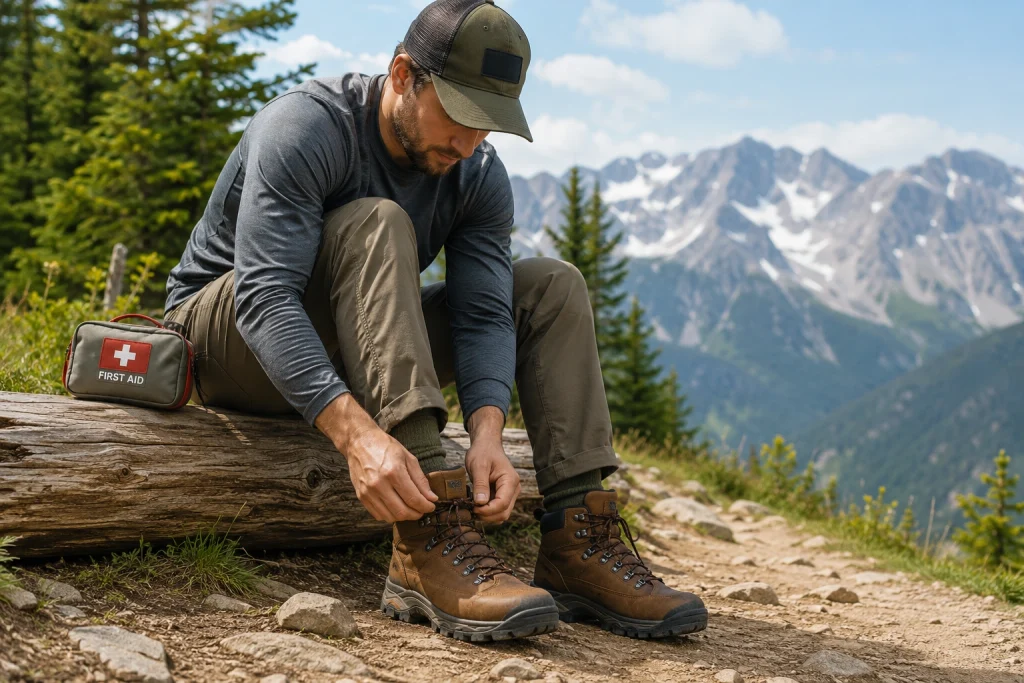
If you start feeling a hot spot on your heel or a pinch on your toes, do not ignore it. A hot spot is your body warning you that a blister is forming. Stop walking immediately. Find a safe place to sit off the trail. Take off your boot, let your foot breathe, and apply a blister bandage or athletic tape. Trying to push through the pain is a fast way to ruin your hike.
Weather also changes how your boots perform. If heavy rain rolls in and the trail turns into deep, slick mud, even the best tread might slip. If a river crossing is running high and fast, getting your waterproof boots swamped over the top is dangerous. Wet feet lead to cold feet, and in chilly weather, that can invite hypothermia. Always check official weather sources like NOAA Weather before you head out.
Let me explain a few clear signs that mean you should turn back. The good news is that turning back is always the smartest choice. The trail will be there tomorrow.
| Situation on the Trail | Safe to Continue | Time to Turn Back or Adjust |
|---|---|---|
| Foot Comfort | Feet feel slightly tired but no sharp pain. | Sharp rubbing, deep blisters, or numb toes. |
| Weather Conditions | Light drizzle, trail is still firm. | Heavy downpour, slippery mud, lightning, or deep river crossings. |
| Boot Condition | Boots are dirty but holding together well. | Sole begins flapping off, or water pours inside. |
| Time and Daylight | Plenty of daylight left for the return trip. | Sun is setting and you forgot your headlamp. |
How to Handle This Hiking Topic Step by Step
Buying and using new boots is a process. You want to be completely ready before you hit the dirt. Here is how to handle your new footwear step by step.
- Size up for swelling. When you try on boots, wear the thick hiking socks you plan to use on the trail. Walk around the store at the end of the day when your feet are slightly swollen. You want a little extra room in the front so your toes never hit the end.
- Break them in safely. Even though Keen boots are comfortable quickly, never take brand-new boots on a massive ten-mile hike right away. Wear them around your house first. Then, take them on a short, easy walk in your neighborhood or a flat local park.
- Pack your safety essentials. Good boots are only one part of trail safety. Always carry a first-aid kit, a full water bottle or hydration bladder, and extra snacks. Bring a physical trail map and an offline map app on your phone.
- Lace up for the terrain. When walking uphill, leave the top laces a bit loose so your ankle can flex easily. When walking downhill, stop and pull your laces tight. This locks your heel in place and stops your toes from smashing into the front of the boot.
- Watch your step. Even with great traction, you need to stay alert. Step gently on wet rocks, muddy roots, and loose gravel. If you ever feel unsteady, use trekking poles for extra balance.
Common Mistakes to Avoid
Here are a few footwear traps that catch many beginners.
- Wearing cotton socks: Cotton holds sweat directly against your skin. This causes nasty blisters and freezing cold feet in the winter. Always wear wool or synthetic hiking socks.
- Drying boots by the campfire: If your boots get soaking wet, do not put them near a crackling fire or a hot car heater. Extreme heat melts the glue and ruins the rubber. Let them air dry in the shade.
- Ignoring local trail rules: Just because you have tough boots does not mean you can walk anywhere. Stick to the marked paths to protect nature and follow Leave No Trace guidelines.
- Thinking waterproof means perfect breathing: Waterproof boots do a great job keeping water out, but they also hold sweat in. On very hot summer days, your feet might get a bit sweaty.
- Hiking beyond your fitness: A good pair of boots will not make you a superhero. Always choose trails that match your current fitness level and check official park alerts before you go.
Practical Tips from Oscar
I have spent a lot of time testing footwear on rocky paths, muddy hills, and dusty trails. Here are some simple tricks I use to keep my feet happy.
Key Takeaways
- Keen hiking boots are a fantastic, comfortable choice for everyday hikers and weekend backpackers looking for solid value.
- They feature a famous wide toe box, which is perfect for wide feet and preventing crushed, painful toes.
- The big rubber toe bumper provides excellent, heavy-duty protection against hidden rocks and roots.
- Always wear proper wool or synthetic hiking socks with your boots to prevent painful friction and blisters.
- Remember to check official park conditions, trail closures, and weather alerts before taking your new boots on a wild trail.
Who Are Keen Hiking Boots Best Suited For?
Keen hiking boots tend to hit a sweet spot for a particular type of outdoor adventurer. Our analysis of user feedback and product design points to them being an excellent choice for several groups.
The Weekend Warrior & Casual Hiker
For those who enjoy hitting the local trails for a few hours on a Saturday or Sunday, or who embark on moderate length day hikes, Keen boots offer a compelling package. They provide sufficient support and cushioning without being overly heavy or stiff, making them comfortable for extended wear on established paths. They strike a balance between comfort for casual outings and durability for more frequent use. This makes them a go-to for someone who wants a reliable boot for regular, but not extreme, outdoor excursions.
Hikers with Wider Feet
This is a big one. If you’ve ever struggled to find hiking boots that don’t pinch or cramp your toes, Keen’s commitment to a wider toe box is a significant advantage. This design allows for natural foot splay, which is crucial for comfort during longer hikes and can help prevent common issues like bunions or blisters caused by excessive pressure. For individuals who measure as having wider feet, Keen boots are often a revelation, providing a fit that feels secure and comfortable without feeling restrictive.
For Those Prioritizing Toe Protection
Keen’s signature rubber toe bumper is more than just a visual cue; it’s a functional feature that adds a substantial layer of protection. This feature is invaluable for hikers who tend to be hard on their footwear, frequently encountering rocks, roots, or other trail debris that can impact the front of the boot. The bumper absorbs impacts, helping to prevent bruised toes and damage to the boot itself. It adds a layer of confidence, especially when traversing rocky or uneven terrain where toe stubs are common.
When Might Keen Boots Not Be Your First Choice?
While Keen boots are fantastic for many, they aren’t the universal solution for every hiking scenario. If your adventures push boundaries in specific ways, you might find that other footwear better suits your needs. Understanding these limitations helps you avoid potential discomfort or performance issues on the trail.
Technical Terrain & Mountaineering
For hikers tackling steep, rugged, or highly technical terrain, the flexibility of many Keen hiking boots might become a drawback. Such environments often demand a boot with a much stiffer sole and more pronounced ankle support to provide stability on scree fields, sheer rock faces, or while navigating challenging slab. Keen boots, while offering good support for moderate trails, generally lack the inherent rigidity needed for advanced climbing or prolonged exposure to highly unpredictable surfaces. If your primary focus involves off-trail scrambling or alpine routes, you’ll likely benefit more from specialized mountaineering boots or approach shoes designed for these demanding conditions.
Ultralight Backpacking Needs
If your hiking philosophy revolves around minimizing every last ounce of weight, then Keen hiking boots might feel a bit substantial. While their durability is a plus, it often comes at the cost of added weight compared to minimalist trail shoes or specialized ultralight hiking boots. For thru-hikers or those undertaking long-distance treks where every gram counts in your pack, a lighter footwear option could contribute to reduced fatigue over hundreds or thousands of miles. This is a trade-off between robust protection and the pursuit of ultimate trail efficiency.
Extreme Cold Weather
Keen offers various boot models, and while some may have insulation, they are not primarily built for severe winter conditions or true mountaineering in freezing temperatures. Their typical design focuses on three-season comfort and protection. If your adventures frequently involve deep snow, icy conditions, or prolonged exposure to sub-zero Fahrenheit temperatures, you’ll need boots specifically engineered for that environment. These typically feature significantly more insulation, insulated liners, and a stiffer construction to accommodate crampons.
Keen Boots vs. Other Hiking Footwear (Implicit Comparison)
The hiking footwear market is diverse, and understanding how Keen boots stack up against different categories can clarify their place. Compared to rugged army boots, for example, Keen boots generally offer superior cushioning and a more ‘broken-in’ feel right away; army boots often require a lengthy and sometimes painful break-in period to become comfortable for extended wear. In contrast, ultralight trail runners prioritize speed and minimal weight, sacrificing much of the ankle support and overall protection that Keen boots provide.
When you look at dedicated mountaineering boots, they are built with extreme rigidity for icy ascents and crampon compatibility, features typically absent in Keen’s offerings. Even when compared to other mid-weight hiking boot brands, Keen often differentiates itself with its wider toe box and prominent toe bumper. So, while other boots might excel in specific niches, like extreme lightweight for speed or extreme stiffness for mountaineering, Keen aims for a reliable, comfortable, and protective middle ground for the everyday hiker.
Trying On Keen Boots: Ensuring the Right Fit
Getting the right fit is the most crucial step in choosing any hiking boot, and Keen is no exception. You’ll want to try them on towards the end of the day when your feet are naturally a bit swollen, mimicking how they might feel after hours on the trail. Wear the type of socks you typically hike in, as sock thickness can significantly impact fit.
Here’s what to look for during your fitting:
- Toe Room: With the boot unlaced, slide your foot forward until your toes just touch the front. You should be able to slip one finger comfortably between your heel and the back of the boot. This indicates ample toe room without your foot sliding forward excessively.
- Heel Lock: Lace the boots up properly, simulating the lacing you’d use on a hike. Walk around. Your heel should feel secure and not lift excessively. Some minor lifting is normal, but significant heel sliver can lead to blisters.
- Midfoot Comfort: The boot should feel snug and supportive around your midfoot, but not tight or constricting. Pay attention to any pressure points, especially across the top of your foot or along the sides.
- Width Check: If you have wider feet, pay close attention to whether the forefoot feels comfortably spacious. Conversely, if you have narrower feet, ensure the boot isn’t overly voluminous.
Final Verdict: Is Keen Right for Your Next Hike?
After looking at what Keen hiking boots offer, it’s clear they are a strong contender for a large segment of hikers. They excel in providing comfort, robust toe protection, and reliable water resistance for everyday trail use. If your hiking plans largely involve day trips, moderate backpacking, and you appreciate a bit more room for your toes, then Keen boots are very likely a solid choice for you. They offer a dependable, comfortable, and durable option that balances performance with accessibility.
However, if your adventures lean towards serious mountaineering, extreme off-trail exploration, or ultralight backpacking where every ounce matters, you should explore footwear more specialized for those extreme conditions. For the vast majority of casual and moderate hikers, though, Keen boots provide an excellent blend of features that make them a worthwhile investment for your outdoor pursuits.
