
I remember my very first real day hike. I showed up at the trailhead in a pair of worn-out gym sneakers, thinking I would be just fine. By the end of the afternoon, my feet were sore, I had slipped on a few muddy rocks, and my toes were covered in blisters. That experience left me wondering: are hiking shoes necessary, or was I just unprepared?
If you are planning your first outdoor adventure, you are probably asking yourself the same question. Hiking gear can be expensive, and it is totally normal to wonder if you can just use the running shoes already sitting in your closet. The truth is, the right footwear can make or break your trip, but you do not always need heavy, expensive boots to enjoy the outdoors.
In this guide, I will help you figure out exactly when you need specialized hiking footwear and when your everyday sneakers will do the trick. We will look at trail conditions, weather planning, and how to keep your feet safe and happy on your next adventure.
Quick Answer
So, are hiking shoes necessary? The short answer is no, they are not strictly necessary for every single hike, especially if you are walking on flat, well-maintained, and dry beginner trails. However, for anything involving steep climbs, loose rocks, mud, or carrying a heavy backpack, hiking shoes are highly recommended. They provide essential grip, foot protection, and support that regular sneakers simply cannot offer. If you plan to make hiking a regular hobby, investing in proper trail footwear is one of the smartest safety choices you can make.
What Hikers Should Know About Footwear
To understand why hiking shoes matter, we need to look at how they are built. Everyday sneakers and running shoes are made for pavement. They have soft, flexible soles that feel great on a sidewalk but let you feel every sharp rock on a trail. They also wear out very fast when exposed to dirt, roots, and friction.
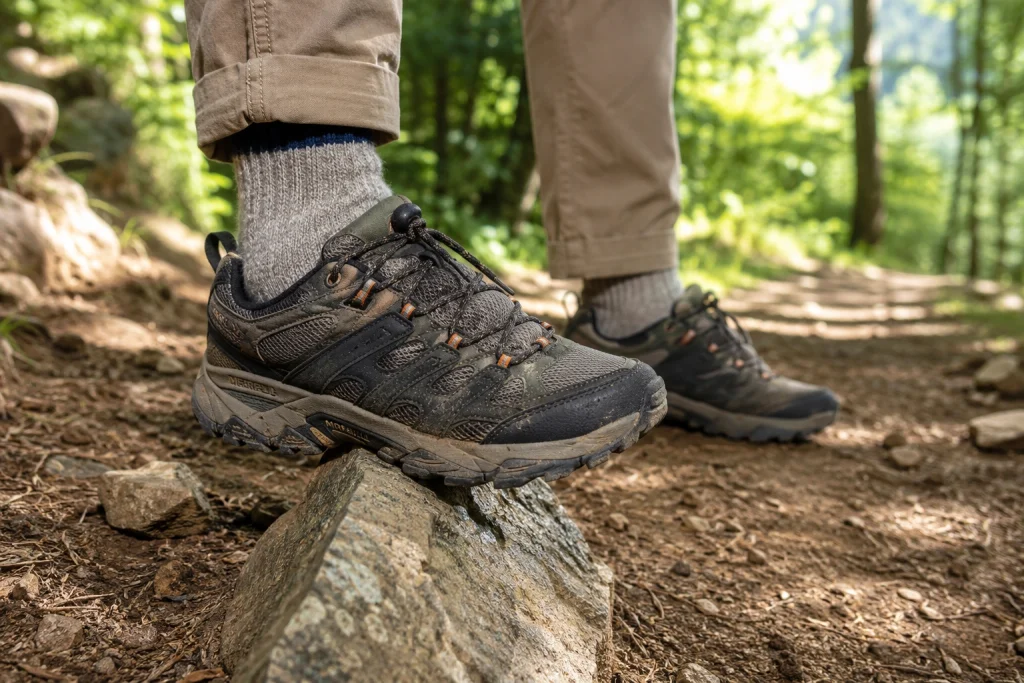
Hiking footwear is built for the unpredictable nature of the outdoors. The materials are tougher, the soles are stiffer, and the tread patterns are designed to bite into dirt and mud. Before you hit the trail, it is important to know the main features that set hiking shoes apart.
- Aggressive Tread: The rubber bumps on the bottom (called lugs) are deeper to prevent slipping on wet or loose surfaces.
- Stiff Midsoles: This stops your foot from bending too much over uneven rocks, which prevents early foot fatigue.
- Toe Bumpers: A thick piece of rubber covers the front to protect your toes if you accidentally kick a rock or root.
- Durable Uppers: The fabric or leather on top resists tears from branches and rough bushes.
- Weather Protection: Many hiking shoes offer water resistance or breathable mesh, depending on the climate you hike in.
Understanding these features helps you make a smart choice. If you want more detailed advice on Leave No Trace principles and staying safe on natural surfaces, checking out the American Hiking Society is a great starting point for beginners.
Signs You Should Adjust Your Hiking Plan, Gear, or Trail Choice
Not all trails are created equal. You might be perfectly safe in running shoes on a local park loop, but wearing them on a steep mountain pass could be a recipe for disaster. It is crucial to read the trail conditions before you leave your house.
If you see certain warning signs in the weather forecast or trail description, you should reconsider wearing regular sneakers. Always check official park or forest websites for real-time trail conditions. Do not rely on old blog posts to tell you if a trail is safe today.
| Trail Condition | Can I wear regular sneakers? | Are hiking shoes necessary? |
|---|---|---|
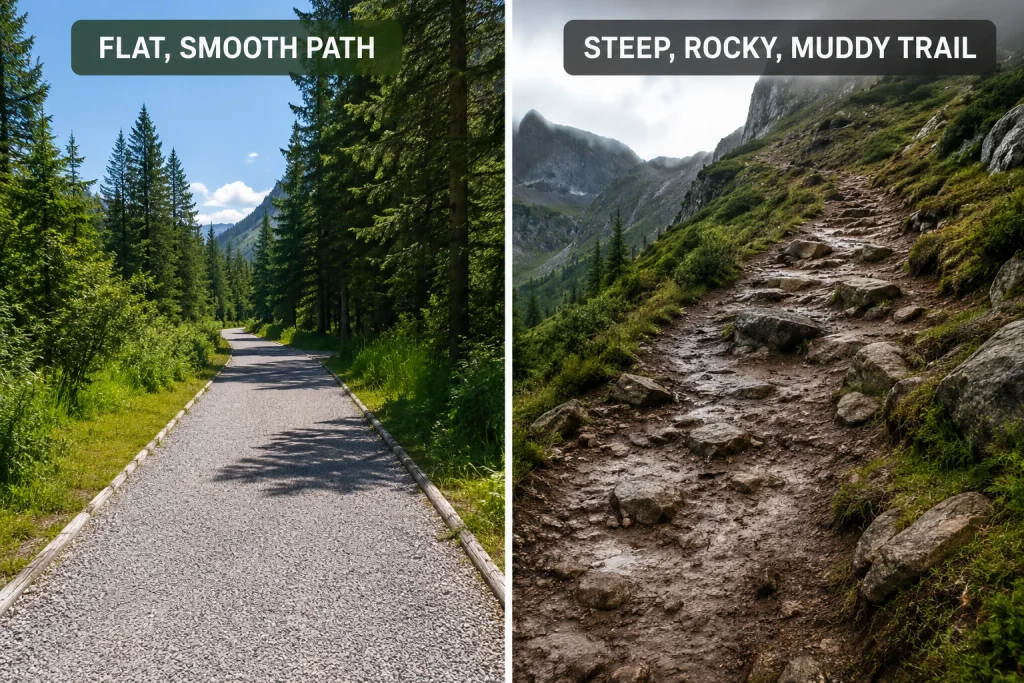
| Paved or flat gravel paths (1-3 miles) | Yes, usually perfectly fine. | No, save your money for now. |
| Dry dirt trails with slight hills | Yes, but tread carefully on loose dirt. | Helpful, but not strictly required. |
| Muddy, wet, or slippery root-filled paths | No, you risk slipping and falling. | Yes, you need the grip and traction. |
| Steep rocky climbs and rock scrambling | No, sharp rocks will hurt your feet. | Yes, toe protection and stiff soles are vital. |
| Carrying a heavy 20+ lb backpack | No, you need better foot support. | Yes, or consider mid-rise hiking boots. |
If you arrive at a trailhead and realize the route is much steeper, wetter, or rougher than expected, it is always okay to turn back. There is no shame in saying, “My gear isn’t right for this today.” Your safety is always more important than finishing a hike.
How to Handle Your Hiking Footwear Choice Step by Step
Choosing the right gear does not have to be stressful. I like to keep things simple. Whenever I plan a day hiking trip, I follow a basic checklist to decide what goes on my feet and what goes in my pack.
- Check the official trail rating: Look at your local state park or the National Park Service (NPS) website. Find out if the trail is rated easy, moderate, or strenuous. Look for notes about water crossings or rocky sections.
- Look at the recent weather: Has it rained in the last three days? If so, dirt trails might be slick mud. You will definitely want the aggressive grip of a hiking shoe.
- Assess your backpack weight: Are you just bringing a water bottle, snacks, and a light rain jacket? Light shoes are fine. Are you carrying heavy camera gear or a multi-day backpacking load? You need stiffer hiking shoes or boots to support that weight.
- Choose the right socks: Your shoes are only as good as your socks. Never wear 100% cotton socks, as they trap sweat and cause nasty blisters. Always choose wool or synthetic hiking socks.
- Pack an emergency kit: No matter what shoes you wear, always carry a basic first-aid kit with blister bandages, an emergency whistle, a trail map, and plenty of water.
To learn more about trail planning and safety checks, I always recommend reading the National Park Service 10 Essentials guide. It is a fantastic resource for hikers of all skill levels.
Common Mistakes to Avoid
Over the years, I have seen a lot of beginner hikers struggle on the trail, usually because of a few easily avoidable footwear mistakes. Here is what you should watch out for:
- Wearing brand new shoes on a long hike: Never take a fresh pair of shoes straight out of the box and onto a 10-mile trail. Break them in by wearing them around your neighborhood for a few days first.
- Buying shoes that are too small: Your feet will swell after a few hours of walking. Always buy hiking shoes a half-size larger than your normal street shoes so your toes do not smash into the front when walking downhill.
- Ignoring the weather forecast: Wearing breathable mesh shoes in a snowstorm, or heavy waterproof leather boots in 100-degree summer heat, will make you miserable. Match your footwear to the season.
- Forgetting to trim your toenails: It sounds silly, but long toenails pressing against the front of a stiff hiking shoe will cause immense pain on downhill sections.
- Relying on old, worn-out sneakers: If the tread on your old running shoes is completely smooth, do not take them on a dirt trail. You will slide around like you are on ice.
Practical Tips from Oscar
As you spend more time on the trail, you start to pick up little habits that make life easier. You don’t have to be a wilderness expert to keep your feet happy. Here are a few practical things I do every time I hit the trail.
Key Takeaways
- Hiking shoes are not mandatory for flat, paved, or easy gravel paths, but they are highly recommended for uneven, muddy, or steep dirt trails.
- Dedicated trail footwear provides better grip, toe protection, and sole stiffness to prevent foot fatigue.
- Always assess the trail conditions and recent weather before deciding what to wear on your feet.
- Never hike in cotton socks; always choose moisture-wicking wool or synthetic socks to prevent blisters.
- Make sure to size up slightly to account for foot swelling and downhill movement.
Frequently Asked Questions
Can I wear running shoes for hiking?
Yes, you can wear running shoes for easy, dry, and flat hikes. However, they lack the deep tread and stiff soles needed for steep or rocky terrain, which can lead to slipping and foot pain on harder trails.
Are trail running shoes better than hiking shoes?
It depends on your preference. Trail running shoes are lighter and more breathable, making them popular for fast day hikes. Hiking shoes are heavier but offer more durability and support for carrying heavier backpacks.
Do I need waterproof hiking shoes?
You only need waterproof shoes if you frequently hike in rain, snow, or muddy conditions. For dry, hot summer hikes, breathable non-waterproof shoes are actually better because they let sweat escape and keep your feet cooler.
Will hiking shoes prevent ankle sprains?
Low-top hiking shoes do not provide direct ankle support. If you are worried about ankle rolls or are hiking on very rocky terrain with a heavy pack, you should consider wearing mid-rise or high-top hiking boots instead.
How should hiking shoes fit?
They should feel snug around your heel and midfoot, but roomy in the toe box. You should be able to wiggle your toes freely, and your toes should never hit the front of the shoe when walking downhill.
Do hiking shoes need to be broken in?
Yes, most hiking shoes require a short break-in period. Wear them around your house or on short neighborhood walks for a few days before taking them on a long, strenuous hike to prevent blisters.
Conclusion
So, are hiking shoes necessary? While you do not need to rush out and buy a pricey pair for your very first walk in the local park, they quickly become an essential piece of gear as you start exploring wilder trails. Having the right tread, protection, and support on your feet gives you the confidence to tackle mud, rocks, and roots safely.
If you are just starting out, my advice is to take things slow. Start with easy trails in the athletic shoes you already own. If you find yourself slipping, or if your feet ache at the end of the day, that is your sign that it is time to upgrade. A good pair of hiking shoes is an investment in your safety and comfort.
Now that you know what to put on your feet, it is time to think about the rest of your pack. Make sure you are fully prepared for your next adventure by reviewing my full hiking packing list for beginners. Stay safe out there, check the weather, and happy trails!
