
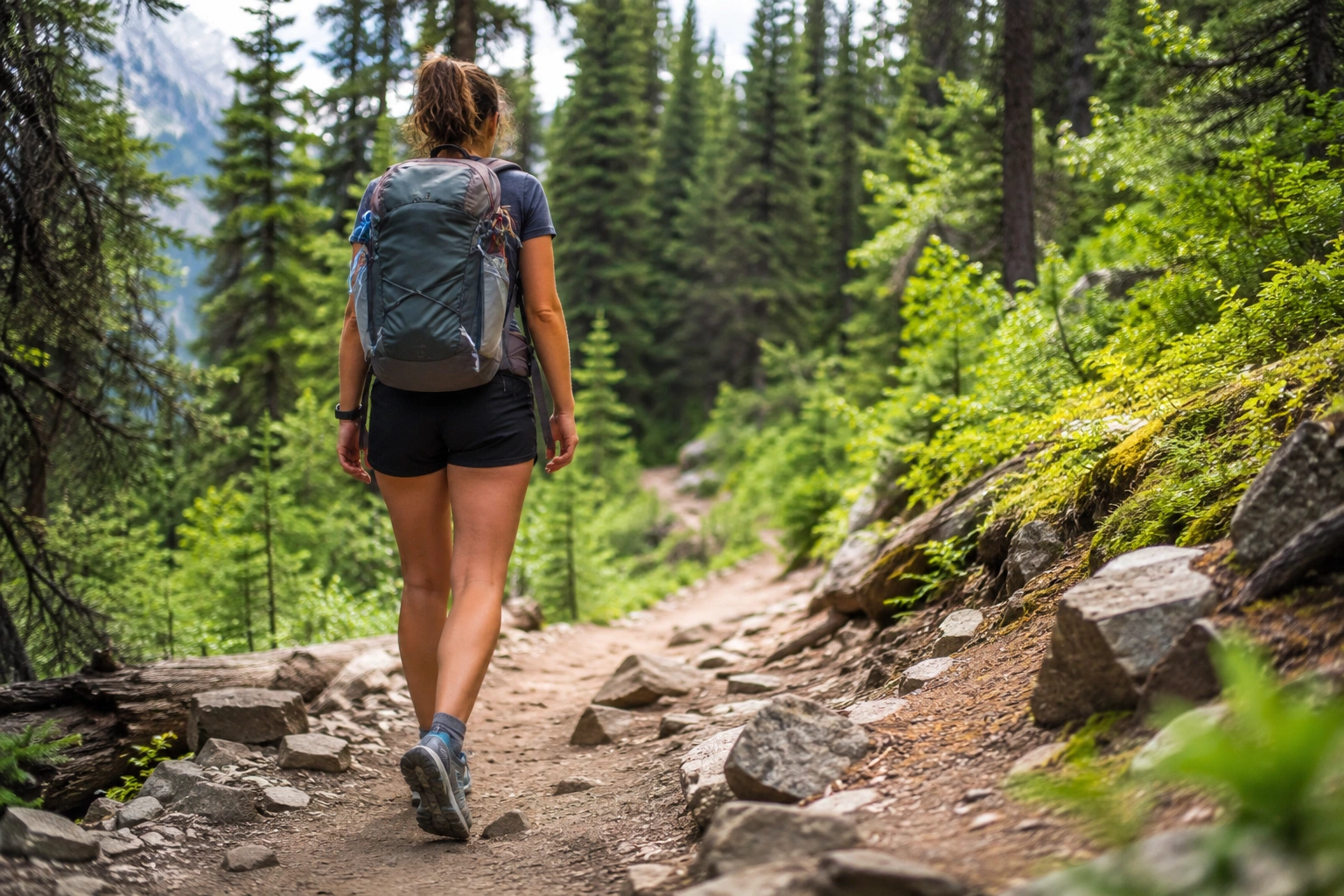
Choosing the right footwear can make or break a hiking day. Many hikers look at their gear closet and wonder, “Can I use my trail running shoes for hiking, or do I need traditional hiking shoes?” It is a common question, especially for beginners who want lighter gear without buying multiple pairs of outdoor shoes.
I’m Oscar, and in this guide, I’ll explain when trail running shoes work well for hiking, when they may not be the best choice, and how to decide based on your trail, weather, distance, and comfort needs. The right footwear choice is not about buying the most expensive gear. It is about matching your shoes to your adventure.
Quick Answer
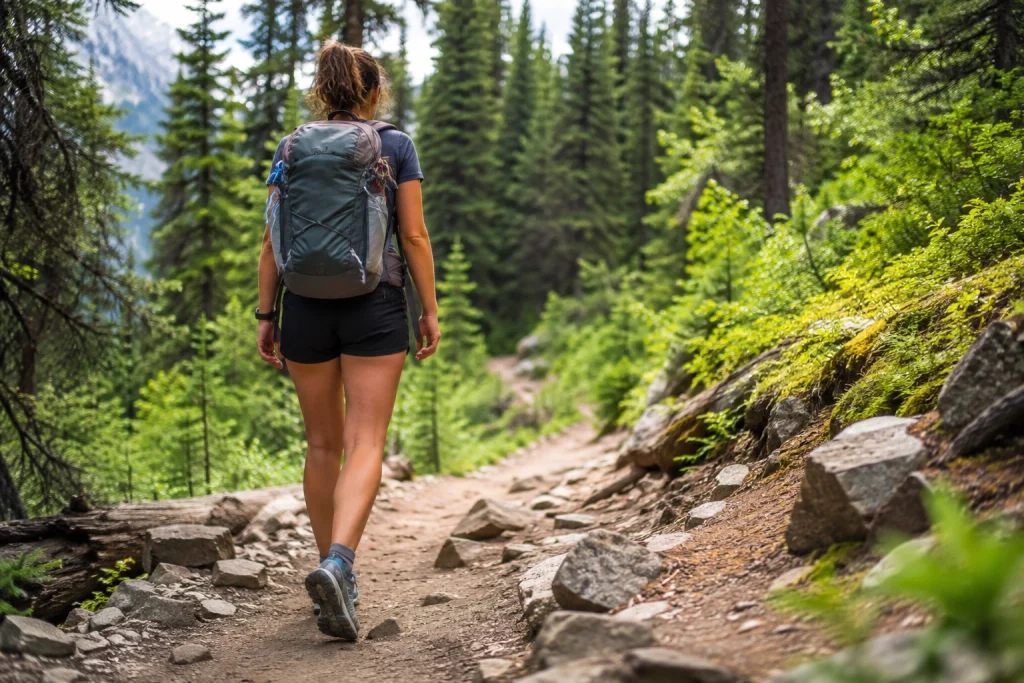
Yes, you can use trail running shoes for hiking. Many day hikers and backpackers choose trail runners because they are lightweight, comfortable, breathable, and dry faster than many traditional hiking shoes. They work best on maintained trails, moderate terrain, and shorter trips where heavy ankle support is not needed.
However, trail running shoes are not perfect for every hike. Steep rocky routes, heavy backpacking trips, muddy trails, cold conditions, or rough terrain may require more supportive hiking footwear. The best choice depends on your trail conditions, experience level, and personal comfort.
Can You Use Trail Running Shoes for Hiking? What Hikers Should Know
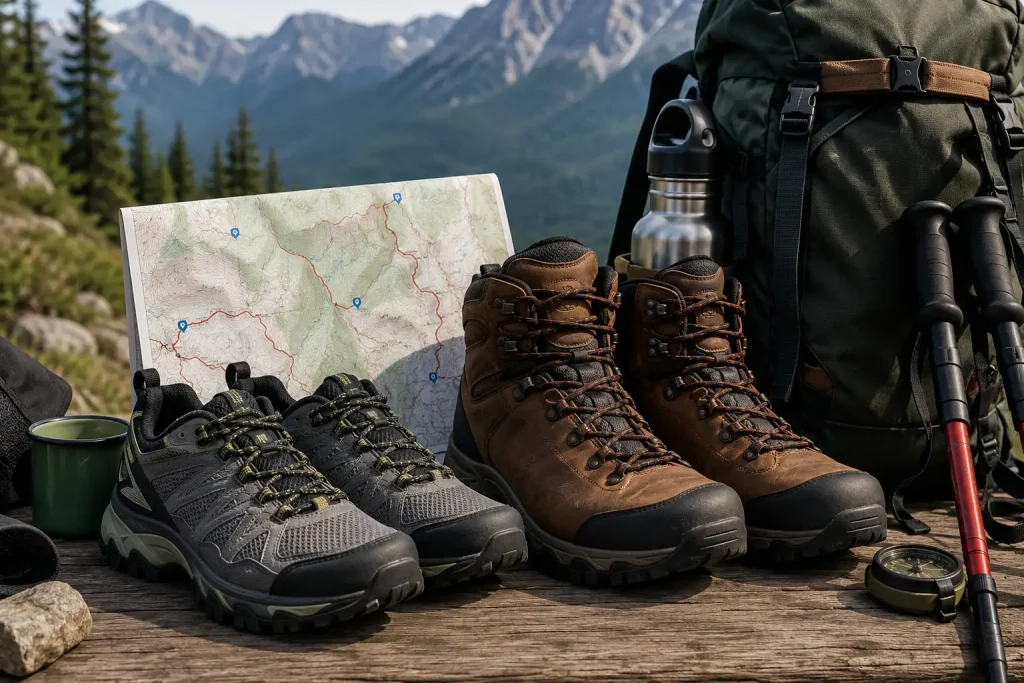
Trail running shoes were designed for runners who move quickly over dirt paths, rocks, roots, and uneven ground. Hiking shoes are usually built for slower movement with more protection and support. Because of this difference, trail runners have become popular among hikers who want a lighter and more flexible option.
The good news is that many hiking trails do not require heavy boots. For many beginner hiking trips, local trails, and day hikes, trail running shoes can provide enough grip and comfort.
Here are some reasons hikers choose trail running shoes:
- They are usually lighter than hiking boots and shoes.
- They allow your feet to move more naturally.
- They often provide good traction on dirt and rocky trails.
- They can dry faster after rain or stream crossings.
- They reduce the feeling of carrying heavy gear on your feet.
That said, lighter footwear also means fewer protective features. Some trail runners have less underfoot protection, less water resistance, and less support when carrying a heavy backpack.
When Trail Running Shoes Are a Good Choice
Trail runners can be a great option for many everyday hiking situations. They are especially useful for:
- Short and moderate day hikes.
- Well-maintained forest trails.
- Dry weather hiking.
- Fast-paced hiking trips.
- Light backpacking trips with a small pack.
If you are planning a beginner hiking trip, checking your route conditions first is important. Official trail pages, park websites, and forest service updates can help you understand current conditions before you go. You can also check guidance from the U.S. Forest Service when hiking on national forest lands.
Signs You Should Adjust Your Hiking Plan, Gear, or Trail Choice
Trail running shoes are not automatically the right choice for every adventure. Before heading out, think about the trail difficulty, weather, distance, and your hiking experience.
| Situation | Trail Running Shoes May Work | Consider More Supportive Footwear |
|---|---|---|
| Trail length | Short to moderate day hikes | Long routes with heavy packs |
| Trail surface | Dirt paths and maintained trails | Sharp rocks, loose scree, or rough terrain |
| Weather | Dry and mild conditions | Cold, wet, snowy, or muddy conditions |
| Pack weight | Light backpack | Heavy backpacking load |
Pay attention to warning signs that your current plan may need adjustment:
- Your shoes feel unstable on steep or rocky sections.
- You develop painful hot spots or blisters.
- The trail becomes wetter or more difficult than expected.
- You are carrying more weight than your footwear can comfortably handle.
- Weather conditions change and create new risks.
How to Handle This Hiking Topic Step by Step
Choosing trail running shoes for hiking does not need to be complicated. Follow these steps before your next trip.
- Check your trail details.Look at distance, elevation changes, terrain type, and recent trail updates. A smooth beginner trail and a rocky mountain route require different gear choices.
- Match your shoes to the conditions.Consider rain, mud, heat, cold temperatures, and whether your feet need extra protection.
- Test your shoes before a long hike.Wear them on shorter walks first. This helps you learn how they feel and whether they cause discomfort.
- Pack the right hiking essentials.Bring water, snacks, a trail map or offline navigation app, weather layers, sunscreen, and a basic first-aid kit suitable for your trip.
- Adjust your plan if conditions change.If the trail becomes harder than expected, slow down, change your route if possible, or turn back.
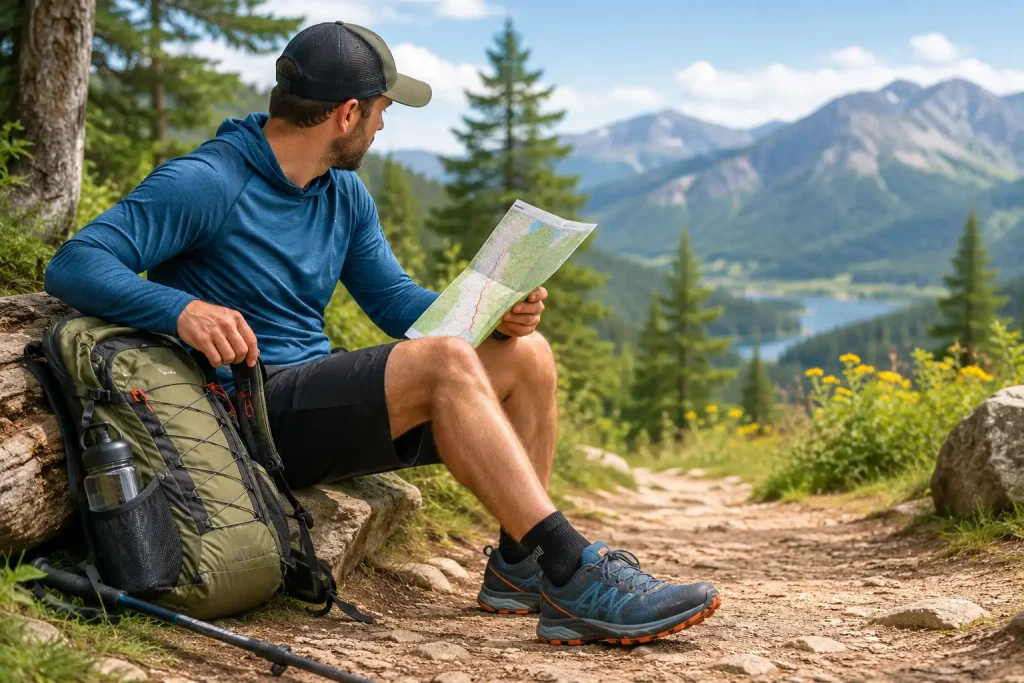
For navigation planning, I also recommend learning basic map skills instead of depending only on your phone. A downloaded trail map can be useful when cell service is unavailable.
Common Mistakes to Avoid
- Choosing shoes only because they look good instead of fitting well.
- Wearing brand-new shoes on a long hiking trip.
- Ignoring weather and trail conditions.
- Assuming lightweight shoes work for every type of terrain.
- Carrying a heavy backpack without considering footwear support.
- Skipping socks designed for hiking comfort and moisture control.
Practical Tips from Oscar
For responsible outdoor travel, remember to follow Leave No Trace principles. Protecting trails helps keep outdoor spaces enjoyable for everyone.
Key Takeaways
- Trail running shoes can work very well for many hiking trips.
- Your trail conditions matter more than the shoe label.
- Rocky terrain, heavy packs, and harsh weather may require more support.
- Always check weather, trail updates, and your own comfort level.
- The best hiking footwear is the one that matches your adventure.
Frequently Asked Questions
Can I wear trail running shoes for a beginner hike?
Yes. Trail running shoes are often a good choice for beginner hikes, especially on maintained trails and shorter routes. Make sure they fit well and provide enough grip for the trail conditions.
Are trail running shoes better than hiking boots?
Neither option is always better. Trail runners are lighter and more flexible, while hiking boots often provide more protection and support. The better choice depends on your trail, weather, and hiking style.
Can trail running shoes handle rocky hiking trails?
Some trail running shoes can handle rocky trails, but the amount of protection varies by model. For very rough terrain, consider whether your feet feel stable and protected before continuing.
Can I use trail running shoes for backpacking?
Yes, many backpackers use trail running shoes for lightweight trips. However, heavier packs and challenging terrain may require footwear with more support and protection.
Do trail running shoes need waterproofing for hiking?
Not always. Waterproof shoes can help in some wet conditions, but they may also reduce breathability. Your choice should depend on climate, trail conditions, and personal preference.
How do I know if my hiking shoes are not suitable?
Signs include repeated discomfort, poor traction, unstable footing, or your shoes not matching the trail conditions. Adjust your footwear or hiking plan when needed.
Conclusion
So, can you use trail running shoes for hiking? In many cases, yes. They are a practical choice for beginner hiking, day hiking, and many lightweight adventures. The key is choosing footwear that matches the trail instead of assuming one type of shoe works everywhere.
Before your next hike, check the route, weather, and your gear needs. If you want to build your hiking knowledge further, explore my guide on choosing the right hiking footwear and learn more about smart preparation for every outdoor adventure.
