
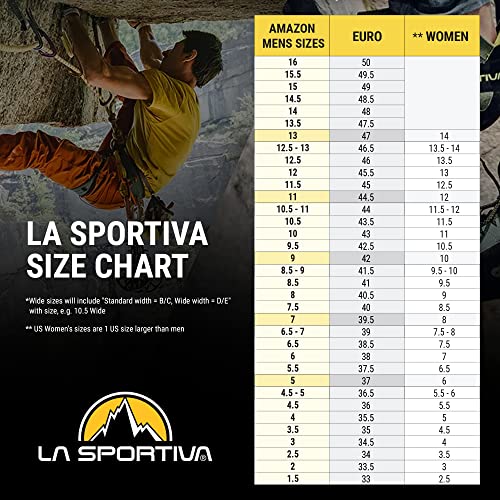
The best approach shoes balance climbing precision, hiking comfort, durable support, and reliable grip on rough ground.
A long approach can expose every weakness in your footwear. Trail shoes may feel soft but lack edge control, while climbing shoes feel too stiff and narrow for miles of walking. The right approach shoe bridges that gap. It should help you hike to the crag, scramble over rock, and stand securely on small footholds. I compared five popular options for grip, comfort, support, fit, durability, and value. These picks suit different users, from technical climbers to casual hikers who want a sturdy shoe for mixed terrain.
See the differences between my top picks at a glance.
La Sportiva TX4 EVO Leather Approach Shoes

The La Sportiva TX4 EVO Leather is the most technical shoe in this group. It uses a leather upper and a structured shape made for rocky approaches, scrambling, and easy climbing sections. The shoe aims to give your foot a stable platform when the trail becomes steep or uneven. Its roomy construction may also appeal to hikers who dislike a tight, racing fit.
I like this model for users who need more than a normal hiking shoe can offer. The design favors edging, balance, and protection near the toe. Leather can take time to soften, so do not judge the fit after only one short walk. It is a strong choice for long days that mix trail miles with rock moves.
Pros:
- Stable platform for uneven rock
- Leather upper offers a durable feel
- Roomier construction than many technical shoes
- Good support for scrambling and approaches
- Protective shape for rough terrain
- Useful for hikers who need firm edging control
Cons:
- Leather may need a break-in period
- Can feel more structured than a light trail shoe
- Premium construction may cost more than casual options
What Amazon Buyers Are Saying
Amazon review patterns for this type of La Sportiva shoe tend to focus on grip, solid construction, and confidence on rocky paths. Buyers who like a supportive approach shoe often value the stable feel and protective build. Fit comments are important because foot shape, sock thickness, and personal preference can change the experience.
Some buyers may find the shoe firmer or less flexible than a regular hiking sneaker. Leather fit can also change with wear. I recommend reading the newest size comments and checking the seller’s current return policy before ordering.
My Recommendation
I recommend the TX4 EVO Leather for climbers and hikers who put stability first. It is worth buying when your routes include rock, steep approach trails, and short climbing moves. Choose another model if you want a soft, lightweight shoe for simple walking.
SCARPA Rapid XT Leather Hiking Shoes

The SCARPA Rapid XT Leather sits between a hiking shoe and a technical approach shoe. Its leather build gives it a sturdy outdoor feel, while the low-cut shape keeps it easy to wear on daily trails. The design suits people who hike, scramble, and approach climbing areas in the same pair. It is a practical option for users who want one shoe for several outdoor tasks.
This model makes sense when comfort over many miles matters as much as rock control. It should feel more natural on mixed trails than a very stiff climbing-focused shoe. Still, it has enough structure for rough ground and short, easy scrambling sections. Use care on wet rock, since traction can vary with surface, rubber condition, and debris.
Pros:
- Useful blend of hiking and approach functions
- Leather upper gives a robust outdoor feel
- Suitable for long trail approaches
- More versatile than a highly specialized climbing shoe
- Low-cut design allows easy ankle movement
- Works well for hikers who want one multipurpose pair
Cons:
- Leather can feel warm in hot weather
- Fit may vary between foot shapes
- Not a replacement for a true climbing shoe
What Amazon Buyers Are Saying
Buyer feedback for the Rapid XT category commonly centers on comfort, support, and the balance between hiking use and approach use. Customers who want a firm outdoor shoe often appreciate the leather feel and versatile design. Many shoppers also pay close attention to sizing because a secure heel and enough toe space both matter on descents.
Common concerns in this class of shoe include stiffness during the first wears and differences in fit between normal and wide feet. I suggest checking recent reviews for the exact size shown on the listing. Product colors, stock, and seller details can change, so confirm them before checkout.
My Recommendation
I recommend the SCARPA Rapid XT Leather for hikers who spend more time on trails than on technical climbs. It offers a useful mix of support, durability, and approach ability. It is worth considering if you want a reliable all-rounder rather than a specialist edging shoe.
XPETI Low-Height Approach Sneakers

The XPETI approach-style sneaker targets shoppers who want outdoor function at a lower price. Its low profile should feel familiar to people who prefer sneakers over stiff hiking shoes. The navy color also makes it easier to wear around town after a trail day. This model is best viewed as a casual approach option, not a high-end climbing tool.
I would consider it for light hikes, park trails, travel, and easy scrambling. A sneaker-like design can feel comfortable during daily use and may need less break-in than firm leather footwear. However, technical climbers should look closely at the sole, upper, and fit before relying on it for demanding rock. The listing should provide the latest details on materials and care.
Pros:
- Accessible option for budget-minded shoppers
- Low profile feels familiar to sneaker users
- Useful for casual hiking and travel
- Easy to pair with everyday clothing
- Suitable for light outdoor activities
- May feel less demanding than a stiff approach shoe
Cons:
- Less specialized than premium climbing approach shoes
- Long-term durability may depend on use and care
- Not the first choice for technical edging or hard scrambling
What Amazon Buyers Are Saying
Shoppers who consider budget approach sneakers usually discuss comfort, appearance, and value first. Buyers often compare them with ordinary walking shoes and look for enough tread for simple trails. Comments about sizing, toe room, and support deserve close attention because low-cost footwear can fit differently from technical outdoor brands.
Some buyers may expect more climbing performance than a sneaker-style shoe can provide. I would treat mixed comments as a reason to match the shoe to easy terrain, not as a reason to use it beyond its likely purpose. Always check current buyer photos and the newest review dates before ordering.
My Recommendation
The XPETI is worth considering for casual users who need an affordable outdoor sneaker. It is not my pick for serious alpine approaches or frequent technical scrambling. If price and everyday comfort matter most, it offers a sensible starting point.
KEEN Jasper Zionic Approach Shoes
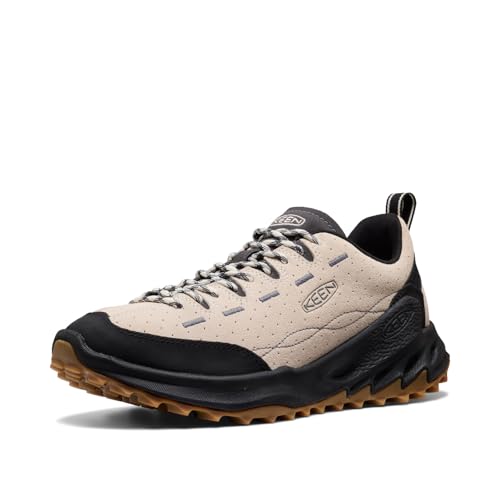
The KEEN Jasper Zionic takes a more relaxed approach to the category. Its suede upper and climbing-inspired style suit casual hikers, travelers, and people who want a sturdy daily shoe. The durable tread is designed for outdoor use, but the overall concept remains friendly and easy to wear. It can work well when your route includes pavement, dirt, and mild rock.
This is a good fit for shoppers who value comfort and style as much as technical control. The shoe may feel less specialized than the La Sportiva or adidas options, but that can make it better for daily use. It is also a reasonable choice for people who want one pair for errands and weekend trails. Confirm the current listing details if weather protection or special sole features matter to you.
Pros:
- Comfortable style for daily wear
- Suede upper gives a durable casual look
- Outdoor tread suits mixed everyday surfaces
- Useful for light hikes and easy scrambles
- Good crossover from town to trail
- May appeal to shoppers who prefer a less technical shape
Cons:
- Not designed as a replacement for climbing shoes
- Suede needs care in wet or muddy conditions
- May feel less precise on very small footholds
What Amazon Buyers Are Saying
Amazon buyers looking at KEEN casual approach styles often mention comfort, appearance, and everyday versatility. Shoppers tend to like a shoe that works for errands as well as short outdoor trips. Fit feedback matters here because some people prefer KEEN’s roomier feel, while others may want a closer heel and narrower toe area.
Some comments may point to the limits of a lifestyle-friendly approach shoe on steep or technical terrain. I suggest judging the model by your real use. For daily wear and mild trails, it can be a strong value; for demanding climbs, choose a more precise design.
My Recommendation
I recommend the Jasper Zionic for casual outdoor users and hikers who want comfort with a climbing-inspired look. It is worth buying when your routes stay moderate. I would not choose it as my main shoe for technical rock or alpine travel.
adidas Five Ten Guide Tennie Approach Shoes

The adidas Five Ten Guide Tennie is aimed at climbers who want confident foot placement on approaches and rock. Five Ten has long been linked with climbing footwear, and this model follows that performance-minded path. Its black and carbon colorway looks simple, while the low profile supports controlled movement. It is a strong contender for users who value precision over a soft walking feel.
This shoe should appeal to climbers who spend time on slabs, rocky trails, and short scrambling sections. The trade-off is that a precise shoe may feel less roomy than a casual hiking sneaker. You should also allow time to learn how the fit works with your preferred socks. For technical approaches, the Guide Tennie offers a focused alternative to more relaxed models.
Pros:
- Climbing-focused design supports precise placement
- Useful for rocky approaches and scrambling
- Low profile can improve ground feel
- Recognizable Five Ten outdoor heritage
- Simple colorway works for trail and casual use
- Good option for climbers who want more control
Cons:
- May feel less comfortable on very long flat walks
- Close fit may not suit every foot shape
- Technical design can require careful sizing
What Amazon Buyers Are Saying
Review patterns around Five Ten approach shoes often center on grip, foot control, and climbing performance. Buyers who enjoy a closer, more precise fit usually value the sense of control on rock. Other shoppers focus on comfort during long approaches and may compare the shoe with softer hiking models.
Fit remains the key issue to check. A climbing-oriented shoe can feel different from a normal sneaker, and some buyers may prefer more toe room. Read the latest comments for your size, then use the current return information if you are unsure.
My Recommendation
I recommend the Guide Tennie for climbers who want an approach shoe with a technical feel. It is worth buying for rock-heavy routes and controlled scrambling. For mainly flat hikes, a softer model may provide better comfort.
How to Choose Best Approach Shoes
The best approach shoes depend on the line between trail walking and climbing. Start with the terrain you use most. Then compare fit, sole design, upper material, support, and value. A shoe that excels on small rock edges may feel tiring on a flat road. A soft hiking shoe may feel pleasant all day but lack the control you need on a steep slab.
1. Match the Sole to Your Terrain
Look for a sole with a clear heel, firm midsole, and dependable rubber contact. These features help on loose trails, rock slabs, and short scrambles. A sticky climbing-style rubber compound can improve confidence on dry rock, but no rubber stays reliable on every wet or dirty surface.
Think about how often you will edge. Edging means standing on a narrow rock lip with the shoe’s side or front. Technical shoes such as the La Sportiva TX4 EVO and adidas Guide Tennie suit this task better than casual sneakers. If you mostly walk dirt paths, you may prefer a shoe with a more flexible, comfortable tread.
2. Check Fit, Toe Space, and Support
Your heel should stay in place when you walk downhill. Your toes should not hit the front when you step down. At the same time, do not buy an approach shoe so tight that your feet go numb. Try it with the socks you plan to wear outdoors.
Foot shape matters more than brand loyalty. Some users need a roomier toe box, while others need a narrow heel and close forefoot. Leather models can soften, but they should not depend on painful stretching to become wearable. Check size reviews, foot-width notes, and the current return policy before you order.
3. Compare Upper Material, Weather Use, and Value
Leather can offer a tough feel and may age well with care. It can also feel warm and take longer to break in. Synthetic and textile uppers often feel lighter and dry faster, but their wear life depends on the build and your terrain. Suede looks attractive and feels durable, yet it needs care around mud and heavy rain.
Also consider how you will use the shoe after the climb. A technical model may cost more but earn its value through better control and protection. A KEEN, XPETI, or similar crossover shoe may offer better value if you need daily comfort and light trail use. The best approach shoes are the ones that match your actual miles, terrain, and foot shape.
Final Verdict: Which Should You Buy?
For serious approaches and rocky terrain, I choose the La Sportiva TX4 EVO Leather. The adidas Five Ten Guide Tennie is a close alternative for climbers who want precise foot placement.
For casual hiking, the SCARPA, KEEN, and XPETI models offer broader everyday appeal. Choose the best approach shoes by matching grip, fit, support, and terrain to your real needs.
FAQs Of best approach shoes
What are approach shoes used for?
Approach shoes help you hike to climbing areas, cross rocky trails, scramble, and handle short sections of easy climbing. They sit between hiking shoes and climbing shoes.
Are approach shoes good for hiking?
Yes. They work well for rocky or steep hikes. For smooth trails and long flat walks, a regular hiking shoe may feel softer and more comfortable.
Should approach shoes fit tightly?
They should fit securely, but they should not cause pain or numbness. Keep your heel stable and allow enough toe room for downhill steps.
Can I use approach shoes for climbing?
You can use them for easy climbing and scrambling. For difficult climbs, use dedicated climbing shoes because they provide more specialized precision.
Which approach shoes are best for wide feet?
Look for models described as roomy and compare current width comments. The La Sportiva TX4 EVO listing highlights a roomier construction, but fit still varies by foot shape.
