
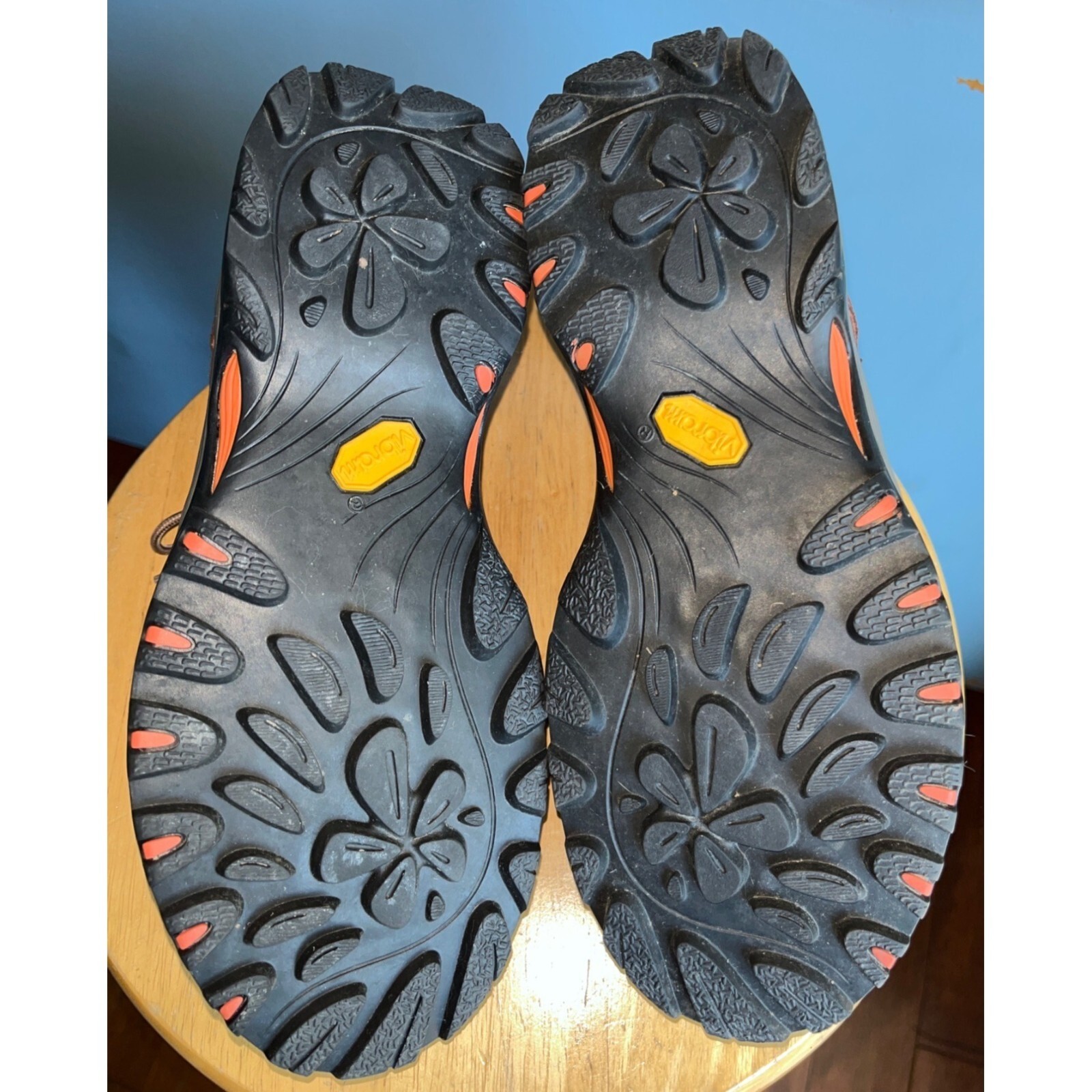
A hiking shoe with a Vibram sole can give you strong grip on rock, dirt, and mixed trails across the United States. But the Vibram name alone does not tell you how the shoe will feel or perform. The rubber compound, lug pattern, shoe fit, midsole, upper, and trail conditions all matter.
For most U.S. hikers, the best choice is a shoe that fits well, matches the terrain, and offers enough grip without adding more weight or stiffness than needed. A Vibram outsole is a useful feature, not a guarantee that one shoe is better than every other option.

Source: casualgeographical.com
What Is a Vibram Sole?
A Vibram sole is an outsole made by Vibram, an Italian company known for rubber outsoles for hiking, work, climbing, and outdoor footwear. The outsole is the part of the shoe that touches the ground.
Vibram makes several rubber compounds and tread designs. Some focus on wet-rock grip. Others focus on durability, cold-weather traction, low weight, or a balance of these traits. A shoe with one Vibram compound may feel very different from another shoe with a different compound.
The sole usually has three key parts:
- Rubber outsole: The bottom layer that contacts the trail.
- Lugs: Raised rubber shapes that bite into dirt, mud, gravel, or rock.
- Midsole: The foam layer above the outsole that cushions and supports the foot.
The upper can also affect trail performance. A strong upper may protect your feet from rocks and roots. A breathable upper may feel better in hot weather. A waterproof membrane may help in rain but can also hold heat inside the shoe.
Vibram is a brand, not one single type of tread
The word “Vibram” does not describe one universal level of grip. It identifies the outsole maker. You still need to check the exact compound and tread design.
Common Vibram technologies include:
- Megagrip: Designed for grip on wet and dry surfaces.
- Litebase: Uses a lighter outsole construction while keeping a Vibram tread design.
- Arctic Grip: Made for improved traction on certain wet, icy surfaces.
- XS Trek and related compounds: Often used where a balance of traction, flexibility, and durability is needed.
These names describe the intended design. They do not replace real testing on your trail. A sole made for wet rock may not be the best choice for loose desert gravel or deep mud.
Why Choose Hiking Shoes With Vibram Soles?
Hiking shoes with Vibram soles are popular because they offer a wide range of tread designs and rubber compounds. They can work well for day hikes, backpacking, travel, approach walks, and some light mountain routes.
Grip on varied ground
A well-designed Vibram outsole can grip many common U.S. trail surfaces:
- Packed dirt
- Dry rock
- Wet rock
- Roots
- Gravel
- Scree
- Hard-packed snow
- Uneven pavement between trail sections
Grip depends on more than the brand. Soft rubber often grips smooth rock well, while deeper lugs may perform better in mud and loose soil. A shallow, closely spaced tread may feel smoother on roads and packed trails.
Durability
Many Vibram outsoles are built for repeated outdoor use. Durable rubber can resist wear from rock, gravel, and pavement better than a very soft compound.
There is a trade-off. Harder rubber may last longer but can feel less sticky on smooth, wet rock. Softer rubber may offer better grip but wear faster, especially if you walk often on sidewalks or pavement.
Trail confidence
Good traction can help you place each step with more control. This matters on sloped rock, loose trails, and wet roots. Still, no outsole can prevent every slip. Hikers must slow down, use trekking poles when helpful, and avoid stepping beyond their skill or the trail conditions.
Many shoe types
Vibram outsoles appear on many kinds of footwear, including:
- Lightweight hiking shoes
- Low-cut trail shoes
- Mid-height hiking shoes
- Backpacking boots
- Approach shoes
- Mountaineering boots
- Work and travel shoes
This range makes the brand useful for comparison, but it also means that the logo tells you little about fit or support by itself.

Source: storage.googleapis.com
How to Choose the Best Hiking Shoes With Vibram Soles
The best hiking shoes with Vibram soles are the ones that match your terrain, foot shape, load, weather, and walking style. Start with those needs before comparing brands.
1. Match the outsole to the trail
Use the tread as a starting point:
| Trail condition | Useful outsole traits | Main trade-off |
|---|---|---|
| Dry, packed trails | Moderate lugs and flexible rubber | Less bite in mud |
| Rocky routes | Firm edge support and durable rubber | May feel stiffer |
| Wet rock | Sticky compound and broad contact areas | Can wear faster |
| Mud and loose soil | Deep, spaced lugs | May feel less smooth on pavement |
| Desert trails | Durable rubber and stable lugs | May add weight |
| Snow and cold trails | Cold-rated traction design | Not a substitute for crampons |
| Mixed day hikes | Medium lugs and balanced rubber | No single surface advantage |
For a typical U.S. day hike with dirt, roots, and occasional rock, a medium lug pattern is often the most practical choice. Deep lugs can be unnecessary if most of your route is dry and firm.
2. Consider shoe height
Low hiking shoes end below the ankle. They are often lighter and allow more ankle movement. They suit day hikes, travel, and trails where you carry a small pack.
Mid-height shoes or boots cover part of the ankle. They may offer more protection from rocks, brush, and wet conditions. They can also feel warmer and less flexible.
Ankle height does not automatically prevent ankle injuries. A supportive fit, careful foot placement, and good balance matter too.
3. Check the midsole
The outsole gives traction, but the midsole controls much of the shoe’s comfort and feel.
Look for:
- Firm foam: More stable on rough ground.
- Soft foam: More comfortable for easy walking but may feel less stable with a heavy pack.
- Rock protection: Helpful when stepping on sharp stones.
- Flexibility: Useful for natural movement on moderate trails.
- Torsional control: Helps limit twisting on uneven ground.
A very soft shoe may feel pleasant in a store but unstable on a rocky trail. A very stiff shoe may protect your feet but feel tiring on a flat path.
4. Choose the right upper
The upper is the material around your foot. It affects breathability, protection, water resistance, and fit.
- Mesh: Light and airy, but it lets in water and fine dust.
- Leather: Often durable and protective, but it can be heavier.
- Synthetic panels: Usually dry faster than leather.
- Waterproof membranes: Help keep out rain and shallow puddles, but they may reduce airflow.
- Toe caps: Protect against rocks and roots.
Waterproof hiking shoes can be useful in cool, wet conditions. In hot U.S. climates, a non-waterproof shoe may dry faster after a creek crossing.
5. Match the shoe to your pack weight
A light shoe can work well with a small daypack. A heavier backpack may require a firmer midsole, stronger upper, and more stable platform.
This is not a strict rule. Some hikers prefer lightweight shoes with heavy loads, while others prefer boots. The key is whether the shoe keeps your foot stable and comfortable after several miles.
6. Inspect the outsole design
Do not look only at the Vibram logo. Check the tread itself.
Useful features include:
- Heel brake: A rear section that can help control downhill steps.
- Toe edges: Helpful for climbing over rocks.
- Wide contact areas: Often useful on smooth rock.
- Deep lugs: Better suited to soft ground.
- Spacing between lugs: Helps mud release.
- Directional lugs: Can aid forward or downhill traction.
A tread with many small lugs may feel smooth and predictable on hard surfaces. A tread with large, spaced lugs may perform better in mud but feel awkward on pavement.

Source: workbootboss.com
How Should Hiking Shoes With Vibram Soles Fit?
Hiking shoes should feel secure without squeezing your toes or creating pressure points. Fit is often more important than the outsole brand.
Try shoes later in the day, when feet may be slightly larger. Wear the socks you expect to use on the trail. Walk up and down an incline if possible.
Check these points:
- Your heel should stay in place without lifting much.
- Your toes should not touch the front when walking downhill.
- Your toes should be able to spread.
- The widest part of your foot should match the widest part of the shoe.
- The laces should hold your foot without creating numbness.
- The shoe should bend where your foot bends, unless you need a very stiff design.
A simple downhill test can reveal problems. If your toes hit the front of the shoe, try a different size, shape, or lacing method. Do not assume the shoe will stretch enough to solve severe pressure.
Wide feet and unusual foot shapes
Some hiking shoes come in wide sizes. Others use a naturally broad toe box. A wider shoe is not always better if your heel slides or your foot moves inside the shoe.
If one foot is larger, fit the larger foot. You can use a thin insole or different sock on the smaller foot, but avoid forcing both feet into the same cramped fit.
Socks matter
Use socks that match the shoe’s volume. Thick socks can make a close-fitting shoe too tight. Thin socks may leave too much space and increase movement.
Wool and synthetic hiking socks can help manage moisture. Cotton tends to hold moisture and may increase the risk of hot spots and blisters during long walks.

Source: storage.googleapis.com
Vibram Soles for Different Hiking Conditions
The right hiking shoe changes with the route. A shoe that works on a dry California trail may not be ideal for a wet Appalachian route or a rocky Colorado pass.
Wet and muddy trails
Choose a tread with enough lug depth and space for mud release. A waterproof upper may help during rain, but it will not stop water from entering over the collar or through a deep puddle.
On wet rock, rubber compound matters more than lug depth alone. Smooth rock can remain slippery even with an aggressive tread, so shorten your stride and step with care.
Rocky and technical trails
Look for a stable platform, firm midsole, protective toe area, and outsole edges that let you place your foot precisely.
Approach shoes often use grippy rubber and climbing-style toe areas. They may work well on rock but feel less comfortable for long walks on flat trails.
Hot and dry trails
Breathable mesh can reduce heat. A non-waterproof shoe may dry faster after water exposure. Durable toe and side panels help protect against sharp rock and abrasive sand.
Dust can enter through mesh, so gaiters may help on sandy or loose trails.
Snow and ice
A Vibram sole can improve traction on some cold surfaces, but regular hiking shoes are not a replacement for traction devices. On hard ice, steep snow, or mixed winter terrain, use equipment suited to the route, such as microspikes or crampons, and learn how to use it.
Always check current trail and weather conditions before a winter hike. Conditions can change faster than a shoe’s tread can handle.

Source: shoesandcare.com
How to Break In and Care for Hiking Shoes
Most modern hiking shoes need less break-in time than heavy leather boots, but you should still test them before a long hike.
Break-in steps
- Wear the shoes indoors for 20 to 30 minutes.
- Walk on flat ground near home.
- Try stairs and short hills.
- Take a short local hike.
- Check for hot spots after each outing.
- Adjust lacing or stop using the shoe if pain continues.
A hot spot is an area of rubbing that may become a blister. Treat it early with tape or a blister covering. Do not wait until the skin breaks.
Cleaning
Remove loose dirt after each hike. Use a soft brush and clean water when needed. Follow the footwear maker’s instructions for soap and drying.
Avoid placing hiking shoes next to a heater or using high heat. Excess heat can damage adhesives, leather, foam, and waterproof membranes. Let shoes dry at room temperature with the insoles removed.
Preserving the outsole
Limit long walks on pavement if the shoe is designed mainly for trails. Asphalt can wear down lugs faster than dirt.
Check the outsole for:
- Rounded or missing lugs
- Cracks in the rubber
- Separation between layers
- Uneven wear
- A smooth heel or forefoot
Replace the shoes when the tread no longer gives reliable grip or the midsole feels compressed and unstable. The logo may still look intact even when the shoe has lost useful cushioning or support.

Source: storage.googleapis.com
Common Mistakes to Avoid
Choosing by the Vibram logo alone
The logo does not tell you whether the shoe fits your foot, suits your climate, or works for your pack weight. Compare the full design.
Buying the most aggressive tread
Deep lugs can help in mud, but they may feel clumsy on hard trails. They can also wear quickly on pavement.
Assuming waterproof means dry
Water can enter over the ankle, through the tongue, or from sweat. Waterproof shoes can also take longer to dry after soaking.
Skipping a downhill fit test
Many fit problems appear when walking downhill. Test this before a long hike, not after you reach the trailhead.
Ignoring the midsole
A grippy outsole cannot fix a shoe that feels unstable, too soft, or painful under your arch.
Wearing new shoes on a major trip
Test new shoes on short walks first. A small pressure point at home can become a serious blister after a full day.
Treating traction as a safety guarantee
Wet leaves, polished rock, black ice, and loose gravel can defeat even a strong outsole. Slow down, use poles when helpful, and choose a route within your skill level.

Source: storage.googleapis.com
Key Takeaways
- Vibram makes many outsole compounds and tread designs; not all Vibram soles perform the same way.
- Choose the tread for your main terrain, not for the logo alone.
- Fit, midsole stability, socks, and lacing affect comfort as much as outsole grip.
- Waterproof shoes help in some conditions but can feel warmer and dry more slowly.
- Test new hiking shoes before a long trip.
- Replace shoes when the lugs, rubber, cushioning, or stability have clearly worn down.
Frequently Asked Questions
Are hiking shoes with Vibram soles worth it?
They can be worth considering when you need dependable traction on mixed or rough terrain. The value depends on fit, durability, and the exact outsole design. A less expensive shoe with a suitable tread may be better than a premium shoe that does not fit.
Are Vibram soles good on wet rock?
Some Vibram compounds are designed to improve grip on wet surfaces, but wet rock remains hazardous. Clean, rough rock may offer better traction than smooth rock covered with algae, mud, or water.
Do Vibram soles last longer than other soles?
Not always. Durability depends on the rubber compound, tread depth, walking surface, body weight, use, and care. Soft, sticky rubber may grip well but wear faster than harder rubber.
Can I use hiking shoes with Vibram soles for running?
Some may work for light trail running, but hiking shoes are not automatically running shoes. Running requires a suitable fit, flex pattern, weight, cushioning system, and secure heel. Use the shoe only if its design and your movement match that activity.
Should I buy waterproof hiking shoes?
Buy waterproof hiking shoes if you often hike in cool rain, wet grass, or shallow puddles and do not mind reduced breathability. Choose a non-waterproof pair if you hike in hot weather or expect frequent water crossings where fast drying matters more.
Conclusion
Hiking shoes with Vibram soles can be a strong choice for U.S. trails, but the outsole name is only one part of the decision. Start with your usual terrain, then compare tread shape, rubber compound, fit, midsole support, upper material, and expected weather.
For a practical next step, list your three most common trail conditions, measure your foot late in the day, and try shoes with your normal hiking socks. Walk downhill in each pair before choosing. A comfortable shoe with suitable traction will usually serve you better than a shoe selected only because it carries a familiar logo.
