
When you’re planning your next adventure, one of the most crucial pieces of gear to get right is your hiking boots. Figuring out where to buy hiking boots can feel overwhelming, but it’s key to finding the pair that will keep you comfortable and safe on the trail. The right choice can make tough terrain feel manageable, while the wrong one can lead to painful blisters and a ruined trip.
Our research indicates that making an informed decision about your purchase location can significantly impact the quality of your boots and your overall satisfaction. Factors like expert staff availability, pricing, and return policies vary wildly, from dedicated outdoor shops to massive online marketplaces. For instance, manufacturer specifications for many popular women’s hiking boots often detail features like 3mm lug depth for superior traction, a metric you’re more likely to get solid advice on in person. Let’s explore where you can find those perfect boots.
Why Where You Buy Matters for Your Hike
Choosing where to buy your hiking boots isn’t just about finding the lowest price; it’s about accessing the right expertise and ensuring the best possible fit. Different retail environments offer distinct advantages and drawbacks that can directly impact your hiking experience. A specialty store’s staff might guide you based on a specific International Organization for Standardization (ISO) standard for footwear safety, whereas a large online seller prioritizes breadth of selection.
Think about it this way: buying a pair of boots sight unseen from a general online retailer is like choosing a tent based only on its packed dimensions without knowing its waterproof rating or pole material. You might get lucky, but you’re taking a considerable risk. The best place for you depends on what you value most: expert opinions, the widest selection, or the deepest discounts.
Specialty Outdoor Stores: The Fit & Expert Advice Advantage
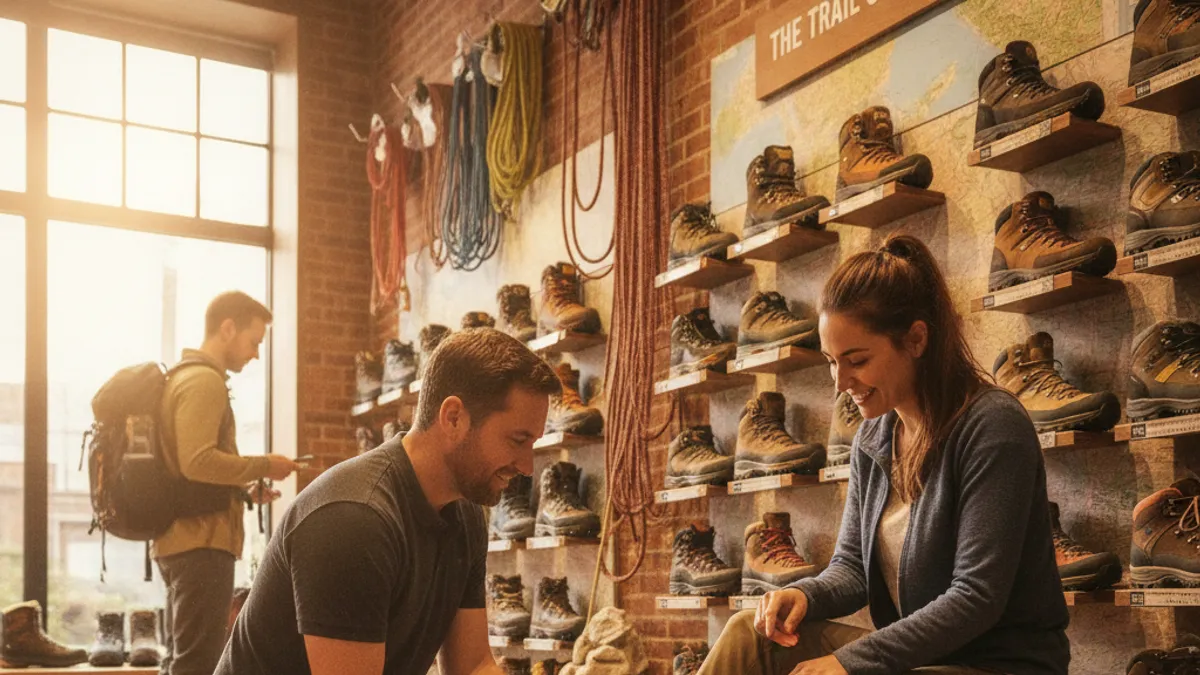
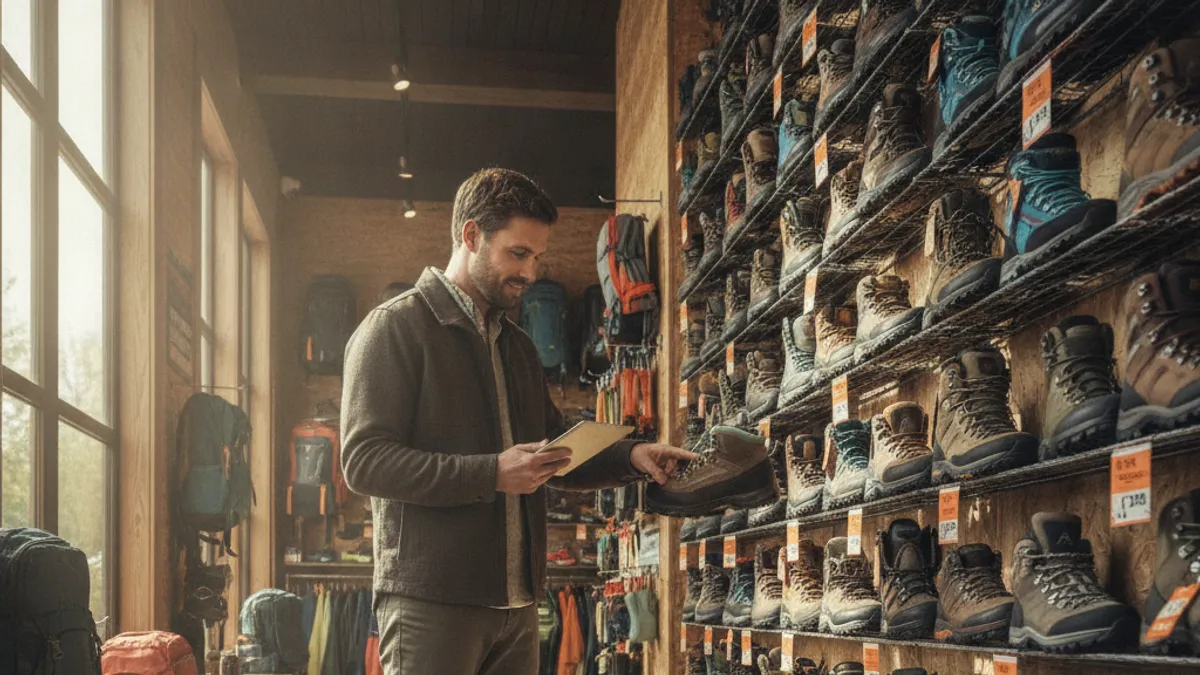
These are often the gold standard for serious hikers because the people who work there usually live and breathe the outdoors. Think of places like REI or your local, independent outdoor outfitter. Their business is built on helping you find the right gear for your adventures.
Pros of Specialty Stores
- Expert Staff Knowledge: These associates are typically passionate hikers themselves and undergo training to understand boot construction, fit, and suitability for different terrains. They can assess your foot shape, gait, and planned activities to recommend the best options.
- In-Person Try-On: You can’t beat the ability to try boots on and walk around in them. This allows you to feel for pressure points, check heel lift, and assess overall comfort before committing.
- Curated Selection: Specialty stores tend to stock reputable, quality brands known for durability and performance, ensuring you’re looking at reliable options.
- Access to Related Gear: You can often find high-quality hiking socks, insoles, and waterproofing treatments, all of which are crucial for boot performance to learn more about hiking essentials.
- Helpful Services: Many offer gait analysis or custom fitting services that can be invaluable for preventing issues.
Cons of Specialty Stores
- Higher Price Point: You’ll generally pay a premium for the expert advice, personalized service, and the curated selection. Prices can be higher than what you might find elsewhere.
- Potentially Limited Stock: While they carry great brands, you might not find every single color variation or the most budget-friendly models that exist in the market.
Who It’s Best For: Serious Hikers
If you’re a beginner looking to get started the right way, or an experienced hiker planning a challenging trek, these stores are often your best bet. The personalized guidance can prevent costly mistakes and ensure your boots are up to the task. For those who prioritize a perfect fit and reliable performance for demanding hikes, the investment in a specialty store is usually well worth it. You’re not just buying boots; you’re investing in comfortable miles and safer adventures.
Big Box Sporting Goods Stores: A Balanced Approach
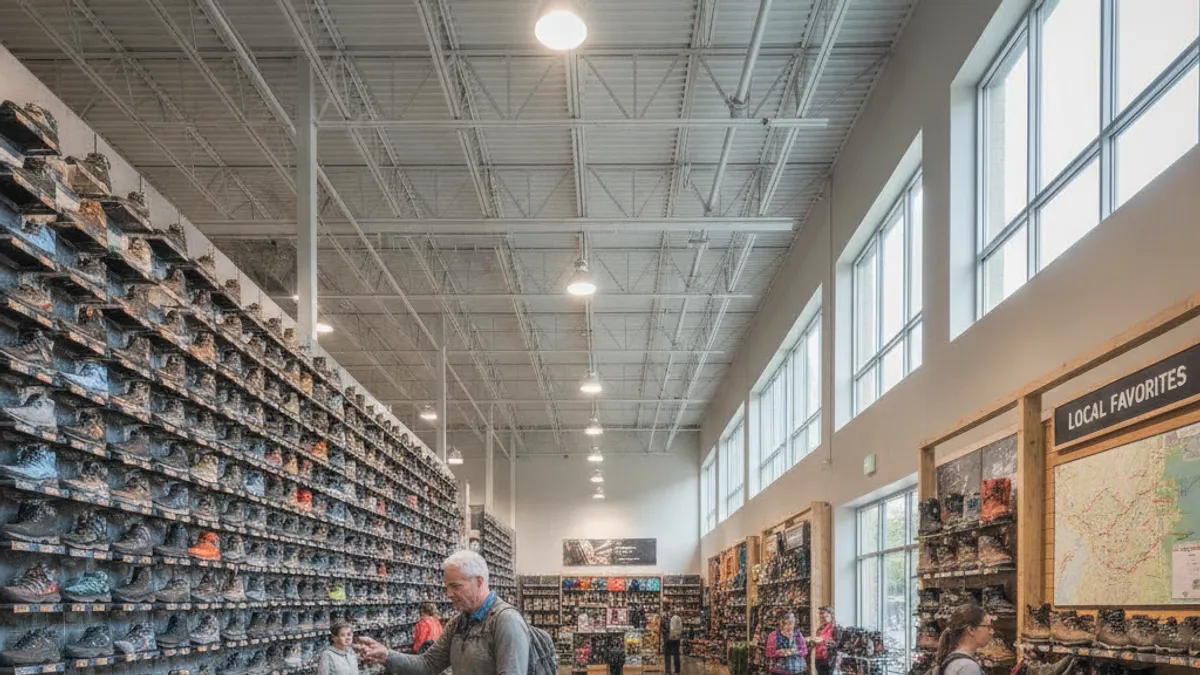
These larger retailers, like Dick’s Sporting Goods or Academy Sports + Outdoors, offer a middle ground. They provide a wider selection than many specialty shops but may not always have the same depth of niche expertise.
Pros of Big Box Stores
- Decent Selection: You’ll typically find a good range of popular brands and models, covering various hiking needs from light trails to moderate backpacking.
- Competitive Pricing & Sales: These stores frequently run sales and promotions, which can offer significant savings compared to specialty retailers.
- Convenient Locations: They are often more widely accessible in urban and suburban areas, making them a convenient stop.
- Can See and Touch: You can still try on boots physically, giving you a tangible sense of fit and feel.
Cons of Big Box Stores
- Inconsistent Staff Expertise: While some employees might be knowledgeable, others may have a more general understanding of footwear, lacking the deep specialized knowledge found in outdoor shops. Your mileage may vary greatly.
- Less Specialized Focus: The product range is broader, so they might not carry the most cutting-edge or highly specialized hiking boot technology available.
Who It’s Best For: The Practical Shopper
This option is great for individuals who have a general idea of what they’re looking for and want a convenient shopping experience with the possibility of a good deal. If you’re buying boots for casual day hikes or for family members who aren’t hardcore trekkers, these stores can meet your needs effectively. It’s a good place to start if you’re doing some initial research and want to try a few different brands without committing to a specialized retailer just yet.
Online Retailers: Selection & Convenience at Your Fingertips
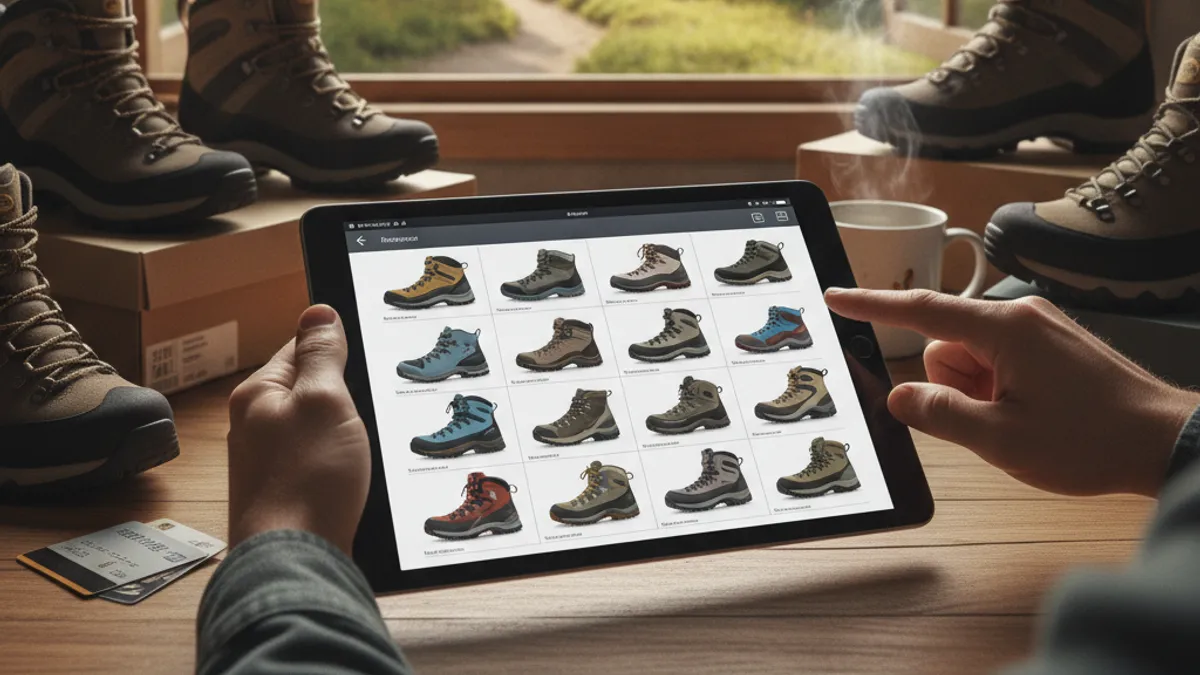
When you think of online shopping, retailers like Amazon, Zappos, or the dedicated websites of major outdoor brands come to mind. These platforms offer an unparalleled breadth of choice and the ultimate convenience.
Pros of Online Retailers
- Vast Inventory: You’ll find an enormous selection of brands, models, colors, and sizes that you simply won’t see in a physical store. This makes it ideal for finding specific styles or niche products.
- Price Comparison and Deals: It’s easy to compare prices across different sellers and find significant discounts, especially for last season’s models.
- 24/7 Shopping Convenience: You can browse and purchase boots from the comfort of your home at any time.
- Extensive Customer Reviews: Access to thousands of user reviews can provide insights into real-world performance and durability, though it’s important to aggregate feedback critically.
Cons of Online Retailers
- No In-Person Try-On: This is the biggest hurdle. You cannot physically assess the fit, feel, or immediate comfort of the boots before purchasing. This is a critical factor for hiking footwear, as even a slight difference in fit can cause significant problems.
- Return Process Can Be a Hassle: While many online retailers offer free returns, it still requires repackaging, printing labels, and making a trip to a drop-off location, which can be inconvenient if the boots don’t fit. This is particularly a concern for items up to $300, as per manufacturer guidelines for significant purchases.
- Lack of Expert Guidance: You are largely on your own to determine the correct size, type of boot, and features that best suit your needs.
Who It’s Best For: The Informed & Risk-Tolerant Buyer
Online purchasing is ideal for hikers who already know exactly which boot model and size they need, perhaps after trying them on in a physical store. It’s also a good option if you’re looking for a very specific, hard-to-find model or are a seasoned hiker confident in your sizing and needs. If you’re willing to deal with the potential hassle of returns for the sake of selection and competitive pricing, online retailers can be a powerful tool.
Brand-Direct Websites: Going Straight to the Source
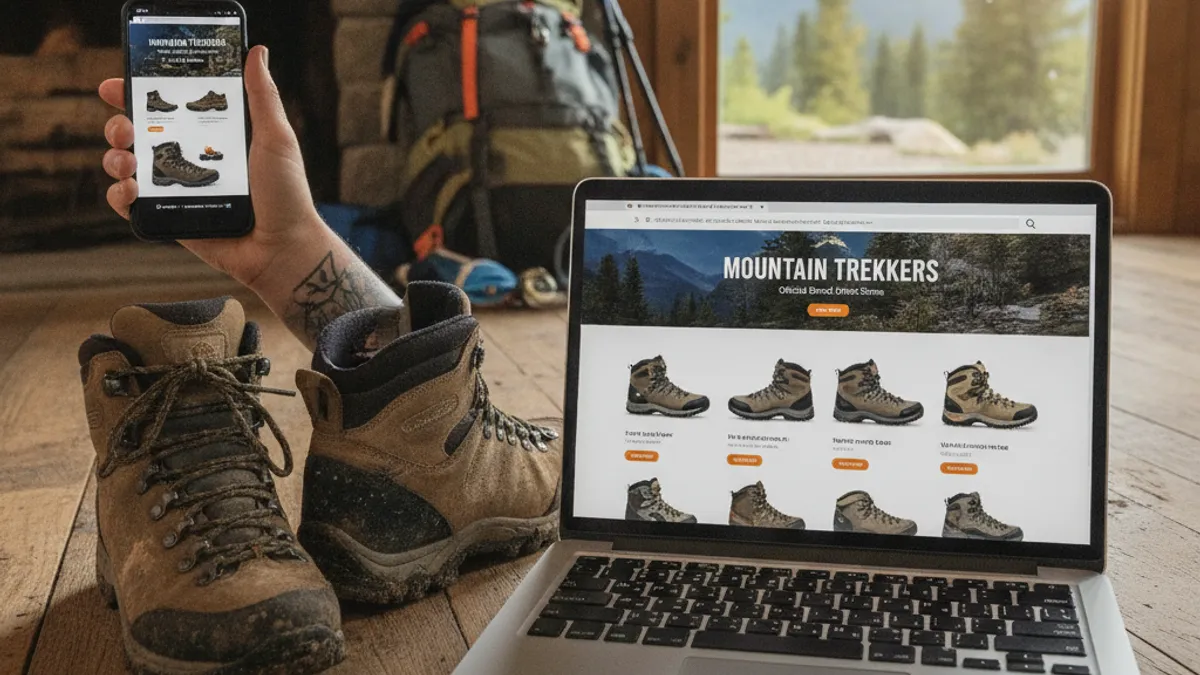
Shopping directly from a manufacturer’s website, such as Merrell.com or Salomon.com, offers a focused experience. You’re getting information straight from the company that makes the boots. This can be a great way to ensure you’re seeing the most up-to-date models and brand-specific technologies.
Pros of Brand-Direct
- Full Product Line: You’re guaranteed to see the entire range of models and variations that the brand offers, including any exclusive online items.
- Detailed Brand Information: Websites are rich with information about the brand’s specific technologies, materials, and design philosophies, helping you understand what makes their boots unique.
- Potential for Exclusive Deals: Sometimes, brands offer special promotions, bundles, or early access to new releases directly to their website customers.
Cons of Brand-Direct
- Limited to One Brand: Naturally, you can only shop for boots from that specific brand, which limits your comparison if you’re unsure which brand best suits you.
- Still No In-Person Try-On: Like general online retailers, you can’t try the boots on before buying, so the fit and comfort assessment is still done remotely.
Discount Retailers & Outlets: The Treasure Hunter’s Choice
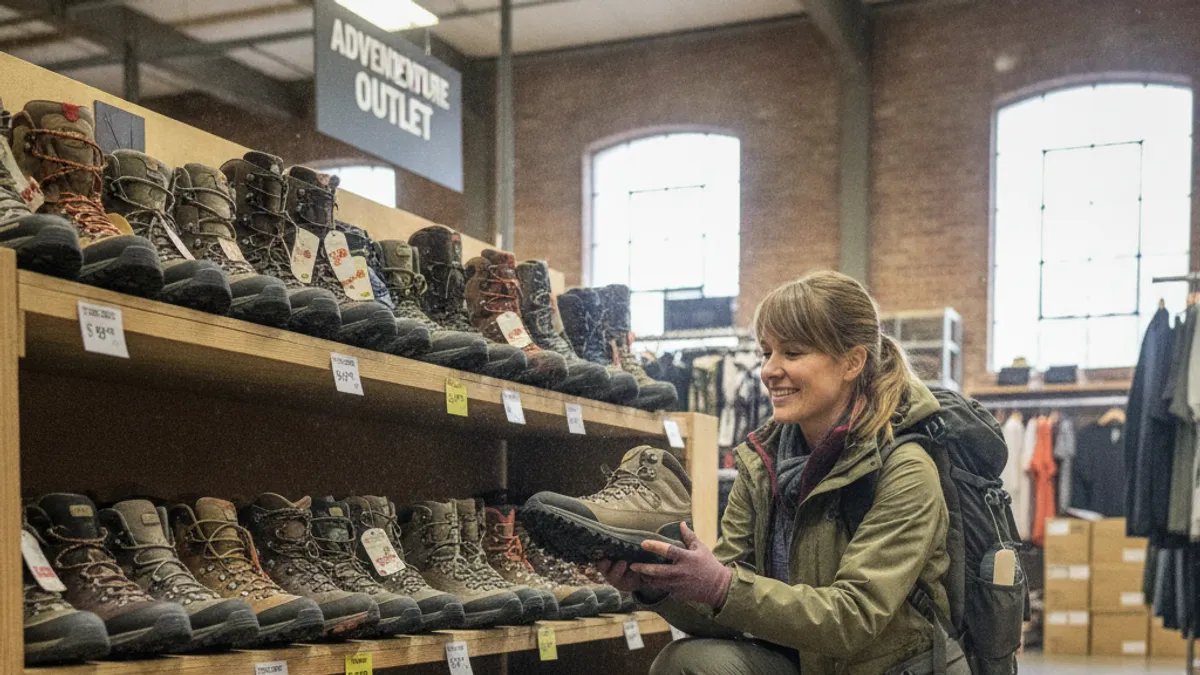
If you’re looking to snag a high-quality pair of hiking boots at a significantly reduced price, discount retailers and outlet stores can be your best friend. These locations might carry last season’s models, overstock, or items with minor cosmetic imperfections. The key here is patience and a bit of luck.
Pros of Discount/Outlet
- Significant Savings: This is where you can find the deepest discounts, sometimes saving 30%-60% or more off the original retail price on top-tier brands.
- Opportunity for Premium Gear: You can often get your hands on premium models that would otherwise be out of your budget.
- Physical Inspection Possible: If it’s a physical outlet store, you can still try the boots on, which is a huge advantage.
Cons of Discount/Outlet
- Inconsistent and Limited Stock: You never know what you’ll find. Sizes are often extremely limited or non-existent for specific models you might want.
- Older Models: You’re often looking at last year’s or even older models, which might lack the latest technological advancements.
- “Final Sale” Policies: Many discount retailers and outlets sell items as “final sale,” meaning you cannot return them if they don’t fit or aren’t suitable, so try them on carefully.
- Potential for Imperfections: While usually minor, some items might have slight cosmetic flaws that don’t affect performance but can be off-putting.
Key Features to Consider When Buying Hiking Boots
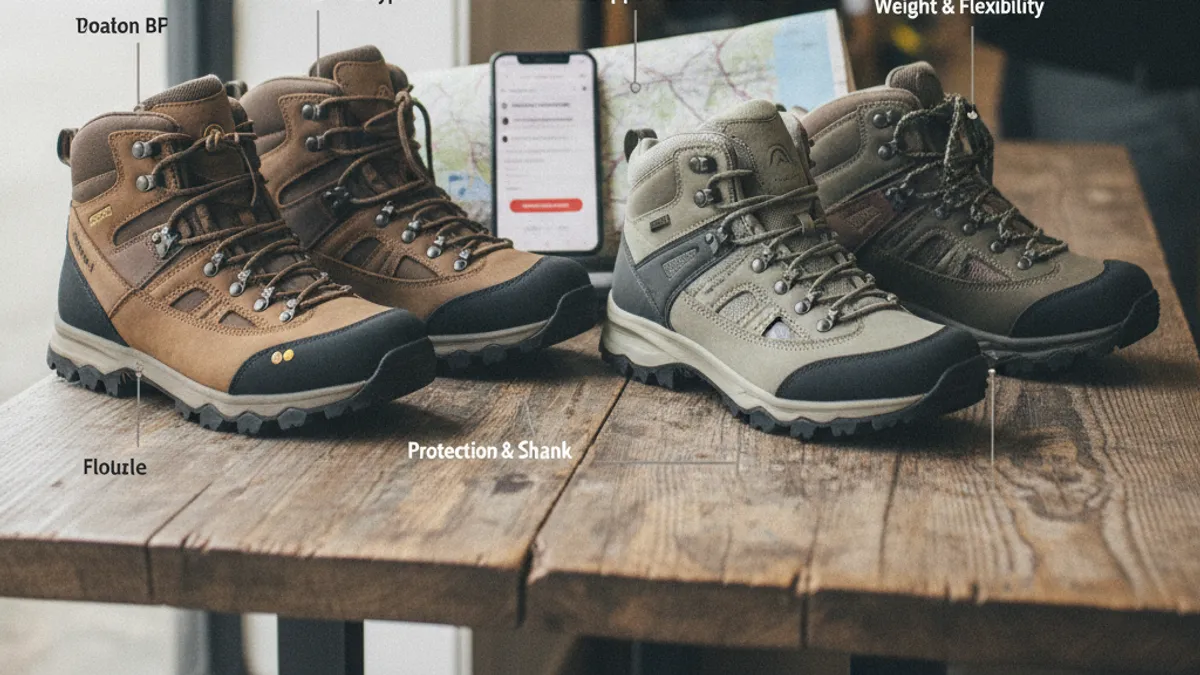
Beyond just deciding where to buy, you’ll need to look at the boots themselves. Different features are crucial for comfort and performance, and understanding them helps you choose wisely, whether you’re shopping online or in-store. Manufacturers often specify materials like full-grain leather or synthetic meshes, each with its own pros and cons.
Fit and Comfort First
This is non-negotiable for hiking boots. A boot that feels great in the store might cause serious issues miles from the trailhead. Look for boots that offer enough room in the toe box so your toes don’t hit the front when walking downhill. Your heel should feel secure and not lift excessively.
Aggregated buyer feedback often highlights that a boot’s comfort is highly personal, so even with detailed specs, trying them on remains vital.
Support and Stability
Good ankle support is critical, especially for uneven terrain. Mid-cut boots offer more ankle protection than low-cut hikers, which are closer to trail running shoes. Trail runners vs hiking boots often differ significantly in their ankle support. Manufacturer specifications will indicate the height and stiffness of the ankle collar, but feel is key.
Proper arch support also reduces fatigue on long hikes.
Traction and Durability
The outsole is what connects you to the trail. Look for deep, multidirectional lugs, the grippy patterns on the sole, designed for good traction on various surfaces like mud, rock, and dirt. Many boots use rubber compounds tested for durability; some feature specific tread patterns developed by companies like Vibram, designed for maximum grip. For instance, a lug depth of 3mm to 5mm is common for all-around hiking boots, offering a
balance between grip and durability for a wide range of conditions.
What About Waterproofing?
Waterproof boots use membranes, like Gore-Tex or event, to keep water out while allowing some moisture vapor to escape. This is great for wet conditions, snowy trails, or crossing shallow streams. However, our research indicates that waterproof membranes can sometimes reduce breathability, making your feet feel hotter and sweatier in dry, warm weather. For milder climates or dry trails, non-waterproof boots might offer better ventilation.
Many manufacturers, like Merrell, provide detailed specs on their waterproofing technology used in specific models.
Common Hiking Boot Buying Mistakes to Avoid
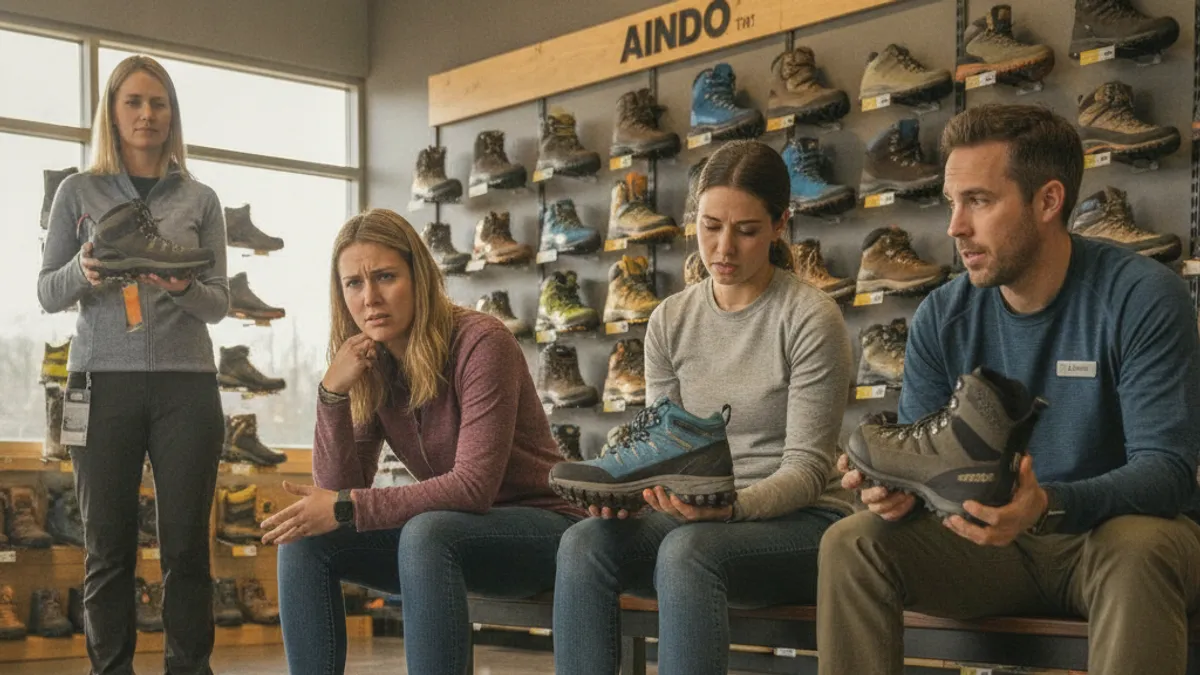
Even with the best intentions, a few common pitfalls can lead to buying the wrong hiking boots. One of the biggest blunders is not trying them on with the right socks, always wear the same thickness of socks you plan to hike in. Another mistake is assuming your street shoe size will translate directly to hiking boots; often, you’ll need a half or full size larger, especially for longer hikes where feet swell.
Rushing the Process
Buying hiking boots on a whim or when you’re in a hurry is a recipe for disaster. Take your time to compare options, read reviews, and most importantly, spend ample time trying boots on in the store. Rushing can lead to overlooking critical fit issues.
Ignoring Your Foot Shape and Gait
Every foot is unique. Some people have narrow feet, others wide. Some have high arches, some low. A boot that feels amazing on one person might be torture for another.
If possible, seek advice from staff who can assess your foot’s needs. If you have known issues like plantar fasciitis, look for boots with excellent arch support or consider aftermarket insoles. How to Choose Hiking Boots offers further guidance on this.
Forgetting About Socks
Good hiking socks are as important as the boots themselves. They cushion your feet, wick away moisture, and prevent friction that leads to blisters. Wearing thin dress socks or standard cotton athletic socks with hiking boots is a common mistake that can quickly ruin a hike.
How to Get the Best Deal on Hiking Boots
Finding good hiking boots doesn’t always mean breaking the bank, but it requires a bit of strategy. The cheapest option you find online might not be the best value if it compromises on fit or quality, leading to discomfort and potential injury. As of 2026, the market offers a wide range of price points, from entry-level models to high-performance boots.
Shop Sales and Off-Season
Look for end-of-season sales, holiday promotions, or clearance events. Many retailers offer significant discounts on last year’s models as new ones arrive. This is where discount retailers and outlet stores often shine, though you might have less choice in sizes and colors.
Compare Prices Across Retailers
Once you’ve identified a specific boot model you like, comparison shop. Check prices at specialty stores, big box retailers, online marketplaces, and the brand’s own website. Sometimes, a slightly higher initial price at a specialty store might be offset by a better return policy or included fitting services.
Consider Refurbished or B-Grade Options (With Caution)
Some brands or outlets sell refurbished boots or “B-grade” items (those with minor cosmetic flaws). These can offer substantial savings, but be absolutely sure you understand the return policy and the nature of any imperfections before buying. For critical gear like hiking boots, this route carries more risk.
Final Verdict: Choosing Your Ideal Buying Spot
Ultimately, the “best” place to buy hiking boots depends on your individual priorities and your experience level. For those who prioritize expert advice and a guaranteed proper fit, especially beginners, heading to a specialty outdoor store is usually the wisest first step. The upfront cost might be higher, but the reduction in potential discomfort and injury is invaluable.
If you already know exactly what boot you need, have a specific budget in mind, or are comfortable with the return process, online retailers offer unparalleled selection and competitive pricing. Big box sporting goods stores can be a good compromise, offering decent selection and sales, while discount outlets are for the patient bargain hunter seeking the absolute lowest price on quality gear. Remember, investing wisely in your hiking boots is investing in your comfort and safety on every trail.
