
Vasque hiking shoes for women offer trusted comfort, grip, and weather protection for daily trails and long hikes.
A rocky trail can turn a fun day into a painful one when shoes slip, soak through, or rub your heels. The right Vasque Hiking Shoes Womens model can help solve those problems with supportive builds, outdoor-ready traction, and options for light walks or demanding hikes. I reviewed four popular women’s Vasque options below. Each one has a different role, so I focused on fit, trail use, weather protection, comfort, and value rather than simply naming one winner.
See the differences between my top picks at a glance.
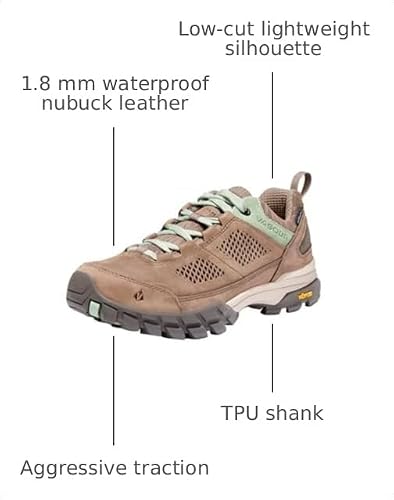
Vasque Women’s Talus Low Waterproof Shoe

The Talus Low is a practical choice for hikers who want a lower shoe instead of a tall boot. Its waterproof construction suits damp paths, wet grass, and light rain. The low cut also gives the ankle more freedom on easy trails. I see this model as a strong fit for day hikes, park trails, and travel where you may walk on mixed surfaces.
The bungee-style lace detail can make the shoe quick to adjust during a busy day. A supportive sole helps create a more stable feel than a basic walking sneaker. Still, a low shoe cannot provide the same ankle coverage as the St. Elias or Torre boots. If you want comfort, weather coverage, and easy movement in one package, this Talus model deserves close attention.
Pros:
- Low profile allows natural ankle movement
- Waterproof build helps block rain and trail moisture
- Good match for day hikes and casual outdoor use
- Supportive sole feels more trail-ready than a standard sneaker
- Easy lace system can speed up fit changes
- Outdoor styling works well for travel and daily wear
Cons:
- Low collar gives less ankle support than a hiking boot
- Waterproof materials may feel warmer than mesh shoes
- Firm construction may need a short break-in period
What Amazon Buyers Are Saying
Buyer feedback for this type of Talus Low model commonly centers on its useful mix of waterproof coverage and walking comfort. Customers who choose the correct size often like the stable feel and the lower shape. Many shoppers also look for this style because it can handle wet outdoor paths without the bulk of a tall boot.
The main concerns in customer feedback tend to involve fit, width, and break-in comfort. Some hikers prefer more room in the toe area, while others find the fit secure. As with any waterproof hiking shoe, I recommend checking the current size chart and reading the newest review comments before ordering, since fit opinions can vary by foot shape.
My Recommendation
I recommend the Talus Low for women who spend most of their time on maintained trails and want a waterproof hiking shoe with a flexible, lower profile. It is not my first choice for heavy packs, steep loose slopes, or hikers who need strong ankle coverage. For everyday trail use, it offers a sensible balance of protection and comfort.
Vasque Women’s St. Elias Waterproof Boot

The St. Elias is the most protective option in this group. Its higher boot design covers more of the ankle and suits hikers who spend time on rough, uneven ground. The waterproof build adds useful protection in rain and shallow wet conditions. I would look at this model first for longer hikes, backpacking trips, and trails where foot support matters more than a light feel.
This boot has a traditional outdoor shape and a more substantial build than the low shoes in this review. That extra structure can help you feel secure when carrying a pack or crossing rocky sections. In return, it may feel heavier and less casual during short walks. The best fit comes from wearing the socks you plan to use on the trail and allowing enough room for normal foot swelling.
Pros:
- Higher design gives more ankle coverage
- Waterproof construction suits wet trail conditions
- Strong choice for rugged hikes and backpacking use
- Structured build can feel secure under a light or medium pack
- Traditional boot shape offers a stable outdoor feel
- Durable design is suited to regular trail use
Cons:
- Heavier than the low-cut Vasque options reviewed here
- May need more break-in time than a casual hiking shoe
- Could feel too stiff for short walks or warm-weather city use
What Amazon Buyers Are Saying
Customer comments around the St. Elias line often focus on support, waterproof performance, and its dependable boot feel. Hikers who want a traditional leather-style hiking boot often appreciate the secure upper and solid construction. Buyers also tend to compare the weight and stiffness with lighter trail shoes before choosing this model.
Fit remains the most important point in buyer feedback. Some customers report a comfortable, secure fit after proper sizing, while others mention that the boot feels firm until it breaks in. Because feet differ, I would not rely on one review alone. Check the latest comments for your selected size, and consider your usual hiking socks when deciding.
My Recommendation
The St. Elias is worth buying if you need a more protective Vasque Hiking Shoes Womens option for rugged trails or long days outdoors. I would choose it over a low shoe when ankle coverage and structure are high priorities. It is less appealing for shoppers who want a light, flexible shoe for easy paths.
Vasque Breeze LT Low NTX Women’s Shoe

The Breeze LT Low NTX targets hikers who prefer a lighter shoe. Its low-cut shape supports easy movement and works well for day hikes, travel, and light trail walks. The NTX weather barrier is designed to help manage moisture while keeping the shoe less bulky than a tall boot. This makes it an appealing middle ground between a trail runner and a heavy hiking boot.
A lighter shoe can reduce the tired feeling that often builds during long walks. The trade-off is that it may not feel as protective on sharp rocks or rough slopes as the St. Elias. I like this model for maintained trails and fast-moving hikers who value freedom of movement. Before buying, check the outsole details and current listing information because product versions and available sizes can change.
Pros:
- Light low-cut design encourages easy movement
- Good choice for maintained trails and day hikes
- NTX barrier offers useful wet-weather coverage
- Less bulky than a traditional hiking boot
- Works well for travel and outdoor daily wear
- Can suit hikers who dislike a stiff ankle collar
Cons:
- Less ankle coverage than a mid or high boot
- May offer less protection on very rocky terrain
- Light construction may not suit heavy backpacking loads
What Amazon Buyers Are Saying
Buyer feedback for the Breeze LT style often highlights its lighter feel and comfortable low profile. Shoppers who want a hiking shoe that can also work for travel tend to value that versatility. Comments about weather protection are usually tied to using the shoe in normal wet conditions rather than treating it like a full rubber rain boot.
Fit feedback can differ based on foot width and sock choice. Some buyers prefer the snug trail feel, while others want more toe space. I suggest checking recent reviews for the exact color and size shown on Amazon. Also, remember that a low hiking shoe cannot replace a boot when you need strong ankle coverage.
My Recommendation
I recommend the Breeze LT Low NTX to hikers who want a lighter Vasque Hiking Shoes Womens model for easy to moderate trails. It is a good value when low weight and flexible movement matter most. Choose the Talus Low instead if you want a more traditional waterproof day-hiking feel, or choose a boot for rougher routes.
Vasque Women’s Torre Waterproof Hiking Boot

The Torre is a balanced hiking boot for women who want more support than a low shoe but less bulk than a very rugged boot. Its waterproof design suits changing trail weather and damp ground. The boot height adds useful coverage around the ankle without making the model look overly large. I see it as a strong all-around option for moderate trails, weekend hikes, and mixed outdoor use.
The Torre may appeal to shoppers who want one boot for several types of trips. It can offer a steadier feel on uneven ground while still being practical for regular day hikes. It will not feel as light as the Breeze LT Low, and it may not provide the same rugged build as the St. Elias. That middle position is its main advantage for hikers who do not want an extreme choice.
Pros:
- Balanced boot height gives useful ankle coverage
- Waterproof design helps in wet trail conditions
- Good fit for moderate hikes and mixed terrain
- More supportive than a low-cut hiking shoe
- Less imposing than a heavy backpacking boot
- Versatile design suits weekend and everyday outdoor use
Cons:
- Not as light as a low hiking shoe
- May feel warm in hot, dry weather
- Fit and break-in needs can vary by foot shape
What Amazon Buyers Are Saying
Customer feedback on the Torre style commonly points to its balanced design. Buyers who want waterproof coverage and ankle support without a very heavy boot often find this type of model appealing. The boot also attracts shoppers who want a practical option for both local trails and longer outdoor days.
As with the other models, sizing is a repeated point to check before ordering. Some hikers prefer a close heel fit, while others need extra room for thick socks. Reviews may also mention differences in comfort during the first few wears. I recommend a gradual break-in at home before taking any new boot on a long hike.
My Recommendation
The Torre is my best all-around pick for shoppers who want a waterproof Vasque Hiking Shoes Womens boot with moderate ankle support. It suits a wider range of trails than a very light low shoe. I would buy the St. Elias for more demanding routes and the Breeze LT Low when low weight matters most.
How to Choose Vasque Hiking Shoes Womens
Choosing among Vasque Hiking Shoes Womens models starts with the trail, not the color or sale price. A low shoe may be perfect for a dry park trail but less suitable for loose rock and a heavy pack. A waterproof boot may protect your feet in wet weather but feel too warm for short summer walks. I use the points below to match the shoe to the way I plan to hike.
1. Match the Shoe Height to Your Trail
Low hiking shoes sit below the ankle. They feel free and often work well for day hikes, travel, and smooth paths. The Talus Low and Breeze LT Low fit this use. They may also feel better to hikers who dislike a tall collar pressing against the ankle.
Boots cover more of the ankle and can feel more secure on uneven ground. The Torre offers a balanced middle choice, while the St. Elias gives the most traditional boot feel in this review. If you carry a pack, cross rough ground, or often hike on slopes, the extra support may be worth the added weight.
Height does not replace good fit or strong walking habits. A tall boot cannot stop every ankle twist. It can, however, give the foot more structure and help keep trail debris out. Pick the height that suits your route and comfort needs.
2. Check Waterproof Protection and Breathability
Waterproof Vasque hiking shoes can help keep feet dry in rain, wet grass, and shallow trail moisture. This feature matters most in cool or changeable weather. It may matter less on hot, dry trails where breathability and low weight have a higher value.
No waterproof shoe can protect you from every condition. Water may enter over the collar, through an open tongue area, or after long contact with deep water. Waterproof materials can also feel warmer than open mesh. I pair them with moisture-managing socks and avoid standing in water above the shoe opening.
Look at the product listing for the exact version and current materials. Names and color options can change over time. If you hike in a hot climate, think about whether you truly need waterproof protection on every trip.
3. Prioritize Fit, Grip, and Long-Term Value
Fit is the most important feature in any hiking shoe. Your heel should stay in place without painful pressure. Your toes should have room to move, especially when walking downhill. Try the shoes with hiking socks and check them late in the day, when feet may be slightly larger.
Grip also matters. A trail shoe should feel stable on the surfaces you use most, but no outsole grips every surface equally. Mud, wet roots, smooth rock, and loose gravel each create different challenges. Walk slowly on new terrain and do not depend on the shoe alone for safety.
For value, consider how often you hike and how hard you use the shoe. The Breeze LT Low may make sense for light use and travel. The Torre may offer better flexibility for mixed use. The St. Elias can be a better match for serious hikers who need a more protective boot. A shoe has good value when its design fits your real needs, not only when its price looks low.
Final Verdict: Which Should You Buy?
The Torre is my best overall pick because it balances waterproof coverage, ankle support, and trail comfort. Choose the Breeze LT Low for light hikes, the Talus Low for easy wet trails, or the St. Elias for rugged routes.
These Vasque Hiking Shoes Womens options cover many trail needs. Check fit, terrain, weather, and current Amazon details before buying.
FAQs Of Vasque Hiking Shoes Womens
Are Vasque hiking shoes good for women’s day hikes?
Yes. The low-cut Talus and Breeze models suit many day hikes, while the Torre adds more ankle coverage for uneven trails.
Which Vasque women’s hiking shoe is best for wet trails?
The waterproof Talus, St. Elias, and Torre models are strong options for wet trails. The Breeze LT Low NTX also offers weather protection.
Should I choose Vasque hiking shoes or boots?
Choose low shoes for lighter weight and free ankle movement. Choose boots when you want more ankle coverage, structure, and trail protection.
Do Vasque hiking shoes need a break-in period?
Some models may feel firm at first, especially structured boots. Wear them for short walks before using them on a long hike.
How should women’s Vasque hiking shoes fit?
Your heel should feel secure, and your toes should have room to move downhill. Try them with hiking socks and review the current size information before ordering.
