
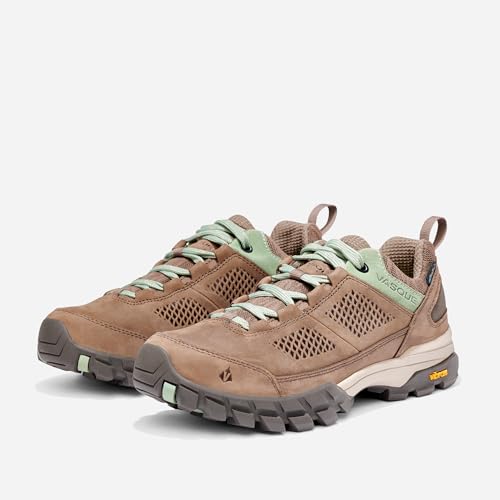
Vasque Waterproof Hiking Shoes help keep feet dry, steady, and comfortable on changing trails.
A wet trail can turn a fun hike into a cold, tiring walk. Mud, light rain, and loose rocks can also test a shoe’s grip and support. I reviewed three popular Vasque waterproof options to see how they differ in fit, coverage, comfort, and trail use. The Talus Low suits hikers who want a lighter shoe. The St. Elias offers a more protective leather boot feel. The Breeze sits between them with a lighter boot design and useful ankle coverage.
See the differences between my top picks at a glance.
| Product | Style | Best For | Waterproof Coverage | Main Strength | Amazon |
|---|---|---|---|---|---|
| Vasque Talus Low | Low hiking shoe | Day hikes and warm trails | Waterproof shoe upper | Light, flexible feel | View on Amazon |
| Vasque St. Elias | Leather hiking boot | Rugged trails and heavy use | Waterproof boot construction | Protection and support | View on Amazon |
| Vasque Breeze | Waterproof hiking boot | Mixed trails and long day hikes | Waterproof boot upper | Balance of weight and coverage | View on Amazon |
Vasque Talus Low Waterproof Hiking Shoe

The Vasque Talus Low Waterproof Hiking Shoe is made for hikers who want trail support without a tall boot collar. Its low-cut shape feels closer to a walking shoe than a traditional hiking boot. That can make it a good pick for day hikes, park paths, and well-kept mountain trails. The Bungee Cord/Basil color also gives it a practical outdoor look that does not feel too loud.
The waterproof design can help block rain and wet grass during normal trail use. Still, a low shoe cannot protect the ankle from water as well as a higher boot. I would pair it with hiking socks that manage moisture and avoid deep puddles that reach above the shoe opening. For many hikers, its main appeal is the balance between comfort, grip, and lower weight.
Pros:
- Low profile feels lighter than a full hiking boot
- Waterproof build helps during rain and damp trail walks
- Good choice for day hikes and casual outdoor use
- Allows more ankle movement than a tall boot
- Practical design for travel and everyday walking
- Vasque trail heritage adds confidence for outdoor use
Cons:
- Low ankle height gives less support on rough ground
- Water can enter over the collar in deep puddles
- May feel firm during the first few wears
What Amazon Buyers Are Saying
Amazon buyer feedback for hiking shoes often centers on fit, comfort, and waterproof performance, and the Talus Low listing follows those same points. Buyers who like this style tend to value the lower cut, firm trail feel, and protection from wet grass or light rain. Many shoppers also compare the fit with their usual shoe size and note that hiking socks can change the feel.
The main concerns to check before ordering involve sizing and break-in comfort. Some hikers prefer a little extra room for thicker socks, while others want a close fit for better control. Customer experiences can vary by foot shape, use, and production year, so I recommend reading the latest size comments on the Amazon page before buying. The listing and current buyer reviews should guide your final size choice.
My Recommendation
I recommend the Talus Low for hikers who value a nimble shoe and do not need high ankle coverage. It works best for day hikes, light backpacking, travel, and wet city-to-trail walks. I would not choose it for deep mud, steep loose slopes, or hikers who need strong ankle support. Overall, it offers a useful mix of waterproof coverage and easy movement.
| Category | Rating |
|---|---|
| Waterproof trail use | 4.3/5 |
| Comfort and flexibility | 4.4/5 |
| Grip and trail control | 4.2/5 |
| Support | 4.0/5 |
| Value for money | 4.2/5 |
| Overall Rating | 4.2/5 |
Vasque St. Elias Waterproof Hiking Boot

The Vasque St. Elias Waterproof Hiking Boot takes a more protective approach than a low hiking shoe. Its tall boot shape covers more of the foot and ankle. The Cognac finish also gives it a classic leather look that suits long trail days and outdoor travel. I see this model as the choice for hikers who prefer a solid, traditional boot underfoot.
A boot with more structure can feel reassuring on rocky paths and uneven ground. It may also take more time to soften than a flexible low shoe. Proper sizing matters here because a tight boot can create pressure, while too much room can reduce control. Wear the boots around the house first, then test them on short walks before taking them on a long trip.
Pros:
- Higher design gives more ankle coverage than a low shoe
- Leather-style upper offers a durable outdoor appearance
- Waterproof construction suits wet trail conditions
- Protective shape works well on rocky and uneven paths
- Classic boot design fits hiking and outdoor travel
- More coverage helps keep trail debris away from the foot
Cons:
- More structured feel may need a longer break-in period
- Likely feels heavier than the Talus Low
- Leather care may require more work over time
- Higher collar may feel warm in hot weather
What Amazon Buyers Are Saying
Amazon shoppers who consider the St. Elias often focus on its boot feel, fit, and protection. Positive review patterns for this type of Vasque boot usually mention a secure feel on uneven trails and confidence in wet weather. Buyers who already like traditional leather hiking boots may appreciate the firm support and classic appearance.
Fit comments deserve close attention. A structured boot may feel different from a casual shoe, and foot shape can affect comfort around the heel, toe box, and ankle. Some buyers may also mention stiffness during early use. I suggest checking recent reviews for your size, reading comments about socks and break-in, and confirming the current Amazon return terms before ordering.
My Recommendation
The St. Elias is worth considering if you want a sturdy, protective hiking boot for rougher trails and repeated outdoor use. It is not my first choice for hot-weather walks or hikers who want a soft, fast feel right away. I prefer it for cooler trips, rocky routes, and users who like a traditional boot. Its strength is protection, not minimal weight.
| Category | Rating |
|---|---|
| Waterproof trail use | 4.5/5 |
| Ankle coverage | 4.6/5 |
| Protection and support | 4.5/5 |
| Break-in comfort | 3.9/5 |
| Value for money | 4.2/5 |
| Overall Rating | 4.3/5 |
Vasque Breeze Waterproof Hiking Boot

The Vasque Breeze Waterproof Hiking Boot aims to balance boot coverage with a more approachable trail feel. Its waterproof boot design gives more protection than a low shoe, while the Breeze line is known for a lighter hiking focus than very heavy backpacking boots. The Trooper/Blue color adds a modern outdoor style. I would place it between the Talus Low and St. Elias for overall use.
This model can suit hikers who want ankle coverage for changing terrain but do not want an overly rigid boot. It makes sense for day hikes, wet forest paths, and mixed surfaces. As with any waterproof boot, breathability and drying time still matter. Waterproof materials can block outside moisture, but feet may feel warm during high-effort hikes, especially in summer.
Pros:
- Boot height adds useful ankle and debris coverage
- Waterproof design supports wet-weather hiking
- Balanced choice for mixed trails and day hikes
- More protective than a low shoe without a very heavy feel
- Modern color works for trail and travel use
- Good middle ground for hikers unsure between shoes and boots
Cons:
- May feel warmer than a non-waterproof hiking shoe
- Boot collar can take time to feel natural
- Not as light or flexible as a low-cut model
- Fit may change with thick hiking socks
What Amazon Buyers Are Saying
Amazon shoppers looking at the Breeze usually pay attention to comfort, waterproof performance, traction, and fit. The most useful review patterns to study are comments about long day hikes, wet grass, rain, and the feel of the ankle collar. Buyers who want a middle-ground boot often look for enough structure without the hard feel of a heavy leather model.
As with the other products, customer feedback can differ by foot shape and activity. Some hikers may find the boot comfortable from the start, while others may prefer a short break-in period. I recommend checking the newest reviews for your size and reading both positive and critical comments. This gives a better view than relying on a single star score.
My Recommendation
The Breeze is my most balanced choice for hikers who want one waterproof boot for many uses. It gives more coverage than the Talus Low and may feel less demanding than the St. Elias. I would choose it for mixed trails, travel, rain-prone areas, and long day hikes. It is a strong option when you want support without choosing the most rugged boot in the group.
| Category | Rating |
|---|---|
| Waterproof trail use | 4.4/5 |
| Comfort and mobility | 4.4/5 |
| Ankle coverage | 4.3/5 |
| Trail versatility | 4.5/5 |
| Value for money | 4.3/5 |
| Overall Rating | 4.4/5 |
What Makes Vasque Waterproof Hiking Shoes Different?
Vasque has long focused on footwear for hiking and outdoor travel. Its waterproof models are built around a simple need: keep outside moisture from reaching the foot during normal trail use. The exact materials and construction can vary by model, so I always check the current product page for details. A waterproof label does not mean a shoe can stay dry after standing in deep water.
The biggest choice is often the shape. A low hiking shoe gives more freedom around the ankle and can feel easier during quick walks. A boot gives more coverage and may feel more secure on uneven terrain. Neither style suits every hiker. Your trail surface, pack weight, weather, and personal fit needs should guide the decision.
Waterproof footwear also needs care. Mud can wear down the upper and clog the tread. After a wet hike, remove loose dirt and let the shoes dry at room temperature. Avoid strong direct heat, such as a heater or hot dryer, because heat can damage materials and adhesives. Clean socks and a good fit also help prevent hot spots and blisters.
How to Choose Vasque Waterproof Hiking Shoes
Choosing Vasque Waterproof Hiking Shoes gets easier when you match the shoe to your real trail habits. Think about how wet the route gets, how much support you need, and how long you will wear the shoes. A short walk near home needs less protection than a full day on rocky ground with a pack. Use the points below to narrow your choices.
1. Match the Height to the Trail
Start with the shoe or boot height. The Talus Low has a low shape, so it can feel free and light. It suits maintained trails, day walks, and hikers who dislike a tall collar. The St. Elias and Breeze offer more ankle coverage. That can help keep out debris and give a more secure boot feel on uneven ground.
Do not assume a tall boot will prevent every ankle injury. Footwear cannot replace careful steps, strength, or good trail judgment. A boot may still feel more stable to some hikers because it holds more of the foot and ankle. Try the boots with the socks you plan to wear. Walk up and down stairs to check heel movement and toe comfort.
2. Check Waterproof Fit and Breathability
Waterproof protection matters most in rain, wet grass, shallow mud, and damp forest trails. Check that the upper closes well around your foot. A low shoe can let water enter from the collar if you step into a deep puddle. A boot gives more height, but water can still enter from the top if conditions are extreme.
Also think about heat. Waterproof layers can reduce airflow compared with open mesh shoes. That trade-off may feel worthwhile in a wet climate, but it can feel warm on dry summer trails. Choose moisture-managing socks and avoid cotton for long hikes. If your feet sweat a lot, bring spare socks on longer trips.
3. Compare Grip, Cushion, and Long-Hike Comfort
A good hiking shoe must do more than block rain. Look at the outsole pattern and consider the surfaces you use most. Smooth park paths need less aggressive grip than wet roots, loose gravel, or rocky slopes. Keep in mind that no outsole works perfectly on every surface. Slow steps still matter on slick ground.
Cushion also changes the hiking experience. A softer shoe may feel pleasant at first, while a firmer shoe can give a more planted feel. Your body weight, pack, stride, and trail length all affect comfort. For long walks, check for toe room, heel hold, and pressure around the sides. Your toes should not hit the front when walking downhill.
Finally, compare the total value. A lower price does not help if the fit causes blisters. A premium boot may be worthwhile if you hike often and need stronger protection. Check current Amazon pricing, return rules, size notes, and the latest product details before placing an order. Product colors, available sizes, and prices can change.
Fit Tips for Waterproof Hiking Footwear
Fit is one of the most important parts of any Vasque waterproof hiking shoes review. Even a well-made shoe will not work well if it slides or squeezes. Measure both feet later in the day because feet can swell during walking. Use the larger foot as your guide. Wear your normal hiking socks during the fitting.
Check the heel first. Your heel should stay mostly in place when you walk. A little movement can happen, but repeated lifting may cause rubbing. Next, check the widest part of the foot. It should not feel pinched. The toe box needs enough room for natural movement, but your foot should not slide from side to side.
Walk downhill if you can. This test shows whether your toes touch the front. If they do, the shoe may be too short or too loose at the heel. Do not solve a short shoe by sizing up too far. That can create extra movement. Try a different size, width, sock, or lacing pattern instead.
How to Care for Vasque Waterproof Hiking Shoes
Basic care can help hiking footwear last longer. Brush away dry dirt after each trip. Use a soft brush and clean water for mud. Follow the care directions supplied with the product. Do not use harsh chemicals unless the maker says they are safe for that material.
Let wet shoes dry in a cool, open place. Remove the insoles if the design allows it. Keep the tongue open so air can reach the inside. Do not place waterproof shoes on a radiator or in a hot car. High heat can affect leather, synthetic parts, glue, and shape.
Check the outsole and seams from time to time. Deep cuts, worn tread, loose soles, or damaged waterproof layers can reduce protection. Replace the shoes when the fit changes or the tread no longer gives safe control. A clean shoe is easier to inspect and often more pleasant to wear.
Are Vasque Waterproof Hiking Shoes Good for Daily Use?
They can be useful for daily walking, travel, dog walks, and wet commutes. The Talus Low may feel the easiest for casual use because of its lower shape. The Breeze can suit people who want more ankle coverage during rainy seasons. The St. Elias may feel more boot-like than some users need for pavement.
Keep in mind that hiking shoes can have firmer soles and stronger materials than casual sneakers. That can improve trail performance but may feel different on hard floors. If you spend most of the day indoors, consider whether you need waterproof coverage and hiking grip every day. For mixed city and trail use, the lighter styles may be more convenient.
Are These Shoes Suitable for Backpacking?
The answer depends on the route, pack, and your experience. The St. Elias offers the most traditional protective boot feel of these three options. The Breeze may suit moderate backpacking trips when you want a balance of coverage and weight. The Talus Low can work for light packs and stable trails if you prefer a lower shoe.
For a heavy pack, steep ground, or remote trips, test your chosen footwear well before departure. Walk with a loaded pack on local hills. Look for heel lift, toe pressure, and foot fatigue. Never make a new pair your only footwear on a major trip without testing it first.
Waterproof Hiking Shoes vs. Non-Waterproof Shoes
Waterproof shoes make sense when rain, wet grass, and damp trails are common. They can help keep feet dry and reduce the discomfort of cold water. The trade-off may include less airflow and slower drying after water gets inside. That is why waterproof footwear works best when you choose it for the climate and trail.
Non-waterproof shoes often dry faster and may feel cooler in hot weather. They can suit dry trails, warm climates, and hikers who cross streams often but can remove wet shoes afterward. Neither choice is always better. Think about the weather you face most often, not only the best-case forecast.
Final Verdict: Which Should You Buy?
The Vasque Breeze is my top overall pick because it balances waterproof coverage, support, and trail comfort. Choose the Talus Low for a lighter shoe, or the St. Elias for a more protective boot feel.
These Vasque Waterproof Hiking Shoes can serve different hiking styles. Check fit, trail type, weather, and current Amazon details before you buy.
FAQs Of Vasque Waterproof Hiking Shoes
Are Vasque Waterproof Hiking Shoes fully waterproof?
They are designed to resist water during normal wet-weather use. However, water can enter through the collar, seams, or damaged materials, especially in deep water.
Which Vasque model is best for day hikes?
The Talus Low suits hikers who want a lighter, low-cut shoe. The Breeze is a better fit for hikers who want boot height and more ankle coverage.
Which model offers the most ankle coverage?
The St. Elias and Breeze provide more ankle coverage than the Talus Low. The St. Elias has the more traditional protective boot feel.
Do Vasque waterproof hiking shoes need a break-in period?
Some users may find them comfortable right away, while structured boots can take time to soften. Wear them on short walks before a long hike.
How should I clean Vasque waterproof hiking shoes?
Brush off dirt, use mild cleaning methods approved for the shoe material, and let the footwear air-dry at room temperature. Avoid strong direct heat.
