
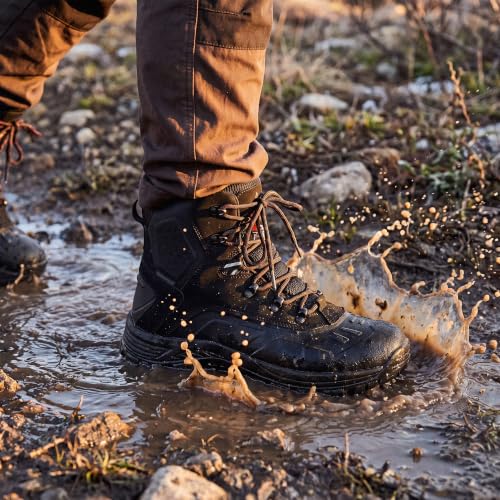
Waterproof winter hiking shoes keep feet warm, dry, steady, and comfortable on cold outdoor trails.
A winter trail can change fast. One mile may bring snow, wet grass, slush, ice, and hard ground. Cold feet can end a hike early, while poor grip can turn a simple walk into a risky one. I reviewed four popular options with these needs in mind: water protection, warmth, traction, comfort, fit, and daily value. The best pair depends on your weather, trail length, and need for insulation. See the differences between my top picks at a glance.
NORTIV 8 TUNDRA Winter Snow Boots
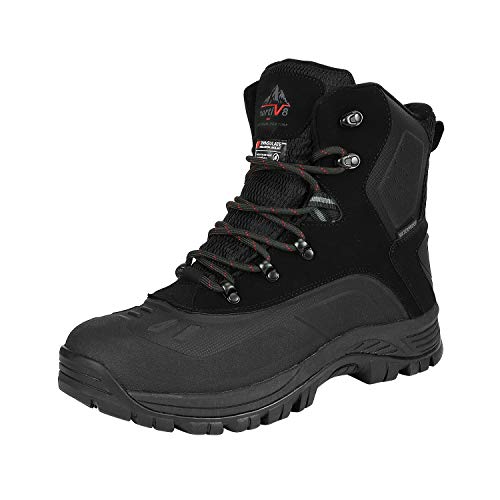
The NORTIV 8 TUNDRA is built for users who expect cold weather, snow, and wet ground. Its insulated construction gives it a warmer feel than a light hiking shoe. The taller boot shape also helps cover more of the ankle than a low trail shoe. That makes it a strong choice for winter walks, hunting trips, work, and snowy hikes.
I like the practical focus of this boot. It does not try to be a thin summer hiker, so it feels more substantial on the foot. The waterproof listing and winter design suit slush and snow, but I still recommend checking the tongue area and seams after long use. Wear a moisture-wicking sock, and leave room for natural toe movement rather than sizing down.
Pros:
- Insulated design helps retain heat in cold weather
- Waterproof build suits snow, slush, and wet trails
- Higher boot profile offers useful ankle coverage
- Good match for hiking, hunting, and outdoor work
- Substantial construction feels suited to rough use
- Works well with thicker winter socks
Cons:
- Heavier and less flexible than a light hiking shoe
- May feel too warm for mild weather or indoor use
- Thicker boots need careful size selection
What Amazon Buyers Are Saying
Amazon buyer feedback for this type of TUNDRA winter boot often centers on warmth, snow use, and the sturdy feel. Buyers who need a cold-weather boot tend to value the insulation and the coverage around the ankle. Common concerns include weight, fit, and the need to break in a firm boot. As with any footwear, reports can differ by foot shape, sock choice, and the amount of water exposure.
My Recommendation
I recommend the TUNDRA for hikers who put warmth first. It is a better winter choice than a thin waterproof trail shoe when temperatures drop and snow becomes part of the route. It may be more boot than casual walkers need, but that extra structure can help on cold, rough ground.
NORTIV 8 Armadillo Ankle Hiking Boots

The Armadillo is an ankle-high hiking boot made for camping, trekking, and general outdoor use. Its lower profile should appeal to hikers who want more freedom than a tall snow boot provides. The brown, black, and tan color mix also gives it a casual look for daily wear. It is best suited to cool, wet trails rather than very deep winter conditions.
This boot can make sense when you need one pair for hikes, travel, and light outdoor work. The lighter format may reduce foot fatigue on long walks, though it will not offer the same warmth as a heavily insulated snow boot. For winter use, I would pair it with warm socks and use it on maintained trails. Always confirm the current size chart and product details before ordering.
Pros:
- Lower ankle height supports easier walking
- Useful for camping, trekking, and day hikes
- Lighter feel than a tall insulated snow boot
- Waterproof design helps on wet paths
- Versatile style works for outdoor and casual wear
- Good option for mild winter weather
Cons:
- Less insulation for deep cold and standing snow
- Ankle coverage is lower than a winter snow boot
- May need warmer socks in freezing conditions
What Amazon Buyers Are Saying
Common Amazon review themes for ankle-high hiking boots include comfort, light weight, and everyday versatility. Buyers often like a boot that feels easier to wear than a large winter model. Fit comments can vary, especially for wide feet or thick socks. Some users may also expect more insulation than this style provides, so the intended season matters.
My Recommendation
I recommend the Armadillo for active users who want a waterproof hiking boot for cool and wet conditions. It is not my first pick for deep snow or severe cold, but it offers a more flexible trail feel. For mixed use and mild winter hikes, it is a sensible value.
NORTIV 8 Insulated Snow Boots

This NORTIV 8 model combines an insulated winter build with a practical ankle-boot shape. The product description positions it for hunting, winter work, daily use, and outdoor activity. That broad purpose makes it appealing to people who need one boot for chores and cold walks. Its dark brown color also hides mud well and looks less technical than some trail boots.
The slip-resistant design is useful on wet or snowy surfaces, but no outsole removes every risk on smooth ice. I would still shorten my steps and use extra care on frozen slopes. The insulation should help in cold weather, yet it may feel too warm inside heated buildings. Overall, this model sits between a work boot and a winter hiking boot.
Pros:
- Insulated construction suits cold-weather activity
- Waterproof design helps block wet snow and slush
- Slip-resistant outsole supports steady daily use
- Good fit for winter work, hunting, and walks
- Ankle height balances coverage and ease of use
- Dark color hides outdoor dirt better
Cons:
- May feel warm during indoor or mild-weather wear
- Slip-resistant does not mean ice-proof
- Work-boot structure may feel firm at first
What Amazon Buyers Are Saying
Amazon buyers commonly look for warmth, comfort, and reliable use during winter chores. Feedback on insulated boots often praises the cozy feel and useful protection from wet ground. Fit and flexibility remain the most likely areas of concern because winter boots can feel larger than regular shoes. Buyers also tend to judge traction by the surface they use, since packed snow, mud, and polished ice behave very differently.
My Recommendation
I recommend this pair for people who split time between winter work and outdoor walking. It offers more warmth than a standard hiking boot while staying practical for daily wear. Choose it if you want a sturdy, insulated boot, but consider a lighter model for long hikes in mild weather.
UPSOLO 6118 Fur-Lined Winter Boots
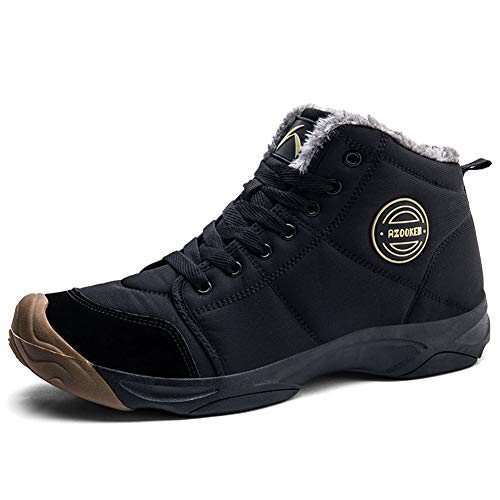
The UPSOLO 6118 is a fur-lined winter boot aimed at walking, trekking, backpacking, and general outdoor use. Its lining should give the foot a soft, warm feel in cold weather. The design also lists anti-slip and water-resistant features, which makes it more suitable for light wet conditions than ordinary sneakers. It is a budget-friendly choice for users who want comfort for winter errands and short walks.
There is an important difference between water resistant and fully waterproof. I would choose this boot for damp paths, light snow, and daily winter use rather than long exposure to deep, wet snow. The lightweight design may appeal to walkers who dislike heavy boots. Before a demanding trip, test the fit at home with the socks you plan to wear.
Pros:
- Fur lining adds soft warmth for cold walks
- Lightweight design can reduce tired feet
- Anti-slip construction supports everyday outdoor use
- Useful for walking, travel, and light trekking
- Water-resistant build helps in damp conditions
- Often a practical choice for budget shoppers
Cons:
- Water resistant is not the same as fully waterproof
- Less suitable for deep snow or prolonged wet exposure
- May offer less support than a heavy hiking boot
What Amazon Buyers Are Saying
Amazon feedback for fur-lined winter boots often focuses on softness, warmth, light weight, and value. Buyers who use them for errands or short outdoor walks may appreciate the easy feel. Common concerns with this kind of boot include sizing, limited support, and water protection during heavy exposure. The product wording matters here, so shoppers should not expect the same wet-weather barrier as a fully waterproof hiking boot.
My Recommendation
I recommend the UPSOLO 6118 for light winter use and shoppers who want a softer, less costly boot. It is not my top choice for a long mountain hike in wet snow. For short walks, travel, and cold daily wear, it can offer good practical value.
How to Choose Waterproof Winter Hiking Shoes
Choosing the right waterproof winter hiking shoes starts with your real trail conditions. A short walk on cleared paths needs less protection than a full day in snow. Think about temperature, moisture, surface, distance, and sock thickness. Also remember that “water resistant” and “waterproof” do not mean the same thing. A good fit matters just as much as the label.
1. Match the Insulation to Your Weather
Insulation keeps heat near your feet, but more is not always better. A heavily insulated boot can feel great in snow and bitter cold. It may feel too hot during mild days or indoor work. A lighter ankle hiking boot may suit fall, spring, and mild winter trails better.
Think about how much you stand still. A hunter or outdoor worker may need more warmth than a hiker who walks at a steady pace. Your socks also change the fit and warmth. Wool or synthetic hiking socks can move sweat away from the skin. Avoid cotton for long cold trips because wet cotton loses warmth.
2. Check the Waterproof Build and Boot Height
Water can enter through more than the main upper. It can reach the foot through the tongue, seams, eyelets, or the top of the boot. A gusseted tongue can help, but the exact design varies by model. Higher boots can also give more protection when snow is deep or trails are wet.
Look closely at the product wording. Fully waterproof shoes suit puddles, wet snow, and steady rain better than water-resistant shoes. Still, no shoe stays dry if water flows over the collar. Gaiters can add useful coverage on deep snow. After each trip, dry boots at room temperature. Do not place them directly against a heater, since strong heat can damage materials and adhesives.
3. Compare Grip, Fit, and Long-Walk Comfort
Winter grip depends on the rubber, tread pattern, ground, and temperature. Deep lugs can help in mud and loose snow. They may not solve the problem of smooth ice. On icy trails, slow steps and traction aids can matter more than the boot alone.
For fit, leave a small amount of room in front of the toes. Your toes should not touch the end when you walk downhill. Your heel should stay fairly secure without painful pressure. Try the boots with your winter socks. Walk on stairs and slopes if possible. A boot that feels fine for two minutes may rub after two hours.
Also check the sole flex. A flexible boot can feel natural on easy trails. A firmer sole can feel more stable with a pack or on rough ground. Neither choice fits every user. Pick the balance that matches your route, load, and walking style.
Final Verdict: Which Should You Buy?
For deep cold and snow, I would choose the NORTIV 8 TUNDRA. For winter work and daily outdoor use, the newer NORTIV 8 insulated snow boot is also a strong choice. The Armadillo suits mild wet trails, while UPSOLO fits light winter walking.
The best Waterproof Winter Hiking Shoes should match your weather, trail, and fit. Check insulation, water protection, tread, and size before ordering for safer, warmer winter walks.
FAQs Of Waterproof Winter Hiking Shoes
Are waterproof winter hiking shoes good for snow?
Yes, waterproof winter hiking shoes can work well in snow when they also offer enough insulation, tread, and ankle coverage. Deep snow may require gaiters or taller boots.
What is the difference between waterproof and water-resistant hiking shoes?
Waterproof shoes provide a stronger barrier against wet conditions. Water-resistant shoes handle light moisture but may leak during deep snow, heavy rain, or long exposure.
How should winter hiking shoes fit?
They should hold the heel securely and leave room for your toes and winter socks. Your toes should not touch the front when walking downhill.
Can I wear waterproof hiking shoes on ice?
They can help, but no regular outsole makes every icy surface safe. Walk slowly and consider traction aids designed for icy trails.
How do I keep winter hiking boots dry?
Remove the insoles, brush off dirt, and let the boots dry at room temperature. Avoid direct heat, which can harm the materials and glue.
