
Knowing what to wear hiking in 50 degree weather is key to enjoying your time outdoors without getting chilled or overheated. It’s a temperature common in many regions during spring and fall, presenting a unique challenge for hikers. Getting your clothing layers just right means the difference between a comfortable trek and a miserable one, forcing you to constantly adjust or even cut your hike short.
Our research and analysis of outdoor apparel principles show that success hinges on a smart layering system designed to adapt to changing conditions and your exertion levels. Per standards for outdoor gear performance, moisture-wicking fabrics are critical, as they pull sweat away from your skin, a key factor when activity levels fluctuate. This guide will walk you through the variables and the best clothing choices to keep you comfortable on the trail when the temperature hovers around 50°F.
Why Your Hike Might Feel Colder (or Warmer) Than 50°F
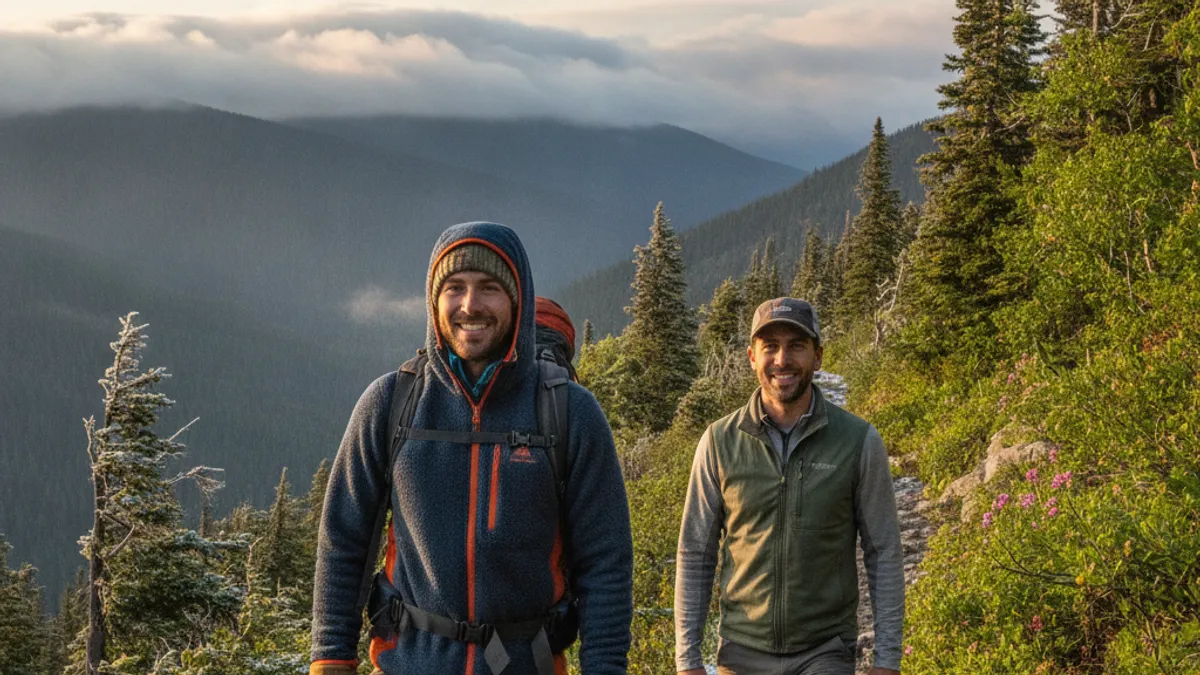
That 50-degree reading on your thermometer is just a starting point. Several factors influence how that temperature actually feels on your body, and understanding them is crucial for successful layering. It’s not just about the number; it’s about the experience of the temperature on the trail.
Activity Level: How Much You’re Moving Matters
The harder you work, the warmer you’ll feel. If you’re planning a strenuous hike, working up a good sweat, you’ll need layers that can shed heat and moisture efficiently. Aggressive, steady-state cardio like a fast-paced hike can increase your body temperature by as much as 20-30°F above ambient air temperature. Conversely, a gentle stroll means you’ll rely more on your clothing for warmth.
Wind Chill: The Invisible Temperature Dropper
Wind has a significant effect on perceived temperature. This phenomenon, known as wind chill, can make a 50-degree day feel much colder. For instance, with a 10 mph wind, 50°F can feel like it’s in the low 40s. A study by the National Weather Service indicates that wind speeds of 10 mph can lower the apparent temperature by 5-10°F at 50°F.
This means your outer layer needs to be windproof or highly wind-resistant.
Personal Comfort: Your Own Thermostat
Everyone has a slightly different tolerance for cold and heat. Some people naturally run warmer, while others tend to feel the chill more easily. This personal variation is a major reason why there’s no single “perfect” outfit. What feels just right for one person might be too warm or too cool for another, even when they’re doing the exact same activity.
Building Your 50-Degree Hiking Wardrobe: The Layering Strategy
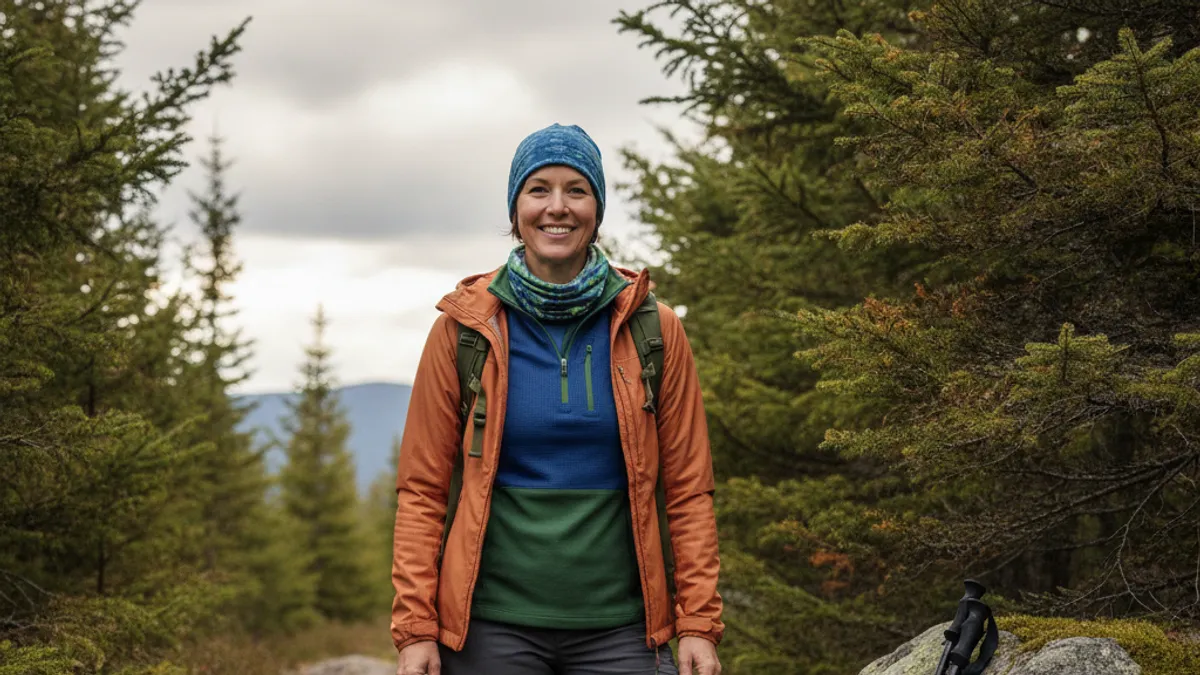
The most effective way to dress for 50-degree weather is through a system of carefully selected layers. This approach allows you to add or remove clothing as your exertion level or the weather changes, keeping you comfortable throughout your hike. It’s all about adaptability.
The Crucial Base Layer: Wicking Away Sweat
Your base layer is the clothing that sits closest to your skin. Its primary job is to manage moisture by wicking sweat away from your body, preventing that clammy, cold feeling. Synthetic materials like polyester and nylon, or natural fibers like merino wool, are excellent choices. Cotton should generally be avoided for base layers because it absorbs moisture and stays wet, leading to significant heat loss.
Manufacturer specifications for performance base layers often highlight their moisture-transfer rates, aiming for rapid evaporation.
- Synthetic Fabrics: Durable, quick-drying, and affordable. Great for high-exertion activities.
- Merino Wool: Naturally odor-resistant, soft, and offers good insulation even when damp. Ideal for multi-day trips or when odor control is a priority.
The Versatile Mid-Layer: Adding Warmth
The mid-layer goes on top of your base layer and provides insulation. Its thickness will depend on how cold it feels and your planned activity level. Fleece jackets, puffy vests, or lightweight synthetic-fill jackets are common choices here. This layer traps your body heat, creating a warm pocket of air.
A mid-layer like Capilene® fleece, for example, is designed for breathability and warmth without excessive weight, making it a solid choice for transitional weather.
- Fleece: Offers good warmth for its weight and breathes well.
- Lightweight Insulated Jackets (Synthetic or Down): Provide more warmth for colder days or lower activity levels but can be bulkier.
The Protective Outer Layer: Blocking Wind and Rain
The outer layer, also known as the shell, is your primary defense against wind and precipitation. For 50-degree weather, a fully waterproof and breathable jacket might be overkill unless heavy rain is expected, but a windproof or highly wind-resistant jacket is essential. This layer prevents the wind from stealing your hard-earned warmth. Look for materials like Gore-Tex® or similar proprietary fabrics that offer breathability to let moisture vapor escape while blocking liquid water and wind.
- Softshell Jackets: Often provide a good balance of wind resistance, breathability, and some water repellency. They offer more stretch and comfort than hardshells.
- Hardshell Jackets: Offer the best protection against rain and wind but can be less breathable and more rigid.
- Windbreakers: Lightweight and packable, excellent for windy but dry conditions when you don’t need much insulation.
Essential Hiking Outfit Components for 50-Degree Weather
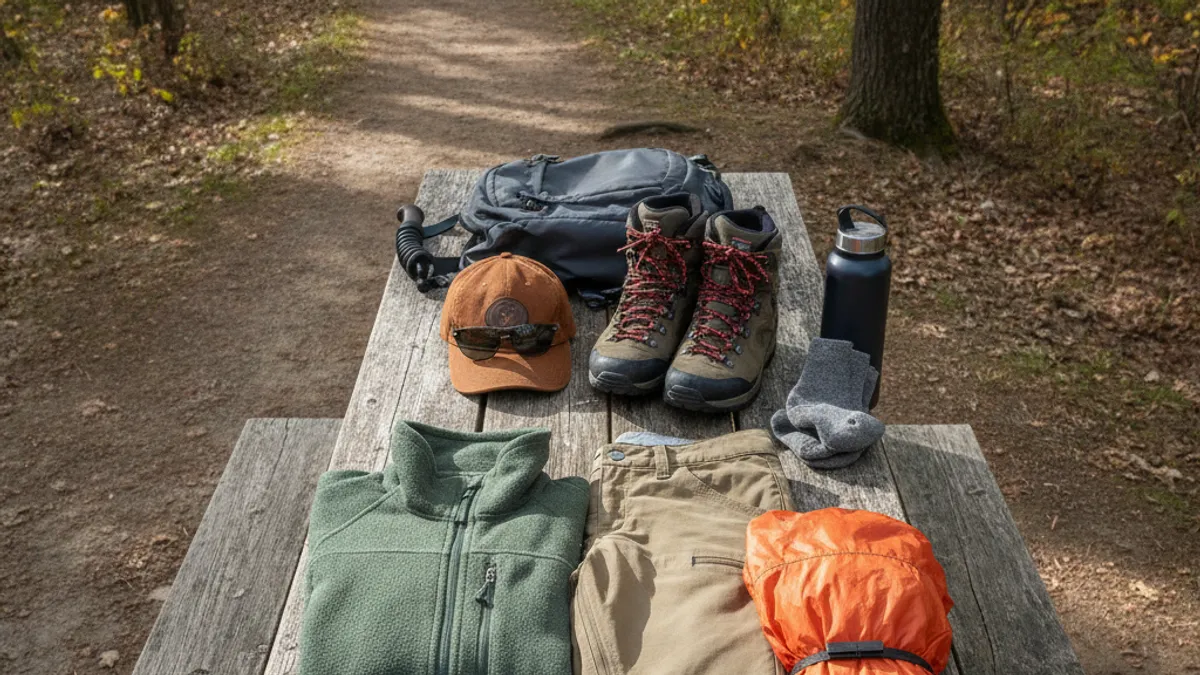
Getting the right combination of clothing items can make or break your hiking experience in 50-degree conditions. It’s not just about the technical names of fabrics; it’s about how they work together and what they’re designed to do on the trail.
Tops: Base, Mid, and Outer Shell Picks
When choosing tops for 50-degree weather, think about a three-part system. Your base layer should be a moisture-wicking fabric, like a synthetic long-sleeved shirt or a merino wool tee. For the mid-layer, a fleece jacket or a lightweight puffy vest offers adaptable warmth. Your outer layer should be a windbreaker or a light, breathable rain jacket, especially if there’s a chance of showers.
Many polyester-based performance tops, for example, are designed to wick moisture effectively, offering UPF 30+ sun protection as well.
Bottoms: Pants vs. Shorts Considerations
For 50-degree hiking, most people will opt for pants. Hiking pants made from quick-drying, durable synthetic materials are ideal. They offer protection from brush, insects, and the wind. If you tend to run very warm or the weather is closer to 55°F and calm, lightweight, convertible hiking pants (that zip off into shorts) are a good option.
However, for true 50-degree conditions, full-length pants are generally recommended to keep your legs warmer.
Footwear: Socks and Shoes That Work
Proper footwear is critical. You’ll want comfortable hiking shoes or boots. For 50-degree weather, waterproof hiking boots can be beneficial if conditions are damp or you anticipate crossing streams, but breathability is also key to avoid sweaty feet. Your socks are just as important; opt for moisture-wicking wool or synthetic blends.
Avoid cotton socks entirely. A good pair of wool hiking socks, like those tested to maintain insulation and moisture management for over 8 hours, will keep your feet dry and blister-free.
Accessories: Don’t Forget These!
Small accessories can have a big impact on your comfort. A lightweight beanie or skull cap can keep your head warm, as a lot of body heat can be lost through the scalp. Gloves are also a good idea, especially if the wind is biting or you’ll be out for an extended period. A Buff® or neck gaiter can protect your neck and face from the wind and sun.
Even as your core warms up, extremities can feel the cold quickly.
Common Mistakes When Dressing for 50°F Hikes

It’s easy to make a few missteps when preparing for a hike in 50-degree weather, especially if you’re newer to layering or haven’t checked the forecast closely. These common errors can lead to discomfort or even put a damper on your whole outing. Knowing what not to do is just as important as knowing what to wear.
The Cotton Comeback (and Why It’s a No-Go)
Many people reach for their favorite cotton t-shirt or jeans because they’re comfortable for everyday wear. However, cotton is the enemy of performance fabrics in hiking. It absorbs moisture like a sponge and dries incredibly slowly. If you sweat, or if it starts to rain, that wet cotton will cling to your skin and leach body heat away rapidly.
Per industry standards for outdoor textiles, functional synthetic or merino wool fabrics are far superior, actively wicking moisture and retaining insulating properties even when slightly damp.
Overpacking on Layers
While layering is key, bringing too many bulky items can be just as problematic as having too few. If your pack is heavy with extra sweaters and jackets you’ll never wear, it becomes a burden. The goal is to have a few strategic layers that you can easily add or remove. A common mistake is packing a heavy down jacket for a moderate hike; a lighter fleece or synthetic puff jacket is often far more practical and easier to stash in your pack if you warm up.
Underestimating the Wind
That 50-degree temperature can feel much colder when the wind picks up. Many hikers forget to add a wind-blocking outer layer, assuming the temperature alone dictates their needs. A brisk wind can dramatically lower the effective temperature, making you feel like it’s 10-15 degrees cooler than the thermometer reads. Always check the wind forecast; if it’s significant, a windbreaker or a softshell jacket becomes non-negotiable.
Ignoring Foot Comfort
Cold, damp feet can ruin a hike faster than almost anything else. Wearing the wrong socks, especially cotton, or ill-fitting shoes is a frequent oversight. Ensure your hiking boots or trail runners fit well, with enough room for thicker socks without being too tight, which restricts circulation. Always choose moisture-wicking socks made from wool or synthetic blends.
For particularly wet conditions, even in 50°F weather, consider waterproof socks for an extra layer of defense.
Putting It All Together: Your Decision Guide
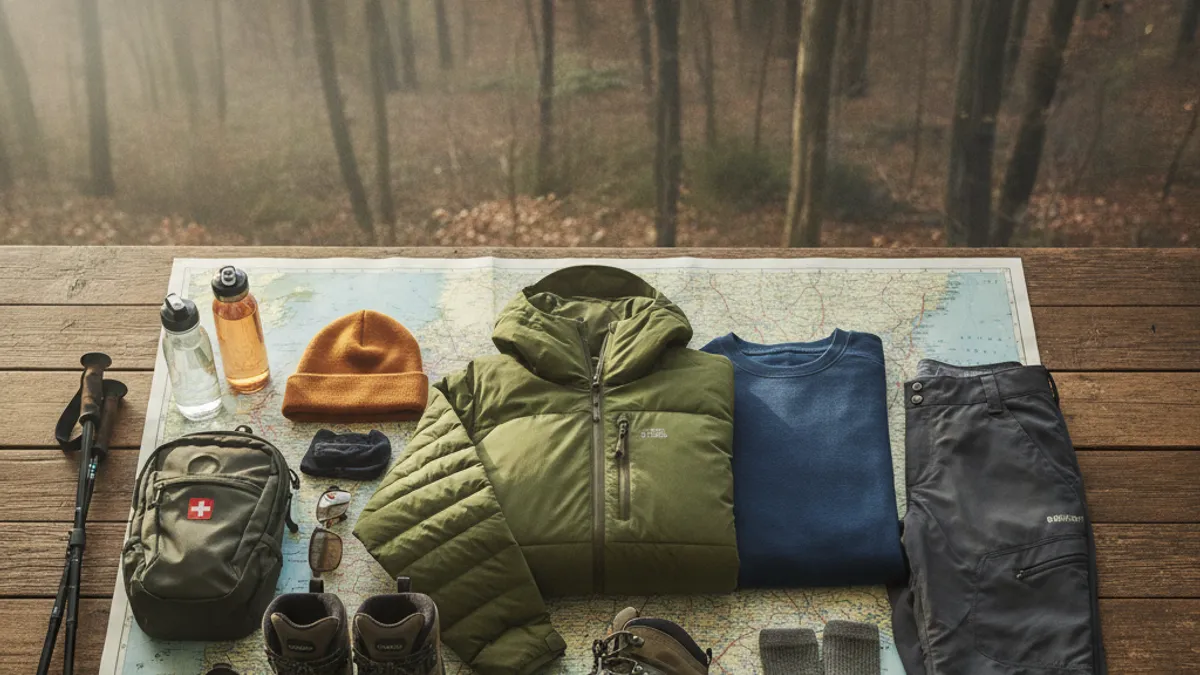
Deciding on the perfect outfit involves a bit of detective work before you even step out the door. It’s about marrying the day’s conditions with your planned exertion. Here’s how to approach it, thinking through a couple of common scenarios.
Scenario 1: Brisk Pace, Sunny Day
If you’re aiming for a brisk, steady pace on a sunny day with minimal wind, you can get away with lighter layers. Start with a moisture-wicking synthetic or merino wool t-shirt as your base. Pair this with lightweight hiking pants made from a breathable, quick-drying fabric. You might only need a very light fleece or even just a windbreaker as your outer layer, which can be easily stowed if you warm up.
Scenario 2: Leisurely Stroll, Breezy Conditions
For a more relaxed hike where you’ll be stopping more often, and the wind is a factor, you’ll need a bit more warmth. Opt for a long-sleeved moisture-wicking base layer. A medium-weight fleece jacket or a lightweight insulated vest makes a great mid-layer. Your outer shell should definitely be windproof to combat the chill, perhaps a softshell jacket.
Consider bringing a light beanie for your head, as it can get cold quickly when you’re less active and the wind is blowing.
Scenario 3: Misty Morning, Cooler Wind
When you’re facing a damp, misty morning with a noticeable breeze, protection becomes paramount. Start with a long-sleeved merino wool base layer for warmth and excellent moisture management. Add a mid-layer like a synthetic-fill vest or a thicker fleece. On top, a waterproof and breathable jacket is essential to keep both the moisture from the mist and the wind at bay.
Durable water repellent (DWR) finishes on outer layers are tested to maintain their performance for many washes, but eventually need reapplication.
Expert Tips for 50-Degree Hiking Comfort
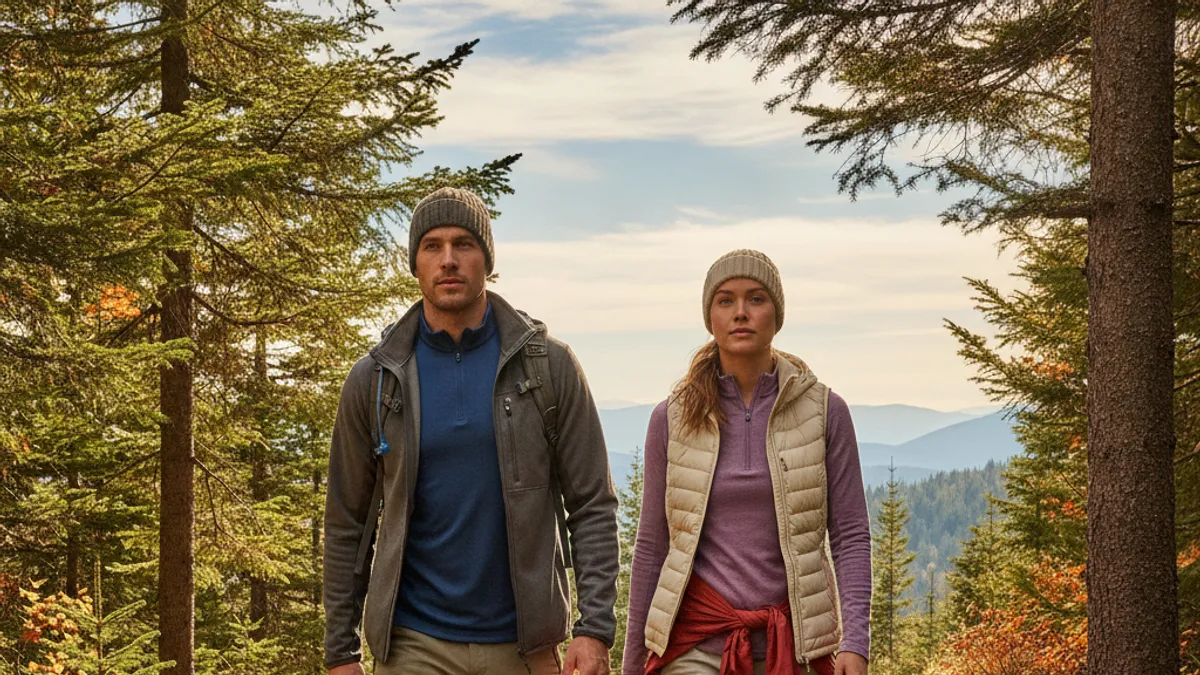
To truly master dressing for 50-degree weather, seasoned hikers often share a few core principles. One of the most repeated pieces of advice concerns adaptability. Always be prepared to adjust your layers. If you feel yourself starting to sweat as you ascend a hill, pause briefly to remove a layer before you’re soaked, rather than waiting until you’re uncomfortably damp.
Another key tip is to “dress for 10 degrees warmer.” This means if it’s 50°F, dress as if it were closer to 60°F when you start, knowing your body heat will add warmth. This prevents you from overheating right out of the gate. For longer hikes, carrying a small pack with extra layers, snacks (like best energy bars for hiking), and water (how much water to drink hiking) is always a good practice, mirroring the essentials for any day hike. Think about your feet too; carrying a spare pair of wool socks can be a game-changer if your current ones get wet.
Ready to Go: Your Go-To 50-Degree Hiking Outfit
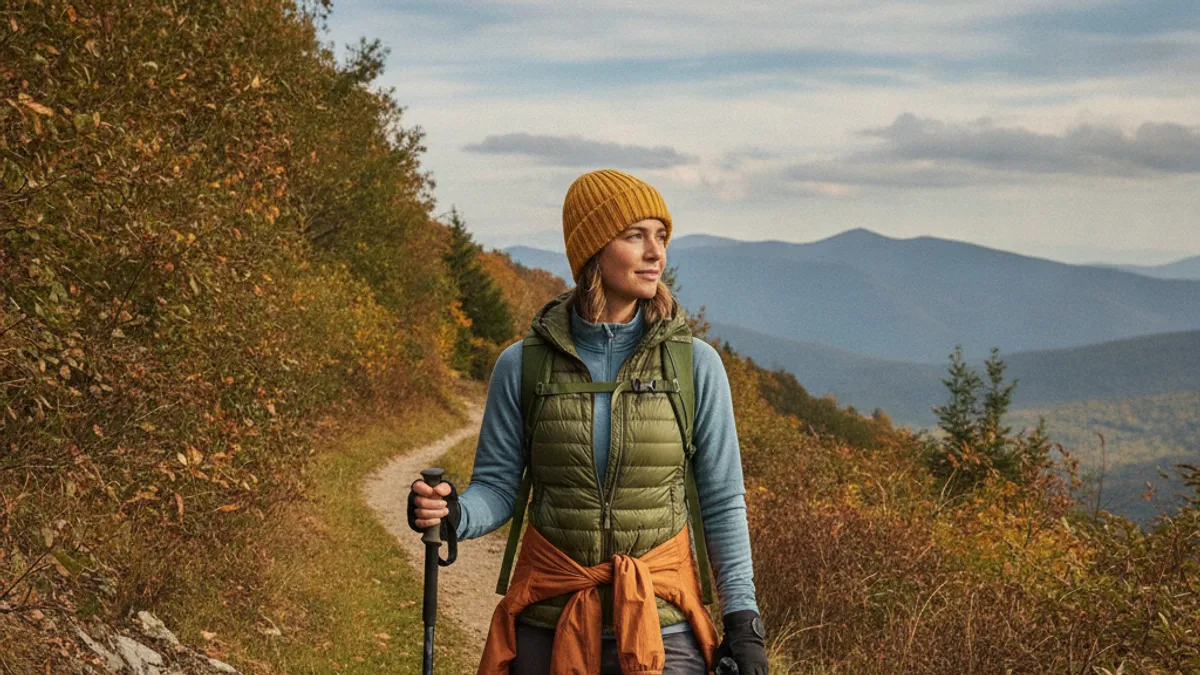
In summary, the winning formula for 50-degree hiking involves smart layering and thoughtful fabric choices. Begin with a moisture-wicking base layer, add an insulating mid-layer like fleece, and top it off with a windproof outer shell. Don’t forget warm, wicking socks and comfortable, well-fitting footwear. By considering the wind, your activity level, and your personal comfort, you can assemble an outfit that keeps you warm, dry, and ready to enjoy the trail.
This versatile approach ensures you’re prepared for the nuances of 50°F weather, making your hiking adventures more pleasant and memorable.
