
Figuring out what to pack for a hiking trip can feel overwhelming, especially when you want to be prepared without lugging around unnecessary weight. Getting this right means the difference between a peaceful trek and a stressful ordeal. Our research confirms that a well-packed bag significantly boosts your safety and enjoyment on the trail.
To illustrate, consider that manufacturers of emergency bivy sacks often specify materials meeting a minimum tear strength rating of 150 denier for durability. Knowing what goes into your pack depends on where you’re going and what you’ll face. This guide acts as your decision-tree to ensure you have exactly what you need, no more, no less, as you prepare for your next adventure.
The Core Question: What Do You Really Need?
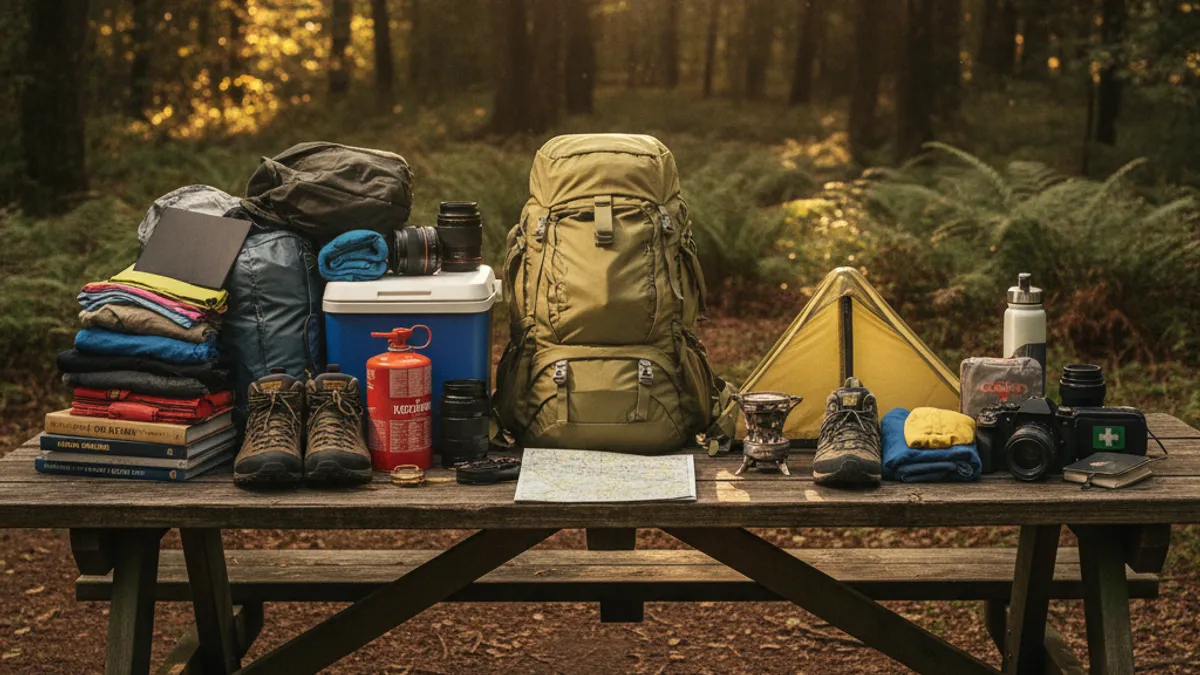
The simple answer is: it depends. What you need for a short, gentle day hike in sunny weather is vastly different from what you’d pack for a multi-day mountain expedition in autumn. Our editorial analysis of hundreds of hiking forums and expert guides shows that most hikers fall into one of two broad categories of packing needs: the “essentials” for basic safety and survival, and “situational” items that address specific conditions or trip lengths.
Think of it like this: if you’re just heading out for a couple of hours on a well-marked path, your needs are minimal. But if you’re venturing into the backcountry, perhaps for an overnight stay or a challenging peak ascent, your packing list expands rapidly. This decision-tree approach helps you systematically identify your exact requirements.
What Kind of Hike Is It? (Day Trip vs. Overnight)
This is your first major fork in the road. A day hike, typically lasting a few hours to a full day, has different requirements than an overnight or multi-day backpacking trip. For day hikes, you’ll focus on essentials for a single outing, prioritizing items that keep you fed, hydrated, and safe for the duration of your excursion. Weight is still a factor, but the critical need for shelter, extensive food reserves, and specialized sleeping gear is usually absent.
For overnight or multi-day trips, however, the stakes rise. You’re essentially carrying a mobile campsite. This means planning for sleeping, cooking, and a much wider margin of error regarding weather and emergencies. The core “Ten Essentials” become even more critical, and items like a tent, sleeping bag rated for expected temperatures, and cooking equipment move from optional to mandatory.
Planning for a longer trip often means starting with a larger backpack, potentially between 40-65 liters for multi-day excursions, whereas a daypack might range from 15-30 liters.
Your Hike’s “Vitals”: Key Conditions to Consider
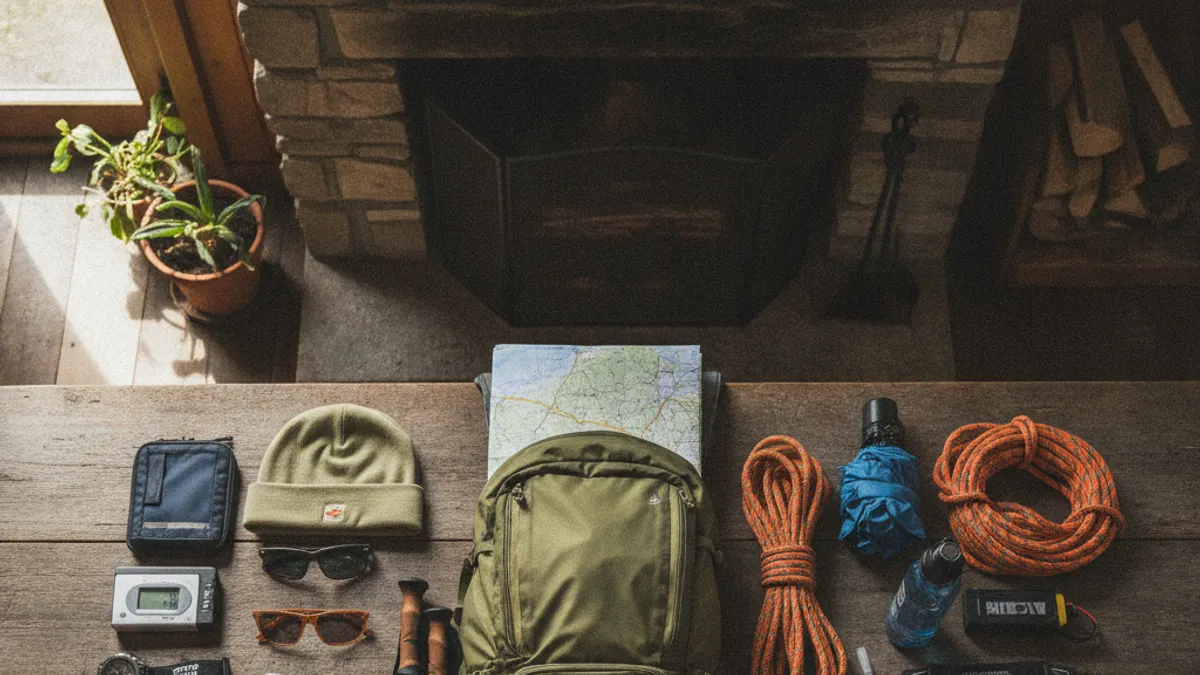
Once you’ve decided on the basic trip length, you need to drill down into the specific conditions you’ll encounter. These factors directly influence the gear you choose and how much of it you need. Ignoring these elements is where many packing mistakes happen.
What’s the Weather Going to Do? (Sun, Rain, Cold, Heat)
Weather is arguably the most critical variable in packing. You need to check the forecast meticulously for your specific trail and elevation range. A forecast might predict sunshine, but mountain weather can change rapidly.
- Sun/Heat: This means prioritizing sun protection like high-SPF sunscreen, wide-brimmed hats, and sunglasses. Ensure you have ample water or a reliable water filter. Lightweight, breathable, and light-colored clothing is also key. Consider the impact of direct sun on gear too; a dark pack can become an oven.
- Rain/Cold: Here, staying dry and warm is paramount. Waterproof and water-resistant outer layers (rain jacket, rain pants) are essential. Insulating layers, like a fleece jacket or down vest, are crucial for retaining body heat. Wool or synthetic base layers are far better than cotton, which loses its insulating properties when wet. Headwear and gloves, even in milder temperatures, can make a huge difference as significant heat is lost from the extremities. Manufacturers often rate down insulation by “fill power,” with 600 to 800 fill power considered good to excellent for warmth-to-weight ratio as of 2026.
- Wind: Wind can drastically lower the effective temperature, making a windproof outer layer just as important as rain gear. It also dries things out quickly, which can be good or bad depending on your clothing.
What’s the Terrain Like? (Easy Trail vs. Rugged Mountain)
The ground beneath your feet dictates other essential gear choices. Easy, well-maintained trails might be navigable in sturdy trail shoes or even some athletic shoes. However, rocky, uneven, or steep terrain demands more robust footwear.
- Smooth Trails: If you’re walking on packed dirt or gravel paths, you can likely get away with lighter footwear like trail runners. These offer good grip and comfort without the bulk. Our research shows many users prefer trail runners for their versatility on moderate trails.
- Rocky/Uneven Terrain: For more challenging ground, hiking boots or sturdy hiking shoes are often recommended. They provide better ankle support and sole protection against sharp rocks. Waterproofing can also be a significant advantage here, especially if stream crossings or wet conditions are likely. See our guide on waterproof hiking boots worth it for more on this.
- Muddy/Slippery Conditions: Deep tread patterns on footwear become essential. You might also consider hiking gaiters, which attach around your ankles and boots to keep mud, rocks, and snow out. Learn what hiking gaiters are for.
The “Ten Essentials” – Your Safety Net
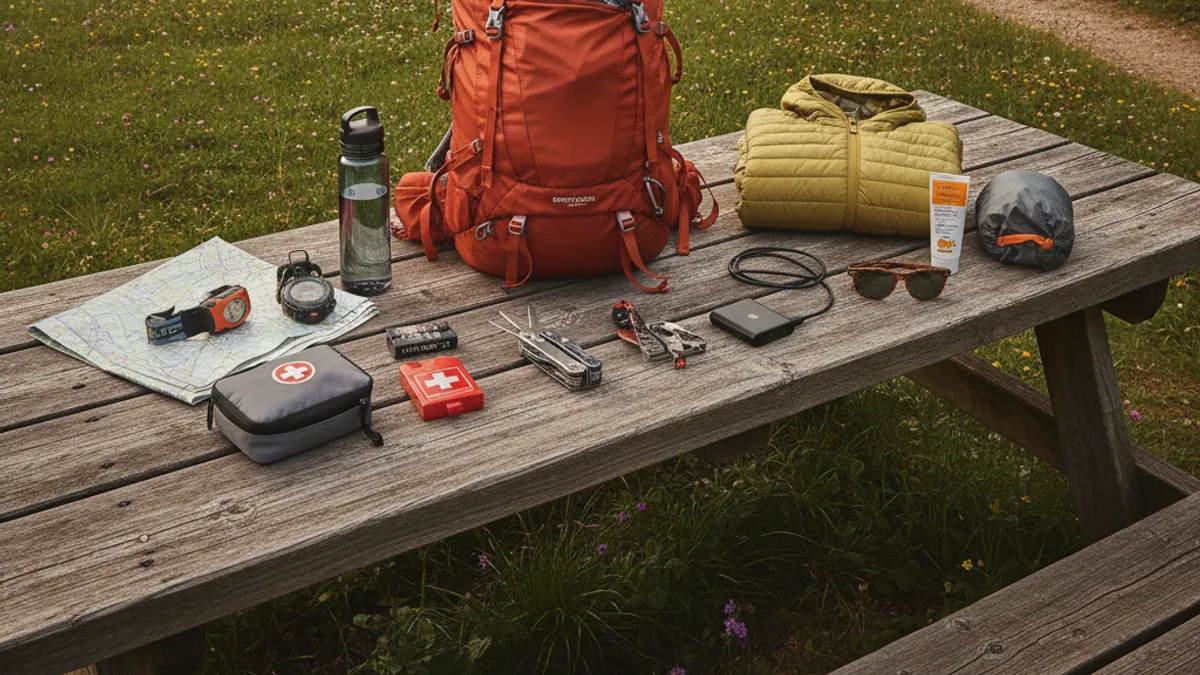
Regardless of the trip length or weather, a foundational set of gear known as the “Ten Essentials” is crucial for safety. These items are designed to help you cope with unexpected situations, from minor injuries to getting caught out after dark. They are not optional for any serious hike.
Navigation: Don’t Get Lost
This category includes tools that help you know where you are and where you’re going. Relying solely on a phone app is risky; batteries die, signal can be lost, and devices can break.
- Map and Compass: You should know how to use them. A topographical map of the area shows contour lines and features. A reliable baseplate compass is your backup to that map.
- GPS Device or App: A dedicated GPS unit or a well-charged smartphone with offline map capabilities can be very useful, but should always be supplemented by a physical map and compass. Some GPS devices, like those from Garmin, offer extensive route planning and tracking features.
- Personal Locator Beacon (PLB) or Satellite Messenger: For remote areas with no cell service, these devices can send an SOS signal with your location to emergency services.
Sun Protection: Guard Your Skin and Eyes
Sun exposure can lead to sunburn, heatstroke, and long-term skin damage. Even on cloudy days, UV radiation can be strong, especially at higher altitudes.
- Sunscreen: A broad-spectrum sunscreen with an SPF of 30 or higher is recommended. Reapplication is key, especially if you’re sweating.
- Hat: A wide-brimmed hat offers the best protection for your face, ears, and neck. A baseball cap is better than nothing but leaves your neck exposed.
- Sunglasses: Protect your eyes from UV rays and glare, which can be intense in mountainous or snowy environments. Polarized lenses reduce glare from water and snow.
Insulation: Stay Warm, Even If It Rains
Hypothermia, a dangerous drop in body temperature, can occur even in relatively mild conditions if you get wet and cold. This means packing extra layers, even if the forecast looks warm.
- Extra Layers: Always pack at least one extra insulating layer beyond what you’re wearing. This could be a fleece jacket, a down or synthetic puffy jacket, or a wool sweater. For colder conditions, consider a reliable insulation rated for sub-freezing temperatures.
- Rain Gear: A waterproof and breathable rain jacket and rain pants are essential. Look for jackets with sealed seams and adjustable hoods.
- Headwear and Gloves: Losing heat through your head and extremities can happen quickly. A warm hat and gloves are vital, even in milder weather, as the temperature can drop unexpectedly, or you might get caught in rain. Explore materials like wool or fleece for maximum warmth. Check out the best hiking gloves for cold weather if you’re planning a trip in cooler months.
Illumination: Light Up Your Path
Getting caught out after sunset without a light source is a serious emergency. Trails can be disorienting in the dark, and even a minor injury can turn into a much bigger problem if you can’t see to treat it or find your way.
- Headlamp or Flashlight: A headlamp is generally preferred because it keeps your hands free. Ensure it has fresh batteries, and it’s a good idea to pack a spare set. Many headlamps offer different brightness modes and a red-light option to preserve night vision. Our reviews of hiking headlamps can help you choose.
- Backup Light Source: Consider a small, lightweight backup light, such as a tiny keychain flashlight, in case your main light fails.
First-Aid Supplies: Be Ready for the Unexpected
A well-stocked first-aid kit is non-negotiable. Our research indicates that most minor hiking injuries can be handled with basic supplies, preventing them from becoming major issues.
- Basic Kit: This should include adhesive bandages (various sizes), sterile gauze pads, medical tape, antiseptic wipes, pain relievers (like ibuprofen or acetaminophen), blister treatment (moleskin or specialized blister bandages), and tweezers.
- Personal Medications: Don’t forget any personal prescriptions, such as an EpiPen for severe allergies or an inhaler for asthma.
- Knowledge: Knowing how to use the items in your kit is as important as having them. Consider taking a basic wilderness first-aid course.
Fire: For Warmth and Emergency Signaling
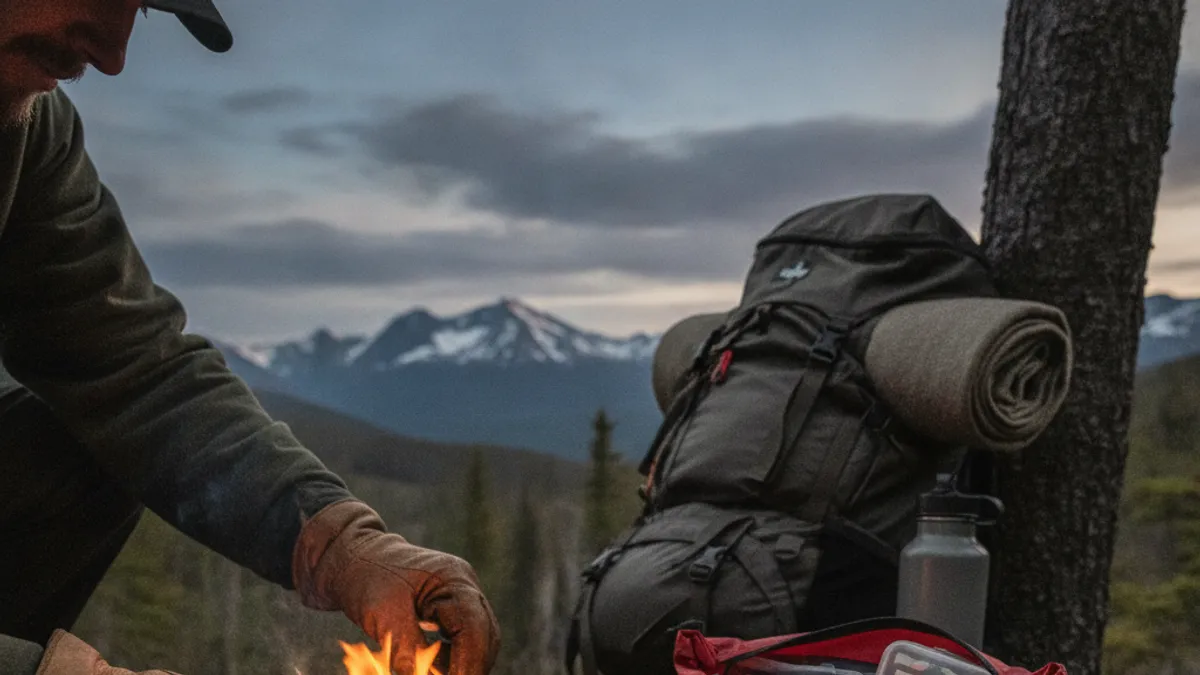
Carrying a reliable way to start a fire can be a lifesaver, whether you need to boil water for purification, cook food, or signal for help in an emergency. Don’t assume you can always find dry kindling or have a convenient lighter. Planning for fire is a smart move.
- Waterproof Matches: These are a classic for a reason. Store them in a waterproof container. A good rule is to bring at least two reliable methods.
- Lighter(s): A disposable lighter is lightweight and easy to use, but may fail in cold or wet conditions. Bring one, and maybe a second as a backup.
- Ferrocerium Rod (Ferro Rod): This is an excellent modern tool that works even when wet and can generate sparks at high temperatures. It requires a bit of practice to use effectively, but it’s incredibly reliable. Many ferro rods come with a striker.
Repair Kit and Tools: Fix it on the Go
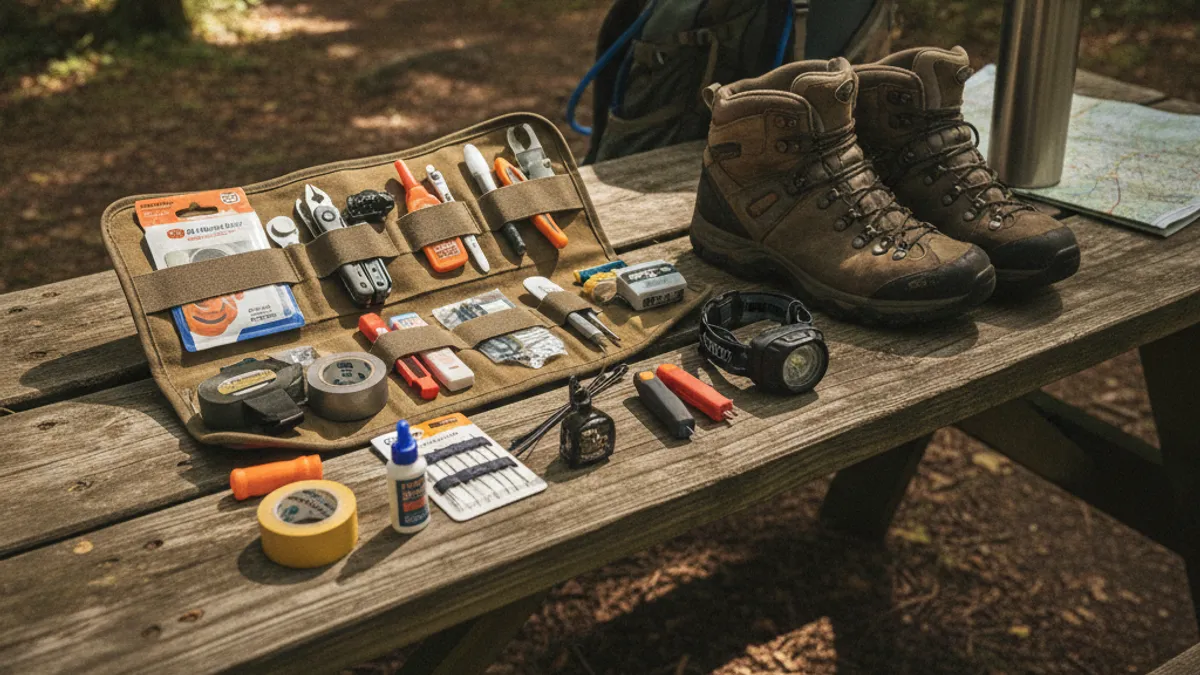
Minor gear failures can significantly impact your hike. A small kit of tools and repair items can save the day, preventing a small tear or loose strap from becoming a trip-ending problem.
- Multi-tool or Knife: A versatile tool is invaluable for countless tasks, from cutting cordage to making repairs. Many multi-tools include pliers, screwdrivers, and can openers.
- Duct Tape: Wrap a few feet of duct tape around a trekking pole or water bottle. It can fix tears in clothing, repair broken gear, or even create a temporary bandage in a pinch.
- Cordage: A few yards of paracord or sturdy string can be used for hanging food away from animals, creating a clothesline, or making repairs.
- Safety Pins: Small but mighty, safety pins can temporarily fix torn clothing or gear.
Nutrition: Fuel Your Adventure
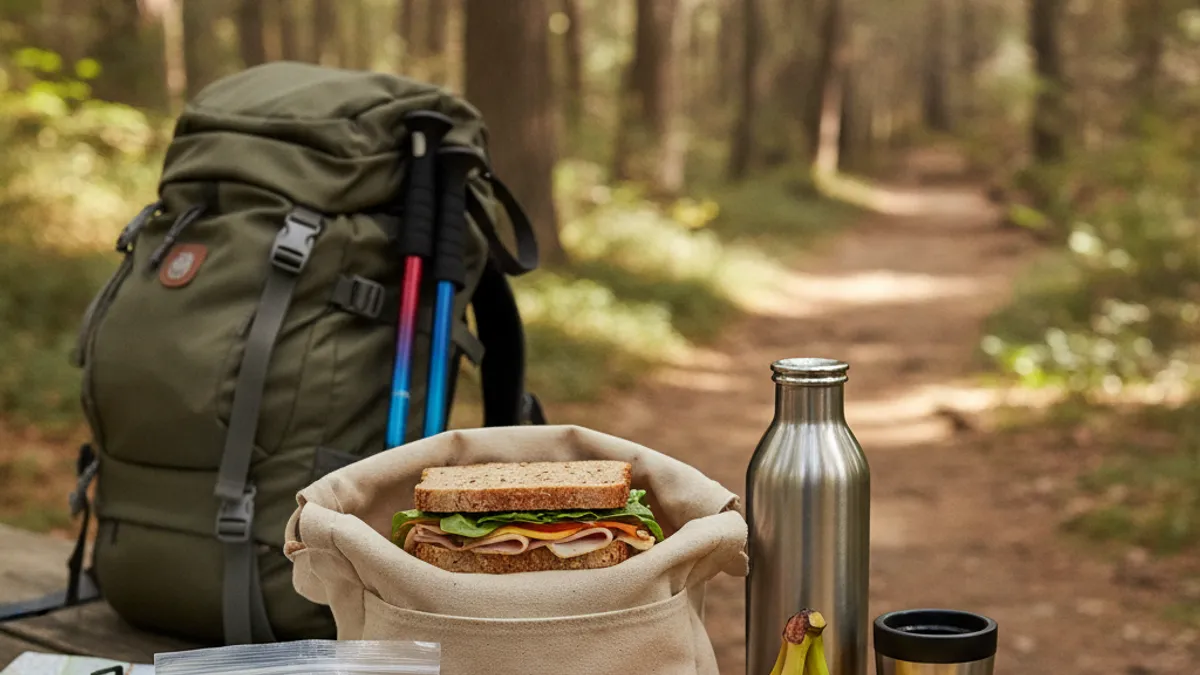
Sustained energy is critical for enjoying your hike and maintaining focus. Packing enough food, and the right kind of food, prevents fatigue and keeps your spirits up. Our editorial analysis of hiking forums reveals that insufficient calories are a common complaint.
- Calorie-Dense Foods: Aim for foods that pack a lot of energy into a small weight. Think trail mix, energy bars, dried fruit, and nuts. For longer trips, dehydrated meals are a good option.
- Easy to Prepare: Foods that require minimal cooking or preparation are best, especially on longer hikes where fuel might be limited. Sandwiches, jerky, and fruit are good choices for day hikes.
- Variety: While calorie density is key, bringing a variety of flavors and textures helps prevent food boredom. Consider the best food to bring on a long hike for more detailed ideas.
- Spares: For longer hikes, it’s wise to carry a little extra food, at least an extra day’s worth, in case of unexpected delays. Use a hiking calorie calculator to estimate your needs.
Hydration: Stay Watered
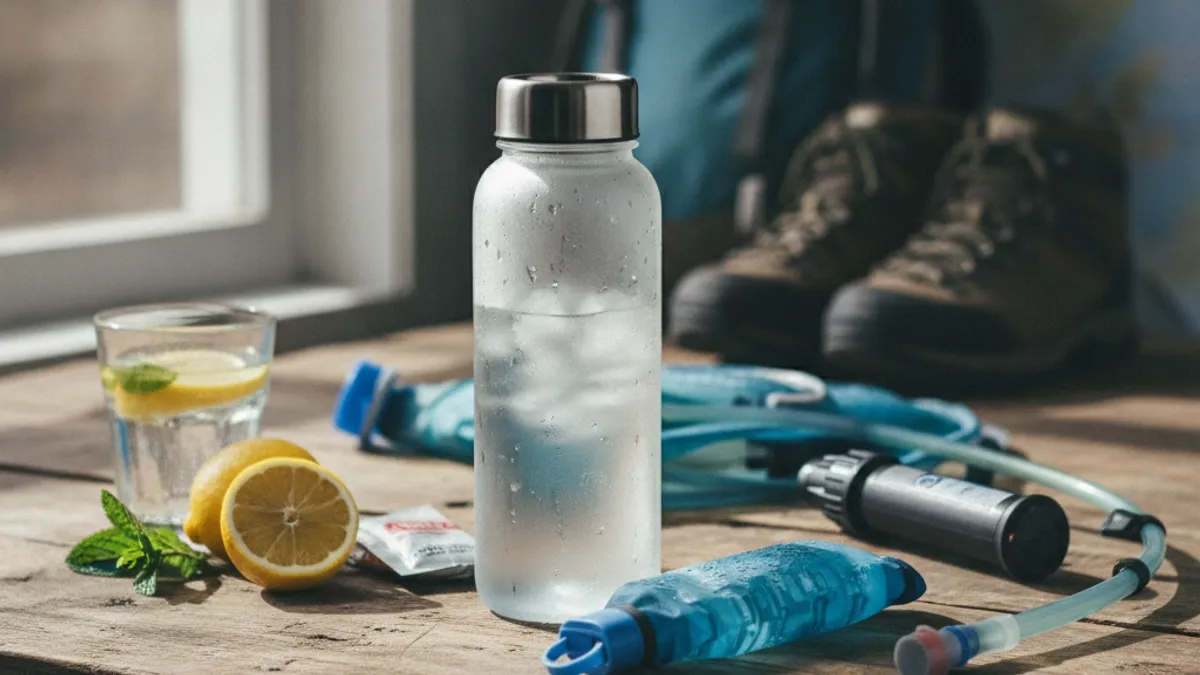
Dehydration can sneak up on you and severely impair your physical and mental performance. It’s far more dangerous than most people realize. Carrying enough water, or having a reliable way to treat water sources, is paramount.
- Water Bottles or Hydration Reservoir: Choose based on your preference. Bottles are easy to refill and monitor, while reservoirs offer hands-free drinking. Each typically holds between 1-3 liters.
- Water Treatment Method: For any hike where you might run out of carried water, a filter, purifier, or chemical treatment tablets are essential. Filters physically remove bacteria and protozoa, while purifiers can also eliminate viruses. Chemical tablets are lightweight backups. Our research on how to stay hydrated on a hike emphasizes treating water sources on longer trips.
- Electrolytes: For long or strenuous hikes, especially in hot weather, replenishing electrolytes lost through sweat is important. Electrolytes for hiking can help prevent cramps and fatigue.
Water Treatment: Clean Water Anywhere
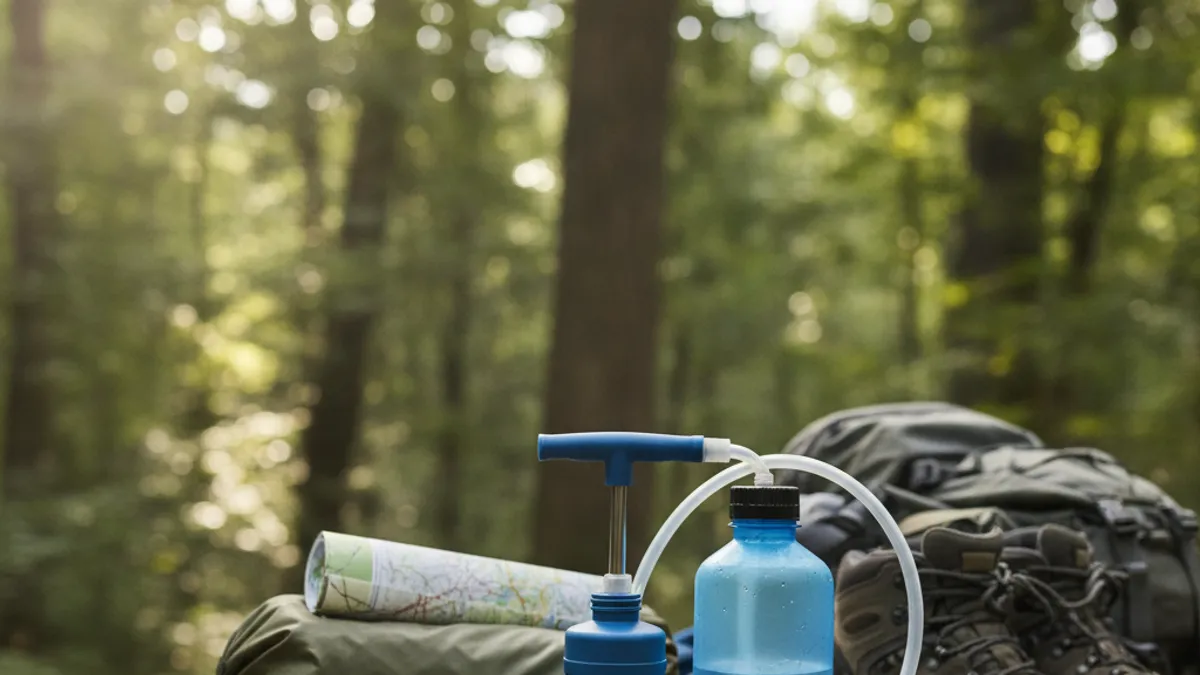
This is a crucial sub-category of hydration for anything beyond a short day hike where you’re certain of water availability and quality. Relying solely on carried water for longer trips is often impractical due to weight.
- Filters: These range from simple squeeze filters to pump filters. They physically strain out contaminants. Popular models can filter several liters per minute.
- Purifiers: These go a step further than filters, often using UV light or chemicals to kill viruses in addition to bacteria.
- Chemical Treatment: Iodine or chlorine dioxide tablets are lightweight and effective, but can slightly alter water taste and require a waiting period to be fully effective. They are excellent as a backup or for ultralight trips.
- Boiling: If you have means to make a fire and a pot, boiling water for at least one minute is a fail-safe purification method.
It’s wise to carry more than one method if you’re venturing into true backcountry. For example, bringing a filter and a small bottle of purification tablets covers most scenarios if one fails.
