
Picking the right hiking boots can feel like a mission in itself, and honestly, it’s one of the most important gear choices you’ll make. Getting it wrong means sore feet, potential injuries, and a less-than-enjoyable time on the trail. But don’t worry, it’s not as complicated as it seems if you know what to look for.
Our research shows that the key is matching the boot to your specific hiking needs and personal foot shape. Today’s manufacturers offer a range of options, from lightweight trail runners to beefy backpacking boots, with specifications around materials and construction that directly impact performance. We’ll break down exactly what makes a good hiking boot and help you find the perfect pair.
Hiking Boot Basics: What Kind Do You Need?
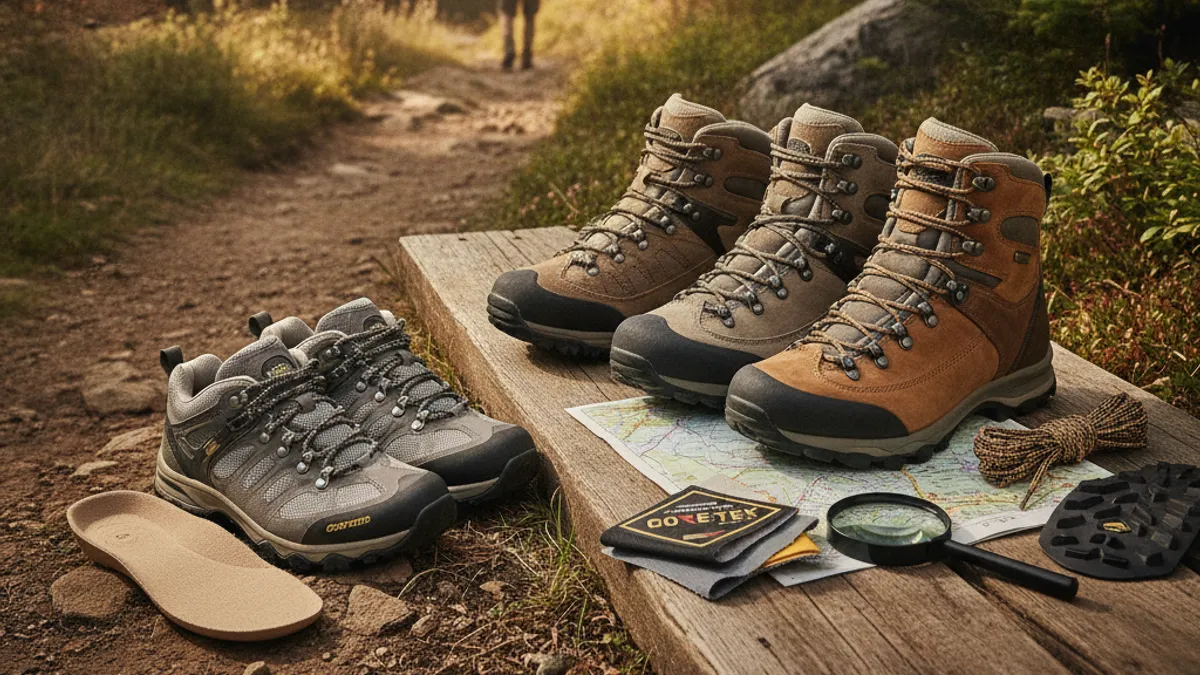
The first big decision boils down to the type of hiking you plan to do. This directly influences the kind of support, durability, and protection you’ll need from your footwear. Think about the terrain, how much weight you’ll carry, and the duration of your trips; these factors will point you toward the right category of boot.
Trail Running vs. Mid-Cut Hikers vs. Backpacking Boots
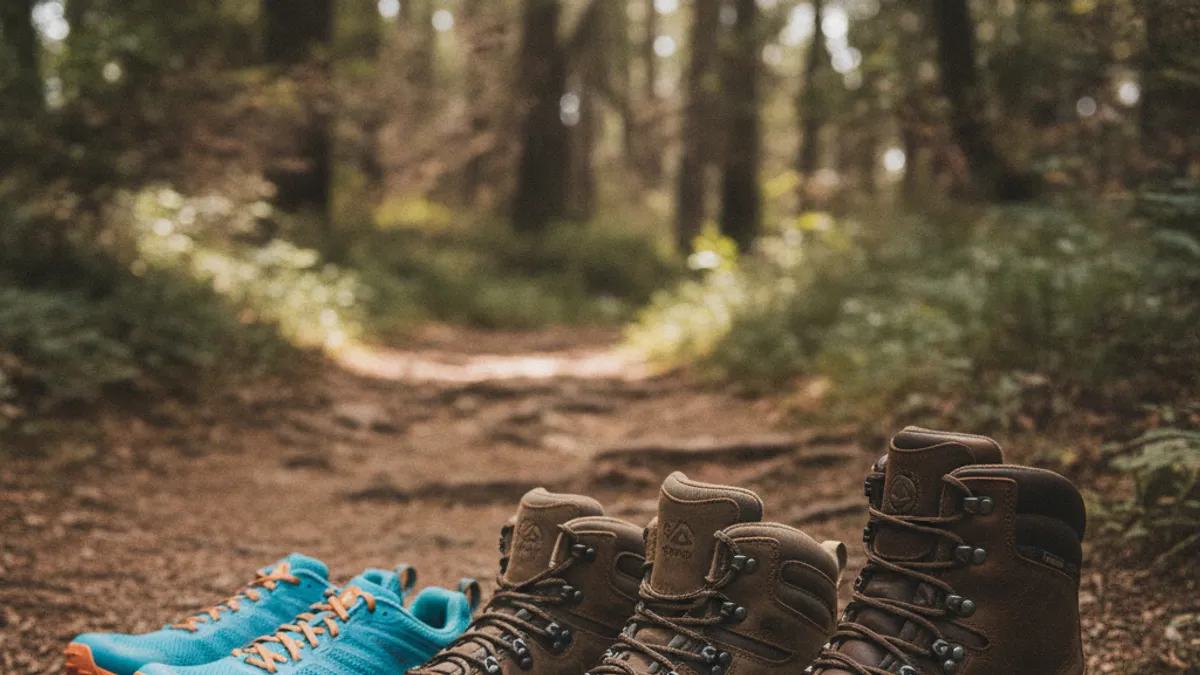
Choosing the right category of footwear is the most crucial step. Manufacturer specifications and aggregate review data clearly differentiate these types based on their intended use and construction. Each offers a distinct balance of weight, support, and durability, making them suitable for different hiking scenarios.
Trail Runners: Fast & Light
Trail running shoes are designed for speed and agility on trails. They offer excellent flexibility and are very lightweight, often feeling more like a sturdy athletic shoe than a traditional boot. Their low-cut design means minimal ankle support, making them best suited for well-maintained paths where the risk of twisting an ankle is low.
Aggregate reviews report that their primary benefits are breathability and quick drying times, with minimal break-in required. However, their lighter construction means they offer less underfoot protection and durability compared to more robust hiking footwear. If you’re looking for maximum agility on less demanding trails, these are a strong contender.
Mid-Cut Hikers: The All-Rounder
Mid-cut hiking boots strike a balance between the minimalist feel of trail runners and the heavy-duty support of backpacking boots. Their defining characteristic is the height of the boot cuff, which extends above the ankle bone, providing noticeable support and protection against bumps and twists. This makes them a versatile choice for a wide range of day hikes and light overnight trips on varied terrain.
Manufacturer specifications for many mid-cut models highlight a combination of leather and synthetic uppers for durability and breathability. They generally feature more substantial midsoles and outsoles than trail runners, offering better shock absorption and traction. For those who tackle mixed terrain and want reliable ankle support without the bulk of full boots, these are an excellent option.
Backpacking Boots: Built Tough
When you’re heading out on multi-day expeditions, carrying a significant pack, or traversing challenging, off-trail landscapes, backpacking boots are the way to go. These are the most robust and supportive option, featuring high-cut uppers that wrap the ankle securely for maximum stability. Their construction prioritizes durability and protection against rough elements like rocks, roots, and scree.
Verified buyer feedback reports consistently point to their excellent shock absorption and support, which are critical when loaded with gear. The soles are typically stiffer, providing a stable platform and allowing you to push off effectively on ascents. While they generally require a longer break-in period and are heavier, their ability to handle punishing conditions makes them indispensable for serious adventurers.
Key Boot Features to Evaluate
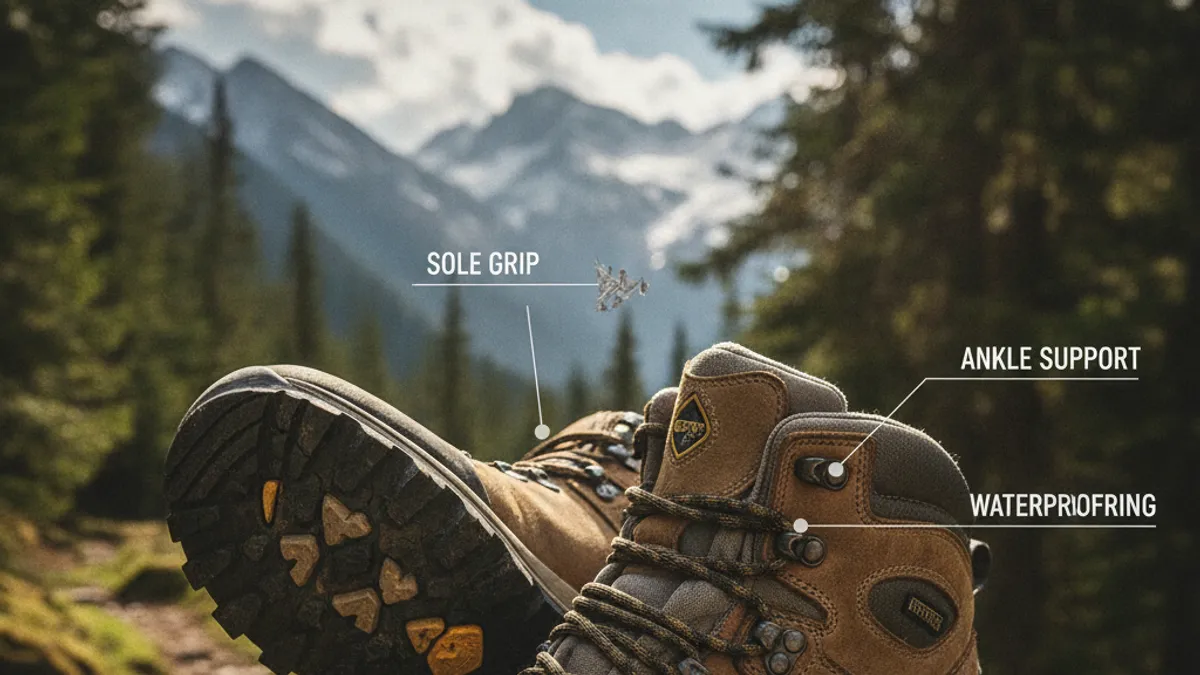
Once you’ve settled on the general type of boot, it’s time to dive into the specific features that will determine its performance and comfort on the trail. These components work together to handle the stresses and strains of hiking. Understanding what each part does will help you make an informed choice.
Uppers: Leather, Mesh, and Synthetics
The upper is the part of the boot that covers your foot. The materials used here significantly impact durability, water resistance, breathability, and the boot’s break-in period. Manufacturer specifications often detail the blend of materials, as each has unique properties.
- Full-Grain Leather: This is a single, continuous piece of leather, offering excellent durability and water resistance. It’s the traditional material for robust hiking boots but can be heavier and requires a longer break-in period. Reputable sourcing from tannery partners is key for quality.
- Split-Grain Leather & Mesh: This common combination pairs leather with nylon or polyester mesh. The leather offers some durability and water resistance, while the mesh panels significantly boost breathability. These boots tend to be lighter and break in faster than full-grain versions.
- Synthetics (Nylon, Polyester): These materials are lightweight, dry quickly, and often require minimal break-in. They are generally more affordable and can be designed for high breathability. However, they might not offer the same long-term durability as leather. Some advanced synthetics mimic leather’s resilience.
Waterproofing & Breathability: Staying Dry, Staying Cool
Most modern hiking boots incorporate some form of waterproofing, often through a membrane layered within the boot’s construction. A common example is Gore-Tex, a well-known brand that creates waterproof-breathable membranes, though many boot manufacturers develop their own proprietary versions. These membranes aim to keep external moisture like rain and puddles out while allowing sweat vapor to escape.
However, our research indicates a trade-off: highly waterproof boots can sometimes be less breathable. On hot days or during strenuous activity, this can lead to uncomfortably sweaty feet. For instance, a boot with a dense waterproof membrane might have a breathability rating significantly lower than a mesh-only shoe. If your primary hiking climate is dry and warm, you might consider non-waterproofed boots for maximum airflow.
For mixed conditions or wet environments, a waterproof membrane is often a worthwhile feature.
Outsole Grip: Lugs and Traction
The outsole is the very bottom of your boot, and its design is crucial for keeping you upright. It typically features rubber compounds and a tread pattern of “lugs”, the raised blocks that dig into the terrain. Aggregate reviews frequently highlight the importance of lug depth and spacing for effective traction.
Deeper, more aggressive lugs are essential for gripping loose surfaces like mud, gravel, and dirt, preventing slippage on ascents and descents. The rubber compound itself can vary; some are designed for maximum grip on wet rocks, offering a slightly stickier feel with a durometer rating closer to Shore A 50-60, while others are harder for improved durability on abrasive surfaces with ratings closer to Shore A 70+. Choosing an outsole that matches your common trail conditions is a key consideration.
Midsole Cushioning: Comfort and Support
The midsole sits between the outsole and the shoe’s upper and is the primary shock absorber. It plays a vital role in cushioning your feet and providing a stable platform, especially when you’re carrying weight. Manufacturer specifications often cite EVA (ethylene vinyl acetate) or PU (polyurethane) as the core materials.
EVA is lighter and offers more immediate cushioning, feeling softer underfoot. PU is denser, more durable, and provides better support for heavier loads and longer trips. Many backpacking boots, in particular, utilize PU midsoles for their long-term structural integrity and load-bearing capabilities, often featuring a denser density compared to EVA.
Fit is Everything: Making Sure They Feel Right
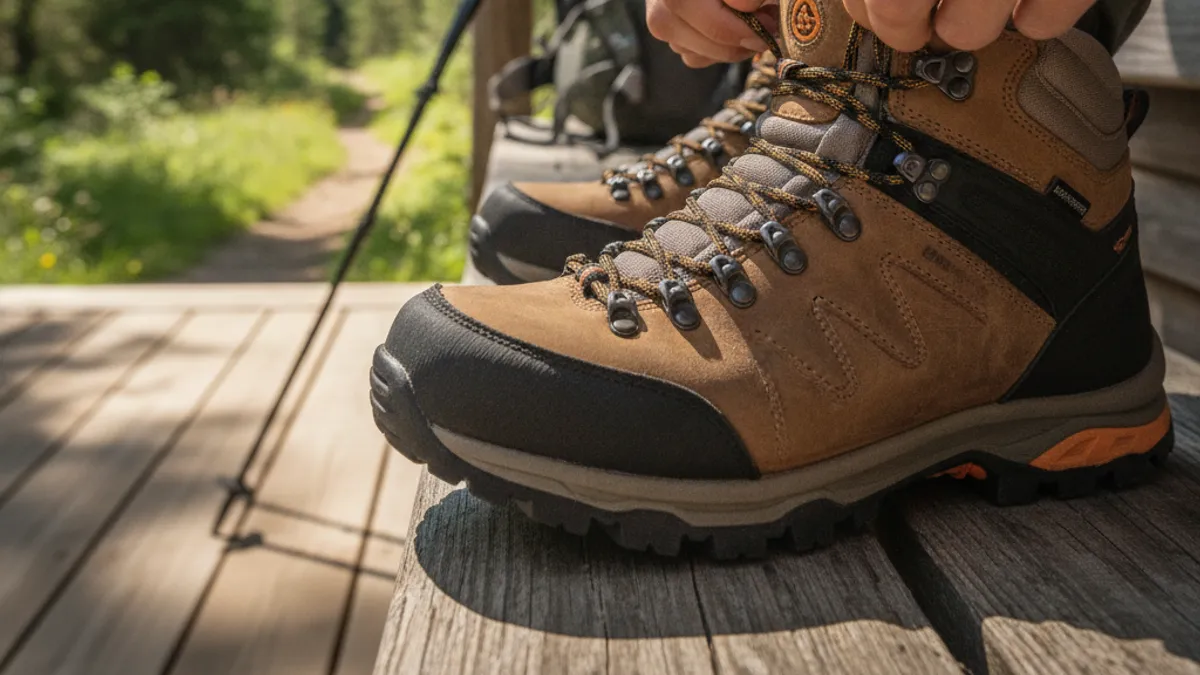
Toe Room and Heel Lock
The most critical aspect of any hiking boot is how it fits your foot. Even the most technically advanced boot will be useless if it causes discomfort or blisters. Getting the fit right is non-negotiable.
When standing, your toes should not touch the front of the boot. A simple test is to slide your foot forward until your toes lightly brush the front and then check the space at the heel; you should be able to slip about one finger’s width between your heel and the back of the boot. This ensures your toes have room to move and won’t jam into the front when you walk downhill. Equally important is heel lock: your heel should remain stable and not lift excessively with each step, which can lead to painful blisters.
Width and Pinch Points
Beyond length and heel retention, the width of the boot is paramount. The boot should feel snug around the ball of your foot, but not tight enough to cause pinching or restrict blood flow. Many brands offer boots in different widths, so don’t hesitate to explore these options if a standard fit feels off.
Pay attention to any potential pinch points, especially around the arch or the sides of your foot. If you feel any discomfort or pressure in specific spots while standing or walking around the store, it’s likely to worsen on the trail. Our research confirms that persistent pressure points are a primary cause of mid-hike misery.
Trying Them On: Socks and Timing
To get the most accurate fit, always try on hiking boots with the socks you intend to wear on your hikes. Hiking socks are typically thicker than everyday socks and can significantly alter how a boot feels. If you plan to use aftermarket insoles for added support or cushioning, bring those along as well.
It’s also advisable to try on boots later in the day. As your feet swell throughout the day, just as they do during a hike, trying on boots when your feet are naturally larger will give you a more realistic sense of the fit during activity. This simple step can prevent a lot of discomfort down the road.
Common Hiking Boot Mistakes to Sidestep
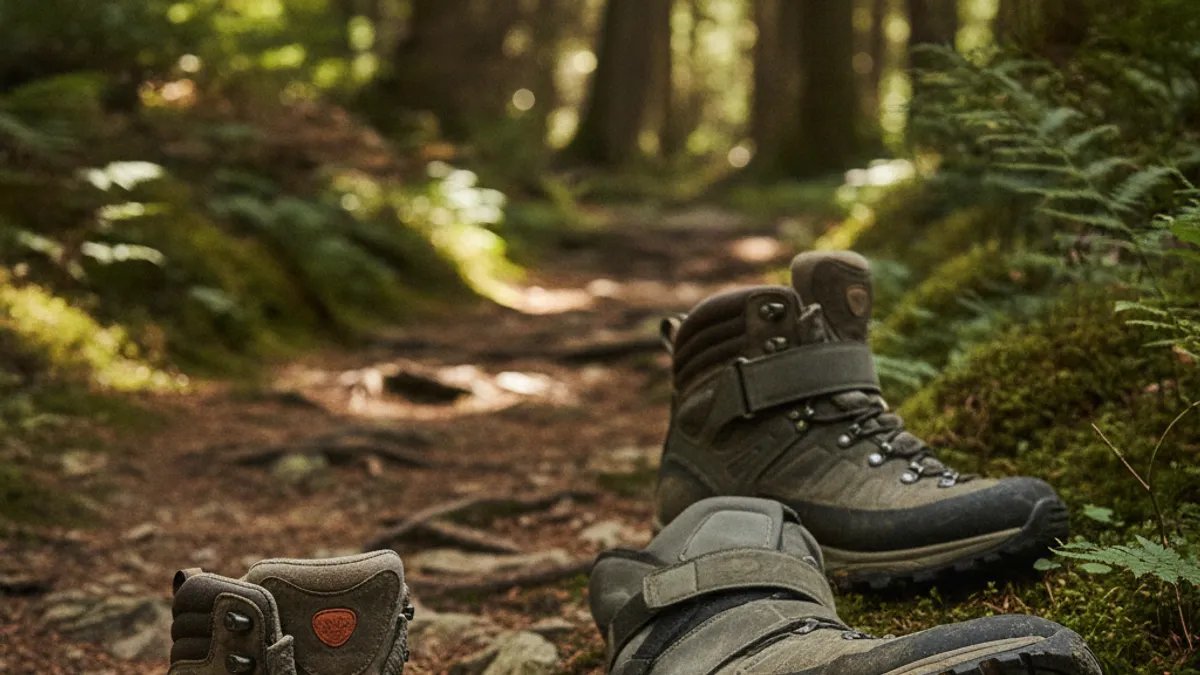
Making a mistake when buying hiking boots is unfortunately common, and the consequences can range from minor annoyance to serious foot problems. One of the most frequent errors is buying boots based solely on looks or brand reputation, overlooking how they actually feel on their feet. This often leads to discomfort, blisters, or even injury.
Another frequent error is failing to adequately break in new boots before a significant hike. Manufacturer specifications for full-grain leather backpacking boots often recommend 50-100 miles of wear before tackling a strenuous trek. Rushing this process can turn a dream hike into a painful ordeal, as the leather stiffens and molds to your foot’s natural shape.
- Ignoring Terrain Mismatch: Buying lightweight trail runners for steep, rocky mountain trails.
- Underestimating Pack Weight: Using day-hiking boots for multi-day trips with heavy loads.
- Not Testing with Proper Socks: Wearing thin dress socks instead of thick hiking socks during a fitting.
- Over-Reliance on “Waterproof”: Assuming waterproof boots will keep feet dry in all conditions without considering breathability on hot days.
Costs, Pricing, and Data: What to Expect
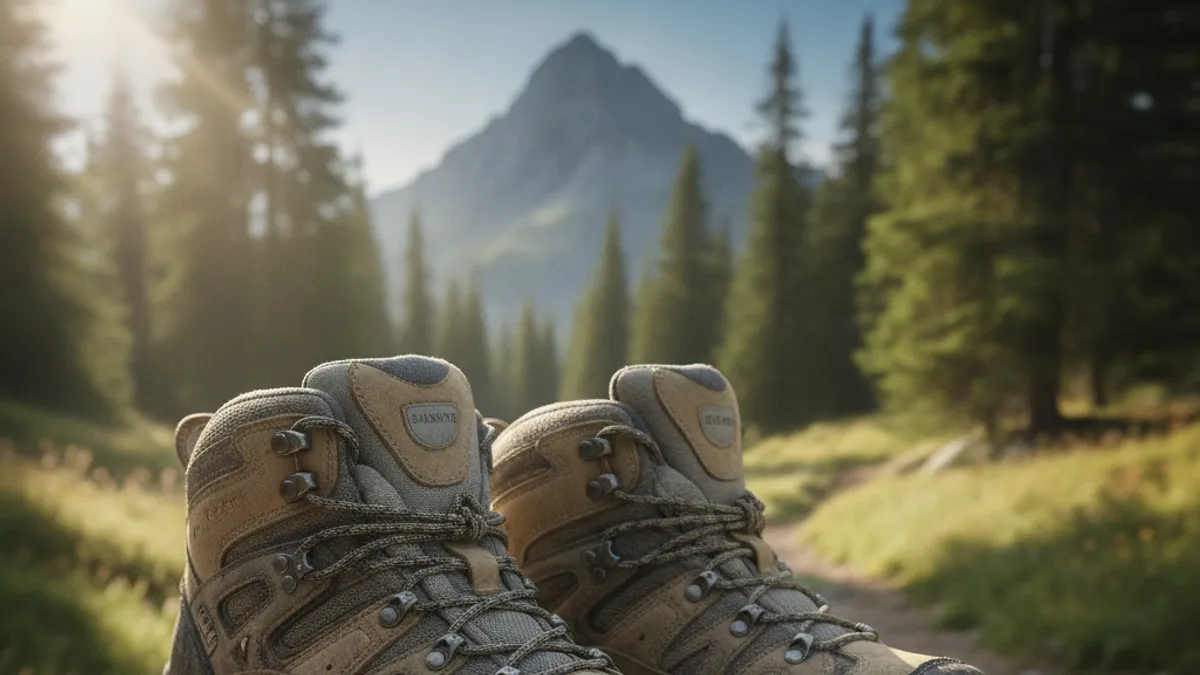
When shopping for hiking boots, you’ll notice a wide range in pricing, and usually, that price reflects the materials, construction quality, and intended performance. A good pair of hiking boots is an investment in your safety and comfort, and understanding the typical cost can help set expectations.
Here’s a general breakdown of what you might expect to spend, as of 2026 data from industry analysis:
| Boot Category | Typical Price Range (USD) | Key Factors Influencing Price |
|---|---|---|
| Trail Runners | $90 – $160 | Material durability, outsole rubber compound, cushioning technology. |
| Mid-Cut Hikers | $120 – $200 | Upper material (leather vs. synthetic blends), waterproofing membranes. |
| Backpacking Boots | $180 – $350+ | Full-grain leather, robust construction, advanced support systems. |
These are average ranges. High-end models from premium brands with advanced technologies or specialized features can certainly fall outside these brackets. Manufacturer specifications frequently detail the specific technologies or materials that contribute to a higher price point.
The Break-in Period: Why It Matters
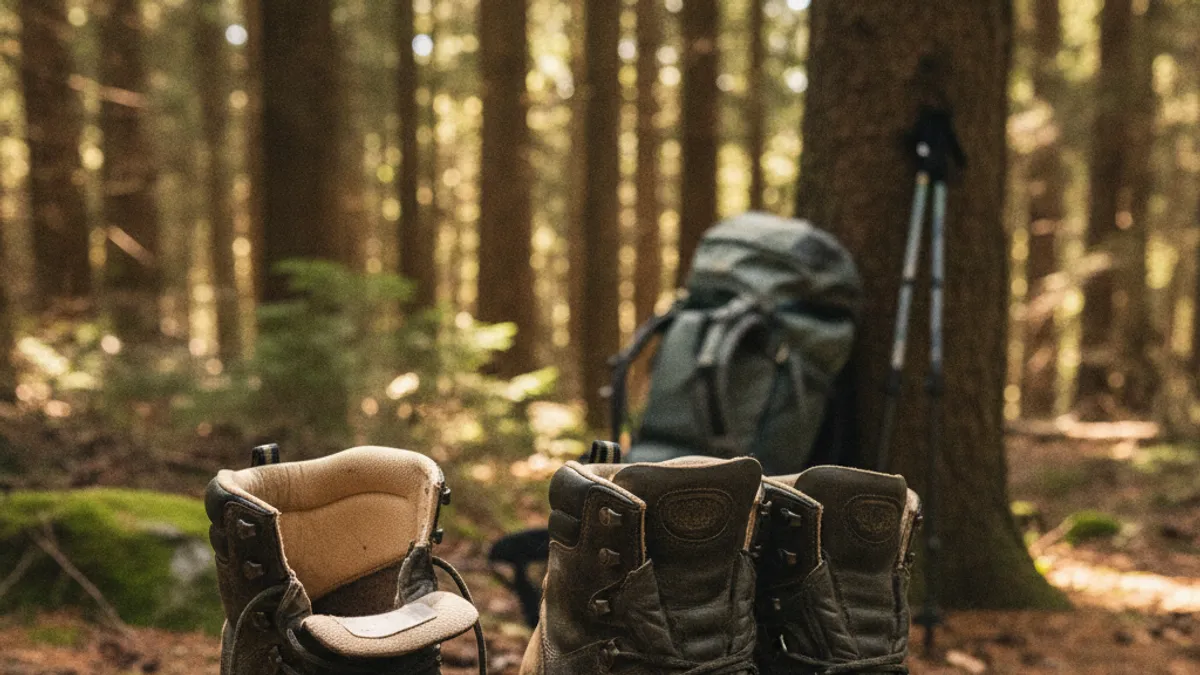
The break-in period for hiking boots isn’t just a suggestion; it’s a crucial step for comfort and preventing blisters. New boots, especially those made from stiffer materials like full-grain leather, need time to mold to the unique contours of your feet. This process allows the materials to soften and adapt, reducing pressure points and friction.
For trail runners, the break-in period is often minimal, sometimes just a few miles. Mid-cut hikers might require anywhere from 10 to 30 miles of walking. However, robust backpacking boots, particularly those made from full leather, can demand 50 to 100 miles or more of consistent wear before they feel truly broken in and comfortable for extended hikes.
- Purpose: Allows materials to soften and conform to foot shape.
- Process: Wear boots for short walks, gradually increasing distance and duration.
- Focus: Identify and address any hot spots or pressure points early.
- Outcome: Significantly reduced risk of blisters and improved overall comfort.
What About Waterproofing vs. Breathability?
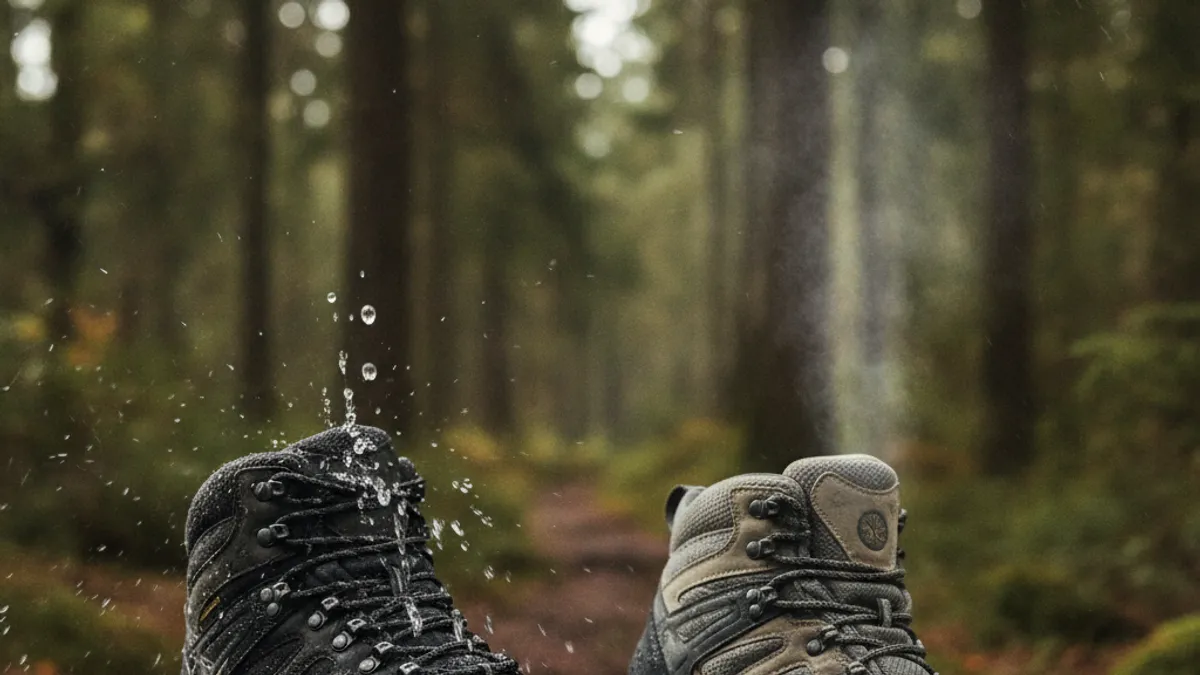
This is a classic trade-off in footwear. The goal is to keep your feet dry, but how that’s achieved impacts comfort in different conditions. Waterproof membranes, like those from Gore-Tex, are highly effective at blocking external moisture. They work by having pores small enough to keep liquid water out but large enough to let water vapor (sweat) escape.
However, the effectiveness of breathability can vary. In very hot and humid conditions, even the best waterproof-breathable membranes can struggle to keep up with heavy perspiration, leading to that clammy feeling. Conversely, non-waterproof boots made with highly breathable mesh will offer superior ventilation on scorching days but offer little protection against puddles or rain. The choice often depends on the typical climate and conditions you’ll encounter most frequently.
- Waterproof: Best for wet environments, rain, stream crossings.
- Breathable (Non-waterproof): Best for hot, dry climates and high-exertion activities.
- Hybrid: Many boots offer a balance, with waterproofed lower sections and mesh uppers.
