
The best minimalist hiking shoes combine a wide toe box, zero-drop feel, light weight, and enough grip for your trail.
A long hike can feel great until stiff shoes pinch your toes, rub your heel, or make each step feel heavy. Minimalist hiking shoes solve part of that problem by giving your feet more room and a closer feel to the ground. I reviewed four affordable options with zero-drop designs, wide toe boxes, light builds, and trail-friendly features. These shoes suit daily walks, easy trails, travel, gym use, and water activities. Still, minimalist footwear needs a slow break-in period. Your feet, calves, and ankles need time to adjust.
See the differences between my top picks at a glance.
| Model | Best For | Toe Box | Drop | Main Strength | Buy |
|---|---|---|---|---|---|
| Barefoot Grounded Shoes | All-around use | Wide | Zero drop | Versatile design | View on Amazon |
| HIKE HF Stride | Walking and casual trails | Wide | Zero drop | Easy slip-on style | View on Amazon |
| Barefoot Casual Trail Shoes | Women and men | Wide | Zero drop | Breathable daily wear | View on Amazon |
| Spesoul Men’s Barefoot Shoes | Water and trail use | Wide | Zero drop | Light slip-on build | View on Amazon |
Barefoot Grounded Shoes for Hiking

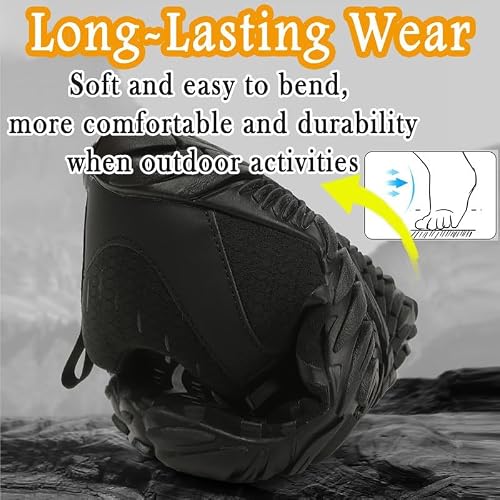
This pair aims to cover many daily needs in one simple shoe. Its listing highlights a wide toe box, zero-drop shape, minimalist build, and use for hiking, walking, workouts, and water activities. That broad use makes it a practical choice for people who do not want separate shoes for every task. The grounded style also supports a more natural foot position than a raised-heel shoe.
I like the flexible concept for easy trails and daily movement. The lightweight shape should feel less bulky than a traditional hiking boot, which helps during travel or long walks. However, a minimalist upper and sole do not replace the protection of a stiff mountain shoe. I would use this model on maintained paths, park trails, beach walks, and light outdoor work rather than rough alpine terrain.
Pros:
- Wide toe box gives the forefoot more room
- Zero-drop design supports a level heel-to-toe stance
- Works for hiking, walking, workouts, and casual wear
- Light feel can reduce the bulk of traditional hiking footwear
- Minimalist shape packs well for trips
- Useful choice for people who want one versatile pair
Cons:
- Minimal cushioning may feel firm on rocky ground
- Thin construction may offer less protection from sharp stones
- New users may need a gradual transition period
What Amazon Buyers Are Saying
Buyer feedback for this style commonly focuses on the roomy front, light feel, and flexible fit. Shoppers who prefer barefoot shoes often value the space around the toes and the simple feel during walks or gym sessions. Fit comments can vary, so I would read the most recent size reviews before ordering.
The main concern with shoes in this class is the trade-off between flexibility and protection. Some buyers may expect hiking-boot support and feel surprised by the thin, flexible design. Check the return terms, measure both feet, and compare your foot shape with the seller’s size chart.
My Recommendation
I recommend this pair for beginners who want a flexible, multi-use shoe for easy hiking and everyday activity. It offers a useful mix of space, low weight, and zero-drop design. I would not choose it as my only shoe for steep, technical trails or heavy backpacking. Overall rating: 4.2 out of 5.
| Category | Rating |
|---|---|
| Fit and toe room | 4.4/5 |
| Trail comfort | 4.0/5 |
| Versatility | 4.5/5 |
| Protection | 3.8/5 |
| Overall Rating | 4.2/5 |
HIKE HF Stride Barefoot Slip-On Shoes

The HF Stride stands out with its slip-on format and wide toe box. The product listing positions it for women and men who want a zero-drop shoe for walking, hiking, daily wear, and light outdoor use. A slip-on design can save time on short trips, errands, and casual walks. It may also appeal to people who dislike stiff collars and complex lacing systems.
I see this as a comfort-first option for level paths and normal daily movement. The lightweight, non-slip focus sounds useful for sidewalks, travel, and easy trails. Still, slip-on shoes need a secure fit, especially on slopes. I would check the heel hold before using them on uneven ground, and I would not assume that a flexible casual shoe has the support of a trail boot.
Pros:
- Slip-on design makes daily use fast and simple
- Wide toe box allows natural toe spread
- Zero-drop profile suits minimalist shoe fans
- Lightweight shape works well for travel
- Can serve as a walking and casual shoe
- Non-slip focus may help on common wet or smooth surfaces
Cons:
- Slip-on fit may not feel secure for every foot
- Less adjustable than a lace-up hiking shoe
- May not provide enough structure for steep or rough trails
What Amazon Buyers Are Saying
Reviews for slip-on minimalist shoes often praise the easy entry, relaxed toe space, and low weight. Buyers who use them for errands or casual walking tend to value convenience. Fit reports may differ between narrow and wide feet, so I would pay close attention to comments about heel movement and overall length.
The most useful review detail to look for is how customers use the shoes. A person walking on pavement has different needs from someone crossing roots and loose rock. I also suggest checking whether buyers mention socks, since sock thickness can change the fit of a close slip-on upper.
My Recommendation
This is a good pick for easy walks, travel, daily wear, and mild trails. I like the simple entry and roomy front, but I would choose a more secure lace-up design for demanding hikes. Buy it if convenience matters more than maximum trail control. Overall rating: 4.1 out of 5.
| Category | Rating |
|---|---|
| Slip-on convenience | 4.6/5 |
| Toe room | 4.3/5 |
| Everyday comfort | 4.3/5 |
| Trail security | 3.7/5 |
| Overall Rating | 4.1/5 |
Barefoot Casual Trail Shoes for Women and Men

This model targets shoppers who want a barefoot-style shoe that can move between casual life and outdoor activity. The listed features include a wide toe box, zero-drop shape, non-slip design, light weight, breathability, and use for walking and hiking. That mix makes it more flexible than a dedicated trail shoe. It could fit a simple travel kit where one pair must handle streets, parks, and light trails.
The breathable design may feel pleasant during warm-weather walks. I also like the idea of a casual look, since it does not force you to wear a technical shoe for every outing. The trade-off is clear: a light, flexible upper may not shield the foot from brush, cold, or hard rock. Use it on suitable terrain and increase distance slowly if you are new to zero-drop shoes.
Pros:
- Designed for both casual wear and light trail use
- Wide toe box supports natural forefoot movement
- Zero-drop profile offers a level platform
- Breathable build may suit warm days
- Lightweight design can reduce foot fatigue from heavy shoes
- Non-slip focus adds value for everyday walking
Cons:
- Breathable material may offer less weather protection
- Minimalist sole may feel harsh on sharp, rocky trails
- Casual construction may not suit heavy loads or long backcountry trips
What Amazon Buyers Are Saying
Customers who choose this type of shoe often mention the roomy front, low weight, and comfortable feel for walking. Some buyers also like a style that works with normal clothing. As with most wide minimalist footwear, fit opinions can depend on foot width, instep height, and preferred sock thickness.
When reading Amazon reviews, I would separate comments about fashion and daily comfort from comments about trail performance. Look for details on wet ground, downhill walking, outsole wear, and toe protection. Those points give a better picture of whether the shoe matches your planned hikes.
My Recommendation
I recommend this pair for shoppers who want the best minimalist hiking shoes for casual use, travel, and short walks on mild trails. It gives you useful everyday flexibility at the cost of rugged protection. It is a strong value choice if you do not need a heavy-duty hiking boot. Overall rating: 4.2 out of 5.
| Category | Rating |
|---|---|
| Breathability | 4.4/5 |
| Daily versatility | 4.5/5 |
| Trail grip | 4.0/5 |
| Weather protection | 3.6/5 |
| Overall Rating | 4.2/5 |
Spesoul Men’s Barefoot Hiking Shoes

The Spesoul model focuses on men who want wide, zero-drop footwear for hiking, water use, workouts, walking, and casual wear. Its slip-on format keeps the design simple. The listing also highlights a lightweight and breathable build, which may work well for active days. This broad use makes it appealing for travel, beach trips, gym sessions, and easy trail walks.
I would view this shoe as a flexible outdoor sneaker rather than a protective hiking boot. The wide shape can help people who dislike cramped toe boxes, while the low profile keeps the foot close to the ground. On the other hand, minimalist footwear gives up some cushioning and structure. Start with short walks, inspect the fit, and avoid using it for long, loaded hikes until you know how your feet respond.
Pros:
- Wide shape helps reduce cramped toe feeling
- Zero-drop design supports a natural stance
- Slip-on format is quick to put on and remove
- Suitable for water activities, workouts, and walking
- Lightweight build works well for travel
- Breathable design may help during active use
Cons:
- Men’s sizing may not suit every foot shape
- Slip-on fit can limit adjustment on steep ground
- Less underfoot protection than a rugged hiking shoe
What Amazon Buyers Are Saying
People who shop for this type of barefoot shoe often look for a roomy fit, simple entry, and light feel. Reviews commonly help buyers decide whether the shoe works better for water, walking, gym use, or trails. Because fit can vary, I would focus on recent comments about actual foot measurements and size accuracy.
Some buyers may want a very soft shoe, while others prefer firm ground feedback. That difference explains why minimalist footwear reviews can seem mixed. Before ordering, decide whether you want flexibility and ground feel or more cushioning and protection.
My Recommendation
This is a sensible option for men who want one lightweight shoe for water, casual walks, workouts, and mild hiking. It offers strong versatility, but I would not use it for technical terrain or long trips with a full pack. It earns a good rating for value and range of use. Overall rating: 4.1 out of 5.
| Category | Rating |
|---|---|
| Water and outdoor use | 4.3/5 |
| Fit flexibility | 4.0/5 |
| Weight and packability | 4.4/5 |
| Rough-trail protection | 3.6/5 |
| Overall Rating | 4.1/5 |
How to Choose the Best Minimalist Hiking Shoes
Choosing the best minimalist hiking shoes takes more than looking for the word “barefoot.” I check the toe shape, heel height, outsole, fit, and intended trail. The American Podiatric Medical Association and sports-medicine professionals also stress proper fit and a gradual change in footwear. Your best shoe should match your feet and your terrain, not just a trend.
1. Check the Toe Box and Overall Fit
Your toes should have room to spread without sliding inside the shoe. A wide toe box can improve comfort, but “wide” does not mean the same thing in every brand. Measure both feet late in the day, then compare those measurements with the seller’s chart.
Check the heel and midfoot too. Your heel should stay in place when you walk downhill. Your toes should not touch the front. Try the shoes with the socks you plan to wear on the trail. If you feel pressure at the sides, do not expect the shoe to stretch enough to solve the problem.
2. Match the Sole to Your Trail
A minimalist hiking shoe should still offer useful traction. Look at the outsole pattern and the type of ground you hike. Flat park paths need less grip than wet roots, loose gravel, or muddy hills. A flexible sole improves ground feel, but it may not block sharp rocks.
For easy trails, a light barefoot shoe can work very well. For rough ground, choose the model with the most secure fit and the most suitable tread. None of the shoes in this review should replace a stiff, protective boot for mountaineering, heavy backpacking, or technical rock terrain.
3. Consider the Transition, Comfort, and Value
Zero-drop shoes place the heel and forefoot at a similar height. That shape can feel natural, but it changes how your lower legs work. If you normally wear raised-heel shoes, begin with short walks. Add time and distance only when your feet and calves feel fine.
Value also depends on use. A versatile shoe can save money if it handles walks, travel, workouts, and mild trails. Yet a cheap shoe is not a good deal if the fit fails or the sole wears quickly. Read current buyer reviews, check the return policy, and inspect the shoe after each early outing.
Final Verdict: Which Should You Buy?
For most people, the Barefoot Grounded Shoes offer the best balance of toe room, zero-drop design, light weight, and daily versatility. Choose the HIKE HF Stride for easy slip-on use, or Spesoul for water and casual outdoor activity.
The best minimalist hiking shoes should fit your feet and your trail. Start slowly, measure carefully, and choose comfort and control over hype.
FAQs Of best minimalist hiking shoes
Are minimalist hiking shoes good for beginners?
Yes, but beginners should start with short walks. Increase distance slowly so the feet, calves, and ankles can adjust.
Do minimalist hiking shoes have good grip?
Grip varies by model and trail. They can work well on mild paths, but check the outsole before using them on wet rock, mud, or steep ground.
Are zero-drop hiking shoes better for wide feet?
Zero drop describes heel height, not width. Look for a true wide toe box and compare the shoe’s size chart with your foot measurements.
Can I wear barefoot hiking shoes all day?
You can if your feet already tolerate them and the fit feels secure. New users should limit early wear and stop if pain develops.
Do minimalist hiking shoes protect against rocks?
They offer less protection than many traditional hiking boots. Use them on mild trails unless the product clearly provides the protection you need.
