
The best lightweight hiking shoes balance low weight, trail grip, comfort, support, and weather protection for every mile.
A long hike can turn into a painful trip when your shoes feel heavy, rub your heel, or lose grip on wet ground. I have found that the right lightweight hiking shoes make each step easier without giving up the support needed on uneven trails. The five pairs below suit different needs, from dry day hikes to rainy walks and light backpacking. I also checked fit, tread, comfort, water protection, and value so you can choose with more confidence.
See the differences between my top picks at a glance.
| Shoe | Best For | Weather | Fit Options | Main Strength | Buy |
|---|---|---|---|---|---|
| Merrell Moab 3 | All-around hiking | Dry trails | Medium | Comfort and grip | View on Amazon |
| NORTIV 8 Women’s Seeker | Rainy day hikes | Waterproof | Women’s fit | Weather protection | View on Amazon |
| Columbia Crestwood | Dry day walks | Dry conditions | Wide fit available | Breathable trail comfort | View on Amazon |
| NORTIV 8 Men’s Armadillo | Men’s outdoor use | Waterproof | Men’s fit | Ankle coverage | View on Amazon |
| CC-Los Women’s Hiking Shoes | Daily comfort | Waterproof | Women’s fit | Soft, easy break-in | View on Amazon |
Merrell Moab 3 Hiking Shoe
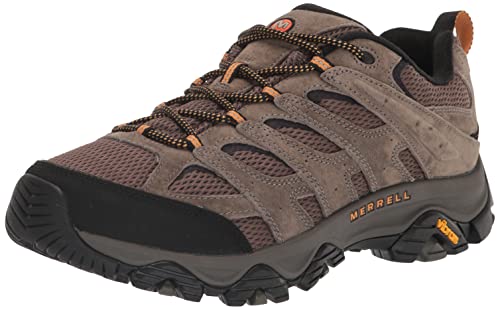
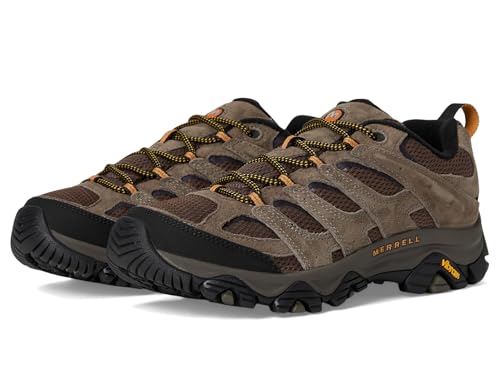
The Merrell Moab 3 is one of the safest picks for hikers who want a trusted, do-it-all shoe. Its low-cut design feels easier to wear than a tall boot, yet it still gives your foot useful support on rocky paths. The shoe uses a protective toe area and a trail-ready outsole for better confidence on mixed ground. The Walnut color also gives it a classic outdoor look that works well for travel and daily use.
I like this model for day hikes, park trails, and light weekend trips. The fit feels stable without forcing the ankle into a stiff boot shape. It is not the lightest model in this guide, but it offers a strong balance of comfort, traction, and durability. For many hikers, that balance makes it one of the best lightweight hiking shoes for general use.
Pros:
- Comfortable choice for day hikes and long walks
- Protective toe area helps on rocky trails
- Reliable traction for common trail surfaces
- Low-cut design feels flexible and easy to wear
- Classic style works for travel and daily outdoor use
- Strong all-around support for a hiking shoe
Cons:
- Medium width may not suit very wide feet
- May feel less airy than a highly ventilated trail shoe
- Not a full substitute for a tall boot on rough, loaded trips
What Amazon Buyers Are Saying
Amazon buyers commonly praise the Moab 3 for its comfort, familiar fit, and useful grip. Many owners choose it for walking, hiking, work, and travel because it does not require a long break-in period for most users. Some buyers report that the shoe feels dependable on regular trails and gives good support under the foot.
The main complaints tend to focus on fit differences, stiffness for some feet, and questions about long-term wear. A few shoppers find the shoe heavier or warmer than expected when compared with a running-style trail shoe. Since feet vary, I recommend checking the size chart and reading recent fit comments before ordering.
My Recommendation
I recommend the Merrell Moab 3 to hikers who want one practical shoe for most dry trails. It is a good value when comfort and proven trail design matter more than the lowest possible weight. I would choose it for day hikes, travel, and light outdoor work, but I would look elsewhere for deep rain or very technical mountain routes.
| Category | Rating |
|---|---|
| Trail comfort | 4.5/5 |
| Grip and stability | 4.5/5 |
| Breathability | 4/5 |
| Durability | 4.5/5 |
| Overall Rating | 4.5/5 |
NORTIV 8 Women’s Seeker Hiking Boots

The NORTIV 8 Women’s Seeker is built for hikers who need a light boot with extra weather protection. Its ankle-high shape gives more coverage than a low hiking shoe, which can help keep trail dust and light debris out. The waterproof design suits wet walks, camping trips, and rainy daily use. Its black and pink color mix also gives the boot a more lively look than many plain hiking models.
This pair makes sense for people who want comfort without moving to a tall, heavy mountaineering boot. The slip-resistant outsole is aimed at outdoor walking and trail use. Still, waterproof shoes can feel warmer than mesh shoes, so I would use them with moisture-wicking socks on warm days. They are among the best lightweight hiking shoes for wet-weather value, especially when ankle coverage matters.
Pros:
- Waterproof build helps protect feet in wet conditions
- Ankle-high shape adds useful coverage and support
- Lightweight feel compared with many traditional hiking boots
- Slip-resistant outsole suits walks, trails, and camping
- Comfortable option for mixed outdoor and daily use
- Distinct black and pink design
Cons:
- Waterproof materials may feel warm in hot weather
- Ankle height may feel restrictive to low-shoe users
- Fit can vary with thick hiking socks
What Amazon Buyers Are Saying
Customer reviews often highlight the boot’s light feel, waterproof protection, and comfort during walks and outdoor work. Buyers also like the ankle coverage and the fact that the boot can serve more than one purpose. Some users say the boot feels ready for use with little break-in, while others value its grip on common outdoor surfaces.
Common concerns include size accuracy, warmth, and the amount of room around the toes or ankle. Waterproof claims also depend on how high water reaches and how well the upper stays sealed over time. I suggest trying the boots with the socks you plan to wear and checking the return terms before taking them on a long trip.
My Recommendation
I recommend the Seeker for women who hike in light rain, camp, or walk on damp paths. It offers more protection than a low shoe while keeping the design fairly easy to wear. It is not my first choice for hot, dry trails, but it is a useful waterproof option for the price.
| Category | Rating |
|---|---|
| Wet-weather protection | 4.5/5 |
| Walking comfort | 4/5 |
| Trail grip | 4/5 |
| Breathability | 3.5/5 |
| Overall Rating | 4.2/5 |
Columbia Crestwood Hiking Shoe

The Columbia Crestwood is a sensible low hiking shoe for dry trails and everyday outdoor walks. Its design focuses on traction, breathability, and a comfortable fit rather than heavy weather protection. Columbia offers this model with wide fit availability, which gives shoppers more room to find a better match. That option matters because a shoe can have good features and still fail if it squeezes the forefoot.
I would consider the Crestwood for warm-weather hikes, park trails, and travel days that involve plenty of walking. The low profile feels less bulky than an ankle boot and allows natural movement. It may not provide enough water protection for steady rain, but it can feel more comfortable when air flow matters. For dry conditions, it is a strong contender among the best lightweight hiking shoes.
Pros:
- Breathable design suits dry and warm trail days
- Wide fit availability helps more feet find a match
- Low-cut shape supports easy, natural movement
- High-traction outsole helps on common trail ground
- Good choice for hiking, travel, and daily walking
- Light feel reduces the burden of long walks
Cons:
- Not designed as a dedicated waterproof hiking shoe
- Low cut gives less ankle coverage than a boot
- Some hikers may want more cushioning for rocky routes
What Amazon Buyers Are Saying
Amazon shoppers often mention the Crestwood’s comfort, light feel, and useful grip. Wide-foot buyers commonly look for this model because the available fit options may feel less cramped than standard shoes. Many reviews also describe it as a useful shoe for casual hiking, walking, and travel.
The most common concerns involve sizing, sole feel, and the limits of a dry-weather shoe. Some buyers expect waterproof protection and feel disappointed when water can enter through the upper. Others prefer more cushion or a softer feel under the heel. I see those comments as reminders to match the shoe with your trail and not just its appearance.
My Recommendation
The Crestwood is a good buy for dry trails and hikers who want a breathable shoe with a wider fit option. I would choose it over a waterproof model for hot days or travel walks. If you often hike in rain, mud, or wet grass, pick a waterproof pair instead.
| Category | Rating |
|---|---|
| Dry-trail comfort | 4.5/5 |
| Breathability | 4.5/5 |
| Grip | 4/5 |
| Fit flexibility | 4.5/5 |
| Overall Rating | 4.3/5 |
NORTIV 8 Men’s Armadillo Hiking Boots

The NORTIV 8 Men’s Armadillo is an ankle-high outdoor boot for men who want more coverage than a low shoe. It targets hiking, camping, trekking, and general outdoor use. The waterproof build can help keep feet dry during wet walks, while the outsole aims to provide traction on outdoor surfaces. Its brown, black, and tan color scheme looks at home on the trail.
This boot gives a useful middle ground between a casual shoe and a heavy mountaineering boot. The ankle height can help keep dirt and small stones out, but it may take more time to feel natural than a low-cut model. I would use it for day hikes, camping, and cool-weather work. It belongs on a list of the best lightweight hiking shoes for men who prefer boot-style coverage.
Pros:
- Ankle-high design offers extra foot and ankle coverage
- Waterproof construction suits damp outdoor conditions
- Useful for hiking, camping, trekking, and daily work
- Trail outsole supports grip on common outdoor surfaces
- Boot styling provides more protection than a sneaker
- Good option for cool and changeable weather
Cons:
- May feel warmer than a ventilated low shoe
- Less flexible than a lightweight trail runner
- Not ideal for very technical climbing or heavy loads
What Amazon Buyers Are Saying
Buyers often like the Armadillo for its price, waterproof design, and ankle coverage. Reviews commonly describe it as useful for outdoor work, walking, camping, and casual hikes. Several shoppers value the boot’s sturdy feel because it provides more protection than a normal sneaker.
Fit remains the main point to watch. Some buyers find the boot comfortable right away, while others need a different size or more time to break it in. A few reviews also mention warmth and sole flexibility. I recommend checking foot measurements and allowing room for hiking socks without letting the heel slide.
My Recommendation
I recommend the Armadillo for men who want a waterproof hiking boot at a practical price. It works well for regular trails, camping, and outdoor chores. I would not use it as a technical climbing boot, but it offers useful coverage for normal hiking and trekking.
| Category | Rating |
|---|---|
| Water protection | 4.5/5 |
| Ankle coverage | 4.5/5 |
| Trail traction | 4/5 |
| Flexibility | 3.8/5 |
| Overall Rating | 4.2/5 |
CC-Los Women’s Waterproof Hiking Shoes

The CC-Los Women’s hiking shoes focus on easy comfort, water protection, and daily use. The low shape feels more like a walking shoe than a tall hiking boot. The product design includes memory foam and a non-slip sole, which may appeal to people who spend long hours on their feet. It also targets buyers who want a waterproof shoe without a long break-in period.
I would consider this model for neighborhood walks, light trails, travel, and casual outdoor work. It may feel softer and more familiar than a stiff hiking shoe. However, a soft walking feel does not replace the support needed for steep, rocky, or heavily loaded routes. Among the best lightweight hiking shoes, this pair is most attractive to shoppers who value comfort and easy daily wear.
Pros:
- Waterproof design helps in light wet conditions
- Memory foam supports a soft walking feel
- Non-slip outsole suits daily outdoor walking
- Lightweight shape feels easy to wear for long periods
- Designed for little or no break-in for many users
- Useful for travel, errands, and light trail use
Cons:
- May not offer enough structure for technical trails
- Waterproof materials can reduce breathability in heat
- Soft foam may not suit hikers who prefer firm support
What Amazon Buyers Are Saying
Amazon reviews commonly focus on the shoe’s comfort, soft insole, light weight, and attractive price. Buyers often choose it for walking, travel, work, and simple outdoor use. Many shoppers like the idea of wearing the shoe right away rather than waiting through a long break-in period.
Other reviews point to the usual fit questions that affect soft shoes. Some people want more arch support or a firmer sole, while others prefer the cushioned feel. Warmth and long-term wear can also vary by foot, use, and weather. I would choose it for light trails and daily walking rather than demanding mountain routes.
My Recommendation
The CC-Los is worth considering if your main goals are soft comfort, low weight, and water resistance. It is a practical choice for casual hikes, travel, and daily walks. I would select a more structured shoe for steep trails, heavy packs, or rough rock.
| Category | Rating |
|---|---|
| Everyday comfort | 4.5/5 |
| Lightweight feel | 4.5/5 |
| Water protection | 4/5 |
| Technical trail support | 3.5/5 |
| Overall Rating | 4.1/5 |
How to Choose Best Lightweight Hiking Shoes
Choosing the best lightweight hiking shoes starts with your trail, weather, foot shape, and pack weight. A shoe that feels perfect on a flat park path may feel too soft on a steep rock trail. I look at fit first, then grip, weather protection, support, and value. The American Academy of Orthopaedic Surgeons also stresses proper fit and enough room for the toes, which matches what I look for during a shoe review.
1. Match the Shoe to Your Trail
Think about the ground you use most. Smooth park paths need less protection than loose rock, roots, and steep slopes. A low shoe such as the Columbia Crestwood can work well on dry walks, while the Merrell Moab 3 gives a more balanced feel for mixed day-hike terrain.
If you carry a heavy pack, choose a shoe with a firm midsole and a stable base. A very soft shoe may feel nice in a store but may bend too much under load. For simple walks, a flexible low shoe can feel faster and more natural. Do not pay for a stiff boot if your trails do not require one.
2. Check Fit, Toe Room, and Support
Your heel should stay in place when you walk uphill. Your toes should not touch the front when you walk downhill. Try shoes late in the day, since feet often swell after hours of walking. Wear the socks you plan to use on the trail.
Look for enough room across the toes, but avoid a loose midfoot. A wide-fit option can help if standard shoes pinch your forefoot. The Columbia Crestwood stands out here because the product listing includes wide fit availability. For ankle support, an ankle-high boot such as the NORTIV 8 Armadillo or Seeker may feel more secure, but it can also feel warmer and less free.
3. Compare Grip, Weather Protection, and Value
Study the outsole before you buy. Deep, well-spaced lugs can help shed mud, while a flatter tread may feel smoother on pavement. No outsole grips every surface, so choose based on your usual trails. Replace worn shoes when the tread becomes smooth or the upper no longer holds your foot well.
Waterproof shoes help in rain and wet grass, but they often breathe less than mesh shoes. They can also feel hot in summer. Dry-weather shoes usually offer better air flow. If you hike in changing weather, consider how often you truly need waterproof protection instead of choosing it by default.
Finally, compare the total value. A low price means little if the fit causes blisters or the sole wears fast. A slightly higher price can make sense when the shoe gives better comfort, grip, and use across several seasons. Check the current size range, return policy, and recent buyer feedback before placing an order.
Final Verdict: Which Should You Buy?
For most hikers, I recommend the Merrell Moab 3 as the best lightweight hiking shoes overall. Choose the Columbia Crestwood for dry trails, or NORTIV 8 for waterproof ankle coverage.
Each pair suits a different trail and foot. Start with fit, then match grip and weather protection to your plans for a safer, more comfortable hike.
FAQs Of best lightweight hiking shoes
Are lightweight hiking shoes good for long hikes?
Yes. They can work well for long hikes when they fit properly and provide enough grip, cushioning, and support for the trail.
Should I choose waterproof or breathable hiking shoes?
Choose waterproof shoes for rain and wet paths. Choose breathable shoes for hot, dry trails and better air flow.
Do lightweight hiking shoes need a break-in period?
Many need only a short break-in period, but you should test them on short walks before a long hike.
How should hiking shoes fit?
Your heel should stay secure, while your toes need room to spread and move without touching the front.
Can I use lightweight hiking shoes for rocky trails?
Yes, if they have a firm sole, protective upper, and strong traction. For technical routes or heavy packs, consider a more supportive boot.
