
When you’re planning a hike, the clothes you wear can make a huge difference. You’ve probably seen cargo pants everywhere, known for their roomy pockets and relaxed fit. But are cargo pants good for hiking, especially when you’re out on the trail for hours? Our research suggests they can be a hit or miss, depending on your specific needs and the conditions.
While a pair of sturdy cargo pants might seem like a convenient choice for stashing snacks and gear, technical hiking pants often outperform them in breathability and moisture management. For instance, many modern hiking pants feature proprietary fabric blends designed to wick sweat away, with some achieving a rating of 4 out of 5 for breathability in industry tests. Let’s break down when cargo pants fit into your hiking plans and when you might want to consider other options.
Cargo Pants for Hiking: The Quick Take
Cargo pants can be a decent option for casual day hikes or established, well-maintained trails, particularly in cooler weather. Their standout feature is the abundance of pockets, offering unparalleled storage for small items like trail maps, phones, compasses, or energy bars. However, they aren’t typically the top choice for serious trekkers or those facing challenging terrain or varied weather conditions. Generally, cargo pants are made from materials like cotton or cotton blends, which can become heavy and hold moisture, prolonging drying times.
This often makes technical hiking pants, crafted from synthetic fabrics designed for quick drying and superior breathability, a more functional choice for longer or more demanding adventures as of 2026.
Decoding Cargo Pants: Features That Matter on the Trail
When you’re looking at any piece of gear for hiking, understanding its specific design elements is key. For cargo pants, a few features stand out that can either benefit or hinder your trekking experience. It’s not just about the look; it’s about how they perform when you’re covering miles, climbing elevation, and dealing with the unpredictable environment of the outdoors.
Pocket Powerhouse
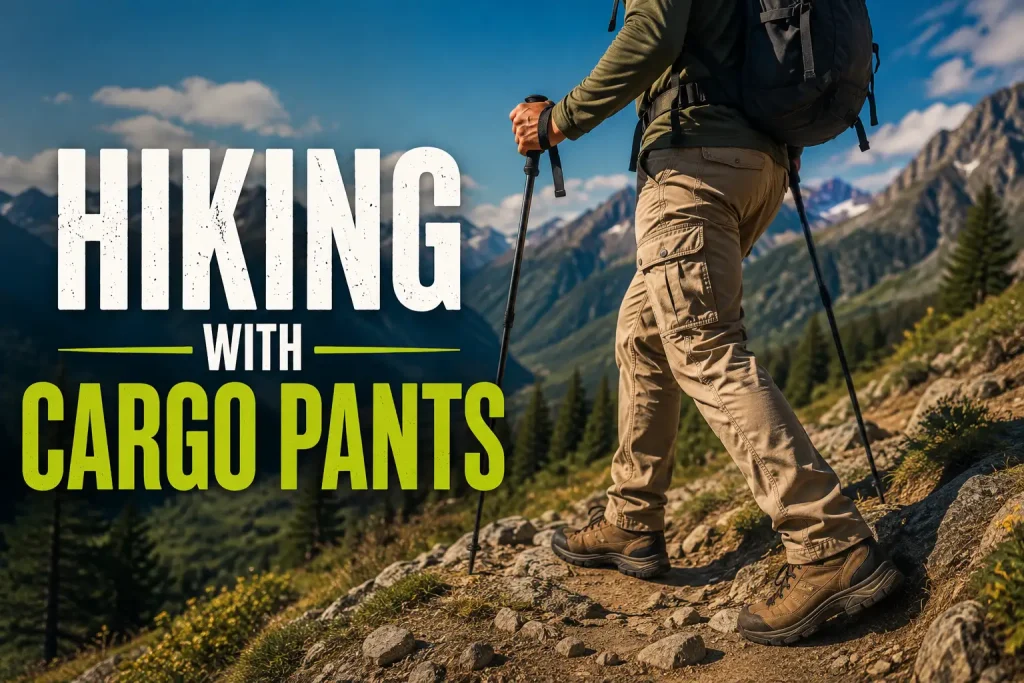
The defining characteristic of cargo pants is, of course, their pockets. Typically, you’ll find two large, bellowed cargo pockets located on the sides of the legs, often with button or Velcro closures. In addition to these, they usually have standard front and back pockets. This abundance of storage is undeniably convenient.
For a short, easy walk where you just need to carry a few essentials like a phone, a small snack, and keys, they work well. You can easily access items without needing to take off your backpack, which is a plus. For example, keeping a compass or a compact trail guide within immediate reach streamlines navigation or quick reference.
Fabric Functionality
Many traditional cargo pants are made from 100% cotton or a cotton-polyester blend. Cotton, while comfortable for everyday wear, is notorious for absorbing moisture and drying very slowly. This is a significant drawback for hiking. When cotton gets wet from sweat or rain, it loses its insulating properties, can become heavy, and can lead to chafing or even hypothermia in cooler conditions.
Polyester and nylon blends offer better performance by wicking moisture away from the skin and drying faster, but the weave and weight of the fabric still matter. Manufacturer specifications for some common cotton cargo pants indicate a water absorbency rate that can significantly impact comfort and safety on extended outings.
Fit and Freedom of Movement
Cargo pants often feature a relaxed or loose fit. This can be comfortable in milder temperatures and allows for some air circulation. However, a very loose or baggy fit can sometimes impede your movement, especially on uneven terrain. If the pants are too baggy, they can catch on branches or rocks, leading to snags or trips.
While some modern iterations are designed with a slightly more tapered leg or added stretch, traditional cargo pants can lack the articulated knees or four-way stretch found in specialized hiking pants that provide a full range of motion without excess fabric. This is crucial for effective hiking workout plan for beginners.
Hiking with Cargo Pants: The Good, The Bad, and The Snagged
When deciding if cargo pants are right for your next trek, it’s helpful to weigh their distinct advantages against their notable drawbacks. Understanding these points can help you make an informed choice for your comfort and safety on the trail.
Trail-Tested Pros
The primary advantage of cargo pants for hiking is their exceptional storage capacity. The multiple, deep pockets mean you can carry more essentials without needing a bulky backpack for short trips.
- Ample Storage: Easily stash snacks, a map, compass, GPS device, phone, small first-aid items, or even gloves.
- Easy Access: Pockets are typically located on the thighs, allowing for quick retrieval of items without removing your pack.
- Durability (Often): Heavier cotton or canvas blends can be quite resistant to snags and abrasions, making them suitable for brushy trails.
- Comfort in Mild Conditions: The relaxed fit can be comfortable and allow for air circulation on easy walks in moderate temperatures.
- Versatility: They often look casual enough to wear around town or at a trailhead cafe after your hike.
Potential Cons to Consider
Despite their storage benefits, cargo pants have several significant limitations on the trail, especially as the intensity or duration of your hike increases.
- Moisture Retention: Cotton-heavy fabrics absorb sweat and rain, leading to delayed drying times and potential discomfort or cold if temperatures drop. This is a serious concern for trips in damp or unpredictable climates.
- Weight When Wet: Soggy cargo pants become significantly heavier, which can be a real burden to carry over distance.
- Reduced Mobility: Baggy styles can snag on obstacles or restrict your leg movement on steep ascents or descents.
- Overheating Risk: In warmer weather, the heavier fabrics and often less breathable nature of cargo pants can lead to overheating.
- Bulkiness: Extra fabric can sometimes feel cumbersome, especially if you’re trying to move efficiently.
Who Should (and Shouldn’t) Wear Cargo Pants Hiking?
The suitability of cargo pants for hiking really boils down to the type of hike you’re embarking on and your personal preferences. They aren’t a one-size-fits-all solution for every trail adventure.
Ideal Scenarios for Cargo Pants
Cargo pants shine in specific, less demanding situations. If your hike involves these conditions, cargo pants might be a perfectly good choice:
- Casual Day Hikes: For short outings on well-maintained paths where you don’t expect to encounter extreme weather or challenging terrain.
- Established Trails: Trails that are clear of significant brush, rocks, or water crossings.
- Mild Weather: Comfortable in cool to mild temperatures where overheating isn’t a primary concern.
- Light Loads: When you’re carrying minimal gear and can benefit from accessible pocket storage for those few essentials.
- Emphasis on Utility: Hikers who prioritize carrying many small items and want them readily available.
When to Leave Them Behind
For more serious hiking pursuits, cargo pants often fall short compared to specialized outdoor apparel. You should probably opt for alternatives if:
- You’re Backpacking: Carrying a heavy pack for multiple days means moisture management and quick drying are paramount. Cotton cargo pants would be a significant liability. What is thru hiking involves extended periods where performance gear is essential.
- You’ll Encounter Wet Conditions: Rain, stream crossings, or high humidity demand quick-drying fabrics.
- You’ll Face Extreme Temperatures: In hot weather, they can be too hot; in cold, wet conditions, they can be dangerous.
- The Trail is Rugged: Steep, rocky, or overgrown trails require pants that offer maximum freedom of movement and resist snags.
- You’re Prioritizing Performance: Athletes and serious hikers often choose lighter, more technical fabrics for better breathability and less weight.
Smart Cargo Pant Choices for Hikers
If you’ve decided cargo pants are the right fit for your planned hike, or you already own a pair you’d like to use, there are ways to make them work better. Choosing the right type of cargo pant, or using them strategically, can enhance your experience.
Fabric Weights and Treatments
Not all cargo pants are created equal. Some are designed with more technical considerations that can improve their hiking performance.
- Synthetic Blends: Look for cargo pants made from nylon, polyester, or blends. These materials are generally lighter, more durable, and significantly more breathable and quick-drying than cotton. Manufacturers often boast moisture-wicking properties for these fabrics, which is a major plus.
- Durable Water Repellent (DWR) Finish: Some outdoor-oriented cargo pants come with a DWR treatment. This is a coating applied to the fabric that causes water to bead up and roll off, rather than soaking in. While not fully waterproof, it offers protection against light rain and splashes. The effectiveness can degrade over time, but reapplying can restore its function.
- Ripstop Weaves: Fabrics with a ripstop weave are designed to resist tearing. A ripstop pattern creates a grid of stronger threads, so if the fabric does get snagged and tears, the rip is less likely to spread.
Fit and Design for the Trail
Beyond fabric, the cut and design of cargo pants can make a big difference on the trail.
- Articulated Knees: Pants with pre-shaped or articulated knees allow for much greater freedom of movement when bending your legs, which is essential for climbing and stepping over obstacles.
- Gusseted Crotch: A diamond-shaped panel of fabric in the crotch area increases durability and allows for a wider range of leg motion without straining seams.
- Adjustable Waistbands or Cuffs: Features like internal drawstrings or adjustable cuffs can help fine-tune the fit, preventing the pants from riding up or dragging.
- Ventilation Zippers: Some cargo pants, though rarer, might include zippered vents on the thighs that can be opened to increase airflow in warmer conditions.
Common Cargo Pant Pitfalls on the Path
Even with careful selection, using cargo pants on a hike can lead to a few frustrating issues if you’re not prepared. Knowing these common problems can help you anticipate and mitigate them.
- Snags and Tears: Heavier cotton cargo pants can be prone to snagging on sharp branches, rocks, or thorns. While some are durable, a significant tear can ruin your hike and potentially lead to exposure.
- Irritating Pockets: If the cargo pockets are overly large, bulky, or have stiff closures (like heavy Velcro), the contents can shift and rub uncomfortably against your legs as you hike.
- Water Collection in Pockets: If the leg pockets aren’t designed with drainage or a secure closure, water from rain or splashing can collect inside, adding unwanted weight and soaking anything stored within.
- Overheating on Steeper Climbs: Even if the weather is mild, the effort of a strenuous uphill climb can quickly lead to overheating in less breathable cargo pants. The multiple layers of fabric can trap heat.
- Chafing from Seams or Closures: Rough seams, stiff buttons, or coarse Velcro on cargo pockets can cause chafing on your skin, especially during longer hikes where you’re in constant motion.
Alternatives to Consider for Trail Comfort and Performance
When cargo pants don’t quite cut it, a world of specialized hiking apparel awaits. Choosing the right alternative can significantly boost your comfort, performance, and overall enjoyment on the trail.
Technical Hiking Pants
These are often the go-to for serious hikers. Technical hiking pants are engineered from advanced synthetic fabrics like nylon or polyester blends, often incorporating spandex for stretch.
- Moisture Management: They excel at wicking sweat away from your skin, keeping you drier and more comfortable.
- Quick Drying: If they get wet from rain or stream crossings, they dry remarkably fast, preventing chilling.
- Durability and Mobility: Designed with articulated knees and gussets, they offer excellent freedom of movement without excess fabric. Reinforced areas at the knees and seat add durability.
- Lightweight: Generally much lighter than cotton cargo pants, reducing your load.
Convertible and Trekking Options
Convertible pants offer a unique duality: they can zip off at the knee to become shorts. This versatility makes them a popular choice for hikes with unpredictable weather.
- Adaptable to Conditions: You can start the hike in pants and convert them to shorts as the day warms up or you start climbing.
- Often Lightweight and Quick-Drying: Similar to technical pants, they are usually made from synthetic materials.
- Potential Zipper Issues: Some users report that zippers can be a point of irritation or failure over time, though modern designs have improved.
Trekking pants are similar to technical hiking pants but might offer more features like larger pockets or adjustable waistbands, blurring the lines between them.
Shorts and Leggings
For warm-weather hiking, hiking shorts are an obvious choice. They offer maximum breathability and freedom of movement.
- Excellent Ventilation: Ideal for hot climates and strenuous climbs.
- Minimalist: No excess fabric to snag or overheat in.
Synthetic hiking leggings or tights are also gaining popularity. They offer a snug, supportive fit and excellent moisture management.
- Compression Benefits: Some find leggings provide a sense of muscle support.
- Streamlined: No loose fabric to catch on anything.
- Protection: Offer a good barrier against sun exposure and light brush, though they can be more susceptible to punctures from sharp thorns than woven pants.
Pro Tips for Hiking in Cargo Pants
If you’re set on wearing cargo pants for your next hike, or you’ve chosen a pair of more trail-friendly synthetic cargo pants, here are a few tips to maximize your comfort and minimize potential issues. These practical adjustments can make a difference.
- Check the Fabric: Always opt for cargo pants made from synthetic blends (nylon, polyester) over 100% cotton. This is the single biggest factor in improving their hiking performance. Look for “quick-dry” or “moisture-wicking” labels.
- Mind the Pockets: Don’t overstuff your cargo pockets. Keep essential items that you need frequent access to, like snacks or a compass, but avoid filling them so much that they become bulky or impede your stride. Consider using a small, waterproof pouch inside them for electronics.
- Layer Up Wisely: If you’re hiking in cooler or unpredictable weather, wear a moisture-wicking base layer (like synthetic leggings) underneath your cargo pants. This adds an extra layer of warmth and helps manage sweat if the outer pants get damp. Remember that effective How to stay hydrated on a hike is key for regulating body temperature.
- Test Your Fit: Before a long hike, wear your cargo pants on a shorter walk or test your range of motion. Pay attention to any areas where the fabric pulls, rubs, or restricts your movement. Adjust your backpack straps accordingly if the pants’ fit feels off.
- Prepare for Wet: If there’s even a small chance of rain or stream crossings, be mentally prepared for your cargo pants to get wet and take longer to dry than technical gear. Pack a light, packable pair of highly water-resistant pants or shorts in your hiking backpack essentials if conditions are truly uncertain.
Final Verdict: Cargo Pants on the Trail – Yes or No?
The short answer is: it depends. For some hikers and some types of hikes, they can be a perfectly acceptable, even convenient, choice. Their ample pocket space is a compelling feature for casual outings where carrying gear is on your mind.
However, for the majority of dedicated hikers, particularly those venturing on longer trails, tackling challenging terrain, or facing variable weather, technical hiking pants or alternatives like convertible pants and shorts offer superior performance. These specialized garments are designed with features like advanced moisture-wicking fabrics, superior breathability, and cuts that prioritize freedom of movement and quick drying. If comfort, performance, and safety are your top priorities on the trail, investing in gear specifically made for hiking will likely yield a much better experience than relying on conventional cargo pants.
