
Introduction
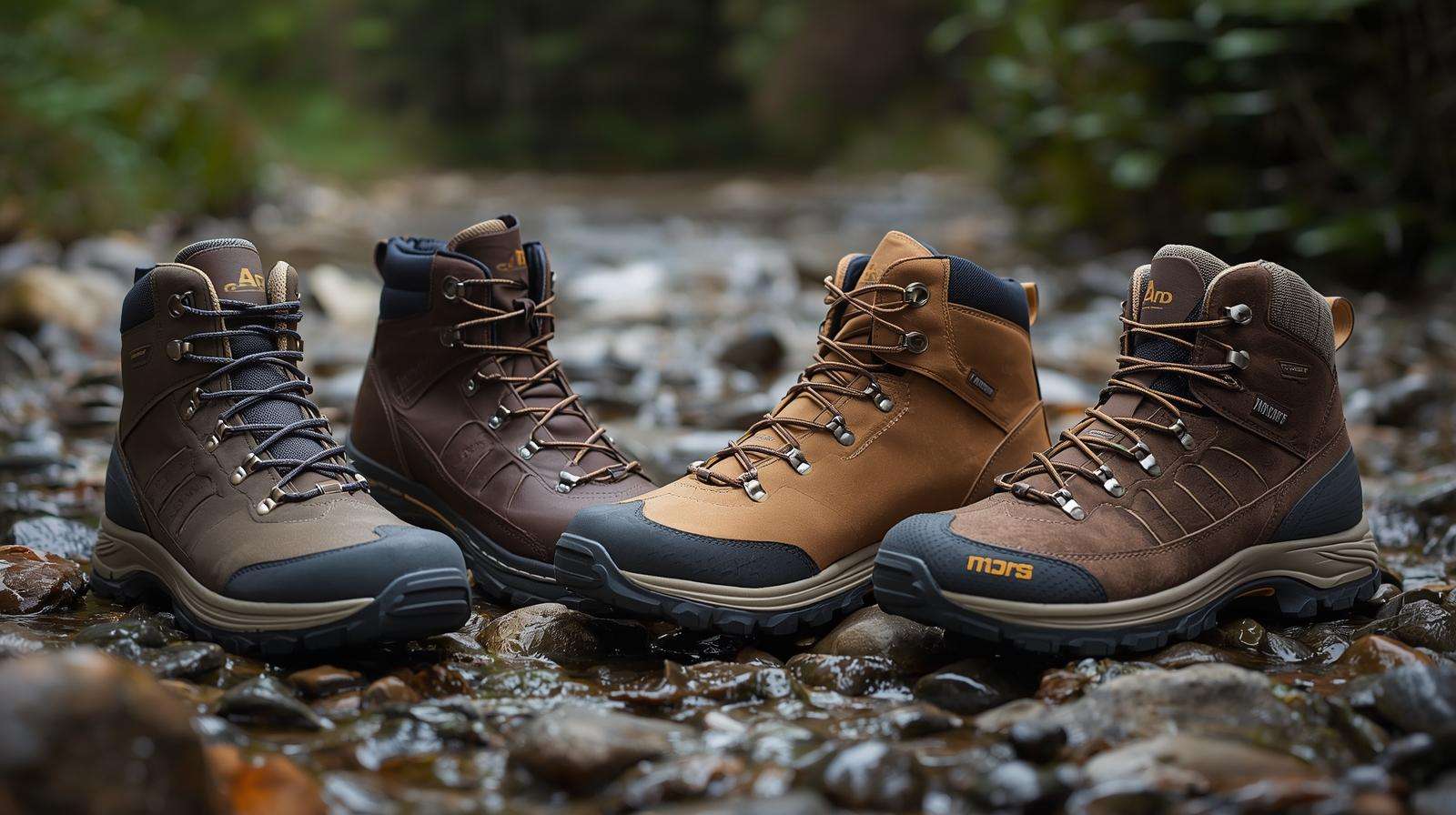
The best way to shop deals on waterproof hiking boots in the United States is to compare the final delivered price, waterproof design, fit, sole grip, and return policy—not just the sale tag. Good deals often appear on last-season colors, older model years, outlet pages, and holiday sales.
For U.S. trails, match the boot to your use. A light boot may suit day hikes in the Pacific Northwest or Northeast. A sturdier mid boot may work better for rocky routes in Colorado, Utah, or the Appalachian region. No waterproof boot is ideal for every trail, season, or foot shape.
This guide explains how to find real value, check whether a boot is truly waterproof, compare common models, avoid poor discounts, and buy with less risk. Prices and stock change often, so treat all price examples as planning ranges, not live offers.

Source: walmart.com
What makes a waterproof hiking boot different?
A waterproof hiking boot uses a water-blocking design to help keep rain, puddle splash, wet grass, and shallow stream water outside. It may use a waterproof membrane, a coated inner layer, sealed seams, or a combination of these parts.
The outer material alone does not prove that a boot is waterproof. Leather, suede, mesh, and synthetic fabric can all need a separate waterproof layer.
A typical waterproof hiking boot has:
- Waterproof membrane or liner: Helps stop liquid water from entering.
- Sealed or protected seams: Reduce leaks at stitching points.
- Gusseted tongue: Connects the tongue to the upper and limits water entry.
- Protective toe cap: Helps shield the foot from rocks.
- Rubber outsole: Provides grip on dirt, rock, mud, and wet ground.
- Cushioned midsole: Absorbs some impact on long walks.
- Ankle collar: Adds support and helps block debris.
Waterproof does not mean submersible. Water can enter from the collar if you step into a deep stream. Moisture can also reach the foot from sweat, wet socks, or water running down your pants.
Waterproof versus water-resistant
These terms are not always used in the same way across brands. In general:
| Label | What it usually means | Best use |
|---|---|---|
| Waterproof | Designed to block water under normal outdoor use | Rain, wet trails, snow, shallow puddles |
| Water-resistant | Repels some moisture but may leak sooner | Dry trails with light rain |
| Water-repellent | Surface treatment helps water bead up | Short exposure to light moisture |
A waterproof membrane can keep rain out, but it can also reduce airflow. If you hike in hot, humid areas such as the Southeast, a non-waterproof trail shoe may feel cooler and dry faster after getting wet.

Source: amazon.com
Where to find good deals on waterproof hiking boots in the U.S.
The most useful sales are not always the largest percentage discounts. A 20% discount on the right boot, with free shipping and easy returns, may be better than a 40% discount on a poor fit or final-sale item.
Check these sales channels:
Brand outlet stores
Outdoor brands often sell older colors, prior-season versions, or items with minor packaging damage through outlet sites. The boot may be new, but the model may no longer be the newest version.
Before buying, compare:
- The exact model name
- The model year, if listed
- Waterproof membrane details
- Return rules
- Warranty coverage
- Shipping cost
Outdoor retailers
Large U.S. outdoor retailers often run seasonal sales around spring hiking season, Memorial Day, Labor Day, and the holiday period. Their main advantage is often the return policy and the ability to compare many brands in one place.
Look for:
- Clearance pages
- Member discounts
- Price matching
- Free store returns
- Open-box or lightly worn items
- Previous model colors
Shoe retailers
Shoe stores may offer strong discounts on popular hiking boots, especially when they need to clear seasonal stock. They may have fewer technical details than outdoor retailers, so verify the boot on the brand’s own website before buying.
Manufacturer websites
Brand websites can offer:
- First-order discounts
- Email sign-up codes
- Factory outlet pricing
- Free shipping thresholds
- Warranty information
- Exact fit notes
Read the terms. Some codes exclude sale items, new releases, or certain collections.
Local stores and used gear
Local outdoor shops may discount display pairs or lightly used boots. Used waterproof boots can be risky because the membrane, seam tape, outsole, or waterproof coating may already be worn.
For used boots, inspect:
- Cracks in the sole
- Open seams
- Worn tread
- Peeling inner lining
- Flattened cushioning
- Strong odor from trapped moisture
- Uneven wear on the heel
Avoid used boots if the seller cannot explain their history or accept returns.

Source: wildforadventuregear.com
How to judge whether a hiking boot deal is real
A deal is useful only when the boot still meets your needs. Use this five-step check before you place an order.
1. Find the normal price
Search the exact model name and version. Brands may sell several boots with nearly identical names but different materials or soles.
Do not compare a current mid-height boot with an older low-cut shoe. Compare the same:
- Model
- Height
- Waterproof version
- Gender or unisex sizing
- Width
- Color
- Retailer condition
2. Calculate the final cost
Use this simple formula:
Final cost = boot price + shipping + tax − discount
For example, a hypothetical boot priced at $120 with a $10 shipping fee and $9.60 in sales tax costs $139.60. A $130 boot with free shipping may cost less after tax.
Also check whether the retailer charges for return shipping. A cheap boot can become expensive if you must pay to send it back.
3. Check the return window
A hiking boot needs an indoor fit test. You should have enough time to wear both boots with your hiking socks on a clean floor.
Look for:
- Return deadline
- Restocking fee
- Final-sale language
- Used-item restrictions
- Return shipping cost
- Exchange options
- Refund method
Do not take a discounted boot outside until you know the return policy. Dirt, scuffs, and trail wear may end your return option.
4. Compare the outsole and upper
A bargain boot with a weak or worn outsole may not offer good value. Check the tread pattern and rubber compound. Deep lugs can help on mud, but they may feel less smooth on pavement.
Also check the upper. A waterproof leather boot may be durable but heavier. A synthetic boot may weigh less and dry faster, but the upper may show wear sooner in rough terrain.
5. Confirm the exact size and width
A discount does not fix a poor fit. The boot should hold your heel without painful pressure and leave room for your toes to move.
A good fit usually includes:
- Toes that do not touch the front while walking downhill
- A heel that stays mostly in place
- No numbness or sharp pressure
- Enough room for hiking socks
- No rubbing at the ankle
- A secure midfoot hold
Feet often swell during long hikes. If the boot fits only with thin socks at home, it may feel too tight on the trail.

Source: agricarehub.com
Which waterproof hiking boot type should you buy?
The right type depends on terrain, weather, pack weight, and how often you hike.
| Boot type | Main benefit | Main trade-off | Good fit for |
|---|---|---|---|
| Waterproof hiking shoe | Light and flexible | Less ankle coverage | Day hikes and maintained trails |
| Low hiking boot | More support than a shoe | Less protection than a mid boot | Mixed trails and travel |
| Mid-height hiking boot | Better ankle coverage and debris control | More weight and warmth | Rocky trails and longer hikes |
| Leather waterproof boot | Durable upper and firm feel | Needs care and may take longer to break in | Frequent use and rough terrain |
| Synthetic waterproof boot | Often lighter and softer | May wear faster in harsh use | Casual hiking and moderate trails |
A mid-height boot is not automatically safer. Ankle support depends on the boot’s structure, fit, and your walking habits. Strong ankles, careful footing, and sensible pack weight matter too.
For a day hike with a light pack, a waterproof hiking shoe may be enough. For a multi-day trip with a heavier pack, you may prefer a firmer boot with stronger underfoot protection.

Source: voyagerinfo.com
Popular waterproof hiking boot examples to compare
These are examples of well-known product families, not a ranking or claim that one model is best for every hiker. Manufacturers may change materials, colors, prices, and construction. Confirm the exact version before buying.
Merrell Moab waterproof models
The Moab line is widely used for casual hiking and day trips. It often appeals to shoppers who want a familiar fit and a broad range of sizes.
Check:
- Whether the listing is a waterproof version
- The available width
- The outsole pattern
- The weight compared with newer versions
- Whether the sale model is the current generation
Columbia Newton Ridge waterproof models
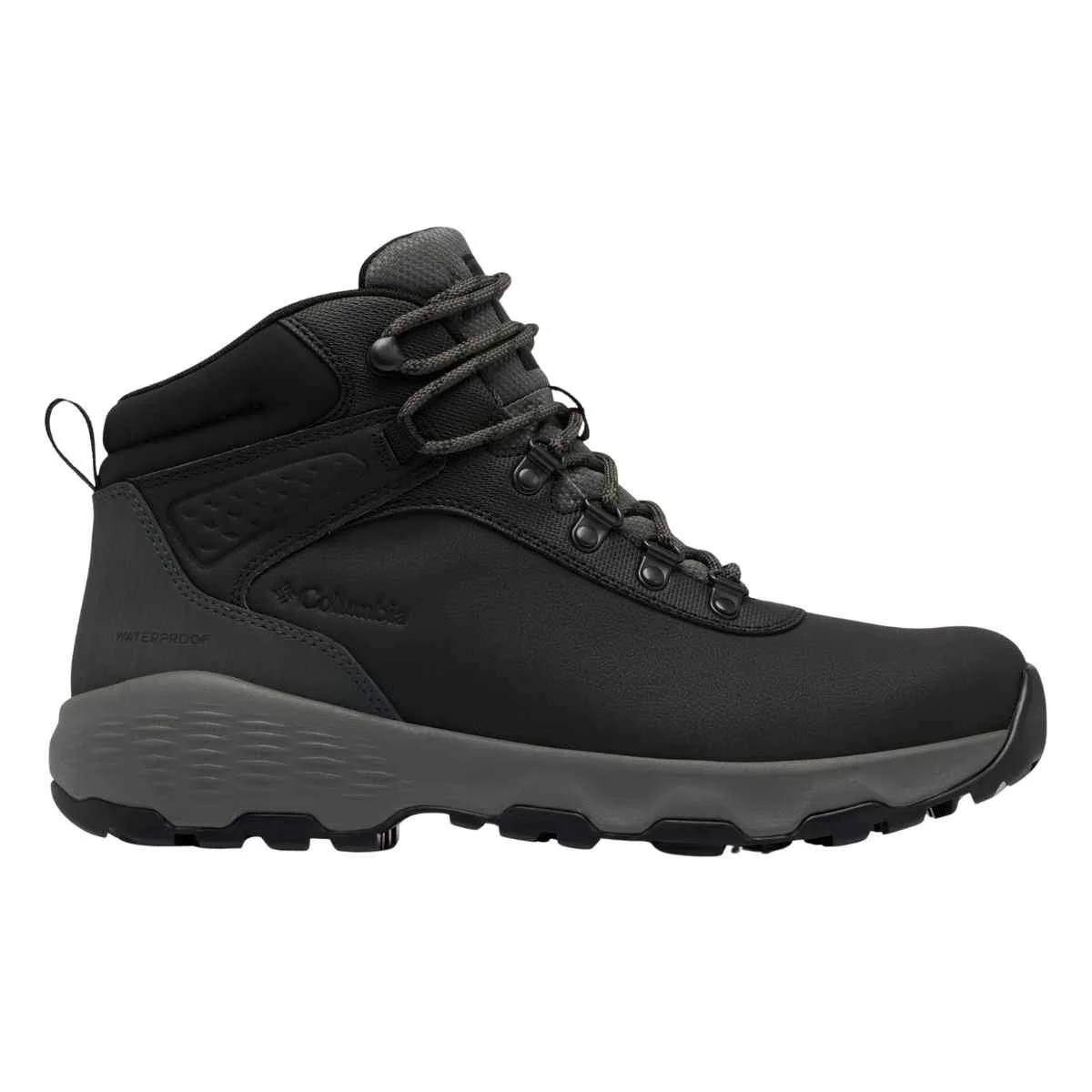
These boots often target casual hikers who want a traditional boot shape at a moderate price. They can be worth checking during outlet and seasonal sales.
Pay close attention to:
- Interior volume
- Heel movement
- Tread depth
- Boot weight
- Return terms
KEEN Targhee waterproof models
Targhee models are known for a roomier toe shape than some narrow hiking boots. They may suit shoppers who need more toe space, but fit still depends on foot shape and the exact version.
Test for:
- Heel hold
- Toe movement
- Width at the midfoot
- Pressure from the lace system
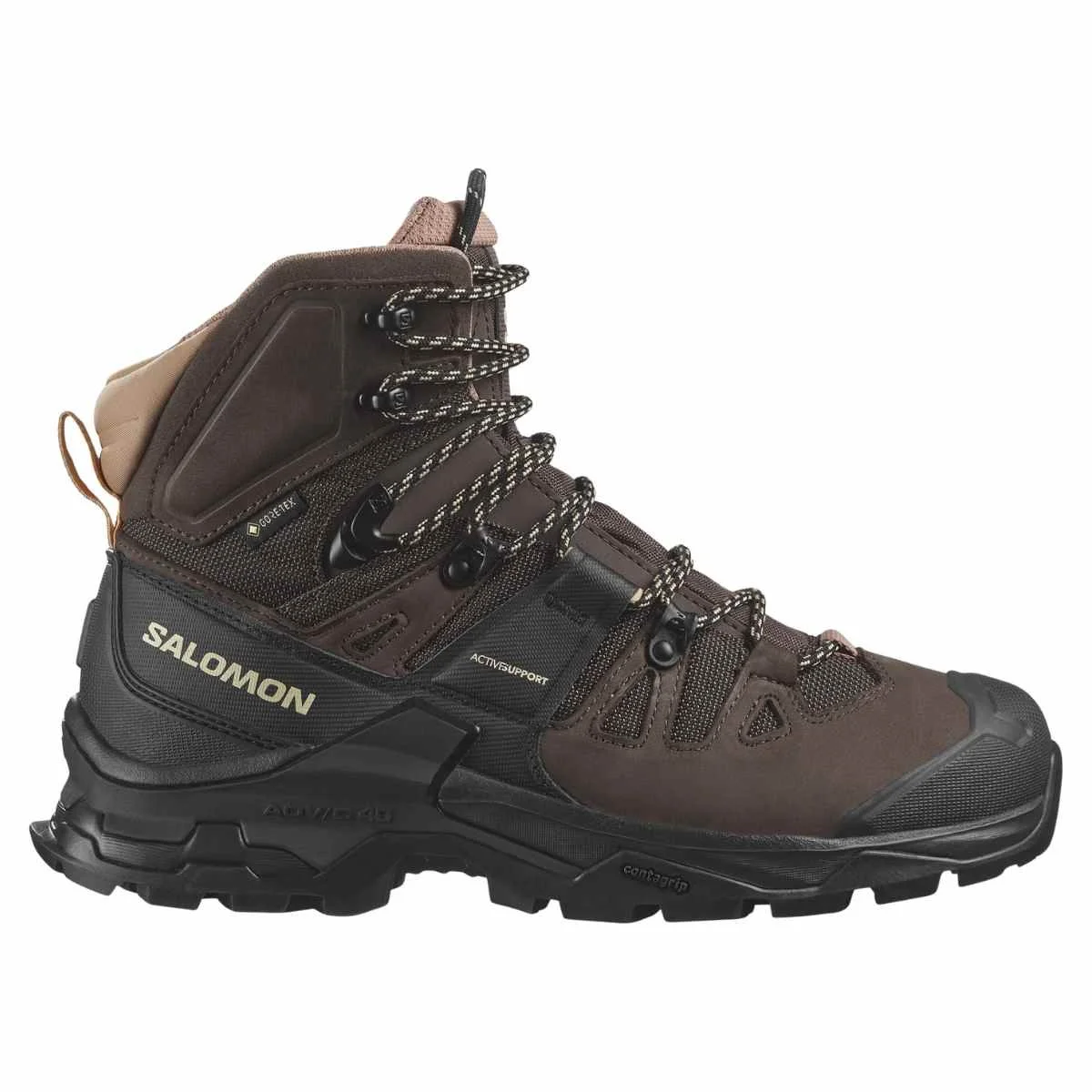
Salomon X Ultra waterproof models
X Ultra models often have a lighter, more athletic feel than traditional leather boots. They may suit hikers who want quick movement on mixed trails.
Compare:
- Low, mid, and higher versions
- Waterproof and non-waterproof versions
- Sole grip for your terrain
- Fit around the heel and forefoot
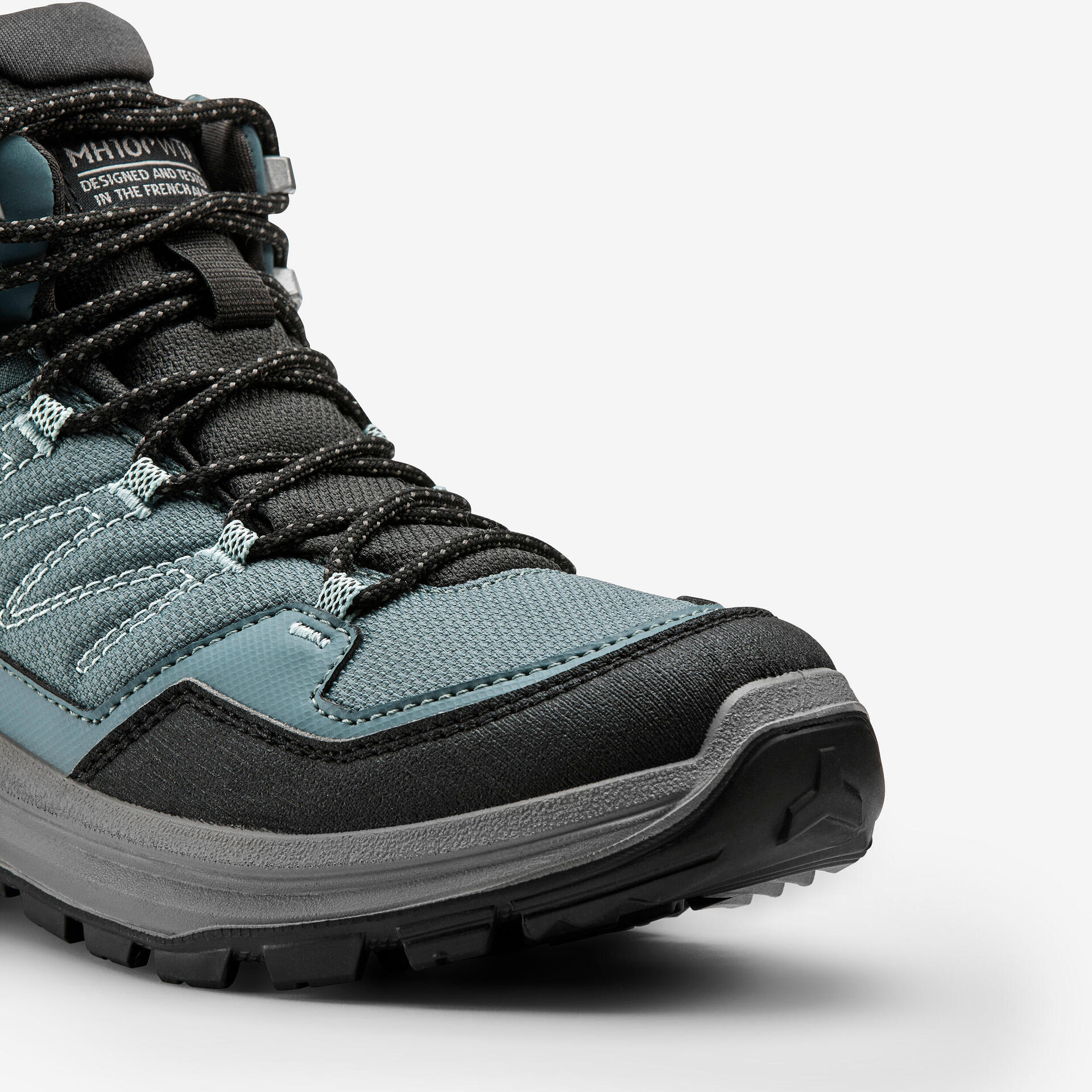
The best bargain is the model that fits your foot and intended trail. A familiar brand name cannot replace an indoor fit test.
Source: decathlon.co.th
How much should you spend on waterproof hiking boots?
Waterproof hiking boots commonly span a wide price range. A lower price does not always mean poor quality, and a high price does not guarantee a better fit.
As a planning guide:
- Under $80: Often clearance, entry-level, older, or less technical models
- About $80–$140: Many solid options for day hiking and general trail use
- About $140–$220: More technical materials, lighter construction, or stronger support
- Above $220: Specialized designs, premium materials, or mountaineering-related features
These are broad shopping ranges, not fixed market rules. A sale can move a higher-priced boot into a lower range.
Consider cost per use. A $150 boot worn 50 times costs $3 per use before maintenance. A $90 boot worn 10 times costs $9 per use. This calculation is only useful if both boots fit well and remain comfortable.
Do not pay extra for features you will not use. A backpacking boot may be unnecessary for paved park paths. A light trail shoe may be a poor choice for heavy loads and rough rock.
Source: decathlon.co.th
How to test fit before wearing the boots outside
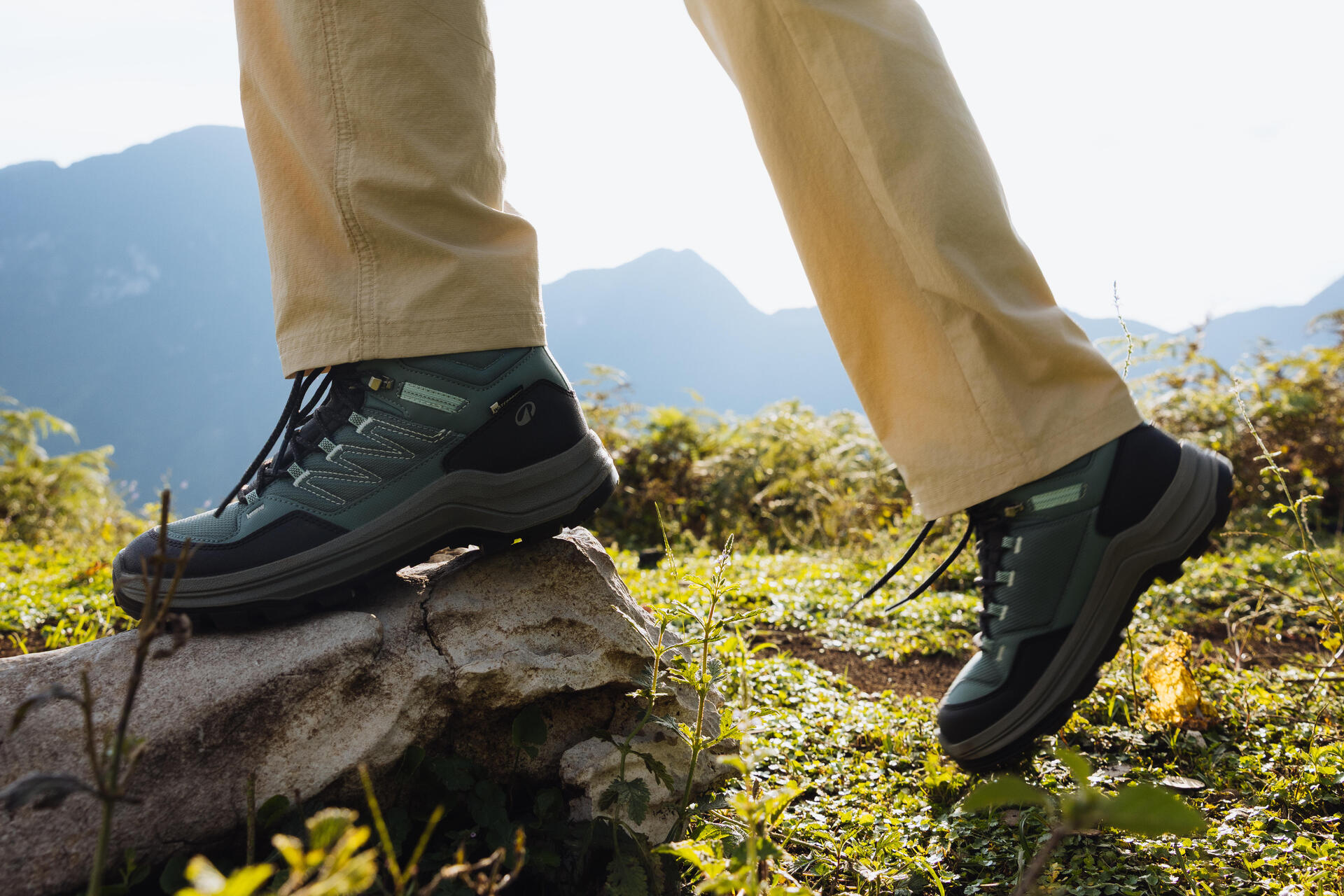
Wear the same socks you plan to use on hikes. Lace both boots, walk on stairs, and stand on a slope if you can do so safely indoors.
Use this test:
- Slide your foot forward until your toes lightly touch the front.
- Check whether you can fit a finger behind your heel.
- Lace the boot normally and walk uphill.
- Walk downhill and check for toe impact.
- Bend your ankle and look for pressure points.
- Stand for at least 10 to 15 minutes.
- Remove the boots and check for red spots or numb areas.
Your heel may lift slightly in a new boot. Repeated lifting, slipping, or rubbing is a warning sign.
If your toes hit the front downhill, try a different size, width, lacing method, or boot shape. Do not assume the boot will stretch enough to solve severe pressure.
If the boot feels too tight, thicker socks will make the problem worse. If it feels loose, a thin insole or different lacing pattern may help, but these changes should not create new pressure.

Source: wildtrailhiker.com
Waterproof boot care after you buy
Care can extend the useful life of a waterproof boot, but it cannot restore a badly damaged membrane or open seam.
After a wet hike:
- Remove the insole.
- Open the laces.
- Brush off mud after it dries.
- Rinse away heavy dirt with clean water.
- Air-dry at room temperature.
- Keep boots away from direct heat, fireplaces, and hot car interiors.
- Follow the brand’s cleaning instructions.
High heat can damage adhesives, leather, foam, and waterproof components. Do not put hiking boots in a clothes dryer unless the manufacturer clearly allows it.
Leather boots may need a product made for the specific leather type. Heavy wax or oil can change the leather’s feel and may affect breathability. Do not apply a treatment simply because it says “waterproof” on the label.
A worn outsole is a performance problem even if the boot still keeps water out. Replace or repair the boot when tread is badly worn, the sole separates, or the upper develops a leak that care cannot fix.
Source: treelinereview.com
Common mistakes when shopping sale hiking boots
Buying only by discount percentage
A large discount may reflect an old model, limited sizes, final-sale rules, or low demand. Compare the complete product and total cost.
Confusing waterproof with breathable
Most waterproof barriers limit airflow to some degree. If your feet sweat heavily, consider whether waterproof protection is worth the reduced ventilation.
Ignoring the tongue and collar
A boot can have a waterproof membrane but still let water in over the top. Height and gusset design matter in wet grass and shallow crossings.
Choosing a boot that is too small
Feet can swell during long hikes. Toe pain often becomes worse on descents.
Wearing cotton socks
Cotton can hold moisture against the skin. Wool or synthetic hiking socks often manage moisture better, though the right choice depends on climate and personal comfort.
Hiking in the boots before checking the return policy
Outdoor use can make a return difficult or impossible. Complete your first fit test indoors.
Assuming waterproof boots work well on ice
Waterproofing protects against moisture. It does not create ice traction. For icy routes, use traction devices that fit the boot and follow the manufacturer’s instructions.
Source: treelinereview.com
Key Takeaways
- Compare the final delivered price, not only the advertised discount.
- Confirm that the exact boot version is waterproof.
- Check fit, width, return rules, and outsole condition before buying.
- Choose a low boot, mid boot, or hiking shoe based on terrain and pack weight.
- A waterproof boot may feel warmer and less breathable than a non-waterproof model.
- Test new boots indoors with your normal hiking socks.
- Keep boots away from high heat and follow the maker’s care instructions.
- Do not buy a final-sale boot unless you already know the model fits.
Frequently Asked Questions
Are waterproof hiking boots worth buying?
They can be worth buying if you often hike in rain, wet grass, mud, or cool conditions. They may be less useful in hot, dry weather or when your main concern is fast drying. Choose based on local trails and climate, not the label alone.
What is a good discount on waterproof hiking boots?
A useful discount depends on the starting price, exact model, and final cost. Clearance prices can be attractive, but check the age of the model, return policy, and remaining sizes. A smaller discount from a retailer with free returns may be the safer purchase.
Should waterproof hiking boots feel tight?
They should feel secure, not tight. Your heel should stay mostly in place, while your toes should have room to move. Numbness, sharp pressure, or toe contact on downhill steps signals a poor fit.
Can waterproof hiking boots be worn in snow?
Many can handle light snow and wet winter trails, but warmth and traction vary. Check insulation, sole design, boot height, and temperature needs. Waterproofing alone does not make a boot suitable for deep snow or ice.
How long do waterproof hiking boots last?
Service life depends on mileage, terrain, body weight, pack weight, care, and construction. Replace or repair boots when the tread is worn, the sole separates, cushioning collapses, or water enters through damage.
Conclusion
To shop deals on waterproof hiking boots in the U.S., start with the trail and weather you expect to face. Then compare the exact model, fit, waterproof construction, outsole, total delivered price, and return policy.
A good sale should lower your cost without forcing a compromise that causes blisters, poor grip, or early replacement. Choose a boot that fits indoors, protects your feet for your terrain, and can be cared for after wet trips.
