
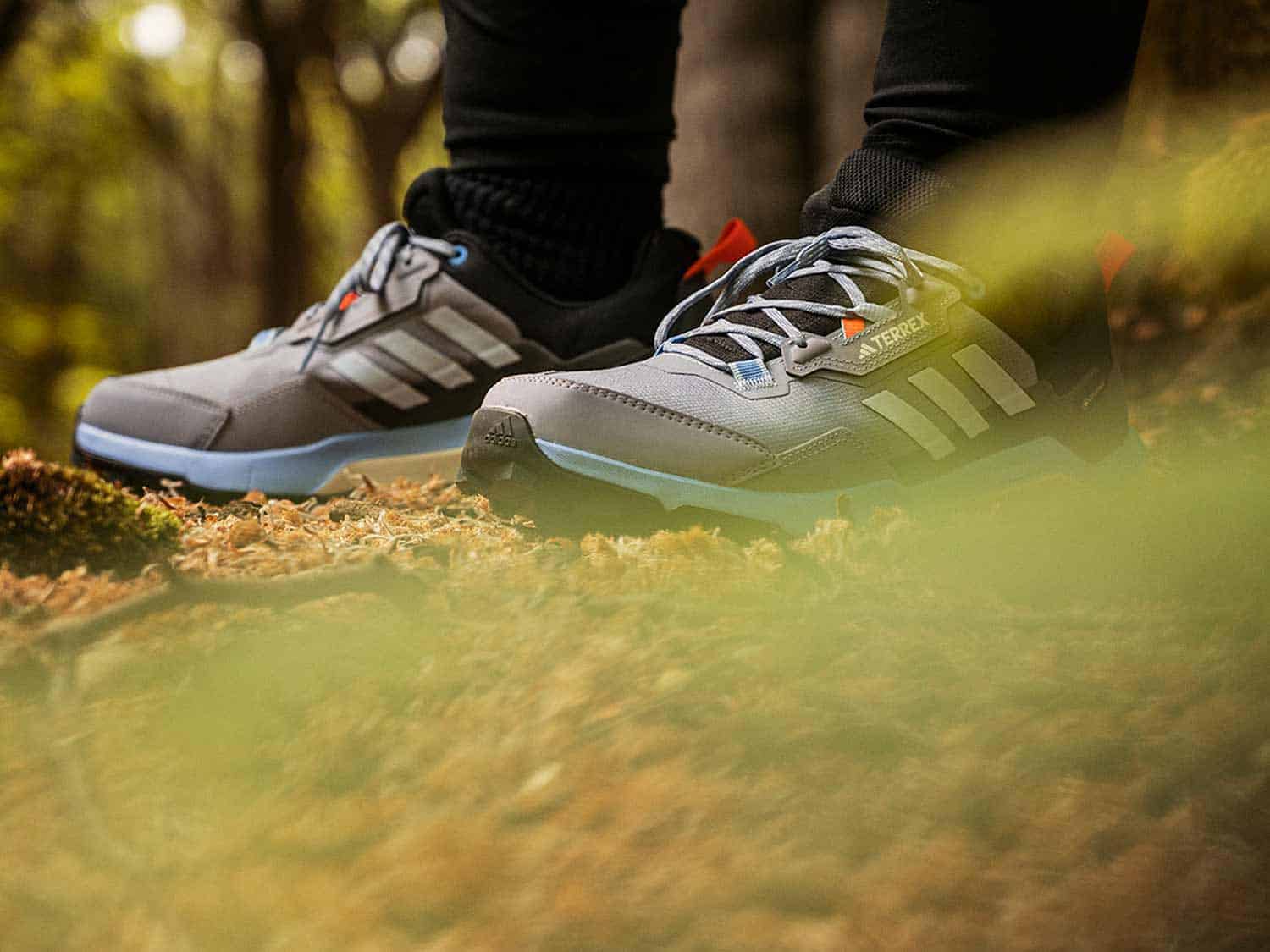
For wet hikes in the United States, choose footwear based on water depth, trail type, weather, and drying time. Waterproof hiking shoes work well for rain, mud, and shallow puddles. Breathable, non-waterproof shoes often work better in warm, wet areas where your feet will get soaked anyway but can dry fast.
The best hiking shoes for wet conditions should have:
- A secure fit that limits heel lift
- A grippy rubber outsole with deep, well-spaced lugs
- A water-resistant or waterproof upper when conditions call for it
- Enough room for your toes to spread
- A stable midsole for slick rock, roots, and uneven ground
- Materials that match the climate and trip length
No shoe stays dry in every condition. Water can enter over the ankle, through the tongue, or from wet socks and clothing. The right choice is the one that manages water well without causing blisters, overheating, or poor traction.

Source: storage.googleapis.com
Waterproof vs. Non-Waterproof Hiking Shoes
Waterproof hiking shoes keep outside water out longer, while non-waterproof shoes usually dry faster after they get wet. The better option depends on how much water you expect and how warm the trail will be.
Waterproof hiking shoes
Waterproof hiking shoes often use a waterproof-breathable membrane inside the upper. The membrane blocks liquid water while allowing some water vapor to pass through.
They are useful for:
- Rainy day hikes
- Muddy trails
- Cold spring and fall trips
- Snowy paths
- Shallow streams
- Wet grass and brush
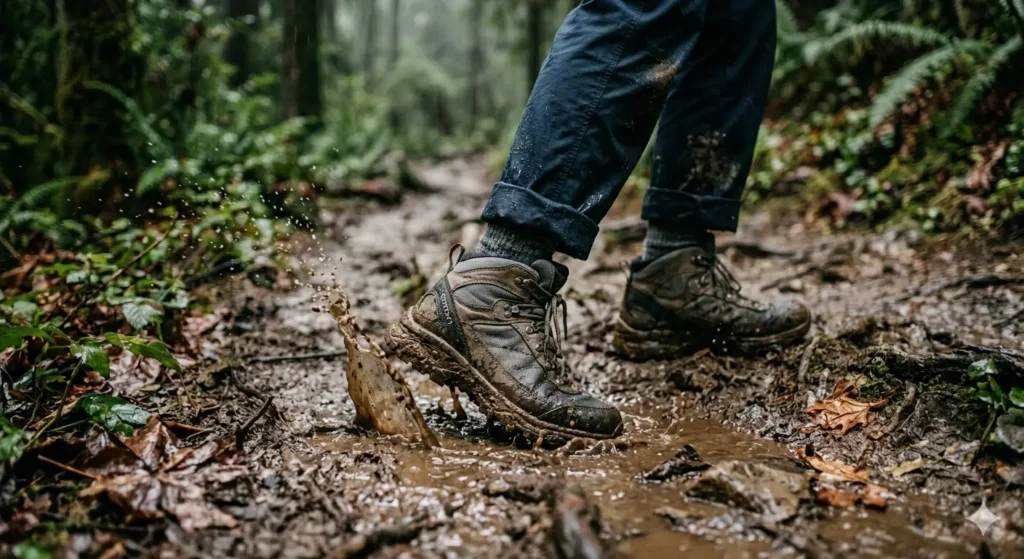
Waterproof shoes are not fully sealed boots. Water can still enter through the shoe opening. If water flows over the collar, the waterproof lining may not help much.
A waterproof shoe can also feel warm in summer. Sweat may build up inside, especially during steep climbs or in humid parts of the United States. Once the shoe becomes wet inside, the membrane and lining may take longer to dry.
Non-waterproof hiking shoes
Non-waterproof shoes use mesh or other open materials to release heat and moisture. They may let rain in sooner, but they can dry more quickly in warm air.
They are often a good fit for:
- Hot desert storms
- Humid summer hikes
- Stream crossings
- Fast day hikes
- Trips where drying footwear is easy
- Routes with repeated wet crossings
A wet mesh shoe is not automatically unsafe. A good fit, low weight, and quick drying can matter more than keeping every drop out.
Simple decision rule
Choose waterproof hiking shoes when the trail will be cold, wet, and mostly covered by rain, mud, or wet vegetation.
Choose non-waterproof shoes when the trail will be warm, humid, or crossed by water often and you can dry your footwear during or after the hike.
This trade-off is consistent with guidance from outdoor footwear makers and the National Park Service. Park conditions vary widely, so local weather, stream levels, and trail alerts should guide the final decision.

Source: jihua3515.com
What Makes a Hiking Shoe Good in Wet Conditions?
Wet-weather performance comes from several parts working together. Waterproof fabric alone does not make a shoe safe or comfortable on a slick trail.
1. A grippy outsole
The outsole is the rubber layer that touches the ground. For wet trails, look for:
- Deep lugs
- Clear space between lugs
- A rubber compound suited to outdoor use
- A firm edge around the heel and forefoot
- Good flex without a loose or floppy feel
Deep lugs can shed mud better than shallow tread. However, lug depth is not a guarantee of grip. Rubber type, lug shape, surface contact, and trail debris also affect traction.
Wet rock, smooth roots, and wooden bridges can remain slippery even with strong tread. Walk slowly, shorten your steps, and place your foot flat when the surface is slick.
2. A secure upper
The upper should hold your foot without creating pressure points. A secure upper helps prevent your foot from sliding inside the shoe when the trail slopes down.
Useful features include:
- A firm heel counter
- A padded but stable collar
- Lacing that holds the midfoot
- A tongue attached at the sides
- Reinforced panels near the toe and heel
A gusseted tongue can reduce water and debris entry near the laces. It does not make the entire shoe waterproof.
3. Protection from rocks and roots
Wet trails can hide hazards under mud and leaves. A protective toe cap can reduce pain from rocks and roots. A firmer midsole can also protect your feet on rough ground.
More protection usually adds weight and may reduce flexibility. For a smooth park trail, a light shoe may feel better. For rocky routes in the Appalachian Mountains, Pacific Northwest, or desert canyon country, more protection may be worth the extra weight.
4. A comfortable foot shape
Your heel should stay in place while your toes have room to move. Your toes should not hit the front when you walk downhill.
Try shoes with the socks you plan to wear. Walk down a ramp or stairs if possible. If your toes touch the front in the store, they will likely hit even more on a long descent.
How to Choose Hiking Shoes for Different Wet Trails
The best hiking shoe changes with the trail and climate. Use the table below as a starting point, not a strict rule.
| Wet condition | Useful shoe type | Main reason | Main limitation |
|---|---|---|---|
| Light rain and wet grass | Waterproof hiking shoe | Keeps feet dry longer | Can feel warm |
| Cold mud and rain | Waterproof hiking shoe or low boot | Adds weather protection | May dry slowly |
| Warm, humid rain | Breathable non-waterproof shoe | Releases heat and dries faster | Feet get wet sooner |
| Frequent stream crossings | Quick-drying trail shoe | Handles repeated soaking | Offers little rain protection |
| Slick rock and roots | Shoe with stable fit and sticky, grippy rubber | Improves control | Still cannot prevent every slip |
| Loose mud | Shoe with spaced lugs | Sheds mud more easily | Mud can still clog the tread |
| Snow and cold slush | Waterproof boot with insulation as needed | Protects against cold water | Heavier and less breathable |
For rainy forest trails
A waterproof hiking shoe is often a practical choice for forest trails with wet leaves, puddles, and rain. Choose a tread that can clear mud and a collar that does not allow water to pool around your ankle.
In places such as the Pacific Northwest, the trail may stay wet for hours. A waterproof upper can help during long periods of light rain. Carry spare socks because water can still enter from the top.
For hot and humid trails
Warm, wet conditions create a different problem. Waterproof shoes may reduce airflow and hold sweat inside.
A breathable mesh shoe can be more comfortable for summer hiking in the Southeast, Gulf Coast, or tropical areas of Hawaii. If you use this type of shoe, pack dry socks and consider lightweight gaiters to keep grit and wet leaves out.
For desert storms
Desert trails can change fast during summer storms. Rain may be brief, but slick rock, mud, and flash flooding can create serious hazards.
Footwear choice matters less than route planning when flooding is possible. Avoid narrow washes and slot canyons during storm risk. Check guidance from the local land manager before leaving.
For snow and freezing water
Regular hiking shoes are not always enough for snow or freezing conditions. Cold water can reduce comfort and dexterity, especially during long exposure.
For winter routes, consider insulated boots, waterproof pants or gaiters, and traction devices when needed. Use the trail agency’s conditions report and avoid treating a low hiking shoe as a winter boot.

Source: warnerparks.org
How to Test the Fit Before You Buy
A good fit reduces blisters, toe pain, and sliding on wet slopes. Test the shoes before using them on a long hike.
- Wear your hiking socks. Thick socks can change the fit.
- Check your toe room. Your toes should not touch the front.
- Walk downhill. Your heel should remain mostly in place.
- Bend and step up. The shoe should flex without pinching.
- Tighten the laces. The laces should secure your foot without cutting into the top.
- Compare both feet. Many people have one foot slightly larger.
- Wear them indoors. Look for hot spots before using them outside.
Do not depend on a break-in period to fix a poor fit. Some materials soften, but a shoe that rubs badly in the store may cause a blister on the trail.
A small amount of heel movement can be normal. Repeated lifting and sliding is not. Try a heel-lock lacing method if the shoe fits well but your heel moves on descents.
Socks, Gaiters, and Other Wet-Weather Gear
Shoes are only one part of a wet-weather system. Socks and gaiters can improve comfort and keep debris away from your skin.
Choose the right socks
Wool and synthetic hiking socks usually manage moisture better than cotton. Cotton absorbs water and can stay wet against the skin.
Bring at least one spare pair on longer hikes. Store the spare socks in a sealed bag inside your pack. Change them if your feet become cold, wrinkled, or irritated.
Use gaiters when water enters from above
Low gaiters cover the opening around the ankle. They help block:
- Sand
- Mud
- Small stones
- Wet grass
- Pine needles
- Light splashes
Gaiters do not replace waterproof footwear. They work best when their shape matches the shoe and their straps stay under the sole without dragging.
Carry foot-care supplies
For longer wet hikes, pack:
- Blister tape or dressings
- A spare pair of socks
- A small towel or cloth
- A plastic bag for wet gear
- A basic first-aid kit
Stop when you feel a hot spot. A small rubbing area can become a painful blister after several more miles.
Source: mytrailwear.com
How to Care for Wet Hiking Shoes
Drying and cleaning your shoes correctly can extend their useful life. Start care soon after the hike.
- Remove the insoles.
- Take out the laces if mud has built up.
- Brush away dried dirt.
- Rinse off heavy mud with clean water.
- Air-dry the shoes at room temperature.
- Keep them away from direct heat, fireplaces, and hot car interiors.
- Clean and re-treat the upper according to the maker’s instructions.
High heat can damage adhesives, coatings, foam, and waterproof membranes. Do not place wet shoes on a heater or use a very hot hair dryer.
Drying time depends on the material, humidity, temperature, and how soaked the shoe became. A waterproof shoe may take longer to dry than a thin mesh shoe because its lining holds more moisture.
If water begins soaking through a shoe that was once waterproof, inspect the surface treatment and seams. Cleaning may restore some water resistance, but a damaged membrane or worn upper may require replacement.
Common Mistakes to Avoid
Choosing waterproof shoes for every climate
Waterproof footwear is useful, but it is not always the most comfortable choice. In hot weather, trapped sweat can make feet wet from the inside.
Assuming waterproof means fully sealed
Low hiking shoes can take on water at the collar. Deep puddles and stream crossings may require boots, gaiters, or a different route.
Buying by lug depth alone
Deep lugs can help in mud, but they do not guarantee grip on smooth wet rock. Fit, rubber, balance, and walking technique matter too.
Wearing cotton socks
Cotton can stay wet and increase friction. Wool or synthetic socks are usually better for damp hikes.
Ignoring downhill fit
Many shoe problems appear on descents. Test the fit downhill before committing to a long route.
Walking normally on slick surfaces
Even the best hiking shoes can slip. Slow down, use trekking poles when helpful, and avoid stepping on smooth surfaces when a rougher option is available.
Are Waterproof Hiking Shoes Worth It?
Waterproof hiking shoes are worth the extra cost or reduced airflow when staying dry matters more than fast drying. They make the most sense for cool, rainy trips, wet grass, and muddy trails.
They may not be worth it for hot climates, repeated water crossings, or trips where you can easily change into dry socks. In those cases, a breathable shoe can offer better comfort and faster recovery after soaking.
The decision is not simply “waterproof or not.” Compare:
- Expected air temperature
- Water depth
- Time spent outdoors
- Trail surface
- Chance to dry the shoes
- Weight and pack space
- Your history of blisters or cold feet
Safety Tips for Wet Hikes
Check the forecast and trail report before leaving. Rain can raise streams, make roads impassable, and create landslide or flash-flood risks.
Turn around if water is moving quickly, rising, or covering the crossing. Never assume a shallow-looking stream is safe because another person crossed it.
Use extra care on:
- Smooth rock
- Mud
- Wet roots
- Bridges
- Steep descents
- Ledges
- Stream crossings
Trekking poles can add balance, but they do not make dangerous water crossings safe. Keep your phone and other critical items in a waterproof bag.
A Simple Buying Checklist
Before buying hiking shoes for wet conditions, ask:
- Will the weather be cold or hot?
- Will I walk through rain, mud, or streams?
- Do I need waterproofing or fast drying?
- Does the tread suit the trail?
- Does my heel stay secure downhill?
- Can my toes move without hitting the front?
- Will the shoe work with my hiking socks?
- Can I return it if the fit fails?
- Do I need gaiters or spare socks?
- Is the shoe appropriate for the season and terrain?
If you are unsure, choose the shoe that matches the most serious condition you expect—not the mildest part of the forecast.
Frequently Asked Questions
Are hiking shoes or boots better for wet conditions?
Hiking shoes are lighter and often more comfortable for day hikes. Boots provide more ankle coverage and can help keep out deeper water. Neither option guarantees dry feet or prevents ankle injuries.
Can I waterproof mesh hiking shoes?
You can apply some water-repellent treatments, but they will not turn open mesh into a fully waterproof shoe. Use only products approved for the shoe’s materials and follow the care instructions.
What are the best socks for wet hiking?
Wool and synthetic hiking socks are common choices because they manage moisture better than cotton. Carry a dry spare pair for longer trips.
How do I stop my feet from getting wet in hiking shoes?
Use waterproof shoes for rain and wet vegetation, tighten the fit, and add low gaiters. Keep in mind that water can still enter over the collar or during stream crossings.
How long should wet hiking shoes take to dry?
Drying time varies with material, temperature, humidity, and how soaked the shoes are. Remove the insoles, open the shoes, and air-dry them at room temperature. Avoid direct heat.
Do waterproof hiking shoes prevent blisters?
No. Blisters usually relate to friction, fit, moisture, heat, and movement. A waterproof shoe can reduce outside moisture but may increase internal heat and sweat in warm weather.
Conclusion
The best hiking shoes for wet conditions balance water protection, traction, fit, comfort, and drying speed. Waterproof shoes suit cool rain, mud, and wet grass. Breathable shoes suit warm climates and repeated water crossings.
Before your hike, match the shoe to the route and weather. Test the fit downhill, wear suitable socks, carry a dry pair, and slow down on slick ground. That approach will do more for comfort and safety than choosing a shoe based on the word “waterproof” alone.
