
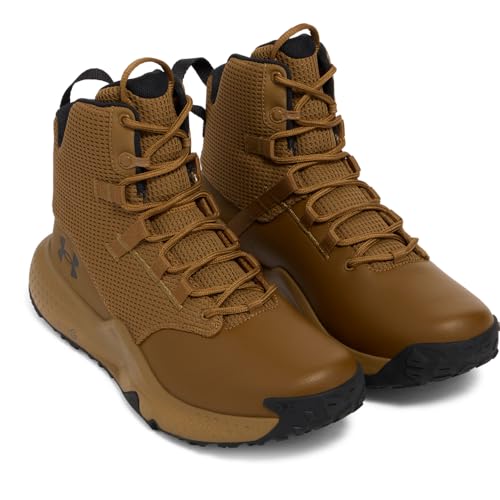
The best Under Armor hiking shoes blend trail grip, steady support, comfort, and weather-ready design.
A long hike can turn hard fast when your shoes slip, rub, or let water in. I have tested hiking footwear by looking at fit, tread, ankle support, comfort, and trail use. Under Armour offers several hiking-ready styles, from light trail shoes to mid-height boots. Some focus on speed and flex. Others give more coverage for wet ground and rough paths. In this guide, I compare five popular options so you can find the right pair for your hikes, workdays, travel, or outdoor trips.
See the differences between my top picks at a glance.
| Model | Best For | Height | Weather Focus | Trail Feel | Buy |
|---|---|---|---|---|---|
| Micro G Stellar Mid | Mixed trails and daily wear | Mid | Basic trail coverage | Cushioned and stable | View on Amazon |
| Charged Valsetz Mid | Rugged work and trail use | Mid | Not the main focus | Firm and supportive | View on Amazon |
| Charged Valsetz Zip Waterproof | Wet trails and easy entry | Mid | Waterproof design | Protected and secure | View on Amazon |
| Charged Bandit Trail 3 | Light trail runs and hikes | Low | Dry trail use | Light and flexible | View on Amazon |
| Charged Bandit Trail 3 Storm Proof | Rainy hikes and wet paths | Low | Storm-proof design | Light with added cover | View on Amazon |
Under Armour Micro G Stellar Mid

The Under Armour Micro G Stellar Mid sits between a hiking shoe and a light boot. Its mid height gives the ankle more coverage than a low trail shoe. That makes it useful for uneven paths, light woods, and daily outdoor work. The Micro G name points to Under Armour’s cushioning approach, which aims to soften foot strikes without making the shoe feel overly soft.
I like this style for people who want one pair for short hikes and normal wear. The brown color also looks less technical than many bright trail shoes. It can fit well into travel plans where you want one pair for walking, trails, and casual use. Still, buyers should check the current Amazon listing for the exact materials, fit notes, and available sizes before ordering.
Pros:
- Mid-cut shape gives useful ankle coverage.
- Cushioned feel suits long walks and easy hikes.
- Versatile brown color works for outdoor and casual wear.
- More protective than a low running shoe.
- Good choice for mixed paths and light trail use.
- Can serve as a travel-friendly outdoor shoe.
Cons:
- Mid height may feel warm to some hikers.
- It may feel less nimble than a low trail shoe.
- It is not the clearest choice for deep mud or very wet weather.
What Amazon Buyers Are Saying
Buyer feedback for mid-height outdoor shoes often centers on fit, comfort, and break-in time. Shoppers tend to value the added coverage and cushioned step. Some may find that a mid shoe feels snug around the ankle at first, especially with thick hiking socks. As with any Amazon footwear listing, reviews can vary by foot shape and size, so I suggest reading recent comments about width, sizing, and comfort after several hours of wear.
My Recommendation
I recommend the Micro G Stellar Mid for casual hikers who want balanced comfort and coverage. It makes more sense for maintained trails than for demanding mountain routes. It is also a good option for travel, yard work, and cool-weather walking. I would buy it when I want a flexible mid hiking shoe, not a heavy backpacking boot.
Under Armour Charged Valsetz Mid

The Under Armour Charged Valsetz Mid has a tougher, more work-ready look. It uses a mid-cut profile for extra coverage around the ankle and lower leg. The Charged cushioning label suggests a responsive midsole built for daily steps and active use. This model may appeal to shoppers who need a shoe for trails, work areas, travel, and outdoor chores.
Compared with a light trail runner, the Valsetz Mid appears more structured. That can help when you walk over rough ground or carry a small pack. The trade-off is a less airy feel than a low shoe. I would place this model on the supportive side of the Under Armor hiking shoes range, but I would still check the product page for tread details and water protection before using it in harsh weather.
Pros:
- Mid-cut design adds support around the ankle.
- Structured build suits active work and trail walking.
- Charged cushioning aims to reduce harsh foot impact.
- Brown color hides dust and outdoor wear well.
- Useful for people who prefer a boot-like feel.
- Versatile enough for trails, travel, and outdoor tasks.
Cons:
- May feel heavier than a low trail shoe.
- It may need a short break-in period for some feet.
- Do not assume waterproof protection unless the listing states it.
What Amazon Buyers Are Saying
Amazon shoppers usually look closely at comfort, sizing, and support when they review the Valsetz line. Positive comments often focus on the sturdy feel and use across work or outdoor settings. The most useful critical comments tend to involve fit, toe room, and weight. I would compare several recent reviews rather than rely on one comment, since a snug fit can feel supportive to one buyer and restrictive to another.
My Recommendation
The Charged Valsetz Mid is worth considering if you want a firm, supportive outdoor shoe with mid-height coverage. I prefer it for day hikes, work, and rough daily use. It is not my first pick for hot-weather speed hiking. Choose it when stability and protection matter more than a light, airy feel.
Under Armour Valsetz Zip Waterproof

The Charged Valsetz Zip Waterproof targets hikers and workers who need more weather protection. Its waterproof name is the key feature, while the side zip aims to make entry easier than a standard lace-up boot. The mid height adds coverage around the ankle. Together, these features make it a practical choice for wet paths, rainy commutes, and outdoor jobs.
A zip can save time when you put the shoe on many times during the day. It can also make the fit feel different from a full lace system, so I would still use the laces to set the main fit. Waterproof shoes often feel warmer than mesh trail shoes. For that reason, I see this model as a protection-first option rather than a warm-weather running shoe.
Pros:
- Waterproof design suits wet ground and rainy days.
- Side zip can speed up entry and removal.
- Mid height gives extra ankle coverage.
- Charged cushioning supports regular walking.
- Useful for work, travel, and outdoor chores.
- Black color pairs easily with outdoor clothing.
Cons:
- Waterproof construction may reduce airflow.
- A zip adds another part that needs proper care.
- It may feel too warm for dry summer hikes.
- Waterproof shoes still need careful drying after use.
What Amazon Buyers Are Saying
Reviews for waterproof mid shoes usually focus on whether feet stay dry, how easy the zip feels, and whether the shoe fits true to size. Buyers who like this type of design often value quick entry and the added protection in rain. Some shoppers may report a warmer feel or a need to adjust the laces before using the zip. I suggest reading recent reviews that mention rain, puddles, socks, and long wear, since those details offer the best real-world guide.
My Recommendation
I recommend the Valsetz Zip Waterproof for wet climates and people who value easy entry. It is a strong choice for rainy walks, work, and moderate trails. It may not suit hikers who want maximum airflow or a very light shoe. Overall, its weather focus gives it a clear purpose and makes it one of the more practical Under Armor hiking shoes for damp conditions.
Under Armour Charged Bandit Trail 3

The Charged Bandit Trail 3 takes a lower and lighter approach. It fits the needs of hikers who like a running-shoe feel on maintained trails. A low cut lets the ankle move freely and can help the shoe feel less bulky. The Charged name points to cushioning made for active steps, which may suit fast walks and light trail runs.
This model makes the most sense when the route stays fairly dry and clear. Low trail shoes can feel cool and flexible, but they offer less ankle coverage than a mid boot. They also expose more of the foot to rain, brush, and loose debris. I would choose the Bandit Trail 3 for speed, comfort, and easy trail use rather than deep mud or rough off-trail travel.
Pros:
- Low profile supports a free, natural ankle feel.
- Light design suits fast hikes and trail runs.
- Cushioned midsole helps on long walking routes.
- Less bulky than a mid-height outdoor shoe.
- Works well on maintained paths and dry trails.
- Black color gives the shoe a simple outdoor look.
Cons:
- Low cut offers less ankle coverage.
- It is not the best match for wet weather unless stated otherwise.
- Loose gravel and brush may enter more easily than with a mid shoe.
- Some hikers may want more structure for heavy packs.
What Amazon Buyers Are Saying
Trail-running shoe reviews often mention weight, comfort, grip, and fit. Buyers who prefer a light shoe tend to appreciate the flexible feel and easy walking motion. Common concerns in this category include toe room, sole feel, and how the shoe performs on wet or rocky ground. I would pay close attention to comments from hikers with a similar use case. A shoe that feels great on a park trail may not offer enough protection for a steep, rough route.
My Recommendation
The Charged Bandit Trail 3 is my pick for hikers who want a light shoe for dry paths. It should suit day hikes, trail walks, and light trail runs. I would not choose it for constant rain, deep mud, or heavy backpacking. If you value a flexible feel more than ankle coverage, this model offers a strong balance.
Under Armour Bandit Trail 3 Storm Proof

The Charged Bandit Trail 3 Storm Proof keeps the low-cut shape of the Bandit line while adding more weather protection. It targets hikers who like a flexible trail shoe but often face rain, damp grass, or wet paths. The storm-proof label is the main difference from the standard Bandit Trail 3. That makes it a useful middle ground between a breathable trail shoe and a taller waterproof boot.
I like this type of shoe for day hikes where the weather can change. The low shape still allows easy movement, while the added cover helps protect the foot. It may feel warmer than the regular Bandit Trail 3. Buyers should also confirm the current listing details, since water protection can vary in level and may not equal the coverage of a tall waterproof boot.
Pros:
- Storm-proof design adds useful weather coverage.
- Low shape keeps the shoe flexible and easy to walk in.
- Good fit for rainy day hikes and wet urban paths.
- Charged cushioning supports active daily use.
- Less bulky than a waterproof mid boot.
- Black finish is easy to match with outdoor clothing.
Cons:
- It gives less ankle coverage than a mid-height boot.
- Added weather protection may reduce airflow.
- It may not handle deep water like a taller waterproof boot.
- Low shoes can allow debris to enter on loose trails.
What Amazon Buyers Are Saying
Feedback on storm-ready trail shoes often centers on rain performance, comfort, fit, and breathability. Buyers who spend time in changing weather may value the extra protection over the standard version. Some may prefer the lighter feel of a normal mesh trail shoe in dry heat. When you read Amazon feedback, look for comments that explain the weather conditions, trail length, and socks used. Those details help separate useful experience from a quick first impression.
My Recommendation
I recommend the Storm Proof version for hikers who want a low shoe with added rain protection. It is a smart choice for wet city walks, light trails, and changeable weather. I would choose the Valsetz Zip Waterproof for deeper wet conditions or more ankle coverage. For most day hikers, this model gives the best mix of movement and weather protection.
How to Choose Under Armor Hiking Shoes
The right pair depends on your trail, weather, foot shape, and walking style. Do not choose only by color or brand name. A low trail shoe can feel fast and cool. A mid shoe can give more coverage and a firmer step. Weather-ready models can keep feet drier, but they may feel warmer. Use the points below before you place an order.
1. Match the Shoe Height to Your Trail
Low shoes work well on easy trails, park paths, and fast day hikes. They let your ankle move freely and often feel lighter. They also offer less protection from rocks, brush, and loose dirt.
Mid hiking shoes cover more of the ankle. I prefer them for uneven ground, cooler days, and routes where I carry more than a small day pack. They do not replace careful foot placement, but they can feel more secure. If you have a history of ankle pain, ask a health professional what support fits your needs.
2. Check Grip, Cushioning, and Weather Protection
Look at the sole pattern and the product details before buying. A trail shoe should give you a stable step on the surfaces you expect to use. Smooth pavement, packed dirt, wet leaves, and loose rock all need a different level of grip. Do not assume that every shoe with the word “trail” has the same traction.
Cushioning also matters. A soft feel can help on long walks, while a firmer platform can feel more stable under a pack. Under Armour uses different cushioning names across its shoes, including Micro G and Charged. These names describe the brand’s design systems, but your own foot will decide which feel works best.
For rain, check for clear terms such as waterproof or Storm Proof in the listing. Even then, read the care instructions. Water can enter through the collar, tongue, or opening. No low hiking shoe gives the same protection as a tall boot in deep water.
3. Compare Fit, Use, and Long-Term Value
Measure both feet late in the day, when feet may be a little larger. Wear the socks you plan to use on the trail. Leave enough room for your toes to move, but do not let your heel slide. A loose heel can cause blisters. A short toe box can cause pain on downhill sections.
Read the size chart and recent Amazon reviews. Look for notes about width, arch feel, toe room, and break-in time. Product colors and sizes can use separate listings, so confirm that the page shows your preferred model and size before you buy.
Think about value too. A shoe that works for hiking, travel, and daily wear may offer better value than a pair used only twice a year. On the other hand, a serious hiker may gain more from a purpose-built model with the right grip and protection. The best Under Armor hiking shoes are the ones that match your real routes, not just your wish list.
Final Verdict: Which Should You Buy?
For most buyers, the Charged Bandit Trail 3 Storm Proof offers the best balance of light movement and weather coverage. Choose the Valsetz Zip Waterproof for more rain protection, or the Micro G Stellar Mid for mid-height comfort.
These Under Armor hiking shoes cover easy trails, wet walks, daily work, and travel. Check fit, tread, and listing details before ordering for the best result.
FAQs Of Under Armor Hiking Shoes
Are Under Armor hiking shoes good for day hikes?
Yes. Several models suit day hikes, but the best choice depends on trail condition. Low Bandit models fit easy trails, while mid Valsetz and Stellar styles offer more coverage.
Which Under Armor hiking shoes are best for rain?
The Charged Valsetz Zip Waterproof and Charged Bandit Trail 3 Storm Proof focus on wet-weather use. Check the current product listing for the exact protection details.
Are Under Armor hiking shoes true to size?
Fit can vary by model and foot shape. Check the size chart and read recent buyer comments about width, toe room, and heel fit before ordering.
Should I choose low or mid Under Armor hiking shoes?
Choose low shoes for light weight and free ankle movement. Choose mid shoes for more ankle coverage, cooler weather, and rougher paths.
Can I use Under Armor hiking shoes for daily walking?
Yes. The cushioned trail and mid-height styles can work for daily walks, travel, and outdoor tasks. Select the model that matches your preferred weight and weather protection.
