
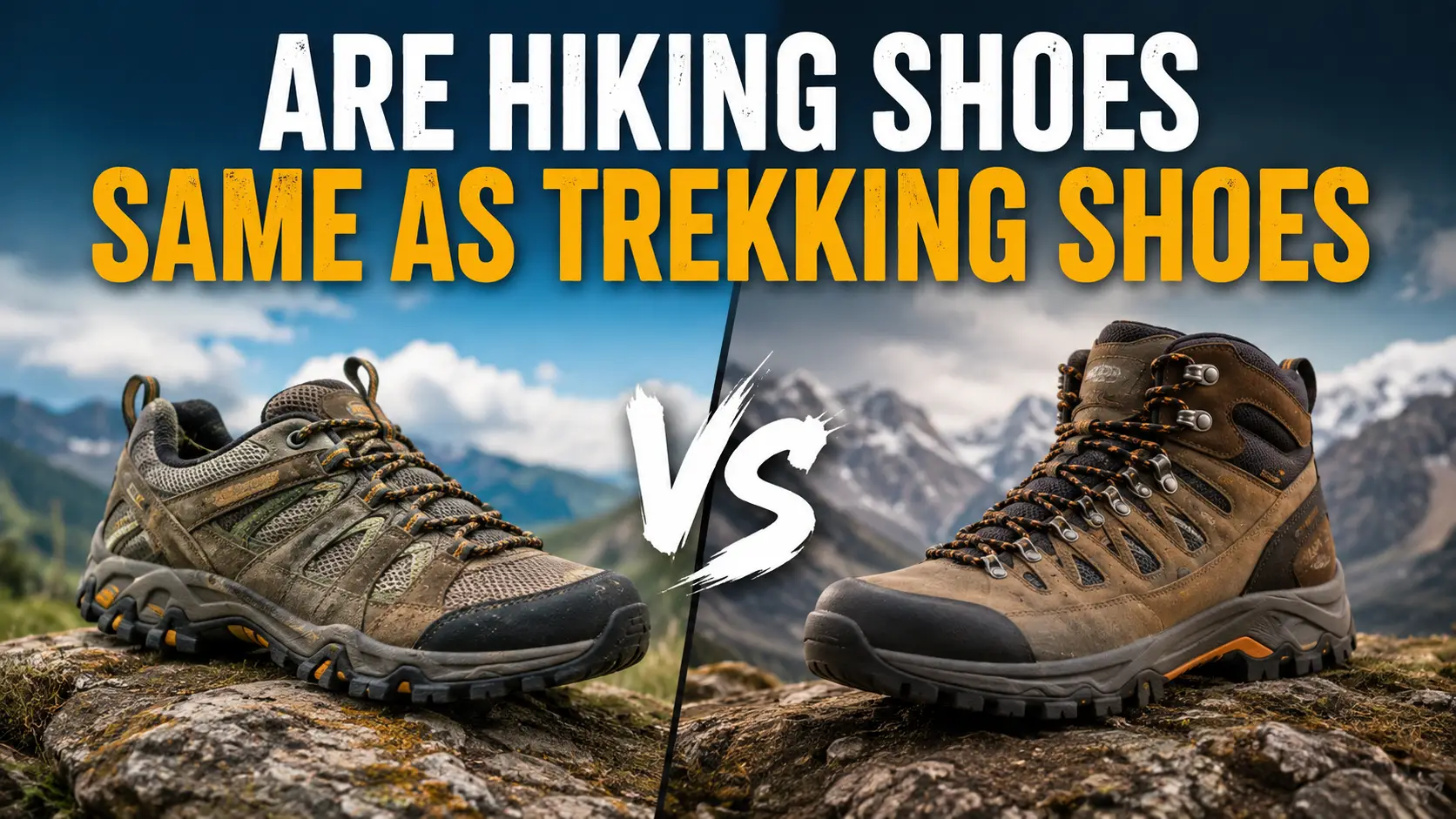
You’ve probably seen “hiking shoes” and “trekking shoes” on boxes or online, and maybe wondered if they’re basically the same thing. It’s a super common question, and honestly, the lines can get a bit blurry. But to put it simply, while they share a lot of DNA, they’re usually designed for slightly different adventures.
Think of it like this: all squares are rectangles, but not all rectangles are squares. Similarly, most trekking shoes can be used for hiking, but dedicated hiking shoes might not be the best pick for a long, challenging trek. Manufacturer specifications often highlight differences in flexibility, with hiking shoes typically rated higher in that regard compared to the stiffer build of trekking footwear.
The Quick Take: Are They the Same?
No, hiking shoes and trekking shoes are not exactly the same, though they share many similarities and can sometimes be used interchangeably for certain activities. The primary reason for their distinction lies in the intended terrain, duration, and load the footwear is designed to handle. Hiking shoes are generally lighter and more flexible, ideal for day hikes on well-maintained trails. Trekking shoes, on the other hand, are built to be more robust, offering greater support, durability, and protection for longer, more demanding expeditions on rougher ground.
Understanding the Core Differences
The fundamental differences between hiking and trekking shoes boil down to how they’re constructed to meet the demands of different types of outdoor journeys. It’s all about matching the shoe’s capabilities to the challenges you’ll face on the trail.
Flexibility and Feel
Flexibility is a key differentiator. Hiking shoes are typically designed to be more flexible. This allows your foot to roll naturally as you walk, which feels comfortable and agile on smoother paths. For a day hike where you’re moving quickly on established trails, this natural motion is a big plus.
Trekking shoes, however, are engineered with less flexibility and more stiffness. This might feel less nimble, but it’s crucial for stability. On uneven, rocky, or root-filled terrain, that extra stiffness helps prevent your foot from bending in awkward ways and reduces fatigue over long distances. It provides a solid platform with every step, no matter how irregular the ground beneath you.
Ankle Support: Low vs. Mid-High Cut
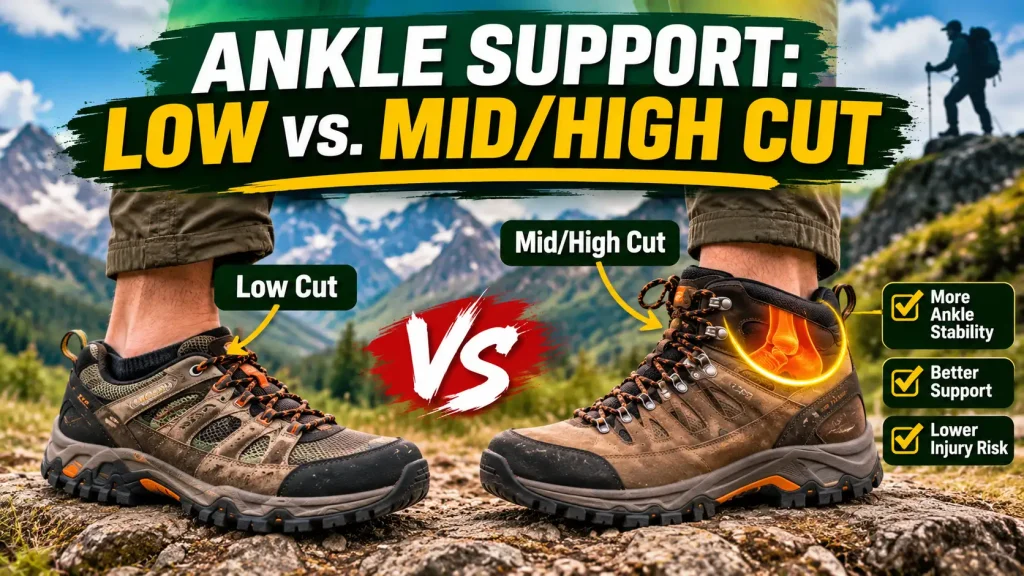
When we talk about ankle support, we’re usually referring to the height of the shoe’s collar. Standard hiking shoes are almost always low-cut. This means they finish below your ankle bone, offering minimal direct support to your ankle itself. This design prioritizes freedom of movement and reduced weight, making them feel more like sturdy sneakers.
Trekking shoes, on the other hand, frequently come in mid- or high-cut designs. These versions extend above your ankle bone, often with more padding and a snugger fit. This wrap-around design significantly increases ankle stability, offering a crucial protective barrier against twists and rolls when you’re navigating tricky terrain or carrying a heavy load.
Sole and Traction: Grip on the Trail
The sole of your footwear is where the rubber meets the road, or, in this case, the trail. Trekking shoes typically feature thicker, more robust soles compared to hiking shoes. These soles are designed for maximum durability and protection, often incorporating deeper, more aggressive lugs (the raised patterns on the sole). These aggressive lugs provide superior grip on a wider variety of surfaces, from mud and scree to wet rocks.
Hiking shoes usually have lighter, thinner soles with shallower lug patterns, which are optimized for grip on less demanding trails. While still offering good traction, they might not bite as deeply into loose soil or provide the same level of puncture resistance from sharp rocks as a trekking sole. Aggregates of user reviews often highlight the importance of sole firmness in reducing foot fatigue on longer treks.
Key Features Compared
Here’s a breakdown of how the core specifications stack up between dedicated hiking shoes and trekking shoes. As of 2026, manufacturing standards continue to emphasize these distinctions to serve specific outdoor needs.
| Feature | Hiking Shoes | Trekking Shoes |
|---|---|---|
| Flexibility | More flexible, allowing natural foot roll. | Stiffer, providing increased stability on uneven ground. |
| Ankle Support | Typically low-cut, offering minimal ankle wrap. | Often mid- or high-cut, delivering significant ankle support. |
| Sole Sturdiness | Lighter, thinner soles with moderate lug depth. | Thicker, more robust soles with deeper, aggressive lugs. |
| Weight | Generally lighter, for easier mobility. | Heavier, built for enhanced durability and support. |
| Cushioning | Moderate cushioning for everyday comfort. | More substantial cushioning for impact absorption on long miles. |
| Durability | Good for moderate use and shorter distances. | Engineered to withstand tougher conditions and extended mileage. |
| Waterproofing | Varies; often available but breathability is key. | Typically features robust waterproofing for varied weather. |
When to Choose Hiking Shoes: The Day Hike Advantage
Choosing the right footwear for your outdoor pursuits is key to comfort and enjoyment, and for shorter excursions, hiking shoes are often the go-to. They’re specifically designed to make your adventures on less demanding terrain feel effortless.
Best For: Low-Impact Trails and Short Trips
Hiking shoes excel when your itinerary involves day hikes, shorter weekend trips, or walks on well-maintained trails. Think of paths in local parks, established forest trails, or scenic routes that don’t present extreme challenges. They are perfect if you’re just starting out and want to get a feel for being on the trail, or if you prefer to travel light without a heavy backpack. If your primary goal is to cover a few miles comfortably without needing heavy-duty support, a good pair of hiking shoes fits the bill perfectly.
For these types of outings, you might also be interested in learning about What To Bring On A Day Hike.
Why They Work: Lightweight Comfort and Agility
The design of hiking shoes prioritizes a lightweight feel and a comfortable, athletic shoe-like experience. Their lighter weight means you expend less energy with every step, which is a significant advantage over longer distances within a single day. The increased flexibility lets your foot flex naturally, mimicking the movement of a regular athletic shoe. This agility is beneficial on trails where you might encounter some roots or moderate inclines but nothing overly technical.
They offer enough protection and traction for these milder environments, ensuring your feet stay comfortable and supported throughout your outing. Their construction often emphasizes breathability, which is a major plus on warmer days to prevent overheating.
When to Choose Trekking Shoes: The Multi-Day Expedition
If your outdoor plans involve more than just a casual stroll, trekking shoes are likely your best bet. They’re built to handle the rigors of extended trips where support and durability are non-negotiable.
Best For: Rugged Terrain and Heavy Loads
Trekking shoes are specifically engineered for longer expeditions, backpacking trips, and navigating challenging, uneven environments. This means they’re ideal for trails that are rocky, root-strewn, steep, or muddy for sustained periods. If you plan on carrying a significant amount of gear in your backpack, such as for multi-day backcountry adventures, the robust construction of trekking shoes becomes essential. Their design is meant to provide reliable performance and protection when you’re far from civilization and your footwear is your primary interface with the ground.
For advice on what to carry on these extended journeys, check out our guide on Hiking Backpack Essentials.
Why They Work: Support, Stability, and Protection
The reason trekking shoes perform so well on tough terrain is their emphasis on support, stability, and protection. The stiffer sole acts like a shield underfoot, reducing the impact from rocks and roots and preventing your feet from feeling every single irregularity. This substantial cushioning absorbs shock over many miles, combating the fatigue that can set in on long treks. The often higher cut also provides that vital ankle wrap, working in tandem with a well-laced boot to minimize the risk of twists and sprains, which are common on unpredictable trails.
These shoes are built to be rugged companions that you can rely on day after day, mile after mile.
Can You Use Hiking Shoes for Trekking? (And When Not To)
While it might be tempting to use your trusty hiking shoes for a longer trekking adventure, it’s important to understand the potential trade-offs. The differences in design, though subtle, can have a significant impact on your experience.
The Risks of Underfoot Protection
Using hiking shoes on a demanding trek is generally not recommended because they lack the robust underfoot protection that trekking shoes offer. Their soles are typically thinner and less stiff, meaning sharp rocks, roots, and uneven surfaces can transmit more shock and even pressure directly to your feet. Over many miles and hours, this can lead to intense foot fatigue, bruising, and discomfort. While some hikers may tolerate this on shorter trips, for multi-day treks, it can turn an enjoyable adventure into a painful ordeal.
Verified buyer feedback often points to this critical difference for extended use.
When a Hike Becomes a Trek
The transition from a hike to a trek isn’t just about distance; it’s about the changing demands on your body and gear. A hike might be a few hours on a marked trail, while a trek implies sustained effort over multiple days, often with a fully loaded backpack. This added weight significantly increases the stress on your feet and ankles. Trekking shoes are built to counter this extra load with superior cushioning and ankle support.
If you’re planning to carry your shelter, food, and supplies, the increased stability and shock absorption of trekking shoes are paramount for safety and comfort. This makes them a much sounder choice for serious expeditions.
Common Mistakes to Avoid When Choosing
When you’re looking for footwear for your outdoor adventures, several common slip-ups can lead to discomfort or even injury. Understanding these pitfalls will help you make a more informed decision.
Mismatching Footwear to Your Adventure
One of the most frequent errors is choosing footwear that doesn’t align with the intended activity. For example, wearing lightweight, flexible hiking shoes on a multi-day backpacking trip through rocky terrain. This mismatch can lead to inadequate support, blisters, and an increased risk of ankle injuries. Conversely, opting for overly stiff and heavy trekking boots for short, casual day hikes can feel cumbersome and unnecessarily restrictive.
It’s about matching the shoe’s core design purpose to the demands of your specific outing.
Assuming All Outdoor Shoes Are Equal
Another common mistake is believing that all shoes designed for outdoor use are interchangeable. The truth is, brands put a lot of thought into designing specialized footwear. A trail runner is different from a hiking shoe, which is different from a trekking shoe, and each has its own set of strengths and weaknesses. Relying on footwear that looks similar but lacks the specific construction for your needs, like using water-resistant shoes when full waterproofing is required, or ignoring ankle support when it’s crucial, can lead to significant discomfort or functional limitations on the trail.
Expert Advice for Picking Your Perfect Pair
Selecting the right footwear is about more than just aesthetics; it’s about ensuring your feet are well-supported and protected for the conditions you’ll face. Our research and analysis of manufacturer specifications suggest a few core principles to guide your choice.
First, honestly assess your typical hiking habits. Are you primarily a day hiker who sticks to groomed paths, or do you dream of multi-day backpacking adventures on challenging routes? For shorter, less demanding outings, a low-cut, flexible hiking shoe will likely be ideal, offering comfort and agility. These shoes often feel much like a sturdy athletic sneaker but with better tread and protection.
If, however, your sights are set on longer treks, carrying a substantial pack, or navigating rough and uneven terrain with a loaded pack, then investing in mid- or high-cut trekking shoes is highly recommended. These provide the necessary ankle support to prevent rolls, the stiffer soles to absorb impact and protect against sharp objects, and the overall durability to withstand extended use. Consider the weight you’ll be carrying; the heavier the load, the more support you’ll need.
Don’t overlook the importance of fit. Even the best shoe won’t perform well if it doesn’t fit your foot properly. Try on shoes at the end of the day when your feet are slightly swollen. Wear the type of socks you’d typically hike in, and ensure there’s enough room in the toe box for your toes to wiggle, while your heel remains locked in place with minimal lift.
The Final Verdict: Which Shoe Is Right for You?
The decision between hiking shoes and trekking shoes hinges entirely on your planned adventures. There isn’t a single “better” option; there’s only the option that’s better suited for your specific needs.
If your outdoor activities primarily consist of day hikes on well-maintained trails and you value a lightweight, agile feel, then a good pair of hiking shoes will likely serve you well. They offer sufficient grip, comfort, and protection for moderate use and shorter durations. Their flexibility makes for a more natural stride, and they often feel more like a comfortable athletic shoe, making them a popular choice for casual hikers.
However, if you’re embarking on multi-day backpacking trips, aiming for peak ascents, or regularly traversing rough, rocky, or uneven terrain with a loaded pack, trekking shoes are the more sensible and safer choice. Their robust construction, stiffer soles, and enhanced ankle support are critical for stability and injury prevention over long distances and challenging conditions. While heavier, this build provides the essential durability and protection needed for demanding expeditions. Choosing appropriately ensures your feet stay comfortable, supported, and safe, no matter where the trail leads.
