
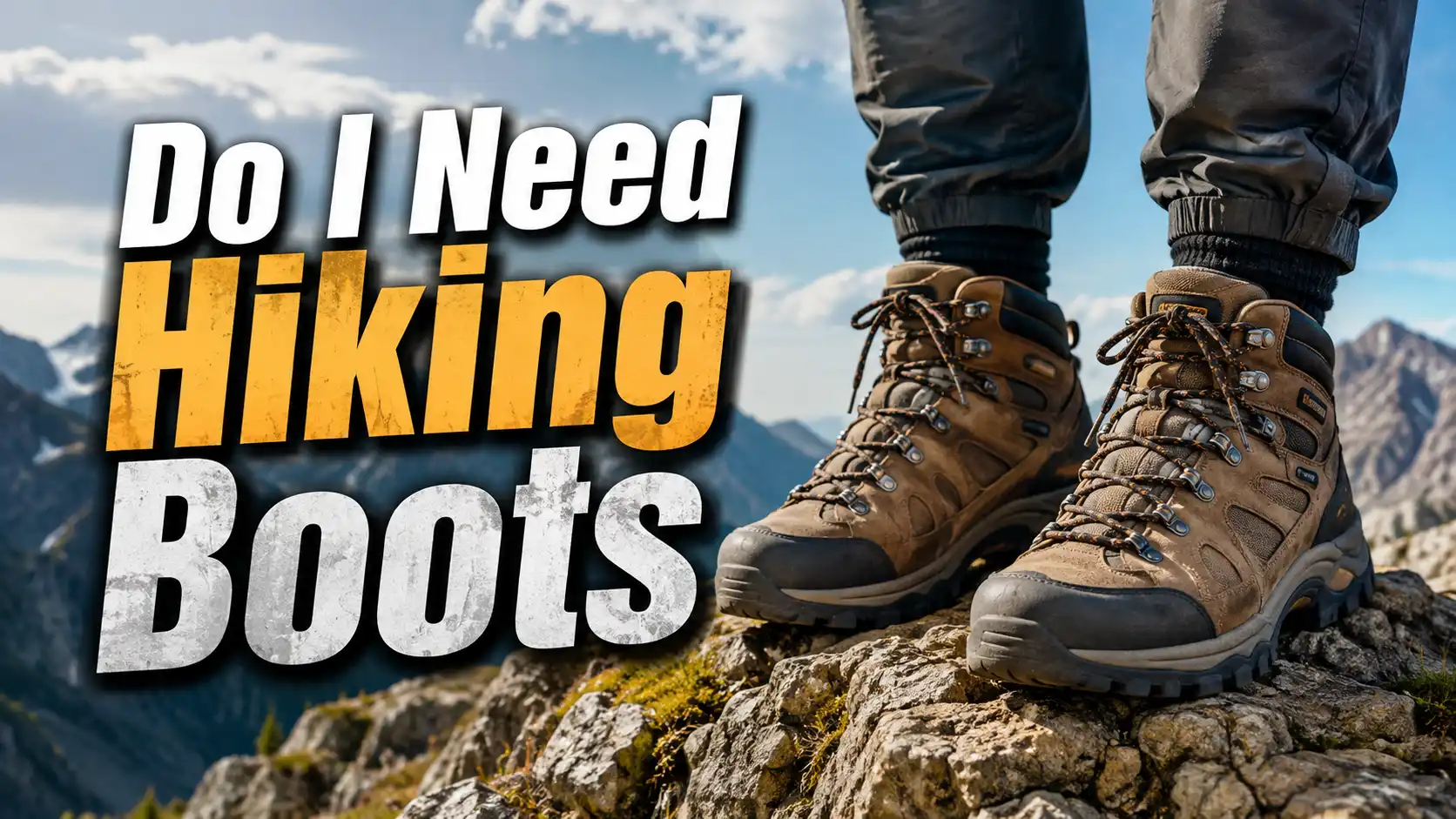
Hiking boots: do you actually need them for your next outdoor adventure? It’s a question many outdoor enthusiasts ponder, and the answer isn’t a simple yes or no. Your decision hinges on a few crucial factors that can make or break your comfort and safety on the trail.
What kind of journey are you planning? Research indicates that a significant percentage of hikers opt for less specialized footwear on shorter, well-maintained trails, but this can lead to issues if conditions are unexpectedly rough. Properly chosen footwear, like hiking boots, typically meets standards such as those set for outsole slip resistance and midsole support, aiming to provide enhanced protection.
When Are Hiking Boots a Must-Have?
This is where we start to drill down into your specific plans. If you’re heading out for anything more than a casual stroll on pavement or a groomed path, it’s time to pay closer attention. Manufacturer specifications for many hiking boots highlight features designed for rugged use, things your average running shoe just doesn’t offer.
When we talk about needing hiking boots, it’s usually a combination of factors: the intensity and length of your hike, the terrain you’ll be covering, and the kind of weather you’re expecting. If your itinerary involves varied surfaces, inclines, or carrying a load, then the robust construction of hiking boots becomes a significant advantage.
Assessing Your Hike: Terrain, Distance, and Difficulty
Let’s break down what your hiking plan actually looks like. The more details you can consider here, the clearer the picture becomes for footwear choice.
Trail Type and Condition Check
The surface beneath your feet is a huge indicator. If you’re sticking to paved park paths or very smooth, gravelly trails, your regular athletic shoes might be sufficient. However, most natural trails aren’t so forgiving.
- Rocky Trails: Expect sharp stones, loose scree, and uneven boulder fields. This is where sturdy soles and protective toe caps are vital.
- Rooty Paths: Exposed tree roots can be trip hazards and demand good traction and ankle support to prevent slips.
- Muddy or Wet Conditions: Soft earth, stream crossings, and slick mud require excellent grip and, ideally, some form of water resistance.
- Steep Ascents/Descents: Gravity plays a big role here. Your footwear needs to provide reliable traction going up and control coming down.
If your chosen trail matches most of these descriptions, especially if it’s a longer route, your existing footwear is likely insufficient.
Distance and Duration Considerations
A quick 30-minute walk is a different beast than an all-day trek. For longer outings, your feet will experience more cumulative stress.
- Short Hikes (Under 3 miles): Casual walking shoes or trail runners can often suffice if the terrain is mild.
- Day Hikes (3-10 miles): This is a gray area where many hikers benefit from hiking boots for added support and protection, especially if there’s elevation gain. Aggregate reviews of day-hike footwear often point to increased comfort and reduced fatigue when using boots on varied trails.
- Long Day Hikes (10+ miles) or Overnight Trips: For these, the need for durable, supportive hiking boots becomes much more pronounced. Your feet will thank you for the extra cushioning and stability.
Combined with rough terrain, longer distances significantly increase the chance of discomfort or injury without appropriate footwear.
Weather Factors: Rain, Mud, and Snow
The sky can change a hike’s demands in a hurry. What you wear on your feet needs to adapt to the elements if you want to stay comfortable and safe.
- Dry and Warm: Even in good weather, good traction is essential to prevent slips on dry dirt or loose gravel. Breathability becomes a bigger factor here to prevent overheating.
- Wet and Humid: If rain is forecast, or you’ll be crossing streams, waterproof boots are worth their weight in gold. Many boots aim for waterproof ratings like those found in ISO 20344 testing, which assess a boot’s ability to resist water penetration. Without this, wet socks can lead to blisters and discomfort, making the hike miserable.
- Cold and Snowy: For winter conditions, insulated and waterproof footwear is a necessity. The risk of frostbite and the need for enhanced traction on ice are paramount.
For many climates, especially those with unpredictable seasons, footwear that offers some level of water resistance is a smart bet year-round.
Understanding Your Own Feet: Support and Sensitivity
Beyond the trail and the weather, your personal anatomy plays a vital role. We all have different needs when it comes to footwear support.
- Ankle Support Needs: If you have a history of ankle rolls or feel naturally unstable on uneven surfaces, then hiking boots that offer higher ankle support are highly recommended. These boots wrap higher up the ankle, providing a more secure fit and reducing the likelihood of a sprain.
- Foot Sensitivity: Some individuals have more sensitive feet that quickly feel the impact of rocks and roots. Sturdier hiking boots typically offer thicker midsoles and protective toe caps, absorbing more impact and shielding your feet from sharp objects.
Manufacturer specifications often detail the level of arch support and cushioning designed into a boot, so understanding what feels good for your foot is key.
The Sneaker vs. Boot Debate: When to Stick with Shoes
Can your trusty athletic shoes cut it? For some situations, the answer is a definite yes. General athletic shoes, especially those with good tread like some trail running shoes, can be perfectly adequate for certain types of outings.
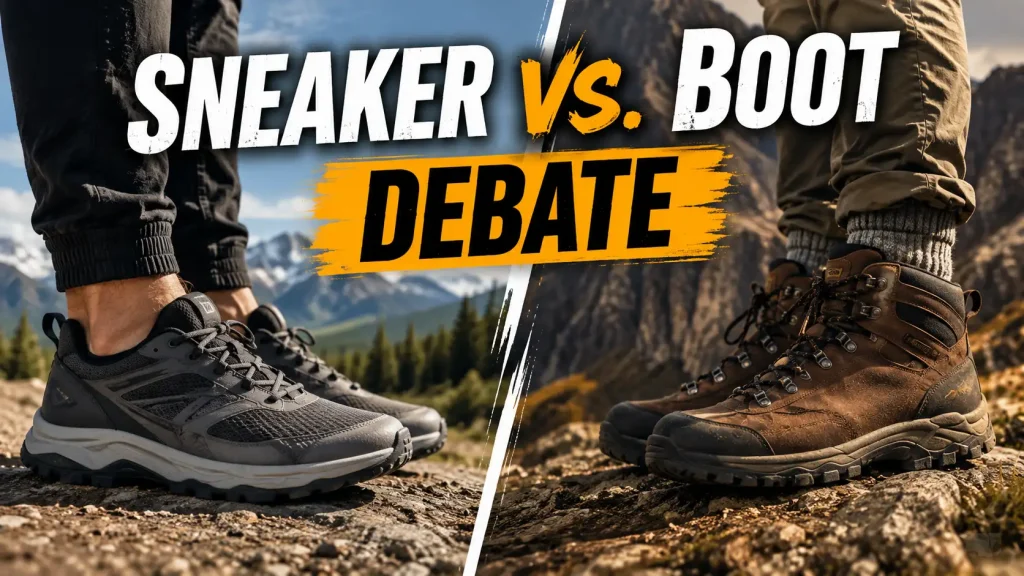
- Best For: Short, flat, well-maintained trails; very light day hikes where comfort is prioritized over rugged protection.
- Limitations: They generally lack the ankle support, robust underfoot protection, and superior traction needed for rougher terrain or longer distances. Aggregate user feedback often highlights increased foot fatigue and the risk of slips when athletic shoes are used on demanding trails.
If your planned hike is essentially a walk in the park with a bit of extra greenery, your sneakers might indeed be fine. However, venturing beyond these very specific conditions often means leaving yourself vulnerable to discomfort and potential injury. Choosing trail runners, for instance, offers a middle ground, bridging some of the gap between casual shoes and sturdy boots.
When Hiking Boots Become Your Best Friend
So, you’ve assessed your hike and your feet, and it’s leaning towards needing more protection. This is where hiking boots truly shine. They’re engineered to provide a level of support, durability, and grip that lighter footwear simply can’t match, especially as of 2026.
Aggregated user feedback across numerous outdoor gear sites consistently reports a marked difference in comfort and safety during challenging hikes when comparing dedicated hiking boots to less specialized options. They excel at providing a secure foundation, preventing common trail mishaps and allowing you to focus on the experience.
Ankle Protection on Uneven Ground
This is often the primary reason people opt for hiking boots. If your ankles tend to wobble or you’ve had a past sprain, the higher cut of most hiking boots offers crucial support.
- How it Works: The extended collar of the boot wraps around your ankle, providing lateral stability. This helps prevent your foot from rolling inward or outward on uneven surfaces. Think of it like a gentle, supportive hug for your ankle joint.
- Visual Aid: Imagine a boot shaft that extends two to four inches above the ankle bone, compared to a sneaker that typically sits at or below the ankle. This visual difference directly relates to the ankle support provided.
- When It Matters Most: Steep, rocky trails, loose scree, or paths with lots of exposed roots are prime situations where ankle support is invaluable. You might find specific boot models with reinforced ankle cuffs for added rigidity.
This added stability can significantly reduce the risk of tripping or twisting an ankle, a common trail injury. For anyone with a history of ankle issues, this feature alone can make hiking boots a necessity, not just a preference.
Grip and Traction on Slippery Surfaces
Ever felt your feet slide out from under you on wet rocks or slick mud? That’s where the outsole of your footwear becomes critical, and hiking boots are designed for superior grip.
- The Science: Hiking boot outsoles are made from specialized rubber compounds and feature deep, aggressive lug patterns. These lugs are designed to bite into the ground, providing reliable traction on a variety of surfaces. Manufacturer specifications often detail the specific rubber compound used and the lug depth, which can range from 3mm to 6mm or more.
- Traction in Action: Think of navigating slippery, wet rocks near a waterfall or descending a muddy slope. The deep grooves in a boot’s sole can displace mud and water, maintaining contact with the ground and preventing slips. The pattern is key, with wider spacing between lugs generally better for shedding mud, while more closely spaced, deeper lugs are excellent for gripping uneven terrain.
- When to Prioritize This: Any hike involving water crossings, rain, steep descents, or traversing muddy sections will highlight the importance of good traction. It’s also crucial for scrambling over rocks or boulders where precise foot placement is needed.
Compared to the flatter, less aggressive tread of many running shoes, the outsole design of a hiking boot is a deliberate feature engineered for off-road performance and safety.
Foot Protection from Trail Hazards
Trails are rarely perfectly smooth. Rocks, roots, and sharp debris are common obstacles, and your feet need protection. Hiking boots offer a more robust shield than lighter footwear.
- Underfoot Shielding: The midsole of a hiking boot is typically thicker and stiffer than that of a sneaker. This provides a barrier against sharp rocks and roots jabbing into the sole of your foot. Some boots even incorporate a protective plate (often called a rock plate) for extra defense.
- Toe and Heel Guards: Most hiking boots feature reinforced toe caps and heel counters. These provide crucial protection against stubbing your toes on rocks or roots, or from impacts if you stumble.
- Visual Comparison: Imagine kicking a rock with a thin-soled sneaker versus a boot with a substantial toe cap. The difference in the force felt by your foot is significant. The reinforced areas are usually made of durable rubber or synthetic materials.
This protection is not just about comfort; it’s about preventing painful injuries and foot damage, especially when carrying a backpack that can unbalance you.
Underfoot Shielding, Toe Protection, and Reinforced Heels
This section directly addresses how the construction of a hiking boot safeguards your feet from the ground up and from forward impacts.
- Midsole Protection: The midsole is the layer between the outsole (the part that touches the ground) and the insole (where your foot rests). In hiking boots, this layer is often made of EVA (ethylene-vinyl acetate) or polyurethane, designed to absorb shock and provide structural support. The thickness varies, with thicker midsoles offering better protection on very rocky terrain. Per standards like ASTM F2413, safety footwear (which shares construction principles) must meet specific impact and compression resistance thresholds.
- Toe Caps and Heel Counters: These reinforced areas, often made of thermoplastic urethane (TPU) or thick rubber, are designed to withstand impacts. This prevents toe injuries from stubbing and protects the heel from bruising or crushing forces. You’ll notice these areas are often bulkier and made of a harder material than the rest of the shoe’s upper.
- When Protection is Paramount: If you’re hiking through boulder fields, areas with significant downed trees, or any terrain where you might kick or stumble frequently, this built-in protection is invaluable. It allows you to move with more confidence.
Durability and Longevity
Investing in a good pair of hiking boots often means getting footwear that’s built to last through many adventures. Their construction is geared towards withstanding the rigors of the outdoors.
- Built Tough: Hiking boots typically utilize more robust materials in their uppers, such as full-grain leather, split-grain leather, or heavy-duty synthetic fabrics. The stitching is often reinforced, and the sole is usually glued and stitched to the upper for maximum security. This construction method is far more durable than the cements or heat-bonding used in many athletic shoes.
- Long-Term Value: While the initial cost of a quality pair of hiking boots can be higher than other footwear, their extended lifespan can make them more cost-effective over time. A well-maintained pair can last for hundreds of miles of hiking.
- Maintenance Matters: Regular cleaning and conditioning (especially for leather boots) can significantly extend their life. Manufacturer guidelines for care often recommend specific products to maintain the material’s integrity and waterproofing.
This durability means you can rely on your boots season after season, through varied conditions, without worrying about them falling apart.
Common Footwear Mistakes to Sidestep
Even when you’re leaning towards needing hiking boots, it’s easy to make missteps in choosing or using them. Avoiding these common errors can save you a lot of discomfort, and potentially, injury.
It’s not just about having boots, it’s about having the right boots and using them correctly. Think of it like preparing for a hike; a good checklist prevents forgetting essentials, and a good footwear strategy prevents common pain points.
Are My Shoes Good Enough for This Trail?
This is the most frequent pitfall beginners face. They look at a trail, see it’s “outdoors,” and assume their everyday shoes will suffice for what turns out to be rugged terrain.
- The Mistake: Underestimating trail difficulty or overestimating the capability of casual sneakers or non-hiking athletic shoes.
- The Reality: A trail described as “moderate” might involve significant elevation changes, loose rock, or slick, muddy sections. Without proper hiking boots, you risk slips, ankle rolls, and painful feet due to lack of support and protection. For instance, a 5-mile hike with 1000 feet of elevation gain on a rocky path can be very different from a 5-mile flat park walk.
- When to Reconsider: If your current shoes offer minimal cushioning, no ankle support, and shallow tread patterns, they’re likely not suitable for anything beyond very easy, consistent surfaces.
Overlooking the Break-In Period
Even the best hiking boots need some time to mold to your feet. Trying to tackle a long hike with brand-new, stiff boots is a recipe for blisters and hot spots.
- The Mistake: Putting on new boots straight out of the box for a significant trek.
- The Solution: Always break in new hiking boots before your main adventure. Wear them around the house, on short walks, and gradually increase the distance. This allows the materials to soften and conform to your foot’s shape, identifying any potential rubbing areas.
- Manufacturer Recommendations: Most reputable boot manufacturers, like those adhering to robust material testing for comfort and durability, recommend a break-in period that can range from a few days to a couple of weeks, depending on the boot’s stiffness.
Ignoring Waterproofing Needs (or Overdoing It)
Waterproofing is a double-edged sword. While essential in wet conditions, it can be a hindrance in others.
- The Mistake: Wearing fully waterproof boots in hot, dry weather. This traps sweat inside, leading to overly damp feet, which can cause blisters and discomfort. It’s counterproductive for comfort.
- The Alternative: For hot, dry climates, consider highly breathable, non-waterproof boots or shoes. For variable conditions, a well-executed waterproof-breathable membrane (like those built to specific durability standards) is often the best compromise. You can learn more about whether waterproof hiking boots are worth it for your needs.
- Considerations: Waterproof boots are also generally heavier and less flexible than their non-waterproof counterparts. For very hot destinations, you might even explore ventilated trail shoes or hiking sandals.
Improper Fit and Lacing
A boot can be the perfect model, but if it doesn’t fit your foot shape or isn’t laced correctly, it’s useless.
- Fit Issues: Boots that are too tight create pressure points and restrict circulation. Boots that are too loose allow your foot to slide, causing friction and potential blisters. The heel should not lift excessively when you walk.
- Lacing Techniques: Different lacing patterns can adjust pressure across the top of your foot or improve heel lock. For instance, a “window” lacing technique can relieve pressure on a specific sensitive spot on the top of your foot. Correct tightness is key: snug enough to prevent sliding, but not so tight it cuts off circulation.
Carrying a Heavy Pack? Your Footwear Needs Change.
The weight of your backpack significantly influences the type of footwear you need. Trying to tackle a multi-day backpacking trip with ultralight trail runners might not be sufficient.
- The Difference: Backpacking boots are generally more robust, with stiffer soles and more ankle support, designed to handle the increased pressure and stability needs when carrying heavy loads (often 30-50 pounds or more). Lighter footwear might compress too much under load, leading to foot fatigue and instability.
- The Carry: If you’re planning on carrying a pack designed for a 3-day trip or longer, your footwear choice needs to reflect that increased load. Aggregated user data shows many long-distance hikers prioritize sturdy, supportive boots for exactly this reason.
Is It Overkill? When Boots Aren’t Necessary
Sometimes, the answer to “do I need hiking boots” is a clear no. Over-equipping yourself can be just as problematic as being underprepared, leading to unnecessary weight and discomfort.
There are definitely times when simpler, lighter footwear is the smarter choice. Recognizing these scenarios helps you pack appropriately and enjoy your hike without being weighed down.
- Scenario 1: Paved or Very Smooth Trails. If you’re walking on a dedicated paved nature path, a boardwalk, or a very well-maintained, hard-packed gravel trail, the demands on your footwear are minimal. Regular comfortable walking shoes or even supportive sneakers will do the job.
- Scenario 2: Short, Easy Day Hikes. For quick excursions, perhaps under 3 miles, on relatively flat and clear terrain, the robust features of hiking boots might be more than you need. Think of a gentle walk around a lake or a short loop in a local park that doesn’t involve challenging climbs or technical sections. Consider your beginner hiking checklist to ensure you have other essentials covered.
- Scenario 3: Hot, Dry Climates with Minimal Roughness. In desert environments or very arid regions where trails are sandy or packed dirt with little in the way of rocks or roots, highly breathable trail shoes or even specialized hiking sandals can be more comfortable.
- Scenario 4: Travel Days or Casual Use. If you’re primarily using footwear for travel to and from trailheads or for very light, casual wear, you might opt for lightweight, comfortable shoes that offer a bit of style.
When Lighter is Better
Choosing lighter footwear isn’t about being cheap; it’s about matching your gear to the task. Lighter shoes mean less energy expenditure.
- Energy Savings: Every ounce on your foot feels heavier than an ounce on your back. For long, flat hikes, lightweight shoes can reduce fatigue and feel more agile.
- Breathability in Heat: Non-waterproof shoes, especially mesh-based trail runners, are often much more breathable than their waterproof boot counterparts. This is a significant advantage in hot weather, helping to keep feet cooler and drier.
- Agility: For very quick, responsive movements, like trail running or navigating less technical terrain, lighter shoes can offer a more nimble feel.
Ultimately, if your hike doesn’t involve significant elevation change, rough obstacles, heavy pack loads, or challenging weather conditions, you can likely choose lighter, more comfortable footwear. Always consider the demands of the specific trail and conditions.
Making Your Final Footwear Decision
By now, you’ve seen that the question isn’t just about whether you own hiking boots, but whether the type of hike you’re planning necessitates them. It’s about making an informed choice based on your intended adventure.
Consider the cumulative impact of terrain, weather, and distance. If your planned excursion ticks the boxes for rough ground, challenging weather, or extended time on your feet, leaning towards hiking boots is a wise decision. If your plans are more casual, lighter footwear might be the way to go.
