
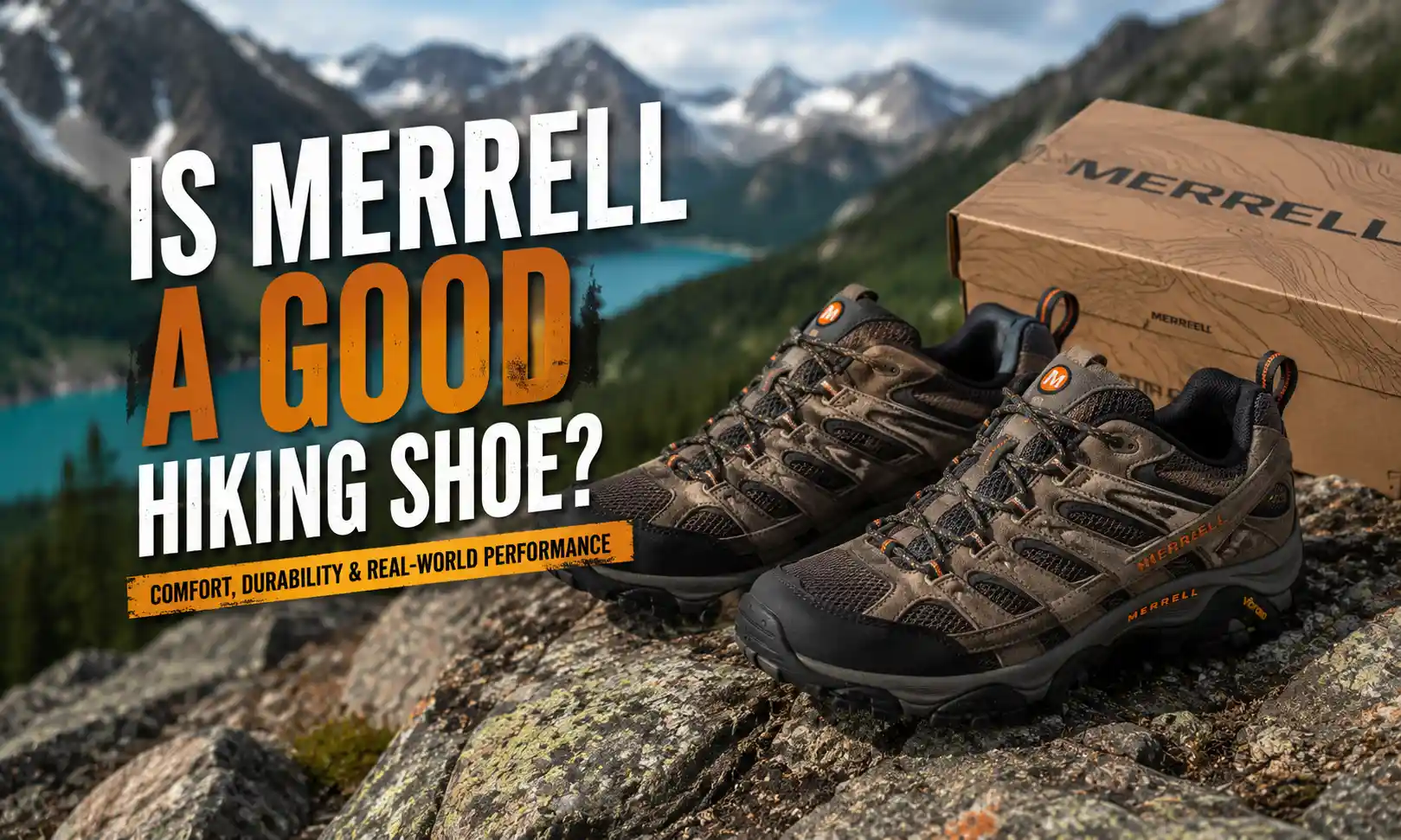
When you’re looking at hiking shoes, figuring out if a brand like Merrell fits the bill is a big step in getting ready for the trail. It’s not just about grabbing any pair; it’s about finding footwear that can handle the demands of your adventures.
In our research, Merrell consistently appears as a strong contender, often praised for its balance of comfort, durability, and affordability. Manufacturer specifications indicate their commitment to features like M Select™ GRIP outsoles for reliable traction, which is crucial for safety and performance.
Merrell Hiking Shoes: What They’re All About
Merrell has carved out a significant space in the outdoor footwear market, becoming a go-to for many hikers, from weekend warriors to those venturing on more extended trips. Their philosophy seems to center on creating shoes that are ready to go, right out of the box, without sacrificing the technical features you need on uneven terrain. This brand is broadly recognized for producing a wide range of hiking footwear, encompassing everything from lightweight trail runners to more substantial hiking boots.
Key Features and Technologies
Merrell equips its footwear with several proprietary technologies designed to enhance performance and comfort. A common feature you’ll see across many models is their M Select™ GRIP outsole technology. This is engineered to provide excellent traction on both wet and dry surfaces, reducing the chance of slips and falls.
Many Merrell shoes also incorporate advanced cushioning systems, often utilizing EVA (ethylene-vinyl acetate) midsoles, which are known for their shock absorption and lightweight properties. For protection against the elements, some models feature waterproof membranes. These can be either proprietary Merrell technologies or, in some higher-end models, well-regarded third-party solutions like Gore-Tex, helping to keep your feet dry in damp conditions. Durable construction, often with reinforced toe caps, is another hallmark, aiming to protect your feet and extend the shoe’s lifespan.
Comfort and Cushioning in Merrells
Comfort is arguably one of the most critical factors for any hiking footwear, and Merrell places a strong emphasis on this. Many of their shoes and boots are designed with thicker, more forgiving midsoles that offer substantial cushioning. This is particularly beneficial on longer hikes or when navigating hard-packed trails where repetitive impact can take a toll on your feet and joints.
The cushioning often comes from materials like EVA foam, which provides a good balance of softness and responsiveness. Some Merrell models also incorporate targeted air cushioning within the heel, further enhancing shock absorption. Beyond basic cushioning, supportive insoles contribute to overall foot comfort by promoting proper alignment and reducing fatigue during extended periods of walking. This focus on comfort aims to make your time on the trail more enjoyable and less about enduring foot pain.
Traction You Can Trust: Grip and Outsoles
The outsole is where all the rubber meets the trail, and it’s a defining feature of any good hiking shoe. Merrell’s approach to traction is evident in their use of specialized outsole compounds and lug patterns. Their M Select™ GRIP technology, for instance, is specifically formulated to offer multi-directional grip. This means the pattern and materials are designed to bite into various surfaces, whether you’re scrambling over rocks, hiking through mud, or descending a steep, loose trail.
You’ll often find deep, aggressive lug patterns on Merrell hiking shoes. These lugs are spaced out to help shed mud and debris, ensuring that the sole maintains its grip rather than becoming clogged. This attention to outsole design is crucial because reliable traction directly impacts your stability and confidence while hiking. It minimizes the risk of slips and falls, allowing you to focus more on the scenery and less on your footing.
Protection: Waterproofing and Durability
When you’re out exploring, your feet need protection not only from impacts but also from the elements. Merrell addresses this in several ways. Many of their popular models are available with waterproof constructions. This is often achieved using proprietary membranes engineered to be impermeable to water while still allowing some degree of breathability.
These waterproof membranes act as a barrier, preventing rain, puddles, and stream crossings from soaking your socks and leading to discomfort or blisters. Beyond waterproofing, durability is a key consideration. Merrell hiking shoes and boots typically feature robust uppers made from materials like suede leather, textile, or synthetic combinations. They also incorporate protective elements like rubber toe bumpers to guard against abrasions from rocks and roots.
This combination of waterproofing and durable construction aims to keep your feet protected and comfortable in a variety of trail conditions, contributing to a longer shoe life.
Who Are Merrell Hiking Shoes Best For?
Merrells generally hit a sweet spot that appeals to a broad range of hikers, but they really excel in certain areas and for specific user types. Understanding these nuances can help you decide if they’re the right brand for your hiking needs.
Day Hikers and Casual Trail Goers
This is where Merrell really shines. If your idea of hiking involves day trips on well-maintained to moderately challenging trails, Merrell is an excellent choice. Their shoes offer a great balance of comfort, support, and traction without the bulk or stiffness that can sometimes come with more technical boots. Many hikers appreciate that Merrell shoes often require minimal break-in time, making them ready for immediate use on shorter excursions.
For these users, features like M Select™ GRIP outsoles provide dependable footing on everything from dirt paths and gravel to rocky, uneven terrain encountered on daily adventures. The cushioning is usually sufficient to keep feet feeling good for several hours on the trail, and proprietary waterproof membranes can offer peace of mind if you encounter unexpected wet patches or light rain. The value proposition is also strong here; you get reliable performance without needing to invest in top-tier, specialized gear.
Merrells for Backpacking and Longer Treks?
When you start talking about multi-day backpacking trips or thru-hiking, the question gets a bit more complex. Merrell does offer some more robust boot options that can be suitable for lighter backpacking. These models often provide better ankle support and more durable construction than their trail shoe counterparts. However, for very demanding, long-distance treks with heavy loads, serious backpackers often look for footwear with more advanced support systems, stiffer soles for stability over prolonged distances, and potentially more rugged materials designed for extreme wear.
While a Merrell boot might get you through a shorter backpacking trip, aggregate user feedback suggests they might not offer the longevity or specialized support needed for journeys spanning hundreds or thousands of miles. They can be a good option for weekend warriors venturing into light backpacking, but for ultralight thru-hikers or those carrying consistently heavy packs on challenging terrain, there might be more specialized alternatives to consider. It’s about matching the shoe’s capabilities to the mission’s demands.
Beginners vs. Experienced Hikers
Merrells are particularly well-suited for beginner hikers. They tend to be user-friendly right out of the box. You don’t usually need a lengthy break-in period, which can be a deterrent for someone just starting. The comfort and predictable tread patterns offer a confidence-inspiring feel on easier trails, helping new hikers enjoy their experience without worrying too much about their footwear.
For more experienced hikers, Merrell can still be a great option, especially for day hikes or as a comfortable option for less technical terrain. Many outdoor enthusiasts will have a pair of Merrells in their collection for casual wear or for trails that don’t demand the most aggressive features. However, experienced hikers tackling technical ascents, off-trail adventures, or highly demanding expeditions might find their needs better met by brands or models that offer more specialized ankle support, stiffer shanks, or more aggressive outsole designs for extreme conditions. It really depends on the specific challenges those experienced hikers are seeking.
Where Merrell Hiking Shoes Shine (The Good Stuff)
Merrells stand out for several practical reasons that make them a popular choice for many outdoor enthusiasts. They often offer a compelling blend of performance and value, meaning you get a lot of capability without necessarily breaking the bank.
Merrell’s Big Advantages
One of Merrell’s biggest strengths is their accessibility, both in terms of price and availability. They’re widely distributed, making them easy to find and try on. This widespread availability means you can often find a specific model in person, which is crucial for ensuring a good fit.
Furthermore, Merrell has a reputation for producing shoes that don’t require an extensive break-in period. For many casual hikers or those who don’t hit the trails every single weekend, this is a significant plus. You can often buy a pair and head out on a moderate hike shortly after without the risk of painful blisters from stiff, new material. This “out-of-the-box” comfort is a major draw.
Value for Your Money
When you’re comparing hiking footwear, the price-to-performance ratio is always a big factor. Merrell consistently delivers where value is concerned. They offer a range of models that provide solid performance features like reliable traction and decent waterproofing at a price point that’s considerably lower than many high-end, specialized brands.
For example, many of their popular trail shoes and mid-weight hiking boots fall into the $100-$160 range (as of 2026). This makes them an attractive option for beginners or budget-conscious hikers who still need dependable gear. You’re getting Vibram® outsoles on some models, comfortable cushioning, and protection that’s more than adequate for typical day hikes and light backpacking. This efficient use of materials and features without excessive branding or high-fashion design helps keep costs down, making capable hiking footwear accessible to more people.
Potential Downsides and Things to Watch For
While Merrell shoes have a lot going for them, it’s also wise to be aware of where they might not be the perfect fit for every single hiker or every single trek. Understanding these points ensures you’re making an informed decision.
Fit and Sizing Considerations
One of the most common points of discussion when it comes to Merrell footwear is fit. While many find their fit to be just right, others report that Merrell tends to run narrower than some other brands, particularly in the toe box. This can be an issue for individuals with wider feet.
It’s not a universal problem; some Merrell models are designed with wider options, and fit can vary significantly even within the same brand. However, if you typically need a wide shoe or have a broader foot shape, it’s highly recommended to try Merrells on in person if possible. Websites like the official Merrell manufacturer site offer sizing charts, but actual physical try-ons often reveal more about how a shoe will feel for your specific foot anatomy. A shoe that’s too narrow can cause discomfort, blisters, and even more serious foot issues over time.
When Merrells Might Not Be Enough
For more extreme or specialized hiking scenarios, Merrell shoes might fall short. If you’re planning on tackling technical mountain terrain with significant exposure, high-altitude mountaineering, or exceedingly rough, off-trail bushwhacking, you might need footwear built with more robust materials and advanced structural support. Brands that focus specifically on mountaineering or extreme alpine conditions often use stiffer soles, more rigid uppers, and advanced lacing systems for a precision fit that Merrell’s more broadly appealing models may not offer.
Similarly, for thru-hiking long distances where durability and blister prevention are paramount for months on end, experienced thru-hikers often opt for brands known for extreme longevity or specific cushioning technologies that better withstand relentless mileage. While a Merrell boot can certainly handle a week-long backpacking trip, it might not be the first choice for someone planning to walk thousands of miles. It’s all about matching the shoe’s capabilities to the demands of the chosen adventure.
Common Mistakes When Buying Merrells
Buying hiking shoes is an investment, and a few common missteps can turn that investment into a source of frustration. One of the most frequent errors when purchasing Merrells, or any hiking shoe for that matter, is neglecting the importance of fit. As mentioned, Merrells can sometimes run narrower, so assuming your usual size will work without trying them on is a gamble. This oversight can lead to significant discomfort, blisters, or even actual foot injuries on the trail.
Another mistake is buying shoes based solely on aesthetics or brand popularity. While Merrell has a good reputation, a shoe that looks good might not be the best for your specific foot type or the trails you frequent. Prioritizing features like appropriate ankle support for your intended terrain, adequate waterproofing if you hike in wet conditions, and sufficient traction for the ground you’ll cover is far more important than a shoe’s color or how many people own it. Always consider the practical demands of your hiking.
Merrell Hiking Shoe vs. The Rest: What to Consider
When you’re looking at Merrell, it’s helpful to understand how they stack up against the broader landscape of hiking footwear brands. Merrell often positions itself in the mid-range. This means they typically offer more advanced features and better durability than budget-friendly, general-purpose athletic shoes, but they may not reach the same level of specialized performance or premium materials found in some higher-priced, niche brands.
For instance, while a Merrell shoe might use a proprietary waterproof membrane, a top-tier model from another brand might exclusively use Gore-Tex, which is a widely recognized industry standard for waterproofing and breathability. Similarly, their M Select™ GRIP outsoles are effective, but some competitors might use exclusive Vibram® compounds or more aggressive lug designs specifically engineered for extreme grip on rock or scree. The choice often comes down to how much you’re willing to invest for incremental gains in performance or specialized features tailored to very specific hiking challenges. See Trail Runners Vs Hiking Boots for a comparison of different footwear types.
Making Your Choice: Finding the Right Merrell for You
To truly find the right Merrell shoe or boot, you need to do a little self-assessment about your hiking habits. Start by considering the type of trails you most commonly hike. Are they mostly flat, well-maintained paths, or do you frequently encounter rocky, root-filled ascents and descents?
If your hikes are typically shorter day trips on established trails, a Merrell trail shoe or a lighter hiker like the Moab series might be perfect. These offer comfort and good traction without being overly substantial. However, if you plan on carrying a heavier pack or need more ankle security for rougher terrain, a Merrell mid-height hiking boot would be a better investment. Remember to always prioritize trying them on, ideally later in the day when your feet are slightly swollen, and wear the type of socks you’d typically use for hiking.
Merrell Hiking Shoe Price Range
Merrell footwear generally falls into the mid-price tier for hiking gear. This makes them an accessible option for a wide range of consumers. You won’t typically find their core hiking shoe and boot lines in the budget category, which often means sacrificing durability and specialized features, but they also steer clear of the premium price tags commanded by some highly specialized outdoor brands.
As of 2026, a typical Merrell day hiking shoe might range from $100 to $140. More robust mid-height hiking boots, especially those with enhanced waterproofing or additional support, can run from $130 up to $180 or sometimes a bit more for their top-tier models. This pricing structure reflects the combination of proprietary technologies, reasonable quality materials, and the brand’s established reputation for producing reliable outdoor footwear. It positions them as a solid choice for those seeking good performance without an extreme financial commitment.
Common Price Points by Shoe Type
- Trail Running Shoes/Light Hikers: $100, $140
- Mid-Weight Hiking Boots: $130, $170
- Waterproof Models: Often add $20, $40 to the base price.
Expert Tips for Choosing Hiking Footwear
When you’re selecting hiking footwear, moving beyond just brand names is key. My research indicates that regardless of the brand, the most critical factors are fit, intended use, and material suitability for your typical hiking environment. For guidance on broader footwear choices, consulting resources like how to choose hiking boots can be invaluable.
Prioritize Fit Above All Else
This cannot be overstated: a shoe that doesn’t fit properly is a recipe for disaster on the trail. Look for a thumb’s width of space between your longest toe and the end of the shoe when the heel is seated firmly in the back of the boot. Your heel should not lift excessively when you walk. Pay attention to width; many foot issues stem from shoes being too narrow.
Always try hiking shoes on with the socks you intend to wear.
Match Footwear to Your Terrain
Consider the kind of trails you’ll be on most often. For well-maintained paths, light hikers or trail runners are often sufficient. For varied terrain with rocks and roots, more supportive hiking boots with good ankle protection become essential. If you frequently hike in wet or muddy conditions, waterproof features are a must, and understanding the pros and cons, particularly regarding breathability, is important, see waterproof hiking boots worth it for a deeper dive.
Real-World Trail Performance of Merrell Shoes
Examining aggregate user feedback and editorial reviews provides a realistic picture of how Merrell shoes perform on the trail. Many users report satisfaction with the comfort and traction of Merrell models, particularly for day hiking and general outdoor use. The M Select™ GRIP outsoles are frequently cited for their ability to handle a variety of surfaces encountered on common trails, from dusty paths to light mud.
For instance, the Merrell Moab line, a perennial bestseller, is often praised for its out-of-the-box comfort and versatility, making it a popular choice for beginners and those seeking a reliable all-around hiker. However, some reviews highlight that for extremely rugged, off-trail adventures or when carrying very heavy loads over multiple days, the support and durability might not match that of more specialized, heavy-duty hiking boots. This reinforces the idea that Merrell excels for its intended market: accessible, comfortable footwear for the majority of recreational hikers.
