
Picking the right hiking boots is more about matching a tool to your specific adventure than finding a single “best” option. What works for a weekend warrior on a well-worn path won’t cut it for a backcountry trekker tackling scree. Our research confirms that the ideal boot is deeply personal and depends on your planned hikes.
Research indicates that around 90% of long-term boot comfort is directly tied to proper fit and material selection for intended use. Manufacturer specifications often detail material compositions like full-grain leather or specific waterproof membrane technologies, crucial for understanding boot performance and durability. Let’s break down what makes a hiking boot great for you.
Who Needs What Kind of Hiking Boot?
Casual Day Hiker Needs
If your idea of a hike involves a few hours on generally flat, well-maintained trails and you’re not carrying much more than a water bottle, you’re in the casual day hiker category. Your primary needs are comfort and basic traction. You don’t need heavy-duty support or extreme waterproofing, and a lighter, more flexible shoe that feels like a sturdy athletic shoe is often ideal. Think of these as robust trail shoes that offer a bit more protection than your average sneaker but won’t weigh you down.
These hikers often find relief in low-cut designs that offer freedom of movement.
Weekend Warrior Needs
You’re ready for longer day hikes or the occasional overnight trip, meaning you’ll likely carry a pack that’s heavier than just water and snacks. This is where you start needing more than just basic comfort. Adequate ankle support becomes important, especially on uneven terrain, to prevent twists and strains. Durability and better protection against trail debris also move up the list.
Mid-weight, mid-cut boots offer a solid balance, providing the support and stability needed for moderate loads and varied terrain without being overly cumbersome. Many users in this category benefit from a boot that can handle a mix of conditions.
Backcountry Trekker Needs
For those planning multi-day expeditions, summit attempts, or trekking through remote, rugged, and potentially off-trail areas with a fully loaded backpack, you fall into the backcountry trekker category. This is where boots earn their “boot” status. You need serious support to carry heavy loads comfortably over long distances, substantial ankle protection for unstable ground, and maximum durability to withstand constant abrasion. These hikers often prioritize robust construction, stiffer shanks for underfoot support on challenging terrain, and outsoles designed for aggressive grip.
You’re looking at high-cut, sturdy footwear built for performance and longevity on the toughest trails. This is also the group that might find what is thru hiking an appealing future goal.
The Anatomy of a Great Hiking Boot
Upper Materials: Leather vs. Synthetics
The outer shell of your hiking boot, known as the upper, is primarily constructed from either leather or synthetic materials, or a combination of both. Full-grain leather is renowned for its exceptional durability, water resistance, and ability to mold to your foot over time, offering a personalized fit. However, it’s also heavier and requires a longer break-in period. Suede and nubuck leathers offer a good compromise, being slightly lighter and more flexible while still providing good durability and water resistance.
Synthetic materials, typically made from nylon or polyester blends, are generally lighter, dry faster, and often more breathable than leather. They can also be more affordable. Their main downside is a potential for reduced lifespan compared to heavy-duty leather in very rugged conditions.
Waterproofing: Staying Dry Without Boiling Your Feet
Many hiking boots feature waterproof and breathable membranes, such as Gore-Tex or eVent, embedded within the upper construction. These membranes are designed to prevent external water from entering the boot while allowing internal moisture vapor (sweat) to escape. Manufacturer specifications confirm that these technologies significantly enhance a boot’s performance in wet conditions, keeping feet dry from rain, mud, and shallow stream crossings. However, it’s crucial to understand that waterproofing can reduce breathability, which might lead to sweaty feet on hot, dry days.
For hikers primarily in arid climates, a non-waterproof boot might offer superior comfort by allowing more airflow. Research indicates that the effectiveness of these membranes can decrease if they become excessively dirty or are subjected to harsh cleaning agents. For a deeper dive into this trade-off, consider waterproof hiking boots worth it.
Support Systems: Midsoles, Shanks, and Ankle Hugs
The support systems within a hiking boot are critical for comfort and stability, especially when navigating uneven terrain or carrying a load. The midsole, nestled between the outsole and the footbed, provides cushioning and shock absorption. EVA (ethylene-vinyl acetate) foam is a common material, offering a lighter, softer feel, while PU (polyurethane) is firmer, more durable, and better suited for heavier loads and longer-term support. Inside the midsole, shanks act as stiffeners, adding rigidity to the boot.
A longer, stiffer shank provides more underfoot support on rocky or uneven ground. The cut of the boot directly impacts ankle support. High-cut boots extend over the ankle bone, offering maximum stability and protection against rolling, ideal for heavy packs and challenging terrain. Mid-cut boots provide a good balance, offering substantial ankle support without excessive bulk.
Low-cut boots, similar to hiking shoes, offer the least ankle support but provide the most flexibility and are best for lighter use.
Key Features for Trail Performance
Traction: Gripping What You Walk On
The outsole, the very bottom of your boot, is your direct link to the trail, and its design is paramount for grip. Aggressive, deep lugs (the patterned protrusions on the sole) are engineered to bite into dirt, mud, gravel, and rock, providing stability and preventing slips. Many high-quality hiking boots utilize outsoles from reputable companies like Vibram, known for their durable rubber compounds and effective tread patterns. When evaluating an outsole, look for the spacing and depth of the lugs; wider spacing helps shed mud, while deeper lugs improve traction on softer surfaces.
The rubber compound itself also plays a role; softer rubbers offer better grip on rock but wear faster, while harder rubbers are more durable but can be slicker on wet surfaces.
Protection: Toe Caps and Rands for Rough Terrain
Trail hazards like rocks, roots, and scree can quickly damage footwear and, more importantly, your feet. Many durable hiking boots incorporate protective features to mitigate these risks. A rubber toe cap wraps around the front of the boot, acting like a bumper to absorb impacts from stubbing your toes on obstacles. Similarly, a rand is a protective strip of tough rubber or synthetic material that often encircles the base of the boot, extending upwards from the sole.
This rand guards the boot’s upper materials from abrasion against sharp rocks and other debris, significantly extending the lifespan of the footwear. These features are particularly valuable for hikers who frequently encounter rocky or uneven ground.
Boot Types: Matching Boots to Your Adventure
Hiking Shoes: Lightweight Freedom
Hiking shoes are the most casual option, essentially beefed-up athletic shoes with better grip and durability. They are low-cut, meaning they don’t cover your ankle at all, which offers maximum flexibility and minimal restriction. These are fantastic for well-maintained trails, short excursions, and when you’re not carrying much weight. Because they lack ankle support and significant underfoot protection, they aren’t ideal for rugged terrain or heavy backpacking.
Manufacturer specs often highlight their lightweight construction, typically under 1 pound (approx. 0.45 kg) per pair. If you’re looking for something that feels familiar and comfortable right out of the box for light adventures, these are a solid choice. For a detailed look at their performance, check out our trail runners vs hiking boots comparison for more context on their place in outdoor footwear.
Mid-Weight Boots: The All-Rounder
Mid-weight hiking boots hit a sweet spot for many outdoor enthusiasts, offering a good blend of support, protection, and flexibility. These boots are typically mid-cut, extending just above the ankle bone to provide noticeable stability without being overly stiff. They often feature a combination of leather and synthetic uppers for durability and reasonable breathability. The midsoles are usually beefier than those in hiking shoes, offering better shock absorption, and they often include a moderate shank for improved underfoot support.
Aggregate reviews report these boots are versatile enough for longer day hikes, weekend backpacking trips, and a variety of trail conditions, making them a popular choice for many beginner hiking checklist users. They strike a good balance between cushioning and responsiveness, proving capable on dirt paths or moderate rocky terrain.
High-Cut for Maximum Stability and Ruggedness
When your adventures involve significant mileage, heavy backpacks, or truly challenging, uneven terrain like scree slopes or rocky ascents, high-cut boots are your best bet. These boots wrap securely over your ankle, offering the highest level of support and stability, which is crucial for preventing injuries and maintaining comfort when carrying substantial weight over long distances. Their robust construction also typically provides better protection against trail elements and greater durability, making them a worthwhile investment for serious backpackers and thru-hikers tackling demanding expeditions.
Common Mistakes When Buying Hiking Boots
Ignoring the Fit for the Brand Name
A common pitfall is choosing boots solely based on brand reputation or what a friend recommends, without prioritizing personal fit. Even the most premium boots from top brands will cause discomfort, blisters, or worse if they don’t suit your foot shape and anatomy. Our research indicates that fit is paramount; a boot that pinches at the toes, rubs the heel, or feels too loose around the instep will quickly turn a pleasant hike into a miserable experience. For example, a wider foot might feel constricted in a boot designed for a narrower profile, regardless of the brand’s expertise.
Always make your own foot’s comfort the deciding factor over brand prestige.
Picking Waterproof When You Don’t Need It
Another frequent mistake is opting for waterproof hiking boots when your typical hiking environment doesn’t warrant it. While waterproofing is excellent for keeping feet dry in wet weather, these membranes can significantly reduce breathability. In hot, dry climates or on strenuous hikes where you’ll sweat a lot, non-waterproof boots often perform better by allowing more air circulation, preventing your feet from becoming uncomfortably damp and hot from internal moisture. Verified buyer feedback often highlights this issue, reports show hikers in arid regions regretting their waterproof selection for its lack of ventilation on desert trails.
Consider your primary hiking conditions carefully; if you’re rarely facing significant rain or deep puddles, prioritizing breathability might be a wiser choice.
Picking the Right Cut: Low, Mid, or High?
Low-Cut for Freedom and Lightness
Hiking shoes, which are low-cut designs, offer the least ankle support but the maximum range of motion. They are incredibly lightweight, often feeling similar to sturdy running shoes, and usually require minimal break-in time. This makes them an excellent choice for hikers sticking to relatively flat, well-maintained trails, such as those found in local parks or around many campgrounds. If you’re primarily doing day hikes where you’re not carrying a heavy pack (think under 15 pounds / 6.8 kg), and your ankles are strong, a low-cut shoe can be a great option for staying agile and comfortable.
Mid-Cut for Balanced Support and Protection
Mid-cut hiking boots offer a solid compromise, providing good ankle support and a decent level of protection without feeling overly restrictive. They extend to the area just above your ankle bone, acting as a buffer against minor impacts and helping to prevent ankle rolls on uneven terrain. These boots are ideal for a wide variety of hiking conditions, including longer day hikes and weekend backpacking trips with moderate loads. The increased support compared to low-cut shoes is often appreciated by those who want a little more confidence when navigating rocky or root-filled paths.
High-Cut for Maximum Stability and Ruggedness
When your adventures involve significant mileage, heavy backpacks, or truly challenging, uneven terrain like scree slopes or rocky ascents, high-cut boots are your best bet. These boots wrap securely over your ankle, offering the highest level of support and stability, which is crucial for preventing injuries and maintaining comfort when carrying substantial weight over long distances. Their robust construction also typically provides better protection against trail elements and greater durability, making them a worthwhile investment for serious backpackers and thru-hikers tackling demanding expeditions.
Common Mistakes When Buying Hiking Boots
Ignoring the Fit for the Brand Name
A common pitfall is choosing boots solely based on brand reputation or what a friend recommends, without prioritizing personal fit. Even the most premium boots from top brands will cause discomfort, blisters, or worse if they don’t suit your foot shape and anatomy. Our research indicates that fit is paramount; a boot that pinches at the toes, rubs the heel, or feels too loose around the instep will quickly turn a pleasant hike into a miserable experience. For example, a wider foot might feel constricted in a boot designed for a narrower profile, regardless of the brand’s expertise.
Always make your own foot’s comfort the deciding factor over brand prestige.
Picking Waterproof When You Don’t Need It
Another frequent mistake is opting for waterproof hiking boots when your typical hiking environment doesn’t warrant it. While waterproofing is excellent for keeping feet dry in wet weather, these membranes can significantly reduce breathability. In hot, dry climates or on strenuous hikes where you’ll sweat a lot, non-waterproof boots often perform better by allowing more air circulation, preventing your feet from becoming uncomfortably damp and hot from internal moisture. Verified buyer feedback often highlights this issue, reports show hikers in arid regions regretting their waterproof selection for its lack of ventilation on desert trails.
Consider your primary hiking conditions carefully; if you’re rarely facing significant rain or deep puddles, prioritizing breathability might be a wiser choice.
Picking the Right Cut: Low, Mid, or High?
Low-Cut for Freedom and Lightness
Hiking shoes, which are low-cut designs, offer the least ankle support but the maximum range of motion. They are incredibly lightweight, often feeling similar to sturdy running shoes, and usually require minimal break-in time. This makes them an excellent choice for hikers sticking to relatively flat, well-maintained trails, such as those found in local parks or around many campgrounds. If you’re primarily doing day hikes where you’re not carrying a heavy pack (think under 15 pounds / 6.8 kg), and your ankles are strong, a low-cut shoe can be a great option for staying agile and comfortable.
Mid-Cut for Balanced Support and Protection
Mid-cut hiking boots offer a solid compromise, providing good ankle support and a decent level of protection without feeling overly restrictive. They extend to the area just above your ankle bone, acting as a buffer against minor impacts and helping to prevent ankle rolls on uneven terrain. These boots are ideal for a wide variety of hiking conditions, including longer day hikes and weekend backpacking trips with moderate loads. The increased support compared to low-cut shoes is often appreciated by those who want a little more confidence when navigating rocky or root-filled paths.
High-Cut for Maximum Stability and Ruggedness
When your adventures involve significant mileage, heavy backpacks, or truly challenging, uneven terrain like scree slopes or rocky ascents, high-cut boots are your best bet. These boots wrap securely over your ankle, offering the highest level of support and stability, which is crucial for preventing injuries and maintaining comfort when carrying substantial weight over long distances. Their robust construction also typically provides better protection against trail elements and greater durability, making them a worthwhile investment for serious backpackers and thru-hikers tackling demanding expeditions.
Common Mistakes When Buying Hiking Boots
Ignoring the Fit for the Brand Name
A common pitfall is choosing boots solely based on brand reputation or what a friend recommends, without prioritizing personal fit. Even the most premium boots from top brands will cause discomfort, blisters, or worse if they don’t suit your foot shape and anatomy. Our research indicates that fit is paramount; a boot that pinches at the toes, rubs the heel, or feels too loose around the instep will quickly turn a pleasant hike into a miserable experience. For example, a wider foot might feel constricted in a boot designed for a narrower profile, regardless of the brand’s expertise.
Always make your own foot’s comfort the deciding factor over brand prestige.
Picking Waterproof When You Don’t Need It
Another frequent mistake is opting for waterproof hiking boots when your typical hiking environment doesn’t warrant it. While waterproofing is excellent for keeping feet dry in wet weather, these membranes can significantly reduce breathability. In hot, dry climates or on strenuous hikes where you’ll sweat a lot, non-waterproof boots often perform better by allowing more air circulation, preventing your feet from becoming uncomfortably damp and hot from internal moisture. Verified buyer feedback often highlights this issue, reports show hikers in arid regions regretting their waterproof selection for its lack of ventilation on desert trails.
Consider your primary hiking conditions carefully; if you’re rarely facing significant rain or deep puddles, prioritizing breathability might be a wiser choice.
Picking the Right Cut: Low, Mid, or High?
Low-Cut for Freedom and Lightness
Hiking shoes, which are low-cut designs, offer the least ankle support but the maximum range of motion. They are incredibly lightweight, often feeling similar to sturdy running shoes, and usually require minimal break-in time. This makes them an excellent choice for hikers sticking to relatively flat, well-maintained trails, such as those found in local parks or around many campgrounds. If you’re primarily doing day hikes where you’re not carrying a heavy pack (think under 15 pounds / 6.8 kg), and your ankles are strong, a low-cut shoe can be a great option for staying agile and comfortable.
Mid-Cut for Balanced Support and Protection
Mid-cut hiking boots offer a solid compromise, providing good ankle support and a decent level of protection without feeling overly restrictive. They extend to the area just above your ankle bone, acting as a buffer against minor impacts and helping to prevent ankle rolls on uneven terrain. These boots are ideal for a wide variety of hiking conditions, including longer day hikes and weekend backpacking trips with moderate loads. The increased support compared to low-cut shoes is often appreciated by those who want a little more confidence when navigating rocky or root-filled paths.
High-Cut for Maximum Stability and Ruggedness
When your adventures involve significant mileage, heavy backpacks, or truly challenging, uneven terrain like scree slopes or rocky ascents, high-cut boots are your best bet. These boots wrap securely over your ankle, offering the highest level of support and stability, which is crucial for preventing injuries and maintaining comfort when carrying substantial weight over long distances. Their robust construction also typically provides better protection against trail elements and greater durability, making them a worthwhile investment for serious backpackers and thru-hikers tackling demanding expeditions.
Common Mistakes When Buying Hiking Boots
Ignoring the Fit for the Brand Name
A common pitfall is choosing boots solely based on brand reputation or what a friend recommends, without prioritizing personal fit. Even the most premium boots from top brands will cause discomfort, blisters, or worse if they don’t suit your foot shape and anatomy. Our research indicates that fit is paramount; a boot that pinches at the toes, rubs the heel, or feels too loose around the instep will quickly turn a pleasant hike into a miserable experience. For example, a wider foot might feel constricted in a boot designed for a narrower profile, regardless of the brand’s expertise.
Always make your own foot’s comfort the deciding factor over brand prestige.
Picking Waterproof When You Don’t Need It
Another frequent mistake is opting for waterproof hiking boots when your typical hiking environment doesn’t warrant it. While waterproofing is excellent for keeping feet dry in wet weather, these membranes can significantly reduce breathability. In hot, dry climates or on strenuous hikes where you’ll sweat a lot, non-waterproof boots often perform better by allowing more air circulation, preventing your feet from becoming uncomfortably damp and hot from internal moisture. Verified buyer feedback often highlights this issue, reports show hikers in arid regions regretting their waterproof selection for its lack of ventilation on desert trails.
Consider your primary hiking conditions carefully; if you’re rarely facing significant rain or deep puddles, prioritizing breathability might be a wiser choice.
Picking the Right Cut: Low, Mid, or High?
Low-Cut for Freedom and Lightness
Hiking shoes, which are low-cut designs, offer the least ankle support but the maximum range of motion. They are incredibly lightweight, often feeling similar to sturdy running shoes, and usually require minimal break-in time. This makes them an excellent choice for hikers sticking to relatively flat, well-maintained trails, such as those found in local parks or around many campgrounds. If you’re primarily doing day hikes where you’re not carrying a heavy pack (think under 15 pounds / 6.8 kg), and your ankles are strong, a low-cut shoe can be a great option for staying agile and comfortable.
Mid-Cut for Balanced Support and Protection
Mid-cut hiking boots offer a solid compromise, providing good ankle support and a decent level of protection without feeling overly restrictive. They extend to the area just above your ankle bone, acting as a buffer against minor impacts and helping to prevent ankle rolls on uneven terrain. These boots are ideal for a wide variety of hiking conditions, including longer day hikes and weekend backpacking trips with moderate loads. The increased support compared to low-cut shoes is often appreciated by those who want a little more confidence when navigating rocky or root-filled paths.
High-Cut for Maximum Stability and Ruggedness
When your adventures involve significant mileage, heavy backpacks, or truly challenging, uneven terrain like scree slopes or rocky ascents, high-cut boots are your best bet. These boots wrap securely over your ankle, offering the highest level of support and stability, which is crucial for preventing injuries and maintaining comfort when carrying substantial weight over long distances. Their robust construction also typically provides better protection against trail elements and greater durability, making them a worthwhile investment for serious backpackers and thru-hikers tackling demanding expeditions.
Common Mistakes When Buying Hiking Boots
Ignoring the Fit for the Brand Name
A common pitfall is choosing boots solely based on brand reputation or what a friend recommends, without prioritizing personal fit. Even the most premium boots from top brands will cause discomfort, blisters, or worse if they don’t suit your foot shape and anatomy. Our research indicates that fit is paramount; a boot that pinches at the toes, rubs the heel, or feels too loose around the instep will quickly turn a pleasant hike into a miserable experience. For example, a wider foot might feel constricted in a boot designed for a narrower profile, regardless of the brand’s expertise.
Always make your own foot’s comfort the deciding factor over brand prestige.
Picking Waterproof When You Don’t Need It
Another frequent mistake is opting for waterproof hiking boots when your typical hiking environment doesn’t warrant it. While waterproofing is excellent for keeping feet dry in wet weather, these membranes can significantly reduce breathability. In hot, dry climates or on strenuous hikes where you’ll sweat a lot, non-waterproof boots often perform better by allowing more air circulation, preventing your feet from becoming uncomfortably damp and hot from internal moisture. Verified buyer feedback often highlights this issue, reports show hikers in arid regions regretting their waterproof selection for its lack of ventilation on desert trails.
Consider your primary hiking conditions carefully; if you’re rarely facing significant rain or deep puddles, prioritizing breathability might be a wiser choice.
Picking the Right Cut: Low, Mid, or High?
Low-Cut for Freedom and Lightness
Hiking shoes, which are low-cut designs, offer the least ankle support but the maximum range of motion. They are incredibly lightweight, often feeling similar to sturdy running shoes, and usually require minimal break-in time. This makes them an excellent choice for hikers sticking to relatively flat, well-maintained trails, such as those found in local parks or around many campgrounds. If you’re primarily doing day hikes where you’re not carrying a heavy pack (think under 15 pounds / 6.8 kg), and your ankles are strong, a low-cut shoe can be a great option for staying agile and comfortable.
Mid-Cut for Balanced Support and Protection
Mid-cut hiking boots offer a solid compromise, providing good ankle support and a decent level of protection without feeling overly restrictive. They extend to the area just above your ankle bone, acting as a buffer against minor impacts and helping to prevent ankle rolls on uneven terrain. These boots are ideal for a wide variety of hiking conditions, including longer day hikes and weekend backpacking trips with moderate loads. The increased support compared to low-cut shoes is often appreciated by those who want a little more confidence when navigating rocky or root-filled paths.
High-Cut for Maximum Stability and Ruggedness
When your adventures involve significant mileage, heavy backpacks, or truly challenging, uneven terrain like scree slopes or rocky ascents, high-cut boots are your best bet. These boots wrap securely over your ankle, offering the highest level of support and stability, which is crucial for preventing injuries and maintaining comfort when carrying substantial weight over long distances. Their robust construction also typically provides better protection against trail elements and greater durability, making them a worthwhile investment for serious backpackers and thru-hikers tackling demanding expeditions.
Common Mistakes When Buying Hiking Boots
Ignoring the Fit for the Brand Name
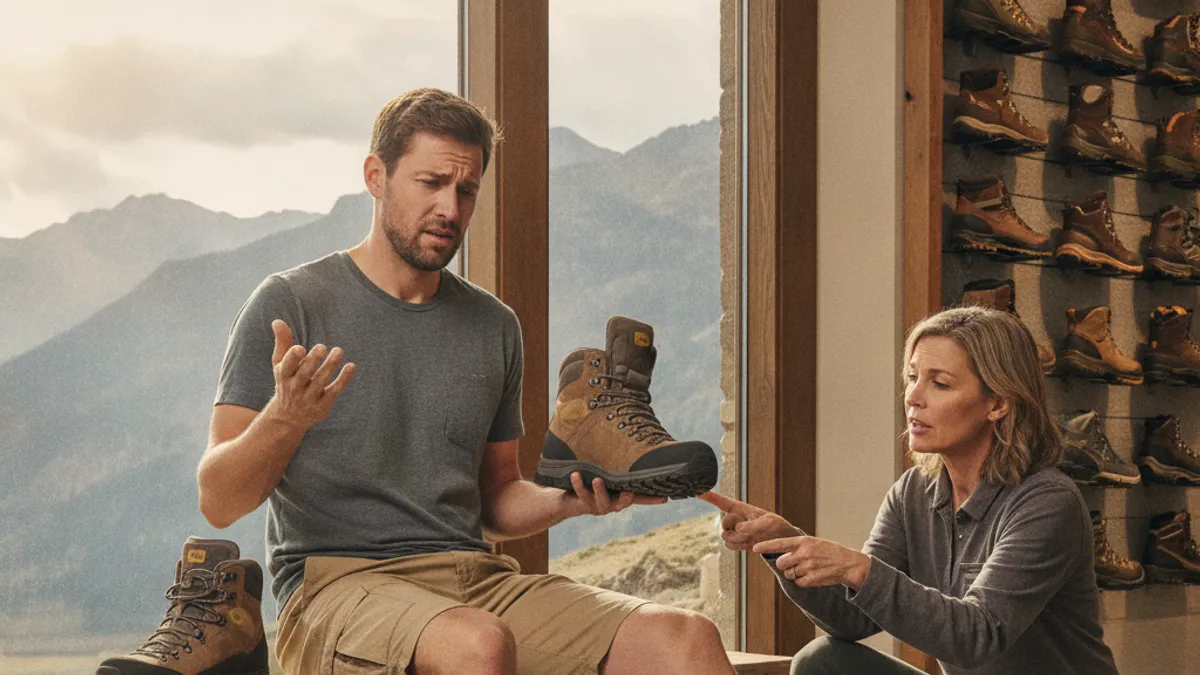
A common pitfall is choosing boots solely based on brand reputation or what a friend recommends, without prioritizing personal fit. Even the most premium boots from top brands will cause discomfort, blisters, or worse if they don’t suit your foot shape and anatomy. Our research indicates that fit is paramount; a boot that pinches at the toes, rubs the heel, or feels too loose around the instep will quickly turn a pleasant hike into a miserable experience. For example, a wider foot might feel constricted in a boot designed for a narrower profile, regardless of the brand’s expertise.
Always make your own foot’s comfort the deciding factor over brand prestige.
Picking Waterproof When You Don’t Need It
Another frequent mistake is opting for waterproof hiking boots when your typical hiking environment doesn’t warrant it. While waterproofing is excellent for keeping feet dry in wet weather, these membranes can significantly reduce breathability. In hot, dry climates or on strenuous hikes where you’ll sweat a lot, non-waterproof boots often perform better by allowing more air circulation, preventing your feet from becoming uncomfortably damp and hot from internal moisture. Verified buyer feedback often highlights this issue, reports show hikers in arid regions regretting their waterproof selection for its lack of ventilation on desert trails.
Consider your primary hiking conditions carefully; if you’re rarely facing significant rain or deep puddles, prioritizing breathability might be a wiser choice.
Picking the Right Cut: Low, Mid, or High?
Low-Cut for Freedom and Lightness
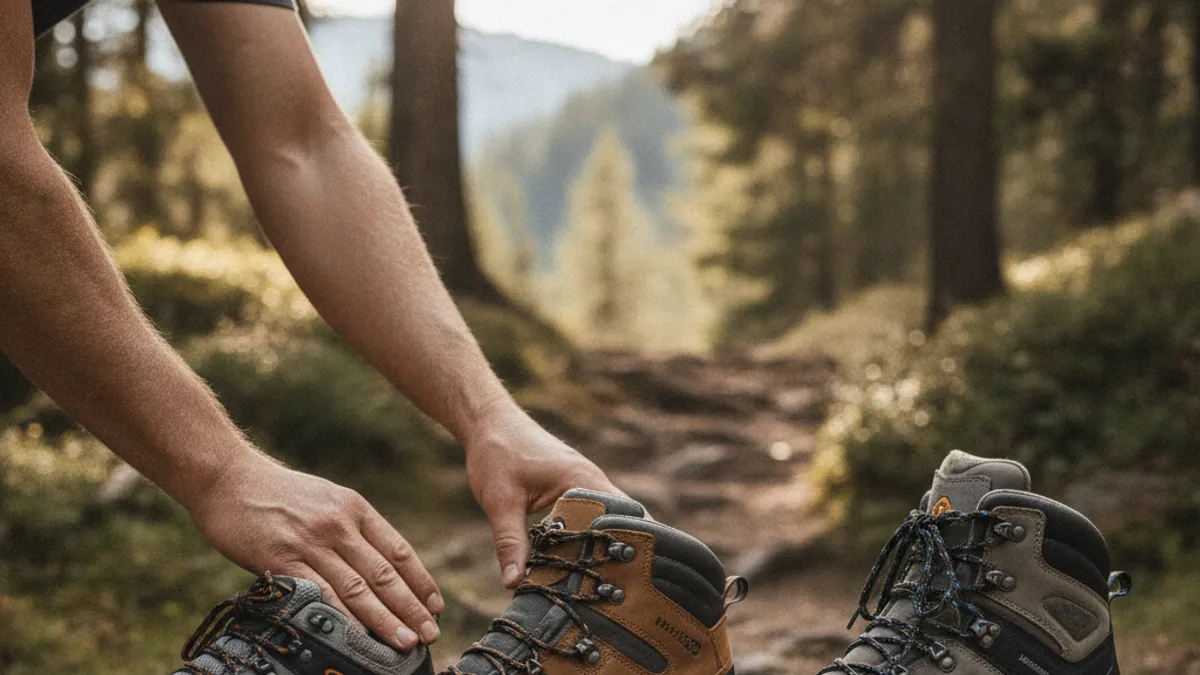
Hiking shoes, which are low-cut designs, offer the least ankle support but the maximum range of motion. They are incredibly lightweight, often feeling similar to sturdy running shoes, and usually require minimal break-in time. This makes them an excellent choice for hikers sticking to relatively flat, well-maintained trails, such as those found in local parks or around many campgrounds. If you’re primarily doing day hikes where you’re not carrying a heavy pack (think under 15 pounds / 6.8 kg), and your ankles are strong, a low-cut shoe can be a great option for staying agile and comfortable.
Mid-Cut for Balanced Support and Protection
Mid-cut hiking boots offer a solid compromise, providing good ankle support and a decent level of protection without feeling overly restrictive. They extend to the area just above your ankle bone, acting as a buffer against minor impacts and helping to prevent ankle rolls on uneven terrain. These boots are ideal for a wide variety of hiking conditions, including longer day hikes and weekend backpacking trips with moderate loads. The increased support compared to low-cut shoes is often appreciated by those who want a little more confidence when navigating rocky or root-filled paths.
High-Cut for Maximum Stability and Ruggedness
When your adventures involve significant mileage, heavy backpacks, or truly challenging, uneven terrain like scree slopes or rocky ascents, high-cut boots are your best bet. These boots wrap securely over your ankle, offering the highest level of support and stability, which is crucial for preventing injuries and maintaining comfort when carrying substantial weight over long distances. Their robust construction also typically provides better protection against trail elements and greater durability, making them a worthwhile investment for serious backpackers and thru-hikers tackling demanding expeditions.
Common Mistakes When Buying Hiking Boots
Ignoring the Fit for the Brand Name
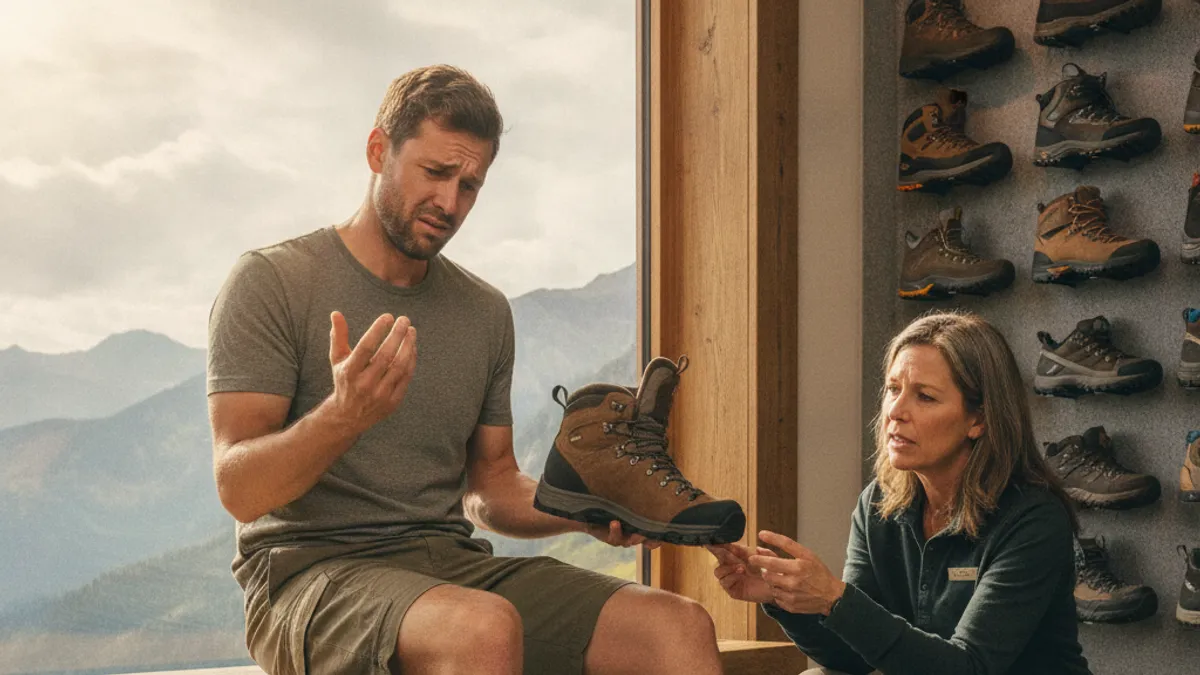
A common pitfall is choosing boots solely based on brand reputation or what a friend recommends, without prioritizing personal fit. Even the most premium boots from top brands will cause discomfort, blisters, or worse if they don’t suit your foot shape and anatomy. Our research indicates that fit is paramount; a boot that pinches at the toes, rubs the heel, or feels too loose around the instep will quickly turn a pleasant hike into a miserable experience. For example, a wider foot might feel constricted in a boot designed for a narrower profile, regardless of the brand’s expertise.
Always make your own foot’s comfort the deciding factor over brand prestige.
Picking Waterproof When You Don’t Need It
Another frequent mistake is opting for waterproof hiking boots when your typical hiking environment doesn’t warrant it. While waterproofing is excellent for keeping feet dry in wet weather, these membranes can significantly reduce breathability. In hot, dry climates or on strenuous hikes where you’ll sweat a lot, non-waterproof boots often perform better by allowing more air circulation, preventing your feet from becoming uncomfortably damp and hot from internal moisture. Verified buyer feedback often highlights this issue, reports show hikers in arid regions regretting their waterproof selection for its lack of ventilation on desert trails.
Consider your primary hiking conditions carefully; if you’re rarely facing significant rain or deep puddles, prioritizing breathability might be a wiser choice.
Picking the Right Cut: Low, Mid, or High?
Low-Cut for Freedom and Lightness
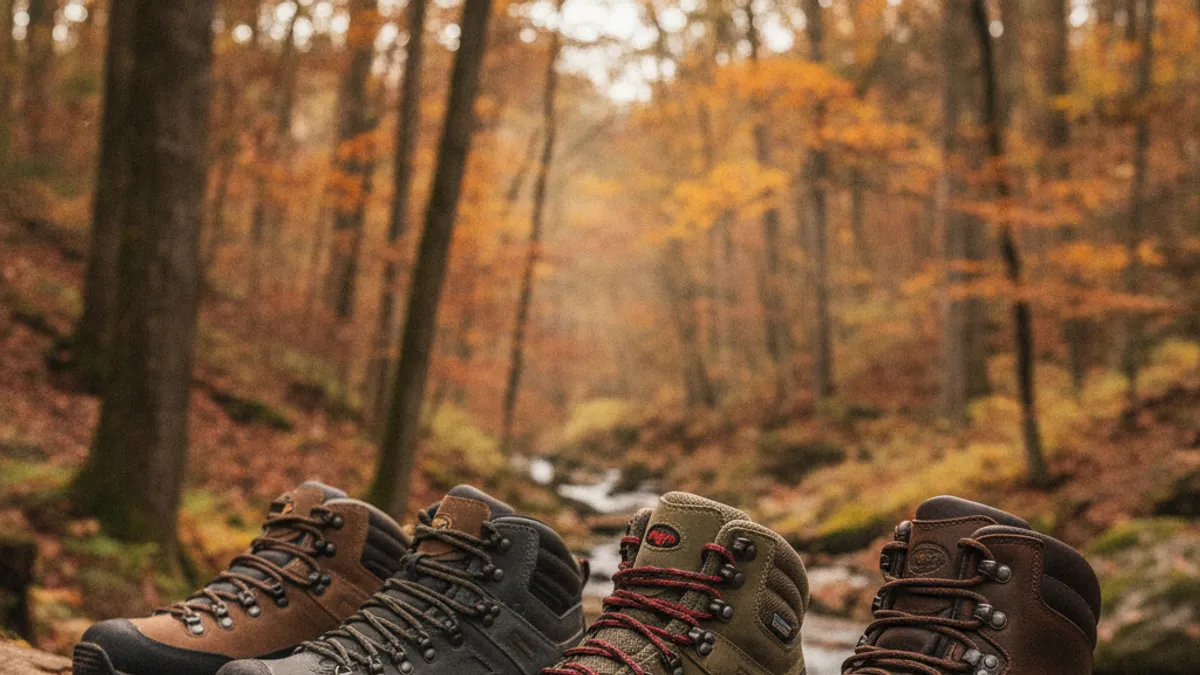
Hiking shoes, which are low-cut designs, offer the least ankle support but the maximum range of motion. They are incredibly lightweight, often feeling similar to sturdy running shoes, and usually require minimal break-in time. This makes them an excellent choice for hikers sticking to relatively flat, well-maintained trails, such as those found in local parks or around many campgrounds. If you’re primarily doing day hikes where you’re not carrying a heavy pack (think under 15 pounds / 6.8 kg), and your ankles are strong, a low-cut shoe can be a great option for staying agile and comfortable.
Mid-Cut for Balanced Support and Protection
Mid-cut hiking boots offer a solid compromise, providing good ankle support and a decent level of protection without feeling overly restrictive. They extend to the area just above your ankle bone, acting as a buffer against minor impacts and helping to prevent ankle rolls on uneven terrain. These boots are ideal for a wide variety of hiking conditions, including longer day hikes and weekend backpacking trips with moderate loads. The increased support compared to low-cut shoes is often appreciated by those who want a little more confidence when navigating rocky or root-filled paths.
High-Cut for Maximum Stability and Ruggedness
When your adventures involve significant mileage, heavy backpacks, or truly challenging, uneven terrain like scree slopes or rocky ascents, high-cut boots are your best bet. These boots wrap securely over your ankle, offering the highest level of support and stability, which is crucial for preventing injuries and maintaining comfort when carrying substantial weight over long distances. Their robust construction also typically provides better protection against trail elements and greater durability, making them a worthwhile investment for serious backpackers and thru-hikers tackling demanding expeditions.
Common Mistakes When Buying Hiking Boots
Ignoring the Fit for the Brand Name
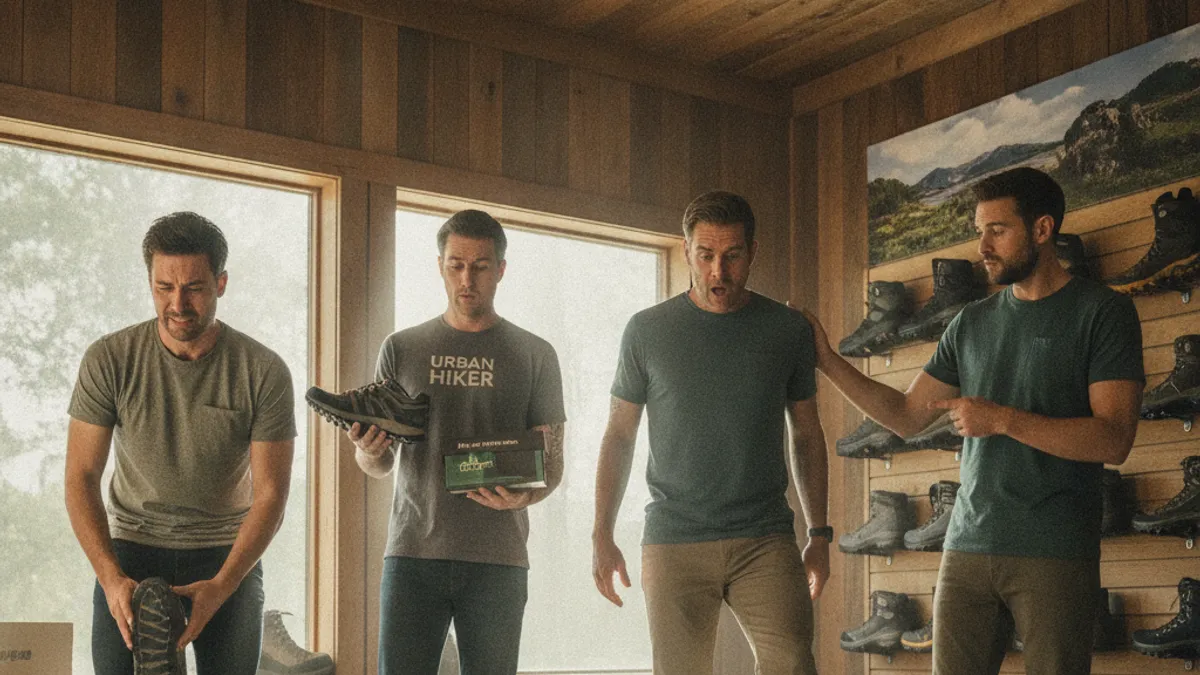
A common pitfall is choosing boots solely based on brand reputation or what a friend recommends, without prioritizing personal fit. Even the most premium boots from top brands will cause discomfort, blisters, or worse if they don’t suit your foot shape and anatomy. Our research indicates that fit is paramount; a boot that pinches at the toes, rubs the heel, or feels too loose around the instep will quickly turn a pleasant hike into a miserable experience. For example, a wider foot might feel constricted in a boot designed for a narrower profile, regardless of the brand’s expertise.
Always make your own foot’s comfort the deciding factor over brand prestige.
Picking Waterproof When You Don’t Need It
Another frequent mistake is opting for waterproof hiking boots when your typical hiking environment doesn’t warrant it. While waterproofing is excellent for keeping feet dry in wet weather, these membranes can significantly reduce breathability. In hot, dry climates or on strenuous hikes where you’ll sweat a lot, non-waterproof boots often perform better by allowing more air circulation, preventing your feet from becoming uncomfortably damp and hot from internal moisture. Verified buyer feedback often highlights this issue, reports show hikers in arid regions regretting their waterproof selection for its lack of ventilation on desert trails.
Consider your primary hiking conditions carefully; if you’re rarely facing significant rain or deep puddles, prioritizing breathability might be a wiser choice.
Picking the Right Cut: Low, Mid, or High?
Low-Cut for Freedom and Lightness
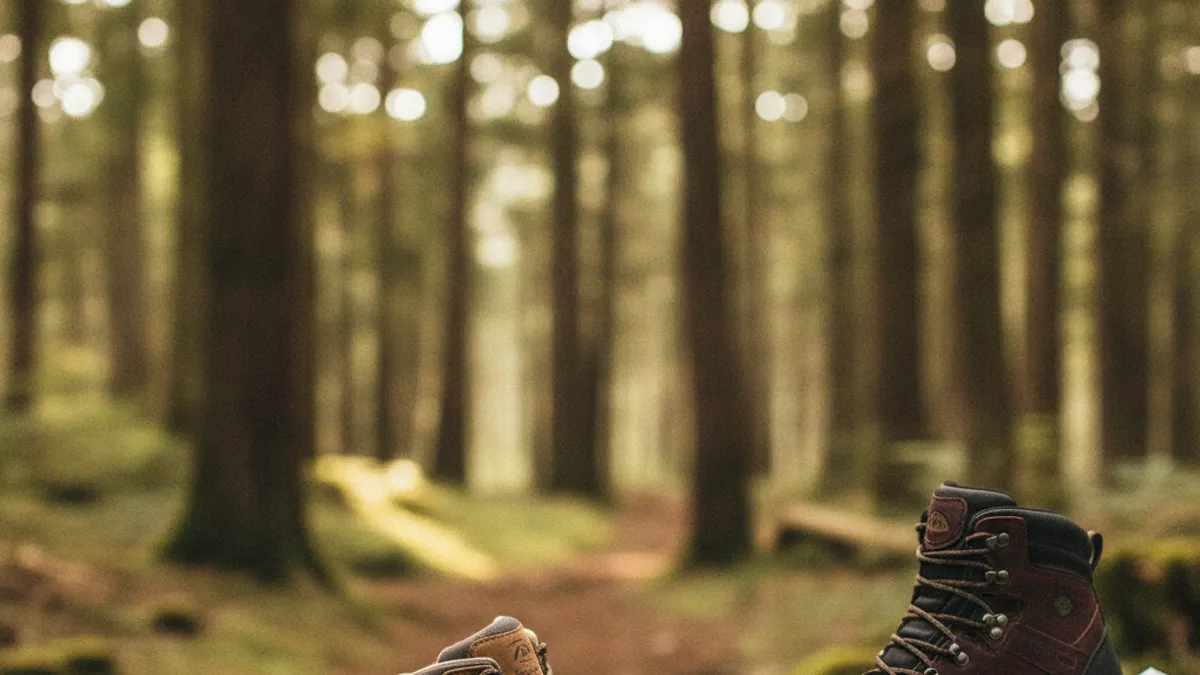
Hiking shoes, which are low-cut designs, offer the least ankle support but the maximum range of motion. They are incredibly lightweight, often feeling similar to sturdy running shoes, and usually require minimal break-in time. This makes them an excellent choice for hikers sticking to relatively flat, well-maintained trails, such as those found in local parks or around many campgrounds. If you’re primarily doing day hikes where you’re not carrying a heavy pack (think under 15 pounds / 6.8 kg), and your ankles are strong, a low-cut shoe can be a great option for staying agile and comfortable.
Mid-Cut for Balanced Support and Protection
Mid-cut hiking boots offer a solid compromise, providing good ankle support and a decent level of protection without feeling overly restrictive. They extend to the area just above your ankle bone, acting as a buffer against minor impacts and helping to prevent ankle rolls on uneven terrain. These boots are ideal for a wide variety of hiking conditions, including longer day hikes and weekend backpacking trips with moderate loads. The increased support compared to low-cut shoes is often appreciated by those who want a little more confidence when navigating rocky or root-filled paths.
High-Cut for Maximum Stability and Ruggedness
When your adventures involve significant mileage, heavy backpacks, or truly challenging, uneven terrain like scree slopes or rocky ascents, high-cut boots are your best bet. These boots wrap securely over your ankle, offering the highest level of support and stability, which is crucial for preventing injuries and maintaining comfort when carrying substantial weight over long distances. Their robust construction also typically provides better protection against trail elements and greater durability, making them a worthwhile investment for serious backpackers and thru-hikers tackling demanding expeditions.
Common Mistakes When Buying Hiking Boots
Ignoring the Fit for the Brand Name
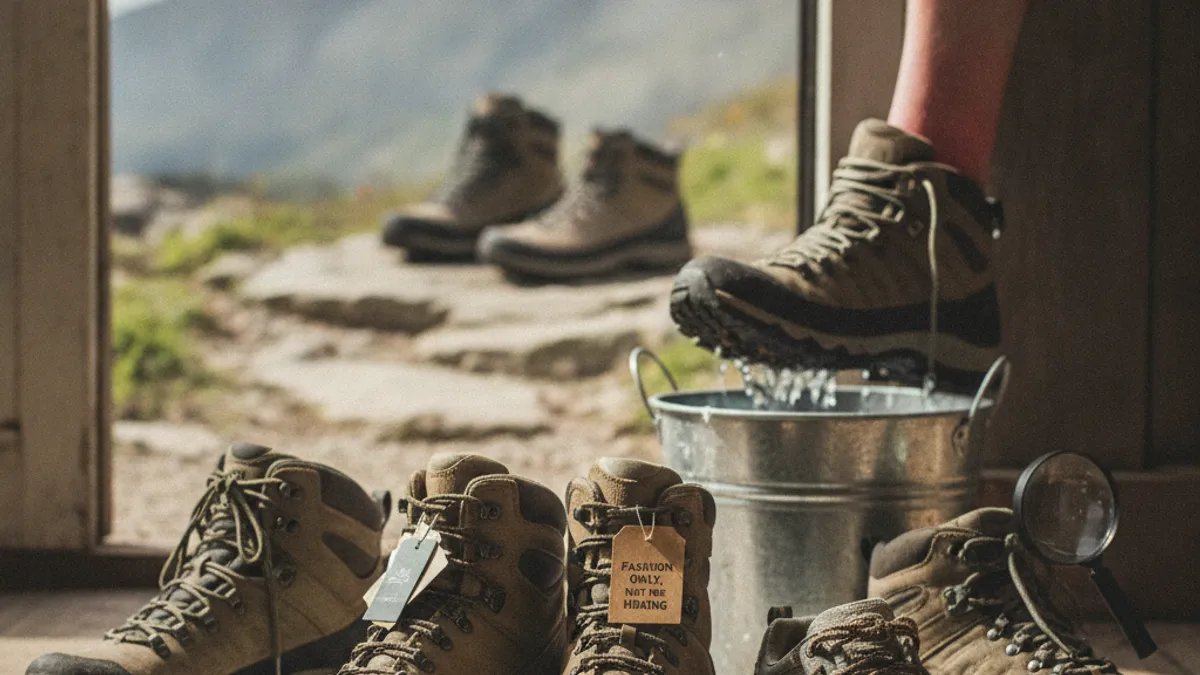
A common pitfall is choosing boots solely based on brand reputation or what a friend recommends, without prioritizing personal fit. Even the most premium boots from top brands will cause discomfort, blisters, or worse if they don’t suit your foot shape and anatomy. Our research indicates that fit is paramount; a boot that pinches at the toes, rubs the heel, or feels too loose around the instep will quickly turn a pleasant hike into a miserable experience. For example, a wider foot might feel constricted in a boot designed for a narrower profile, regardless of the brand’s expertise.
Always make your own foot’s comfort the deciding factor over brand prestige.
Picking Waterproof When You Don’t Need It
Another frequent mistake is opting for waterproof hiking boots when your typical hiking environment doesn’t warrant it. While waterproofing is excellent for keeping feet dry in wet weather, these membranes can significantly reduce breathability. In hot, dry climates or on strenuous hikes where you’ll sweat a lot, non-waterproof boots often perform better by allowing more air circulation, preventing your feet from becoming uncomfortably damp and hot from internal moisture. Verified buyer feedback often highlights this issue, reports show hikers in arid regions regretting their waterproof selection for its lack of ventilation on desert trails.
Consider your primary hiking conditions carefully; if you’re rarely facing significant rain or deep puddles, prioritizing breathability might be a wiser choice.
Picking the Right Cut: Low, Mid, or High?
Low-Cut for Freedom and Lightness
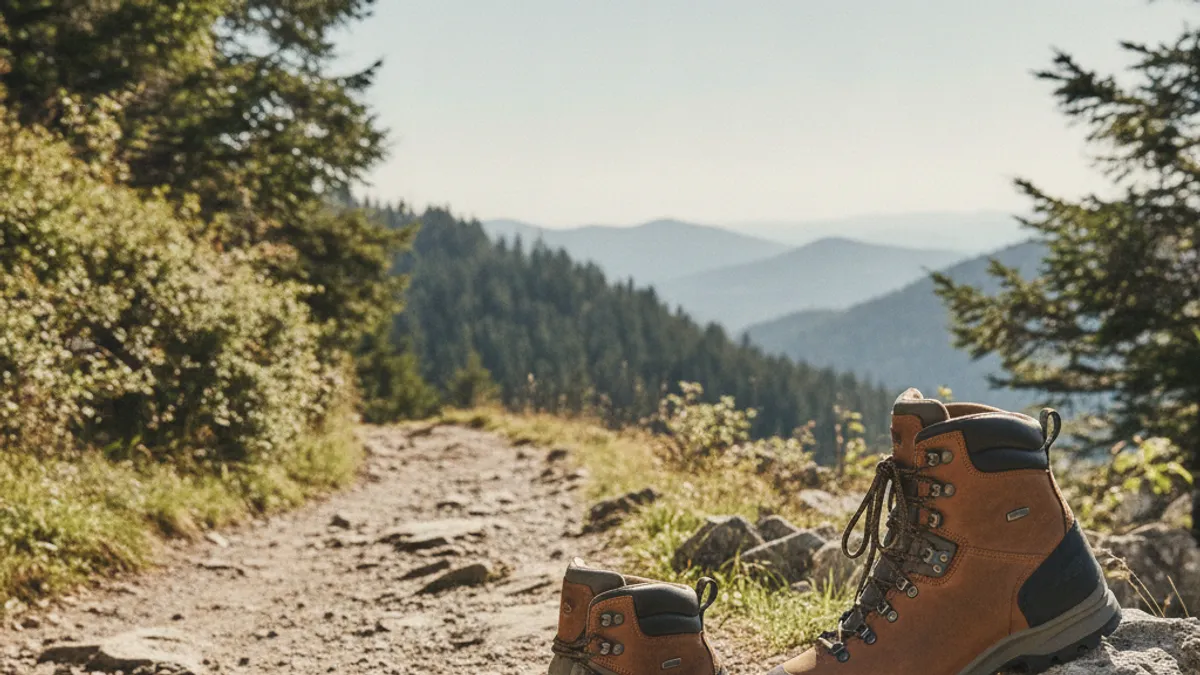
Hiking shoes, which are low-cut designs, offer the least ankle support but the maximum range of motion. They are incredibly lightweight, often feeling similar to sturdy running shoes, and usually require minimal break-in time. This makes them an excellent choice for hikers sticking to relatively flat, well-maintained trails, such as those found in local parks or around many campgrounds. If you’re primarily doing day hikes where you’re not carrying a heavy pack (think under 15 pounds / 6.8 kg), and your ankles are strong, a low-cut shoe can be a great option for staying agile and comfortable.
Mid-Cut for Balanced Support and Protection
Mid-cut hiking boots offer a solid compromise, providing good ankle support and a decent level of protection without feeling overly restrictive. They extend to the area just above your ankle bone, acting as a buffer against minor impacts and helping to prevent ankle rolls on uneven terrain. These boots are ideal for a wide variety of hiking conditions, including longer day hikes and weekend backpacking trips with moderate loads. The increased support compared to low-cut shoes is often appreciated by those who want a little more confidence when navigating rocky or root-filled paths.
High-Cut for Maximum Stability and Ruggedness
When your adventures involve significant mileage, heavy backpacks, or truly challenging, uneven terrain like scree slopes or rocky ascents, high-cut boots are your best bet. These boots wrap securely over your ankle, offering the highest level of support and stability, which is crucial for preventing injuries and maintaining comfort when carrying substantial weight over long distances. Their robust construction also typically provides better protection against trail elements and greater durability, making them a worthwhile investment for serious backpackers and thru-hikers tackling demanding expeditions.
Common Mistakes When Buying Hiking Boots
Ignoring the Fit for the Brand Name
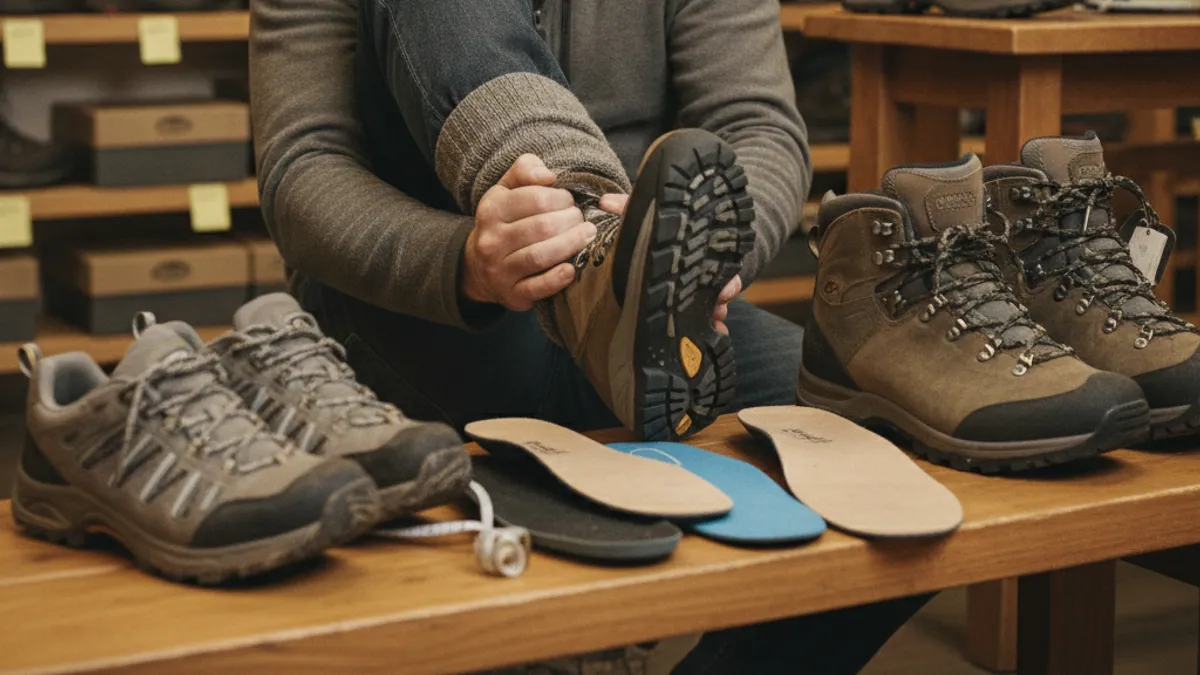
A common pitfall is choosing boots solely based on brand reputation or what a friend recommends, without prioritizing personal fit. Even the most premium boots from top brands will cause discomfort, blisters, or worse if they don’t suit your foot shape and anatomy. Our research indicates that fit is paramount; a boot that pinches at the toes, rubs the heel, or feels too loose around the instep will quickly turn a pleasant hike into a miserable experience. For example, a wider foot might feel constricted in a boot designed for a narrower profile, regardless of the brand’s expertise.
Always make your own foot’s comfort the deciding factor over brand prestige.
Picking Waterproof When You Don’t Need It
Another frequent mistake is opting for waterproof hiking boots when your typical hiking environment doesn’t warrant it. While waterproofing is excellent for keeping feet dry in wet weather, these membranes can significantly reduce breathability. In hot, dry climates or on strenuous hikes where you’ll sweat a lot, non-waterproof boots often perform better by allowing more air circulation, preventing your feet from becoming uncomfortably damp and hot from internal moisture. Verified buyer feedback often highlights this issue, reports show hikers in arid regions regretting their waterproof selection for its lack of ventilation on desert trails.
Consider your primary hiking conditions carefully; if you’re rarely facing significant rain or deep puddles, prioritizing breathability might be a wiser choice.
Picking the Right Cut: Low, Mid, or High?
Low-Cut for Freedom and Lightness
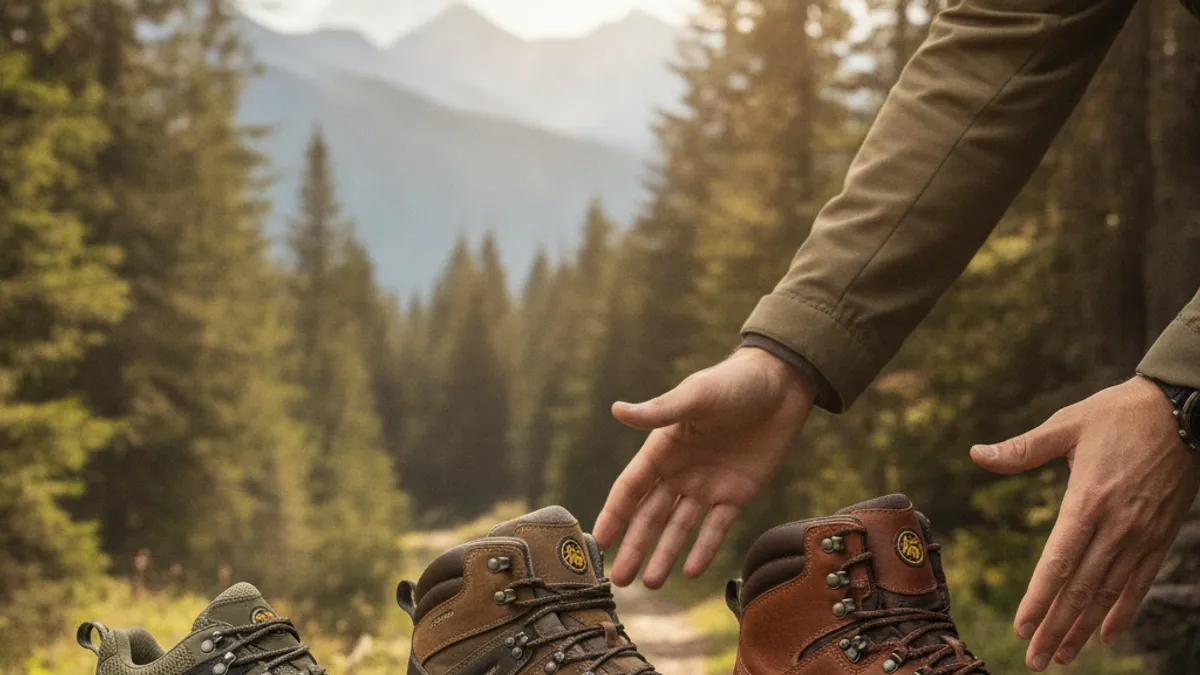
Hiking shoes, which are low-cut designs, offer the least ankle support but the maximum range of motion. They are incredibly lightweight, often feeling similar to sturdy running shoes, and usually require minimal break-in time. This makes them an excellent choice for hikers sticking to relatively flat, well-maintained trails, such as those found in local parks or around many campgrounds. If you’re primarily doing day hikes where you’re not carrying a heavy pack (think under 15 pounds / 6.8 kg), and your ankles are strong, a low-cut shoe can be a great option for staying agile and comfortable.
Mid-Cut for Balanced Support and Protection
Mid-cut hiking boots offer a solid compromise, providing good ankle support and a decent level of protection without feeling overly restrictive. They extend to the area just above your ankle bone, acting as a buffer against minor impacts and helping to prevent ankle rolls on uneven terrain. These boots are ideal for a wide variety of hiking conditions, including longer day hikes and weekend backpacking trips with moderate loads. The increased support compared to low-cut shoes is often appreciated by those who want a little more confidence when navigating rocky or root-filled paths.
High-Cut for Maximum Stability and Ruggedness
When your adventures involve significant mileage, heavy backpacks, or truly challenging, uneven terrain like scree slopes or rocky ascents, high-cut boots are your best bet. These boots wrap securely over your ankle, offering the highest level of support and stability, which is crucial for preventing injuries and maintaining comfort when carrying substantial weight over long distances. Their robust construction also typically provides better protection against trail elements and greater durability, making them a worthwhile investment for serious backpackers and thru-hikers tackling demanding expeditions.
Common Mistakes When Buying Hiking Boots
Ignoring the Fit for the Brand Name
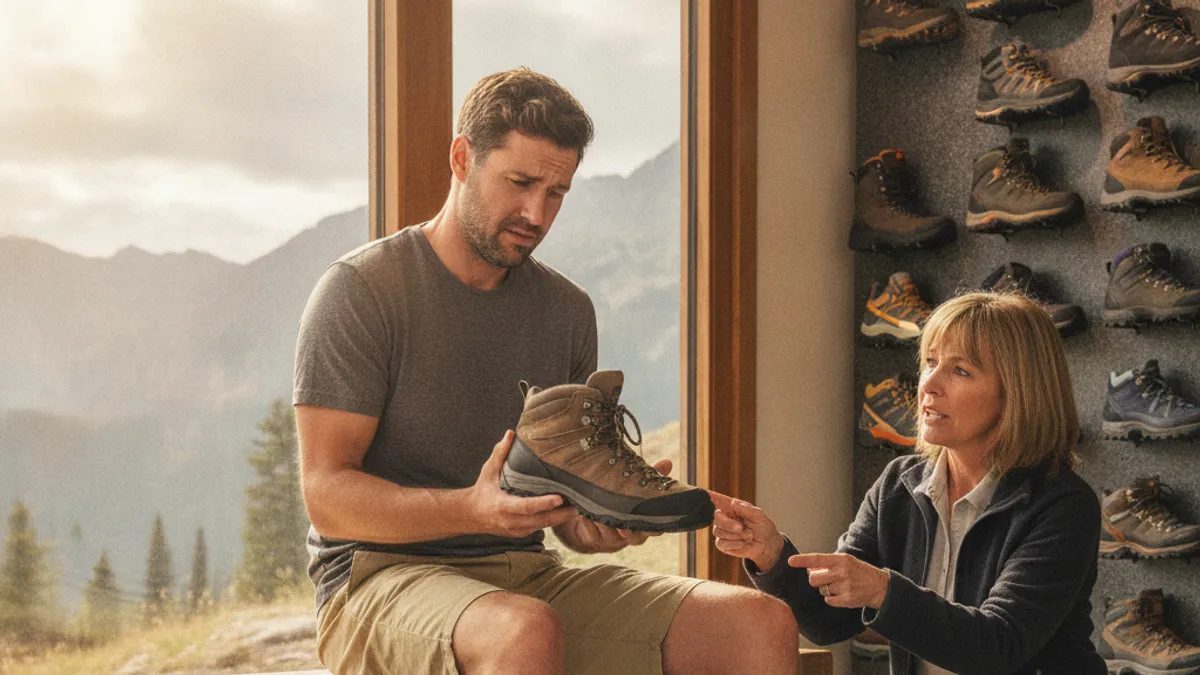
A common pitfall is choosing boots solely based on brand reputation or what a friend recommends, without prioritizing personal fit. Even the most premium boots from top brands will cause discomfort, blisters, or worse if they don’t suit your foot shape and anatomy. Our research indicates that fit is paramount; a boot that pinches at the toes, rubs the heel, or feels too loose around the instep will quickly turn a pleasant hike into a miserable experience. For example, a wider foot might feel constricted in a boot designed for a narrower profile, regardless of the brand’s expertise.
Always make your own foot’s comfort the deciding factor over brand prestige.
Picking Waterproof When You Don’t Need It
Another frequent mistake is opting for waterproof hiking boots when your typical hiking environment doesn’t warrant it. While waterproofing is excellent for keeping feet dry in wet weather, these membranes can significantly reduce breathability. In hot, dry climates or on strenuous hikes where you’ll sweat a lot, non-waterproof boots often perform better by allowing more air circulation, preventing your feet from becoming uncomfortably damp and hot from internal moisture. Verified buyer feedback often highlights this issue, reports show hikers in arid regions regretting their waterproof selection for its lack of ventilation on desert trails.
Consider your primary hiking conditions carefully; if you’re rarely facing significant rain or deep puddles, prioritizing breathability might be a wiser choice.
Picking the Right Cut: Low, Mid, or High?
Low-Cut for Freedom and Lightness
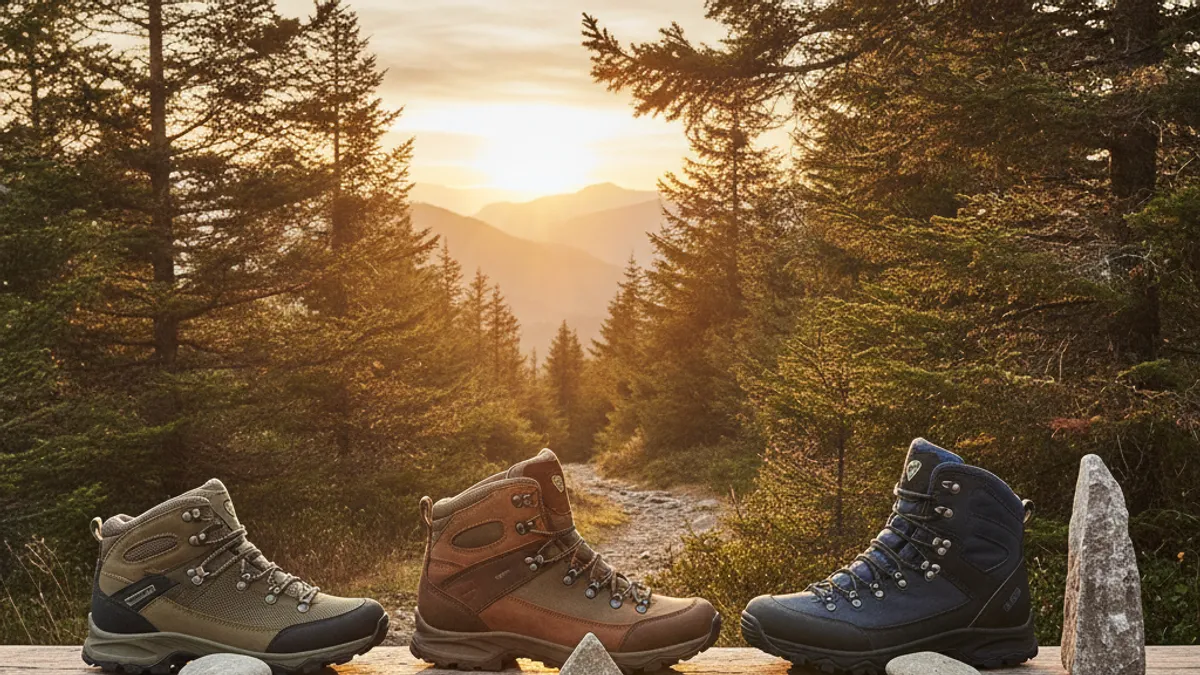
Hiking shoes, which are low-cut designs, offer the least ankle support but the maximum range of motion. They are incredibly lightweight, often feeling similar to sturdy running shoes, and usually require minimal break-in time. This makes them an excellent choice for hikers sticking to relatively flat, well-maintained trails, such as those found in local parks or around many campgrounds. If you’re primarily doing day hikes where you’re not carrying a heavy pack (think under 15 pounds / 6.8 kg), and your ankles are strong, a low-cut shoe can be a great option for staying agile and comfortable.
Mid-Cut for Balanced Support and Protection
Mid-cut hiking boots offer a solid compromise, providing good ankle support and a decent level of protection without feeling overly restrictive. They extend to the area just above your ankle bone, acting as a buffer against minor impacts and helping to prevent ankle rolls on uneven terrain. These boots are ideal for a wide variety of hiking conditions, including longer day hikes and weekend backpacking trips with moderate loads. The increased support compared to low-cut shoes is often appreciated by those who want a little more confidence when navigating rocky or root-filled paths.
High-Cut for Maximum Stability and Ruggedness
When your adventures involve significant mileage, heavy backpacks, or truly challenging, uneven terrain like scree slopes or rocky ascents, high-cut boots are your best bet. These boots wrap securely over your ankle, offering the highest level of support and stability, which is crucial for preventing injuries and maintaining comfort when carrying substantial weight over long distances. Their robust construction also typically provides better protection against trail elements and greater durability, making them a worthwhile investment for serious backpackers and thru-hikers tackling demanding expeditions.
Common Mistakes When Buying Hiking Boots
Ignoring the Fit for the Brand Name
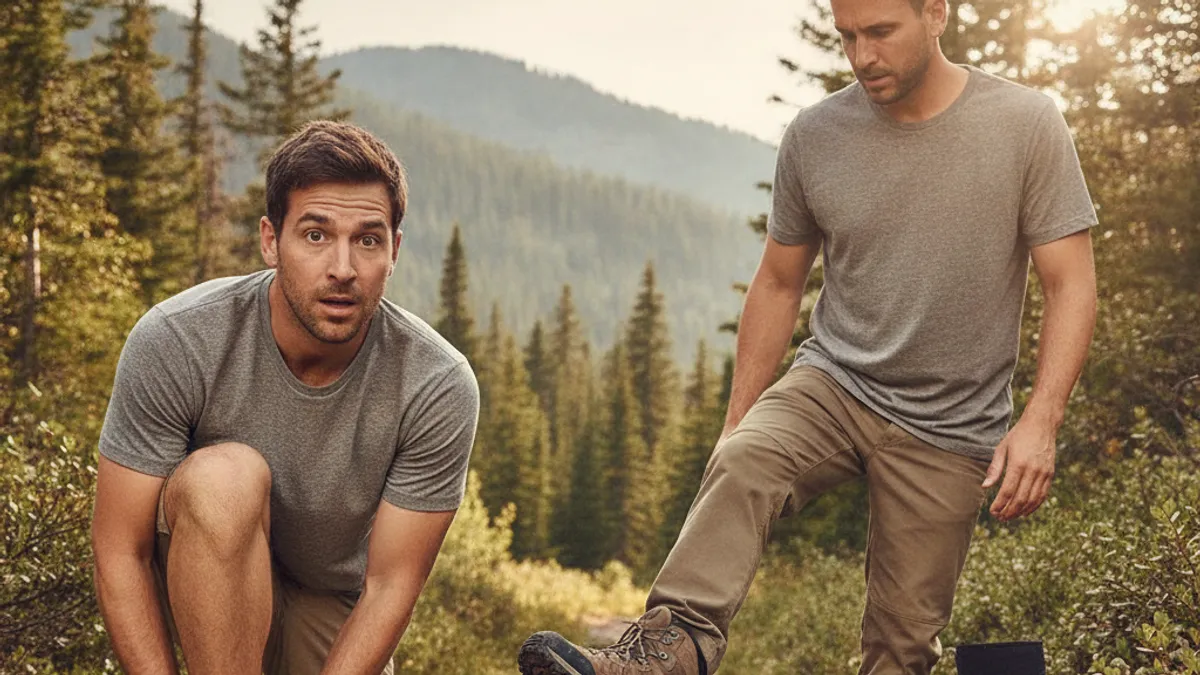
A common pitfall is choosing boots solely based on brand reputation or what a friend recommends, without prioritizing personal fit. Even the most premium boots from top brands will cause discomfort, blisters, or worse if they don’t suit your foot shape and anatomy. Our research indicates that fit is paramount; a boot that pinches at the toes, rubs the heel, or feels too loose around the instep will quickly turn a pleasant hike into a miserable experience. For example, a wider foot might feel constricted in a boot designed for a narrower profile, regardless of the brand’s expertise.
Always make your own foot’s comfort the deciding factor over brand prestige.
Picking Waterproof When You Don’t Need It
Another frequent mistake is opting for waterproof hiking boots when your typical hiking environment doesn’t warrant it. While waterproofing is excellent for keeping feet dry in wet weather, these membranes can significantly reduce breathability. In hot, dry climates or on strenuous hikes where you’ll sweat a lot, non-waterproof boots often perform better by allowing more air circulation, preventing your feet from becoming uncomfortably damp and hot from internal moisture. Verified buyer feedback often highlights this issue, reports show hikers in arid regions regretting their waterproof selection for its lack of ventilation on desert trails.
Consider your primary hiking conditions carefully; if you’re rarely facing significant rain or deep puddles, prioritizing breathability might be a wiser choice.
Picking the Right Cut: Low, Mid, or High?
Low-Cut for Freedom and Lightness
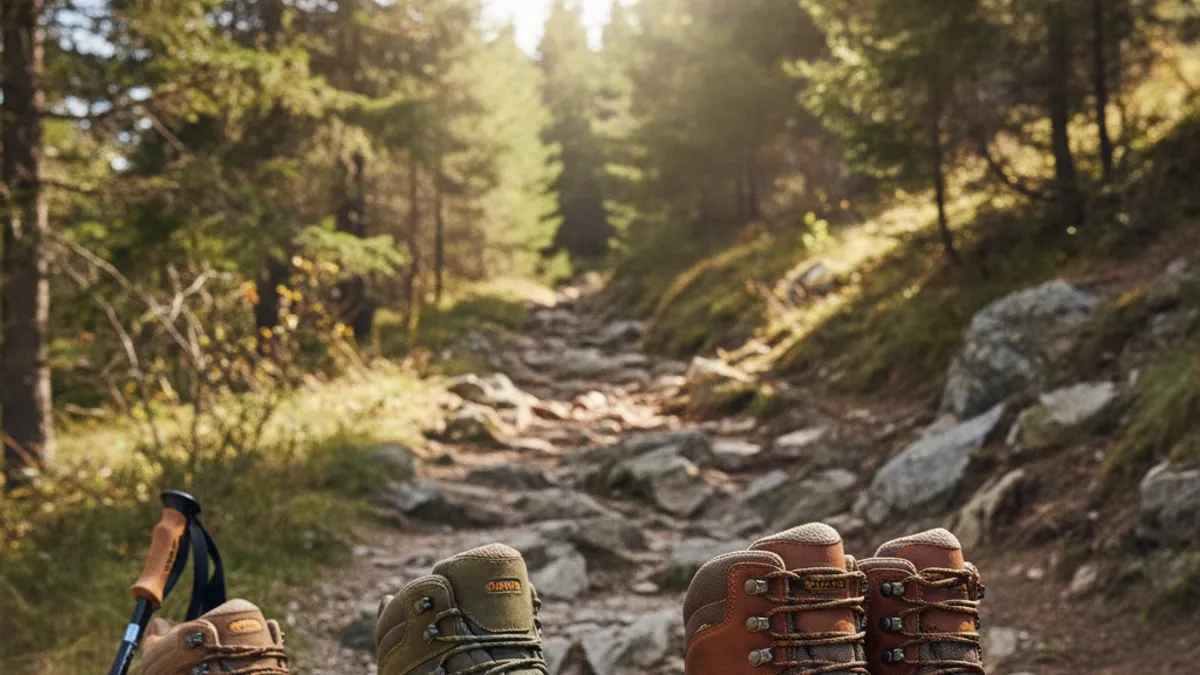
Hiking shoes, which are low-cut designs, offer the least ankle support but the maximum range of motion. They are incredibly lightweight, often feeling similar to sturdy running shoes, and usually require minimal break-in time. This makes them an excellent choice for hikers sticking to relatively flat, well-maintained trails, such as those found in local parks or around many campgrounds. If you’re primarily doing day hikes where you’re not carrying a heavy pack (think under 15 pounds / 6.8 kg), and your ankles are strong, a low-cut shoe can be a great option for staying agile and comfortable.
Mid-Cut for Balanced Support and Protection
Mid-cut hiking boots offer a solid compromise, providing good ankle support and a decent level of protection without feeling overly restrictive. They extend to the area just above your ankle bone, acting as a buffer against minor impacts and helping to prevent ankle rolls on uneven terrain. These boots are ideal for a wide variety of hiking conditions, including longer day hikes and weekend backpacking trips with moderate loads. The increased support compared to low-cut shoes is often appreciated by those who want a little more confidence when navigating rocky or root-filled paths.
High-Cut for Maximum Stability and Ruggedness
When your adventures involve significant mileage, heavy backpacks, or truly challenging, uneven terrain like scree slopes or rocky ascents, high-cut boots are your best bet. These boots wrap securely over your ankle, offering the highest level of support and stability, which is crucial for preventing injuries and maintaining comfort when carrying substantial weight over long distances. Their robust construction also typically provides better protection against trail elements and greater durability, making them a worthwhile investment for serious backpackers and thru-hikers tackling demanding expeditions.
Common Mistakes When Buying Hiking Boots
Ignoring the Fit for the Brand Name
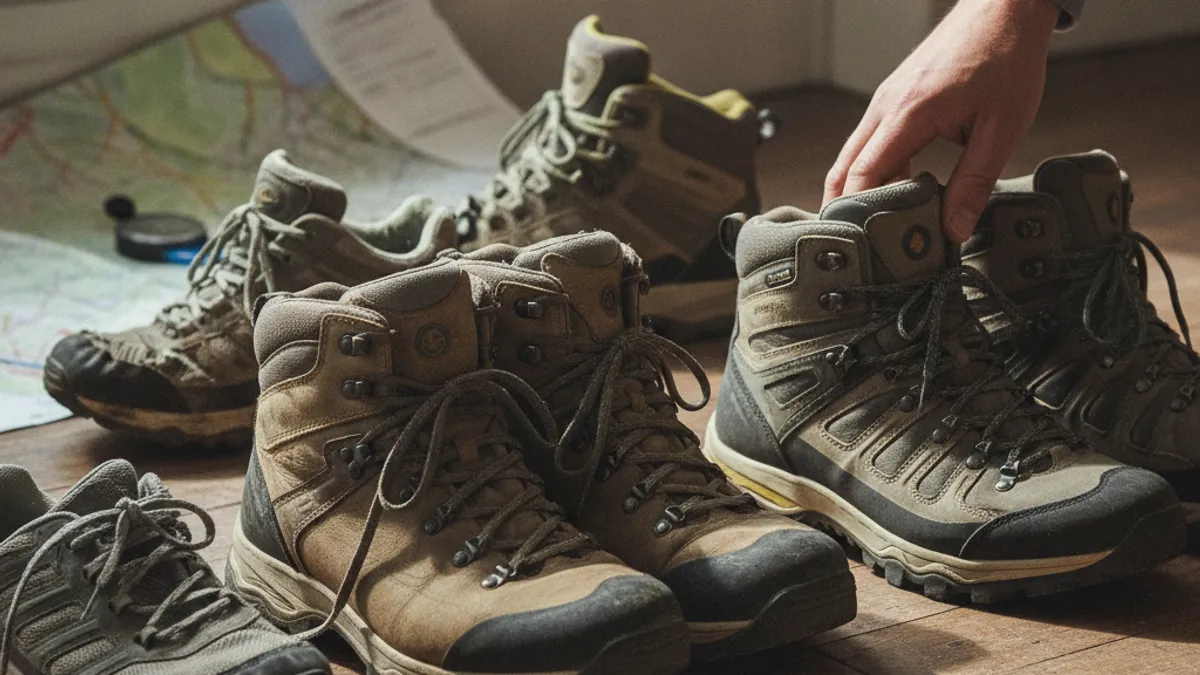
A common pitfall is choosing boots solely based on brand reputation or what a friend recommends, without prioritizing personal fit. Even the most premium boots from top brands will cause discomfort, blisters, or worse if they don’t suit your foot shape and anatomy. Our research indicates that fit is paramount; a boot that pinches at the toes, rubs the heel, or feels too loose around the instep will quickly turn a pleasant hike into a miserable experience. For example, a wider foot might feel constricted in a boot designed for a narrower profile, regardless of the brand’s expertise.
Always make your own foot’s comfort the deciding factor over brand prestige.
Picking Waterproof When You Don’t Need It
Another frequent mistake is opting for waterproof hiking boots when your typical hiking environment doesn’t warrant it. While waterproofing is excellent for keeping feet dry in wet weather, these membranes can significantly reduce breathability. In hot, dry climates or on strenuous hikes where you’ll sweat a lot, non-waterproof boots often perform better by allowing more air circulation, preventing your feet from becoming uncomfortably damp and hot from internal moisture. Verified buyer feedback often highlights this issue, reports show hikers in arid regions regretting their waterproof selection for its lack of ventilation on desert trails.
Consider your primary hiking conditions carefully; if you’re rarely facing significant rain or deep puddles, prioritizing breathability might be a wiser choice.
Picking the Right Cut: Low, Mid, or High?
Low-Cut for Freedom and Lightness
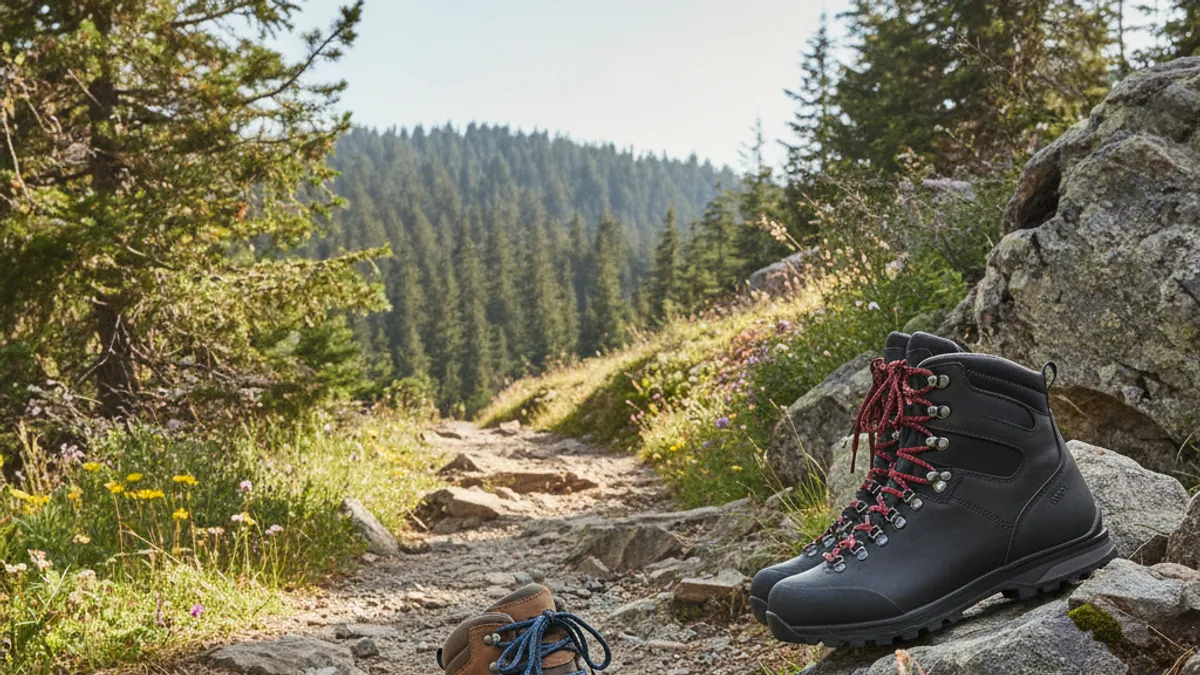
Hiking shoes, which are low-cut designs, offer the least ankle support but the maximum range of motion. They are incredibly lightweight, often feeling similar to sturdy running shoes, and usually require minimal break-in time. This makes them an excellent choice for hikers sticking to relatively flat, well-maintained trails, such as those found in local parks or around many campgrounds. If you’re primarily doing day hikes where you’re not carrying a heavy pack (think under 15 pounds / 6.8 kg), and your ankles are strong, a low-cut shoe can be a great option for staying agile and comfortable.
Mid-Cut for Balanced Support and Protection
Mid-cut hiking boots offer a solid compromise, providing good ankle support and a decent level of protection without feeling overly restrictive. They extend to the area just above your ankle bone, acting as a buffer against minor impacts and helping to prevent ankle rolls on uneven terrain. These boots are ideal for a wide variety of hiking conditions, including longer day hikes and weekend backpacking trips with moderate loads. The increased support compared to low-cut shoes is often appreciated by those who want a little more confidence when navigating rocky or root-filled paths.
High-Cut for Maximum Stability and Ruggedness
When your adventures involve significant mileage, heavy backpacks, or truly challenging, uneven terrain like scree slopes or rocky ascents, high-cut boots are your best bet. These boots wrap securely over your ankle, offering the highest level of support and stability, which is crucial for preventing injuries and maintaining comfort when carrying substantial weight over long distances. Their robust construction also typically provides better protection against trail elements and greater durability, making them a worthwhile investment for serious backpackers and thru-hikers tackling demanding expeditions.
Common Mistakes When Buying Hiking Boots
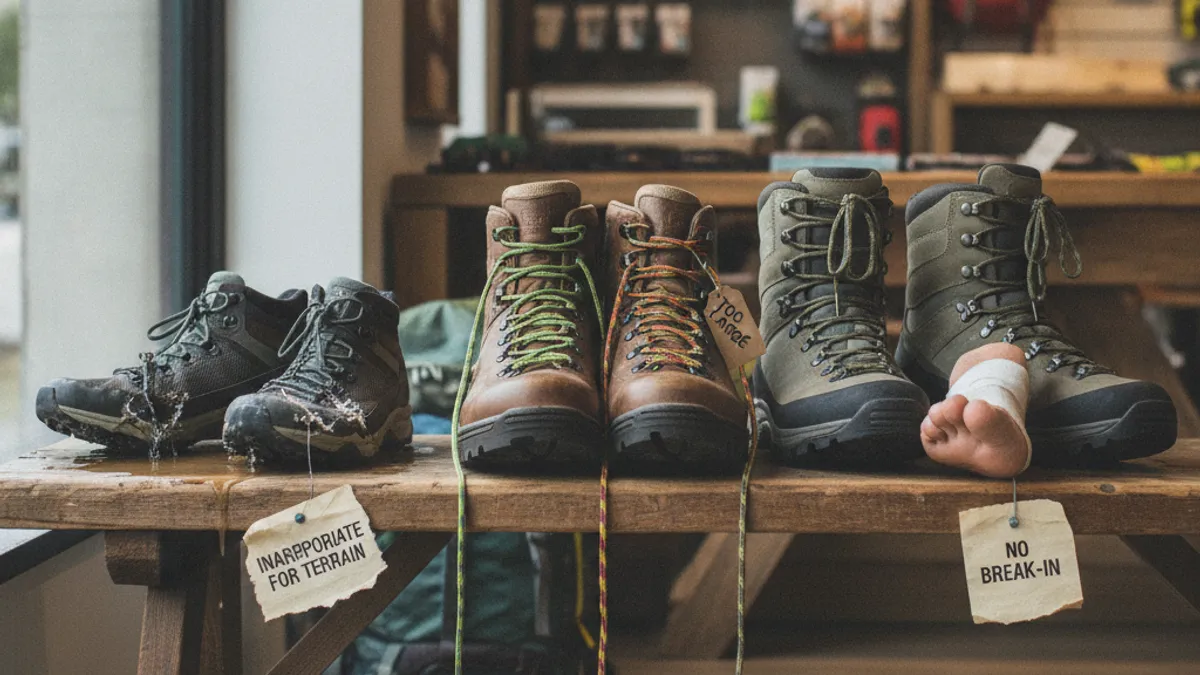
Ignoring the Fit for the Brand Name
A common pitfall is choosing boots solely based on brand reputation or what a friend recommends, without prioritizing personal fit. Even the most premium boots from top brands will cause discomfort, blisters, or worse if they don’t suit your foot shape and anatomy. Our research indicates that fit is paramount; a boot that pinches at the toes, rubs the heel, or feels too loose around the instep will quickly turn a pleasant hike into a miserable experience. For example, a wider foot might feel constricted in a boot designed for a narrower profile, regardless of the brand’s expertise.
Always make your own foot’s comfort the deciding factor over brand prestige.
Picking Waterproof When You Don’t Need It
Another frequent mistake is opting for waterproof hiking boots when your typical hiking environment doesn’t warrant it. While waterproofing is excellent for keeping feet dry in wet weather, these membranes can significantly reduce breathability. In hot, dry climates or on strenuous hikes where you’ll sweat a lot, non-waterproof boots often perform better by allowing more air circulation, preventing your feet from becoming uncomfortably damp and hot from internal moisture. Verified buyer feedback often highlights this issue, reports show hikers in arid regions regretting their waterproof selection for its lack of ventilation on desert trails.
Consider your primary hiking conditions carefully; if you’re rarely facing significant rain or deep puddles, prioritizing breathability might be a wiser choice.
Picking the Right Cut: Low, Mid, or High?
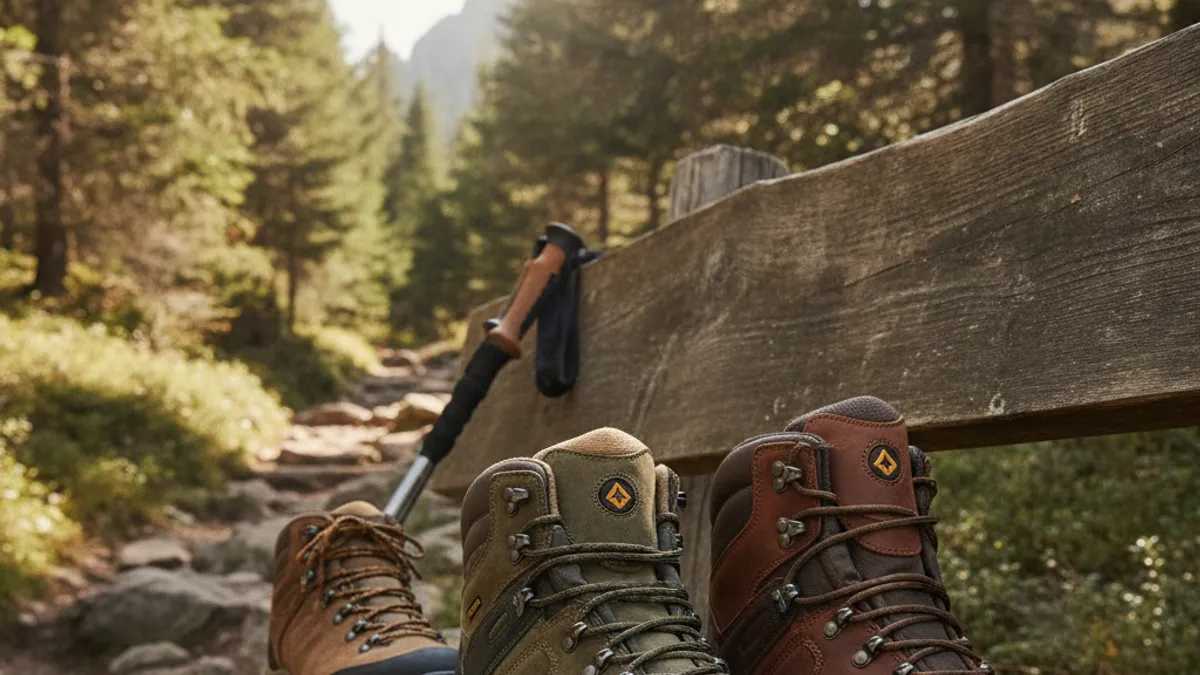
Low-Cut for Freedom and Lightness
Hiking shoes, which are low-cut designs, offer the least ankle support but the maximum range of motion. They are incredibly lightweight, often feeling similar to sturdy running shoes, and usually require minimal break-in time. This makes them an excellent choice for hikers sticking to relatively flat, well-maintained trails, such as those found in local parks or around many campgrounds. If you’re primarily doing day hikes where you’re not carrying a heavy pack (think under 15 pounds / 6.8 kg), and your ankles are strong, a low-cut shoe can be a great option for staying agile and comfortable.
Mid-Cut for Balanced Support and Protection
Mid-cut hiking boots offer a solid compromise, providing good ankle support and a decent level of protection without feeling overly restrictive. They extend to the area just above your ankle bone, acting as a buffer against minor impacts and helping to prevent ankle rolls on uneven terrain. These boots are ideal for a wide variety of hiking conditions, including longer day hikes and weekend backpacking trips with moderate loads. The increased support compared to low-cut shoes is often appreciated by those who want a little more confidence when navigating rocky or root-filled paths.
High-Cut for Maximum Stability and Ruggedness
When your adventures involve significant mileage, heavy backpacks, or truly challenging, uneven terrain like scree slopes or rocky ascents, high-cut boots are your best bet. These boots wrap securely over your ankle, offering the highest level of support and stability, which is crucial for preventing injuries and maintaining comfort when carrying substantial weight over long distances. Their robust construction also typically provides better protection against trail elements and greater durability, making them a worthwhile investment for serious backpackers and thru-hikers tackling demanding expeditions.
Common Mistakes When Buying Hiking Boots
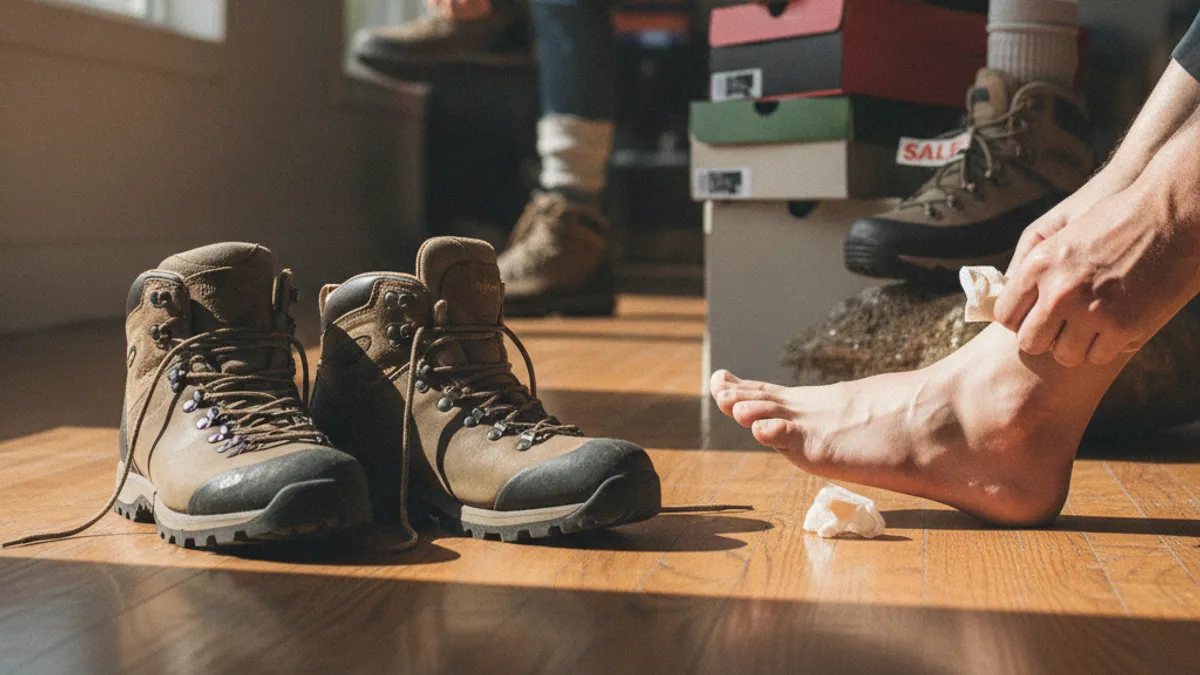
Ignoring the Fit for the Brand Name
A common pitfall is choosing boots solely based on brand reputation or what a friend recommends, without prioritizing personal fit. Even the most premium boots from top brands will cause discomfort, blisters, or worse if they don’t suit your foot shape and anatomy. Our research indicates that fit is paramount; a boot that pinches at the toes, rubs the heel, or feels too loose around the instep will quickly turn a pleasant hike into a miserable experience. For example, a wider foot might feel constricted in a boot designed for a narrower profile, regardless of the brand’s expertise.
Always make your own foot’s comfort the deciding factor over brand prestige.
Picking Waterproof When You Don’t Need It
Another frequent mistake is opting for waterproof hiking boots when your typical hiking environment doesn’t warrant it. While waterproofing is excellent for keeping feet dry in wet weather, these membranes can significantly reduce breathability. In hot, dry climates or on strenuous hikes where you’ll sweat a lot, non-waterproof boots often perform better by allowing more air circulation, preventing your feet from becoming uncomfortably damp and hot from internal moisture. Verified buyer feedback often highlights this issue, reports show hikers in arid regions regretting their waterproof selection for its lack of ventilation on desert trails.
Consider your primary hiking conditions carefully; if you’re rarely facing significant rain or deep puddles, prioritizing breathability might be a wiser choice.
Picking the Right Cut: Low, Mid, or High?
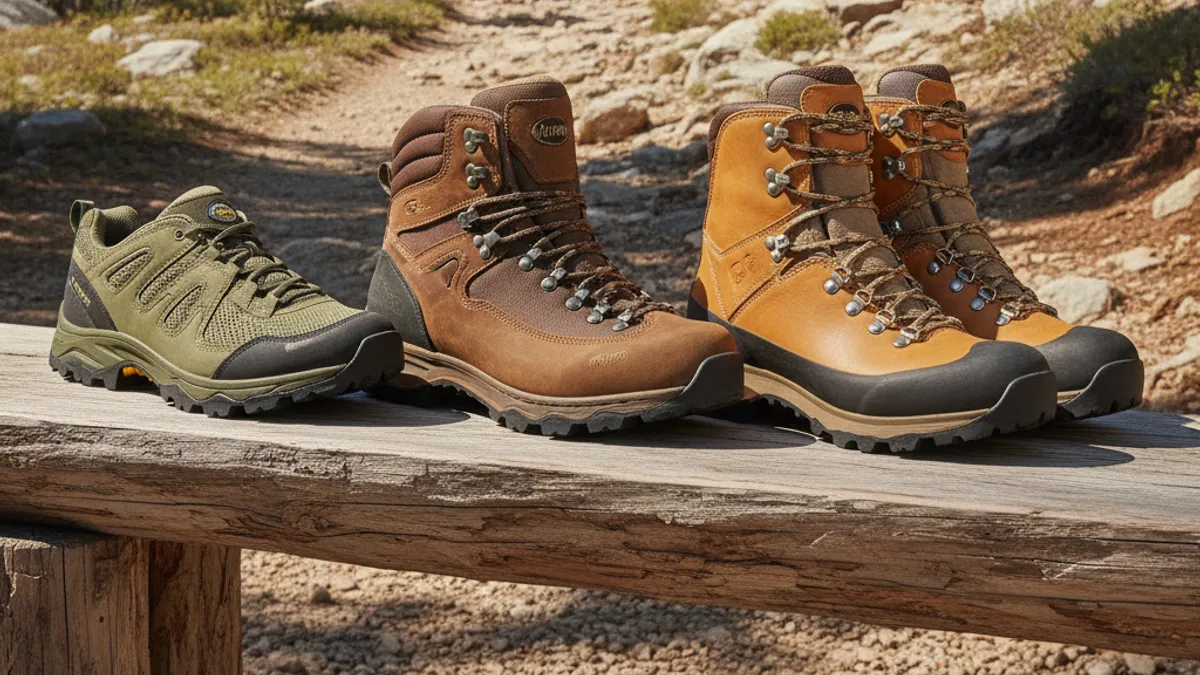
Low-Cut for Freedom and Lightness
Hiking shoes, which are low-cut designs, offer the least ankle support but the maximum range of motion. They are incredibly lightweight, often feeling similar to sturdy running shoes, and usually require minimal break-in time. This makes them an excellent choice for hikers sticking to relatively flat, well-maintained trails, such as those found in local parks or around many campgrounds. If you’re primarily doing day hikes where you’re not carrying a heavy pack (think under 15 pounds / 6.8 kg), and your ankles are strong, a low-cut shoe can be a great option for staying agile and comfortable.
Mid-Cut for Balanced Support and Protection
Mid-cut hiking boots offer a solid compromise, providing good ankle support and a decent level of protection without feeling overly restrictive. They extend to the area just above your ankle bone, acting as a buffer against minor impacts and helping to prevent ankle rolls on uneven terrain. These boots are ideal for a wide variety of hiking conditions, including longer day hikes and weekend backpacking trips with moderate loads. The increased support compared to low-cut shoes is often appreciated by those who want a little more confidence when navigating rocky or root-filled paths.
High-Cut for Maximum Stability and Ruggedness
When your adventures involve significant mileage, heavy backpacks, or truly challenging, uneven terrain like scree slopes or rocky ascents, high-cut boots are your best bet. These boots wrap securely over your ankle, offering the highest level of support and stability, which is crucial for preventing injuries and maintaining comfort when carrying substantial weight over long distances. Their robust construction also typically provides better protection against trail elements and greater durability, making them a worthwhile investment for serious backpackers and thru-hikers tackling demanding expeditions.
Common Mistakes When Buying Hiking Boots
Ignoring the Fit for the Brand Name
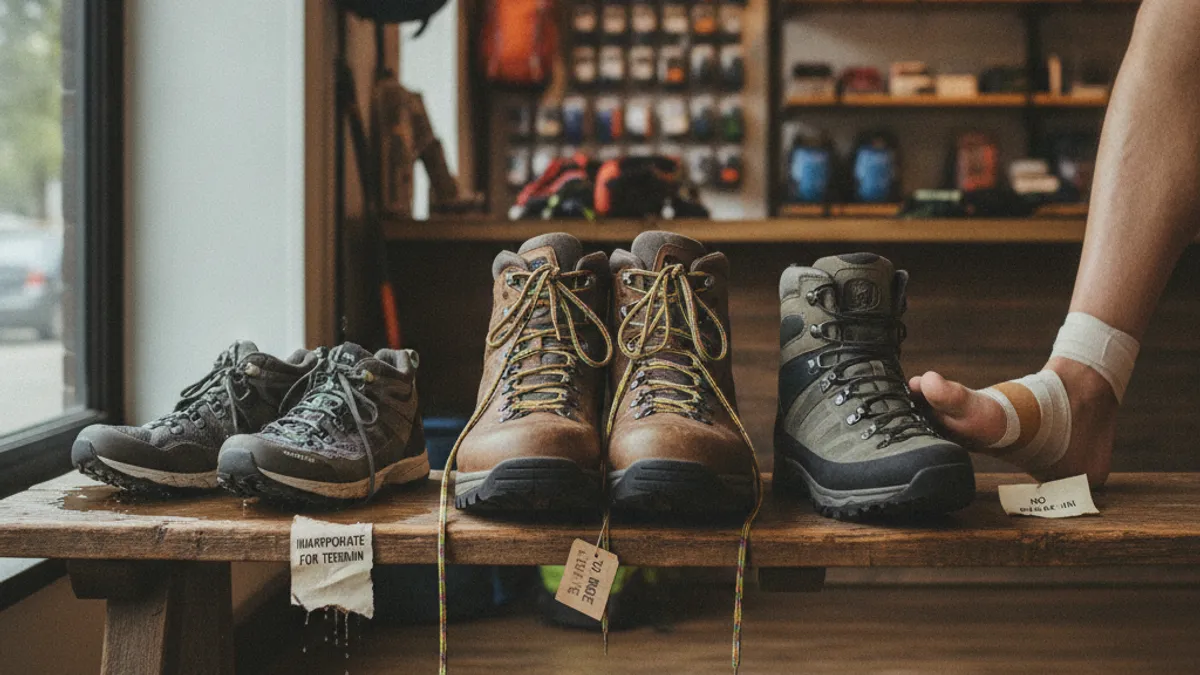
A common pitfall is choosing boots solely based on brand reputation or what a friend recommends, without prioritizing personal fit. Even the most premium boots from top brands will cause discomfort, blisters, or worse if they don’t suit your foot shape and anatomy. Our research indicates that fit is paramount; a boot that pinches at the toes, rubs the heel, or feels too loose around the instep will quickly turn a pleasant hike into a miserable experience. For example, a wider foot might feel constricted in a boot designed for a narrower profile, regardless of the brand’s expertise.
Always make your own foot’s comfort the deciding factor over brand prestige.
Picking Waterproof When You Don’t Need It
Another frequent mistake is opting for waterproof hiking boots when your typical hiking environment doesn’t warrant it. While waterproofing is excellent for keeping feet dry in wet weather, these membranes can significantly reduce breathability. In hot, dry climates or on strenuous hikes where you’ll sweat a lot, non-waterproof boots often perform better by allowing more air circulation, preventing your feet from becoming uncomfortably damp and hot from internal moisture. Verified buyer feedback often highlights this issue, reports show hikers in arid regions regretting their waterproof selection for its lack of ventilation on desert trails.
Consider your primary hiking conditions carefully; if you’re rarely facing significant rain or deep puddles, prioritizing breathability might be a wiser choice.
Picking the Right Cut: Low, Mid, or High?
Low-Cut for Freedom and Lightness
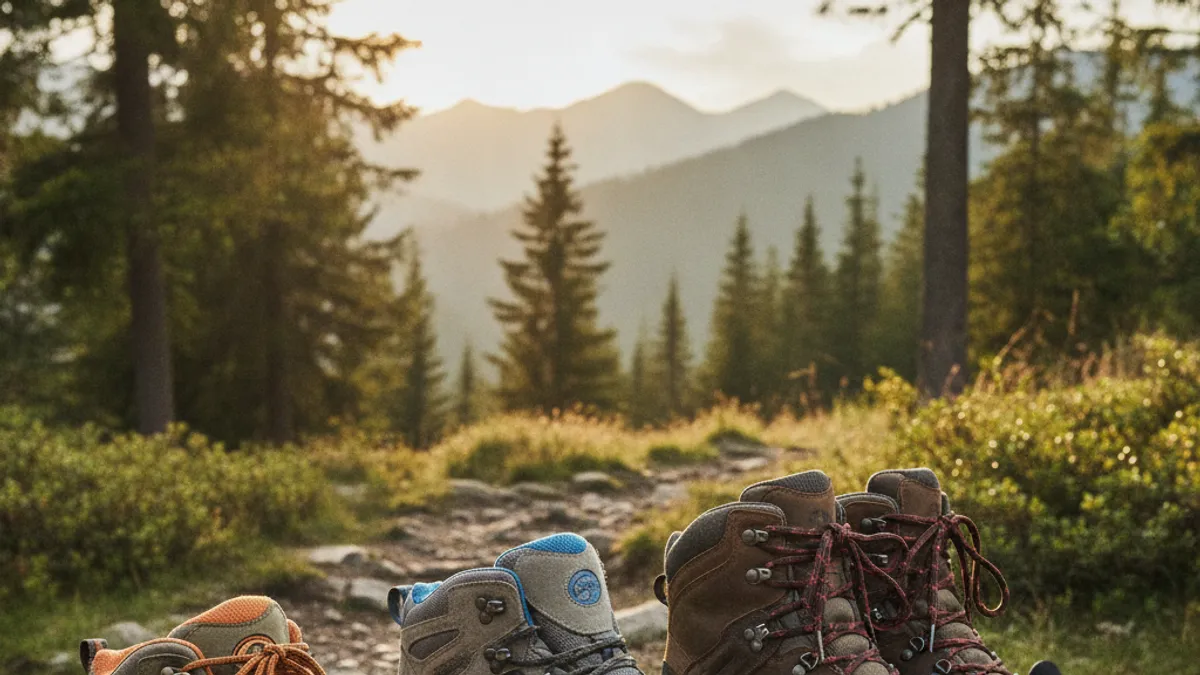
Hiking shoes, which are low-cut designs, offer the least ankle support but the maximum range of motion. They are incredibly lightweight, often feeling similar to sturdy running shoes, and usually require minimal break-in time. This makes them an excellent choice for hikers sticking to relatively flat, well-maintained trails, such as those found in local parks or around many campgrounds. If you’re primarily doing day hikes where you’re not carrying a heavy pack (think under 15 pounds / 6.8 kg), and your ankles are strong, a low-cut shoe can be a great option for staying agile and comfortable.
Mid-Cut for Balanced Support and Protection
Mid-cut hiking boots offer a solid compromise, providing good ankle support and a decent level of protection without feeling overly restrictive. They extend to the area just above your ankle bone, acting as a buffer against minor impacts and helping to prevent ankle rolls on uneven terrain. These boots are ideal for a wide variety of hiking conditions, including longer day hikes and weekend backpacking trips with moderate loads. The increased support compared to low-cut shoes is often appreciated by those who want a little more confidence when navigating rocky or root-filled paths.
High-Cut for Maximum Stability and Ruggedness
When your adventures involve significant mileage, heavy backpacks, or truly challenging, uneven terrain like scree slopes or rocky ascents, high-cut boots are your best bet. These boots wrap securely over your ankle, offering the highest level of support and stability, which is crucial for preventing injuries and maintaining comfort when carrying substantial weight over long distances. Their robust construction also typically provides better protection against trail elements and greater durability, making them a worthwhile investment for serious backpackers and thru-hikers tackling demanding expeditions.
Common Mistakes When Buying Hiking Boots
Ignoring the Fit for the Brand Name
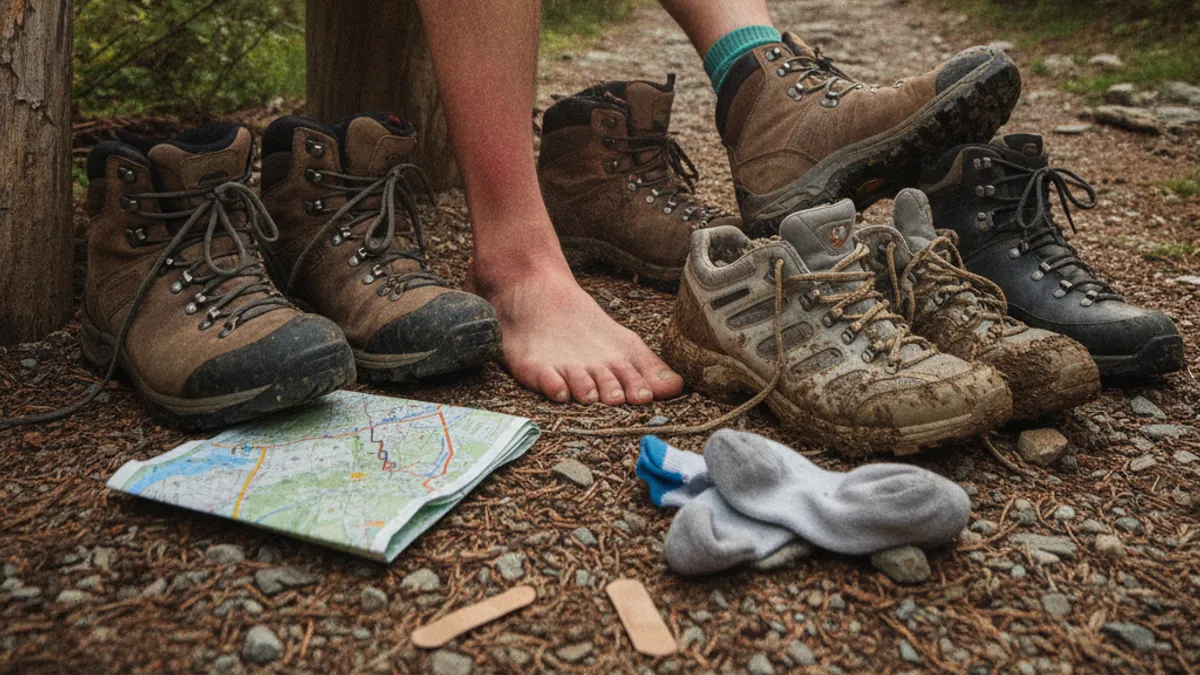
A common pitfall is choosing boots solely based on brand reputation or what a friend recommends, without prioritizing personal fit. Even the most premium boots from top brands will cause discomfort, blisters, or worse if they don’t suit your foot shape and anatomy. Our research indicates that fit is paramount; a boot that pinches at the toes, rubs the heel, or feels too loose around the instep will quickly turn a pleasant hike into a miserable experience. For example, a wider foot might feel constricted in a boot designed for a narrower profile, regardless of the brand’s expertise.
Always make your own foot’s comfort the deciding factor over brand prestige.
Picking Waterproof When You Don’t Need It
Another frequent mistake is opting for waterproof hiking boots when your typical hiking environment doesn’t warrant it. While waterproofing is excellent for keeping feet dry in wet weather, these membranes can significantly reduce breathability. In hot, dry climates or on strenuous hikes where you’ll sweat a lot, non-waterproof boots often perform better by allowing more air circulation, preventing your feet from becoming uncomfortably damp and hot from internal moisture. Verified buyer feedback often highlights this issue, reports show hikers in arid regions regretting their waterproof selection for its lack of ventilation on desert trails.
Consider your primary hiking conditions carefully; if you’re rarely facing significant rain or deep puddles, prioritizing breathability might be a wiser choice.
Picking the Right Cut: Low, Mid, or High?
Low-Cut for Freedom and Lightness
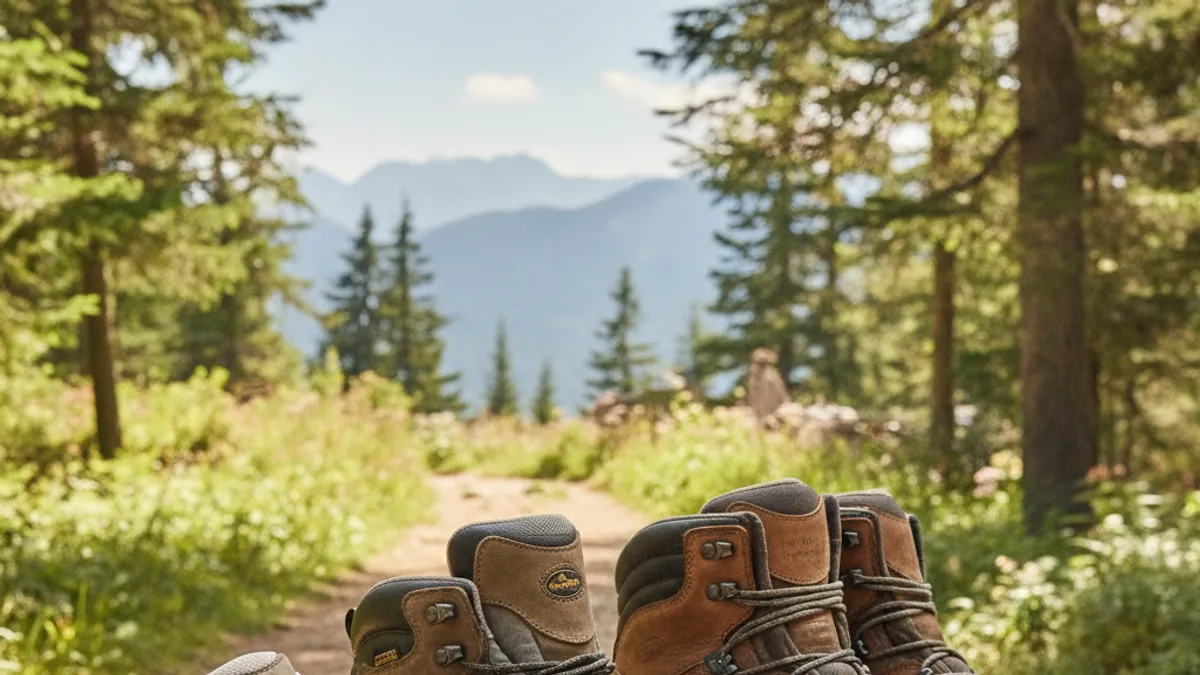
Hiking shoes, which are low-cut designs, offer the least ankle support but the maximum range of motion. They are incredibly lightweight, often feeling similar to sturdy running shoes, and usually require minimal break-in time. This makes them an excellent choice for hikers sticking to relatively flat, well-maintained trails, such as those found in local parks or around many campgrounds. If you’re primarily doing day hikes where you’re not carrying a heavy pack (think under 15 pounds / 6.8 kg), and your ankles are strong, a low-cut shoe can be a great option for staying agile and comfortable.
Mid-Cut for Balanced Support and Protection
Mid-cut hiking boots offer a solid compromise, providing good ankle support and a decent level of protection without feeling overly restrictive. They extend to the area just above your ankle bone, acting as a buffer against minor impacts and helping to prevent ankle rolls on uneven terrain. These boots are ideal for a wide variety of hiking conditions, including longer day hikes and weekend backpacking trips with moderate loads. The increased support compared to low-cut shoes is often appreciated by those who want a little more confidence when navigating rocky or root-filled paths.
High-Cut for Maximum Stability and Ruggedness
When your adventures involve significant mileage, heavy backpacks, or truly challenging, uneven terrain like scree slopes or rocky ascents, high-cut boots are your best bet. These boots wrap securely over your ankle, offering the highest level of support and stability, which is crucial for preventing injuries and maintaining comfort when carrying substantial weight over long distances. Their robust construction also typically provides better protection against trail elements and greater durability, making them a worthwhile investment for serious backpackers and thru-hikers tackling demanding expeditions.
Common Mistakes When Buying Hiking Boots
Ignoring the Fit for the Brand Name
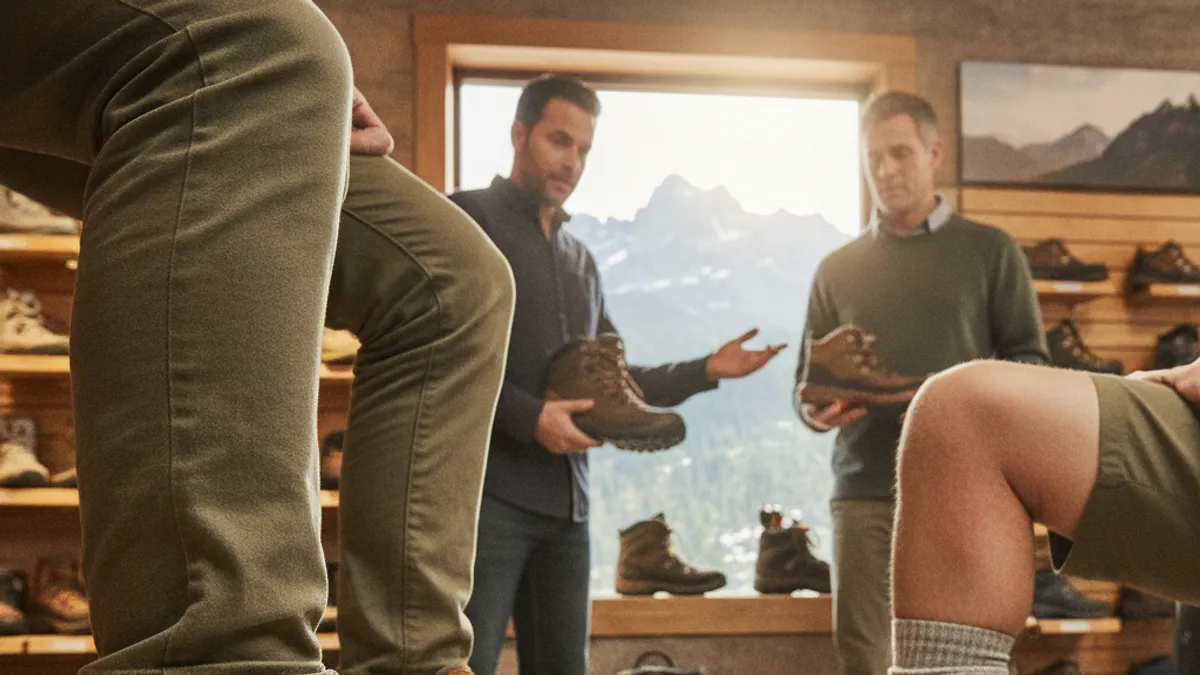
A common pitfall is choosing boots solely based on brand reputation or what a friend recommends, without prioritizing personal fit. Even the most premium boots from top brands will cause discomfort, blisters, or worse if they don’t suit your foot shape and anatomy. Our research indicates that fit is paramount; a boot that pinches at the toes, rubs the heel, or feels too loose around the instep will quickly turn a pleasant hike into a miserable experience. For example, a wider foot might feel constricted in a boot designed for a narrower profile, regardless of the brand’s expertise.
Always make your own foot’s comfort the deciding factor over brand prestige.
Picking Waterproof When You Don’t Need It
Another frequent mistake is opting for waterproof hiking boots when your typical hiking environment doesn’t warrant it. While waterproofing is excellent for keeping feet dry in wet weather, these membranes can significantly reduce breathability. In hot, dry climates or on strenuous hikes where you’ll sweat a lot, non-waterproof boots often perform better by allowing more air circulation, preventing your feet from becoming uncomfortably damp and hot from internal moisture. Verified buyer feedback often highlights this issue, reports show hikers in arid regions regretting their waterproof selection for its lack of ventilation on desert trails.
Consider your primary hiking conditions carefully; if you’re rarely facing significant rain or deep puddles, prioritizing breathability might be a wiser choice.
Picking the Right Cut: Low, Mid, or High?
Low-Cut for Freedom and Lightness
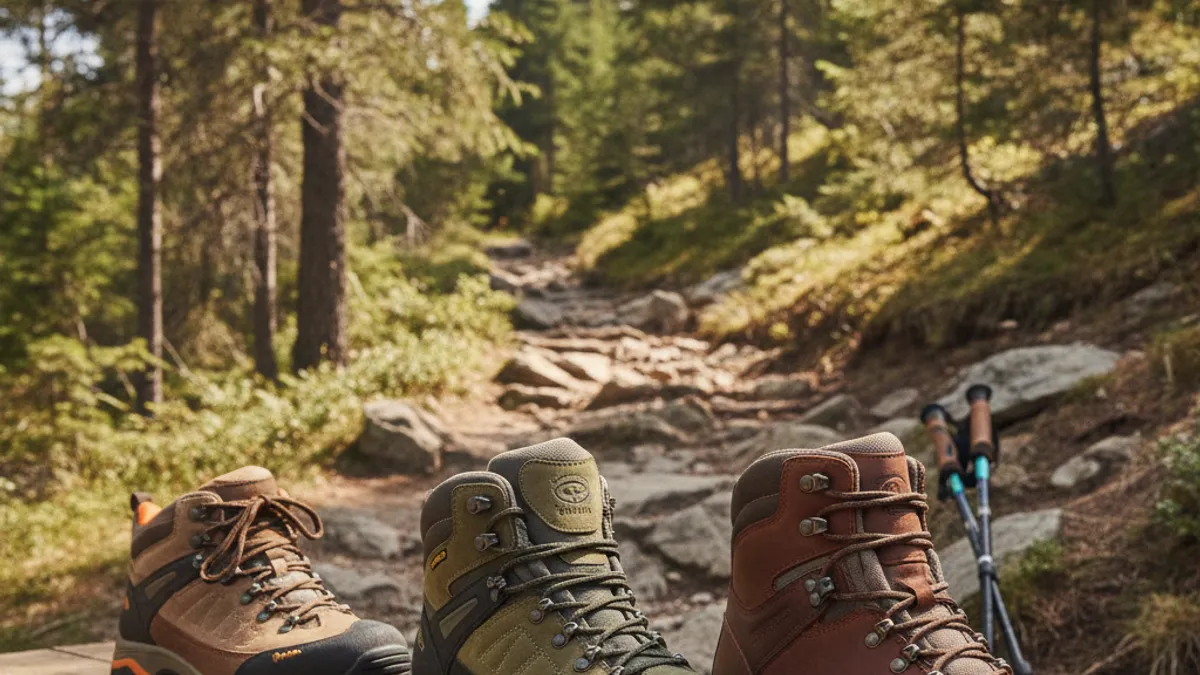
Hiking shoes, which are low-cut designs, offer the least ankle support but the maximum range of motion. They are incredibly lightweight, often feeling similar to sturdy running shoes, and usually require minimal break-in time. This makes them an excellent choice for hikers sticking to relatively flat, well-maintained trails, such as those found in local parks or around many campgrounds. If you’re primarily doing day hikes where you’re not carrying a heavy pack (think under 15 pounds / 6.8 kg), and your ankles are strong, a low-cut shoe can be a great option for staying agile and comfortable.
Mid-Cut for Balanced Support and Protection
Mid-cut hiking boots offer a solid compromise, providing good ankle support and a decent level of protection without feeling overly restrictive. They extend to the area just above your ankle bone, acting as a buffer against minor impacts and helping to prevent ankle rolls on uneven terrain. These boots are ideal for a wide variety of hiking conditions, including longer day hikes and weekend backpacking trips with moderate loads. The increased support compared to low-cut shoes is often appreciated by those who want a little more confidence when navigating rocky or root-filled paths.
High-Cut for Maximum Stability and Ruggedness
When your adventures involve significant mileage, heavy backpacks, or truly challenging, uneven terrain like scree slopes or rocky ascents, high-cut boots are your best bet. These boots wrap securely over your ankle, offering the highest level of support and stability, which is crucial for preventing injuries and maintaining comfort when carrying substantial weight over long distances. Their robust construction also typically provides better protection against trail elements and greater durability, making them a worthwhile investment for serious backpackers and thru-hikers tackling demanding expeditions.
Common Mistakes When Buying Hiking Boots
Ignoring the Fit for the Brand Name
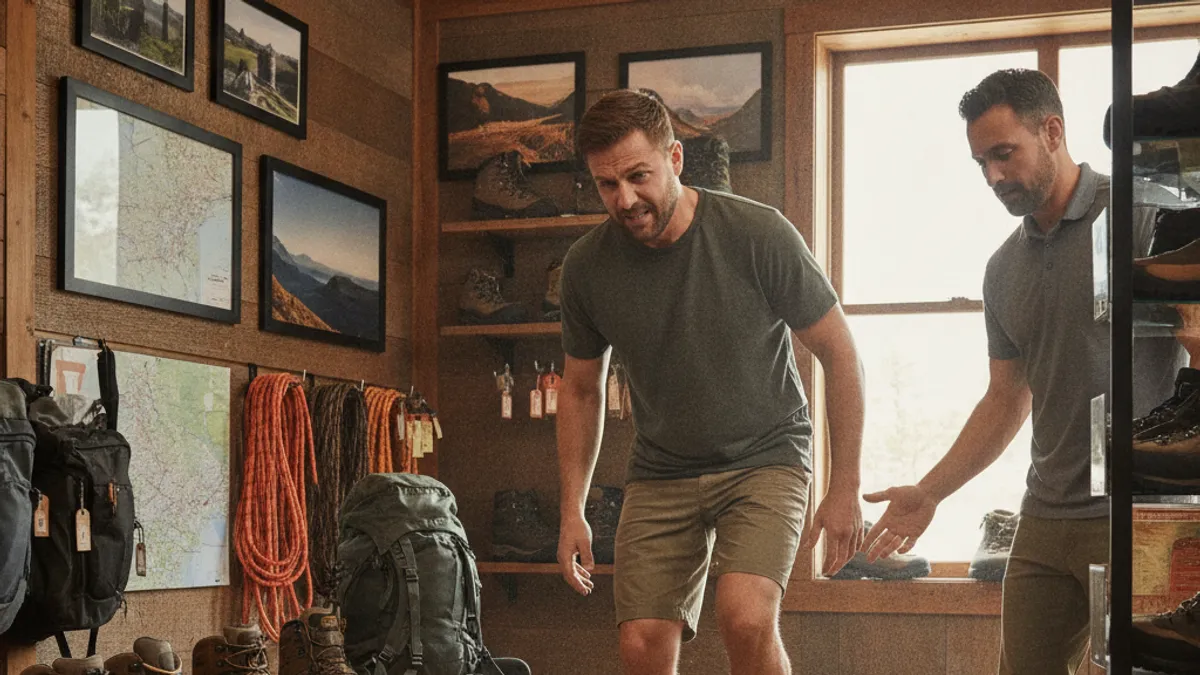
A common pitfall is choosing boots solely based on brand reputation or what a friend recommends, without prioritizing personal fit. Even the most premium boots from top brands will cause discomfort, blisters, or worse if they don’t suit your foot shape and anatomy. Our research indicates that fit is paramount; a boot that pinches at the toes, rubs the heel, or feels too loose around the instep will quickly turn a pleasant hike into a miserable experience. For example, a wider foot might feel constricted in a boot designed for a narrower profile, regardless of the brand’s expertise.
Always make your own foot’s comfort the deciding factor over brand prestige.
Picking Waterproof When You Don’t Need It
Another frequent mistake is opting for waterproof hiking boots when your typical hiking environment doesn’t warrant it. While waterproofing is excellent for keeping feet dry in wet weather, these membranes can significantly reduce breathability. In hot, dry climates or on strenuous hikes where you’ll sweat a lot, non-waterproof boots often perform better by allowing more air circulation, preventing your feet from becoming uncomfortably damp and hot from internal moisture. Verified buyer feedback often highlights this issue, reports show hikers in arid regions regretting their waterproof selection for its lack of ventilation on desert trails.
Consider your primary hiking conditions carefully; if you’re rarely facing significant rain or deep puddles, prioritizing breathability might be a wiser choice.
Picking the Right Cut: Low, Mid, or High?
Low-Cut for Freedom and Lightness
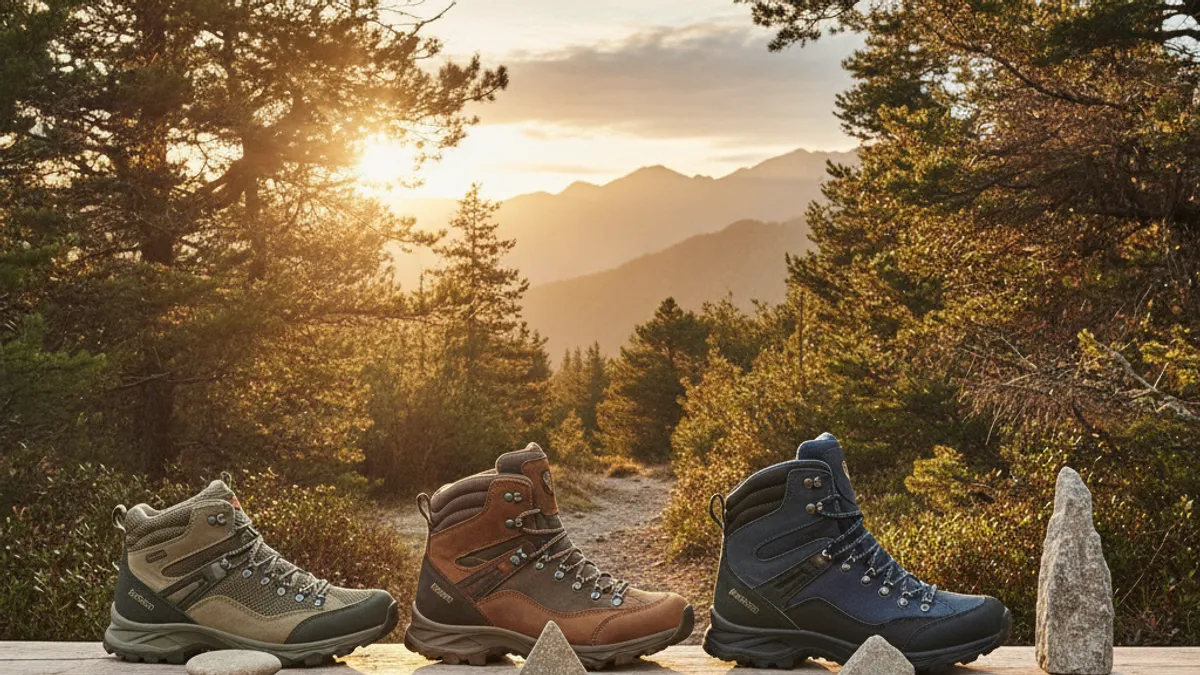
Hiking shoes, which are low-cut designs, offer the least ankle support but the maximum range of motion. They are incredibly lightweight, often feeling similar to sturdy running shoes, and usually require minimal break-in time. This makes them an excellent choice for hikers sticking to relatively flat, well-maintained trails, such as those found in local parks or around many campgrounds. If you’re primarily doing day hikes where you’re not carrying a heavy pack (think under 15 pounds / 6.8 kg), and your ankles are strong, a low-cut shoe can be a great option for staying agile and comfortable.
Mid-Cut for Balanced Support and Protection
Mid-cut hiking boots offer a solid compromise, providing good ankle support and a decent level of protection without feeling overly restrictive. They extend to the area just above your ankle bone, acting as a buffer against minor impacts and helping to prevent ankle rolls on uneven terrain. These boots are ideal for a wide variety of hiking conditions, including longer day hikes and weekend backpacking trips with moderate loads. The increased support compared to low-cut shoes is often appreciated by those who want a little more confidence when navigating rocky or root-filled paths.
High-Cut for Maximum Stability and Ruggedness
When your adventures involve significant mileage, heavy backpacks, or truly challenging, uneven terrain like scree slopes or rocky ascents, high-cut boots are your best bet. These boots wrap securely over your ankle, offering the highest level of support and stability, which is crucial for preventing injuries and maintaining comfort when carrying substantial weight over long distances. Their robust construction also typically provides better protection against trail elements and greater durability, making them a worthwhile investment for serious backpackers and thru-hikers tackling demanding expeditions.
Common Mistakes When Buying Hiking Boots
Ignoring the Fit for the Brand Name
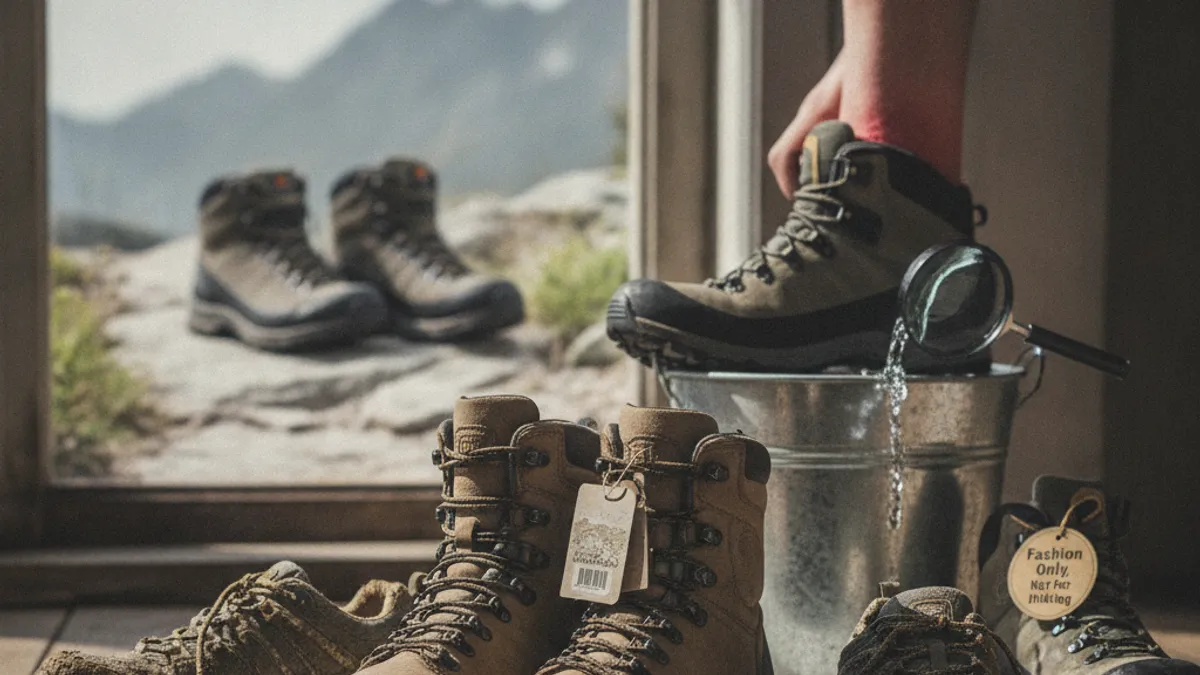
A common pitfall is choosing boots solely based on brand reputation or what a friend recommends, without prioritizing personal fit. Even the most premium boots from top brands will cause discomfort, blisters, or worse if they don’t suit your foot shape and anatomy. Our research indicates that fit is paramount; a boot that pinches at the toes, rubs the heel, or feels too loose around the instep will quickly turn a pleasant hike into a miserable experience. For example, a wider foot might feel constricted in a boot designed for a narrower profile, regardless of the brand’s expertise.
Always make your own foot’s comfort the deciding factor over brand prestige.
Picking Waterproof When You Don’t Need It
Another frequent mistake is opting for waterproof hiking boots when your typical hiking environment doesn’t warrant it. While waterproofing is excellent for keeping feet dry in wet weather, these membranes can significantly reduce breathability. In hot, dry climates or on strenuous hikes where you’ll sweat a lot, non-waterproof boots often perform better by allowing more air circulation, preventing your feet from becoming uncomfortably damp and hot from internal moisture. Verified buyer feedback often highlights this issue, reports show hikers in arid regions regretting their waterproof selection for its lack of ventilation on desert trails.
Consider your primary hiking conditions carefully; if you’re rarely facing significant rain or deep puddles, prioritizing breathability might be a wiser choice.
Picking the Right Cut: Low, Mid, or High?
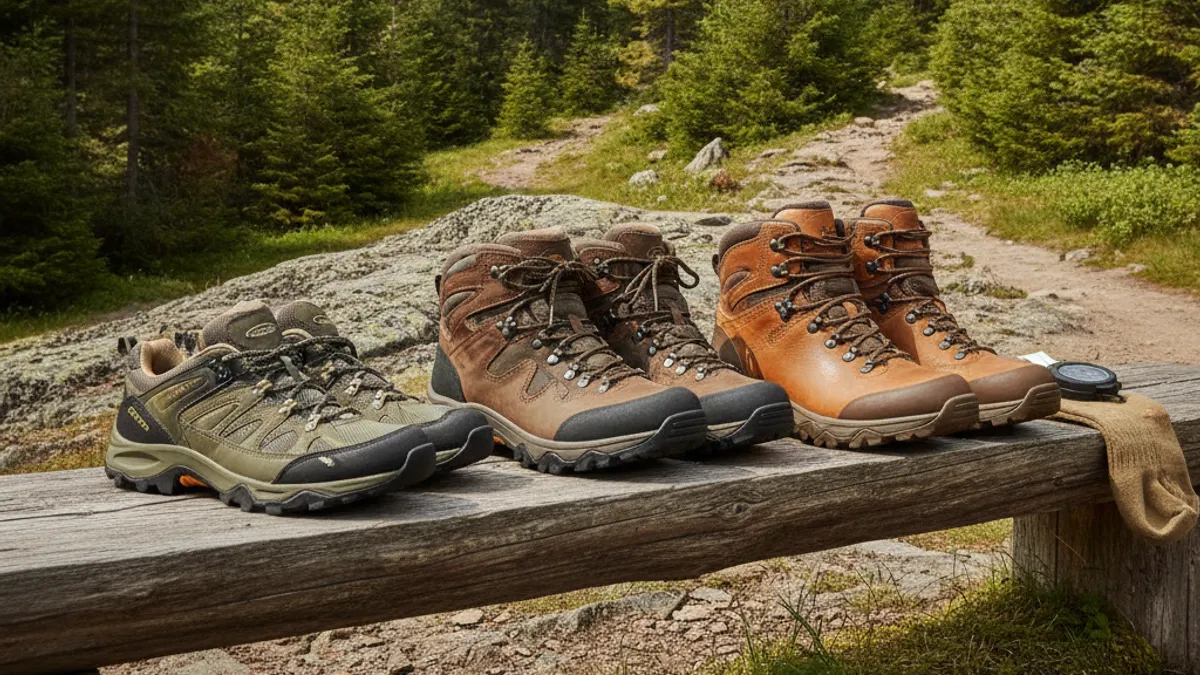
Low-Cut for Freedom and Lightness
Hiking shoes, which are low-cut designs, offer the least ankle support but the maximum range of motion. They are incredibly lightweight, often feeling similar to sturdy running shoes, and usually require minimal break-in time. This makes them an excellent choice for hikers sticking to relatively flat, well-maintained trails, such as those found in local parks or around many campgrounds. If you’re primarily doing day hikes where you’re not carrying a heavy pack (think under 15 pounds / 6.8 kg), and your ankles are strong, a low-cut shoe can be a great option for staying agile and comfortable.
Mid-Cut for Balanced Support and Protection
Mid-cut hiking boots offer a solid compromise, providing good ankle support and a decent level of protection without feeling overly restrictive. They extend to the area just above your ankle bone, acting as a buffer against minor impacts and helping to prevent ankle rolls on uneven terrain. These boots are ideal for a wide variety of hiking conditions, including longer day hikes and weekend backpacking trips with moderate loads. The increased support compared to low-cut shoes is often appreciated by those who want a little more confidence when navigating rocky or root-filled paths.
High-Cut for Maximum Stability and Ruggedness
When your adventures involve significant mileage, heavy backpacks, or truly challenging, uneven terrain like scree slopes or rocky ascents, high-cut boots are your best bet. These boots wrap securely over your ankle, offering the highest level of support and stability, which is crucial for preventing injuries and maintaining comfort when carrying substantial weight over long distances. Their robust construction also typically provides better protection against trail elements and greater durability, making them a worthwhile investment for serious backpackers and thru-hikers tackling demanding expeditions.
Common Mistakes When Buying Hiking Boots
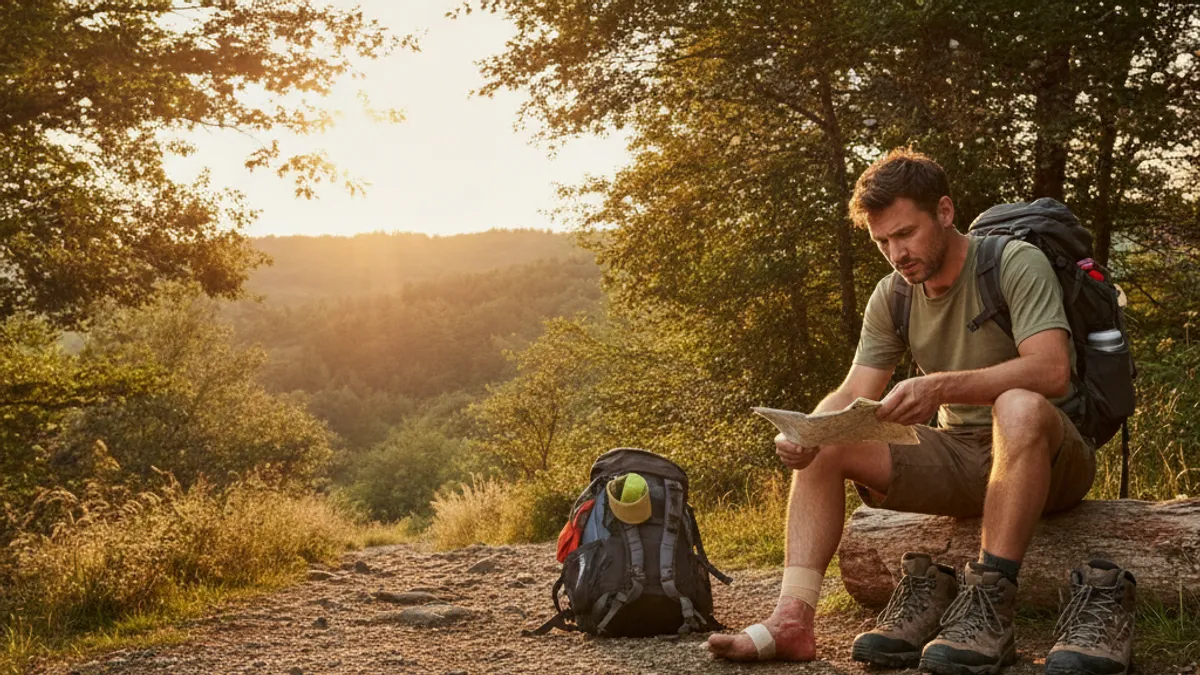
Ignoring the Fit for the Brand Name
A common pitfall is choosing boots solely based on brand reputation or what a friend recommends, without prioritizing personal fit. Even the most premium boots from top brands will cause discomfort, blisters, or worse if they don’t suit your foot shape and anatomy. Our research indicates that fit is paramount; a boot that pinches at the toes, rubs the heel, or feels too loose around the instep will quickly turn a pleasant hike into a miserable experience. For example, a wider foot might feel constricted in a boot designed for a narrower profile, regardless of the brand’s expertise.
Always make your own foot’s comfort the deciding factor over brand prestige.
Picking Waterproof When You Don’t Need It
Another frequent mistake is opting for waterproof hiking boots when your typical hiking environment doesn’t warrant it. While waterproofing is excellent for keeping feet dry in wet weather, these membranes can significantly reduce breathability. In hot, dry climates or on strenuous hikes where you’ll sweat a lot, non-waterproof boots often perform better by allowing more air circulation, preventing your feet from becoming
