
Hit the Trail for a Healthier You: What Hiking Does for Your Body
Wondering exactly what does hiking do for your body? It turns out that strapping on a pair of sturdy boots and hitting a trail is far more than just a pleasant way to spend an afternoon. It’s a full-body workout that delivers a cascade of physical benefits, from strengthening your heart and muscles to sharpening your mind.
Aggregate reviews from various fitness authorities consistently highlight that hiking engages more muscles than you might expect. For instance, consider that a moderately paced hike for 30 minutes can burn between 100 to 200 calories, depending on terrain and effort, according to data from the Centers for Disease Control and Prevention (CDC). This makes it a powerful tool for fitness and well-being.
Hiking: Your Body’s Natural Gym

Think of hiking as nature’s own perfectly designed fitness center, with every trail offering a unique set of challenges and rewards. Unlike a sterile gym environment, the outdoors constantly introduces variables, uneven ground, inclines, declines, and changing weather, that force your body to adapt and work harder. This natural variety is what makes hiking such an effective and engaging way to improve your overall physical condition. It’s not about lifting heavy weights; it’s about consistent, functional movement that builds a resilient body ready for just about anything.
The Physical Powerhouse: How Hiking Builds Strength and Stamina

When you’re hiking, you’re not just strolling; you’re actively engaging major muscle groups, building both strength and endurance. The act of propelling yourself up hills, over rocks, and along varied paths works your body in a way that’s crucial for everyday life and for more strenuous activities. It’s a functional strength training that translates directly into practical physical capability, making everyday tasks feel easier and improving your resilience.
Leg Day on the Mountain: Unpacking Muscle Gains
Your legs bear the brunt of uphill climbs and downhill descents, but hiking works them much harder than a simple walk. Muscles like your quadriceps, hamstrings, and calves get a serious workout as they stabilize your body and drive you forward. Hills, in particular, target your glutes and hamstrings, building power and definition. Even your smaller stabilizing muscles within your ankles and feet are constantly engaged, improving your balance and preventing injury.
This consistent engagement leads to stronger, more toned leg muscles.
Bone Up: How Hiking Boosts Bone Density
The impact and weight-bearing nature of hiking are incredibly beneficial for your skeletal system. Every step you take sends small, controlled stresses through your bones. Your body responds to these stresses by increasing bone density, making your bones stronger and more resilient. This is particularly important as we age, as it helps to ward off conditions like osteoporosis and reduces the risk of fractures.
Per general orthopedic research, regular weight-bearing exercises like hiking are a key recommendation for maintaining lifelong bone health.
Your Heart’s Best Friend: The Cardio Wonders of Hiking

Hiking is a fantastic cardiovascular exercise that significantly benefits your heart and circulatory system. By elevating your heart rate and keeping it there for extended periods, you’re giving your heart a robust workout that strengthens it over time. This regular physical conditioning has wide-ranging positive effects on your overall health.
Stronger Heart, Healthier You: The Cardiovascular Impact
Regular hiking improves the efficiency of your heart muscle. This means your heart can pump more blood with each beat, leading to a lower resting heart rate. Aggregate data from cardiovascular health organizations suggests that lower resting heart rates are strongly correlated with reduced risk of heart disease, stroke, and other related conditions. Furthermore, hiking helps to improve blood circulation throughout your body, ensuring that oxygen and nutrients are delivered efficiently to all your tissues and organs.
This consistent aerobic conditioning is a cornerstone of good physical health.
Beyond Endurance: Improving Lung Capacity
As you hike, especially during inclines, your body requires more oxygen. This increased demand challenges your respiratory system, prompting it to become more efficient. Your lungs become better at taking in oxygen and your body becomes more adept at utilizing it. Over time, this leads to an increase in lung capacity, meaning you can inhale more air and absorb more oxygen with each breath.
This enhanced pulmonary function not only makes hiking itself feel easier but also benefits your stamina and energy levels in daily life.
Shedding Pounds and Stress: Weight and Well-being on the Trail

Hiking offers a dual benefit for your physical and mental health, acting as both a calorie burner and a potent stress reliever. The physical exertion helps manage weight, while the connection with nature provides profound psychological advantages.
Hiking for a Healthier Weight: Burning Calories Naturally
Hiking is an excellent activity for weight management because it burns a significant number of calories. The exact number depends on factors like your body weight, the duration of the hike, and the difficulty of the terrain, but even moderate hikes can contribute significantly to a calorie deficit. Studies from the U.S. Forest Service indicate that trails with steeper inclines and varied surfaces can increase calorie expenditure by up to 50% compared to walking on flat ground.
For precise estimations, a Hiking Calorie Calculator can provide personalized insights. This makes it a sustainable and enjoyable way to reach or maintain a healthy weight.
Nature’s Stress Reliever: Mental Boosts from Every Step
The impact of hiking on mental well-being is just as significant as its physical benefits. Spending time in nature has been shown to reduce levels of the stress hormone cortisol. The rhythmic motion of walking, combined with the natural scenery, promotes a sense of calm and mindfulness. Research from environmental psychology suggests that even short periods spent outdoors can improve mood, reduce feelings of anxiety and depression, and enhance cognitive function.
It’s an accessible form of therapy that invigorates the mind and soothes the spirit.
Beyond the Basics: Other Bodily Benefits of Hitting the Trail

Hiking offers more than just cardiovascular fitness and muscle toning; it enhances finer motor skills and bodily control too. The constant need to adjust your footing on unpredictable surfaces trains your body’s proprioception, which is your sense of where your body is in space. This leads to better coordination and balance, reducing your risk of falls in everyday life.
Sharpening Your Balance and Coordination
Think about navigating a rocky stream crossing or stepping over a fallen log. Each movement requires precise muscle activation and balance adjustments. This is your body’s sophisticated system at work, and hiking gives it plenty of practice. Research in biomechanics indicates that participants in activities like hiking show improved dynamic balance compared to sedentary individuals.
This skill is invaluable, especially as we get older, helping maintain independence and prevent accidents.
The Cumulative Effect: Long-Term Health Advantages
When you combine all these benefits, a stronger heart, more robust muscles, denser bones, improved balance, and reduced stress, you create a powerful synergy for long-term health. Consistent hiking contributes to a reduced risk of chronic diseases and promotes greater physical and mental resilience throughout life. It’s not just about feeling good on the trail; it’s about building a healthier foundation for years to come.
Ready to Trek? Understanding What You Need

Before you lace up your boots and head out, understanding the gear and preparation involved can make your hiking experience much more enjoyable and safe. Different types of hikes call for different approaches to what you carry and wear, so a little planning goes a long way.
Choosing Your Path: Terrain and Intensity Matters
The physical demand of a hike varies greatly. A flat, well-maintained trail through a local park is quite different from a steep, rocky ascent in the mountains. Understanding the terrain and elevation gain of your planned route allows you to gauge the calorie expenditure and muscular effort required. For example, a hike with an elevation gain of 1,000 feet will demand significantly more from your quadriceps and cardiovascular system than a level walk of the same distance.
Always check trail descriptions and recent user reports for the latest conditions, as trail smoothness can change after weather events.
Gear Up for Success: Essential Hiking Kits
Having the right equipment is crucial for both comfort and safety on the trail. This starts with appropriate footwear. [Trail runners vs hiking boots](https://oscarhikes.com/trail- —runners-vs-hiking-boots/) offer different levels of support and traction, so choosing based on your planned hikes is smart. Other essentials include a comfortable, well-fitting backpack (Hiking Backpack Essentials) to carry your supplies, layers of clothing to adapt to changing weather, and navigation tools.
As of 2026, durable, lightweight materials are standard for most reputable hiking gear brands.
Packing Smart: The Weight of Your Load
The weight you carry in your backpack directly impacts your energy expenditure and can affect your stamina. A lighter load means less strain on your body, allowing you to hike further or faster. Prioritize essentials and consider multi-functional items. For a day hike, What To Bring On A Day Hike guides often suggest carrying water, snacks, a first-aid kit, and navigation tools.
For longer treks, carrying more supplies like extra food, water filters, and shelter will naturally increase your pack weight significantly, requiring more effort.
Before You Go: Preparing for Your Hike

Proper preparation is key to unlocking all the physical benefits of hiking while minimizing risks. This involves both physical readiness and practical planning. You wouldn’t run a marathon without training; hiking deserves similar attention.
Trail Prep: Planning Your Route and Checking Conditions
Thorough route planning is the first step for any hike. This includes understanding the trail’s length, estimated completion time, elevation profile, and any potential hazards. Checking weather forecasts right before you leave is also critical, as conditions can change rapidly in outdoor environments. A sudden storm can turn a pleasant walk into a dangerous situation.
Knowing the trail allows you to match it to your fitness level, ensuring you aren’t biting off more than you can chew. For beginners, starting with shorter, less strenuous routes is ideal.
Warm-Up Wins: Getting Your Body Ready for the Trail
Just like any physical activity, starting a hike with a good warm-up prepares your muscles and cardiovascular system for the work ahead. This doesn’t need to be extensive but should involve light cardio to increase blood flow and dynamic stretching to prepare your joints and muscles for movement. Movements like leg swings, arm circles, and torso twists can help increase your range of motion. A brief warm-up can reduce the risk of muscle strains and make your initial steps on the trail feel much smoother.
Consider it the essential first step in your Hiking Workout Plan For Beginners.
Common Hiking Pitfalls and How to Steer Clear
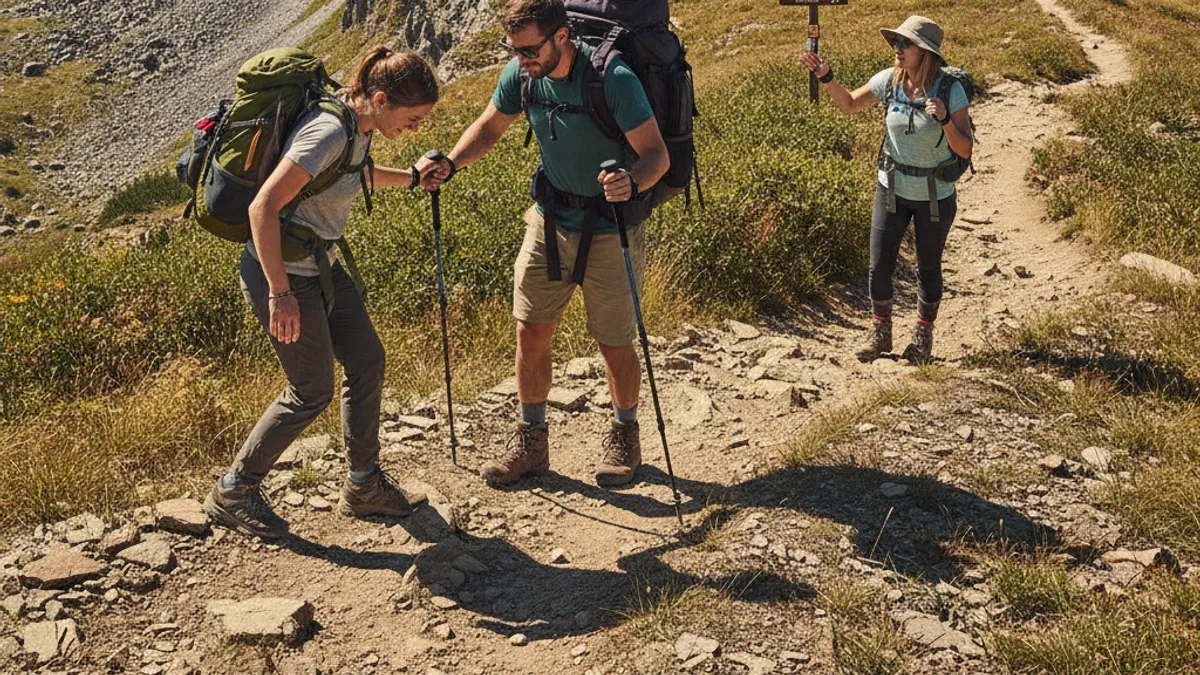
Even with the best intentions, hikers can encounter challenges. Being aware of common problems and knowing how to address them can prevent minor discomforts from becoming major issues, allowing you to fully enjoy the physical benefits hiking offers.
Avoiding Overexertion and Injury
One of the most common mistakes is pushing yourself too hard, too soon, especially on challenging terrain. Signs of overexertion include excessive fatigue, dizziness, rapid heartbeat, and shortness of breath that doesn’t subside. Pushing through these can lead to muscle strains, sprains, or even heat exhaustion. If you’re new to hiking, it’s wise to start with shorter, less strenuous routes and gradually increase the difficulty.
Listening to your body and taking breaks when needed is essential for preventing injury.
Staying Hydrated and Fueled on the Go
Dehydration is a significant risk, particularly on longer hikes or in warm weather. Your body loses water through sweat, and without replenishing it, performance plummets, and health risks increase. Carrying enough water is non-negotiable; for most day hikes, carrying about half a liter to a liter of water per hour of hiking is a good guideline, as recommended by How Much Water To Drink Hiking. Similarly, maintaining energy levels with appropriate snacks is crucial for sustained effort.
Nutrient-dense options like trail mix, energy bars, and fruits provide the fuel your muscles need. Explore Best Hiking Snacks For Energy for great ideas.
Blister Prevention and Treatment
Foot blisters are a common nuisance that can quickly derail a hike. They typically occur when friction from your footwear rubs against your skin, causing fluid-filled pockets. Wearing well-fitting boots or trail runners that are broken in is the best prevention. Moisture-wicking socks, ideally wool or synthetic blends rather than cotton, also play a vital role by keeping your feet drier.
If you feel a hot spot developing, stop immediately, address it with moleskin or tape, and ensure your footwear isn’t contributing to the friction. For severe cases, understanding basic hiking meal prep ideas is less about food and more about foot care.
