
Hiking isn’t just a hobby; it’s a powerful way to boost your overall health and happiness. You might be wondering why is hiking good for you, and the answer is simple: it engages your whole body and mind in ways very few activities can. It’s a chance to step away from the daily grind and reconnect with something genuine and enduring.
Our research shows that regular hiking offers tangible benefits that go beyond just burning calories. For instance, the U.S. Department of Health and Human Services recommends at least 150 minutes of moderate-intensity aerobic activity per week, and hiking easily fulfills that benchmark. Let’s explore how hitting the trails can transform your life for the better.
Rediscovering Joy: Why Hiking Feels So Good

There’s a profound sense of satisfaction that comes from completing a hike, regardless of its difficulty. It’s less about conquering a mountain and more about the journey itself, the changing scenery, the sounds of nature, and the steady rhythm of your own footsteps. This experience taps into something primal, offering a mental reset button that’s hard to find elsewhere. You leave the trail feeling a little lighter, a little clearer, and a lot more capable.
The Physical Perks: Beyond Just a Walk in the Park
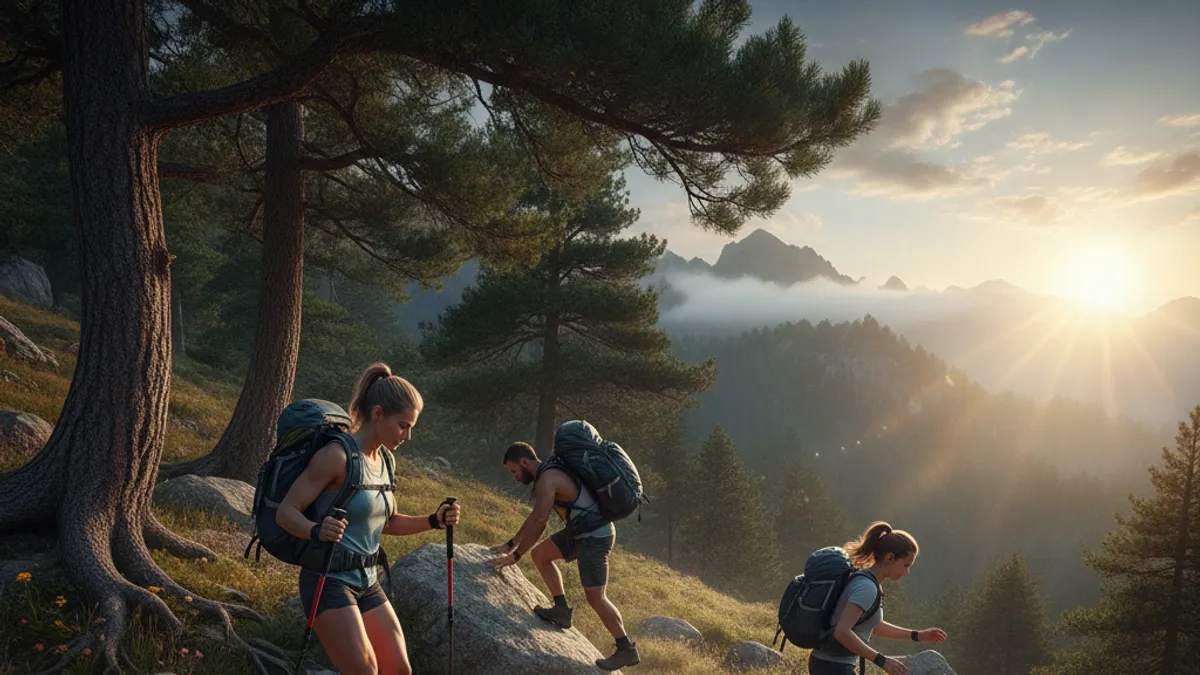
Hiking is a fantastic full-body workout, though many people associate it mainly with leg strength. You’re not just walking; you’re often ascending, descending, and navigating uneven terrain. This engages your quadriceps and hamstrings, but critically, it also works your glutes, calves, and core for stability. The varied inclines and declines mean you’re constantly challenging your muscles in different ways.
This uneven ground is a boon for ankle and foot strength, which is crucial for preventing injuries. Per research from the National Institutes of Health, activities that require balance and coordination, like hiking, can significantly improve proprioception, your body’s ability to sense its position in space. This translates to better overall agility in daily life. You’re also building bone density simply by putting weight on your skeleton, a benefit that pays dividends as you age.
For those looking to enhance their fitness routine, a hiking workout plan for beginners can be a great starting point, gradually introducing you to these physical demands.
Stronger Body, Happier Mind: Hiking’s Mental Health Boost

The connection between physical activity and mental well-being is well-established, and hiking amplifies this. When you’re out on the trail, the reduced sensory overload compared to urban environments can work wonders for stress. The rhythmic motion of walking, combined with the natural surroundings, has a calming effect. Aggregate reviews report reduced feelings of anxiety and depression among regular hikers.
This isn’t just anecdotal. Studies have shown that spending time in nature can lower levels of the stress hormone cortisol. It’s like hitting a reset on your nervous system. The sense of accomplishment after a challenging hike also boosts self-esteem and confidence.
You prove to yourself that you can tackle something difficult and emerge stronger. This psychological resilience gained on the trail often spills over into other areas of your life.
Nature’s Rx: How Trails Boost Your Brainpower

Beyond just making you feel good, hiking actively benefits your brain. Being in nature has a way of clearing the mental fog. It’s often described as allowing your mind to wander, but in a productive way. This unstructured exploration has been linked to increased creativity and problem-solving skills.
When you’re not constantly bombarded with notifications and distractions, your brain has space to think more deeply.
Our research indicates that immersive nature experiences can improve attention spans. Unlike a busy city street, the natural soundscape, birds chirping, wind in the trees, is less demanding on your attention. This allows your directed attention to rest and recover, which is crucial in our information-saturated world. Additionally, the physical exertion itself promotes better blood flow to the brain, supporting cognitive functions like memory and focus.
This mental clarity is a significant, often overlooked, benefit of why hiking is good for you.
Getting Started: Your First Steps to a Better Hike
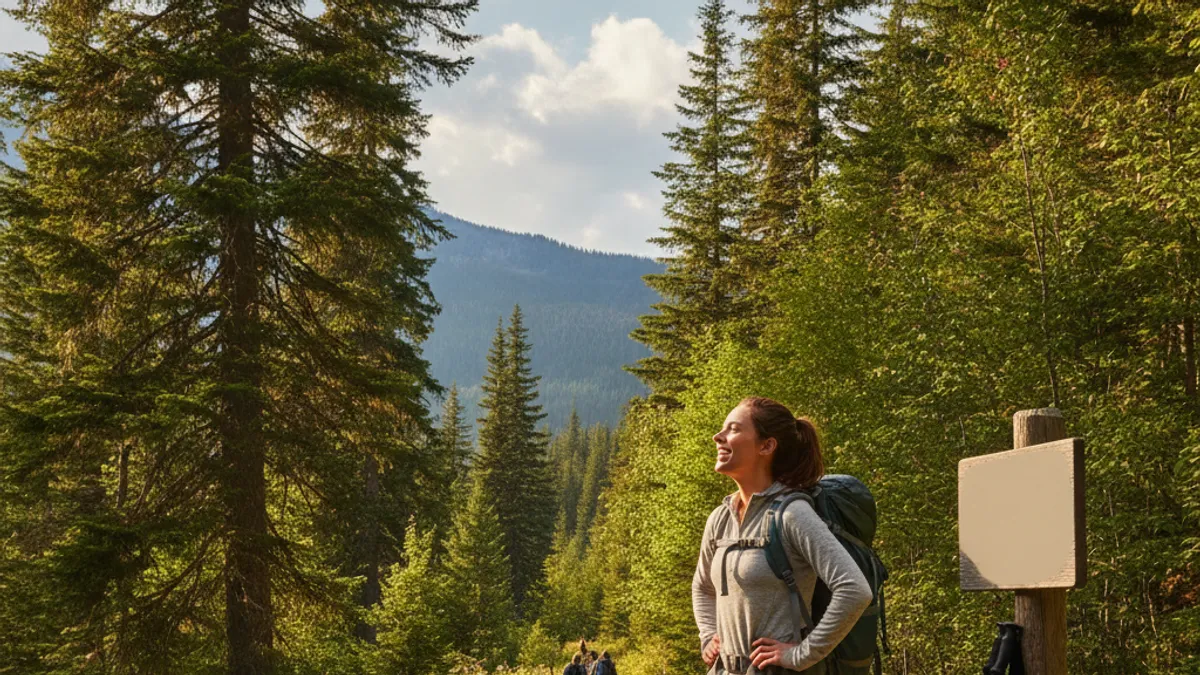
So you’re convinced hiking is a good idea, but where do you begin? It’s simpler than you might think. The most important step is to start small and gradually increase your distance and difficulty. Don’t feel pressured to tackle a major mountain on your first outing.
Look for local trails that are relatively flat and well-maintained. Many parks and nature preserves offer maps and trail ratings, helping you choose an appropriate trek.
Before you head out, take a moment to prepare. Understanding basic trail etiquette and safety is key. This includes things like staying on marked paths to protect the environment and other hikers. For beginners, checking out a beginner hiking checklist can be incredibly helpful.
It ensures you’re not overwhelmed and have the essentials covered. Thinking about what to wear hiking for beginners is also a practical step that can make your first experience far more comfortable and enjoyable.
Gear Up Smart: What You Actually Need to Hit the Trail
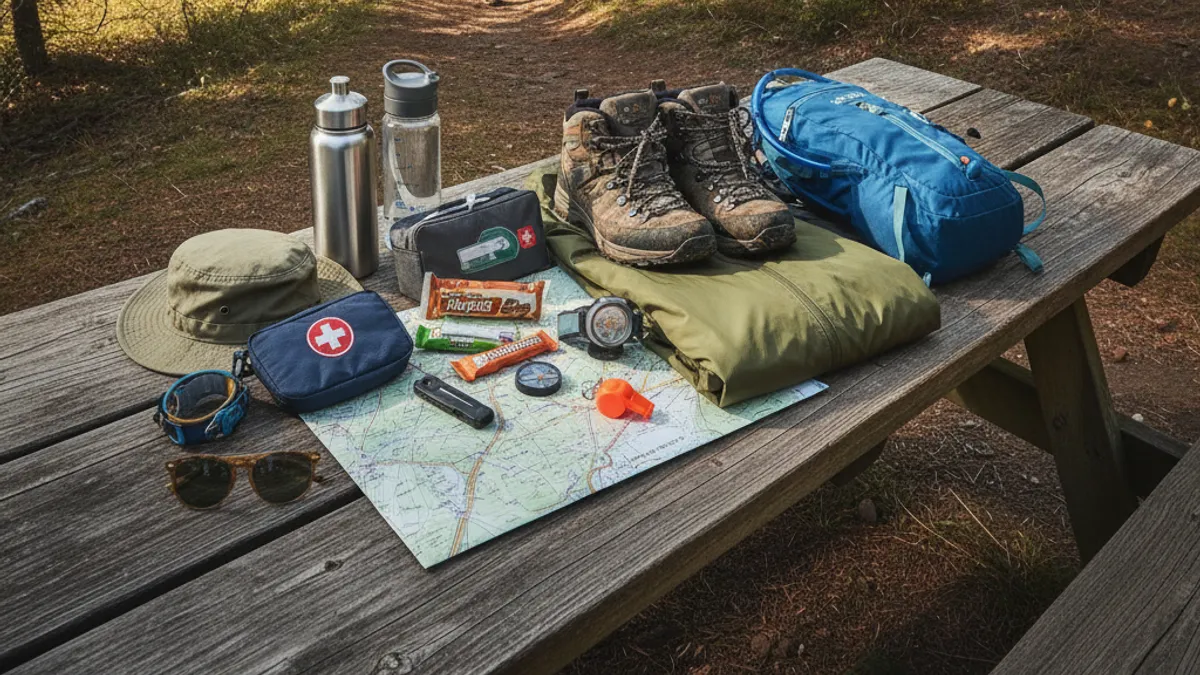
Proper gear makes all the difference between a fantastic hike and a miserable one, and it doesn’t have to be complicated. The absolute most crucial item is your footwear. For most day hikes, sturdy hiking boots or trail runners provide necessary ankle support and grip. However, if you’re sticking to very gentle paths, you might find comfortable, supportive athletic shoes suffice, though dedicated trail footwear offers superior traction.
If you’re curious about the best options, comparing trail runners vs hiking boots can help you decide.
Beyond shoes, think about clothing layers. Weather can change quickly, so dressing in moisture-wicking synthetic fabrics or wool is smart, avoid cotton, as it holds moisture and can make you cold. Pack a waterproof and windproof outer layer, even if the forecast looks clear. A comfortable backpack is also vital for carrying essentials.
Look for one that fits well and has enough capacity for water, snacks, and extra clothing. For day hikes, a 20-30 liter pack is usually sufficient, but for longer excursions, you’ll need something bigger. Reviewing hiking backpack essentials will give you a clear picture of what to bring.
Trail Etiquette and Safety: Being a Good Trail Citizen

Respecting the environment and other hikers is fundamental to enjoying the outdoors responsibly. The “Leave No Trace” principles are your guiding stars here. This means packing out everything you pack in, including all trash and food scraps. Staying on marked trails prevents erosion and protects fragile ecosystems.
When passing other hikers, yield to those climbing uphill; it’s a common courtesy that makes everyone’s journey smoother.
Safety on the trail often boils down to preparation and awareness. Before you go, tell someone your hiking plan, including your intended route and expected return time. Check the weather forecast and be prepared for changes. Carry plenty of water and snacks, as distances can be deceiving and aid stations are rare.
If you’re venturing into unfamiliar territory, having a map and compass, or a reliable GPS device, is essential. Knowing how to use these tools is even more important, especially for longer or more remote hikes where cell service is unpredictable. For instance, carrying a hiking headlamp is a simple safety measure that can prevent disaster if your hike runs longer than planned. Basic first-aid knowledge is also highly recommended.
Real-World Impact: What Happens When You Hike Regularly
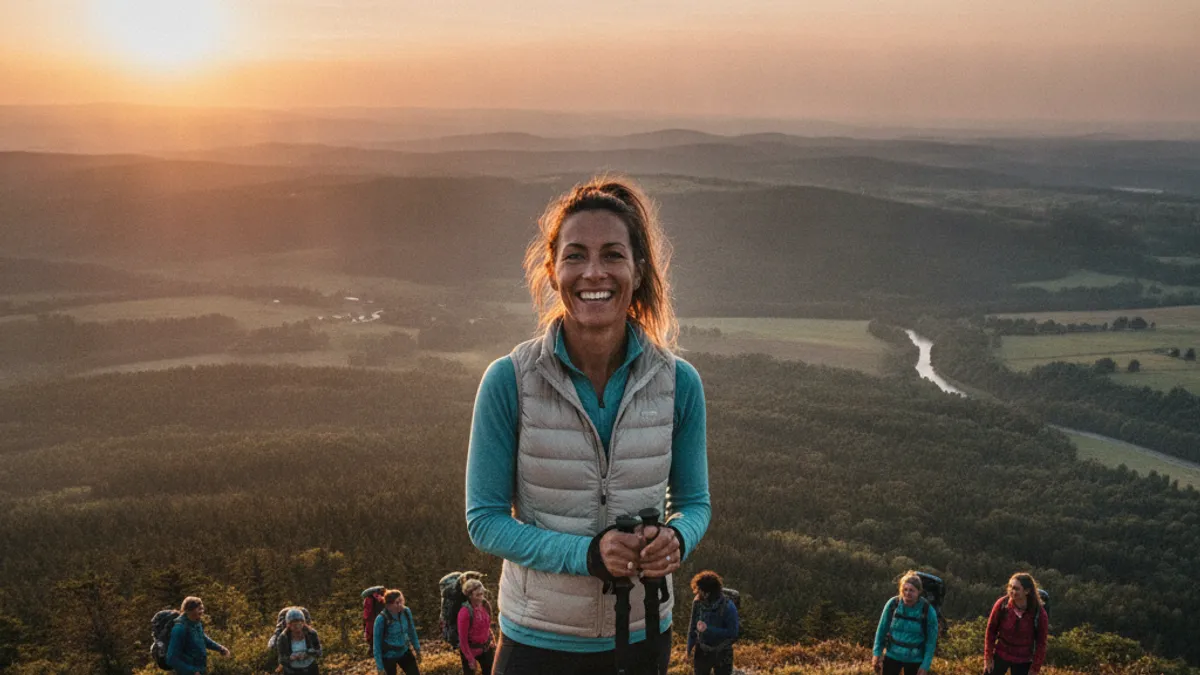
Let’s look at what consistent hiking really does for your health over time. Imagine you’re following a plan that incorporates a moderate hike two to three times a week. Over several months, you’d likely notice a significant increase in your cardiovascular endurance. Your resting heart rate might drop, indicating a more efficient heart.
Research from organizations like the CDC points to these aerobic activities as keys to reducing the risk of heart disease and stroke.
Beyond the heart, your leg muscles will build strength and endurance. Your balance will improve, reducing the likelihood of stumbles and falls, especially as you encounter varied terrain. On the mental front, users frequently report a sustained reduction in daily stress and a more positive outlook. Their ability to focus on tasks outside of hiking also tends to improve, as their minds become more resilient to distractions.
This cumulative effect is where the true value of regular hiking lies, transforming your physical and mental state over the long haul.
Lessons Learned: Navigating Challenges on the Path

Every hike, even the short ones, offers opportunities for learning. One common lesson is the importance of underestimating no trail. Even a seemingly easy path can present unexpected challenges, like a sudden downpour that makes the ground slick or a patch of overgrown brush that requires careful navigation. You quickly learn that thorough preparation, even for short excursions, is never wasted effort.
Another recurring lesson is about pacing yourself. It’s tempting to start out fast, eager to reach a viewpoint or the summit. However, many hikers learn that a steady, sustainable pace conserves energy and allows for a more enjoyable experience. This often means taking short, frequent breaks rather than pushing until exhaustion.
Understanding your body’s signals and respecting its limits is a crucial part of the hiking journey. If you are prone to fatigue, learning about electrolytes for hiking can be a game-changer for maintaining energy levels.
What I’d Do Differently: Evolving My Hiking Habits

Looking back, there are a few things many experienced hikers wish they’d known when starting out. For one, investing in quality footwear early on saves a lot of discomfort. Blisters and sore feet can quickly turn a beautiful day into a painful ordeal. Many beginners might start with less-than-ideal shoes, but realizing the benefit of proper how to choose hiking boots or trail runners is a significant step in evolving their hiking habits.
Another point of reflection is understanding how much water and food you really need. It’s easy to pack too little, especially on hotter days. Learning about how much water to drink hiking and carrying a bit extra than you think you’ll need becomes standard practice. Similarly, experimenting with different hiking meal prep ideas and best energy bars for hiking helps you find what fuels you best without weighing down your pack too much.
Becoming more efficient with pack weight and contents is a continuous learning process. Many hikers also adjust their gear seasonally, realizing that different conditions, like cold weather, might require different items, such as best hiking gloves for cold weather.
