
If you’re heading outdoors, especially for anything more than a stroll, you’ve likely heard the warning: cotton is bad for hiking. This isn’t just an old hiker’s tale; there’s solid reasoning behind this advice, rooted in how the fabric behaves against your skin and in varying weather. When cotton gets wet, it can quickly turn a fun day on the trail into a miserable, and potentially dangerous, experience. Our research and discussions with outdoor experts confirm that understanding cotton’s limitations is key for comfort and safety.
The core issue is cotton’s extreme moisture retention. Unlike synthetic materials or wool, which are designed to wick moisture away or dry rapidly, cotton acts like a sponge, holding onto sweat and rain. Manufacturer specifications for performance fabrics often highlight drying times that are more than double that of cotton, and anecdotally, this difference translates directly to how long you feel cold and damp. This rapid heat loss is the main culprit when considering why cotton is bad for hiking, particularly in cooler or unpredictable conditions.
Quick Answer: Cotton’s Wet Problem on the Trail

The short of it is this: cotton absorbs moisture and holds onto it. When you sweat or get rained on, your cotton clothing becomes saturated, heavy, and loses almost all its ability to insulate you. This leads to feeling much colder than you should, increased risk of chafing and blisters, and a generally uncomfortable experience. For most hiking scenarios, particularly in cooler or unpredictable climates, it’s best to avoid cotton attire.
Core Explanation: How Cotton Behaves on a Hike
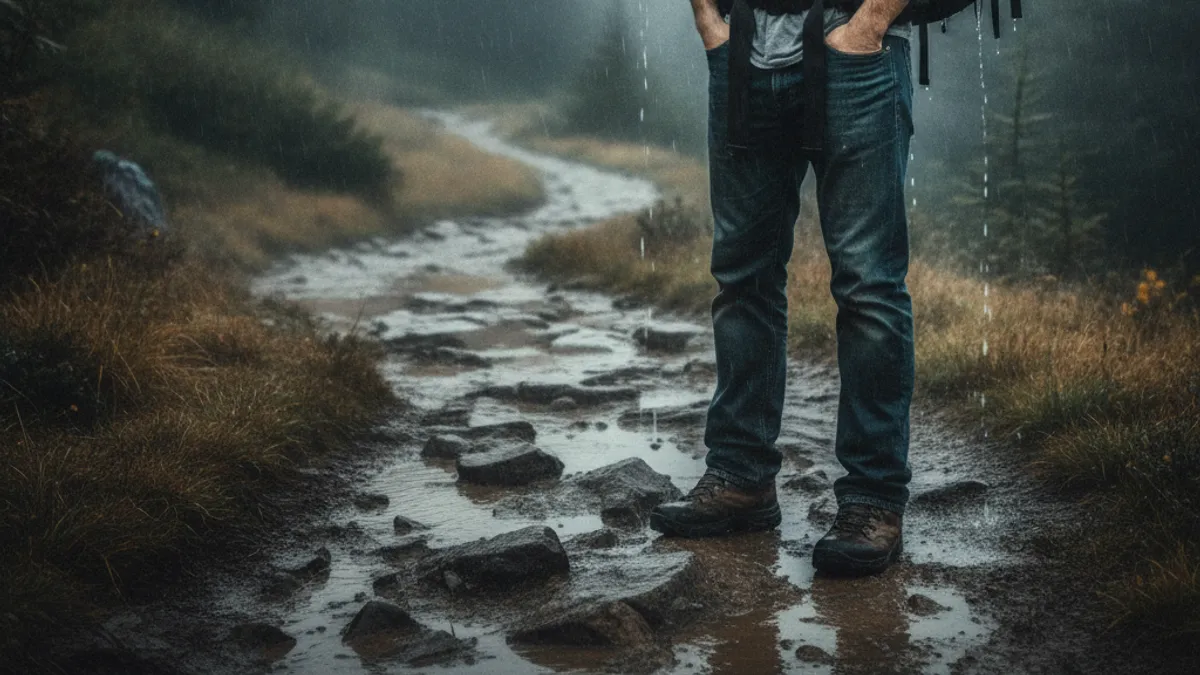
Cotton’s reputation as a poor hiking material stems from its fundamental properties. It’s a natural fiber, soft and comfortable in its dry state, which is why we use it so often in everyday wear. However, the very characteristics that make it good for a casual t-shirt make it problematic when you’re relying on your clothing for insulation and comfort during physical activity outdoors.
Moisture Absorption and Retention
When it comes to dealing with moisture, cotton is in a league of its own, and not in a good way. Our research into fabric properties shows that cotton fibers soak up water readily, absorbing up to 27 times their own weight in water. This means that any sweat you produce during a hike, or any rain that falls, will be quickly wicked into the fabric itself, rather than being passed through or evaporating quickly. This high absorption rate is the primary reason cotton is discouraged for active outdoor pursuits.
Impact on Insulation
The danger of cotton’s moisture absorption becomes clear when you consider its insulating capabilities. Dry clothing traps air, and it’s this trapped air that keeps you warm by slowing down heat transfer away from your body. When cotton becomes saturated with water, these air pockets are filled, and the water, being a much better conductor of heat than air, effectively strips warmth from your body. Per industry standards for thermal regulation in apparel, wet fabrics dramatically amplify heat loss.
Weight Gain When Wet
Another significant drawback of cotton is how much heavier it becomes when wet. That water it absorbs doesn’t just disappear; it adds considerable weight to your clothing. A damp cotton shirt can feel significantly heavier than its dry counterpart, and this added weight can be tiring over the course of a hike, especially when multiplied across multiple pieces of clothing. For example, a typical cotton t-shirt that weighs around 5 ounces when dry could easily weigh over a pound when fully saturated, a noticeable difference to carry mile after mile.
When Cotton Becomes a Real Problem: Key Conditions to Consider
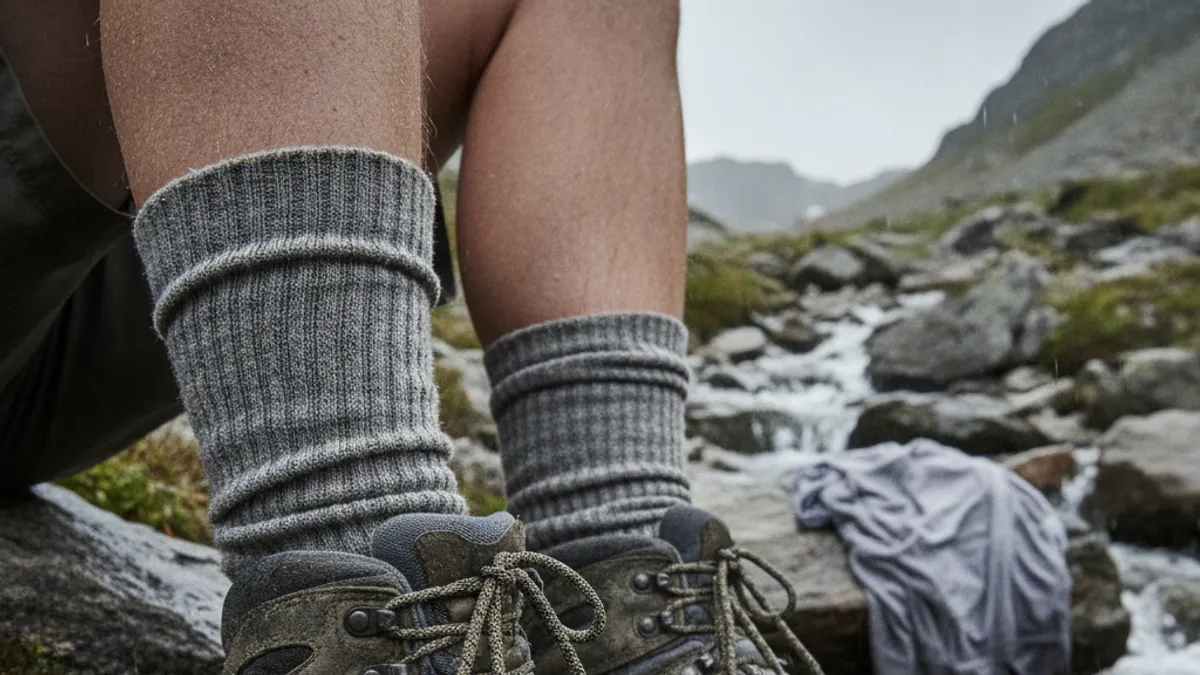
So, while the general advice is to avoid cotton, it’s helpful to understand when it poses the biggest risk. The “badness” of cotton is amplified by specific environmental conditions and the type of activity you’re undertaking. This is where our decision tree logic comes into play; if the conditions match these scenarios, then cotton is a strong contender for causing problems.
- Cold Weather / Damp Conditions: This is the critical combination. If you’re hiking in temperatures where hypothermia is a concern (generally below 50°F or 10°C), and there’s any chance of rain, snow, or high humidity, cotton is a dangerous choice. Your body produces heat through metabolism, but if your clothing actively leaches that heat away due to being wet, you can quickly become dangerously cold. Hypothermia can set in surprisingly fast, even in seemingly mild conditions, if you’re wearing wet cotton.
- Significant Exertion / Heavy Sweating: If you’re tackling a steep climb, a long distance, or engaging in any activity that’s going to make you sweat profusely, cotton will become saturated very quickly. This leads to that clammy feeling and accelerates heat loss, even if the ambient temperature isn’t particularly cold. For strenuous hikes, moisture-wicking fabrics are essential to keep you dry from the inside out.
- Multi-Day Trips: On longer hikes, the ability to dry your clothes is limited. If you start a multi-day trip with cotton gear, you might find yourself wearing damp clothing for days on end. This persistent dampness not only reduces comfort but also increases the risk of skin issues like chafing and blisters, which can seriously impact your ability to continue your trek.
Cotton’s “Okay-ish” Moments: When It Might Not Be Disastrous

While the warnings against cotton are significant and generally well-founded, there are very specific, limited scenarios where wearing cotton might not lead to disaster. These are rare, and it’s important to understand the strict conditions under which cotton might be acceptable. It’s less about cotton being a good choice, and more about the mitigating factors of the situation.
- Short, Easy Day Hikes: If you’re going for a couple of hours on a well-maintained, relatively flat trail with no expectation of rain and minimal risk of heavy sweating, a cotton t-shirt might simply be acceptable. You’ll likely be back home before the dampness becomes a major issue, and you’ll have ample opportunity to dry off. Think of a very casual, relaxed wander in good weather.
- Warm, Dry Environments: In hot, desert-like conditions where the primary concern is sun protection and rapid evaporation from ambient heat, cotton can be less problematic. However, if you start sweating heavily, it will still hold moisture, so synthetics or lightweight wool often remain superior for active moisture management.
- Around Camp (When Already Dry): Sometimes, after a full day hiking in performance gear, you might change into something more comfortable to relax around a warm campfire. A dry cotton hoodie or comfortable cotton pants for lounging when you’re not actively moving or in risk of exposure to the elements can be fine. The key here is that you are already dry and in a controlled, warm environment, and you’re not relying on that cotton for essential warmth or moisture management during activity.
The Best Alternatives to Cotton for Hiking
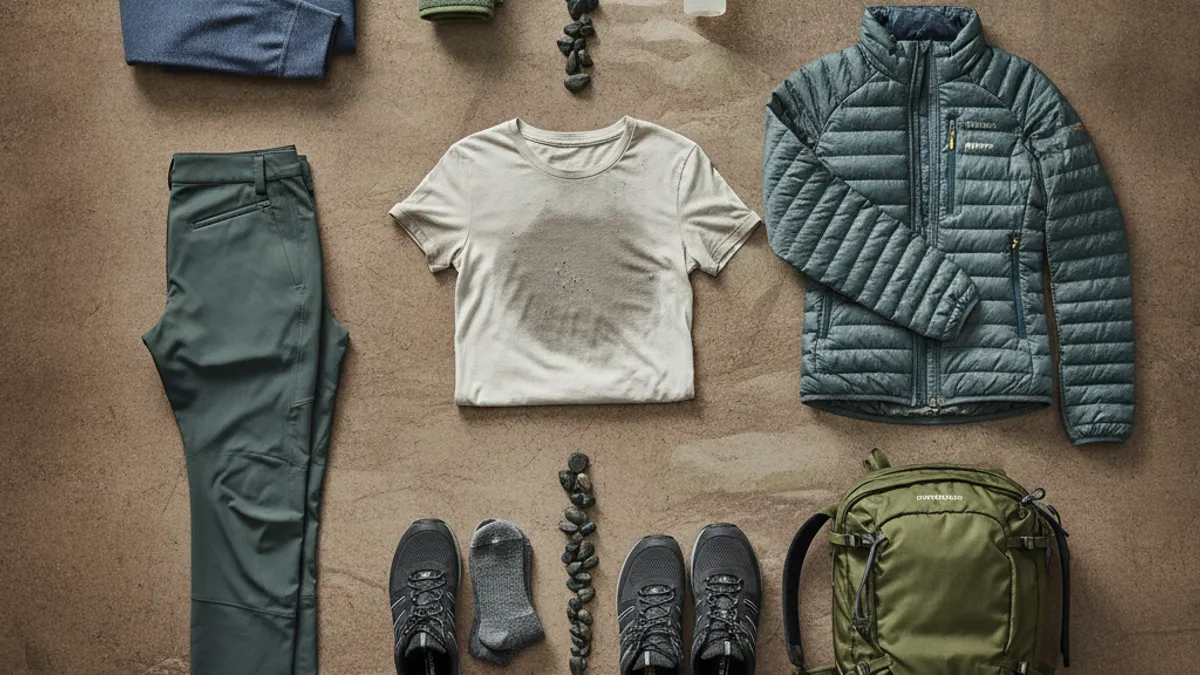
Given cotton’s drawbacks, most seasoned hikers and outdoor enthusiasts opt for materials that perform better in active environments. The good news is there’s a wide array of excellent synthetic and natural fiber options available today that offer superior comfort, durability, and protection. These alternatives are designed to manage moisture effectively, keeping you dry and at a more stable temperature.
Synthetic Fabrics: The Speedy Dryers
Synthetic materials, such as polyester, nylon, and polypropylene, are engineered to be highly effective at managing moisture during strenuous activities. These fabrics have a very low absorption rate, meaning they don’t soak up sweat or water like cotton does. Instead, they actively transport moisture away from your skin through a process called “wicking.”
- How They Work: Tiny channels within the synthetic fibers draw liquid moisture outwards to the fabric’s surface, where it can spread out and evaporate quickly due to increased surface area and airflow.
- Performance: This rapid drying capability means that even if you sweat heavily, your clothing won’t become a heavy, cold, saturated layer. They retain much of their insulating properties even when damp.
- Durability: Many synthetics are also highly durable and resistant to abrasion, making them suitable for rugged outdoor use. You’ll find these in a vast range of hiking apparel, from base layers to outer shells.
Merino Wool: The Natural Temperature Regulator
Merino wool is a fantastic natural fiber that offers a unique set of benefits for hikers. It’s not your scratchy, old-fashioned wool; modern merino wool is incredibly soft, fine, and lightweight. It excels at temperature regulation and managing moisture in a different way than synthetics.
- Temperature Regulation: Merino wool fibers have a complex structure that traps air, providing insulation in cold weather. Conversely, they can also help keep you cool in warmer conditions by wicking moisture and allowing airflow.
- Moisture Management: While it does absorb some moisture, merino wool can hold a significant amount of liquid vapor before feeling wet to the touch. Crucially, it retains much of its insulating ability even when damp, a stark contrast to cotton.
- Odor Resistance: One of the biggest advantages of merino wool is its natural resistance to odor-causing bacteria. This makes it ideal for multi-day trips where washing opportunities are scarce, as you can often wear merino garments for several days without them becoming unpleasantly smelly. Aggregated reviews from thru-hikers frequently cite merino wool’s odor-fighting properties as a major benefit.
Making the Right Gear Choices for Your Hike
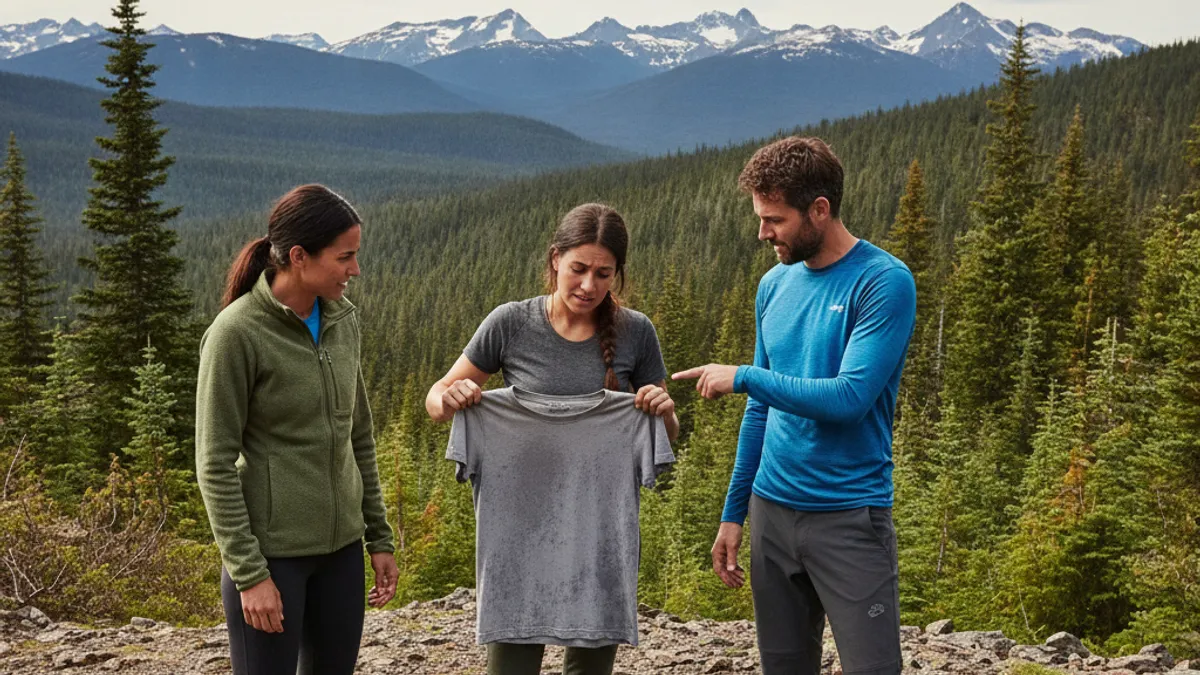
Choosing the right clothing is more than just picking out something that looks good; it’s about selecting materials that work with the environment and your body to keep you safe and comfortable. For hiking, this means prioritizing fabrics that manage moisture effectively and provide appropriate insulation. Understanding the “why” behind fabric choices, especially when it comes to avoiding cotton, sets you up for a much better outdoor experience.
Your Hiking Layering System Explained
The concept of layering is fundamental to dressing for the outdoors, and it’s most effective when you use the right materials for each layer. This system allows you to adapt to changing weather conditions and activity levels by adding or removing clothing as needed, rather than being stuck in one configuration.
- Base Layer: This is the layer closest to your skin, and its primary job is to manage moisture. As we’ve discussed, cotton is the worst offender here. Instead, opt for synthetic fabrics (like polyester or polypropylene) or merino wool. These will wick sweat away from your body, preventing that chilling effect.
- Mid Layer: This layer provides insulation. Materials like fleece, down, or thicker merino wool are excellent choices. They trap body heat, keeping you warm without being overly bulky. The key is that these layers generally retain their insulating properties even if they become slightly damp.
- Outer Layer (Shell): The outermost layer is your protection against wind and rain. This should be a waterproof and breathable material, often a laminate like Gore-Tex or similar proprietary technologies. It needs to keep precipitation out while allowing moisture vapor from your inner layers to escape, preventing you from getting clammy from the inside.
By understanding the role of each layer and choosing appropriate, non-cotton materials, you create a versatile and effective system that enhances both comfort and safety on the trail. For beginners, starting with a good synthetic base layer and a fleece mid-layer is a solid foundation for many treks. For more guidance on starting out, consider reading about What To Wear Hiking For Beginners.
Common Hiking Clothing Mistakes to Avoid
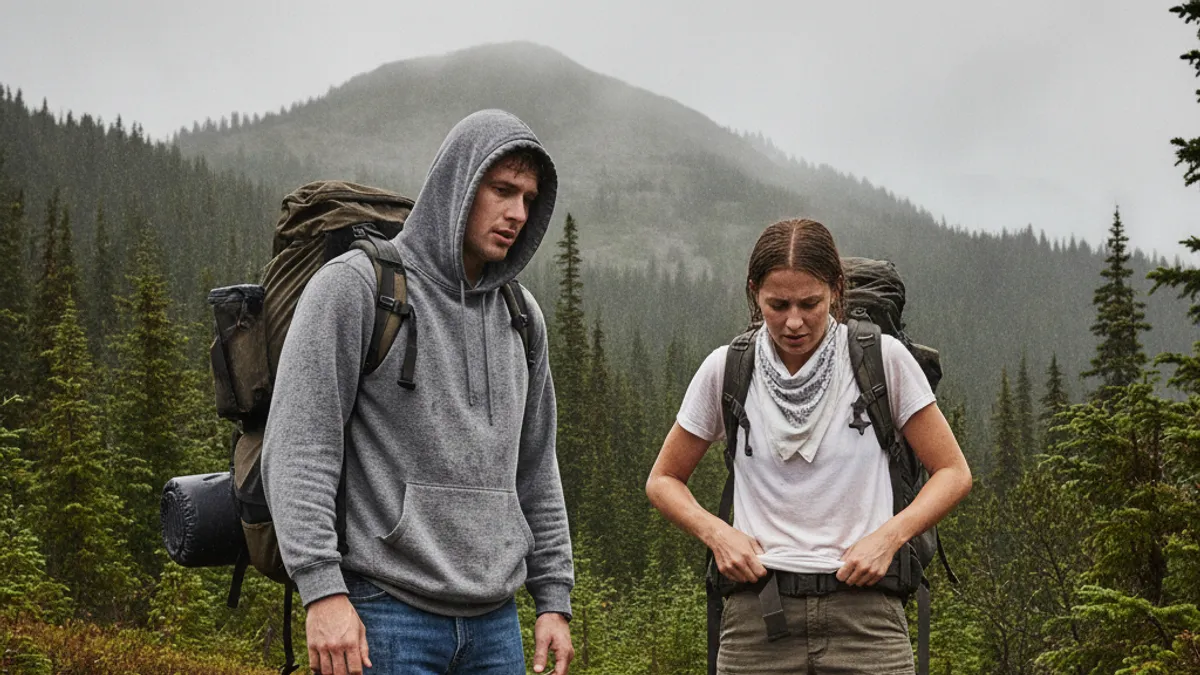
Most hikers, especially when starting out, can fall into common traps with their clothing choices. Recognizing these pitfalls can save you from discomfort and potentially more serious issues. The most prevalent mistake, of course, is ignoring the advice about cotton, but there are other subtle errors that can compound the problem and make an otherwise enjoyable hike miserable.
- Wearing Cotton, Especially as a Base Layer: This is the cardinal sin. As we’ve detailed, wet cotton leads to rapid heat loss. This applies to t-shirts, socks, and even underwear. If you’re sweating, cotton will hold it right against your skin, creating a constant damp chill.
- Overdressing for the Conditions: It’s easy to pack too many warm layers for a cool morning that turns into a warm afternoon. The resulting sweat buildup will then make you cold when the temperature drops or you stop moving. Smart layering and adjusting your clothing before you start sweating heavily is key.
- Underdressing for Potential Weather Changes: Conversely, not packing for the worst-case scenario can be just as problematic. A sunny day can quickly turn into a cold, rainy afternoon, especially in the mountains. Always check the forecast and pack accordingly, including an appropriate outer shell even if it looks clear.
- Ignoring Fit: Ill-fitting clothing can cause friction, leading to chafing and blisters. For hiking boots, this means ensuring they are properly sized and broken in. For other apparel, it means choosing items that allow for freedom of movement without excess flapping or bunching. Properly fitted hiking boots are paramount; see How To Choose Hiking Boots for more details.
- Forgetting About Socks: Many people focus on shoes but neglect socks. Cotton socks are just as bad as cotton shirts. Invest in wool or synthetic hiking socks that wick moisture and provide cushioning. Remember, even the best boots can’t save you from blisters caused by poor sock choice.
Expert Tips for Staying Comfortable Outdoors

Drawing on extensive research and the collective experience of outdoor enthusiasts, here are some top tips to ensure your clothing choices enhance, rather than detract from, your hiking adventures. These principles are about smart preparation and understanding how your gear interacts with you and the environment, making your time on the trail significantly more enjoyable.
- Prioritize Your Base Layer: This is your first line of defense. Always choose moisture-wicking synthetics or merino wool for your next-to-skin layers. This single choice will have the biggest impact on your comfort and safety by managing sweat effectively and preventing that unpleasant damp feeling.
- Embrace the Layering System: Be prepared to add and remove layers throughout your hike. It’s better to start slightly cool and add a layer as you warm up, rather than start too warm and over-sweat. This keeps your insulation dry and effective, ensuring you’re not losing precious body heat.
- Invest in Quality Socks: Don’t underestimate the power of good socks. A pair of well-fitting merino wool or synthetic hiking socks can prevent blisters and keep your feet comfortable, crucial for long-distance travel. Consider bringing a spare pair on longer hikes. Further insights on suitable attire are available in discussions on What To Wear Hiking For Beginners.
- Consider Your Activity Level: If you’re planning a strenuous hike with significant elevation gain, lean towards lighter, more breathable synthetics that excel at rapid moisture transport. For slower-paced, colder excursions, wool’s insulating properties even when damp are invaluable, offering reliable warmth.
- Check the Weather Forecast Rigorously: Not just for the starting point, but for the entire route, including elevation changes. Mountain weather can shift rapidly and unexpectedly. Always pack for potential conditions, including rain and wind, even if the forecast looks clear. A lightweight, packable rain jacket is a hiking essential.
Staying Safe: Understanding Hypothermia Risks
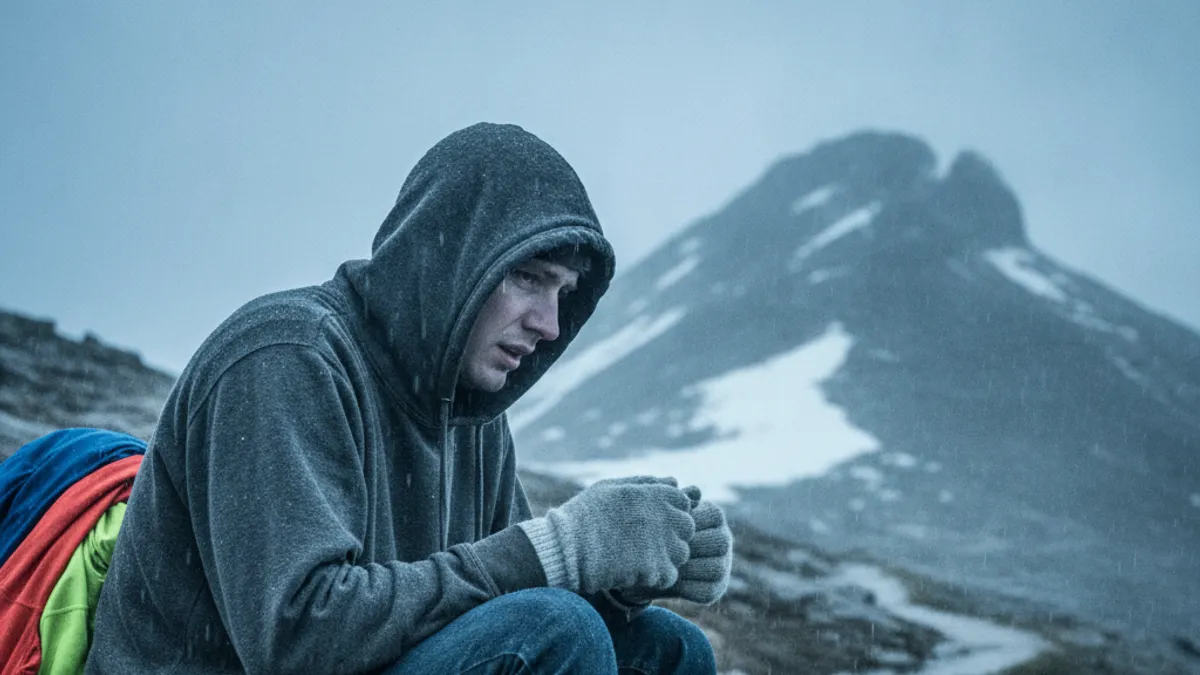
When you’re out on the trail, particularly in cooler or variable weather, understanding the risks associated with inadequate clothing is paramount. Hypothermia is a serious medical emergency that occurs when your body loses heat faster than it can produce it, causing a dangerously low body temperature. Cotton’s role in significantly exacerbating this risk cannot be overstated, especially when paired with an active outdoor pursuit.
- How Cotton Contributes: As we’ve established, cotton absorbs moisture and, critically, loses its insulating ability when wet. This means that if you’re wearing cotton and begin to sweat, or if it starts to rain, your body’s heat is rapidly conducted away from you into the saturated fabric. This can quickly lower your core body temperature, even if the air temperature seems mild.
- Early Symptoms: Initial signs of hypothermia are often subtle and can include shivering, sluggishness, confusion, and difficulty speaking. As it progresses, the shivering may stop, which is a dangerous sign indicating the body is failing to generate heat and is entering a more critical stage.
- Prevention is Key: The best defense against hypothermia when hiking is appropriate clothing. This means avoiding cotton, especially for base layers, and opting for synthetic or wool materials that can keep you warm and dry even when you’re exerting yourself or encountering wet weather. Proper layering and preparedness can significantly mitigate this risk. In situations involving dehydration or lack of electrolytes, the body’s ability to regulate temperature can also be compromised, so staying hydrated with options like Electrolytes For Hiking is important.
Why Cotton is Generally NOT Recommended for Hiking

Given the clear downsides we’ve discussed, the consensus among outdoor gear experts is that cotton is generally a poor choice for hiking apparel. Its fundamental fabric properties directly conflict with the requirements for comfortable and safe outdoor activity, especially in challenging conditions. When you’re far from shelter and relying on your gear, making informed material choices is crucial for a positive experience.
- It Fails its Primary Job: Hiking clothing needs to manage moisture and regulate body temperature. Cotton fails on both counts when wet. The moisture retention leads to chilling, and the loss of insulation means your body works harder to stay warm, leading to fatigue and increased risk of cold-related issues like hypothermia.
- Increased Discomfort Leads to Reduced Performance: Beyond safety concerns, wet cotton just feels miserable. It can lead to chafing, skin irritation, and a generally unpleasant experience that can detract from your enjoyment of the hike itself, and even make you less inclined to venture out again. Proper footwear is also key; check out Are Army Boots Good For Hiking to understand boot material choices.
- Synthetic and Wool Outperform: Compared to modern synthetic fabrics and merino wool, cotton simply cannot compete in terms of performance for active outdoor use. Alternatives provide superior moisture management, faster drying times, and better insulation retention when damp, all of which are critical for a positive hiking experience.
When Cotton Might Be Acceptable (With Major Caveats)
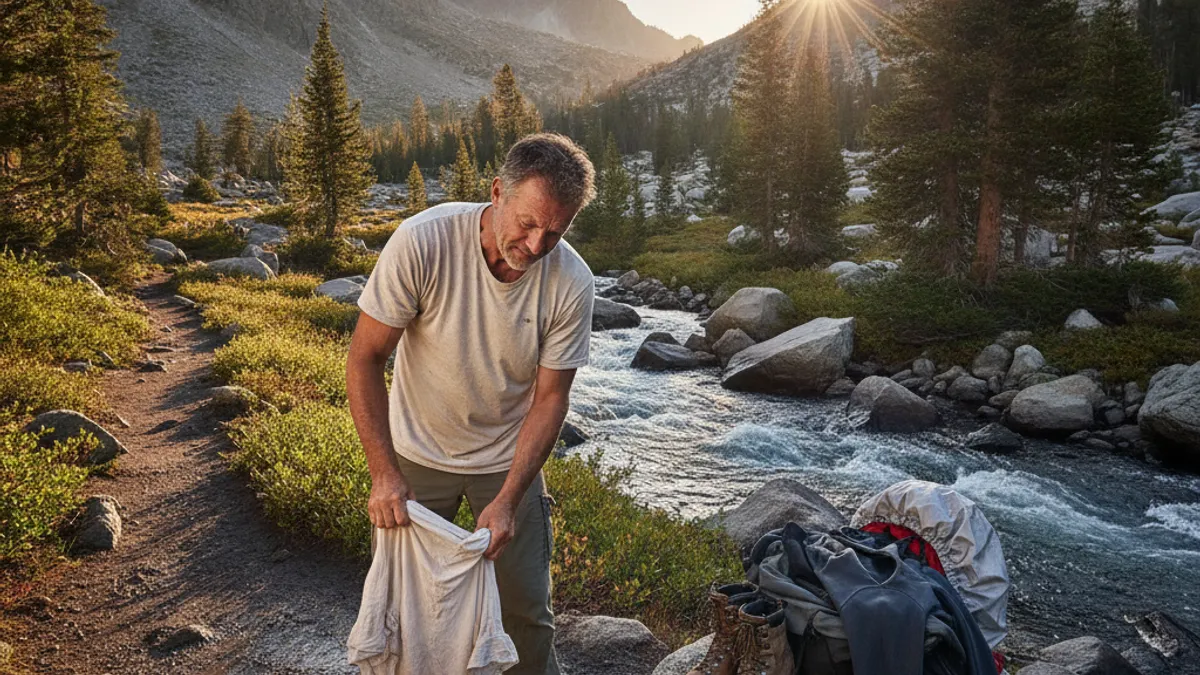
While the advice leans heavily against cotton for hiking, it’s useful to acknowledge the few niche situations where it might not be a critical issue. These are specific, low-risk scenarios where the downsides of cotton are significantly minimized. It’s important to treat these as exceptions rather than the rule, and to always be aware of the potential downsides.
- Very Short, Low-Intensity Outings: A quick, easy walk on a well-maintained trail on a warm, dry day, where you’re unlikely to sweat heavily or get rained on, might allow for a cotton t-shirt. The key is that you’ll be back home and able to change into dry clothes very quickly.
- Casual Camp Wear (If Dry): Once you’ve finished hiking for the day and are settled around a campfire in dry conditions, a comfortable dry cotton shirt or pants for lounging is usually fine. The critical factor here is that you aren’t actively hiking, and you’re already dry and in a controlled, warm environment. This is purely for comfort when performance is no longer a concern.
- Extremely Hot, Arid Climates (with caution): In very high temperatures with extremely low humidity, the rapid evaporation from ambient heat can help dry cotton somewhat. However, if you begin to sweat profusely, it will still hold moisture, making synthetics or very lightweight, breathable options generally superior for managing that sweat effectively. For maintaining energy on longer treks, planning your food is essential, as covered in Best Food To Bring On A Long Hike.
