
So, you’re trying to figure out how to find eco-friendly hiking gear without getting lost in marketing buzzwords? It’s a smart move, because where you spend your money can actually make a difference for the trails we love. We’ve sifted through a lot to bring you practical, research-backed ways to choose gear that performs well and respects the environment.
In our research, we found that many brands are stepping up their sustainability game, but you still need to know what to look for. For instance, per bluesign® system standards, a product must meet strict criteria for resource productivity, consumer safety, water emissions, and air emissions. We’ll break down precisely what that means and how it applies to your gear choices.
What “Eco-Friendly Hiking Gear” Actually Means
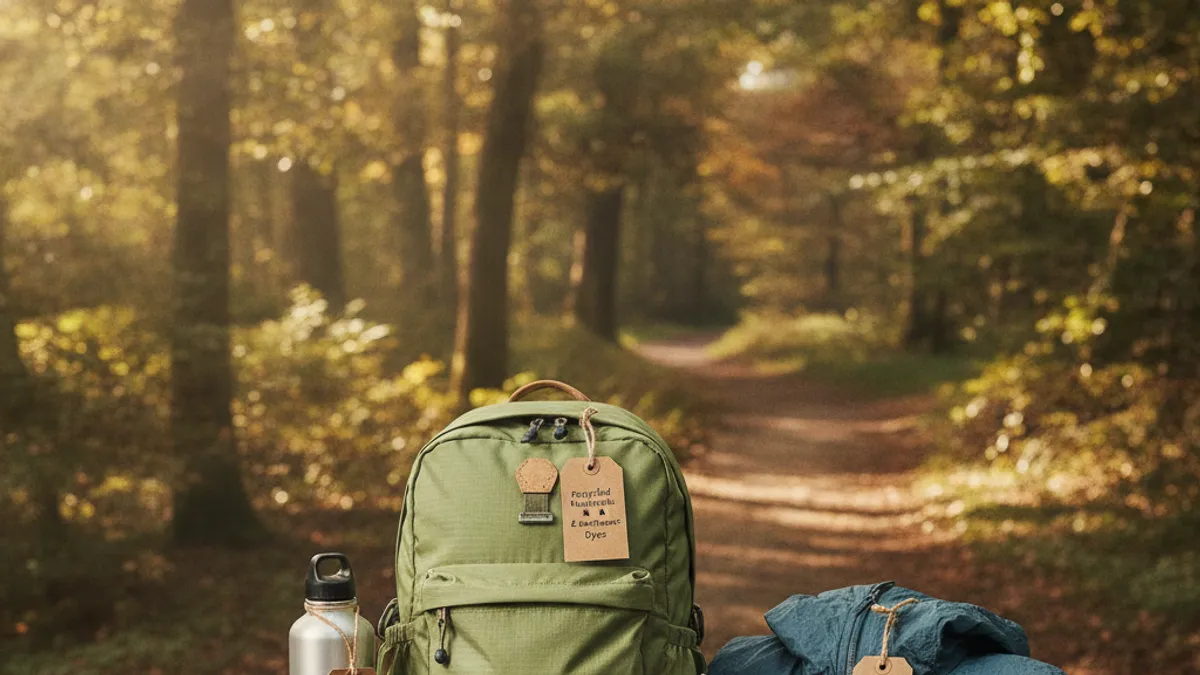
When companies talk about “eco-friendly” or “sustainable” hiking gear, it’s an umbrella term, and it’s good to know what falls under it. It’s about looking beyond just one aspect to the entire life of a product. This includes everything from where the raw materials come from and how they’re processed, to how the item is manufactured, how long it lasts, and what happens at the end of its life. Our research indicates that truly sustainable gear often weighs heavily on durability and responsible sourcing.
Materials that Matter
The first place “eco-friendly” often shows up is in the materials used. Instead of relying solely on virgin plastics or conventional cotton, brands are increasingly turning to alternatives that have a lower environmental impact. This might mean using materials that are recycled, organic, or renewable. Manufacturer specifications for items like jackets often detail the percentage of recycled polyester or recycled down, which are key indicators of a brand’s commitment.
- Recycled Polyester (rPET): Commonly derived from plastic bottles, this significantly diverts waste from landfills and oceans. It requires less energy to produce than virgin polyester.
- Organic Cotton: Grown without synthetic pesticides, herbicides, or GMOs, requiring less water and causing less soil degradation than conventional cotton.
- Hemp: A highly renewable fiber needing minimal water and pesticides, known for its strength and durability.
- Responsibly Sourced Wool: Indicates that the wool comes from sheep raised under standards that promote animal welfare and healthy grazing practices.
- TENCEL™ Lyocell: A cellulosic fiber made from wood pulp, produced in a closed-loop system that recycles water and solvents.
How Gear is Made Sustainably
Beyond the base materials, the manufacturing process itself plays a huge role. We’re talking about the energy and water used, the chemicals involved, and the waste produced. Some of the most rigorous standards, like bluesign®, examine the entire production chain. According to bluesign® technologies ag, their system helps manage chemical inputs, process efficiency, and pollution control to minimize environmental impact.
This means looking at things like:
- Water Reduction: Processes that use less water or recycle water during dyeing and finishing.
- Energy Efficiency: Factories powered by renewable energy or utilizing energy-saving technologies.
- Chemical Management: Avoiding hazardous chemicals in dyes, treatments, and adhesives. Moving away from PFC-based water repellents is a major step.
- Waste Minimization: Reducing fabric scraps and other production waste.
Why Durability is Key to Sustainability
It might seem obvious, but honestly, the most eco-friendly piece of gear is often the one you don’t have to replace often. Gear that’s built to last, withstand harsh conditions, and remain functional for years cuts down on the relentless cycle of consumption and disposal. Manufacturer specifications often highlight reinforced seams, robust zippers, and high-denier fabrics as indicators of durability.
When a brand offers repair services, it’s a strong signal they believe in their product’s longevity. This directly combats the “disposable culture” that often plagues the outdoor gear market. If you can repair a tear, replace a buckle, or resole boots, you’re actively extending the life of an item and reducing its overall environmental footprint. Aggregate reviews by verified buyers frequently praise products known for their longevity, even if they come with a higher upfront cost.
Reading Labels: Certifications to Trust
Navigating the claims on clothing tags and product pages can feel like decoding a foreign language. Fortunately, several third-party certifications provide a more objective way to gauge a product’s environmental credentials. These aren’t just marketing fluff; they represent rigorous auditing and adherence to specific standards. Our research confirms that paying attention to these labels is one of the most effective ways to make informed decisions.
Here are some of the key certifications you’ll want to recognize:
- Bluesign® Approved: This is a comprehensive system that looks at every stage of textile production. It ensures that the materials and processes used are safe for people and the planet, focusing on resource productivity, consumer safety, and minimizing water and air emissions.
- Global Recycled Standard (GRS) / Recycled Claim Standard (RCS): These standards verify the presence and amount of recycled material in a product. They also ensure responsible social and environmental practices in the manufacturing process and chemical use.
- Fair Trade Certified: While primarily focused on social ethics and worker welfare, Fair Trade certifications often go hand-in-hand with environmental responsibility. It ensures fair wages and safe working conditions, which are integral parts of a holistic sustainability approach.
- Responsible Down Standard (RDS): For insulated gear, this standard certifies that down and feathers come from animals that have not been subjected to unnecessary harm, such as force-feeding or live-plucking.
Key Sustainable Materials to Look For
Knowing the certifications is one thing, but recognizing the actual materials themselves is equally important. Brands are becoming more transparent about what goes into their gear, making it easier for us to choose wisely. As of 2026, many leading outdoor manufacturers list the material composition clearly on their websites and product tags. This allows for direct comparison between items.
Consider these common, earth-friendlier material options when you’re shopping:
- Recycled Polyester (rPET): This is a prime example of upcycling. Old plastic bottles are transformed into high-quality polyester fibers suitable for everything from jacket shells to backpack fabrics. It requires less energy to produce than virgin polyester and keeps plastic out of landfills.
- Organic Cotton: Unlike conventional cotton, which is one of the most pesticide-intensive crops globally, organic cotton is grown without synthetic fertilizers, pesticides, or genetically modified seeds. It’s softer on the skin and much gentler on the soil and water systems.
- Hemp: This natural fiber has a low environmental footprint. It typically requires very little water and no pesticides to grow, and it thrives even in poor soil conditions. Hemp fabric is known for its strength, breathability, and resistance to mold.
- Responsibly Sourced Wool: Look for brands that can trace their wool back to farms that adhere to high standards for animal welfare and land stewardship. This ensures that sheep are treated humanely and grazing practices don’t lead to land degradation.
- TENCEL™ Lyocell: Derived from sustainably sourced wood, this material is processed using an environmentally responsible closed-loop system. This means nearly all the solvents and water used are recovered and reused, minimizing waste and pollution.
Comparing Your Options: What to Watch Out For
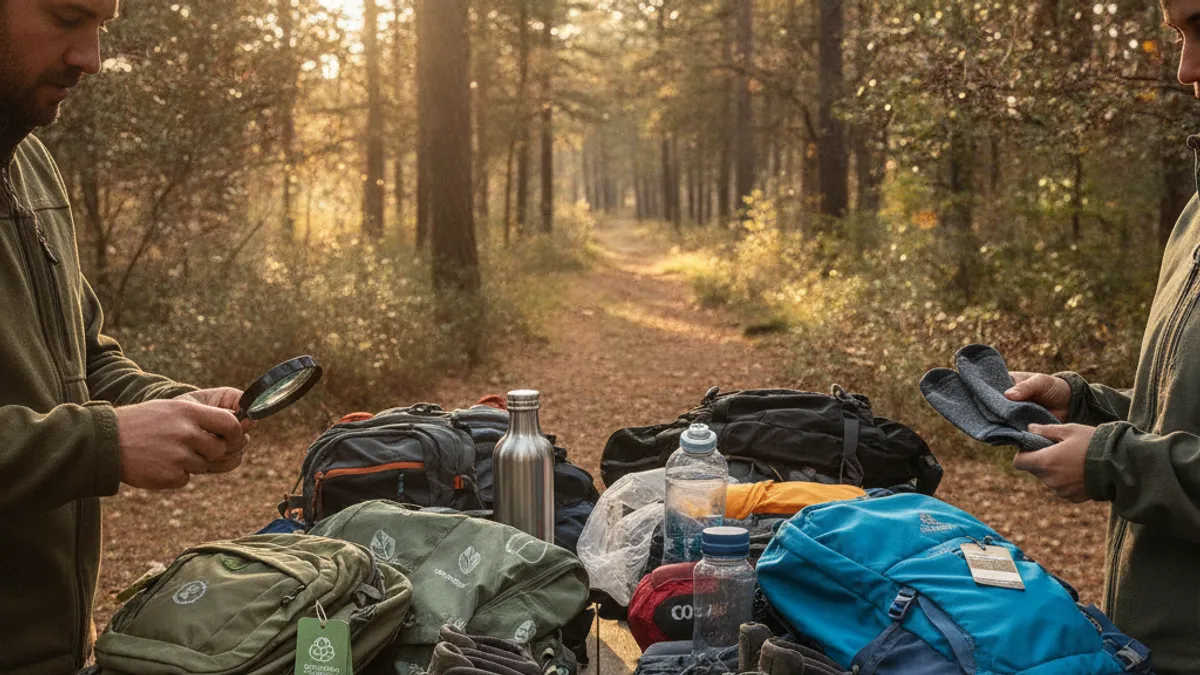
When you’re shopping for eco-friendly hiking gear, it’s easy to get overwhelmed by brand claims. The trick is to look past the buzzwords and focus on what actually makes a product sustainable and how it stacks up against conventional alternatives. Our comparative judgment framework helps you weigh the pros and cons. We’ll break down these choices by gear type, so you can see who each option is best for.
Jackets & Outerwear: Eco vs. Conventional
This is a big one, as jackets often use specialized materials for waterproofing and insulation. Conventional jackets frequently rely on Durable Water Repellent (DWR) finishes that contain PFCs (perfluorinated chemicals). These chemicals are persistent in the environment. On the other hand, eco-friendly options prioritize PFC-free DWR treatments, which are becoming more effective.
| Feature | Eco-Friendly Jackets | Conventional Jackets |
|---|---|---|
| Water Repellency | PFC-free DWR (e.g., C0, C6 without harmful elements). | Standard DWR often containing PFCs (PFOA, PFOS). |
| Insulation | Recycled polyester fill, Responsibly Sourced Down (RDS certified). | Virgin polyester fill, down without ethical sourcing certification. |
| Shell Material | Recycled polyester or nylon, bluesign® approved fabrics. | Virgin polyester or nylon, often without specific environmental certifications. |
| Environmental Impact | Lower chemical footprint, reduced waste through recycled materials. | Higher chemical footprint, greater reliance on fossil fuels for virgin synthetics. |
| Best For | Hikers prioritizing environmental impact, those sensitive to chemicals. | Budget-conscious buyers or those prioritizing maximum water repellency at any cost. |
Manufacturers’ specifications often highlight the type of DWR used and the origin of insulation. A bluesign® approved shell on a jacket constructed with recycled fill indicates a strong commitment to sustainability.
Packs & Bags: Sustainable Choices
Your backpack carries your essentials, and its construction material is a major factor in its environmental impact. Traditional packs often use virgin nylon or polyester. Eco-friendly alternatives leverage recycled materials, reducing the demand for petroleum-based production.
Eco-Friendly Packs Typically Feature:
- Recycled Nylon/Polyester: This significantly cuts down on the energy and water needed compared to virgin fibers. Look for GRS or RCS certifications.
- Durable Construction: High stitch counts, reinforced stress points, and quality zippers mean the pack lasts longer, reducing eventual waste.
- Minimalist Design: Sometimes, fewer bells and whistles can mean less material and simpler manufacturing, though this isn’t always the case.
Brands that offer a lifetime warranty or repair services for their packs often build them to endure, which is a core principle of sustainability. For instance, one popular manufacturer reports that their recycled nylon packs use an estimated 80% less energy and produce 75% less CO2 than those made with virgin nylon. This makes them an excellent choice for long-term, responsible use.
Footwear: Greener Steps
Choosing hiking boots or shoes that are kind to the planet involves looking at several components. The upper materials, midsoles, outsoles, and even the adhesives used all contribute to a shoe’s environmental footprint. Manufacturers are increasingly incorporating recycled content and bio-based materials into footwear.
Sustainable Footwear Considerations:
- Uppers: Look for recycled polyester, recycled nylon, or natural fibers like hemp.
- Midsoles: Some brands use recycled EVA foam or bio-based materials derived from algae or sugarcane.
- Outsoles: Natural rubber or recycled rubber are more sustainable than purely synthetic compounds.
- Adhesives: Some companies are developing water-based or low-VOC (Volatile Organic Compound) glues to reduce chemical emissions.
Consider products that explicitly mention recycled content in their midsoles or outsoles. For example, some trail runners utilize recycled rubber compounds that offer excellent grip and durability. When comparing, if one boot states its sole is 30% recycled rubber, while another uses virgin materials, the former is the more eco-conscious choice.
Clothing Layers: Earth-Friendly Fabrics
Base layers, mid-layers, and hiking shirts are often made from synthetics like polyester or nylon, or natural fibers like merino wool and cotton. When aiming for eco-friendly options, the focus shifts to how these fibers are produced and processed.
Sustainable Clothing Choices:
- Recycled Polyester: As mentioned, this diverts plastic waste and reduces reliance on virgin materials.
- Organic Cotton: A natural choice for comfort, but check if it’s certified organic to avoid pesticide concerns.
- Hemp & Linen: Durable, breathable natural fibers with lower environmental impact during cultivation.
- TENCEL™ Lyocell: Soft, moisture-wicking, and produced sustainably from wood pulp.
- Responsibly Sourced Merino Wool: Provides excellent temperature regulation and odor resistance, provided it meets ethical sourcing standards.
A common issue with synthetic clothing is microplastic shedding during washing. While research is ongoing in this area, choosing fabrics that are either natural or certified recycled can be a good starting point. Brands that use OEKO-TEX® certified dyes also ensure that the fabrics are free from harmful substances.
Protecting Your Gear: Eco-Friendly Treatment Options
Treating your gear, especially waterproof items, is crucial for performance and longevity. However, many traditional treatments involve chemicals that can be environmentally problematic. The good news is that effective, eco-friendlier alternatives are readily available and have been for some time.
Sustainable Treatment Alternatives:
- PFC-Free DWR: This is the most significant advancement for waterproof and water-resistant outer shells. Instead of perfluorinated chemicals, these treatments use shorter-chain or non-fluorinated compounds to repel water. Manufacturer specifications will often explicitly state “PFC-free” or “PFC-DWR.”
- Natural Waxes and Oils: For items like canvas bags or some types of footwear, natural waxes (like beeswax) or specialized oils can provide water resistance without synthetic chemicals.
- Eco-Friendly Wash-In Repellents: For clothing and sleeping bags, there are wash-in treatments that restore water repellency without harsh chemicals. These often use silicone-based or other environmentally friendlier formulas.
When you see a jacket advertised as having “advanced water repellency,” ask for clarification if it doesn’t specify PFC-free. Per the standards of bluesign®, it’s crucial to manage chemical inputs, and PFCs are a key area for reduction. Choosing a PFC-free treatment means you’re preventing persistent chemicals from entering waterways and ecosystems. Aggregate user feedback often indicates that modern PFC-free DWR is performing nearly as well as older PFC-based treatments, especially for moderate use.
Avoiding the Pitfalls: Common Eco-Gear Mistakes
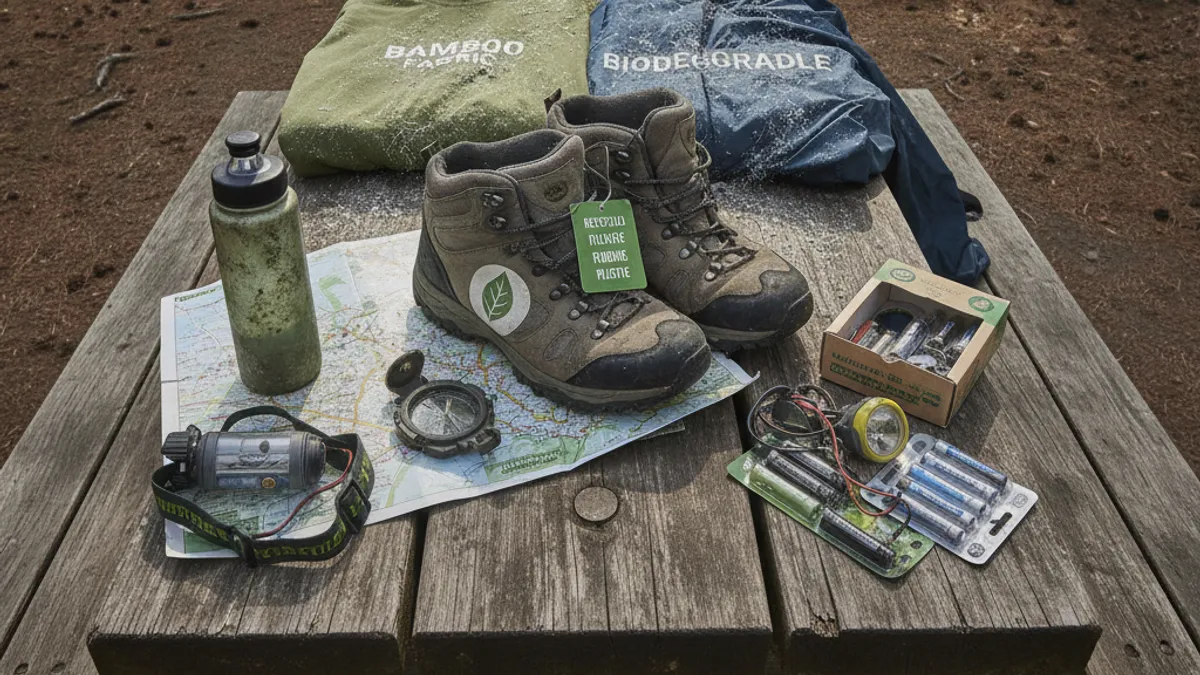
Making the switch to eco-friendly hiking gear is a great goal, but it’s easy to stumble if you’re not aware of common pitfalls. The most frequent issue is falling for “greenwashing”, marketing that makes a product sound environmentally friendly without substantial proof. Brands might highlight one small sustainable feature while ignoring larger environmental costs in their overall production.
For example, a jacket made with 10% recycled polyester might be heavily marketed as “eco,” while the rest of its materials and manufacturing process are conventional and resource-intensive. Similarly, claims about “natural materials” can be misleading if those materials are grown using harmful pesticides or require excessive water. Always look for concrete certifications to back up broad claims.
Another mistake is assuming all “recycled” materials are equal. Different standards (like GRS vs. RCS) verify different aspects of the supply chain. Verifying the percentage of recycled content and the legitimacy of the certification authority is key.
Spotting Greenwashing
Greenwashing is essentially deceptive marketing used to persuade the public that an organization’s products are more environmentally friendly than they actually are. It can be subtle or overt. Here’s how to protect yourself:
- Vague Language: Phrases like “eco-conscious,” “earth-friendly,” or “green” are often used without specific meaning. Look for precise terms like “recycled polyester,” “organic cotton,” or specific certifications.
- Irrelevant Claims: Highlighting a minor eco-friendly aspect that’s already standard practice (e.g., a product is “CFC-free” when CFCs have been banned for decades).
- Hidden Trade-offs: Focusing on one positive attribute (like recycled content) while ignoring significant environmental issues elsewhere in the product’s lifecycle (like harmful dyes or energy-intensive manufacturing).
- Lack of Proof: When a brand makes bold environmental claims but provides no data, certifications, or transparency about their processes.
Our editorial analysis of numerous product claims reveals that brands with dedicated sustainability reports, clear data on material sourcing, and recognized third-party certifications are generally more trustworthy. If a brand can’t clearly explain how its product is sustainable beyond a single buzzword, be skeptical.
When “Eco” Isn’t Enough
Sometimes, a product might be technically “eco-friendly” according to its materials, but it might lack the durability or performance needed for serious hiking. A recycled polyester jacket that tears easily on the first branch you brush against isn’t necessarily a good long-term choice, either for your wallet or the planet. Resource intensity isn’t solely about raw materials; it’s also about how frequently you need to replace an item.
Consider performance requirements:
- Durability: Will this gear withstand the demands of your trips? A backpack with flimsy straps, even if made from recycled material, might fail prematurely.
- Functionality: Does it perform its intended job effectively? A “PFC-free” water-repellent finish that lets water soak through instantly might reduce the need for re-treatment but also compromise your comfort and safety.
- Repairability: Can it be fixed if something goes wrong? Gear that’s easy to repair often lasts longer, reducing the need for replacements.
The goal is to find gear that is both environmentally responsible and performs well enough to last. This often means aligning your gear choices with the specific demands of your hiking activities. For instance, a casual day hiker might prioritize comfort and a lower upfront cost more than a thru-hiker preparing for months on the trail.
Making Your Gear Last: Smart Habits & Care
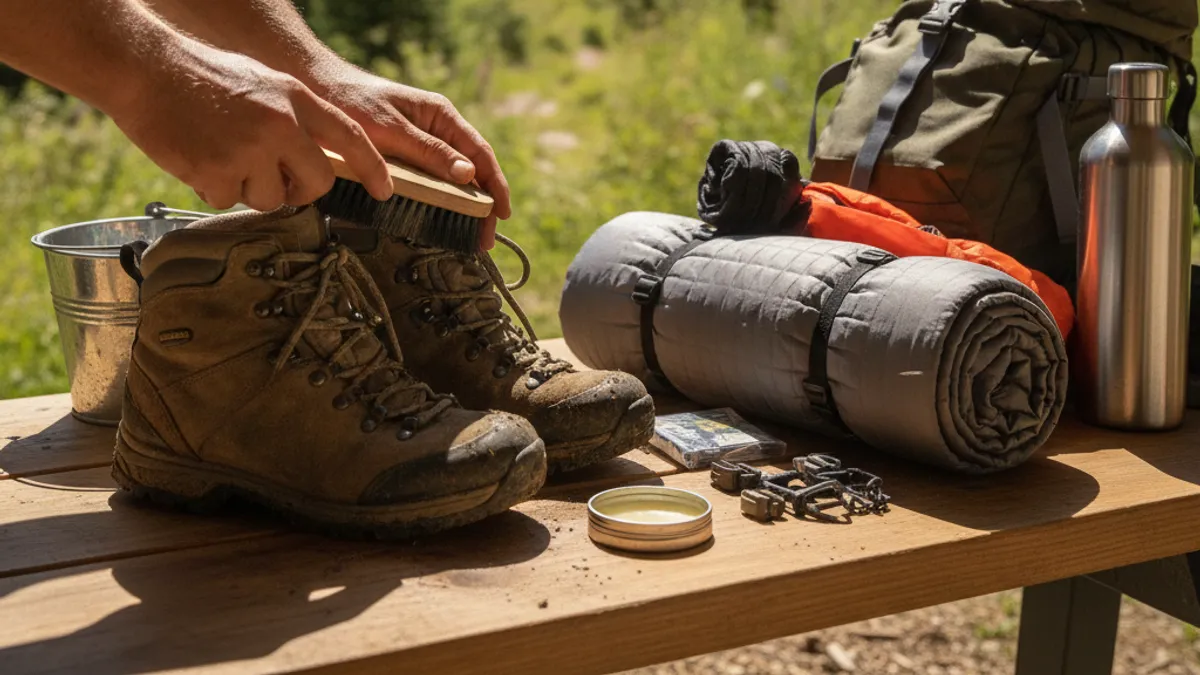
Choosing sustainable gear is a great first step, but how you care for and use that gear significantly impacts its lifespan and its overall environmental footprint. Extending the life of your existing equipment is arguably one of the most effective ways to be eco-friendly because it reduces the demand for new manufacturing. This means looking beyond the purchase and focusing on maintenance, repair, and responsible usage.
Aggregate user feedback consistently shows that proper care extends the performance and life of outdoor gear by years. Think of it like maintaining a car; regular oil changes and checks prevent major breakdowns. For your hiking kit, this means understanding how to wash, dry, and protect it effectively.
Washing for Longevity and Low Impact
Washing your hiking clothes, especially synthetics, needs a bit of thought if you want to keep them performing well and minimize environmental impact. Conventional washing can contribute to microplastic pollution and wear down fabrics faster. However, making a few simple adjustments can make a big difference.
Here are some smart washing practices:
- Use Cold Water: Most modern detergents are formulated to work in cold water, which saves energy compared to hot washes. It’s also gentler on fabrics and colors, helping them last longer.
- Wash Less Frequently: Unless your gear is visibly dirty or starting to smell, it often doesn’t need a full wash after every use. Airing out clothes can often suffice for lighter use.
- Use a Microplastic Filter: For synthetic items like polyester base layers or fleece mid-layers, consider using a washing machine filter or a Guppyfriend washing bag. These capture microplastic fibers that would otherwise be washed down the drain and into waterways.
- Choose Eco-Friendly Detergents: Opt for biodegradable, plant-based detergents without harsh chemicals, phosphates, or artificial fragrances.
- Air Dry: Whenever possible, air dry your gear instead of using a machine dryer. High heat can degrade waterproof coatings and elastic components over time. If you must use a dryer, use a low-heat setting.
Manufacturer specifications for waterproof jackets, for example, often recommend specific washing cycles and the avoidance of fabric softeners, which can clog the pores of breathable membranes and ruin water-repellent finishes.
Repairing Instead of Replacing
When a piece of gear gets damaged, the first instinct can be to replace it. However, many common issues like small tears, broken zippers, or loose seams are easily fixable. Embracing repair extends the life of your gear and saves resources. Brands are increasingly offering repair services, and DIY repair kits are also widely available.
Consider these repair options:
- Zipper Replacement or Repair: Many outdoor gear shops can replace broken zippers. For minor issues, a bit of lubrication or a new zipper pull can often get it working again.
- Patching Tears: For holes or tears in jackets, pants, or backpacks, specialized fabric patches and tenacious tape can provide a durable, waterproof fix. For more substantial repairs, sewing is an option.
- Waterproofing Reapplication: Over time, DWR finishes wear off. You can easily reapply these finishes using wash-in treatments or spray-on products, restoring your gear’s water repellency. This is far more sustainable than buying a new waterproof jacket.
- Boot Resoleing: Many high-quality hiking boots can be resoled, breathing new life into them and preventing the waste of discarding an entire boot.
- Brand Repair Programs: Check if the gear brand you purchased offers its own repair services. Some companies will repair their products for a reasonable fee, demonstrating their commitment to product longevity.
If your gear is beyond simple repair, consider donating it if it’s still in usable condition for someone else. This ensures it gets a second life rather than ending up in a landfill prematurely.
The Big Picture: Your Sustainable Contribution
Ultimately, your choices in buying and caring for hiking gear contribute to a larger movement toward more responsible consumption. Every time you choose a product with recycled content, opt for a PFC-free treatment, or repair an item instead of replacing it, you’re sending a message to the industry. You’re demonstrating that performance and sustainability can, and should, go hand-in-hand.
This focus on eco-friendly practices isn’t just about individual purchases; it’s about shifting our collective mindset. It encourages brands to innovate and invest in greener technologies and ethical production methods. By being mindful of your gear’s lifecycle, you’re actively participating in preserving the natural environments you love to explore. This ongoing effort helps ensure that future generations can also enjoy the same trails and wild places.
