
So, you’re planning some time on the trails and want to make sure it’s a great experience? Learning how to avoid common hiking mistakes is one of the smartest things you can do before you even lace up your boots. A little preparation and awareness can turn a potentially challenging outing into a truly rewarding adventure, keeping you safe and sound from start to finish.
Proper preparation ensures you’re ready for anything nature throws your way, from unexpected weather shifts to navigating varied terrain. Our research shows that by understanding common pitfalls, like the ones we’ll cover, individuals can significantly enhance their trail safety and enjoyment. For instance, per the National Park Service’s safety guidelines, carrying the “Ten Essentials” is a fundamental recommendation for nearly all day hikes.
Why Not Making Mistakes Matters on the Trail

Getting hiking right isn’t just about reaching the summit or covering miles; it’s about making sure you have a safe and enjoyable experience every step of the way. When you make mistakes, the consequences can range from minor annoyances like blisters to serious safety threats. Thinking about potential issues before you hit the trail is your first line of defense.
This means understanding the risks involved and proactively planning to mitigate them. For example, underestimating a trail’s difficulty isn’t just about feeling tired; it could lead to a decision to push on when you shouldn’t, increasing your chances of injury. As of 2026, the emphasis in outdoor recreation safety is firmly on preparedness and risk assessment, a philosophy that underpins every aspect of responsible hiking.
Common Hiking Missteps: What Most People Get Wrong

Let’s dive into the most frequent blunders hikers make. These are the errors that pop up again and again, often because they seem minor at first but can escalate quickly. Avoiding these specific slip-ups will dramatically improve your outings.
Underestimating the Trail
This is a classic one. It’s easy to look at a trail map or a description and think, “That looks easy enough.” But what looks easy on paper can be deceiving in reality. Trails can have unexpected steep sections, loose scree, or rocky terrain that demands more energy and attention than you might anticipate. Elevation gain, for example, can make a short distance feel much longer and more strenuous.
- What it looks like: Someone wearing casual sneakers on a steep, uneven path, struggling with footing.
- The consequence: Increased risk of slips, falls, and twisted ankles due to improper footwear and lack of awareness of the terrain’s demands. Pushing too hard on a trail that’s beyond your current fitness level can also lead to excessive fatigue and poor decision-making later on.
Ignoring the Weather
Weather is one of the most unpredictable elements of any outdoor activity, especially in mountainous or exposed areas. Thinking a sunny morning means a clear day is a gamble you don’t want to take. Conditions can turn rapidly, bringing rain, wind, fog, or even snow, regardless of what the forecast promised hours earlier.
- What it looks like: A hiker caught in a sudden downpour without a waterproof jacket or layers to stay warm.
- The consequence: Hypothermia is a serious risk if you get wet and cold, even in temperatures above freezing. Sudden storms can also cause flash floods or lightning strikes, creating dangerous situations that could have been mitigated with appropriate gear and timely decisions.
Not Telling Anyone Your Plans
This feels straightforward, but it’s often overlooked when people are excited about heading out. Not leaving your itinerary with a reliable friend or family member can have severe implications if something goes wrong. If you get injured, lost, or are otherwise unable to self-rescue, someone needs to know where to start looking for you.
- What it looks like: A rescuer searching a wide area because there’s no specific trail or estimated return time to follow.
- The consequence: Delayed rescue efforts. Without a clear plan of where you were going and when you expected to be back, search parties may struggle to narrow down their focus, potentially prolonging the time you spend in a vulnerable situation.
Inadequate Nutrition and Hydration
Many hikers bring just enough water for the expected duration without accounting for exertion levels or unexpected delays. Relying on a single sugary snack is a common mistake. Your body needs sustained energy, not just a quick sugar hit that wears off rapidly, leaving you with an energy crash.
- Our research indicates: For an average adult engaging in moderate hiking, it’s recommended to consume approximately 0.5 to 1 liter of water per hour, depending on exertion and temperature. How Much Water To Drink Hiking offers more detailed guidance.
- The consequence: Dehydration can lead to fatigue, headaches, and impaired judgment, all of which increase the risk of other mistakes. Insufficient calorie intake results in low energy, decreased physical performance, and can make your body more susceptible to environmental stresses like cold.
Wearing the Wrong Shoes
This is a recipe for discomfort at best and injury at worst. Trying to hike in new, un-broken-in shoes or boots, or using footwear that lacks proper support and traction, can ruin your hike quickly. Even on seemingly easy trails, your feet take a beating.
- What it looks like: Someone taking their shoe off to reveal raw, blistered feet or limping due to an unstable ankle.
- The consequence: Blisters, foot pain, and the potential for ankle sprains or fractures due to inadequate support and grip. Trying to break in brand-new hiking boots on a long trek is a common oversight; proper footwear should be adequately worn in beforehand. How To Choose Hiking Boots details what to look for.
Your Hiking Safety Checklist: Essential Preparedness

Being prepared is far more than just packing a few items; it’s a mindset focused on anticipating needs and potential issues. A robust safety checklist addresses common problems before they arise, ensuring you can handle challenges confidently. This proactive approach is what separates a well-managed hike from a potentially hazardous experience.
The Ten Essentials: Your Lifeline in the Outdoors
The “Ten Essentials” is a foundational concept in outdoor safety, a list of critical gear items recommended by organizations like The Mountaineers. They’re considered essential because they help you deal with various emergencies, including getting lost, injured, or caught in severe weather. They cover navigation, protection from the elements, light, and basic survival needs.
- Navigation: Map, compass, and/or GPS device. Knowing how to use them is key, not just having them.
- Headlamp/Flashlight: Plus extra batteries. Essential if your hike extends past sunset or for navigating in low light. Hiking Headlamp Reviews can guide you to suitable models.
- Sun Protection: Sunglasses, sunscreen, and a hat. Skin and eye protection is crucial, even on cloudy days.
- First Aid: A well-stocked kit with personal medications. You never know when minor injuries will occur.
- Knife/Multi-tool: For repairs, food prep, and emergency use.
- Fire Starter: Waterproof matches, lighter, or fire starter. For warmth and signaling in emergencies.
- Shelter: Emergency blanket or bivy sack. Provides crucial protection from the elements if you’re unexpectedly stranded.
- Extra Food: More than you think you’ll need, non-perishable and high-calorie items.
- Extra Water: Or a way to purify it. Dehydration is a significant risk.
- Extra Clothes: Layers to protect against cold, rain, and wind. Avoid cotton, which retains moisture.
Footwear: The Foundation of a Good Hike
Your feet are your primary mode of transportation on the trail, and their comfort and stability are paramount. The right footwear provides support, traction, and protection, significantly reducing the risk of injury and discomfort. This is not an area to cut corners.
- Hiking Boots or Trail Runners: Depending on the terrain and pack weight, you’ll need sturdy footwear. Boots offer more ankle support, while trail runners are lighter and more flexible. Trail Runners Vs Hiking Boots can help you decide.
- Proper Fit: Crucial for preventing blisters and ensuring comfort. Try them on with the socks you plan to wear.
- Break-In Period: Never wear brand-new boots on a long hike. Wear them around the house or on short walks to mold them to your feet. How To Choose Hiking Boots details what to look for.
- Traction: Look for deep lugs on the outsole to provide grip on varied surfaces.
Layering Clothing: Adapting to Conditions
The concept of layering clothing is vital for hikers because it allows you to regulate your body temperature effectively. You can add or remove layers as your exertion level changes or as the weather shifts, keeping you comfortable and preventing overheating or chilling. The key is to use materials that perform well even when damp.
- Base Layer: Wicks moisture away from your skin. Materials like merino wool or synthetic fabrics are ideal. Cotton should be avoided as it holds moisture and can make you feel cold.
- Mid Layer: Provides insulation. Fleece jackets or down vests are common choices for warmth.
- Outer Layer: Protects you from wind and rain. A waterproof, breathable shell jacket is essential.
- Adjustability: The ability to shed or add layers quickly means you can adapt to temperature changes and your body’s heat output during different parts of your hike.
Water and Snacks: Fueling Your Adventure
Consuming adequate water and food is fundamental for maintaining energy levels and preventing performance degradation. It’s not just about survival; it’s about ensuring you have the stamina and cognitive function to enjoy your hike and make good decisions. Planning for your nutritional needs requires thinking beyond just what tastes good.
- Hydration: Aim for consistent sipping throughout your hike. Carrying more water than you think you’ll need is a primary safety measure. How To Stay Hydrated On A Hike provides further details.
- Snacks: Choose calorie-dense, easily digestible foods that provide sustained energy. Think beyond candy bars; explore options like nuts, dried fruit, and energy bars. Best Energy Bars For Hiking and Best Hiking Snacks For Energy offer great ideas.
- Electrolytes: For longer or more strenuous hikes, especially in warm weather, replenishing electrolytes lost through sweat is important. Discussed in detail at Electrolytes For Hiking.
Navigation: Staying Found
Being able to navigate is one of the most critical skills for any hiker, as it directly prevents getting lost. Relying solely on a cell phone is a common and dangerous mistake because service can be spotty or nonexistent in many outdoor areas. Having a backup and knowing how to use it is essential for safety.
- Map and Compass: This is the traditional, reliable method. Understanding how to read a topographic map and use a compass for orientation and route-finding is a fundamental skill.
- GPS Devices/Apps: Dedicated handheld GPS units or smartphone apps with downloadable offline maps can be excellent tools. However, always carry a backup power source and practice using them before you rely on them.
- Trail Markers: Pay attention to blazes, cairns, and signs on the trail. Note when you pass them and what direction they indicate.
Tackling Tricky Weather: Risks and Readiness
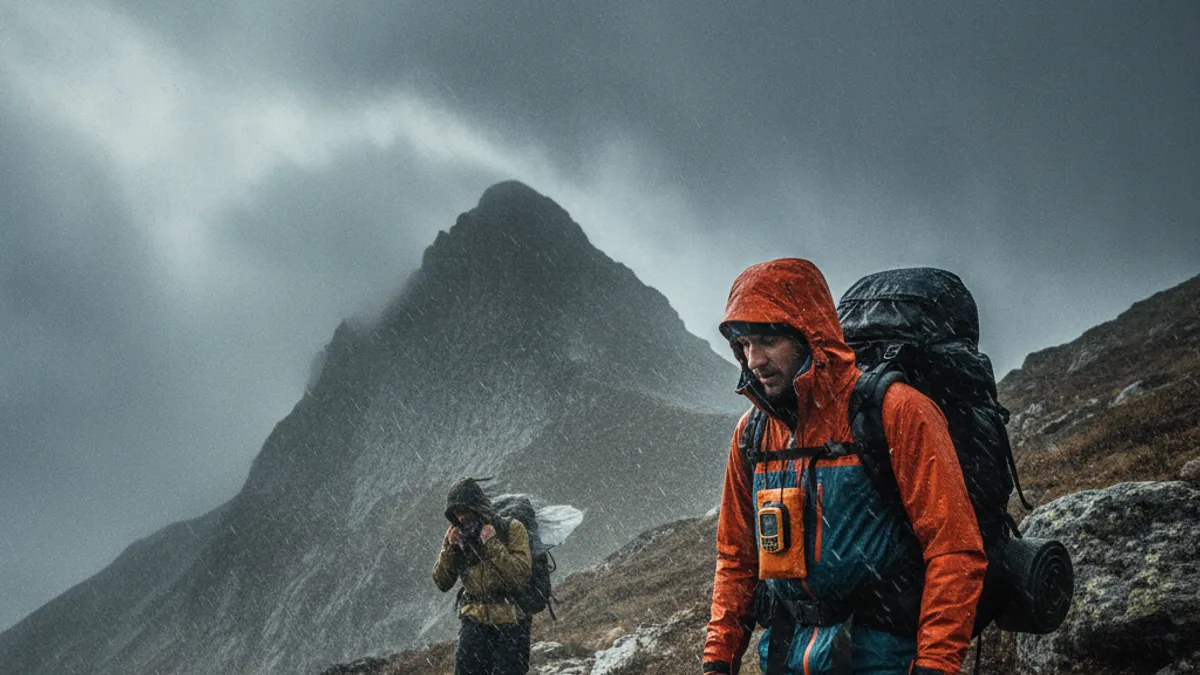
The weather on any given trail can shift dramatically, often with little warning. Being prepared for these changes is not just about comfort; it’s a key factor in ensuring your safety and preventing serious issues like hypothermia or heatstroke. Proactive weather awareness and gear choices can make all the difference.
Reading the Forecast for Your Specific Location
Simply checking a general weather report for the nearest town isn’t enough. Mountainous regions, or even large forested parks, can have microclimates where weather differs significantly from surrounding areas. It’s crucial to look for forecasts specific to the park, peak, or trail system you’ll be visiting.
- Detailed Forecasts: Consult multiple reliable weather sources that offer hourly predictions and specific details like wind speed, precipitation probability, and temperature at various elevations.
- Recent Reports: Pay attention to recent weather patterns. If a storm system has been moving through the region, even if the forecast looks clear, be extra vigilant.
- Elevation Matters: Temperatures often drop significantly as you gain elevation. A forecast of 70°F in the valley could mean 50°F or colder at higher altitudes.
Packing for the Unexpected
Even with the most accurate forecast, it’s wise to pack contingency gear. This means carrying items that can protect you if the weather turns south, regardless of what was predicted. This backup gear acts as your insurance policy against the unpredictable nature of the outdoors.
- Waterproof/Windproof Outer Layer: A quality rain jacket and pants are non-negotiable. They keep you dry and block chilling winds.
- Insulating Layers: A fleece jacket, puffy vest, or wool sweater can be added or removed as needed. Remember, cotton holds moisture and should be avoided as an insulating layer.
- Headwear and Gloves: Even in milder temperatures, a hat can retain body heat, and gloves protect extremities from cold. Pack them even if the forecast is warm. The Best Hiking Gloves For Cold Weather section can provide more specific recommendations.
Knowing When to Call It a Day
This is often the hardest decision for hikers, especially when they’re eager to reach a viewpoint or a destination. However, recognizing when conditions are too dangerous or when your personal limits are being reached is a sign of experienced judgment, not failure. Safety always trumps the summit.
- Observe Conditions: If clouds are rapidly moving in, winds are picking up dramatically, or you hear thunder, it’s time to reconsider your objective.
- Personal Readiness: Assess your own condition. Are you feeling fatigued, showing signs of dehydration, or struggling with the terrain? Pushing on when you’re not at your best increases the risk of mistakes and accidents.
- Turn-Around Time: Set a firm turn-around time before you start. This is the latest you can possibly be to safely return before dark or before conditions are expected to worsen significantly.
If You Get Lost: Staying Calm and Taking Action
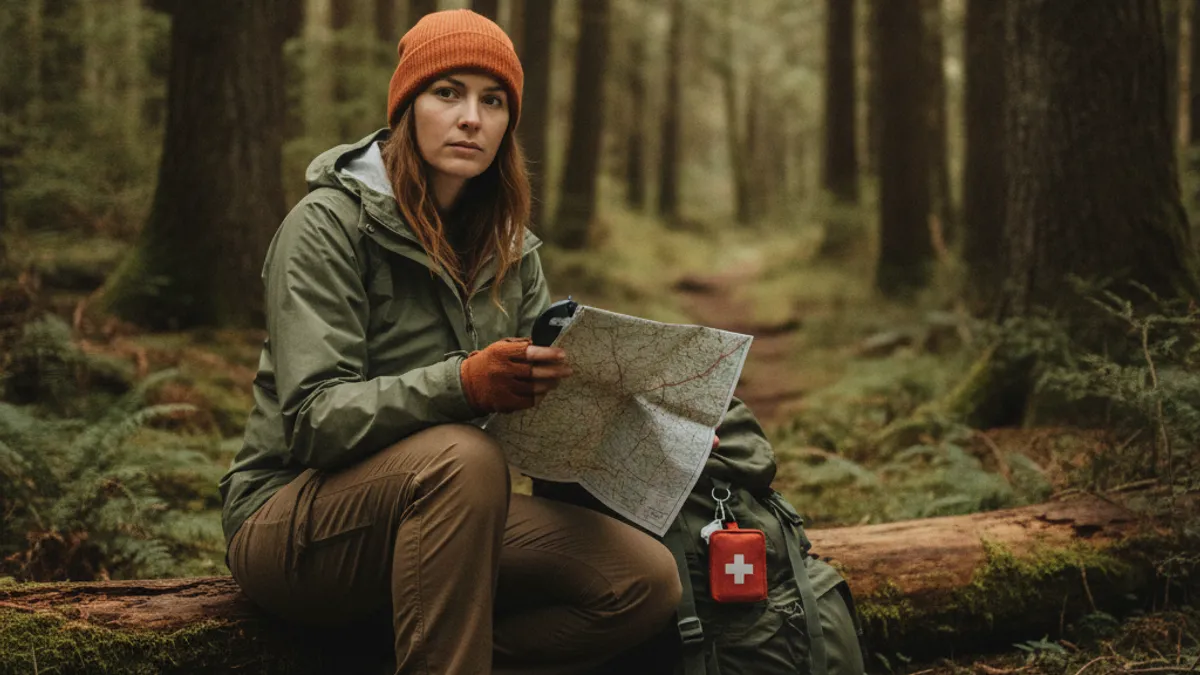
Getting lost can happen to anyone, even experienced hikers, often due to a momentary lapse in attention or an unexpected trail change. The most critical factor in such a situation is how you react. Panicking can lead to poor decisions, making the situation worse, while a calm, methodical approach increases your chances of finding your way back or being found.
What to Do Immediately if You Realize You’re Off-Course
The very first step when you realize you’re not where you should be is to stop. Do not continue walking, as this can take you further away from the intended route and make reorientation more difficult. Take a moment to breathe deeply and clear your head before making any decisions.
- STOP: Halt your movement immediately.
- THINK: Assess your situation. Where did you last know your location? What landmarks can you see?
- OBSERVE: Look around for any clues, trail markers, distinct natural features, or sounds that might indicate proximity to a trail or human activity.
- PLAN: Based on your observations, make a plan. This might involve trying to retrace your steps, consulting your navigation tools, or preparing to stay put.
Using Your Navigation Tools Effectively
If you have a map, compass, or GPS device, now is the time to use them. This is where practice becomes invaluable. Attempting to use a navigation tool for the first time when you’re already lost is not ideal.
- Map and Compass: Orient your map to true north using your compass. Try to identify prominent features around you on the map to pinpoint your current location.
- GPS: Check your GPS device or smartphone app to see your current coordinates and compare them to your planned route. Ensure your device has sufficient battery power.
- Practice: Regularly practice using your navigation tools on familiar trails so that using them under stress becomes more intuitive.
The Power of Staying Put
In many lost-person scenarios, the safest course of action is to stay put, especially if you have informed someone about your hiking plans and expected return time. This makes it much easier for rescuers to find you, as they can focus their search efforts in a defined area. Moving around randomly can expend valuable energy and water, and potentially lead you into more dangerous terrain.
- Conserve Energy and Resources: Once you’ve decided to stay put, minimize unnecessary movement. Focus on staying warm and hydrated.
- Signal for Help: Use any signaling devices you have, such as a whistle (three short blasts is a universal distress signal), a mirror to flash at aircraft, or brightly colored clothing.
- Visibility: Find an open area where you can be more easily spotted, if possible without leaving your immediate vicinity.
Expert Tips for a Smoother Hike
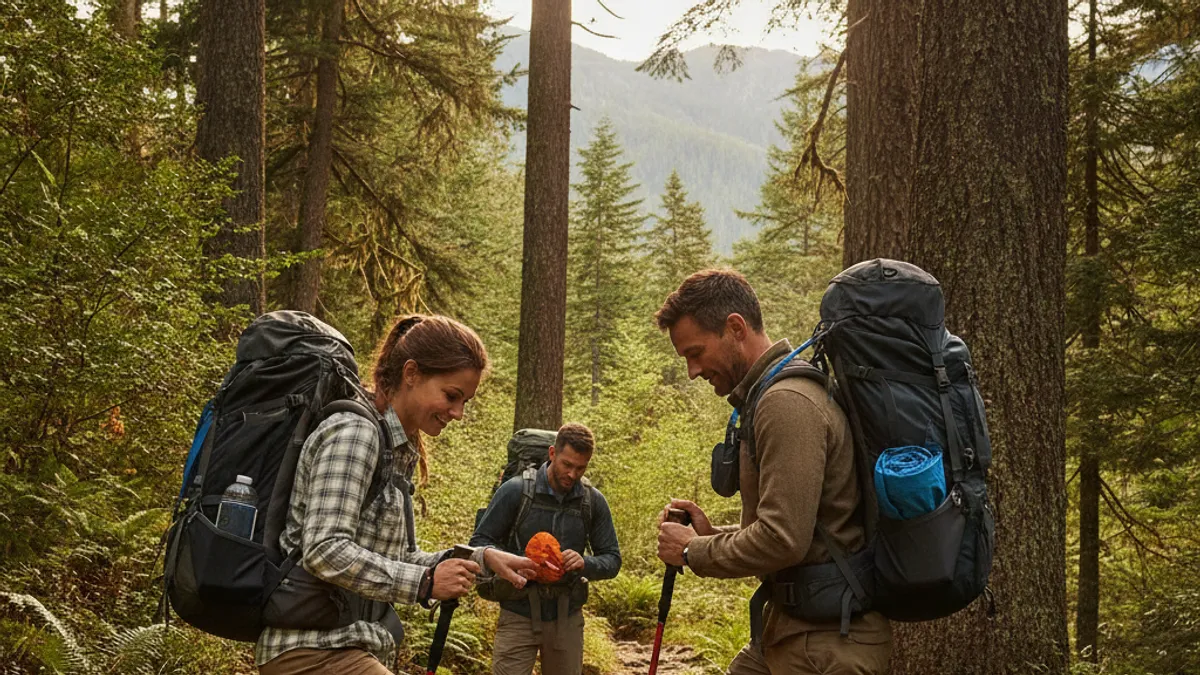
Having a few go-to strategies can seriously elevate your hiking experience and help you avoid common problems. These tips are drawn from years of practical observation and reporting on outdoor activities. They’re not necessarily about specific gear, but rather about how you approach your hike mentally and physically.
Pace Yourself Wisely
This is more than just walking slowly; it’s about maintaining a consistent effort. Many hikers start too fast, burn out quickly, and then struggle. It’s far better to maintain a steady, sustainable pace for the entire hike. Think of it as a marathon, not a sprint.
- Listen to Your Body: If you’re feeling breathless, take a short break. Don’t push through severe fatigue.
- Find Your Rhythm: Develop a cadence that feels comfortable and allows you to talk without gasping for air.
- Respect the Ascent: Steeper sections will naturally slow you down. Adjust your pace accordingly and don’t get discouraged.
Embrace the Power of Observation
Being observant of your surroundings is a form of active preparedness. It allows you to notice changes on the trail, potential hazards, and landmarks that can aid navigation. This heightened awareness contributes to both safety and a deeper connection with the natural environment.
- Trail Conditions: Look for slippery spots, loose rocks, or overgrown sections that might pose a tripping hazard.
- Weather Cues: Notice how the clouds are moving, changes in wind direction, or temperature fluctuations. These can be early warnings of shifting weather patterns.
- Wildlife: Be aware of your surroundings for potential wildlife encounters. Understanding animal behavior (from a distance) helps prevent accidental confrontations.
Practice Leave No Trace Principles
While not directly about avoiding personal mistakes that cause injury, adhering to Leave No Trace principles is crucial for responsible hiking and protecting the environment. It ensures that trails remain enjoyable for future generations and minimizes your impact on the delicate ecosystems you’re visiting. These seven principles are a cornerstone of ethical outdoor recreation.
- Plan Ahead & Prepare: Know the regulations, weather, and your route.
- Travel & Camp on Durable Surfaces: Stick to established trails and campsites.
- Dispose of Waste Properly: Pack it in, pack it out.
- Leave What You Find: Let nature remain as it is.
- Minimize Campfire Impacts: Use designated fire rings if permitted.
- Respect Wildlife: Observe from a distance and never feed animals.
- Be Considerate of Other Visitors: Yield to others, keep noise down.
Pack Smart, Not Just Heavy
Your backpack is your mobile base camp, and how you pack it can affect your comfort and efficiency. A poorly packed bag can lead to an unbalanced load, making your hike more tiring. Knowing where to put things means essential items are accessible when you need them.
- Weight Distribution: Place heavier items closer to your back and in the middle of the pack. Lighter, bulkier items can go at the bottom and top.
- Accessibility: Keep items you’ll need frequently (water, snacks, rain gear, first-aid kit) in easily reachable pockets or the top of your pack.
- Organization: Use stuff sacks or separate bags to keep your gear organized and dry.
Utilize Hiking Poles When Appropriate
Hiking poles aren’t just for Nordic walking; they can be incredibly beneficial on the trail for stability, reducing strain on your joints, and even aiding momentum. If you’ve never used them, it’s worth understanding their potential benefits and how to use them effectively. They can be particularly helpful on descents and ascents.
- Reduced Joint Stress: Poles can absorb up to 20% of the impact on your knees and hips, especially noticeable on downhill sections.
- Improved Stability: They provide an extra point of contact, crucial on uneven or slippery terrain, helping to prevent falls.
- Momentum Assistance: On ascents, poles can help provide a slight forward push, aiding your climb. The specifics of their use are covered in How To Use Hiking Poles.
When to Consider Seeking More Advanced Training or Guidance
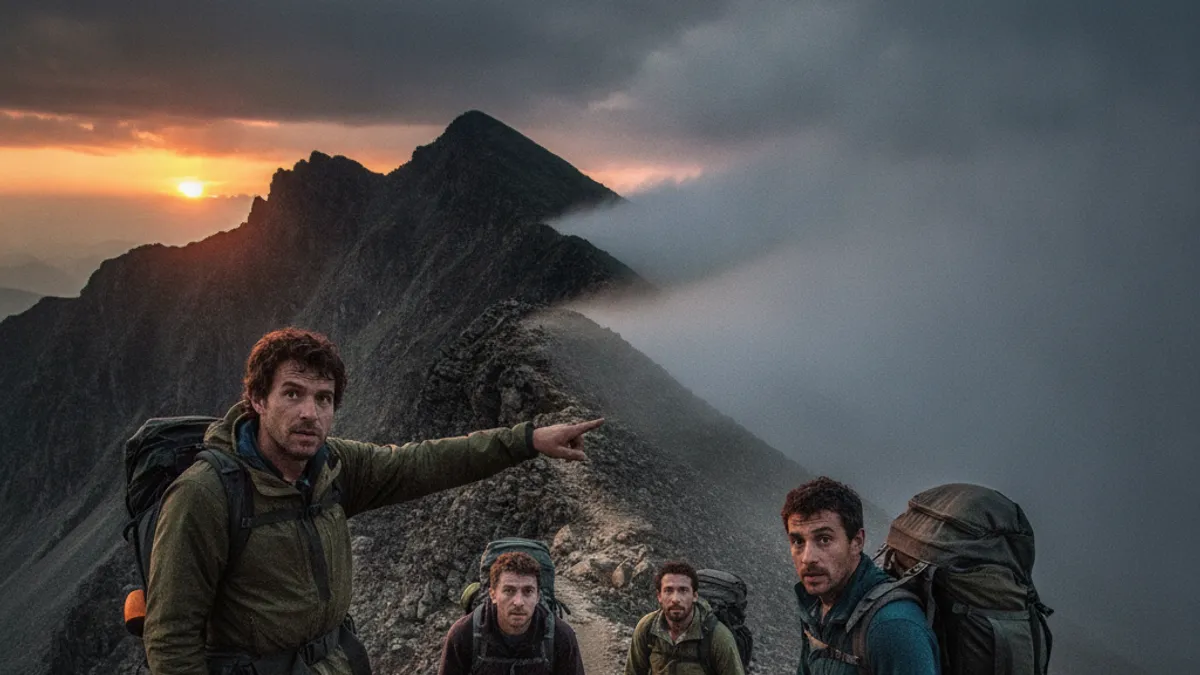
While learning from articles and friends is a great start, there are times when more formal training or mentorship can significantly boost your hiking knowledge and safety. This is particularly true if you plan on tackling more challenging terrain, longer expeditions, or solo trips. Investing in your skills is a powerful way to avoid mistakes that require external help.
Wilderness First Aid Courses
A basic first-aid kit is essential, but knowing how to use it effectively in a remote environment is a different skill set. Wilderness First Aid (WFA) or Wilderness First Responder (WFR) courses teach you how to assess injuries, manage common outdoor medical emergencies, and provide care when professional medical help is hours or days away. These courses are invaluable for anyone venturing beyond easy access.
- Curriculum Focus: Unlike standard first aid, these courses emphasize long-term patient care, wound management in austere conditions, and treating injuries common in outdoor scenarios.
- Certification: Many reputable organizations offer these certifications, which are highly recommended for serious hikers, backpackers, and anyone leading group trips.
Navigation Skills Workshops
While carrying a map and compass is listed under essentials, truly knowing how to use them with confidence requires practice and instruction. Workshops often go beyond basic map reading, teaching skills like dead reckoning, triangulation, and using terrain association to navigate in low-visibility conditions or off-trail. This advanced knowledge is a significant step in preventing navigational errors.
- Hands-On Practice: These workshops provide practical, hands-on experience that’s hard to replicate through reading alone.
- Experienced Instructors: Learning from certified guides or experienced navigators can provide insights and techniques that are crucial for effective backcountry travel.
Group Leadership and Risk Management
If your goal is to lead hikes for others, whether formally or informally, you’ll need more than just personal hiking experience. Courses on group leadership and risk management teach you how to assess group capabilities, manage potential conflicts, make sound decisions under pressure for a group, and implement robust safety protocols. This is about responsibility for others.
- Group Dynamics: Understanding how individuals behave in a group and recognizing signs of distress or fatigue in others is key.
- Emergency Planning: Learning to develop emergency action plans and contingency strategies for various scenarios is vital for group safety.
Mentorship and Experience Building
Sometimes, the best education comes from experienced individuals. Seeking out a mentor, an experienced hiker or guide who is willing to share their knowledge, can provide invaluable real-world insights. Going on trips with experienced companions teaches practical skills and decision-making processes in a supportive environment.
- Learning by Doing: Shadowing or accompanying experienced hikers allows you to observe their techniques and decision-making firsthand.
- Asking Questions: A good mentor can answer the “why” behind certain practices, deepening your understanding beyond just the “how.”
