
What to Eat Before Hiking: Your Fueling Guide
When you’re heading out on the trail, what you eat can make or break your experience. Getting your nutrition right before a hike ensures you have the sustained energy you need to enjoy the scenery, tackle that incline, and feel great throughout your adventure. Skipping this crucial step often leads to early fatigue and a less-than-ideal outing.
Our research indicates that proper pre-hike fueling is paramount, much like meeting fuel efficiency standards for vehicles. For instance, when preparing for a 4-hour moderate hike, consuming approximately 300-500 calories of complex carbohydrates 2-3 hours prior is often recommended per general fitness guidelines. Proper preparation sets the stage for a successful trek, so let’s dive into how to fuel up.
Is Pre-Hike Food Really That Important?
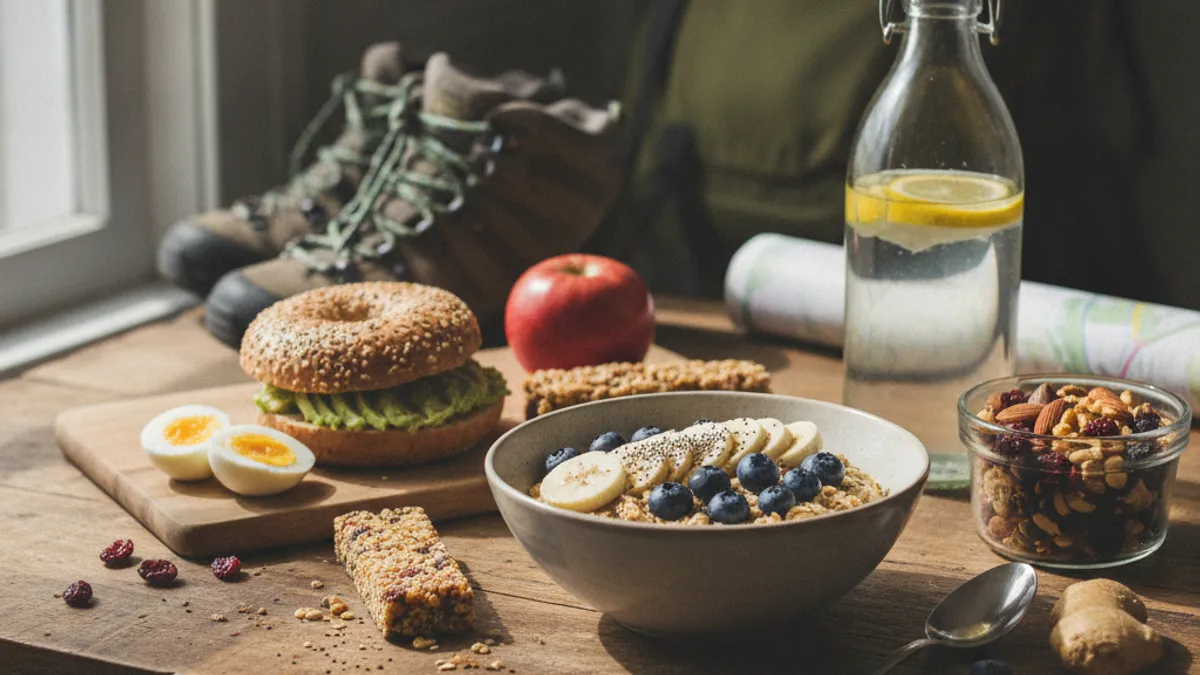
Absolutely. Thinking about what to eat before hiking isn’t just about filling your stomach; it’s about strategically preparing your body for physical exertion. Without the right fuel, your muscles won’t have the energy they need to perform, leading to a much tougher experience. This can feel like trying to drive a car on fumes, you might move, but it’s slow, inefficient, and you’ll likely run out of steam quickly.
This strategic fueling is backed by exercise physiology principles that highlight the importance of glycogen stores, the stored form of carbohydrates in your muscles and liver. When these stores are depleted, your body struggles to produce energy efficiently, resulting in fatigue. Aiming to top off these stores before a hike ensures you have a readily available energy source.
Why Your Hike’s Length Matters
The duration of your hike is the most critical factor in dictating your pre-hike nutrition needs. A leisurely hour-long walk in a local park requires a vastly different approach than a full-day, 8-hour mountainous expedition. Simply put, the longer you’ll be exerting yourself, the more fuel your body will demand.
- Short Hikes (Under 2 Hours): Think of this as a light snack or a very small meal. Your body’s existing energy stores are likely sufficient, but a little boost can certainly help.
- Moderate Hikes (2-4 Hours): This is where strategic fueling really starts to pay off. You’ll want to focus on complex carbohydrates to ensure sustained energy release.
- Long & Difficult Hikes (4+ Hours): This is marathon territory for your legs. You need a substantial, balanced meal to build up significant energy reserves and prevent hitting a wall midway through.
How Your Body’s Needs Shape Your Meal
Beyond just the clock, your individual physiology plays a huge role in what foods work best for you. We’re all unique in how we digest and metabolize food. Some people can eat a large meal right before heading out, while others need a couple of hours for food to settle comfortably.
- Digestive Tolerance: If you know certain foods cause you discomfort (like beans or dairy), it’s best to steer clear before a hike. You don’t want digestive distress to be your hiking companion.
- Metabolic Rate: Individuals with faster metabolisms might need larger portions or more calorie-dense options.
- Morning vs. Evening Hikes: What you ate the night before and how much sleep you got can also influence how you feel and what your body can effectively process right before heading out.
Deciphering Your Hike: Short vs. Long Treks
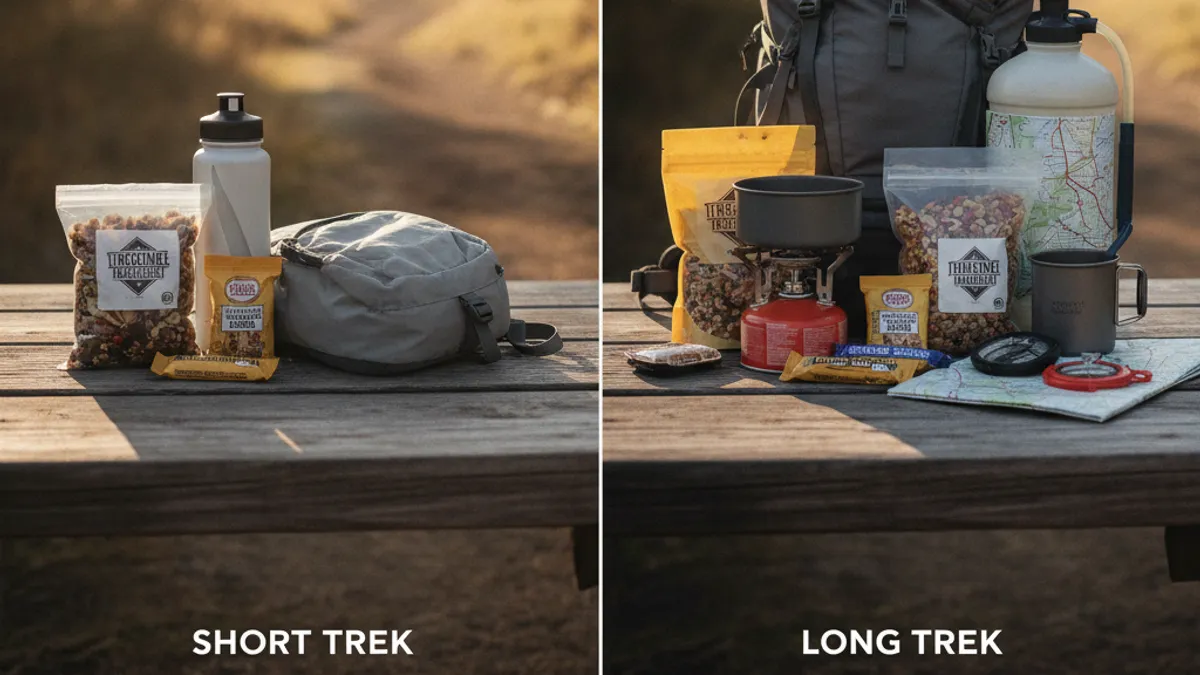
Understanding the demands of your specific hike is the first step in planning your pre-hike nutrition. This isn’t about one-size-fits-all advice; it’s about tailoring your intake to the energy expenditure required for the adventure ahead. A mismatch between your fuel and your hike’s needs is a common pitfall.
Fueling for Short & Easy Hikes (1-2 Hours)
For shorter, less strenuous outings, the goal is a light, easily digestible boost. You don’t need to pack a full meal, as your body has sufficient energy reserves for this duration. Think of it as topping off the tank rather than a complete refill.
- What works well:
- A ripe banana (about 105 calories, good source of quick carbs and potassium)
- A small handful (about 1 ounce) of trail mix (nuts, seeds, dried fruit)
- A piece of whole-wheat toast with a thin layer of jam
- A small cup of plain yogurt (if dairy sits well with you)
- Timing: Consume these about 30-60 minutes before you start walking. This gives your body just enough time to absorb the nutrients without feeling weighed down.
Powering Through Moderate Hikes (2-4 Hours)
This is where a more substantial carbohydrate-focused meal becomes important. You need to build up your glycogen stores to provide sustained energy throughout the hike. Aim to eat this meal about 1 to 2 hours before you hit the trail.
- Key Components:
- Complex Carbohydrates: These break down slowly, providing a steady release of energy. Examples include oatmeal, whole-grain bread, and sweet potatoes.
- Moderate Protein: Helps with satiety and muscle repair, but don’t overload on it right before the hike.
- Example Meals:
- Oatmeal: A bowl made with rolled oats (not instant, if possible) topped with berries and a few nuts. This provides about 40-50 grams of carbs per cup of cooked oats.
- Peanut Butter & Banana Sandwich: Two slices of whole-wheat bread with 2 tablespoons of peanut butter and a sliced banana offers a good mix of carbs, protein, and fats.
- Smoothie: Blend 1 cup of milk (dairy or non-dairy), 1/2 cup of oats, 1 banana, and a handful of berries. Ensure it’s not too thick to digest easily.
Conquering Long & Difficult Hikes (4+ Hours)
For epic adventures that push your limits, strategic pre-hike nutrition is non-negotiable. You need to maximize your body’s energy reserves. This means a well-balanced meal, rich in complex carbohydrates, consumed 2 to 3 hours before you begin.
- The “Big Picture” Meal: Think of this as a proper, hearty meal, not just a snack. It should be nutrient-dense and easily digestible.
- Focus on Complex Carbs: These are your primary fuel source for endurance.
- Include Lean Protein: Supports muscle function and can aid in delayed energy release.
- Add Healthy Fats: Provide concentrated energy and contribute to satiety.
- Ideal Meal Examples:
- Chicken Breast with Sweet Potato and Steamed Broccoli: This combination offers lean protein, slow-releasing complex carbs, and essential vitamins and minerals.
- Whole Wheat Pasta with Marinara Sauce and Lean Ground Turkey: A classic endurance meal that floods your system with readily available glucose.
- Lentil Stew with a Side of Whole-Grain Bread: A fantastic plant-based option, offering sustained energy and fiber. (Note: If you’re sensitive to fiber, ensure you allow ample digestion time.)
Choosing the Right Foods: Energy That Lasts
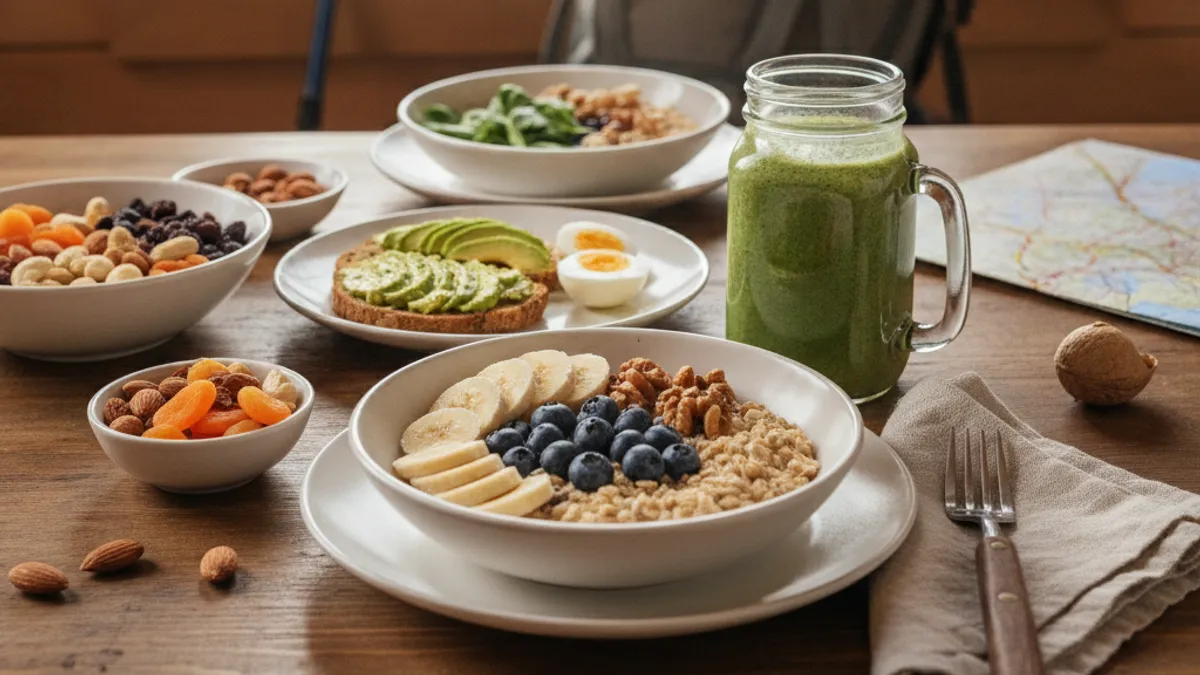
The types of foods you consume before a hike directly impact how your body performs on the trail. We’re aiming for nutrient-dense options that provide sustained energy, avoiding anything that might cause an energy crash or digestive upset. This means prioritizing certain macronutrients and understanding how they work.
Best Carbohydrates for Trail Energy
Carbohydrates are your body’s preferred and most efficient fuel source, especially during moderate to high-intensity exercise like hiking. For pre-hike meals, the focus should be on complex carbohydrates, which break down slowly, providing a steady stream of glucose to your muscles over an extended period. This prevents the sharp spikes and subsequent crashes associated with simple sugars.
- Complex Carbohydrate Examples:
- Oatmeal: A staple for a reason, offering soluble fiber and sustained energy. A typical 1-cup serving of cooked oatmeal contains about 27 grams of carbohydrates.
- Whole Grains: Whole-wheat bread, pasta, brown rice, and quinoa provide a good foundation for pre-hike meals.
- Starchy Vegetables: Sweet potatoes and potatoes are excellent sources of complex carbs.
- Legumes: Beans and lentils offer a combination of complex carbs and protein.
- Simple Carbohydrates (Use with Caution): While useful for immediate energy during a hike, consuming large amounts right before can lead to a sugar crash. A small amount of fruit, like a banana, is generally fine.
The Role of Protein and Fats
While carbohydrates are the primary focus, protein and healthy fats play important supporting roles in your pre-hike nutrition. They contribute to satiety, help stabilize blood sugar levels, and provide longer-term energy. However, the key is moderation, especially with fats, as they can slow digestion.
- Protein: Aim for lean protein sources. About 15-25 grams of protein in your pre-hike meal is usually sufficient for a longer hike. Too much protein can be harder to digest and doesn’t provide rapid energy.
- Good Sources: Lean meats (chicken, turkey), fish, eggs, tofu, beans, and moderate amounts of nuts and seeds.
- Healthy Fats: These provide a concentrated source of energy, but they take longer to digest. A small amount of healthy fat can help sustain energy levels.
- Examples: Avocado, nuts, seeds, and olive oil.
- Caution: Avoid very high-fat meals immediately before hiking, as they can lead to sluggishness and digestive discomfort.
Timing is Everything: When to Eat
The temporal aspect of your pre-hike meal can be as crucial as its composition. Eating too close to your hike can lead to digestive discomfort, while waiting too long might mean you start your trek with depleted energy stores. You want your body to have absorbed the nutrients and started converting them into usable energy by the time you’re making your first ascent.
Eating Window for Longer Hikes
For those longer, more strenuous treks requiring a significant pre-hike meal, your eating window is typically 2 to 3 hours before you plan to start moving. This timeframe allows your digestive system ample opportunity to break down complex carbohydrates, protein, and fats. It ensures that the glucose from your meal is readily available in your bloodstream as glycogen stores.
- Ideal Scenario: A substantial meal, like chicken and sweet potato, eaten 2.5 hours before trailhead arrival.
- What if you have less time? If you only have 1 hour before a long hike, opt for a smaller, more easily digestible meal composed primarily of simple carbohydrates (e.g., a banana and a few dates).
Eating Soon Before a Shorter Trek
When embarking on shorter hikes, especially those under two hours, the need for a full meal is diminished. Instead, focus on a smaller, easily digestible snack consumed about 30 to 60 minutes prior. This provides a quick energy boost without overloading your digestive system right before activity.
- Quick Fuel Options (Consume 30-60 mins before):
- A single piece of fruit (like an apple or orange).
- A small energy bar (check for lower sugar content).
- A few crackers with a thin spread of nut butter.
- Why this works: This short feeding window utilizes foods that the body can quickly process, delivering energy without the risk of stomach issues that can arise from a larger meal too close to exercise.
Common Pre-Hike Fueling Fails to Avoid
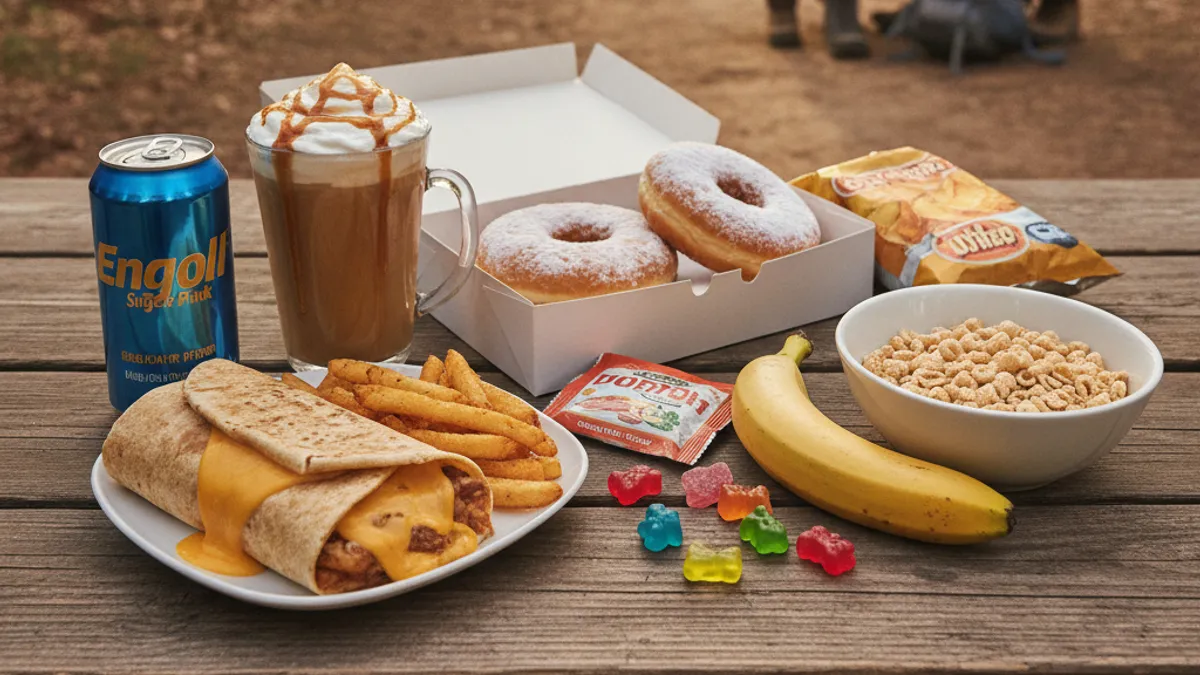
Many hikers, especially beginners, make common mistakes with their pre-hike meals that can lead to a less-than-stellar experience on the trail. Recognizing these pitfalls is key to ensuring you’re properly fueled and ready for adventure. These errors often stem from either eating too much, eating the wrong things, or getting the timing off.
Foods That Can Sabotage Your Hike
Certain foods, while delicious, are generally poor choices right before physical exertion. They can lead to digestive distress, sluggishness, and an overall feeling of discomfort. These are the culprits that turn a scenic walk into a stomach-churning ordeal.
- High-Fat Foods: Greasy burgers, creamy pasta sauces, or fried snacks are hard to digest. They can sit heavy in your stomach, leading to bloating and reduced energy.
- Excessive Fiber: While fiber is healthy, a sudden large intake right before a hike can cause gas and bloating, especially if your body isn’t accustomed to it. Think large portions of raw cruciferous vegetables or whole-grain heavy meals if you’re not a regular consumer.
- Spicy Foods: These can trigger heartburn or digestive upset in some individuals, making the up-and-down motion of hiking a precarious experience.
- Overly Sugary Snacks: A candy bar might seem like quick energy, but it often leads to a rapid blood sugar spike followed by a crash, leaving you feeling worse than before.
The Sugar Crash Trap
The lure of quick energy from sugary foods and drinks is strong, but it’s a trap many fall into. Sugars are rapidly absorbed, giving you a short-lived burst of energy. This immediate influx of glucose causes your blood sugar levels to spike, triggering your pancreas to release insulin to bring them down.
The problem is, your body often overcompensates, leading to a rapid drop in blood sugar below normal levels. This is the dreaded “sugar crash,” characterized by sudden fatigue, irritability, and a renewed feeling of hunger. For hiking, this is the opposite of what you need; you want sustained energy, not a roller coaster ride.
Hydration: Your Silent Hiking Partner

You can’t talk about fueling for a hike without discussing hydration. Water is crucial for virtually every bodily function, including energy production and temperature regulation. Dehydration, even mild, can significantly impair your physical performance and cognitive function, making your hike feel much harder than it should.
- Start Hydrating Early: Begin drinking water the day before your hike, especially if you know it will be hot or strenuous. Consistent hydration is more effective than chugging a ton of water right before you leave.
- Sip Consistently: During your hike, aim to take small, frequent sips of water rather than large gulps. This helps your body absorb fluids more efficiently.
- Electrolytes for Long Hikes: For hikes lasting over two hours, especially in hot weather, consider a drink with electrolytes. These minerals (like sodium and potassium) help your body retain fluid and replenish what you lose through sweat.
Your Pre-Hike Nutrition Decision Guide
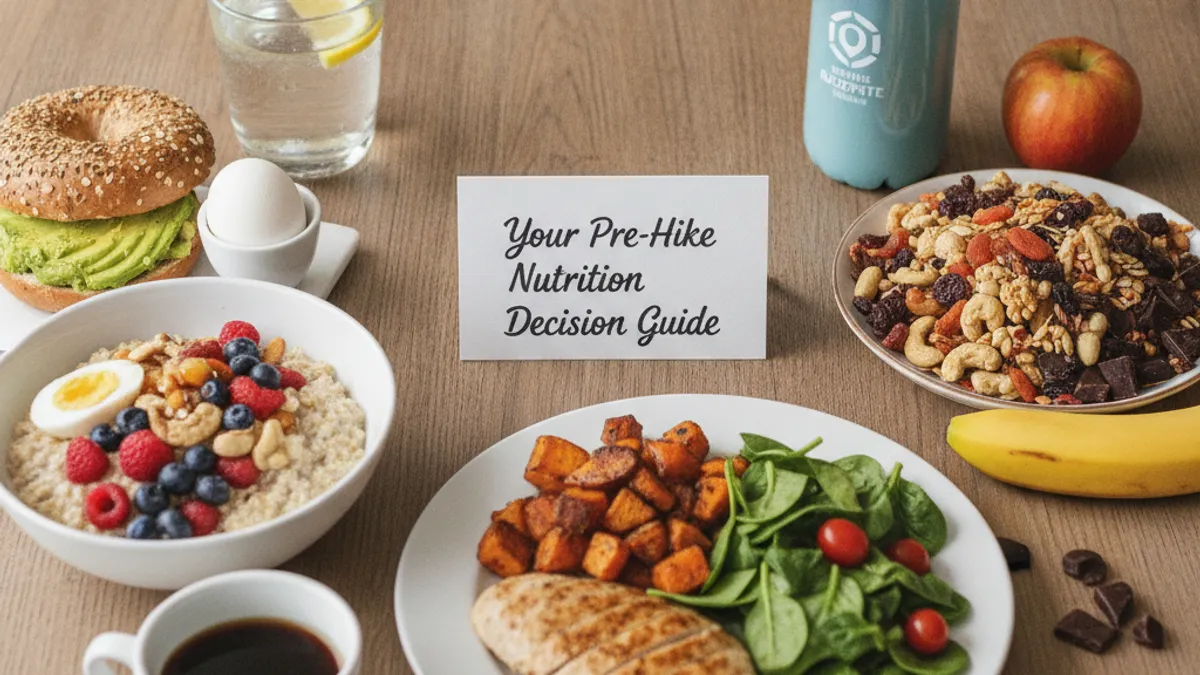
Navigating the world of pre-hike nutrition doesn’t have to be complicated. By considering a few key variables, you can make an informed decision about what to eat to optimize your performance and enjoyment on the trail. Think of this as a simple flowchart to guide your choices.
- If your hike is less than 2 hours: Opt for a light, easily digestible snack 30-60 minutes before. Focus on quick carbs.
- If your hike is 2-4 hours: Plan for a moderate meal 1-2 hours prior. Prioritize complex carbohydrates with a small amount of lean protein.
- If your hike is 4+ hours: Prepare a substantial, balanced meal 2-3 hours before. Ensure a significant intake of complex carbohydrates, with moderate protein and healthy fats.
- Always consider:
- Your personal digestive tolerance.
- The weather conditions (hot weather requires more hydration and potentially more easily absorbed carbs).
- Your last meal before the pre-hike meal.
By following these guidelines, you can ensure you’re providing your body with the right fuel for whatever adventure you’ve planned. Remember, consistent practice and paying attention to how your body responds will refine your perfect pre-hike meal strategy over time.
