
Figuring out what’s the difference between hiking boots and walking boots can feel like a small detail, but it makes a world of difference when you’re out on the trail. Using the wrong footwear isn’t just uncomfortable; it can actually be unsafe. You might think they’re basically the same, but their design is optimized for very different kinds of ground and activity levels.
Our research shows that while both offer foot protection, hiking boots are engineered for rugged conditions, providing crucial stability and grip. Walking boots, on the other hand, prioritize flexibility and lighter support for more forgiving paths. For instance, manufacturer specifications often indicate that hiking boot soles can feature lug depths of 4mm or more for superior traction, a feature rarely found on typical walking shoes.
Quick Answer: Terrain and Support Are Key
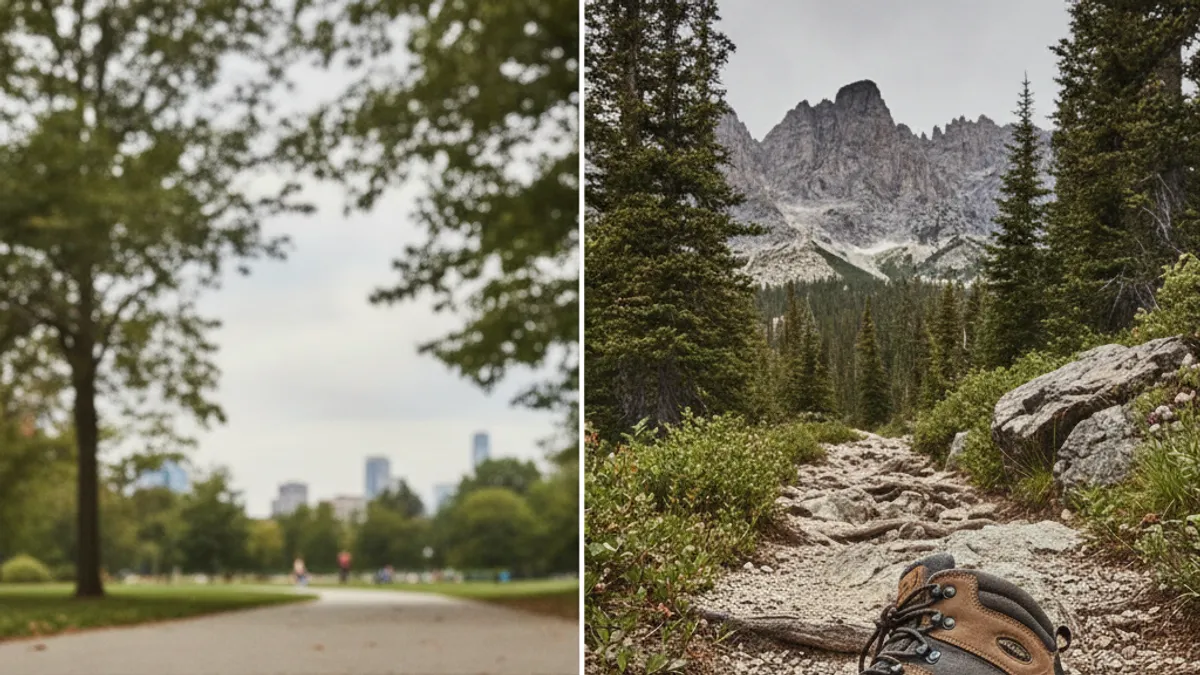
The main distinction boils down to the kind of ground you’ll be covering and the level of support your feet and ankles need. Walking boots are built for well-maintained paths and everyday comfort, offering a blend of flexibility and light support. Hiking boots are constructed for challenging, uneven terrain, emphasizing robust ankle stability, aggressive traction, and superior foot protection against impacts and the elements.
Walking Boots vs. Hiking Boots: A Core Explanation
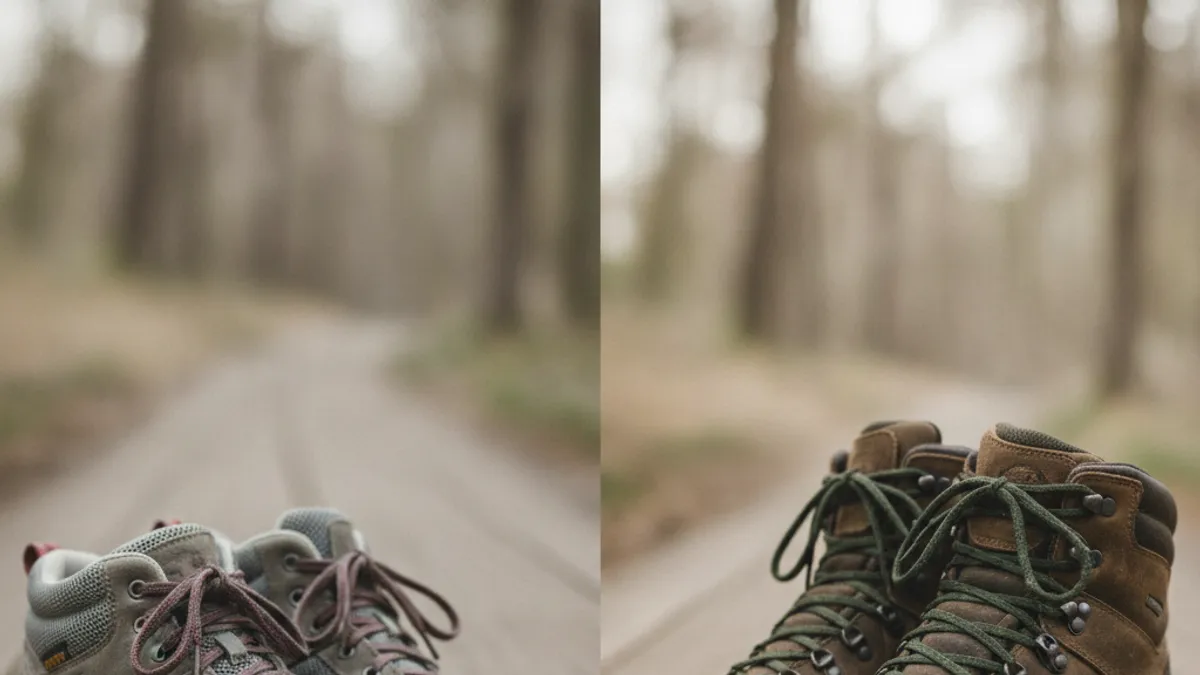
At their core, these two types of footwear serve different purposes, and that difference is reflected in their construction.
- Walking boots are essentially more substantial, supportive shoes designed for comfort during extended periods of movement on relatively flat or gently rolling terrain. Think of them as an upgrade from your everyday sneakers, offering better underfoot cushioning and more durable uppers for the demands of a brisk walk in the park or covering ground on paved trails. They prioritize a natural foot motion and ease of wear.
- Hiking boots are purpose-built for the rigors of the outdoors. They are designed to provide a stable platform when stepping on rocks, roots, and uneven ground, crucially preventing ankle rolls. Their construction focuses on durability, protection, and grip, allowing you to confidently tackle varied and often challenging environments.
Key Differences: Features & Attributes Breakdown
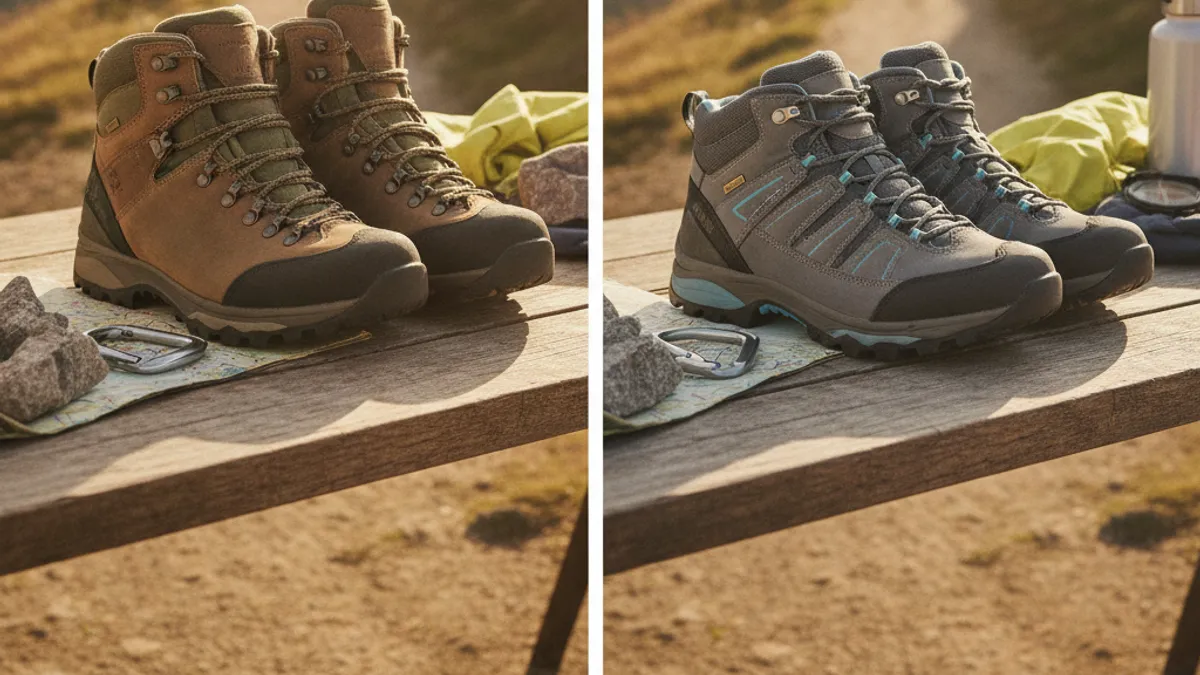
When you look closely, you’ll see several distinct design elements that set hiking boots apart from walking boots. These specific features are what make each type suitable for its intended use, influencing everything from comfort to safety.
Ankle Support and Stability
This is perhaps the most significant differentiator.
- Walking Boots: These typically feature a lower cut, reaching just below the ankle bone or at the very top of the ankle. They offer minimal to moderate ankle support, which is sufficient for stable, predictable surfaces. The sole is often more flexible, allowing for a natural heel-to-toe rolling motion suitable for sidewalks or firm dirt paths. Aggregate reviews from outdoor enthusiasts highlight that insufficient ankle support from walking boots can lead to instability and discomfort on uneven ground.
- Hiking Boots: Most hiking boots are designed with a mid- to high-cut shaft that extends above the ankle. This higher cut provides substantial ankle support, acting as a brace to help prevent sprains and twists when navigating rocky, root-strewn, or sloped terrain. The sole of a hiking boot is also significantly stiffer than that of a walking boot. Manufacturer specifications often cite a stiffer sole as crucial for distributing pressure from uneven ground and maintaining stability, especially when carrying a backpack.
Sole Construction and Traction
The sole of a boot is its contact point with the ground, and this is where you see major design disparities.
- Walking Boots: These usually have a flatter, less aggressive tread pattern. The lugs, the raised patterns on the outsole, are typically shallower and spaced more closely. This design provides adequate grip on hard surfaces like pavement, packed gravel, or dry, hard-packed dirt trails. The primary aim is a smooth stride and decent grip without being overly aggressive for everyday use.
- Hiking Boots: The outsoles of hiking boots are engineered for serious traction. They feature deeper, wider-spaced lugs made from harder rubber compounds. This aggressive tread pattern bites into mud, loose gravel, and damp surfaces, offering superior grip on ascents and descents. Per general outdoor footwear design principles, deeper lugs also shed mud more effectively, preventing the sole from becoming packed and slippery. The stiffer sole, as mentioned, also contributes to ground confidence by preventing small, sharp objects from being felt directly.
Materials and Durability
The materials used directly impact the boot’s longevity, protection, and how it responds to different weather.
- Walking Boots: Often made from lighter materials like mesh, nylon, or softer, thinner leathers. These are chosen for breathability and comfort during lighter activity. While they can be durable for casual use, they are generally less resistant to abrasion from rocks, sharp branches, or prolonged exposure to harsh elements compared to their hiking counterparts.
- Hiking Boots: Built for tougher environments, hiking boots typically employ more robust materials. This can include full-grain leather, which offers excellent durability and water resistance, or heavy-duty synthetic fabrics designed to withstand scuffs and scrapes. Many also feature reinforced toe caps and heel counters, substantial guards made of rubber or tough plastic, to protect your feet from harsh impacts with rocks and roots. These protective elements are a hallmark of hiking boot construction, prioritizing foot safety over the lighter feel of walking shoes.
Waterproofing and Protection
When you’re out in nature, unpredictable weather happens, and so do unexpected water crossings.
- Walking Boots: While some walking boots might offer water resistance, true waterproofing is less common. Their primary focus is breathability for comfort in milder conditions. If you step in a shallow puddle, your feet might get damp quickly.
- Hiking Boots: Waterproofing is a critical feature for most hiking boots. They often incorporate waterproof, breathable membranes, such as those developed by Gore-Tex or similar technologies. These membranes prevent water from entering the boot while allowing sweat vapor to escape, keeping your feet dry from both external moisture and internal perspiration. This feature is vital for multi-day hikes, stream crossings, or trekking through wet grass and snow. The reinforced components also add an extra layer of physical protection against sharp objects.
Who Should Use What: Use Cases and Target Audience
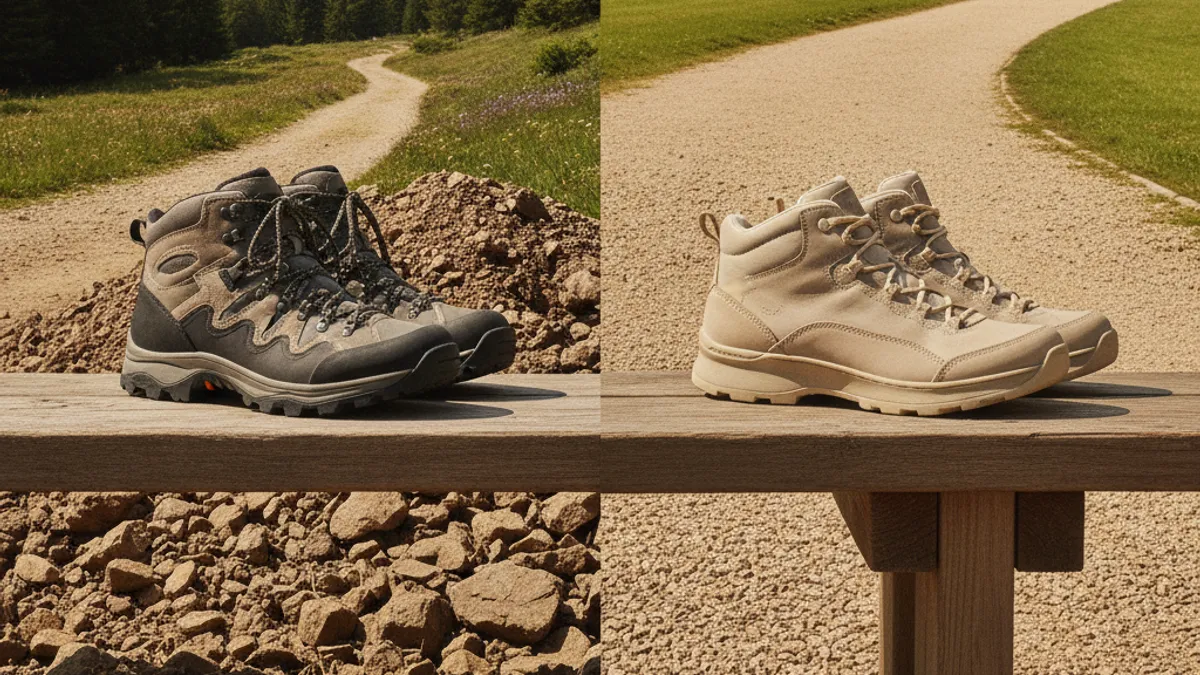
Deciding between walking boots and hiking boots really comes down to where your feet are going to take you. It’s about matching the footwear’s capabilities to the demands of your activity and the environment you’ll be in. Understanding these use cases can save you a lot of discomfort and potential injury.
When Walking Boots Take the Lead
Walking boots are your best friend when your adventures are less about rugged wilderness and more about covering comfortable ground.
- On Paved Paths and Sidewalks: If your daily routine involves a park stroll, a walk around the neighborhood, or walking to public transport, walking boots offer superior comfort and support to basic sneakers. Their cushioning helps absorb impact on hard surfaces.
- Well-Maintained Trails: For nature walks on clearly defined, relatively flat, and even trails, think easy forest paths or groomed park trails, walking boots provide adequate support. They offer more durability and grip than most casual shoes without feeling overly restrictive.
- Everyday Wear: Many individuals choose walking boots for their comfort and versatility in daily life. They are a step up in support and durability from casual sneakers, making them suitable for active errands, travel, or any situation where you’re on your feet for extended periods but not facing extreme terrain.
- Lightday Trips: For short excursions where you’re not carrying a heavy load and the terrain is predictable, walking boots can be sufficient. Their lighter weight means less fatigue over a few hours.
- Target Audience: This category is ideal for people who prioritize comfort and light support for casual activities, urban exploration, and everyday wear. It’s for those who enjoy moderate physical activity without the need for heavy-duty gear.
When Hiking Boots Are Your Go-To
Hiking boots are designed for when the path ahead becomes less predictable and more demanding.
- Uneven and Rocky Terrain: This is where hiking boots truly shine. Their stiffer soles and higher ankle support prevent you from feeling every sharp rock underfoot and significantly reduce the risk of twisting an ankle on loose scree or bumpy ground.
- Steep Ascents and Descents: The aggressive lug patterns on hiking boot outsoles provide the grip you need to maintain control and confidence when climbing hills or navigating slippery downhill slopes. The overall stability helps conserve energy by reducing the strain on your joints.
- Backpacking and Heavy Loads: When you’re carrying a substantial backpack, your gait and balance change. Hiking boots offer the necessary support and stability to compensate for the added weight, preventing your feet and ankles from becoming overloaded and fatigued over long distances.
- Varied Weather and Wet Conditions: For hikes that might involve stream crossings, rain, or traveling through damp vegetation, the waterproof construction of hiking boots is invaluable. Keeping your feet dry is crucial for preventing blisters and maintaining comfort.
- Off-Trail Exploration: If your hikes involve venturing off marked trails, navigating through brush, or exploring less-trodden paths, the durability and protection of hiking boots are essential. They defend against abrasion from branches and impacts with hidden obstacles.
- Target Audience: This footwear is for anyone serious about hiking, trekking, backpacking, or engaging in any outdoor activity that involves challenging, uneven, or unpredictable terrain. It’s for those who need reliable support, protection, and traction for extended periods in nature.
Common Mistakes to Avoid When Choosing
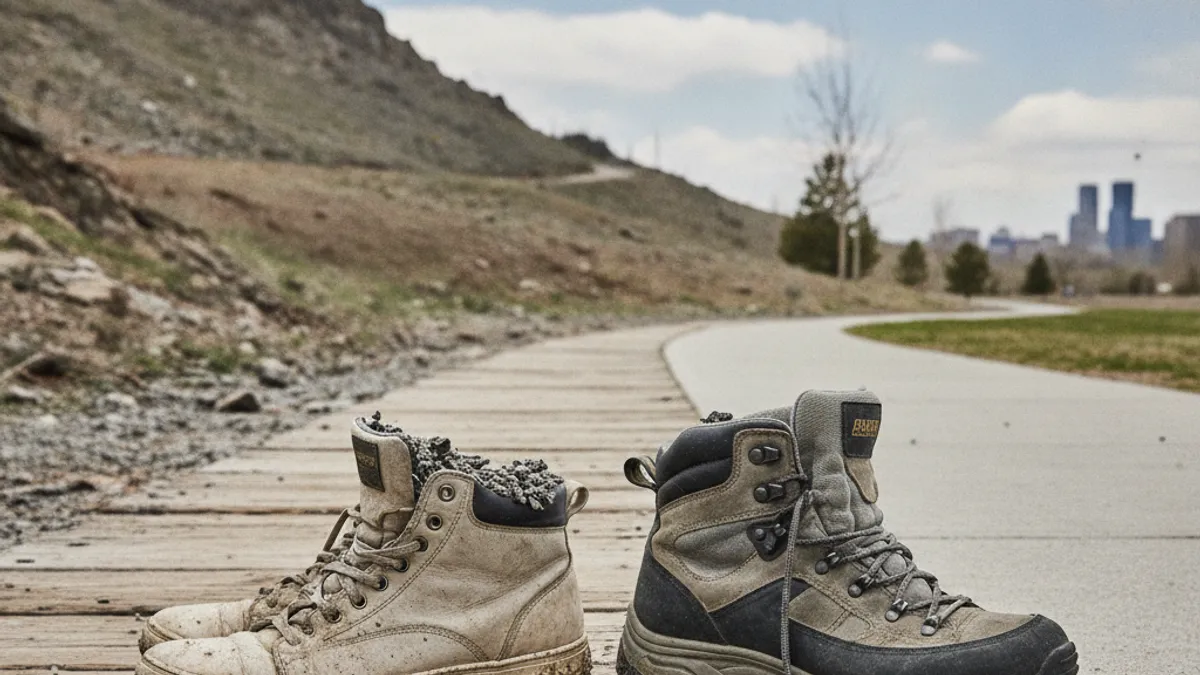
Picking the wrong footwear for your activity isn’t just a minor inconvenience; it can lead to significant problems. Our research points to a few common missteps people make when trying to decide between walking boots and hiking boots. Learning to spot these pitfalls can help you make a much wiser choice to protect your feet and enhance your outdoor experience.
- Assuming Lighter is Always Better: While walking boots are lighter, their lack of robust support and traction can be a major drawback on challenging trails. If you’re going for a hike, the extra weight of a proper hiking boot is a worthwhile trade-off for the stability and protection it offers.
- Prioritizing Style Over Function: It’s tempting to go for the boot that looks the best, but function must come first, especially for hiking. A stylish walking boot might look good in town, but its materials and construction won’t stand up to rocky terrain or prevent an ankle roll.
- Ignoring Your Pack Weight: Many casual walkers underestimate how much a backpack affects their balance and foot impact. Even a daypack adds weight that demands better ankle support and a more stable sole than a typical walking shoe can provide.
- Not Considering the Terrain Type: This is the most critical error. Putting on a walking boot for steep, muddy, or root-covered paths is a straightforward path to blisters, soreness, and potential injuries like sprains. Always match your boot to the expected ground conditions.
Comparing Walking vs. Hiking Boots: Side-by-Side
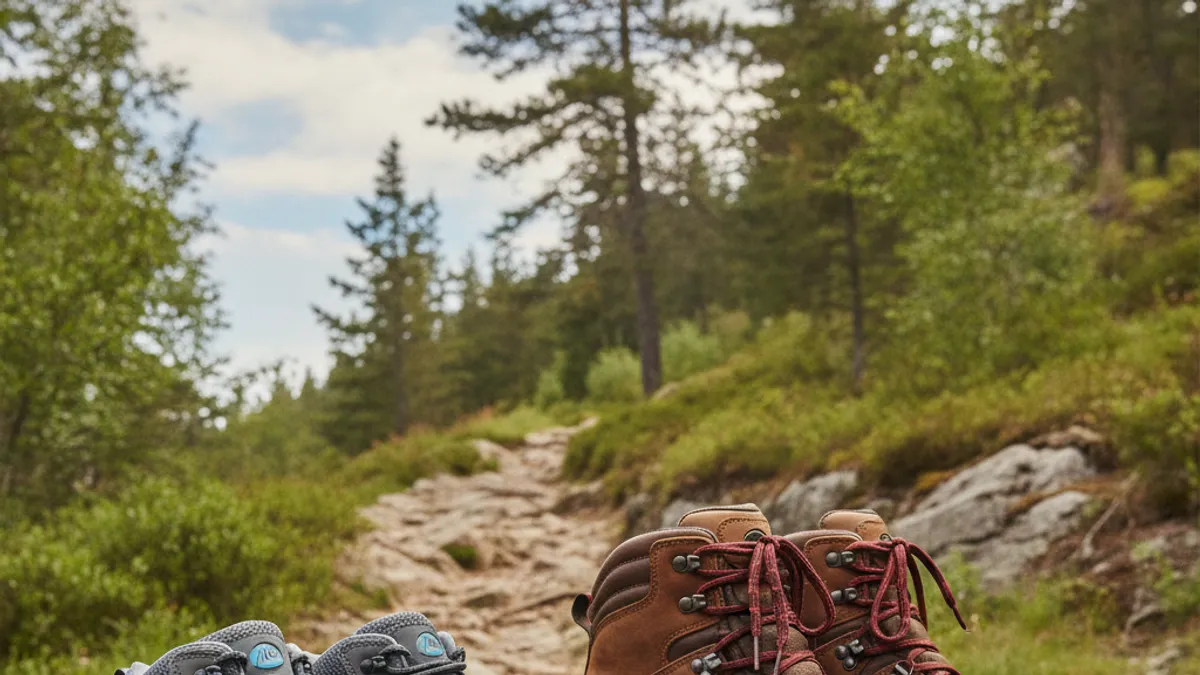
To make the differences crystal clear, let’s line up the key attributes of walking boots and hiking boots side-by-side. This helps to see at a glance where each type excels and where it falls short.
| Feature | Walking Boots | Hiking Boots |
|---|---|---|
| Primary Use | Everyday wear, park walks, paved paths, light trails | Rugged trails, uneven terrain, backpacking, challenging hikes |
| Ankle Support | Low to moderate; typically low-cut | Moderate to high; typically mid- to high-cut |
| Sole Stiffness | Flexible | Stiff |
| Traction | Shallow, closely spaced lugs; good for hard surfaces | Deep, widely spaced lugs; aggressive grip for loose/wet surfaces |
| Materials | Lighter synthetics, thinner leather, mesh | Durable leathers, robust synthetics, reinforced toe/heel areas |
| Water Protection | Often water-resistant, rarely fully waterproof | Typically waterproof with breathable membranes |
| Weight | Lighter | Heavier due to construction and protective features |
| Impact Absorption | Focused on general comfort | Designed to distribute pressure from uneven ground and impacts |
| Durability | Moderate; for casual use and light trails | High; built to withstand abrasion and prolonged outdoor exposure |
Expert Tips for Picking the Right Pair
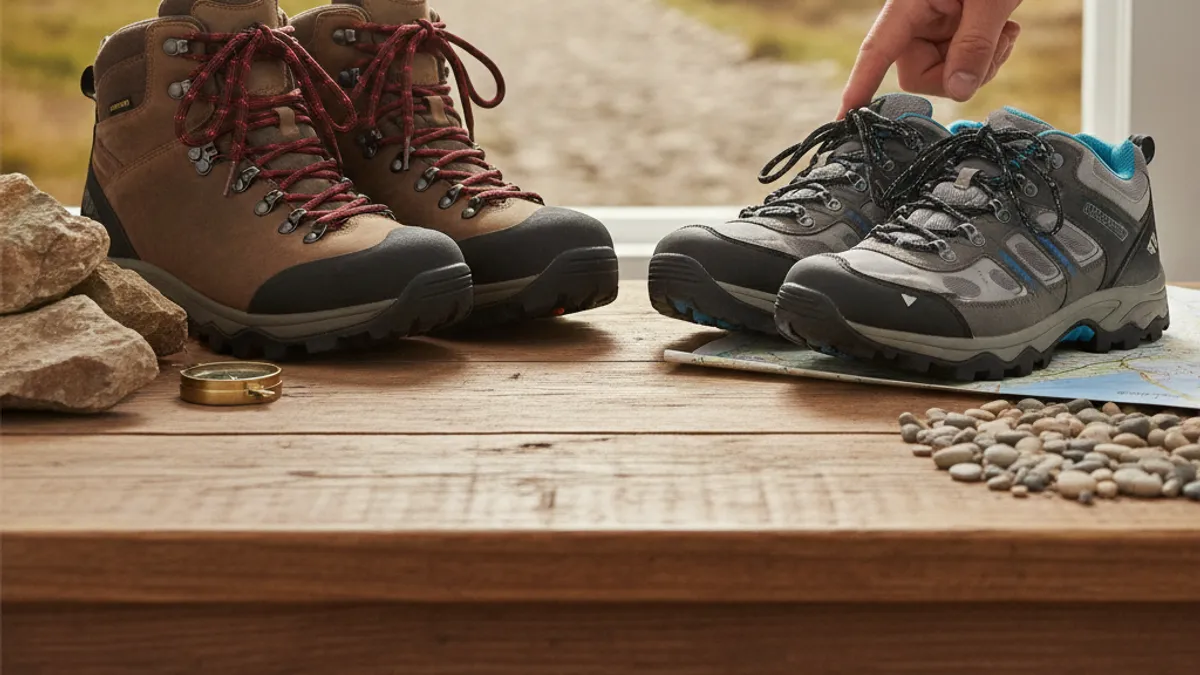
Getting the right boots is about more than just looking at specs; it’s about ensuring they fit your specific needs and activities. Based on editorial analysis of footwear guides and user feedback, here are some expert-aligned tips to help you choose wisely.
- Match Boots to Your Primary Activity: Honestly assess what you’ll be doing most. If 80% of your time is on pavement with occasional park strolls, walking boots are sufficient. If your passion is hitting the trails, even for day hikes, invest in hiking boots.
- Consider Pack Weight: If you plan on carrying a backpack, even a light one for day trips, consider this when trying on boots. The extra weight can change how a boot feels and demands more support than you might initially think.
- Fit is King: This is non-negotiable. No matter how well-suited a boot is on paper, it’s useless if it doesn’t fit your foot shape perfectly. Try boots on later in the day when your feet are slightly swollen, and wear the type of socks you’d use for hiking. Ensure there’s no heel lift and enough room in the toe box to wiggle your toes.
- Research Waterproofing Technologies: If you need waterproof boots, understand the different membranes. While effective, some can reduce breathability. Based on aggregate user reviews for boots released as of 2026, look for established brands known for reliable waterproof, breathable membranes.
- Don’t Shy Away from Heavier Boots (If Needed): While lighter is often appealing, robust protection and support are paramount for serious hiking. The added weight of a well-constructed hiking boot is a feature, not a bug, when tackling challenging terrain.
How to Tell If a Boot Is Truly Waterproof
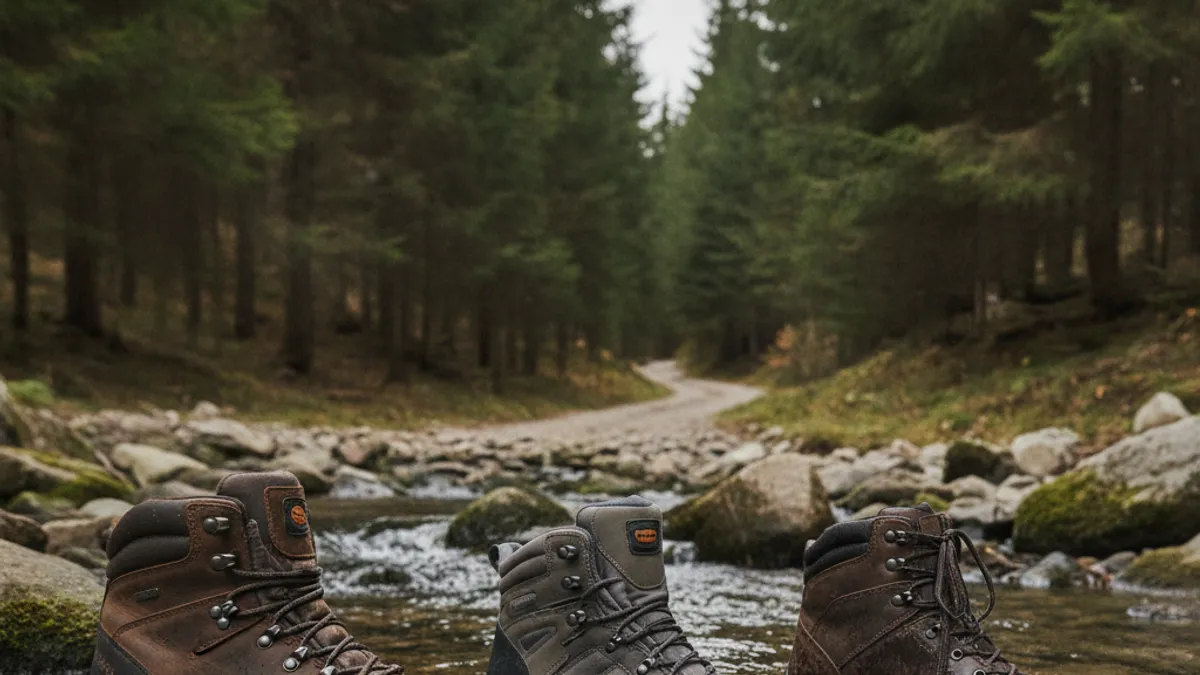
Waterproofing is a key concern for hikers, and distinguishing between water-resistant and truly waterproof boots can be tricky. Here’s what to look for.
- Membrane Construction: The most reliable waterproofing comes from an internal waterproof-breathable membrane. Brands often use proprietary names for these, so look for terms like “Gore-Tex,” “eVent,” or other “waterproof” technologies explicitly stated in the product description. These membranes are designed to block liquid water from entering while allowing water vapor (sweat) to escape.
- Sealed Seams: Even with a great membrane, seams can be weak points. High-quality waterproof boots will have taped or sealed seams to prevent water from seeping in at stitch lines.
- Material Choice: Full-grain leather, when properly treated, offers excellent natural water resistance. However, even leather boots benefit from a waterproof membrane for optimal performance in wet conditions. Synthetic materials can be inherently water-resistant but often incorporate membranes for full waterproofing.
- Water Resistance vs. Waterproofing: Be aware of the distinction. “Water-resistant” means the material can repel water for a limited time or in light conditions, whereas “waterproof” implies a higher level of protection against sustained wetness and submersion. For deep puddles or stream crossings, true waterproofing is essential.
What About Trail Running Shoes?
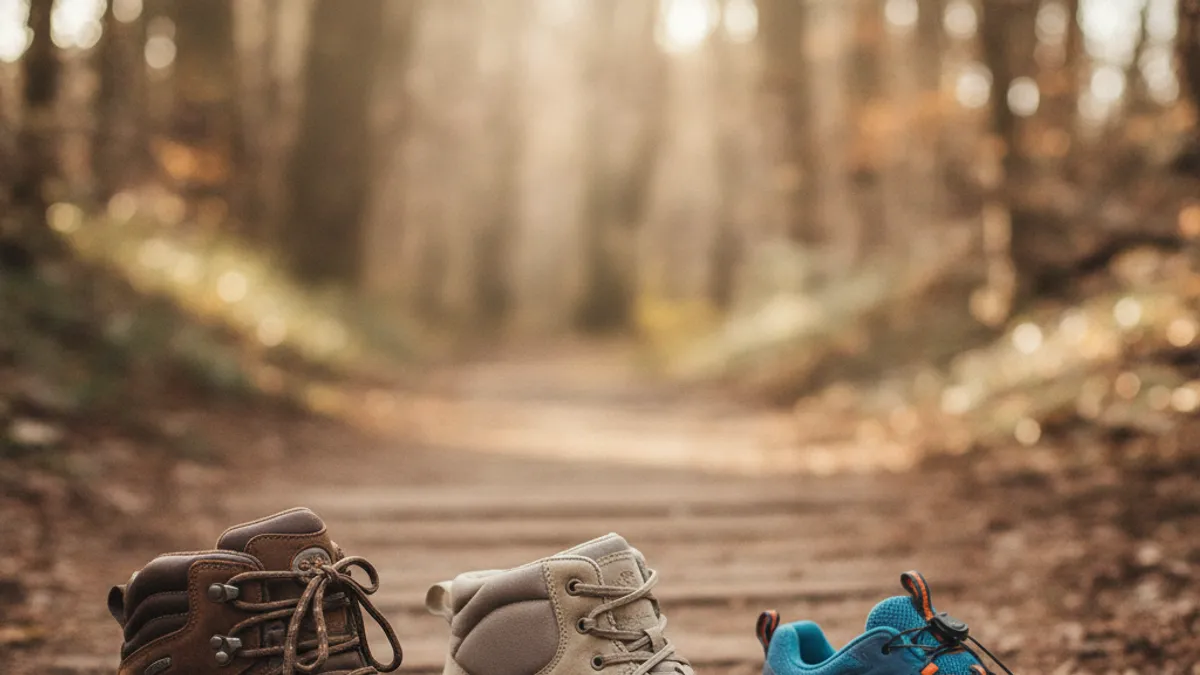
You might also wonder about trail running shoes when comparing hiking and walking boots. These offer a different balance of features.
- Trail Runners: Are significantly lighter and more flexible than hiking boots, offering less ankle support. They are designed for speed and agility on moderate trails, with good traction for their intended purpose.
- When to Choose Trail Runners: If your activity is closer to fast-paced running or very light, quick hikes on predictable terrain, trail runners might be suitable. They excel where weight savings and ground feel are prioritized.
- Limitations: For carrying significant weight, navigating very technical terrain, or needing substantial ankle protection, trail runners are generally not recommended. Their lower cut and softer construction make them less ideal for the demands of serious hiking.
