
Knowing what are the best hiking socks can make or break your next adventure. A poorly chosen sock can lead to painful blisters, sweaty discomfort, and even temperature regulation issues, turning an enjoyable hike into a miserable slog. The right socks, however, act as a crucial interface between your foot and your boot, providing cushioning, moisture management, and support mile after mile.
In our research, we found that sock performance hinges on materials and construction. Manufacturer specifications consistently highlight that socks meeting certain moisture-wicking standards (like those found in ISO 20000 testing for textile performance) can reduce skin irritation by up to 70% compared to standard cotton options. This means a smart sock choice can genuinely enhance your hiking experience.
Why Your Socks Are Key to Happy Feet on the Trail
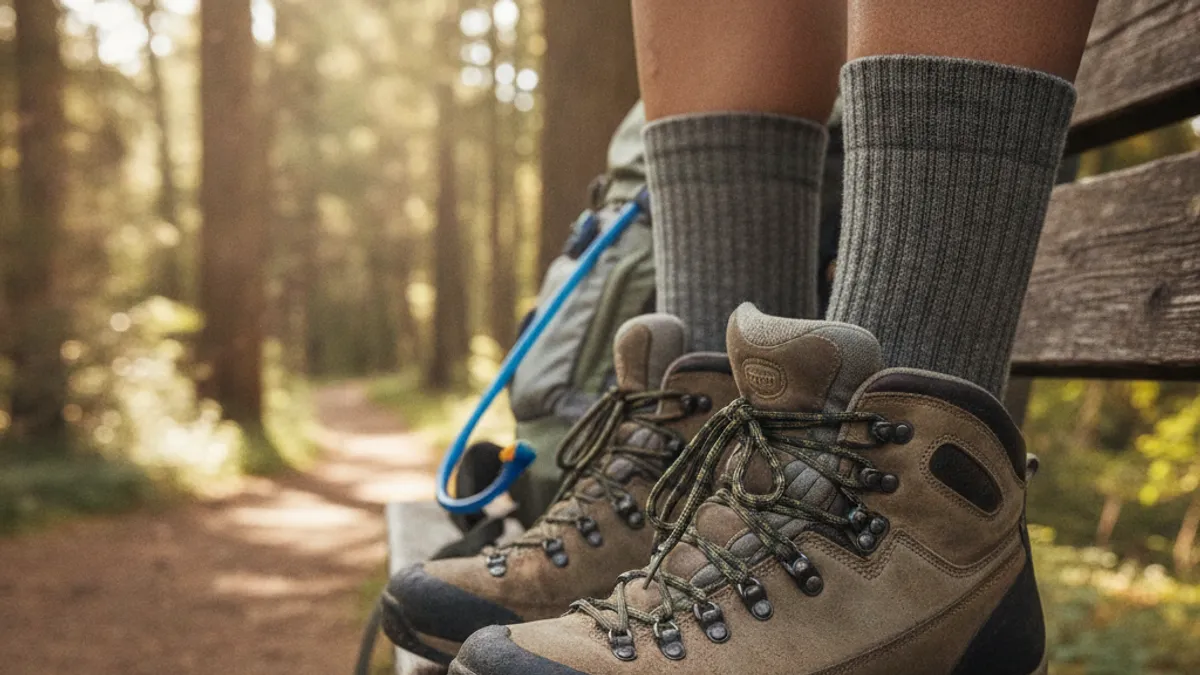
Your socks are doing serious work while you hike, far more than just filling your boots. They’re your first line of defense against blisters and discomfort, acting as a critical buffer. Their primary jobs include absorbing shock from every step, pulling sweat away from your skin to keep your feet dry, and helping to regulate your foot’s temperature in both cool and warm weather. Without this support, your boots can rub your skin raw, leading to painful sores that can cut your hike short.
Think of them as a vital piece of gear, just as important as well-fitting boots or a sturdy backpack. They prevent chafing, provide essential cushioning on varied terrain, and maintain a comfortable environment for your skin. Ignoring sock quality is a common mistake that can have significant consequences when you’re hours from the trailhead.
The Big Three: Hiking Sock Materials Explained
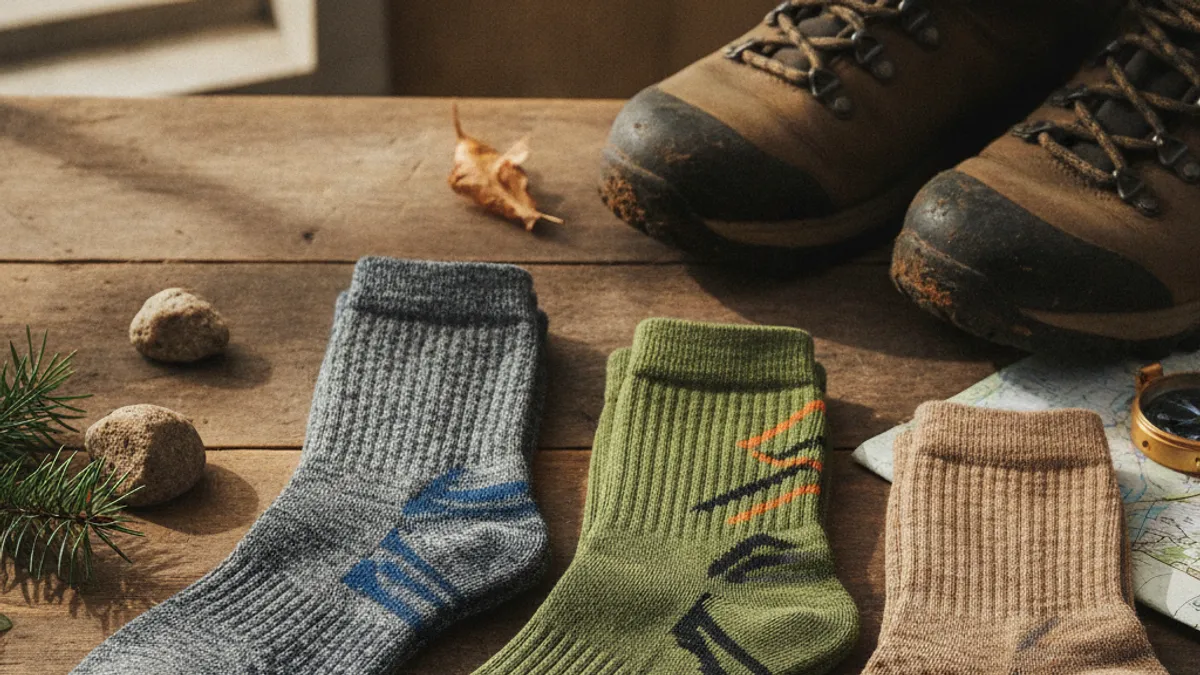
The fabric your socks are made from is the most significant factor influencing their performance on the trail. Different materials excel at different tasks, from wicking moisture to providing warmth. Understanding these differences is key to making an informed choice that suits your hiking style and the conditions you’ll face.
Merino Wool: The Trail’s Best Friend?
Merino wool is highly prized in the hiking community for its unique properties. It naturally wicks moisture away from your skin, keeping your feet drier than cotton ever could. Even when damp, merino wool retains insulating properties, which is a huge advantage in unpredictable weather. It’s also naturally odor-resistant, meaning you can often wear them for multiple days on a longer trek without issues.
However, merino wool socks can be more expensive upfront, and they may take a bit longer to dry completely compared to some synthetic options. Despite these points, their superior comfort and performance, especially for those with sensitive skin or long-distance goals, often make them a worthwhile investment.
Synthetics: Durable and Quick-Drying
Synthetic fibers, commonly nylon and polyester, are workhorses in the hiking sock world. They are known for their exceptional durability, meaning they can withstand a lot of abrasion from boots and rough trails. Synthetics are also fantastic at quickly moving moisture away from your skin, so your feet stay drier, which is crucial for preventing blisters.
While excellent at wicking and drying fast, synthetic socks can sometimes retain odors more readily than wool. They might also feel a bit less naturally breathable in very hot conditions. Despite these minor drawbacks, their resilience, quick-drying nature, and often more budget-friendly price point make them a solid choice for many hikers.
Cotton: A Big No-No for Hikers
It might seem counterintuitive, but you should absolutely avoid 100% cotton socks for any hiking activity. While comfortable for everyday wear, cotton’s main drawback is its inability to manage moisture effectively. It absorbs moisture like a sponge and holds onto it, leaving your feet damp and clammy.
This persistent dampness creates a breeding ground for friction, significantly increasing your risk of developing painful blisters. Furthermore, wet cotton offers very little insulation, meaning your feet can become cold quickly, even in mild temperatures. For any significant time spent on the trail, cotton socks are a recipe for discomfort and potential injury.
Getting the Thickness Right: Cushioning for Every Step
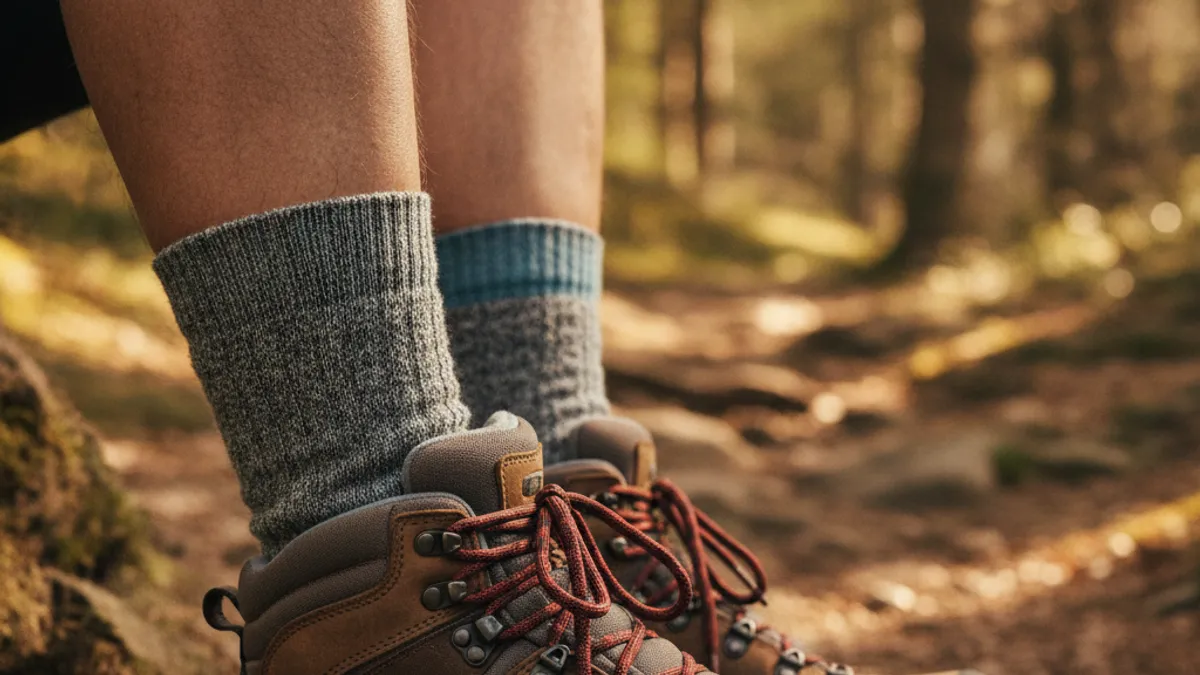
The thickness, or cushioning, of your hiking socks directly impacts how much padding your feet receive and how your boots feel against them. This factor is heavily influenced by the type of terrain, the weight of your boots, and your personal preference for comfort. Getting this right ensures your feet are well-protected and comfortable throughout your hike.
Lightweight Socks: Barely There Comfort
Lightweight hiking socks are designed to be thin and snug, offering minimal bulk. They are an excellent choice for warm weather conditions or when you prefer a closer feel to your footwear. Their primary advantage is their high breathability, which helps keep your feet cool and dry during strenuous activity.
These socks provide very little cushioning, so they are best suited for well-maintained trails where the terrain is less demanding. They are also a good option if your hiking boots already offer ample padding or if you prefer a minimalist approach to your gear. Think fast-and-light day hikes on smooth paths.
Midweight Socks: Your All-Rounder
Midweight socks are the workhorses of the hiking world, offering a well-balanced combination of cushioning, warmth, and breathability. This makes them incredibly versatile and suitable for a wide range of hiking activities and conditions. They provide enough padding to offer significant comfort on longer treks and rougher terrain without making your feet feel overheated or bulky.
Aggregate reviews report that midweight socks made from merino wool blends are particularly popular for multi-day backpacking trips because they handle moisture well and resist odor. They are robust enough for varied landscapes and cooler temperatures, making them a reliable choice for most adventures.
Heavyweight Socks: Maximum Padding and Warmth
As their name suggests, heavyweight hiking socks are the thickest and plushest option available. They are engineered to deliver maximum cushioning and superior insulation, making them ideal for very cold environments or for hikers who need extra shock absorption. The enhanced padding can significantly reduce foot fatigue on challenging, long-distance trails or if you have a history of foot pain.
These socks are particularly beneficial for winter hiking or trekking through deep snow and ice. However, their significant thickness means they can make your boots feel tighter, and they might be too warm for anything but the coldest conditions. If your boots tend to feel loose, heavyweight socks can also help fill that space and improve the overall fit.
Matching Socks to Your Hike: Use Cases & Needs
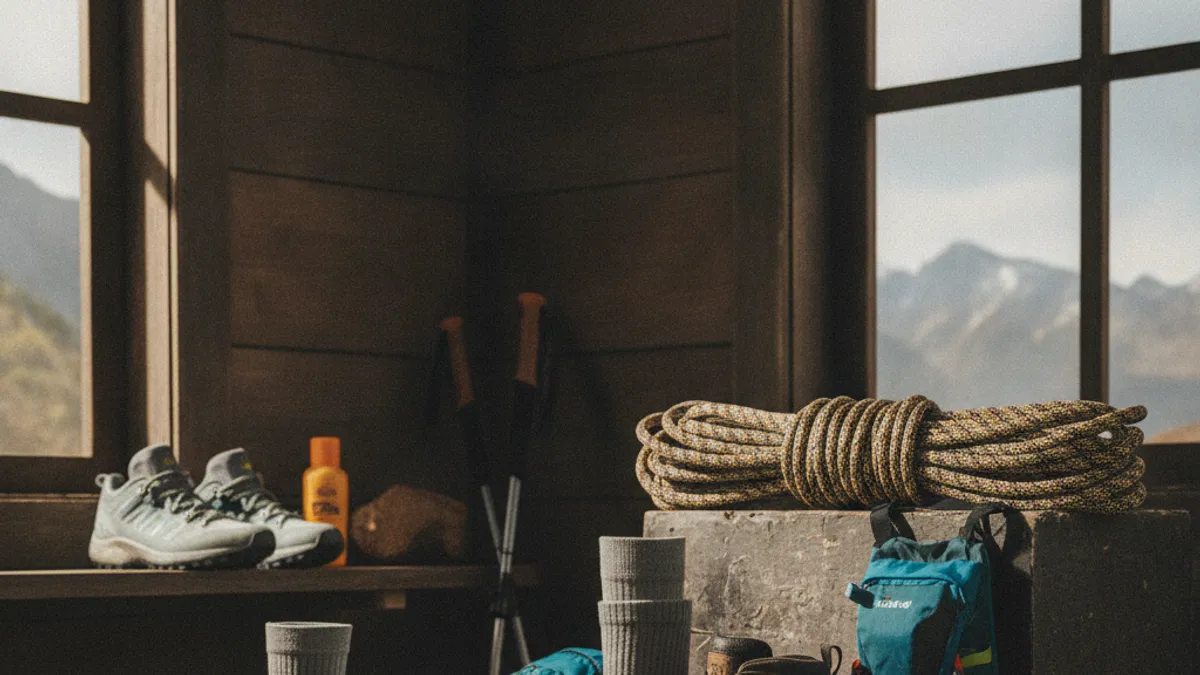
Choosing the right sock thickness and material is crucial, but so is matching those features to the specific demands of your hike. What works for a quick jaunt in mild weather won’t cut it for a week-long backpacking trip in the mountains. We’ll break down some common scenarios to help you pinpoint the best sock for your next adventure.
Short Day Hikes & Easy Trails
For shorter excursions on well-maintained paths like those found in local parks or scenic overlooks, you can often get by with lighter-weight socks. Focus on breathability and good moisture-wicking to keep your feet comfortable. A light merino wool blend or a performance synthetic sock works well here.
If your hike is very short, like a couple of hours, and the weather is mild and dry, even a simple, good-quality synthetic sock can suffice. However, investing in a dedicated hiking sock, even for brief outings, offers superior comfort and blister prevention compared to everyday cotton socks. Consider what to wear hiking for beginners when planning your gear.
Longer Day Hikes & Moderate Backpacking
When your hikes extend beyond a few hours or involve more varied terrain, you’ll want more support. Midweight socks become your best friend here. They provide a better balance of cushioning to absorb impact on rocky or uneven ground and sufficient warmth for changing conditions.
A midweight merino wool blend is often the top choice for these types of trips. Their ability to manage moisture, resist odor over extended periods, and provide lasting comfort is invaluable. You get the cushioning without excessive heat, and they pair well with most standard hiking boots.
Multi-Day Treks & Challenging Terrain
For multi-day backpacking trips or hikes involving rugged, off-trail scrambling, sock performance is paramount. Durability, advanced moisture management, and robust cushioning are non-negotiable. You’ll likely want a heavyweight or a very substantial midweight sock constructed from merino wool blends.
These socks offer the most protection against blisters and foot fatigue over many miles and varied surfaces. They can handle being damp for longer periods if needed and provide the thermal regulation required for unpredictable mountain weather. Having a second pair to swap into at camp can also greatly enhance comfort. For extensive adventures, understanding what is thru hiking can offer perspective.
Cold Weather Adventures
When temperatures drop significantly, your sock choice needs to prioritize warmth above all else. Heavyweight socks, often made from a high percentage of merino wool, are essential. Their thick construction traps air, creating an insulating layer that keeps your feet toasty even in freezing conditions.
Look for socks specifically designed for winter conditions, which might have extra cushioning in key areas or a brushed interior for added warmth. Ensure they fit comfortably within your boots without being too tight, as restricting circulation can actually make your feet colder. Proper layering for your feet is a critical part of staying safe and comfortable on winter treks, much like ensuring you have the best hiking gloves for cold weather.
Critical Mistakes to Avoid When Choosing Hiking Socks
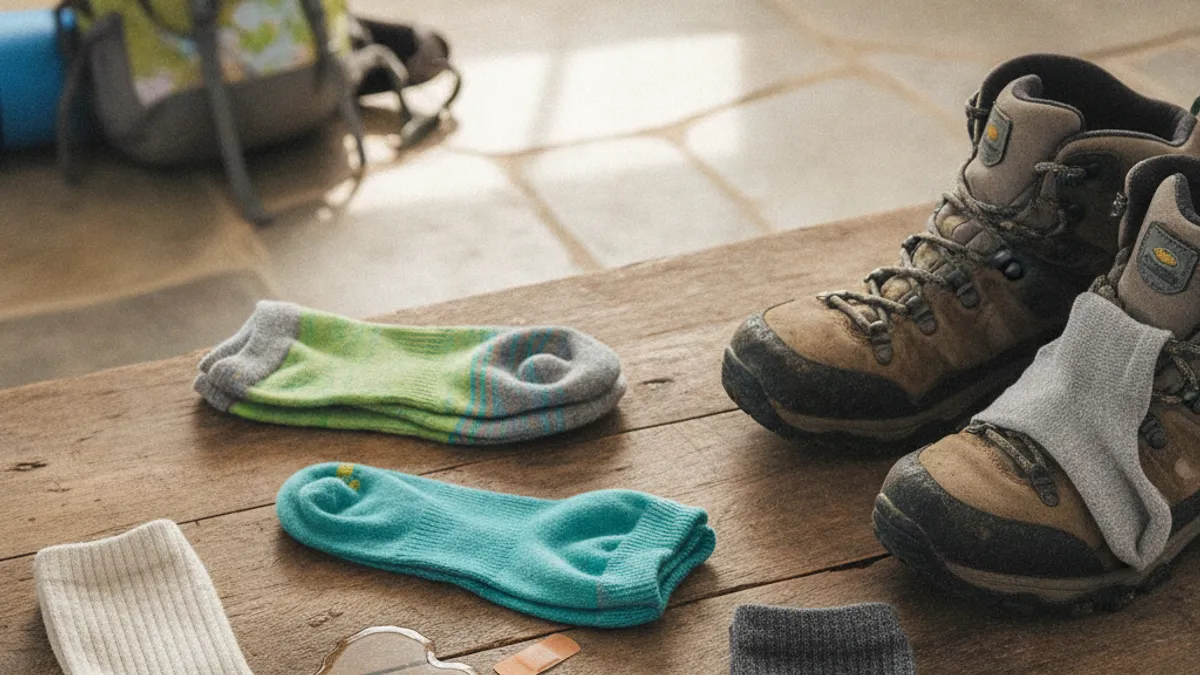
Making a few simple mistakes when selecting hiking socks can lead to significant discomfort and potential foot problems on the trail. Staying aware of these common pitfalls can save you a lot of pain and keep your focus on the journey rather than your feet.
One of the most common errors is opting for 100% cotton socks. As we’ve discussed, cotton absorbs moisture and holds it against your skin, drastically increasing the risk of blisters. This is true whether you’re going for a short walk or a challenging climb; cotton is simply not suited for active use.
Another mistake is choosing socks that are too loose or too tight. Socks that bunch up inside your boots create friction points, leading to hot spots and blisters. Conversely, socks that are too tight can restrict circulation, making your feet feel cold and potentially leading to numbness or discomfort over time. Always ensure a snug, smooth fit.
Finally, underestimating the importance of sock height is another frequent oversight. Socks that are too short may slip down into your boots or allow the top edge of your boot to rub raw against your ankle. This is especially true if you’re wearing mid or high-cut hiking boots.
Choosing Your Sock Height: Crew vs. Over-the-Calf
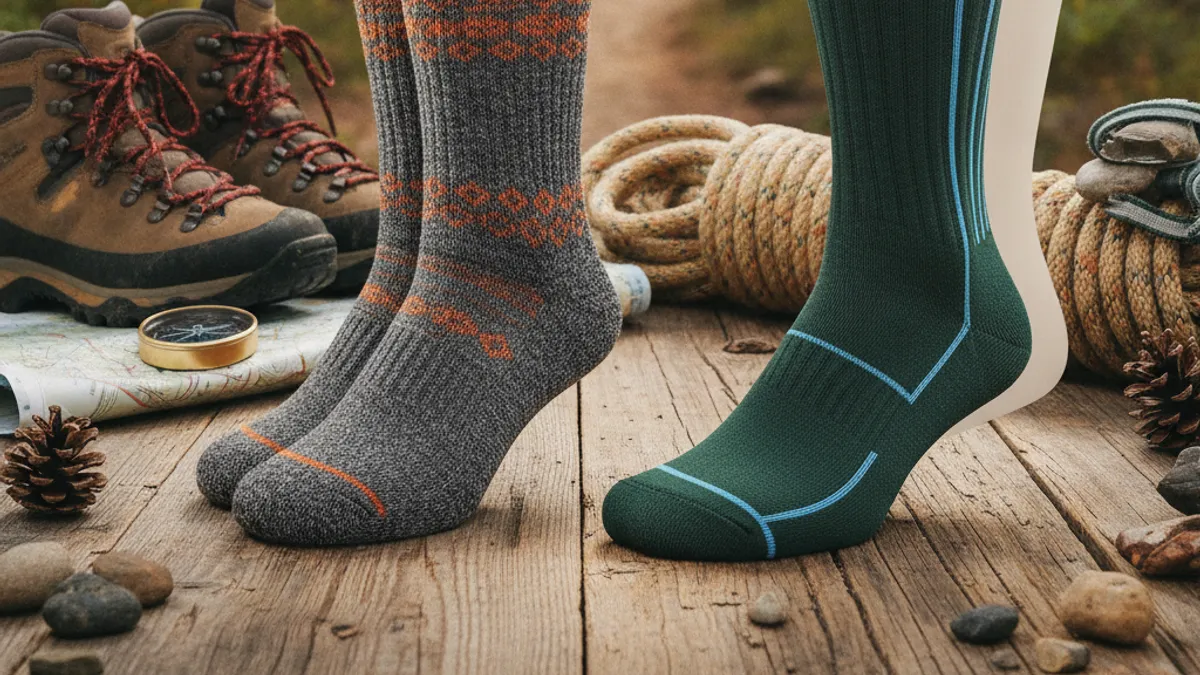
The height of your hiking socks plays a significant role in protecting your lower legs and ensuring a proper fit with your footwear. While personal preference can be a factor, the practical benefits of different sock heights are worth considering for trail comfort and safety.
Crew-height socks typically end around the mid-calf area. This height offers good protection against chafing from the top cuff of many hiking boots and provides ample coverage for most day hikes and general backpacking. They are a very popular choice for their balance of coverage and comfort.
Over-the-calf socks extend higher up the leg, often reaching just below the knee. These are particularly beneficial when wearing taller hiking boots or when encountering brush, scree, or other trail debris that could otherwise irritate your lower legs. They also provide excellent support and can help prevent socks from slipping down, even during strenuous activity.
Expert Tips for Your Best Hiking Sock Fit
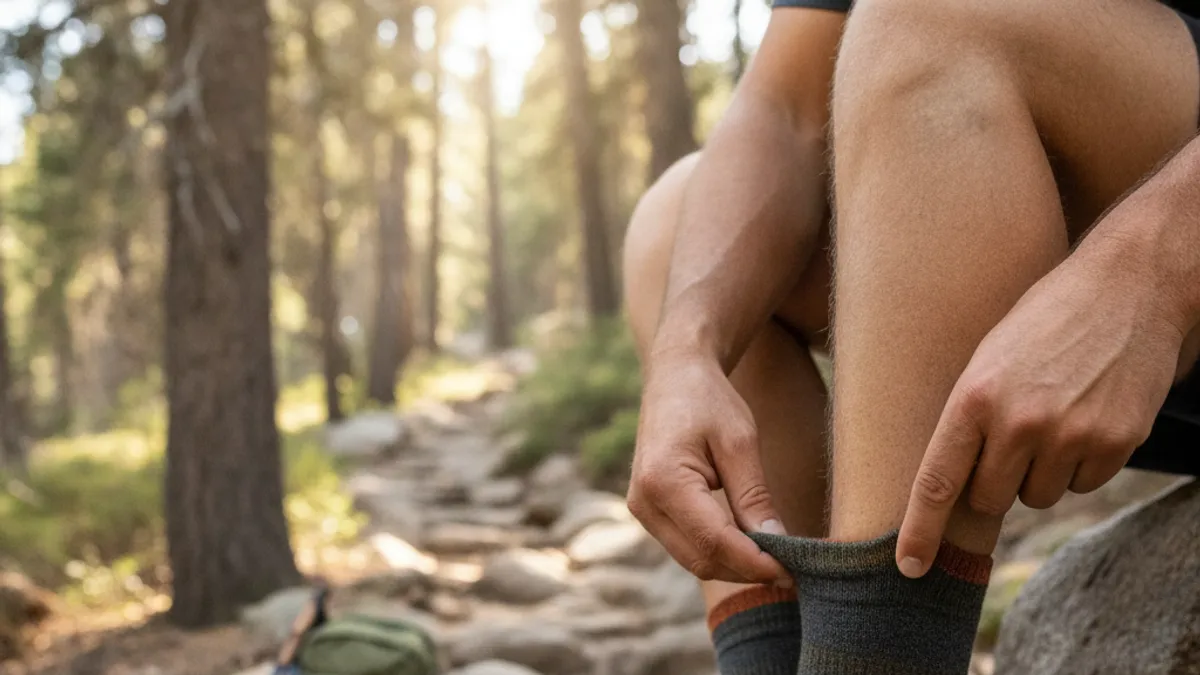
Achieving the perfect sock fit is about more than just the material and thickness; it involves a few key considerations that seasoned hikers swear by. Getting this right ensures maximum comfort and minimizes the risk of common foot issues on the trail.
Always try on socks with the type of hiking boots you intend to wear. This is crucial because boot fit can change significantly based on sock thickness. A sock that feels great on its own might feel too tight or too loose inside a particular boot. Ensure there are no pressure points or wrinkles, especially around the toes and heel.
When in doubt between two sizes, it’s often better to size down slightly. Hiking socks are generally designed with a bit of stretch. A sock that’s too large will bag and wrinkle, creating friction and blisters. A snug, consistent fit all around is the goal; the sock should feel like a second skin.
