
Understanding what are the best hiking shoes means recognizing that your perfect pair isn’t just about looking tough or being the most expensive. It’s about finding footwear that works with your body and your planned adventures, whether that’s a gentle stroll in a local park or a demanding multi-day trek. The right shoes mean happier feet, fewer blisters, and a much more enjoyable time outdoors.
In our research into hiker feedback and manufacturer specifications, a recurring theme is that comfort and function heavily outweigh brand name or flashy aesthetics. For instance, manufacturer specifications for many mid-weight hiking shoes cite EVA foam midsoles that offer a balance of cushioning and responsiveness, typically weighing around 1.5 pounds per pair as of 2026. Let’s break down how to find that ideal balance for your feet.
Why the “Best” Hiking Shoe is Personal
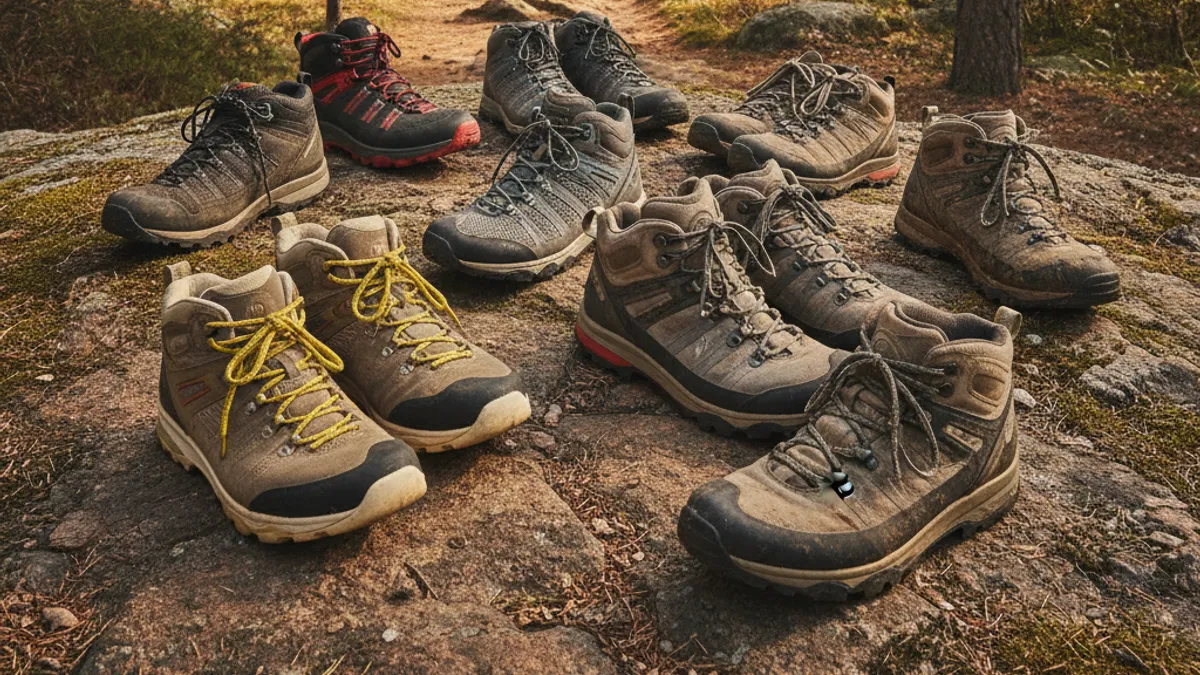
The idea of a single “best” hiking shoe is a bit of a myth. What works wonders for one person might be a blister-making disaster for another. This is because foot shapes, hiking styles, and even the types of trails you frequent are all incredibly varied. Think of it like this: you wouldn’t use a mountain bike for a city commute, and the same logic applies to footwear.
Your personal needs are the most critical factor. Are you planning short, well-maintained paths, or tackling rocky, uneven terrain with a heavy pack? Your comfort, safety, and overall enjoyment on the trail depend entirely on matching the shoe’s capabilities to your specific demands. A shoe that’s perfect for a casual day hiker might be completely inadequate for a serious backpacker.
Picking Your Hiking Style: The Foundation of Your Choice
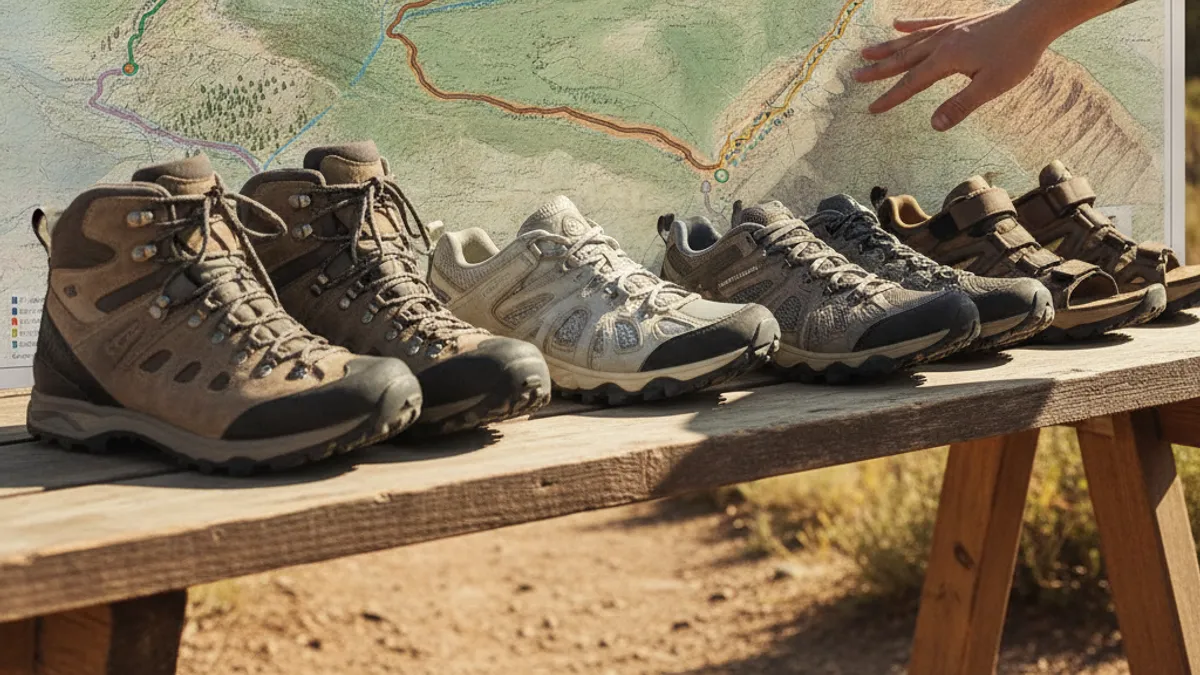
Figuring out what kind of hiking you’ll be doing is the absolute first step when shopping for footwear. This isn’t just about broad categories; it’s about being honest with yourself about your typical outing. Trying to find the “best” without this understanding is like trying to pack for a trip without knowing your destination.
Easy Trails & Day Hikes: Lightweight Flexibility
For anyone sticking to well-maintained paths, park trails, or short jaunts where you’re not carrying much gear, super-heavy boots are overkill. You’ll likely find yourself happiest in a pair of trail running shoes or lightweight hiking shoes. These are designed for agility and breathability, offering a comfortable, sneaker-like feel with enhanced traction and durability. They excel where you want to feel light on your feet and don’t need maximum ankle support.
Moderate Trails & Weekend Trips: Balanced Support
If your adventures tend to involve longer day hikes or weekend backpacking trips with a lighter pack, a mid-weight hiking shoe or a low-cut hiking boot is often the sweet spot. These offer a good blend of flexibility and support, with tougher outsoles and more robust uppers than trail runners. They provide enough protection for varied terrain without being overly stiff or heavy, making them versatile for a range of conditions.
Rugged Terrain & Backpacking: Serious Support and Durability
When your plans involve serious mileage, challenging off-trail exploration, or multi-day backpacking trips where you’ll be carrying a significant load, you need robust footwear. This is where sturdy mid-cut or high-cut hiking boots come into play. They are engineered for maximum ankle support, superior protection against rocks and roots, and the durability to withstand harsh environments for extended periods.
Key Features That Make a Difference
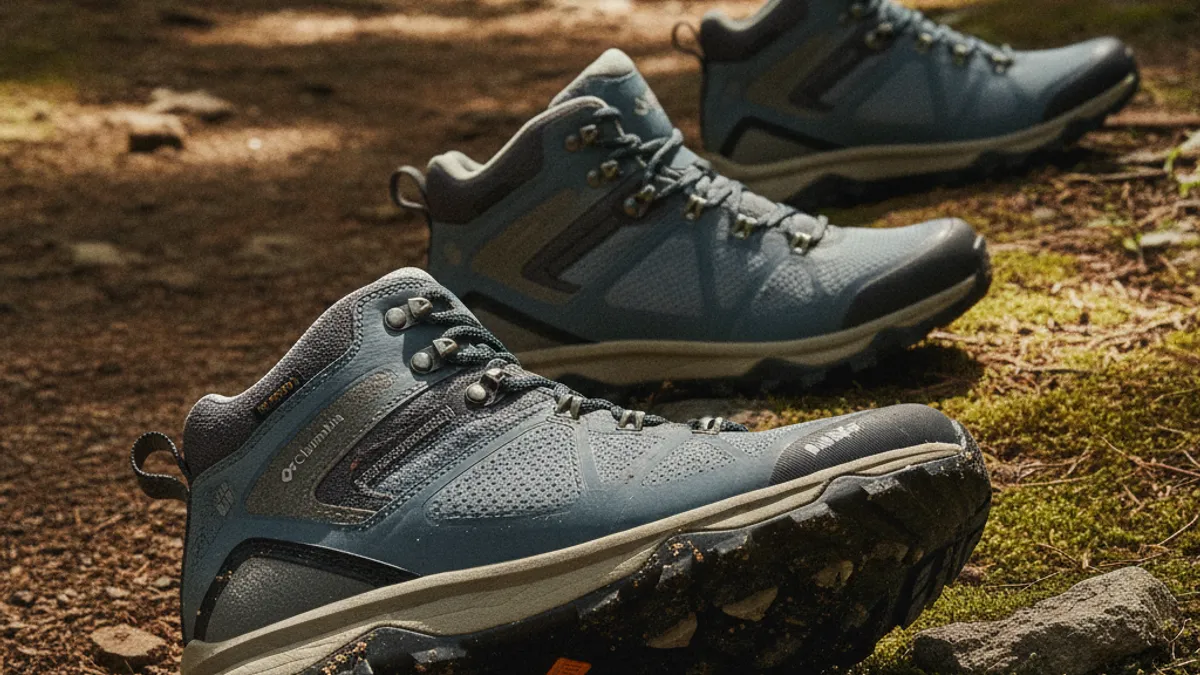
Beyond the general type of shoe, specific features dictate how well it performs. Understanding these technical aspects will help you discern quality and suitability. For instance, materials and sole construction are paramount to a shoe’s function.
Materials: Leather vs. Synthetics
The choice between leather and synthetic uppers is a fundamental one, each having distinct advantages and drawbacks that influence performance, durability, and comfort.
- Leather: Full-grain leather is renowned for its exceptional durability and water resistance. It molds to your foot over time, creating a personalized fit. However, it’s heavier and typically requires a longer break-in period. Split-grain leather, often blended with nylon, offers a lighter, more breathable alternative, though it may be less water-resistant and durable than its full-grain counterpart.
- Synthetics: Nylon and polyester offer a lighter weight and faster drying time, often requiring less break-in. They generally provide good breathability. On the downside, synthetic materials can be less resistant to abrasion and may not last as long as high-quality leather under demanding conditions.
A good way to visualize this is thinking about how each material handles different elements. Leather provides a natural barrier against moisture and abrasion, much like a shield, while synthetics offer more flexibility and airflow, like a well-ventilated jacket.
Soles: What’s Underfoot Matters
The sole is your direct connection to the trail, and its design is critical for grip, stability, and shock absorption. A well-designed sole unit can make or break your hiking experience.
- Outsole: This rubber layer provides traction. Aggressive lug patterns, or cleats, dig into soft ground for grip on loose ascents and descents. Brands like Vibram are known for their durable rubber compounds that offer excellent grip on both wet and dry surfaces. The pattern and depth of these lugs are engineered for specific types of terrain, deep, widely spaced lugs shed mud effectively.
- Midsole: This cushioning layer absorbs impact. EVA foam is lightweight and provides good shock absorption, making it common in lighter shoes. Polyurethane (PU) is denser and more durable, offering firmer support that’s beneficial for carrying heavier loads or for longer-term wear without excessive compression.
- Shank: Embedded in the midsole, the shank adds stiffness and protects your foot from sharp objects. A stiffer shoe with a good shank distributes pressure more evenly, reducing foot fatigue on rocky trails.
Waterproofing: Staying Dry (or Not)
The debate between waterproof and non-waterproof footwear is ongoing, with each offering distinct benefits based on your environment.
- Waterproof: Technologies like Gore-Tex membranes block external water while allowing some internal moisture vapor to escape. This keeps your feet dry from rain and puddles, which is crucial for comfort and preventing blisters in wet conditions. However, waterproof shoes can be less breathable, leading to sweat build-up on warm days.
- Water-Resistant: These shoes have coatings or materials that repel light moisture. They tend to be more breathable than fully waterproof options, making them ideal for hot, dry climates where maximizing airflow is a priority. They’ll handle dew or light sprinkles but aren’t suited for stream crossings or prolonged exposure to heavy rain.
The Crucial Step: Getting the Right Fit
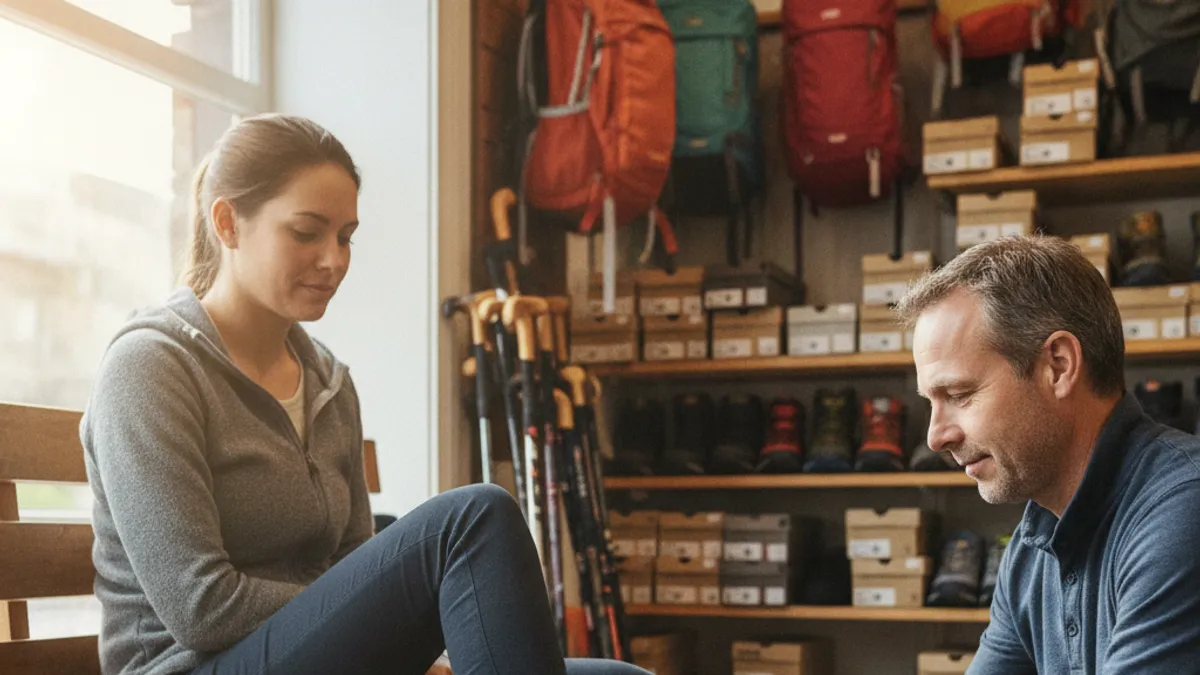
Finding footwear that fits your foot perfectly is non-negotiable for a positive hiking experience. Even the most advanced materials can’t compensate for a shoe that pinches, rubs, or lacks support where you need it most. This is where careful attention to detail pays dividends.
How to Judge Length, Width, and Heel Lock
When assessing fit, focus on these key areas to ensure stability and comfort.
- Length: Stand in the shoe with your heel firmly against the back. You should have about a finger’s width (roughly half an inch) of space between your longest toe and the shoe’s front. This space is essential for downhill hiking, preventing your toes from hitting the front.
- Width: Your foot should feel comfortably snug around the midfoot and forefoot. It shouldn’t feel like your foot is spilling over the sides or that your toes are being squeezed together. A shoe that’s too wide will allow your foot to slide, increasing blister risk.
- Heel Lock: While walking, your heel should remain securely in place. There should be minimal or no lifting at the heel. If your heel slips excessively, it can cause friction and lead to blisters, as well as reduce ankle stability.
Trying Them On Like a Pro
To get the most accurate sense of fit, simulate trail conditions as best you can. This means understanding how your feet behave throughout the day and with different sock combinations.
- Shop later in the day: Your feet swell throughout the day, especially after activity. Trying on shoes in the afternoon or evening ensures you’re assessing their fit when they’re at their largest, giving you a more realistic feel for comfort on a hike.
- Wear your hiking socks: Always try on shoes with the exact socks you plan to use. Thick wool or synthetic hiking socks can change how a shoe fits dramatically compared to thin, everyday socks. The right socks are as crucial as the right shoe for blister prevention. For more on this, consider reading up on [What To Wear Hiking For Beginners] as sock choice is a key part of any hiking ensemble.
- Walk around extensively: Don’t just stand still. Walk up and down any available inclines, practice stepping over small obstacles if possible, and take several minutes to assess how the shoes feel with each movement. Any noticeable pinching, rubbing, or pressure points will only be amplified on a longer hike.
Hiking Shoes: Pros and Cons at a Glance
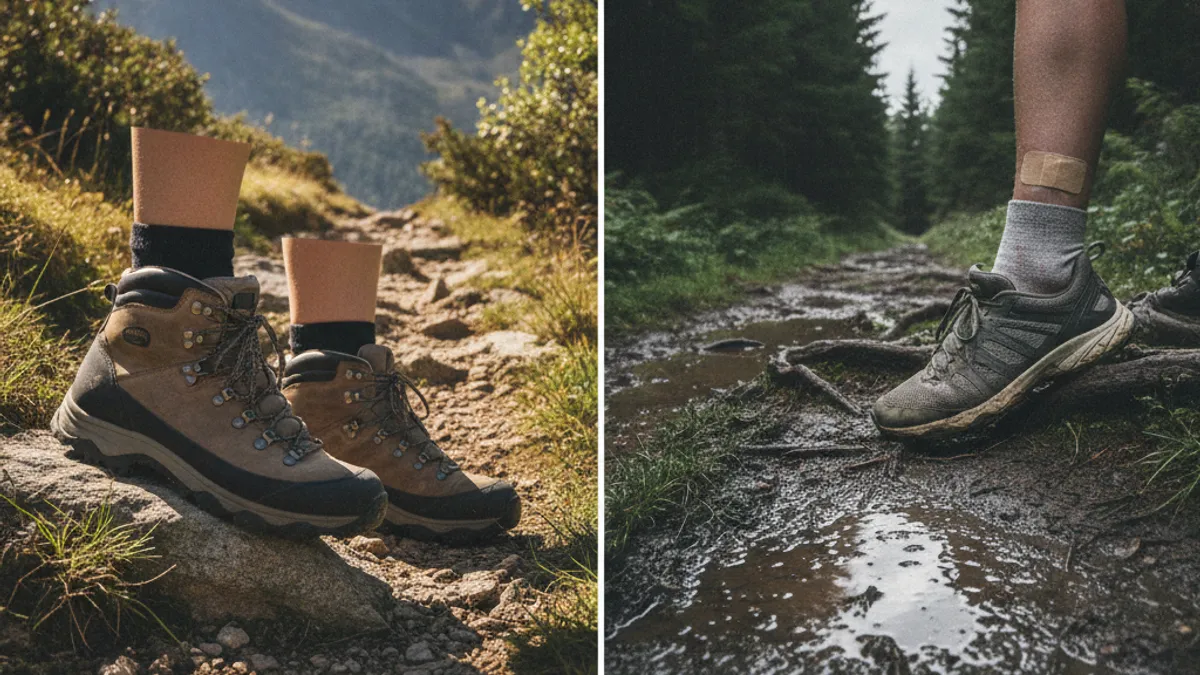
To help you quickly orient yourself, here’s a look at the general advantages and disadvantages of the primary hiking footwear categories. This offers a fast way to see which type aligns with your common hiking style.
Lightweight Options: Trail Runners & Light Hikers
These are excellent for hikers who prioritize agility and minimize weight. They are designed for speed and comfort on less demanding terrain.
- Pros:
- Easily the lightest option, reducing fatigue.
- Highly flexible for natural foot movement.
- Great breathability keeps feet cool.
- Minimal break-in time is typically required.
- Cons:
- Offer little to no ankle support.
- Less durable on rough, rocky trails.
- Provide less protection from impacts.
- Best For: Fast hiking on well-maintained trails, day hikes in dry conditions, and covering miles with less effort.
Support-Focused Options: Mid & High Boots
These are built for robustness, protection, and stability, making them suitable for more challenging environments.
- Pros:
- Deliver superior ankle support for stability.
- Offer maximum protection from trail hazards.
- Highly durable for long-term use on rough trails.
- Provide excellent traction on varied surfaces.
- Cons:
- Their weight can cause fatigue on long treks.
- Tend to be less breathable, potentially causing sweaty feet.
- Often require a significant break-in period.
- Best For: Backpacking, rugged terrain, carrying heavy loads, and extensive off-trail adventures.
Common Pitfalls to Avoid When Buying
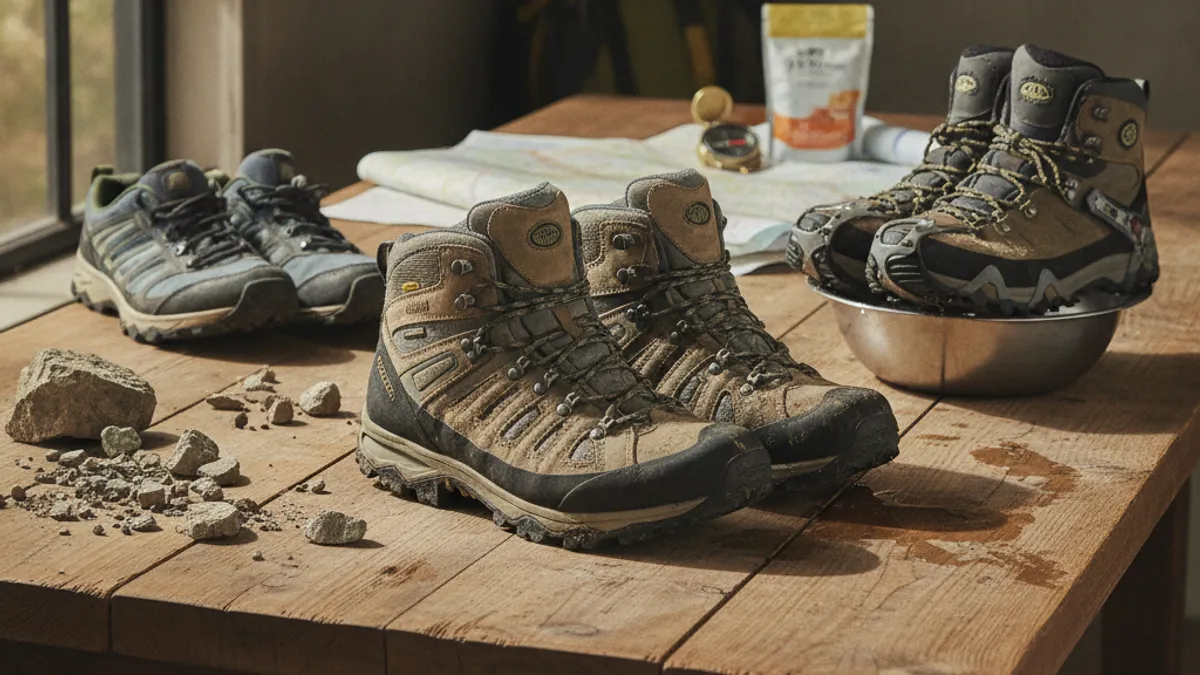
Many hikers make predictable mistakes when selecting footwear. Being aware of these missteps can save you from discomfort and ensure you invest in shoes that truly serve their purpose.
Don’t Ignore Break-In Time
Many sturdy hiking boots, particularly those made from full-grain leather, require a break-in period. This is the process of wearing the boots moderately before embarking on a long or demanding hike, allowing the materials to soften and conform to your foot’s unique shape. Pushing into a long hike with stiff, un-broken-in boots is a sure way to develop painful blisters and hot spots. Aggregate user reviews suggest that some boots may need 20-50 miles of wear before they feel truly comfortable, so plan accordingly.
The Sock Factor
Your choice of socks is as critical as the shoe itself. Thin, cotton socks absorb moisture and increase friction, leading to blisters. Always try on hiking shoes with the same type of socks you will wear on the trail. Moisture-wicking materials, such as merino wool or synthetic blends, are essential for comfort and preventing foot issues.
A good sock acts as a second skin, managing moisture and providing a minor buffer against friction points within the shoe.
Your Final Decision: Matching Shoes to Your Adventures
Ultimately, selecting the “best” hiking shoes boils down to marrying your personal hiking style with the practical features of the footwear. Consider the intensity and duration of your typical hikes, the terrain you most often encounter, and the climate you’ll be hiking in. No single shoe excels in every category.
- If you prioritize agility and speed on easier trails: Lightweight hiking shoes or trail runners are likely your best match. They offer flexibility and breathability, keeping you light on your feet.
- If you’re going for weekend trips with varied terrain: Mid-weight hiking shoes or low-cut boots provide a solid balance of support and comfort. They offer more protection than trail runners without being overly burdensome.
- If you’re embarking on long, rugged expeditions or carrying heavy loads: Invest in mid- or high-cut hiking boots. Their enhanced ankle support and robust construction are indispensable for navigating challenging environments safely and comfortably.
Remember to always prioritize fit above all else. Even the most feature-rich shoe will be a poor choice if it doesn’t feel right on your foot. Take your time, try on multiple options, and don’t hesitate to ask for assistance from knowledgeable sales staff. Your feet will thank you mile after mile.
