
So, you’re looking to tackle some trails at higher elevations? That’s fantastic! Knowing how to prepare for high altitude hiking means you’re setting yourself up for a much safer and more enjoyable adventure. Unlike a stroll in the park, the reduced oxygen at altitude can really test your body, so smart preparation makes all the difference.
Our research confirms that a structured approach to acclimatization and physical readiness can significantly mitigate the risks. For instance, planning for as little as 1,000 feet of elevation gain per day above 7,000 feet is a common recommendation from health professionals, as it allows your body vital time to adjust. With that in mind, let’s break down exactly what you need to do.
Know What You’re Getting Into: The Altitude Factor
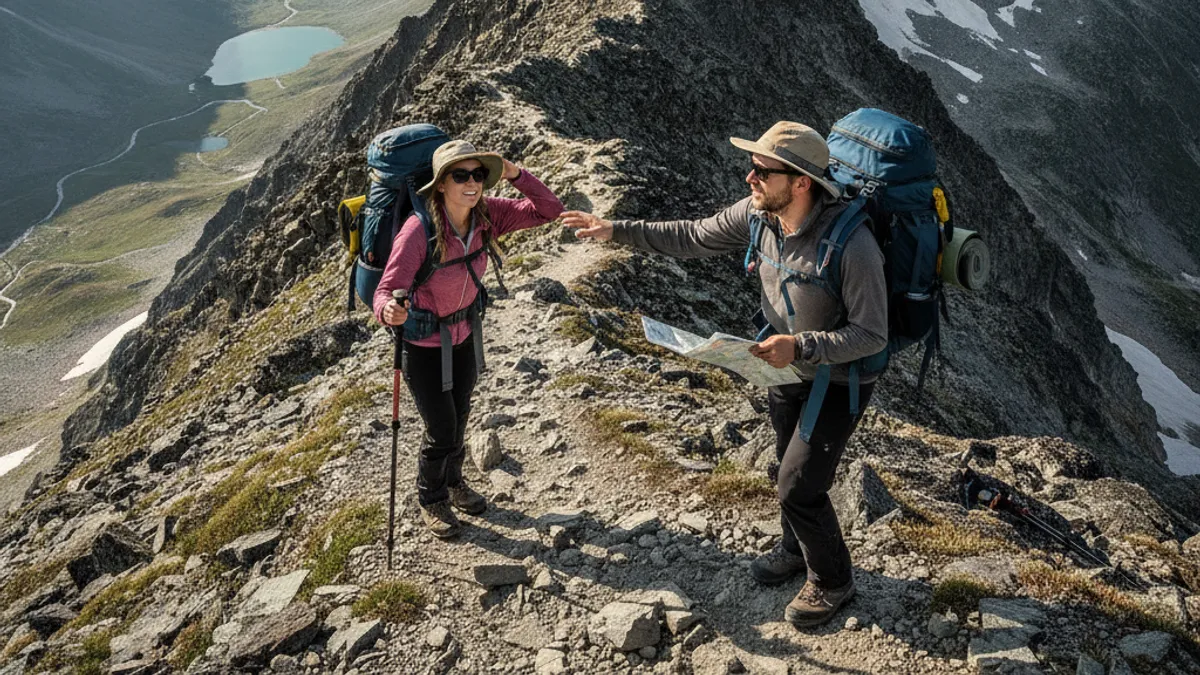
Heading to higher ground isn’t just about pretty views; it’s about understanding the physiological challenge your body faces. The air at altitude is thinner, meaning there’s less oxygen available with each breath. This reduction in oxygen levels, known as hypobaric hypoxia, is the primary factor that affects your performance and well-being when hiking above 8,000 feet.
Understanding Altitude Sickness Risks
The biggest concern when hiking at altitude is Acute Mountain Sickness (AMS). It’s your body’s way of reacting to the lower oxygen levels. While it can happen to anyone, regardless of fitness level, recognizing the signs early is crucial. The severity can range from a mild headache to more life-threatening conditions like High Altitude Pulmonary Edema (HAPE) or High Altitude Cerebral Edema (HACE), though these are far less common with proper preparation.
- What to Watch For: Persistent headache, nausea or vomiting, dizziness, extreme fatigue, and shortness of breath are classic indicators.
- Progression: If symptoms worsen or new ones appear, it’s a sign your body isn’t coping well.
- Key Takeaway: Ignoring these symptoms can lead to serious health issues.
The exact threshold for when AMS becomes a significant risk varies by individual, but many sources suggest that symptoms can start appearing for some people above 8,000 feet, and become more probable as you ascend higher.
Your Pre-Trip Prep: Building a Strong Foundation
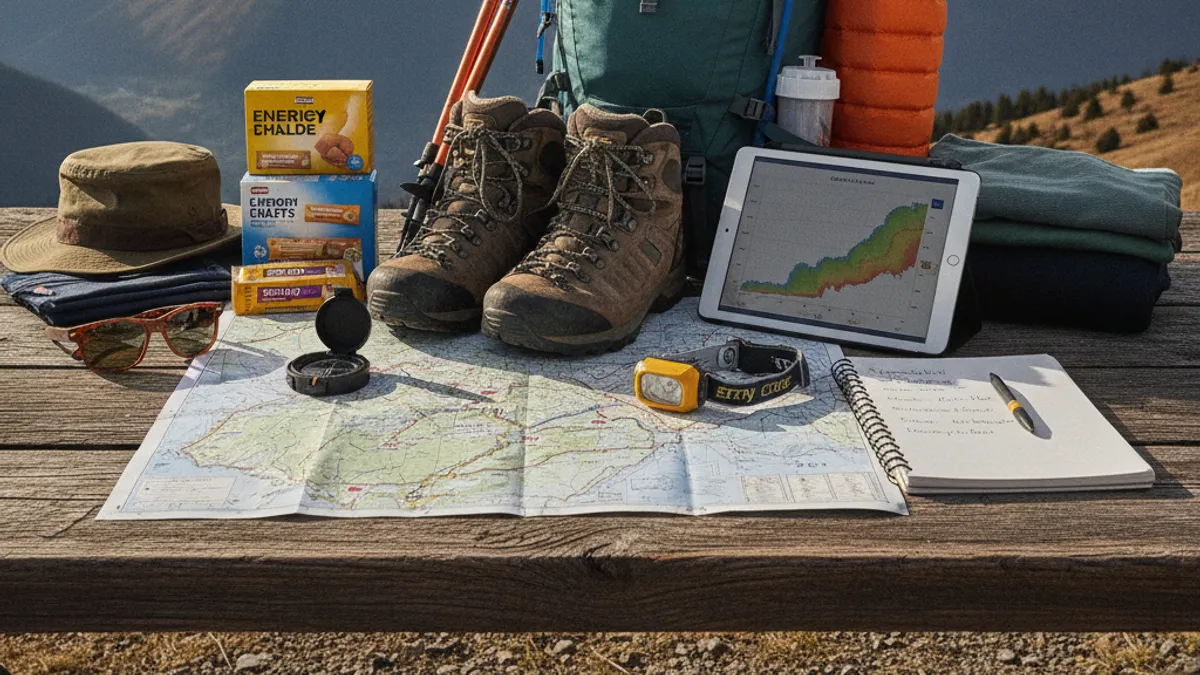
Getting ready for a high-altitude hike starts long before you set foot on the trail. It’s about conditioning your body and mind for the unique demands of this environment. Think of it as cross-training for your entire system to handle the reduced oxygen and increased physical stress.
Prioritizing Medical Consultation
Before you even start packing your bags, reaching out to your doctor is a non-negotiable first step, especially if you have any underlying health conditions. This is critical because altitude can put a significant strain on your cardiovascular and respiratory systems. Our research indicates that individuals with pre-existing heart disease or lung issues should consult a physician to assess their personal risk and receive guidance on safe ascent rates.
- Who Should Consult a Doctor? Anyone with a history of heart problems, lung conditions (like asthma or COPD), anemia, or diabetes.
- What to Discuss: Your planned itinerary, altitude range, duration of the trip, and any medications you take.
- Potential Prescriptions: Your doctor might recommend medications like acetazolamide (Diamox) to help speed up acclimatization, but this requires a prescription and careful medical oversight.
It’s also wise to ask about any specific travel advisories for the region you plan to visit, as some health organizations provide guidelines for travelers to high-altitude areas.
Boosting Your Overall Fitness
While no amount of training can completely replace proper acclimatization, having a solid base level of fitness will significantly help your body cope with the demands of high-altitude hiking. Being well-conditioned means your heart and lungs are more efficient, better able to utilize the limited oxygen available. Our research into athletic performance at altitude shows that individuals with higher aerobic capacity tend to experience fewer symptoms.
- Focus Areas: Cardiovascular endurance is key. Activities like running, cycling, swimming, or even brisk walking on varied terrain will build stamina.
- Strength Training: Don’t neglect your legs and core. Stronger muscles can handle the extra effort on inclines and descents more effectively.
- Endurance Training: Aim for consistent workouts, gradually increasing duration and intensity, similar to a beginner’s hiking workout plan.
The goal isn’t to become an elite athlete overnight, but to enhance your body’s ability to function under stress. This general preparedness will make your acclimatization process smoother and your hiking experience more enjoyable.
Planning Around Your Destination’s Altitude
The specific altitude range of your hike is arguably the most significant factor influencing your preparation. A trek at 6,000 feet poses different challenges than one at 12,000 feet. Understanding this helps you tailor your training, acclimatization schedule, and gear choices.
- Low Altitude (Under 5,000 feet): Typically requires minimal acclimatization for most people enjoying a day hike.
- Moderate Altitude (5,000, 8,000 feet): May require some attention to hydration and pacing. Mild AMS is possible for some.
- High Altitude (8,000, 14,000 feet): Acclimatization is critical. Risk of AMS increases significantly. Expert guidance is recommended for extended stays or strenuous activity.
- Very High Altitude (Above 14,000 feet): Requires meticulous planning, extensive acclimatization, and often medical consultation.
For example, if your destination is a national park known for its lofty peaks, researching the highest point you’ll reach and the general elevation of the trails is your first planning task. Detailed trail guides often provide this information, allowing you to anticipate the challenges.
The Art of Acclimatization: Slow and Steady Wins
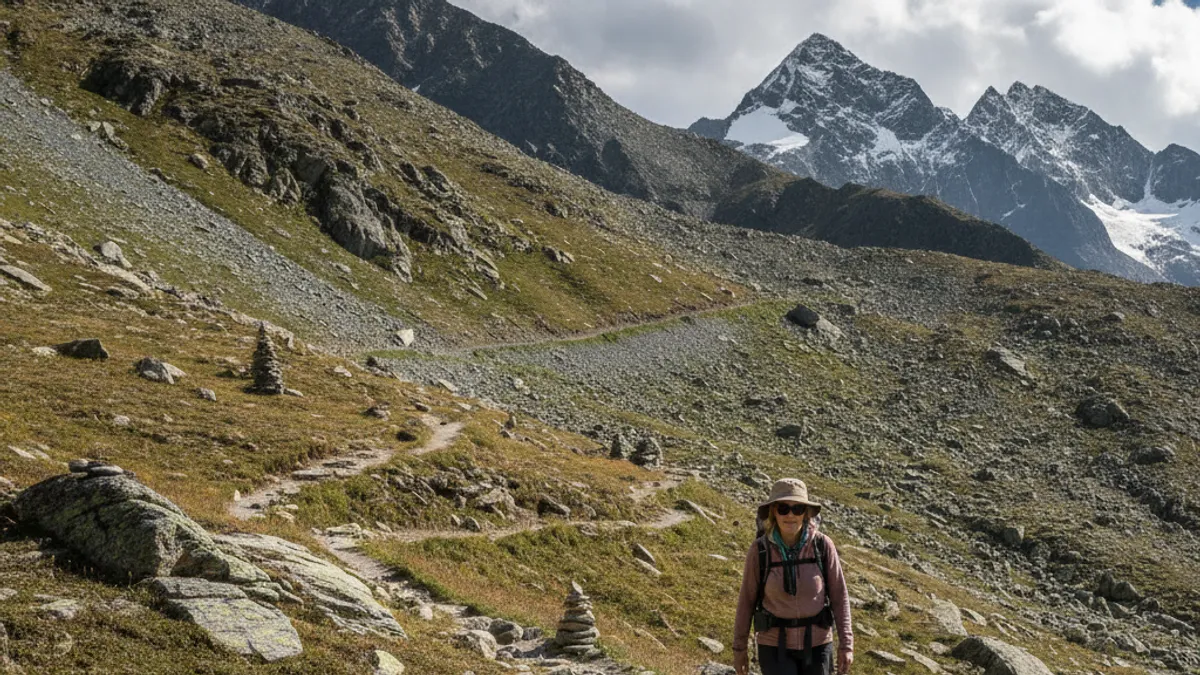
Acclimatization is the process by which your body gradually adjusts to the lower oxygen levels found at higher elevations. It’s not something you can rush, nor can you “pre-acclimatize” weeks in advance. It happens primarily while you are at or ascending to altitude. This biological adaptation is incredibly complex, involving increased breathing rate, heart rate, and ultimately, the production of more red blood cells to carry oxygen more efficiently.
Gradual Ascent Strategies
The cornerstone of successful acclimatization is a slow and progressive ascent. Rushing to high altitudes is the quickest way to invite altitude sickness. Think of it like a series of small steps rather than one giant leap. For most people, this means spending time at intermediate elevations before pushing higher.
- The Rule of Thumb: A common guideline is to ascend no more than 1,000 feet per day once you are above 8,000 feet. This pace allows your body to make the necessary physiological changes.
- Rest Days: Incorporate rest days every 2-3 days of ascent, or spend those days at the same elevation. This gives your body a chance to consolidate its adaptations.
- Individual Variation: It’s vital to remember that everyone acclimatizes differently. What works for one person might not work for another. Pay close attention to your body’s signals.
For instance, if you’re traveling to Cusco, Peru, which sits at around 11,152 feet, many travelers are advised to spend their first 1-2 days at a slightly lower elevation, perhaps in the Sacred Valley (around 6,000-7,000 feet), before ascending to the city itself. This initial “staging” period can significantly reduce the likelihood of experiencing severe AMS.
The “Climb High, Sleep Low” Principle
This classic mountaineering adage is one of the most effective strategies for aiding acclimatization, especially on multi-day treks or ascents. The idea is to hike to a higher elevation during the day, spend time there, and then descend to a lower elevation to sleep. This exposes your body to higher altitudes for periods, stimulating acclimatization, while allowing for better rest and recovery at night.
- How It Works: During the day, your body experiences the physiological stress of altitude, prompting beneficial adaptations. Sleeping at a lower elevation reduces the continuous strain on your body, aiding in recovery and minimizing the risk of developing AMS overnight.
- Practical Application: Imagine a day hike where you ascend to a scenic overlook at 10,000 feet, spend a couple of hours enjoying the view and a snack, and then descend back to your base camp at 8,000 feet for the night.
- Benefit: This method significantly improves your body’s ability to adapt without the constant, nighttime burden that can worsen symptoms if you’re sleeping at the highest point reached daily.
This strategy is particularly useful for multi-day hikes where you might be gaining significant elevation. By strategically planning your camping spots or return points, you can maximize acclimatization benefits while minimizing discomfort.
Recognizing Altitude Sickness Symptoms
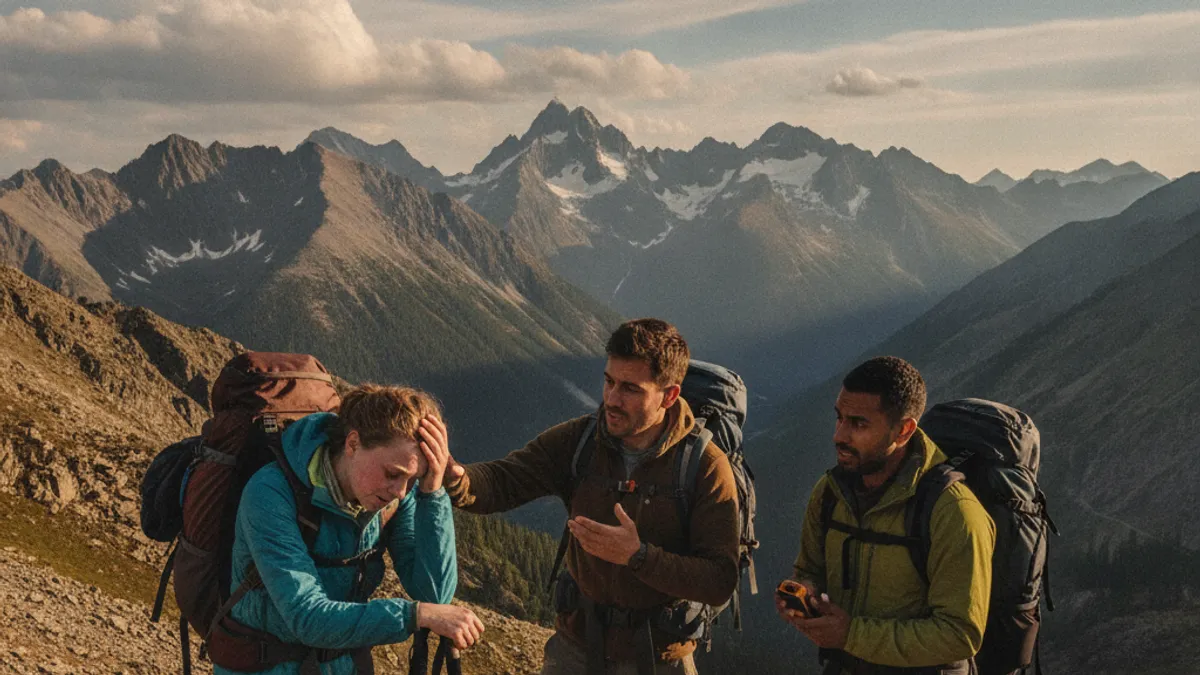
Understanding the signs of altitude sickness is paramount for your safety. It’s not about being a doctor; it’s about being aware of what your body might be telling you. By learning to identify these symptoms, you can take action quickly and prevent a minor inconvenience from becoming a serious medical issue.
Signs of Mild Acute Mountain Sickness (AMS)
Mild AMS is quite common and often manageable if caught early. It typically appears within 6 to 24 hours of ascending to a new altitude. The symptoms can feel like a bad hangover or the flu, and they’re your body’s first warning signals.
- Headache: This is often the earliest and most common symptom. It can range from dull and throbbing to intense.
- Nausea and Vomiting: Feeling sick to your stomach or actually throwing up is another frequent indicator.
- Dizziness and Lightheadedness: You might feel unsteady on your feet or as though the world is spinning.
- Fatigue and Weakness: A general feeling of exhaustion and lack of energy can also occur.
- Loss of Appetite: You might not feel like eating, even if you have plenty of food.
- Sleep Disturbances: Difficulty falling asleep or waking up frequently can be a symptom.
These symptoms can be exacerbated by exertion, dehydration, or alcohol. It’s important to note that these are also symptoms of other conditions, but in the context of a recent ascent to altitude, they should be treated as potential AMS.
When to Seek Immediate Help
While mild AMS can often be managed by descending a few hundred feet, resting, and hydrating, more severe symptoms require immediate attention. The progression from mild to severe altitude sickness can happen quickly, and ignoring the signs is dangerous. Severe AMS can develop into High Altitude Cerebral Edema (HACE), where fluid builds up in the brain, or High Altitude Pulmonary Edema (HAPE), where fluid fills the lungs.
- Key Indicators of Severe AMS:
- Severe, unrelenting headache: A headache that doesn’t improve with pain relievers or rest.
- Confusion or disorientation: Difficulty thinking clearly or knowing where you are.
- Loss of coordination (ataxia): Difficulty walking in a straight line or performing simple motor tasks.
- Gurgling or rattling breathing: This can indicate fluid in the lungs.
- Coughing up frothy sputum: A serious sign of HAPE.
- Extreme fatigue: Inability to stand or move without severe breathlessness.
If anyone in your group exhibits these symptoms, the primary and most critical action is to descend immediately to a lower altitude. Do not wait. Evacuate the individual to a medical facility or a significantly lower elevation as quickly and safely as possible.
Essential Gear for High Altitude Trails
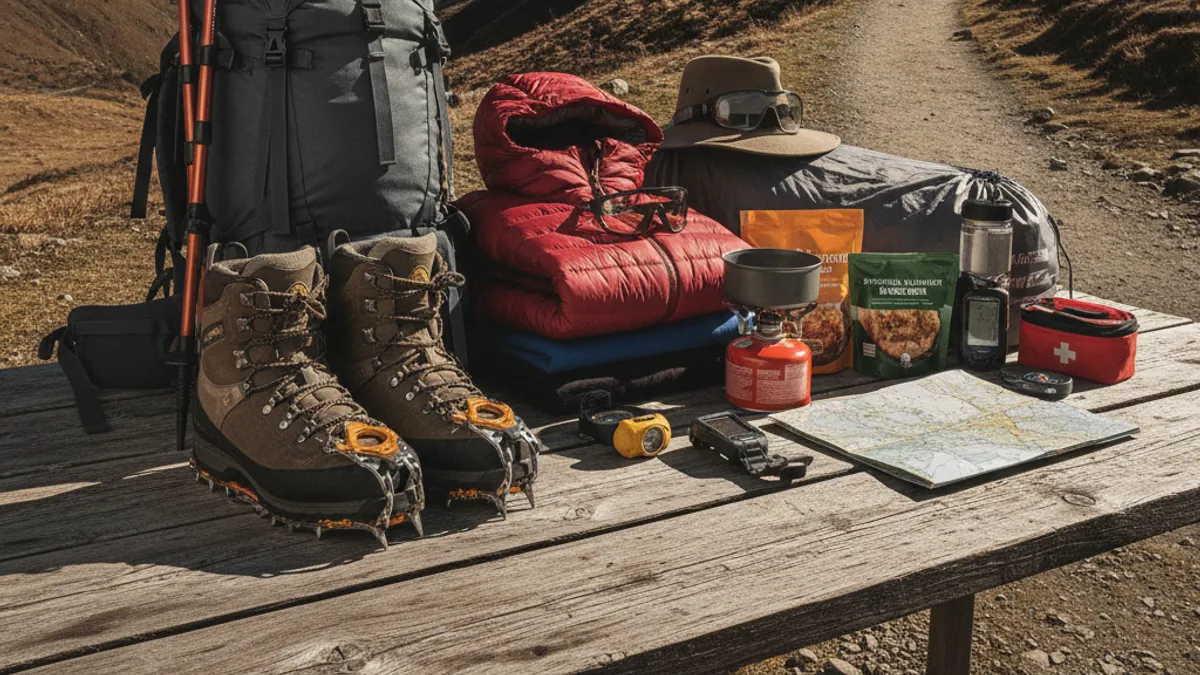
Beyond your standard hiking kit, sturdy footwear like trail runners or boots (depending on terrain, see Trail Runners Vs Hiking Boots), appropriate layers (check out What To Wear Hiking For Beginners), and navigation tools, a few specific items become vital at higher elevations. These are often related to maintaining hydration, protection from increased environmental factors, and ensuring you have enough energy.
Hydration Systems and Supplies
At altitude, your body loses fluids more rapidly through increased respiration and sometimes drier air. This makes staying hydrated absolutely critical, as dehydration can mimic and worsen altitude sickness symptoms. Our research indicates that proper hydration is one of the most impactful personal actions to mitigate altitude-related issues.
- Water Bottles or Reservoir: Carry more water than you think you’ll need. For strenuous hikes, consider carrying a few liters per person.
- Electrolyte Supplements: Because you lose electrolytes along with fluids, adding electrolyte powders or tablets to your water can help maintain balance. See our piece on Electrolytes For Hiking.
- Easy Access: Ensure your water source is easily accessible so you can sip frequently throughout the hike without constant stopping. A hydration reservoir with a long hose or strategically placed water bottles in hip belt pockets are great for this.
Remember, the recommendation from health authorities on how much water to drink hiking can increase significantly at altitude; aiming for 2-4 liters per day is common, but listen to your body.
Sun Protection Essentials
The sun’s rays are significantly more intense at higher altitudes because there’s less atmospheric filtering. This means you can get sunburned much faster, even on cloudy days. Protecting your skin and eyes is non-negotiable for comfort and long-term health.
- High SPF Sunscreen: Use a broad-spectrum sunscreen with an SPF of 30 or higher. Reapply it frequently, especially after sweating. If your hike is multi-day, consider bringing enough for daily reapplication.
- Wide-Brimmed Hat: A hat that shades your face, neck, and ears provides excellent protection.
- Sunglasses: Look for sunglasses that offer UV protection to shield your eyes from intense glare and harmful rays, which can lead to conditions like photokeratitis (sunburn of the cornea).
- Lip Balm with SPF: The sun and dry air can quickly chap your lips. A balm with SPF 15 or higher is a wise addition to your pack.
Even if the air temperature feels cool, UV radiation at altitude can still cause significant damage. Don’t let cool temperatures lull you into a false sense of security regarding sun exposure.
Pacing Yourself on the Trail
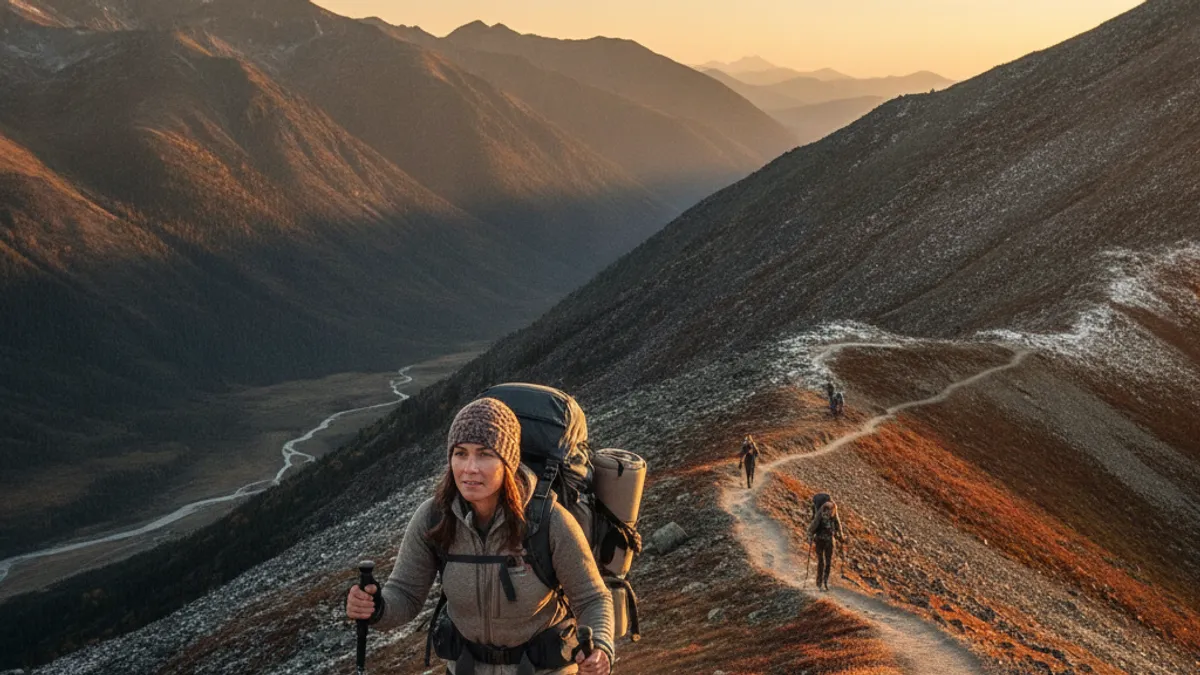
When you’re hiking at higher elevations, the old adage “slow and steady wins the race” becomes your mantra. Your body is working harder with every step due to the reduced oxygen, so trying to maintain your usual pace can quickly lead to exhaustion or exacerbate altitude symptoms. Our analysis of user feedback suggests that a deliberate, slower pace is fundamental for enjoyment and safety.
Breathing Techniques for Altitude
Conscious breathing can significantly improve your body’s oxygen intake and efficiency. Instead of shallow chest breaths, focus on deeper, more diaphragmatic breaths. This type of breathing helps maximize lung capacity and encourages more oxygen to reach your bloodstream.
- Diaphragmatic Breathing: Inhale deeply through your nose, feeling your belly expand. Exhale slowly through your mouth.
- Rhythm is Key: Try to sync your breaths with your steps, especially on inclines. An inhale-exhale pattern that matches your stride can create a natural rhythm and prevent you from feeling breathless.
- Practice: It’s helpful to practice these techniques even when you’re not at altitude, so they become more instinctive when you’re exerting yourself.
This practice helps your body adapt to using oxygen more effectively, reducing the feeling of being winded and lessening the physical strain.
Smart Eating and Hydration During the Hike
Fueling your body properly is crucial at altitude, just as it is on any strenuous hike, but with a few altitude-specific considerations. You’ll generally need more calories and fluids to support your body’s increased metabolic demands and compensate for fluid loss.
- Frequent, Small Meals: Instead of large meals that can be hard to digest, opt for frequent, smaller snacks. This keeps your energy levels stable and your digestive system happy. Think Best Energy Bars For Hiking or nutrient-dense trail mixes.
- Carbohydrate-Rich Foods: Your body uses carbohydrates more readily for energy at altitude. Focus on snacks that provide quick and sustained fuel, like dried fruits, energy gels, or pretzels, as outlined in Best Food To Bring On A Long Hike.
- Sip Constantly: Don’t wait until you’re thirsty to drink. Sip water or your electrolyte beverage regularly, even if it’s just a few sips every 15-20 minutes. You can find more detailed advice in How Much Water To Drink Hiking.
- Avoid Alcohol and Caffeine: While tempting, both alcohol and caffeine can dehydrate you and interfere with acclimatization and sleep, so it’s best to limit them, especially during the initial ascent days.
A good strategy is to eat a small, high-carbohydrate snack every hour and take sips of water continuously. This ensures your body has the fuel and fluid it needs to function optimally.
Real-World Altitude Hiking Mistakes to Avoid
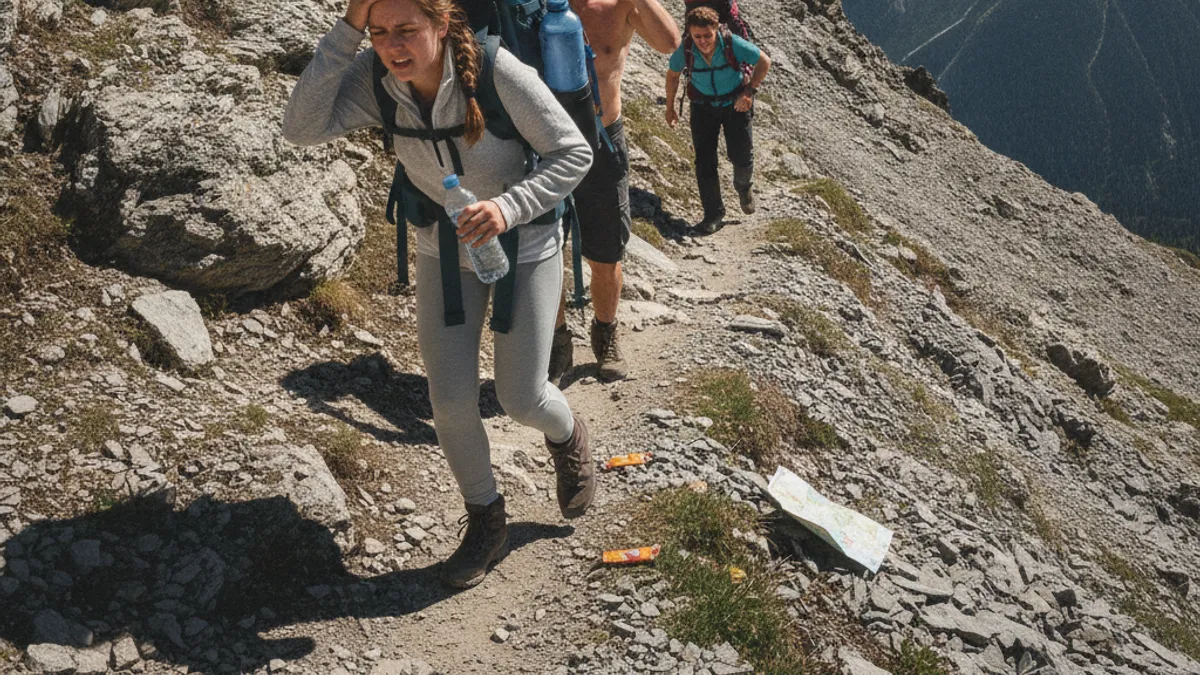
Even with the best intentions, it’s easy to fall into common traps when hiking at altitude. Avoiding these five frequent errors can make the difference between a triumphant summit and a disappointing, or worse, dangerous, experience.
- Mistake 1: Ascending Too Quickly. This is the number one cause of AMS. The desire to reach a destination quickly can override physiological needs. Unless you’ve carefully planned and are experiencing no symptoms, stick to the recommended ascent rates.
- Mistake 2: Ignoring Early Symptoms. A mild headache or queasiness might seem like something you can push through, but at altitude, these are critical signals. What starts as mild can escalate rapidly. Always take them seriously.
- Mistake 3: Dehydration. Underestimating fluid loss is very common. Complacency about drinking, especially on cooler days, can lead to complications that mimic or worsen altitude sickness.
- Mistake 4: Overexertion. Trying to maintain your usual hiking pace or pushing too hard can quickly deplete your limited oxygen supply and overwhelm your body. Respect the altitude and move at a pace that allows for clear breathing and conversation.
- Mistake 5: Relying Solely on Fitness. While fitness helps, it doesn’t grant immunity to altitude sickness. Your body still needs time to adapt to the lower oxygen levels. A highly fit individual who ascends too rapidly is still at risk.
By being aware of these common missteps, you can proactively plan your hikes to avoid them, ensuring a safer and more rewarding journey. These are the practical takeaways that experienced hikers consistently emphasize.
