
Knowing how to stay safe while hiking in bear country can make the difference between a thrilling adventure and a frightening experience. Bears aren’t looking for trouble, but a surprise encounter can quickly become dangerous if you aren’t prepared. Our research indicates that with the right knowledge and gear, you can significantly reduce the risk of negative interactions.
Preparation starts well before you hit the trail. Understanding bear behavior, carrying adequate safety equipment like bear spray, and making your presence known are crucial steps. Per manufacturer specifications, bear spray deployment is effective up to 25-30 feet, making its accessibility paramount on any hike. This guide will walk you through everything you need to know.
Why Bear Safety Matters for Hikers
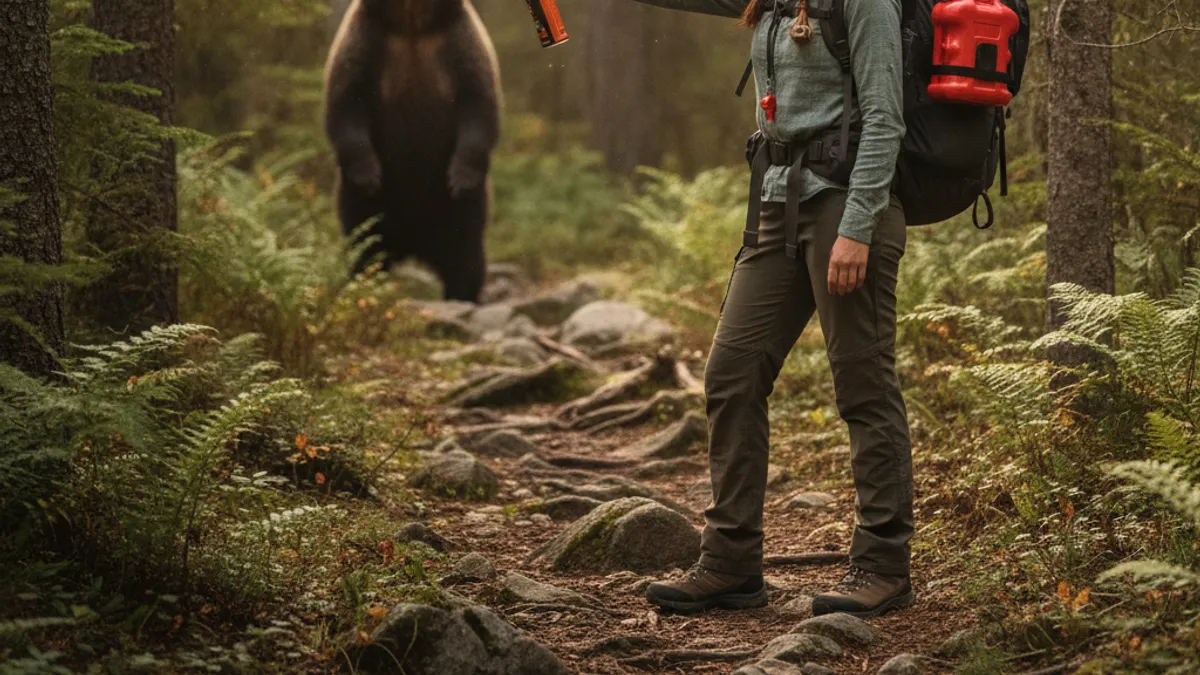
When you venture into areas inhabited by bears, understanding the potential risks is the first step toward a safe journey. Bears, whether it’s the more common black bear or the larger grizzly, generally avoid humans. However, they can become defensive if surprised, feel threatened, or are protecting their young or food sources. Our research shows that most negative encounters happen because of unexpected interactions or human-related attractants.
Simply put, ignorance or lack of preparedness in bear country can lead to serious injury or worse. It’s not about being fearful; it’s about being respectful of wildlife and taking responsible actions. This proactive approach ensures you can enjoy the wilderness without becoming a danger to yourself or the animals.
Understanding Bear Behavior and Risks

Bears are intelligent animals with keen senses, especially their sense of smell. Their behavior is often driven by instinct, primarily focused on foraging and survival. Understanding their patterns helps you avoid situations that could lead to conflict. For instance, bears are most active at dawn and dusk, times when visibility is lower and they are actively seeking food.
Their reactions to humans can vary widely. A bear might ignore you, investigate curiously, or become aggressive if it feels cornered or threatened. Our analysis of wildlife encounter data highlights that surprise is a major factor in negative bear-human interactions, underscoring the importance of making your presence known.
Black Bears vs. Grizzly Bears: Key Differences
It’s essential to know which type of bear you might encounter, as our response protocols differ. Black bears are typically smaller, have a straighter facial profile, and lack the prominent shoulder hump of grizzlies. In contrast, grizzly bears are larger, boast a distinctive shoulder hump, possess a dish-shaped facial profile, and have longer claws.
When encountering a black bear that seems aggressive or predatory, the recommended action is to fight back vigorously with any available means. For grizzlies, the initial response to a defensive charge is often to play dead, assuming a stomach-down position to protect vital organs. If the grizzly attack persists and appears predatory, then fighting back is advised. This distinction is critical for an effective and safe response.
Essential Gear for Bear Country Hikes
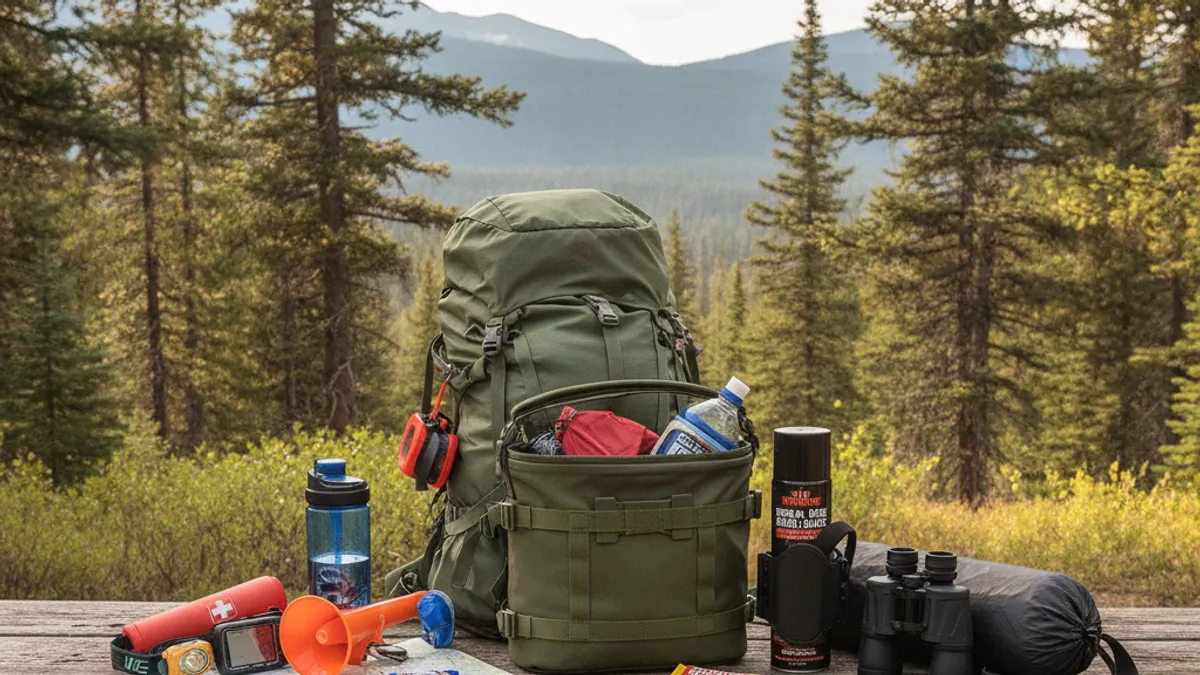
Carrying the right equipment is non-negotiable when hiking in bear country. This gear is designed to deter bears or provide a means of defense if an encounter escalates. Your pack should always include items specifically for wildlife safety. Being prepared ensures you have the tools necessary to handle a potential surprise meeting.
This category of gear is not optional; it’s a fundamental requirement for anyone venturing into these natural habitats. Prioritizing these items from the start will contribute significantly to your overall safety on the trail.
Bear Spray: Your Primary Defense
Bear spray is widely recognized as the most effective deterrent against a bear attack. It’s a non-lethal deterrent that functions much like pepper spray but is specifically formulated and pressurized for use on bears. It works by creating an irritating cloud that temporarily incapacitates the animal, allowing you time to escape.
Manufacturer specifications indicate that bear spray should be carried in a readily accessible holster, not buried in your backpack. This means it should be clipped to your belt or vest strap. Practice drawing it out beforehand so you can deploy it quickly and efficiently if needed. As of 2026, most reputable brands offer canisters ranging from 7.9 to 9.2 ounces, with effective ranges often stated between 25 to 30 feet.
Preparing for Your Bear Country Hike
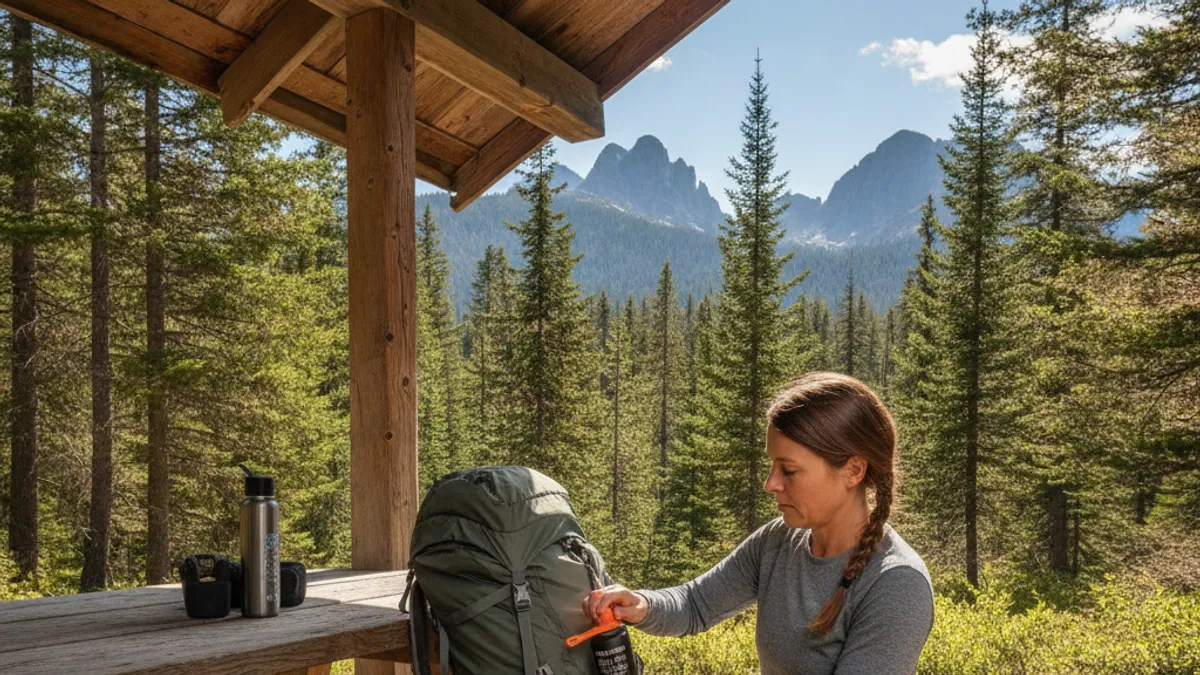
Thorough preparation is your first and most important line of defense in bear country. This phase involves gathering information, selecting appropriate gear, and mentally preparing for potential scenarios. Skipping any part of this preparation increases your risk.
This proactive approach ensures that when you’re on the trail, your focus can be on enjoying the experience, not on worrying about what you might have forgotten. Our research confirms that well-prepared hikers are significantly safer.
Researching Your Hiking Area
Before you even set foot on a trail, take time to research the specific area you’ll be visiting. National parks, national forests, and local land management agencies often provide detailed information on local wildlife, including recent bear activity and any specific warnings or closures. This might include information on recent sightings, denning areas, or elevated bear activity.
Understanding the type of bears in the region is paramount. Are you in black bear territory, grizzly country, or a mixed region? This knowledge directly informs your safety strategy and the specific precautions you should take. Websites for these official bodies are excellent resources for this vital information.
What to Pack (and How to Pack It)
Beyond the essentials like water and snacks, your bear country gear list must include specific items for wildlife safety. The most critical is your bear spray, which needs to be immediately accessible. This means it should be on your person, not deep in your backpack. Clipping it to a hip belt or a chest strap allows for quick access.
Other items to consider include a whistle for signaling, sturdy hiking boots, and a basic first-aid kit. When packing food and scented items, use bear-resistant canisters or bags. If camping, you’ll need rope and a bag for properly hanging food away from animals. A well-organized pack ensures you can retrieve essential items quickly.
You can find more on general hiking essentials at what to bring on a day hike.
On the Trail: Best Practices for Bear Encounters
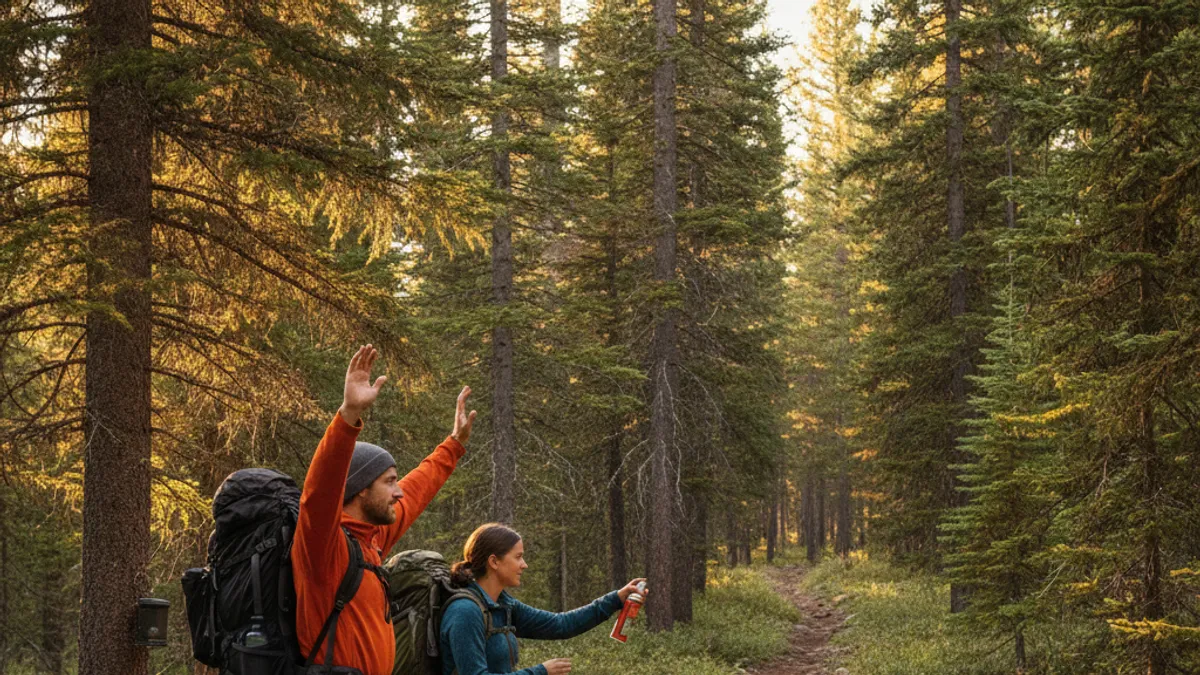
Once you’re actually hiking, staying aware and active is key to preventing a surprise encounter. Your behavior on the trail directly influences how bears perceive you and whether they choose to interact. Consistency in your safety practices throughout the hike is vital.
These practices are designed to minimize the chance of startling a bear and to give you time and space to react safely if an encounter does occur. Think of them as a continuous process of managing your presence in their environment.
Making Noise to Avoid Surprises
One of the most effective ways to avoid surprising a bear is by making noise. Bears have excellent hearing, but they might not detect quiet hikers, especially in windy conditions or near running water. Regularly talking, singing, or calling out “Hey bear!” alerts them to your presence, giving them a chance to move away before you encounter them.
Hiking in groups generally makes more noise naturally and is therefore recommended. If you’re hiking alone, be extra vigilant about speaking up or singing periodically. Bear bells can be used, but our research suggests human vocalizations are often more effective at signaling your presence to bears.
Staying Alert and Recognizing Bear Signs
Your senses are your best tools in bear country. Constantly scan your surroundings, especially in areas with limited visibility such as dense vegetation, blind curves, or areas with dense underbrush. Be aware of any unusual sounds or smells.
Look for physical signs of bear activity: tracks in mud or dirt, fresh scat (droppings), overturned rocks, or claw marks on trees. If you see these signs, proceed with extra caution. Understanding these indicators can help you gauge if bears are present in the area and adjust your behavior accordingly.
Smart Food Storage and Scent Management
Properly storing food and anything with a scent is paramount to preventing unwanted bear attention. Bears have an incredibly sensitive sense of smell and can detect food from miles away. This includes not just actual food but also scented toiletries, trash, and even the clothes you cooked in.
When camping, food and all scented items must be stored at least 100 yards away from your sleeping area. This typically involves using a bear-resistant food canister, a bear-resistant bag suspended from a tree branch 10-15 feet off the ground and 5 feet from the trunk, or in a designated bear-proof locker. Even on day hikes, never leave food or trash unattended. For more on this, consider reading about hiking meal prep ideas and best practices for carrying food.
What to Do If You See a Bear
If you do encounter a bear, the most important thing to remember is to stay calm. Panicking can lead to poor decisions. Never run, as this can trigger a predatory chase response. Instead, speak in a calm, firm voice to identify yourself as human.
Slowly wave your arms to make yourself appear larger, especially if you are in a group. Maintain eye contact, but avoid staring aggressively. The goal is to show the bear you are not a threat and to give it space to leave the area. If you are with others, stand close together to appear as a larger, more formidable group.
Staying Calm and Non-Threatening
The instinct to flee when you see a large wild animal is powerful, but in bear country, it’s usually the wrong move. Our research into animal behavior indicates that rapid movements and panicked actions can be perceived as a threat or an invitation to chase. Instead, take a deep breath.
Speak in a low, calm tone, letting the bear know you are present and human. Avoid sudden movements. If you notice cubs, be especially cautious and give the mother plenty of room. Slowly begin to back away, ensuring you don’t trip or stumble.
The bear will often retreat once it realizes you are not prey and not a threat to its cubs.
When and How to Use Bear Spray
Bear spray is your last line of defense, intended to stop an aggressive bear. It’s crucial to know how to use it effectively before you need it. This means practicing drawing the canister from its holster until it becomes muscle memory.
Deploy the spray only when the bear is within its effective range, typically 25 to 30 feet, and charging or exhibiting aggressive behavior. Aim slightly downward, at the bear’s face, aiming to create a cloud between you and the animal. If wind conditions are a factor, try to spray with the wind at your back. Always carry a can of bear spray on your person, not inside your pack, so it’s immediately accessible.
Responding to a Black Bear Encounter
If you find yourself face-to-face with a black bear, your immediate goal is to deter it without escalating the situation. Black bears are more likely to be bluffing or to be trying to investigate something they perceive as potential food. Remain standing tall, speak firmly, and try to make yourself look as large as possible by raising your arms or opening your jacket.
Our research indicates that a black bear assessing you as a threat might stand on its hind legs to get a better look or smell. This is not necessarily aggression; it’s often curiosity. Back away slowly, keeping the bear in sight, and continue to make noise. Avoid direct, prolonged eye contact, which can be interpreted as a challenge.
If the bear aggressively approaches or charges, prepare to defend yourself.
Responding to a Grizzly Bear Encounter
Encountering a grizzly bear requires a different approach, emphasizing de-escalation. Their defensive attacks are often a territorial response or a reaction to surprise. If a grizzly charges, the primary recommendation from wildlife authorities is to play dead.
Lie flat on your stomach, spread your legs, and clasp your hands behind your neck to protect your head and neck. Remain still. Most defensive attacks from grizzlies will cease once the perceived threat is neutralized. If the attack continues and the bear appears to be exhibiting predatory behavior, then you must fight back.
Common Mistakes That Can Lead to Trouble
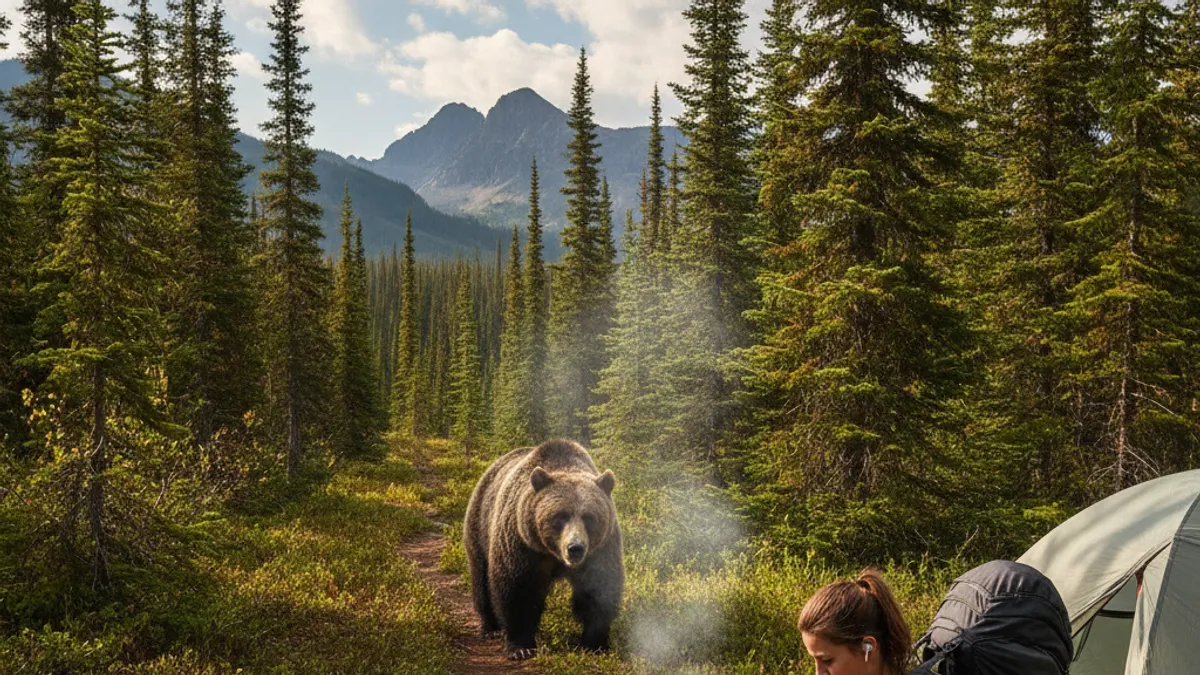
Many bear encounters become problematic due to simple, avoidable errors. One of the most frequent mistakes is traveling alone without making noise. This significantly increases the chance of surprising a bear, which is a leading cause of defensive attacks.
Another critical error is improper food storage. Leaving scented items carelessly in a tent or car can attract bears from miles away, creating a habituated animal that loses its natural fear of humans. This leads to increased conflicts and often the need to remove or euthanize the bear. Not realizing the difference between black bear and grizzly bear encounter protocols is also a major pitfall, potentially leading to a dangerous defensive strategy.
Knowing When to Reconsider Your Hike or Route
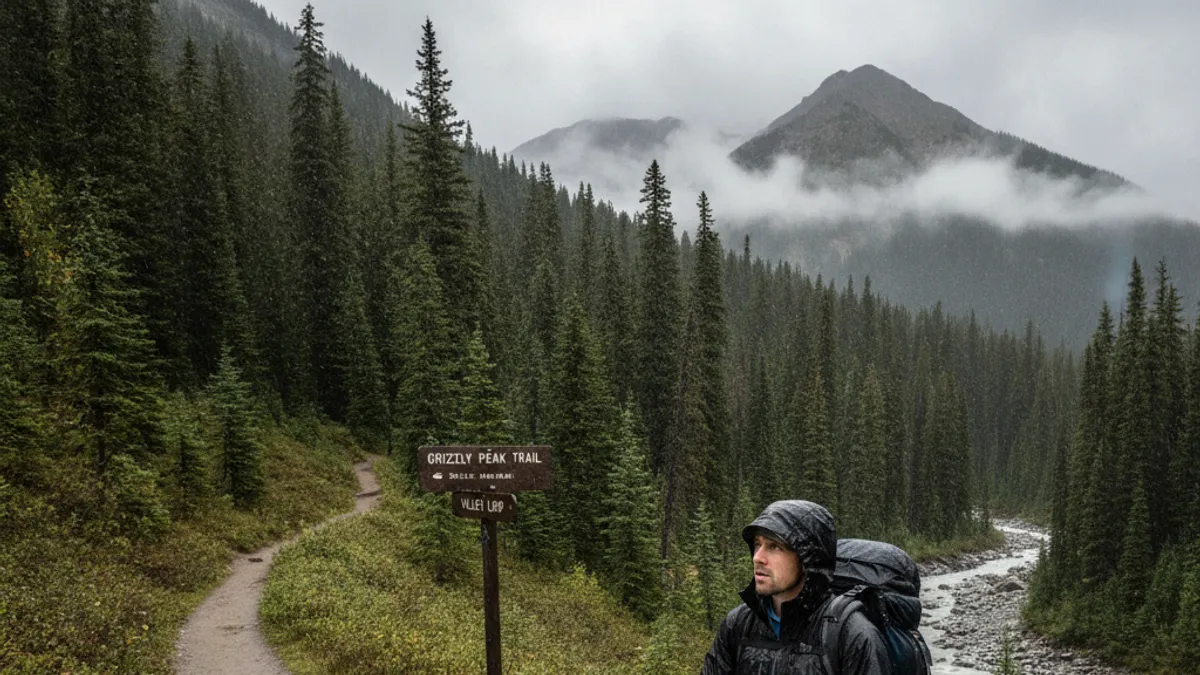
Sometimes, the safest decision is to alter your plans. If you encounter fresh, abundant signs of bear activity, like a lot of recent scat or tracks, especially on a narrow trail, it might be wise to turn back. This is particularly true if you are hiking alone or with children.
Consider the time of day and visibility. Hiking at dawn or dusk, or in dense fog, significantly increases the risk of surprise encounters. Heeding any official warnings or closures is also crucial. Many trail systems have specific routes recommended or, conversely, advised against, based on current bear activity.
Verified Bear Safety Resources
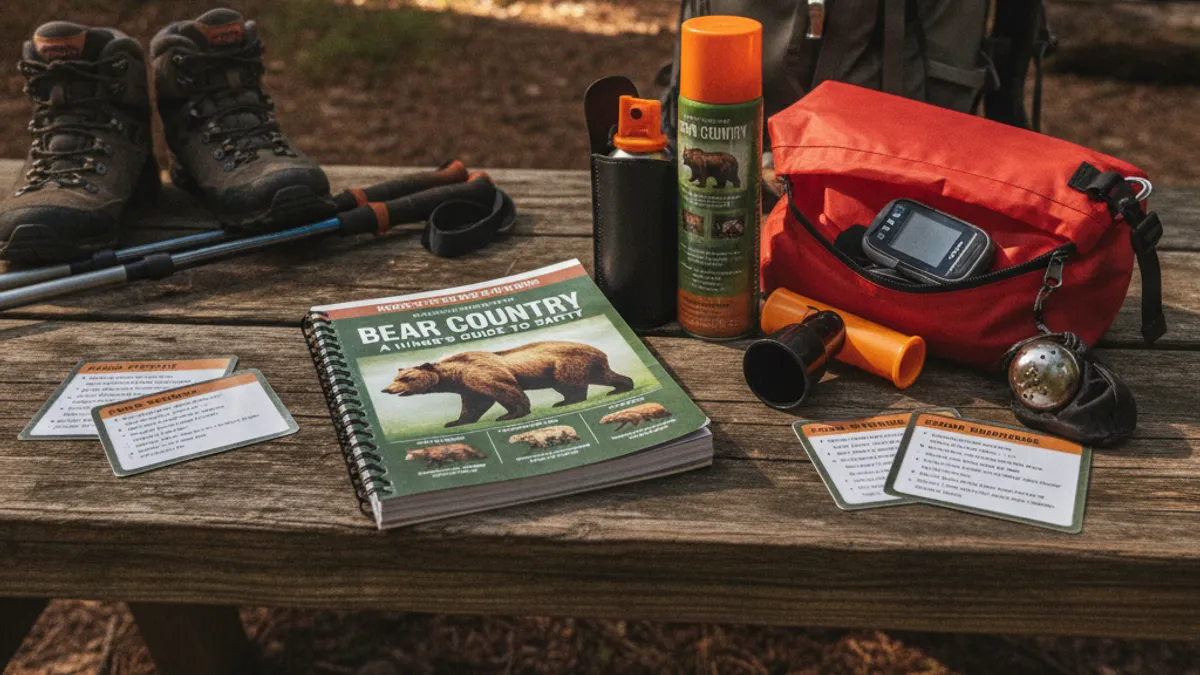
Relying on evidence-based information from official sources is essential for accurate bear safety practices. Wildlife agencies and park services invest heavily in research and often provide the most up-to-date and locally relevant guidance. These organizations work directly with wildlife biologists and researchers.
For instance, the U.S. Forest Service and the National Park Service publish comprehensive guidelines and advisories. These often detail best practices for food storage, bear spray usage, and encounter responses tailored to specific regions and species. Always consult their official websites and literature before heading into bear country.
