
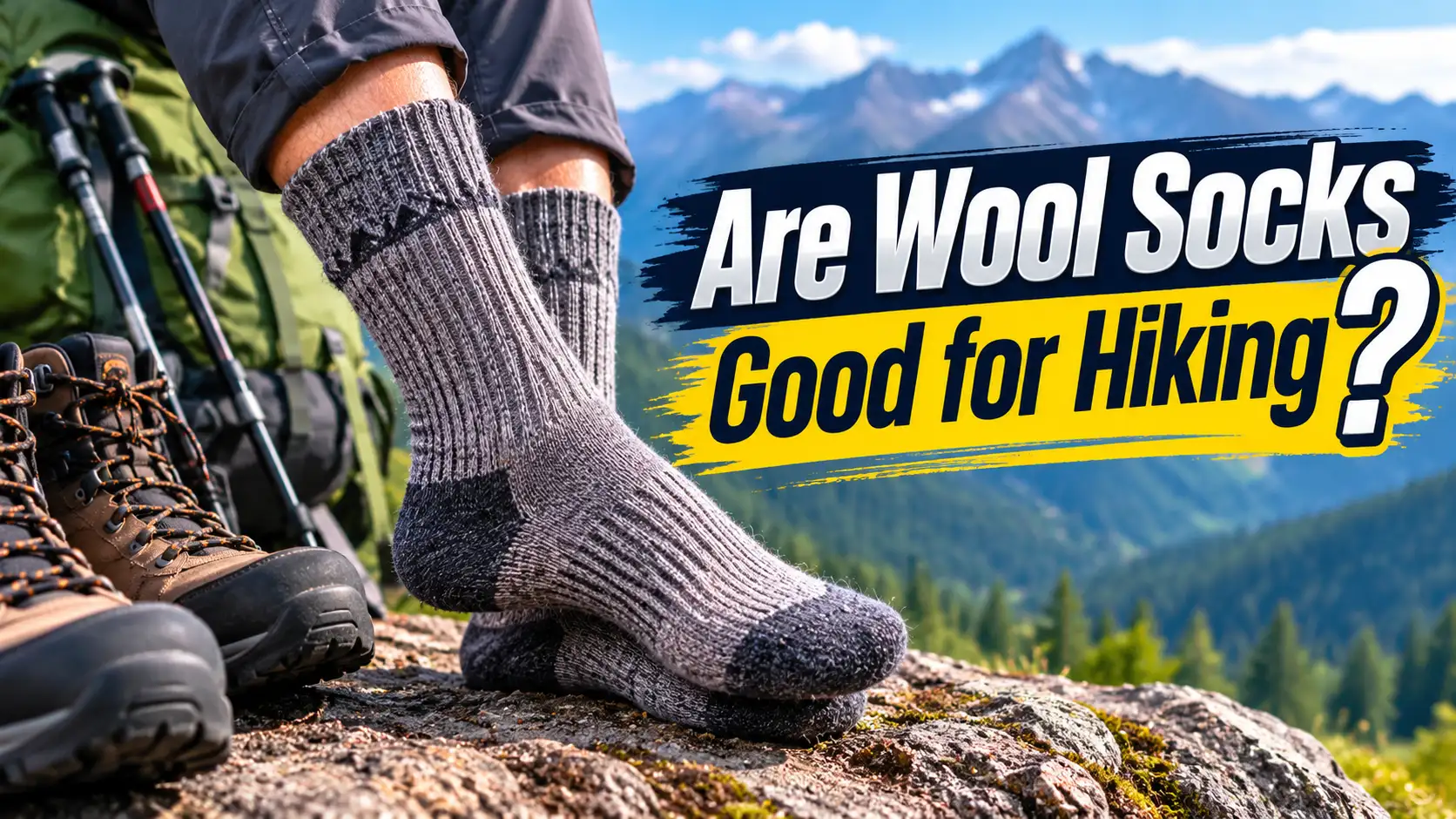
When you’re planning a hike, what goes on your feet often determines the success or failure of your entire outing. That’s why figuring out if wool socks are good for hiking is a question that pops up for practically every outdoor enthusiast. They’re praised by many, but are they truly the trail champion we’re told they are?
Our research and analysis of expert opinions confirm that wool hiking socks offer a compelling blend of comfort and performance, especially for longer treks. For instance, industry standards for outdoor apparel often cite merino wool’s ability to maintain thermal regulation, even when it’s damp, with some manufacturers specifying performance down to 20% moisture regain. This makes them a serious contender for your hiking gear.
Quick Answer: Why Wool Socks Rule the Trail
Yes, wool socks are generally excellent for hiking, particularly those made from Merino wool. They stand out due to their exceptional natural ability to manage moisture, regulate temperature, resist odor, and provide comfortable cushioning over long distances. Unlike cotton, which holds moisture and leads to blisters, wool fibers wick sweat away from your skin, keeping your feet drier and more comfortable in a wide range of conditions. This makes them a smart choice for everything from casual day hikes to challenging multi-day backpacking trips.
Wool Socks vs. Everything Else: The Showdown
When we talk about hiking socks, there’s a whole world of materials out there. Wool often takes center stage, but it’s not the only player. Understanding how wool stacks up against its main competitors helps you make the best choice for your feet.
Synthetic Socks: The Performance Contenders
Synthetic hiking socks, often made from polyester, nylon, or acrylic blends, are designed with performance in mind. Manufacturers engineer these materials specifically to wick moisture rapidly and dry quickly. This rapid drying is a significant advantage, especially in humid or wet environments where carrying excess water weight can be a problem.
Aggregate reviews show that synthetic socks can be very durable and offer good cushioning. They are also typically less expensive than high-quality wool socks, making them an accessible option for many hikers. However, many users report that synthetics tend to hold onto odor more persistently than wool, sometimes requiring more frequent washing on extended trips. This is a key trade-off for hikers planning to be out for days without access to laundry facilities.
The Case Against Cotton Socks for Hiking
If there’s one material experts universally advise against for hiking, it’s cotton. Cotton socks absorb moisture like a sponge and hold onto it. When your feet sweat or you encounter wet conditions, cotton socks become heavy, sodden, and can make your feet feel cold, even in moderate temperatures.
This lack of moisture management is a primary cause of blisters and chafing during hikes. The wet fibers create friction against your skin, and this constant dampness can lead to skin breakdown. While cotton might feel comfortable for casual wear, its performance on the trail is so poor that it’s rarely recommended for any sustained physical activity, especially hiking where your feet are your primary mode of transport. For any serious hiker, cotton socks are best left at home.
What Makes Wool Socks Great for Hiking? Features That Matter
The magic of wool hiking socks lies in their inherent properties, enhanced by careful engineering. These aren’t just any socks; they’re built to tackle the demands of the trail.
Merino Wool: The Star Player
At the top of the wool sock pyramid for hikers is Merino wool. This isn’t the coarse wool from your grandmother’s knit sweater. Merino wool fibers are incredibly fine, measuring between 11.5 to 24 microns in diameter. This fineness is what makes them so soft against the skin and prevents that characteristic itchiness sometimes associated with wool.
Merino wool’s natural cellular structure gives it a unique combination of benefits:
- Moisture Management: It can absorb a significant amount of water vapor (up to 30% of its weight) before feeling wet, wicking sweat away from your skin.
- Thermoregulation: It has natural insulating properties that help keep your feet warm in cool weather and remarkably comfortable in warmer conditions by allowing heat to escape.
- Odor Resistance: Wool contains natural antibacterial properties that prevent odor-causing bacteria from thriving. This means you can often wear the same pair for multiple days on a trek without them becoming unpleasant, a huge win for backpackers.
- Breathability: Despite its insulating qualities, it’s inherently breathable, allowing air circulation to prevent overheating.
Key Attributes: Cushioning, Fit, and Functionality
Beyond the fiber itself, how wool socks are constructed significantly impacts their performance on the trail. Manufacturers use various techniques to enhance comfort and durability.
- Cushioning: Wool socks come in different thicknesses, from lightweight liners to heavily cushioned models. This cushioning is strategically placed, often in the heel and toe areas, to provide shock absorption and reduce pressure points.
- Lightweight: Best for warmer weather and well-fitting shoes, offering minimal bulk.
- Midweight: The most common choice, offering a good balance of cushioning and warmth for various conditions.
- Heavyweight: Provides maximum cushioning and insulation for cold weather and long, multi-day trips.
- Arch Support: Many hikers appreciate socks with built-in elasticated bands around the arch. This feature provides gentle compression, offering support and helping to prevent the sock from bunching up inside your boot.
- Seamless Toe: A truly seamless toe construction means there’s no overlapping stitching in the toe box. This is crucial for preventing blisters, as any rough seam can rub and irritate your toes, especially on long downhill sections.
- Height: Sock height varies from ankle-length to crew or over-the-calf. Crew-length is the most popular for hiking as it provides protection against debris entering your boots and works well with most hiking boot heights, preventing chafing between the boot cuff and your leg.
The Real-World Benefits of Hiking in Wool Socks
It’s one thing to talk about fiber properties; it’s another to see how those translate into tangible advantages on the trail. Wool socks deliver a host of benefits that can make or break a hiking experience.
Blister Prevention: Your Feet’s Best Friend
This is arguably the biggest win for wool socks. Blisters are caused by friction, often exacerbated by moisture between your skin and your sock or boot. Wool’s superior moisture-wicking capabilities are key here. Because it pulls sweat away from your skin and dries relatively quickly, it creates a much drier environment for your feet.
This significantly reduces the friction that leads to those painful blisters.
Manufacturer specifications often highlight the moisture-wicking rates of their wool blends, with leading brands reporting moisture transfer rates up to 2-3 times faster than cotton. A dry foot is a happy foot, and happy feet mean you can focus on the scenery, not your pain. This benefit is especially pronounced on longer hikes or in hot, humid conditions.
Comfort in Every Climate
Wool’s natural thermoregulation means it’s not just for winter. While it excels at keeping feet warm in cold conditions, it also performs admirably in heat. This might seem counterintuitive, but wool’s breathability allows air to circulate and heat to escape, preventing your feet from becoming a swamp.
In cool weather, the fine fibers trap air, creating an insulating layer that keeps you warm even if the socks get a bit damp from sweat or an unexpected creek crossing. The ability to be comfortable in a wider range of temperatures with a single pair of socks simplifies packing and preparation. This versatility makes wool an excellent all-season choice for many hikers.
Odor Resistance: Fresher for Longer
On multi-day hikes, or even just extended day trips, managing foot odor becomes a real consideration. Wool’s natural antimicrobial properties are fantastic at inhibiting the growth of odor-causing bacteria. This means you can often wear a pair of wool socks for several days in a row without them developing that strong, unpleasant smell common to synthetic or cotton socks.
This odor resistance is not just about pleasantries; it can also be a practical advantage. For thru-hikers or backpackers on extended expeditions, the ability to go longer between washes can save time, water, and weight in their pack. Aggregated user feedback consistently praises wool socks for their ability to stay relatively fresh on week-long treks.
Potential Downsides: When Wool Might Fall Short
While wool socks boast many advantages, they aren’t a perfect solution for every single hiking scenario or hiker. Being aware of their limitations helps you choose wisely.
Cost and Care Considerations
High-quality wool hiking socks, especially those made from fine Merino wool, typically come with a higher price tag than their synthetic counterparts. Manufacturers invest in sourcing premium fibers and specialized knitting techniques, which is reflected in the cost. Expect to pay anywhere from $15 to $30 or more for a single pair.
Additionally, wool requires a bit more careful handling when it comes to washing. While many modern wool socks are machine washable, they often do best on a cold or delicate cycle with mild detergent. Harsh agitation, high heat, or tumble drying can cause the fibers to felt and shrink. For the best longevity, hand washing and air drying is often recommended, which can be a drawback for those who prefer a purely “throw it in the wash” approach.
Weight and Bulk
While advancements in fiber technology have led to lighter and thinner wool socks, some heavier-weight or heavily cushioned wool options can be bulkier than comparable synthetic socks. This extra bulk might be undesirable if you’re trying to maximize space in your backpack or if you have very tight-fitting boots where every millimeter counts.
For extremely hot and humid conditions where maximum breathability and rapid drying are the absolute top priorities over insulation or cushioning, some hikers might opt for very specialized, ultra-lightweight synthetic liners or socks. However, for the vast majority of hiking conditions, wool’s balance of features usually outweighs this potential drawback.
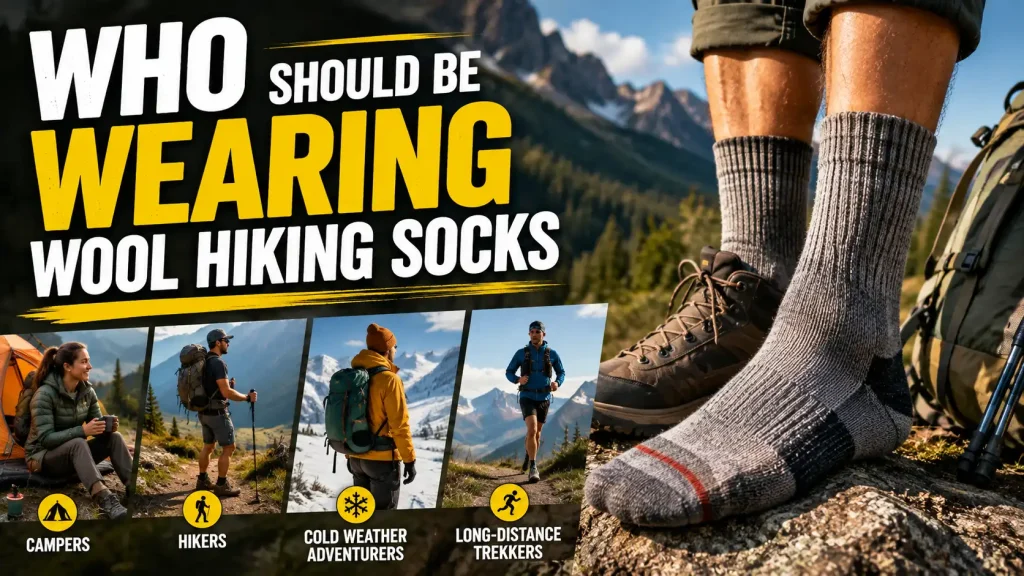
Who Should Be Wearing Wool Hiking Socks?
Wool hiking socks are a fantastic choice for a broad spectrum of hikers, but they really shine for certain types of trails and individuals. Understanding who benefits most can help you decide if they’re the right fit for your adventures.
Day Hikers and Backpackers
For anyone who enjoys spending a day on the trail, wool socks offer a significant upgrade in comfort. They help prevent the common issues that can arise from sweating on a moderate hike, like dampness or the start of blisters, even on shorter outings. The odor resistance is a nice bonus for day hikers too, allowing socks to be re-worn if needed between washes.
When you transition to backpacking, especially for multi-day trips, the advantages of wool become even more pronounced. The ability to wear the same pair of socks for multiple consecutive days without them becoming unbearably smelly or uncomfortable is invaluable. Imagine a week-long trek: going from needing 5-7 pairs of socks to perhaps 2-3 pairs can make a real difference in pack weight and organization. This is where wool truly earns its keep for serious backpackers.
Specific Climate Needs
Wool’s inherent ability to adapt to different temperatures makes it a go-to material for hikers tackling varied climates.
- Cool and Cold Weather: Wool provides excellent insulation, trapping heat to keep your feet warm when temperatures drop. Importantly, it retains much of its insulating capability even when damp, a crucial factor when hiking in unpredictable fall or winter conditions. This is why many hikers pack at least one pair of warmer wool socks when venturing out in colder months, similar to how they might consider best hiking gloves for cold weather.
- Warm and Humid Weather: Surprisingly, wool can also be a good choice in warm weather, particularly if you’re prone to sweaty feet. Its moisture-wicking properties are superior to cotton, and it breathes well. While ultra-lightweight synthetics might dry faster, many find wool offers better overall comfort by managing moisture before it becomes a problem, preventing that clammy feeling that can lead to blisters. If you’re hiking in a place like the Pacific Northwest or the Appalachians, where weather can change rapidly and humidity is common, wool offers broad utility. Even if you’re just out for a few hours, what to bring on a day hike should include good socks.
Common Hiking Sock Mistakes to Sidestep
Many hikers, even experienced ones, can fall into common traps when choosing or using their socks. Avoiding these pitfalls can save you a lot of discomfort and protect your feet on the trail. These errors often stem from a misunderstanding of how different sock features interact with your footwear and the hiking conditions themselves.
The Wrong Sock Height
The height of your sock matters more than you might think. Pairing ankle-high socks with sturdy hiking boots, for instance, can leave your skin exposed and vulnerable. The boot cuff can rub directly against your skin, causing chafing, especially when combined with a sock that might slide down. Conversely, excessively tall socks can sometimes bunch uncomfortably under certain boot styles or lower-cut trail shoes, creating pressure points.
Ignoring Cushioning and Thickness
Not all trails demand the same level of cushioning. Underestimating the need for adequate padding can lead to sore feet on rocky terrain or during long descents. Conversely, choosing overly thick, heavily cushioned socks for a hot summer day can lead to overheating and excessive sweating, increasing the risk of blisters despite the padding. The ideal thickness is a balance between the terrain, the length of your hike, and the fit of your boots; for example, a hiker tackling the rough terrain of the Appalachian Trail might benefit greatly from a hiking workout plan for beginners coupled with appropriately cushioned socks.
Improper Care Leading to Damage
As mentioned earlier, wool socks require a bit of care. The most common mistake is machine drying them on high heat or washing them with harsh detergents. This can cause premature wear, shrinkage, and loss of elasticity, significantly reducing the sock’s lifespan and performance. Treating your wool socks gently, much like you would your other performance outdoor gear, ensures they continue to provide comfort and support on countless adventures.
Expert Tips for Choosing and Using Wool Hiking Socks
Making the right choice and using your wool socks correctly can elevate your hiking experience. These tips come from insights gathered from textile experts and seasoned trail users.
Fitting is Key: The Right Size Matters
A well-fitting sock is fundamental to preventing discomfort and blisters. Your wool socks should fit snugly but not be too tight, which can restrict circulation. They should hug your foot and ankle without significant wrinkling or bunching, especially in the heel and toe areas.
Too much extra material can lead to friction points, while socks that are too small can cut off circulation or become uncomfortable quickly. When trying on socks, it’s always best to wear them with the same type of hiking boots or shoes you plan to use on the trail. This allows you to assess the fit and feel accurately, just as you would when learning how to choose hiking boots.
Caring for Your Wool Wonders
To maximize the lifespan and performance of your wool hiking socks, follow these simple care guidelines. Most manufacturers recommend washing your wool socks in cold water on a gentle cycle. Avoid using fabric softeners or bleach, as these can degrade the wool fibers over time.
Instead of machine drying, which can cause shrinkage and damage, air dry your socks. Lay them flat on a towel away from direct heat or sunlight. This gentle approach preserves the wool’s natural elasticity and structure, ensuring they remain comfortable and supportive for years. For those embarking on thru-hikes, understanding sock care is as crucial as managing hiking meal prep ideas.
Final Verdict: Are Wool Socks Worth It for Your Next Hike?
After breaking down the features, benefits, and considerations, the answer is a resounding yes for most hikers. Wool hiking socks offer a superior combination of comfort, moisture management, temperature regulation, and odor resistance that other materials struggle to match. While they may come with a higher initial cost and require slightly more meticulous care, the performance benefits and the reduction in common hiking discomforts like blisters make them a wise investment for any serious outdoor enthusiast.
They are particularly well-suited for those who hike regularly, embark on longer treks, or venture into varied weather conditions. If you’re looking to upgrade your hiking experience and give your feet the support and comfort they deserve, a good pair of wool socks is one of the best gear decisions you can make. Consider them an essential part of your kit, like appropriate hydration with how to stay hydrated on a hike.
