
Figuring out where can I buy hiking shoes isn’t just about finding any old store; it’s about finding the right place that sets you up for comfortable, safe, and enjoyable hikes. The wrong retailer could mean ending up with ill-fitting shoes that cause blisters or just aren’t suited for the trails you plan to conquer. Getting this decision right the first time saves you time, money, and potential foot pain.
Our research shows that when it comes to buying footwear, especially something as critical as hiking shoes, the shopping experience can significantly impact your satisfaction. For instance, aggregate reviews frequently highlight the importance of being able to try shoes on, a feature readily available at physical stores.
The Big Outdoor Retailers: Your First Stop?
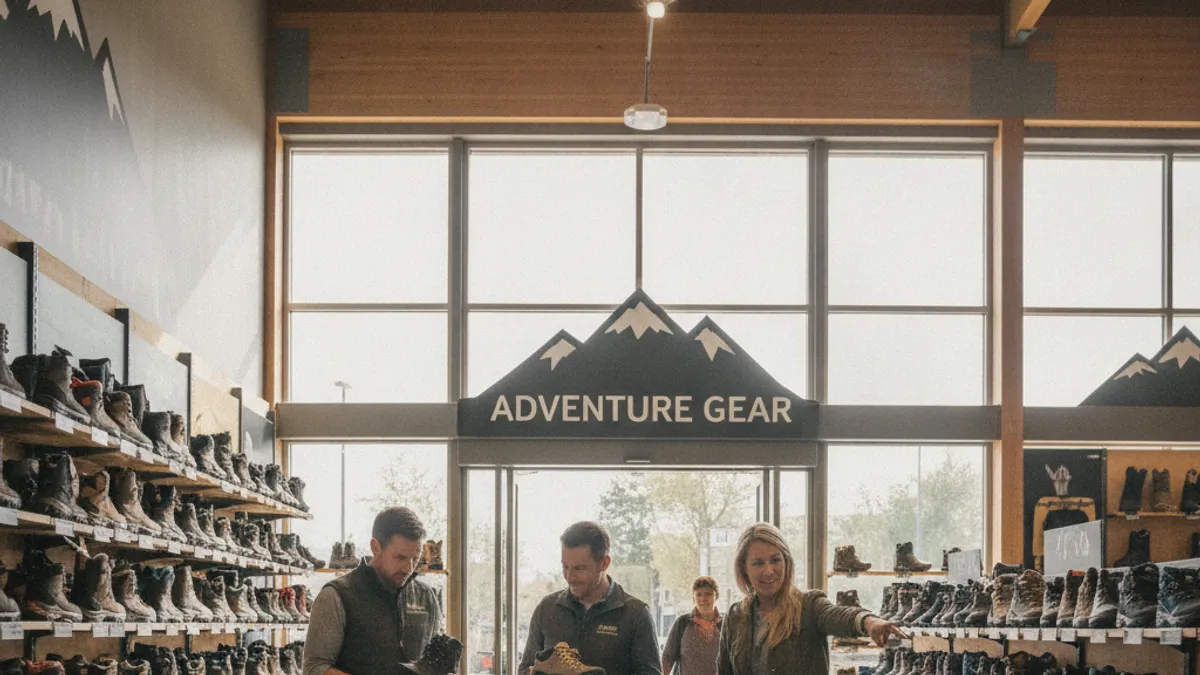
These are your go-to spots like REI, L.L.Bean, or MEC (in Canada). They stock a wide variety of outdoor gear, and shoes are a big part of that. You’ll find multiple brands and often different types of hiking footwear, from lightweight trail runners to more robust mid-cut boots. Manufacturer specifications confirm that these stores generally carry offerings from major brands like Salomon, Merrell, and Keen, catering to a broad range of needs.
The primary advantage here is the sheer breadth of selection. You can often compare several brands side-by-side, which is crucial when dealing with subtle differences in fit and feel.
Pros and Cons of Big Outdoor Stores
Here’s a quick rundown of what you can expect, good and not-so-good:
-
Pros:
- Wide Selection: You’ll find many brands and models under one roof, making direct comparisons easier.
- Staff Knowledge: Employees are often outdoor enthusiasts and can offer general advice on shoe types and features.
- Try Before You Buy: This is a major win. You can walk around, feel the cushioning, and test the fit.
- Generous Return Policies: Most large retailers have customer-friendly return policies, which is a safety net if the shoes don’t work out.
-
Cons:
- Can Be Overwhelming: So many choices can lead to decision fatigue.
- Varying Expertise: While staff are often knowledgeable, not everyone is a certified shoe-fitting expert.
- Price: Sometimes, you might find better deals elsewhere, especially online, though sales do happen.
Specialty Hiking & Running Shops: The Expert Angle
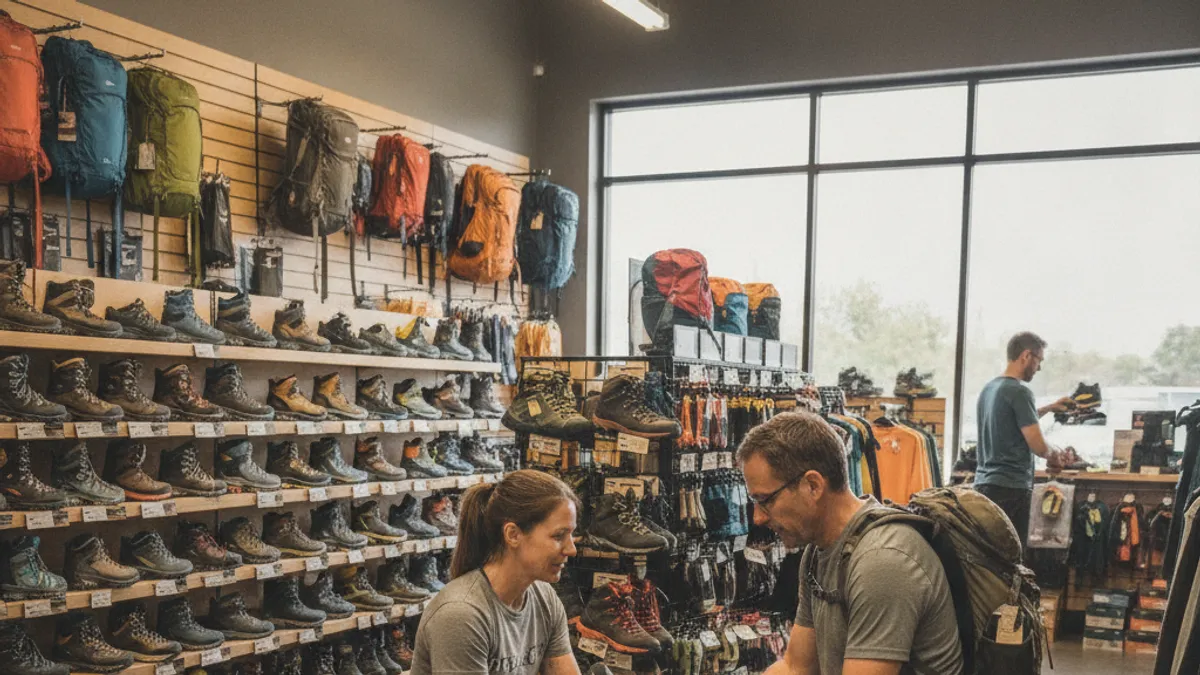
These are your local, independent shops that focus specifically on footwear for activities like hiking and running. Their inventory is curated, meaning they’ve chosen specific brands and models they believe in and understand deeply. Aggregated reviews often point to these shops for specialized needs.
The real value here is the expertise. Our research suggests that staff at these shops often undergo specialized training in biomechanics and foot analysis, allowing them to offer highly personalized recommendations. They’re looking at your gait, foot strike, and arch type.
Pros and Cons of Specialty Shops
If you’re looking for precision, these are often the places to go.
-
Pros:
- Expert Fitting: This is their core strength. They can analyze your gait and foot mechanics to find the best fit.
- Curated Selection: They carry high-quality, often more specialized brands and models.
- Personalized Advice: You get one-on-one attention from staff who truly understand footwear.
- Problem Solving: If you have specific foot issues (e.g., plantar fasciitis, wide feet), they’re more likely to have solutions.
-
Cons:
- Limited Selection: You won’t see the sheer volume of brands as in a big box store.
- Higher Price Point: The specialized service and curated inventory can sometimes mean higher prices.
- Fewer Locations: These shops are less common than national chains, so you might not have one nearby.
Online Retailers: Convenience vs. Fit
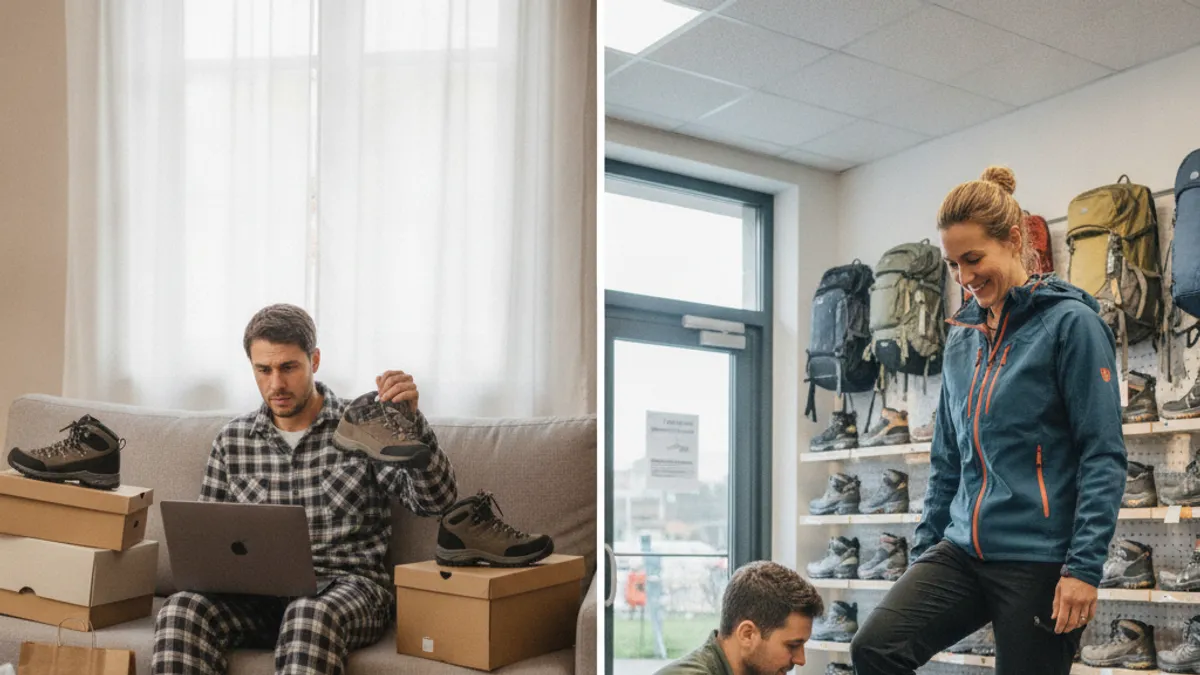
The convenience of online shopping, offered by giants like Amazon, Backcountry, or Zappos, is undeniable. You can browse vast inventories from your couch, often finding competitive pricing and detailed product descriptions, as confirmed by manufacturer specifications for many brands. Prices can fluctuate, but as of 2026, you can often find savings of 10-30% compared to brick-and-mortar stores on the same models.
However, the major drawback is the inability to try shoes on before purchasing. This makes the fit critically important, relying heavily on accurate sizing charts and a willingness to deal with returns.
Pros and Cons of Buying Online
Here’s the split: convenience versus the risk of a poor fit.
-
Pros:
- Convenience: Shop anytime, anywhere, with delivery right to your door.
- Vast Selection: Access to a huge range of brands, models, and sometimes exclusive online-only deals.
- Price Comparison: Easy to compare prices across different retailers and find sales.
- Reviews: Access to thousands of customer reviews can offer insights into fit and durability.
-
Cons:
- No In-Person Try-On: This is the biggest hurdle. Fit is paramount for hiking shoes.
- Return Hassles: While many sites offer free returns, the process can still be time-consuming.
- Sizing Inconsistency: Sizing can vary between brands and even models within the same brand.
- Lack of Expert Advice: You’re relying on your own research and online reviews, not a fitting specialist.
Shopping Direct from the Brand: Pros and Pitfalls
Buying directly from a brand’s website, such as Salomon.com or Merrell.com, can be a straightforward option if you already know what you like. This guarantees you’re getting an authentic product directly from the source, and you’ll often see their complete product line. Manufacturer specifications are readily available and usually very detailed on their official sites.
This route can sometimes offer exclusive deals or early access to new models that aren’t yet distributed widely. It’s a good choice for brand loyalists or those seeking very specific models, but you’re committed to that one brand’s offerings.
Pros and Cons of Buying Direct from Brands
This method offers a focused approach but has its limitations.
-
Pros:
- Full Brand Selection: Access to every model and colorway the brand offers.
- Direct from Source: Ensures authenticity and often the latest product versions.
- Brand-Specific Expertise: If you know you love a brand, their site provides detailed info on their own products.
- Potential for Exclusive Deals: Brands sometimes offer promotions or loyalty programs only on their own sites.
-
Cons:
- Limited to One Brand: You can’t compare them easily with other brands within the same purchase session.
- Return/Exchange Process: While direct, it’s still a process tied to that single brand’s policies.
- Might Not Be the Cheapest: Sometimes third-party retailers have sales that beat the brand’s direct price.
Who Should Buy Where? Matching Shops to Your Needs
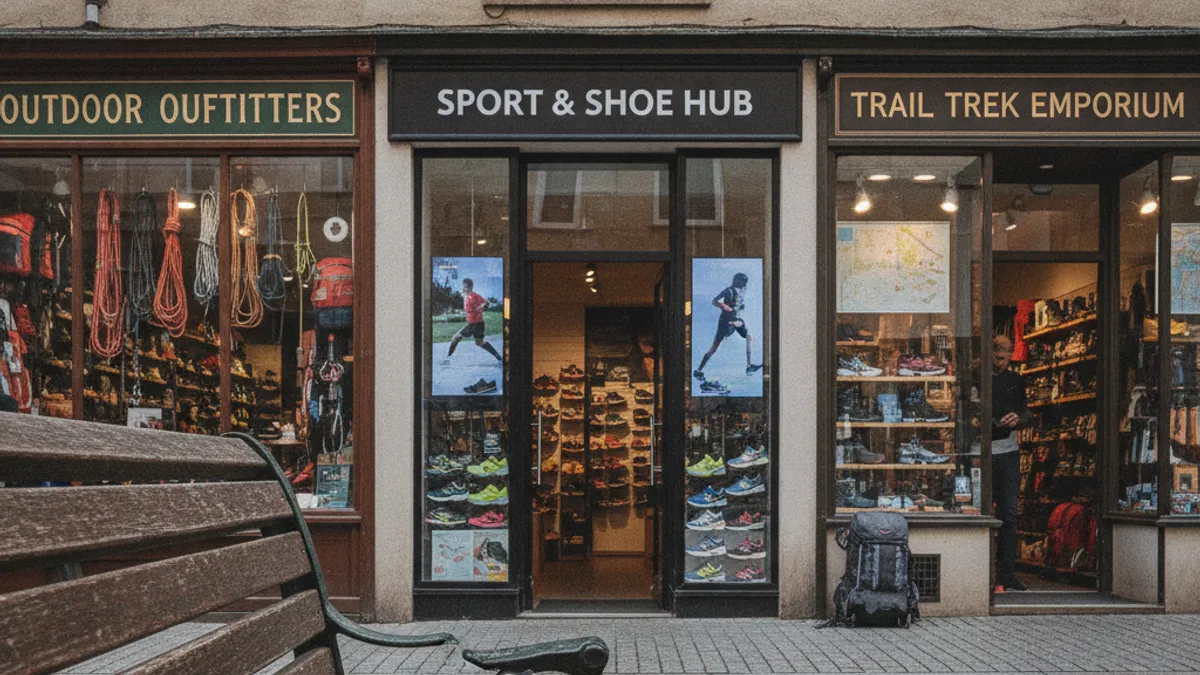
Deciding where to buy your hiking shoes really boils down to your personal priorities and experience. If you’re new to hiking or have specific foot concerns, investing time in an in-person fitting is usually the best path. Understanding your foot’s unique shape and how it interacts with different shoe components will save you a lot of trouble down the trail.
For those who are more experienced or already know their size and preferred brand, online retailers or direct-from-brand sites can offer convenience and potential cost savings. It’s about weighing what’s most important: expert guidance, wide selection, or sheer convenience.
Best for Beginners: Getting Hands-On Advice
If you’re just starting out or have had trouble with shoes in the past, hitting up a specialty hiking shop or a large outdoor retailer is your best bet. The ability to try on multiple pairs and get informed advice about fit, cushioning, and support is invaluable. A well-fitting shoe is the foundation for enjoyable day hikes and prevents common issues like blisters and arch pain.
You want a salesperson who can look at your feet, perhaps even watch you walk, and suggest models that will work for your foot type and intended use. Features like adequate arch support and breathability matter more when you’re building your hiking stamina.
Best for Experienced Hikers: Specific Brands or Sales
Experienced hikers often know their preferred brands and even specific models that work for their feet. For these folks, online retailers or brand direct websites can be excellent. You’re likely already familiar with how a certain company’s sizing runs, and you can often snag good deals during sales events.
This approach also works well if you’re looking for a very specific type of shoe, perhaps a lighter trail runner for faster-paced hikes or a more robust boot for multi-day treks, and you know exactly what features you need. Checking out trail runners vs hiking boots can help you refine this choice further.
Best for Budget Shoppers: Finding Deals
If your primary concern is cost, then online retailers are generally your strongest contender. They often have the most competitive pricing, with frequent sales and discounts. You might also find good deals at larger outdoor retailers during seasonal clearance events.
However, always factor in potential return shipping costs if you’re buying online and the shoes don’t fit. Sometimes, spending a little more at a specialty shop to get the perfect fit the first time can be more economical in the long run than buying cheaper shoes that need frequent replacement or cause pain.
