
You’ve probably asked yourself, “where can i buy hiking pants?” when planning your next adventure. It’s a simple question, but the answer involves more than just knowing a store name. The right pair of hiking pants can dramatically improve your comfort and performance on the trail, shielding you from elements and allowing free movement.
When you’re out there, these pants are working hard: protecting against sun and branches, managing sweat, and keeping you comfortable through changing conditions. Manufacturer specifications often point to materials like ripstop nylon, which boasts a high tensile strength and excellent resistance to tears, often rated with a denier number above 100 for durability. Let’s break down what you really need to know before you start shopping.
Quick Answer: Where to Find Hiking Pants
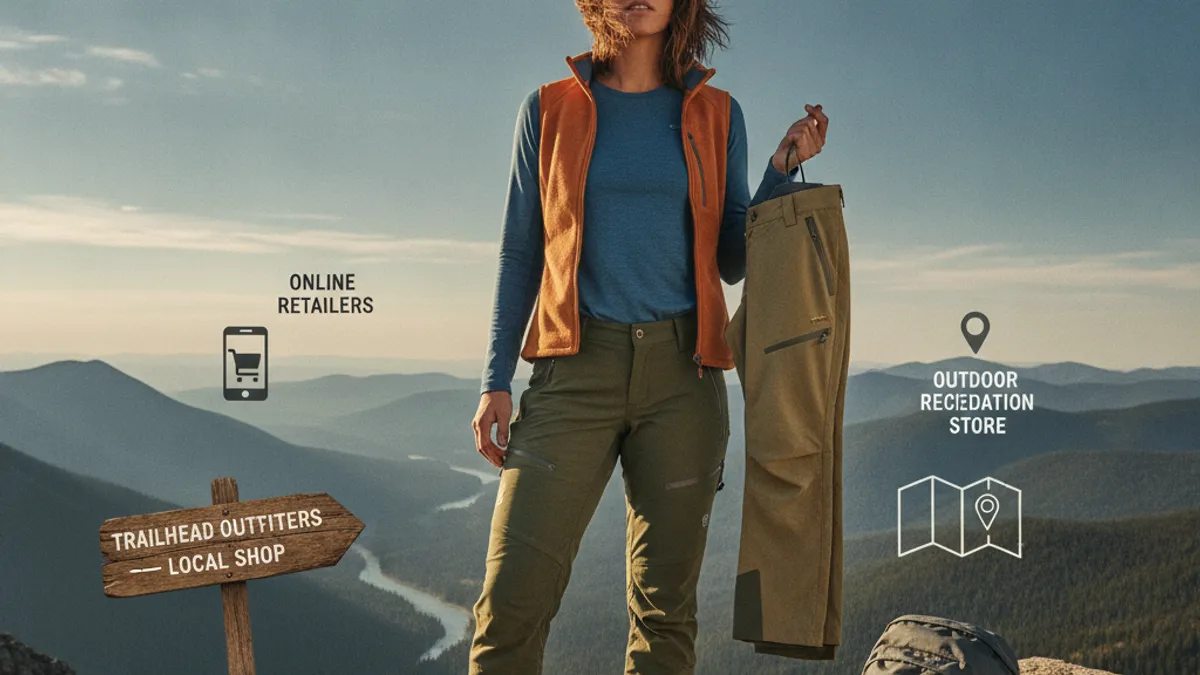
You can find hiking pants at a variety of retailers, both online and in physical stores. For the widest selection and to compare different brands and features easily, outdoor gear specialists, sporting goods stores, and large online marketplaces are generally your best bet. Think of places that focus on outdoor recreation, as they typically stock a range of options designed for durability and comfort during activities like hiking and backpacking.
Hiking Pants: More Than Just Fabric
Hiking pants do a lot more than just cover your legs. They’re an essential piece of gear that directly impacts your experience on the trail. Our research shows that materials and design features play a critical role in everything from preventing chafing to keeping you dry in a sudden downpour.
The specific type of hiking you’re doing heavily influences which pants will serve you best. A quick day hike on a well-maintained path might only require a basic, comfortable pair. However, venturing into rugged terrain or facing unpredictable weather demands specialized features like enhanced durability and reliable water protection, as confirmed by aggregate buyer feedback.
Types of Hiking Pants: Your Options Explained
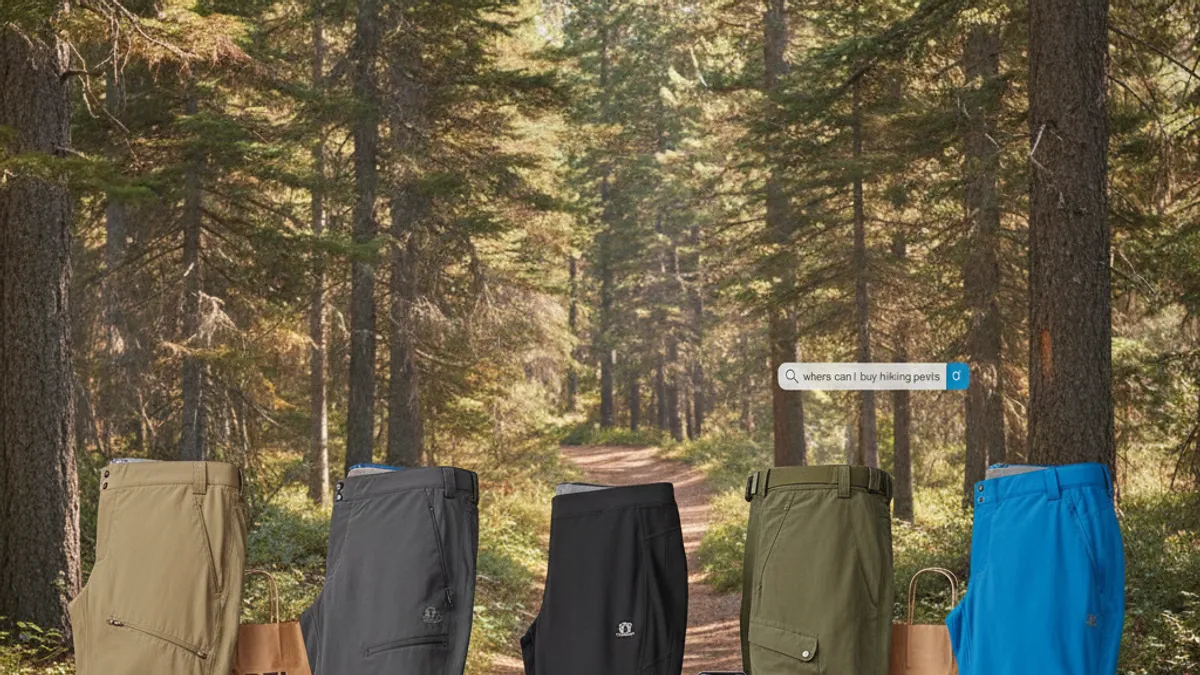
The market offers a spectrum of hiking pants, each designed with specific conditions and user needs in mind. Understanding these categories is the first step to making an informed purchase. It’s not just about color or brand, but about the fundamental construction and intended performance.
1. Durable Synthetics: The All-Arounders
These are your go-to pants for most general hiking and backpacking scenarios. Usually crafted from nylon or polyester blends, sometimes with a touch of spandex for added stretch, they strike a great balance between toughness and comfort. Aggregate reviews report their resilience against snags from branches and rocks, making them a reliable choice for varied trails.
- What to expect: High durability, decent water resistance (they’ll shed light drizzle but aren’t waterproof), and good breathability for active use. Many also come with UPF protection to shield your skin from the sun, a critical factor on exposed trails. Manufacturer specifications often indicate UPF 30 or higher for these models.
- Best for: Moderate weather, variable terrain, day hikes, and general backpacking trips where you need something robust yet comfortable.
- Things to consider: While water-resistant, they won’t keep you dry in sustained heavy rain. They might feel a bit stiff initially but tend to soften up with wear.
2. Convertible Pants: The Temperature Tamer
Convertible hiking pants are a popular choice for their incredible versatility. The defining feature here is the zipper located around the knee, allowing you to easily transform them from full-length pants into shorts. This functionality is a huge advantage when you’re dealing with rapidly changing weather or significant temperature swings during your hike.
- What to expect: These pants are typically made from lightweight, quick-drying synthetic fabrics. They excel in breathability, which is key for comfort when you’re working up a sweat. The ability to switch between pants and shorts without carrying multiple items is a major plus for many hikers.
- Best for: Hot weather hiking, trail running, travel, and any situation where you anticipate significant temperature fluctuations throughout the day.
- Things to consider: While convenient, some hikers find the zippers can occasionally cause irritation around the knee depending on the fit and activity. The zipper seams can also be a potential weak point for durability compared to a solid-fabric pant.
3. Waterproof & Breathable: For the Toughest Conditions
When your adventures take you into seriously wet or windy environments, waterproof and breathable hiking pants become essential. These are designed with advanced fabric membranes, like those from Gore-Tex or similar proprietary technologies, to provide a complete barrier against external moisture. Their primary function is to keep you bone dry, no matter what the weather throws at you.
- What to expect: These pants offer absolute protection from rain and wind. Many now include features like thigh vents or zippered leg openings to help regulate temperature and allow moisture vapor to escape, mitigating that clammy feeling that can come with fully waterproof gear. Per industry standards, truly waterproof pants are rated to withstand a certain water column pressure.
- Best for: Consistent rainy conditions, mountaineering, expeditions, and any scenario where staying completely dry is paramount for safety and comfort.
- Things to consider: They are generally more expensive, can be heavier than other types, and might feel less comfortable and breathable if worn in dry, warm conditions where true waterproofing isn’t needed.
Key Features That Make a Difference
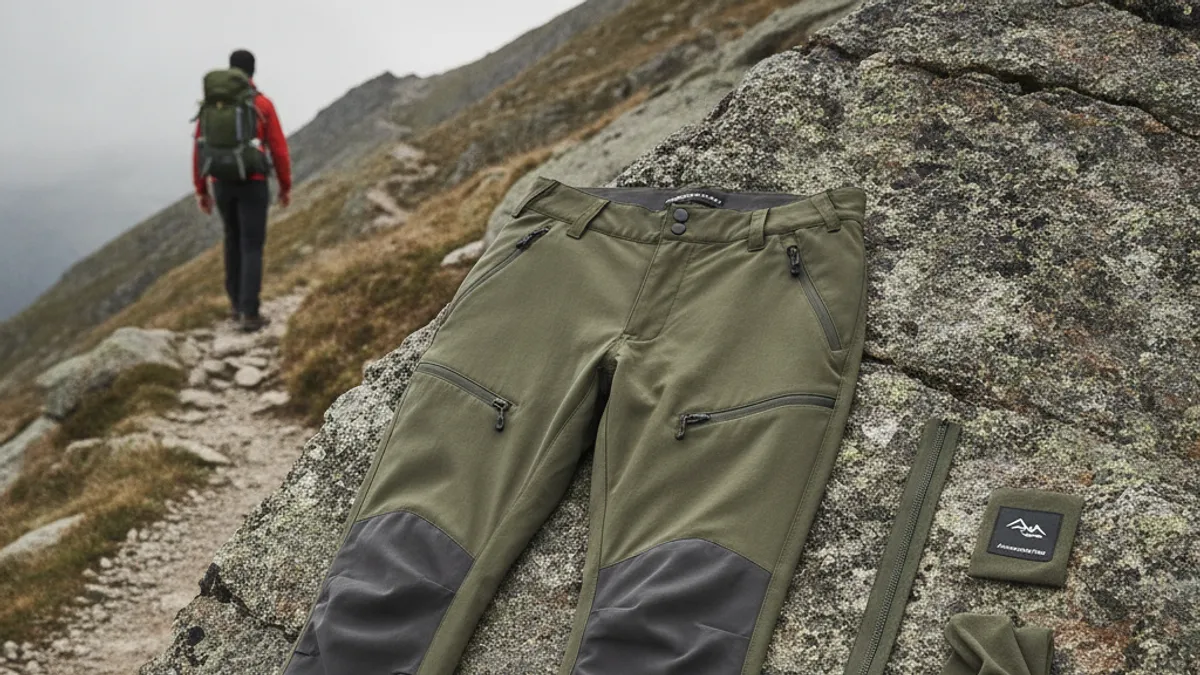
When you’re comparing different hiking pants, beyond the basic type, several specific features will significantly impact your comfort and the pants’ performance. These details often separate a good pair from a great pair, especially for longer or more demanding hikes. Understanding these attributes helps you make a choice aligned with your specific needs.
Durability, Stretch, and Quick-Drying
Manufacturers often emphasize the durability of their hiking pants, and for good reason. Fabrics like ripstop nylon are engineered to resist tears and abrasions, crucial when you’re navigating thorny bushes or rocky slopes. Our research indicates that materials with a higher denier count generally offer greater toughness. At the same time, a bit of stretch, usually from spandex or elastane blends, is vital for freedom of movement during climbs and long strides.
You’ll also want pants that dry quickly; this wicking property is essential for managing sweat and preventing discomfort after you cross a stream or get caught in a brief shower. Many brands boast that their fabrics can dry in under 30 minutes, which is ideal for fast-paced trips.
Water Resistance vs. Waterproofing
It’s easy to confuse water-resistant and waterproof, but they’re quite different in performance. Water-resistant pants will shed light rain or drizzle for a period, thanks to a DWR (Durable Water Repellent) coating. This coating causes water to bead up and roll off. Reputable manufacturers will often cite specific DWR treatments used.
Waterproof pants, on the other hand, are constructed with a waterproof membrane, often sealed with taped seams to prevent any water from seeping through. These are built for sustained downpours. While they offer superior protection against the elements, they can sometimes be less breathable, which is why features like external vents become important.
Features for Comfort and Mobility
Beyond the fabric itself, the design elements of hiking pants contribute significantly to your experience. Look for features like articulated knees, which are shaped to allow for easier bending and squatting without the fabric pulling. A gusseted crotch provides extra room and reduces strain on the seams, improving durability and comfort during high-movement activities. Waistband adjustments, whether with integrated belts, drawcords, or elastic panels, help ensure a snug, comfortable fit that prevents sagging or slipping.
The placement and number of pockets are also worth considering; some hikers prefer minimal pockets for a streamlined feel, while others want ample storage for essentials.
Who Needs What: Matching Pants to Your Hike
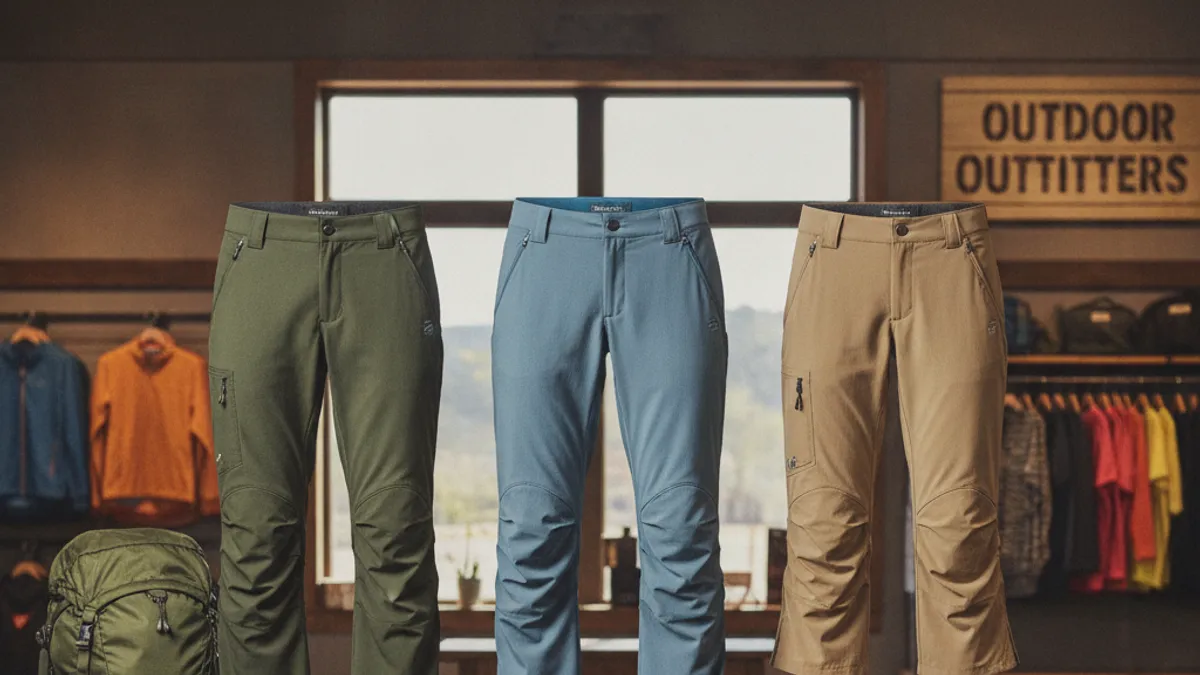
Choosing the right hiking pants really boils down to matching your gear to your intended activities and the environments you’ll be exploring. What works perfectly for a hot desert hike might be miserable on a damp mountain trail. This section helps you narrow down the options based on common hiking scenarios.
Best for Warm Weather & Day Hikes
For warmer climates or extended day hikes where breathability and lightness are key, a pair of lightweight, quick-drying synthetic pants or even convertible pants are your top choices. Look for fabrics that actively wick moisture away from your skin. Many of these pants will also offer UPF 30+ sun protection, which is crucial for long days exposed to the sun. The ability to convert to shorts provides an extra layer of adaptability if temperatures fluctuate or if you plan on cooling off in water sources.
Pants designed with ample ventilation, such as mesh panels or looser weaves, will help minimize overheating when the mercury rises.
Best for Variable Conditions & Backpacking
If your hikes involve unpredictable weather, carrying a pack, or traversing varied terrain where durability is paramount, then a robust pair of durable synthetic pants is likely your best bet. These offer a good compromise between protection and comfort. Convertible pants remain a strong contender here due to their adaptability, but you might lean towards a slightly heavier-duty fabric than you would for a purely hot-weather scenario. The key is finding pants that can handle a bit of everything without being overly cumbersome.
Consider models with integrated features like adjustable waistbands or reinforced areas around the knees and seat.
Best for Wet & Windy Adventures
For those aiming to trek through consistent rain, high winds, or genuinely challenging conditions, investing in fully waterproof and breathable hiking pants is non-negotiable. These garments are built with technical membranes designed to keep external moisture out while allowing internal perspiration vapor to escape. Manufacturers like Gore-Tex have set industry benchmarks for this type of gear. Proper fit is crucial here; you want them to be loose enough to wear over a base layer if needed but not so baggy that they impede movement.
Look for features like full-length side zippers for easy on-and-off over boots and adjustable cuffs to seal out drafts.
Common Mistakes When Buying Hiking Pants
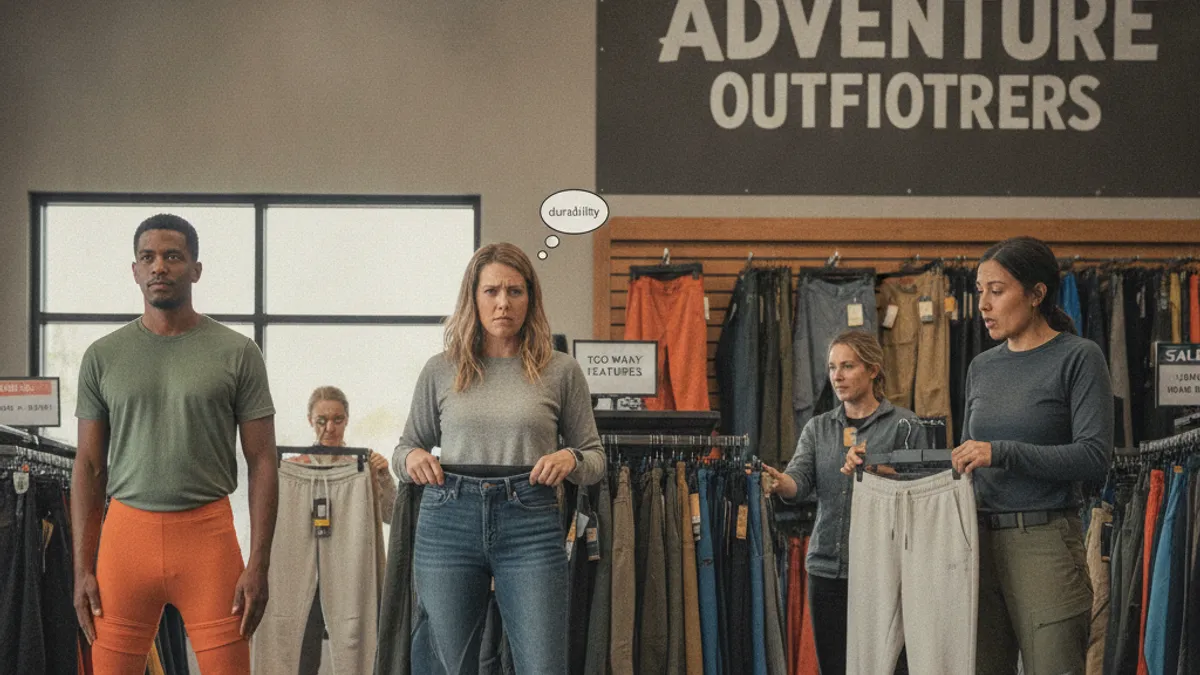
You’ve seen the options, but it’s easy to make a misstep when shopping for hiking pants. One common error is focusing solely on price without considering the intended use. Buying the cheapest pair might save money upfront but could lead to discomfort or premature wear on the trail.
Another frequent mistake is overlooking the importance of fit. Pants might look good on the hanger, but if they restrict your movement during a hike, they’re not the right choice. We’ve seen feedback where buyers regretted not prioritizing stretch and articulation, features vital for navigating uneven terrain. Overly bulky pants can also be a nuisance, snagging on branches more easily and adding unnecessary weight to your pack.
Why Does Fit Matter So Much?
The fit of your hiking pants directly impacts your comfort and mobility. Pants that are too tight will restrict your stride and can lead to chafing, especially on longer hikes. Conversely, pants that are too loose can sag, bunch up, and increase your risk of tripping or snagging. For more details on how to dress for any hike, check out our guide on what to wear hiking for beginners.
Ignoring Material Properties
A significant blunder is not understanding the fabric’s properties. For instance, choosing pure cotton hiking pants is a common but critical error. Cotton absorbs moisture and dries very slowly, which can lead to hypothermia in cool, wet conditions and general discomfort due to sweat. Always opt for synthetic blends or wool-based materials designed to wick sweat and dry fast.
Failing to Consider the Climate
Many buyers grab a pair of pants without thinking about the specific climate they’ll be hiking in. A heavy, insulated pair might be great for winter trekking but miserable in summer heat. Conversely, barely-there lightweight pants won’t offer enough protection during a chilly autumn hike. Always check the environmental conditions you expect to face.
Where to Shop for Hiking Pants
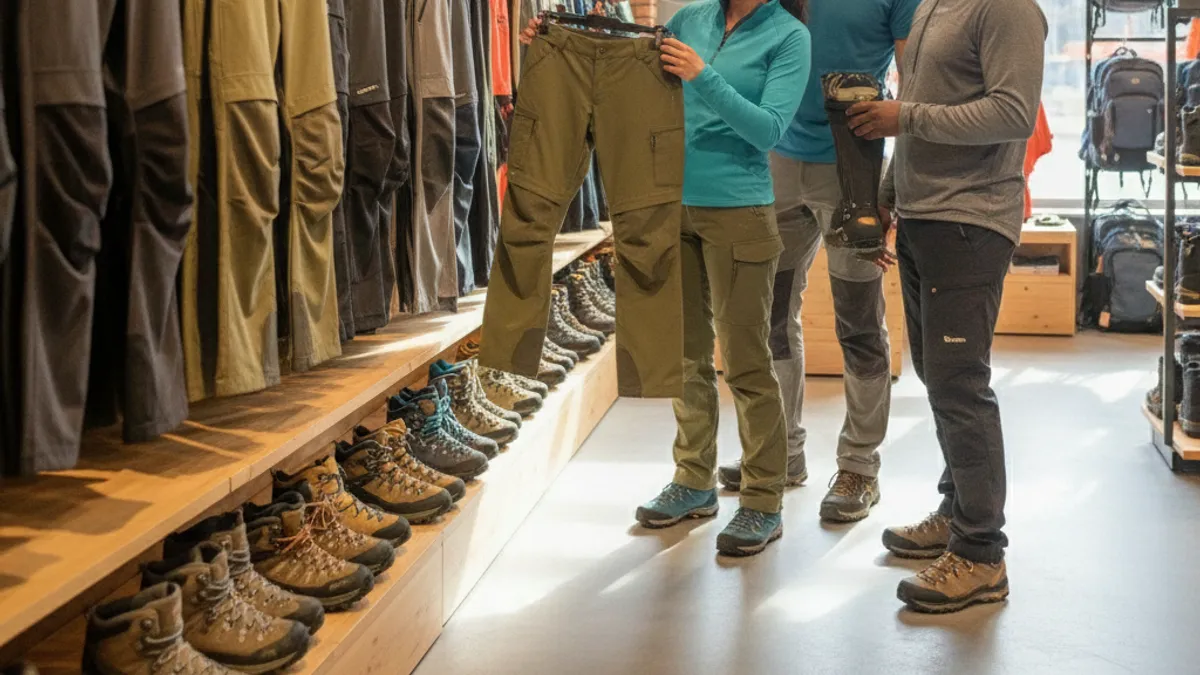
So, where do you actually go to buy these pants? Your best bet is to explore retailers that specialize in outdoor gear. These shops typically carry a wider selection of brands and styles specifically designed for hiking, offering better quality and more knowledgeable staff than general sporting goods stores.
Outdoor retailers often stock a range of technical features, from water-resistant coatings to articulated knees and gusseted crotches, as detailed in manufacturer specifications. You’ll find brands known for their durability and performance in these locations. Online platforms also offer vast choices, but for hiking pants, trying them on in person is often recommended to ensure a proper fit and feel for the fabric.
Specialty Outdoor Retailers
Stores focused solely on outdoor recreation, like REI or smaller local outfitters, are prime destinations. They curate selections from trusted outdoor brands. Their staff are usually experienced hikers themselves and can offer personalized advice based on your planned activities and local conditions.
Sporting Goods Stores
Larger sporting goods chains can also be a good place to look, especially for more mainstream brands or on-sale items. While the selection might not be as specialized as an outdoor-focused shop, you can still find functional hiking pants here. Many of these stores also have online presences for wider browsing.
Online Marketplaces & Brand Websites
Many reputable outdoor brands sell directly through their own websites, offering their full product lines. Additionally, large online marketplaces provide an enormous variety of options from countless brands, often with competitive pricing and user reviews. However, when buying online, pay close attention to sizing charts and return policies, as you won’t be able to try them on first.
Expert Tips for Finding the Perfect Fit
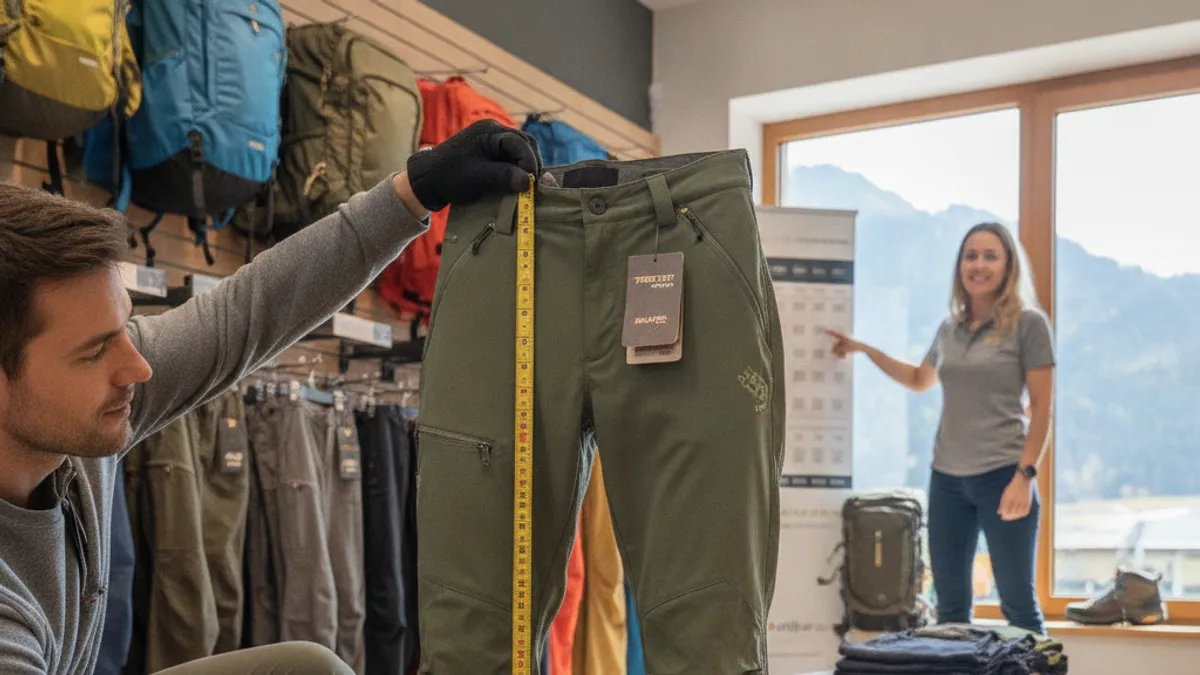
Finding the ideal hiking pants is a combination of understanding your needs and knowing what to look for physically. A perfect fit ensures comfort, prevents skin irritation, and allows for unrestricted movement, which is crucial when you’re covering miles on the trail. It’s often the most overlooked, yet arguably the most important, factor.
Getting the Right Size and Feel
When trying on pants, wear the type of socks you’d typically hike in. Move around: squat, lunge, hike your knees up as if climbing stairs. Pay attention to any pulling, pinching, or tightness, especially around the waist, hips, and knees. Our research indicates that a comfortable waistband shouldn’t dig in, nor should it slip down when you move.
The length should also be appropriate; they shouldn’t drag on the ground or be so short they expose your ankles to bugs or chill when combined with your footwear, like hiking boots. For more on footwear, exploring how to choose hiking boots or understanding trail runners vs hiking boots could be helpful.
Considering Your Local Climate
Your local climate or the dominant weather conditions of your typical hiking destinations play a massive role in the best fabric and features for your pants. If you live in a hot, dry area, lightweight, highly breathable synthetics with UPF protection are key. For cooler, wetter regions, you’ll want something with more substance, perhaps a water-resistant or even a fully waterproof option, and possibly room for a base layer underneath, like those discussed in what to wear hiking for beginners. Consulting weather data for your favorite trails can guide this decision.
The Stretch Factor: Mobility is Key
Look for pants that explicitly mention stretch or elasticity. This usually comes from adding spandex or elastane to the nylon or polyester blends. This feature is critical for adapting to your body’s movements on the trail, climbing over rocks, stepping high over roots, or even just bending down to tie your shoe. A gusseted crotch (an extra diamond-shaped piece of fabric in the crotch) is another design element that significantly enhances freedom of movement and helps prevent seam blowouts.
Pocket Placement and Practicality
Think about what you typically carry in your pockets. Do you prefer accessible thigh pockets for maps or snacks? Or are you more concerned with secure zippered pockets for your phone or keys? Some pants offer cargo pockets with flaps, while others have sleek, zippered hand pockets.
The placement and type of pockets can impact comfort and usability while hiking, especially if you’re wearing a backpack with a hip belt that might cover some pockets.
