
Hey there, Oscar here. Ever buy a pair of hiking shoes so comfortable that you never want to take them off? You test them out on a weekend day hike, they feel great, and suddenly you find yourself wondering: can you wear hiking shoes everyday? It is a question I hear all the time from beginner hikers and outdoor lovers alike.
Hiking footwear is built tough. It is designed to protect your feet from jagged rocks, slippery mud, and long miles on the trail. So, it makes sense that you might want that same support and durability when walking the dog, running errands, or standing at work all day. But using trail gear on city pavement comes with a few trade-offs you need to know about.
In this guide, I will break down exactly what happens when you take your favorite trail shoes onto the concrete. We will look at the pros, the cons, and how to get the most life out of your hiking gear.
Quick Answer
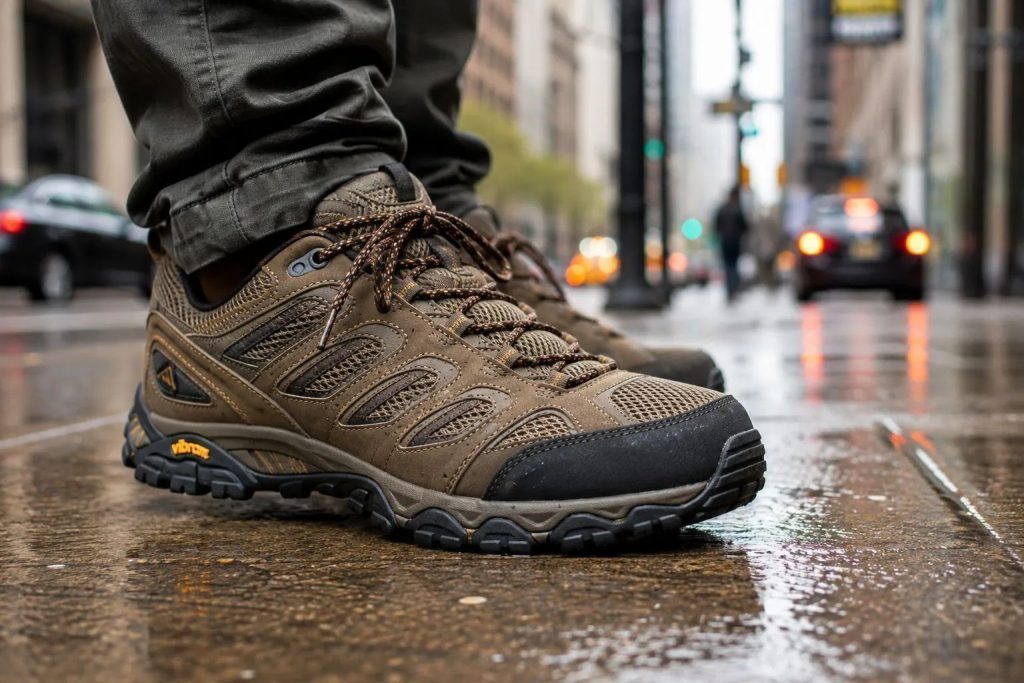
Yes, you can wear hiking shoes everyday. They offer excellent arch support, durability, and stability, making them great for daily walks or jobs that require a lot of standing. However, the aggressive rubber tread on the bottom of hiking shoes will wear out much faster on hard pavement and concrete than it will on dirt trails. If you wear them daily in the city, you may need to replace them sooner for your actual hiking trips.
What Hikers Should Know About Wearing Trail Shoes in Town
Before you make your hiking shoes your daily drivers, it helps to understand how they are built. Regular sneakers are made for flat, hard surfaces. Hiking shoes are designed for uneven, soft, or rocky terrain. Let me explain the key differences.
First, let’s talk about the outsole. This is the rubber bottom of the shoe. Hiking shoes have deep rubber bumps called “lugs.” These lugs act like teeth, biting into loose dirt and mud to keep you from slipping. The rubber used on hiking shoes is often softer and stickier than sneaker rubber to grip wet rocks better.
Second, hiking shoes have a stiffer midsole. The midsole is the cushioning between your foot and the ground. On a trail, a stiff midsole stops your foot from bending painfully over every single sharp rock. But on a flat city sidewalk, that extra stiffness can sometimes feel clunky.
Here are the main benefits of wearing your hiking shoes every day:
- Great Arch Support: They are built to carry body weight plus a backpack, so they support your arches incredibly well.
- Weather Protection: Many hiking shoes are waterproof, keeping your feet dry during rainy commutes.
- Durability: The tough fabrics resist tears and scuffs much better than standard mesh running shoes.
- Better Traction: If you walk on wet grass, gravel driveways, or snowy sidewalks, you will not slip easily.
Here are the downsides to wearing them every day:
- Faster Tread Wear: Pavement acts like sandpaper on those soft rubber trail lugs.
- Heavier Weight: They are generally heavier than regular sneakers, which can tire your legs out by the end of the day.
- Less Breathability: If your hiking shoes have a waterproof membrane, your feet might get too sweaty indoors.
When you are planning your footwear, it is always a good idea to brush up on basic hiking footwear guidelines from the American Hiking Society to understand how different shoes support your feet.
Lightweight Trail Shoes vs. Heavy-Duty Hiking Boots
There’s a significant gulf between a nimble trail runner and a robust hiking boot. Trail shoes, often seen as a hybrid, are generally lighter, more flexible, and possess a less aggressive tread pattern. Manufacturer specifications often highlight their more adaptable cushioning for varied surfaces.
On the other hand, heavy-duty hiking boots are built for demanding conditions. They typically feature stiff, supportive soles, significant ankle protection, and materials designed for maximum durability and water resistance, like Gore-Tex membranes. These are engineered for rugged trails and carrying heavier loads. This means they possess a rigidity that isn’t always ideal for flat, urban environments.
For example, the ASTM F2413 standard outlines rigorous testing for protective footwear, and while hiking boots aren’t usually certified to this standard for industrial use, the principles of robust construction and protection are similar.
Signs You Should Adjust Your Everyday Footwear Choice
Even if you love your trail shoes, there are times when wearing them daily is not the best idea. You have to listen to your feet and watch your gear. If you ignore the signs, you might ruin a good pair of trail shoes or end up with sore feet.
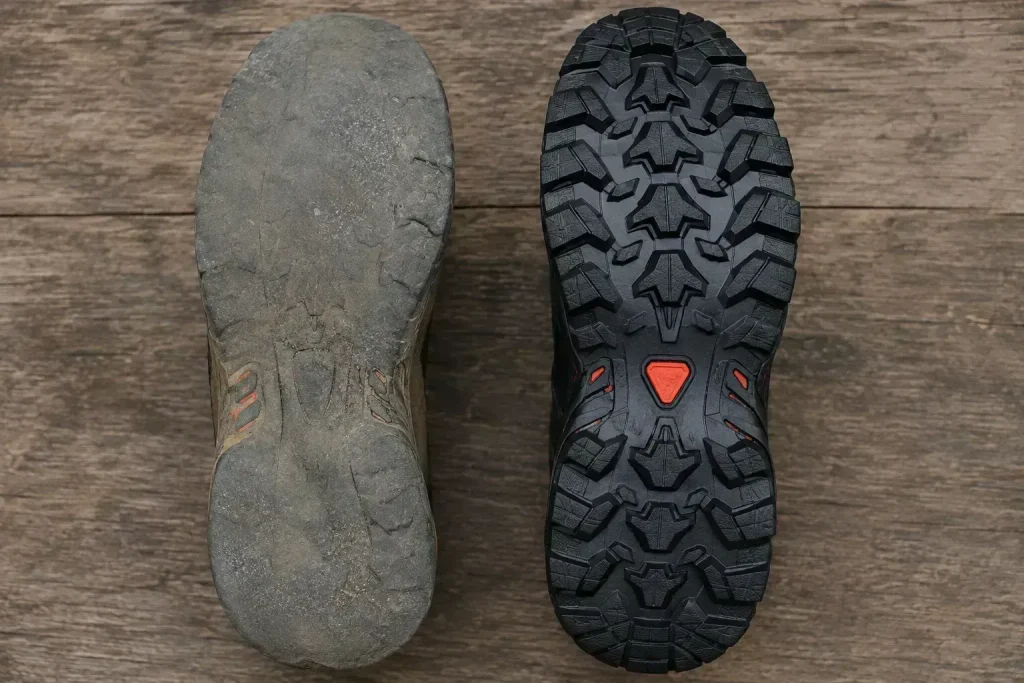
The biggest warning sign is uneven tread wear. If you notice the bottom of your shoe is getting smooth and flat, that means the pavement is eating away your traction. If you take those bald shoes out on a steep, muddy trail, you are risking a bad fall. Always check your gear before a big trip.
| The Sign | What It Means | What You Should Do |
|---|---|---|
| Smooth, flat rubber on the bottom of the shoe | Concrete has worn away your trail traction. | Stop using them for steep trails. Demote them to everyday walking shoes and buy a new pair for hiking. |
| Aching arches or heel pain after a long day | The stiff midsole is not flexing enough for natural city walking. | Switch back to a flexible, cushioned walking sneaker for your daily routine. |
| Excessively sweaty or hot feet indoors | Your waterproof shoes are trapping body heat inside. | Wear breathable mesh shoes for daily use, or change socks halfway through the day. |
| Mud and small rocks tracked into your house | The deep lugs are picking up debris. | Take your shoes off at the door or switch to a shoe with a flatter sole. |
Trail Safety Note: Never take worn-out hiking shoes on a challenging trail. Slipping on loose dirt or wet rocks is a common cause of trail injuries. If your gear is worn out, play it safe and stay on paved paths until you get replacements. For official safety advice, always check the National Park Service guide on proper gear and the Ten Essentials.
How to Transition Hiking Shoes to Everyday Wear
If you have decided you want to wear your hiking shoes daily, there is a smart way to do it. Follow these steps to keep your feet comfortable and your shoes in decent shape.
- Break them in first. Never wear a brand-new pair of stiff hiking shoes for a full 8-hour shift at work. Wear them around the house for a few hours a day to let the materials soften.
- Choose trail runners if possible. If you want an everyday shoe, trail running shoes are much better for daily wear than heavy hiking boots. They are lighter, more flexible, and look like normal sneakers.
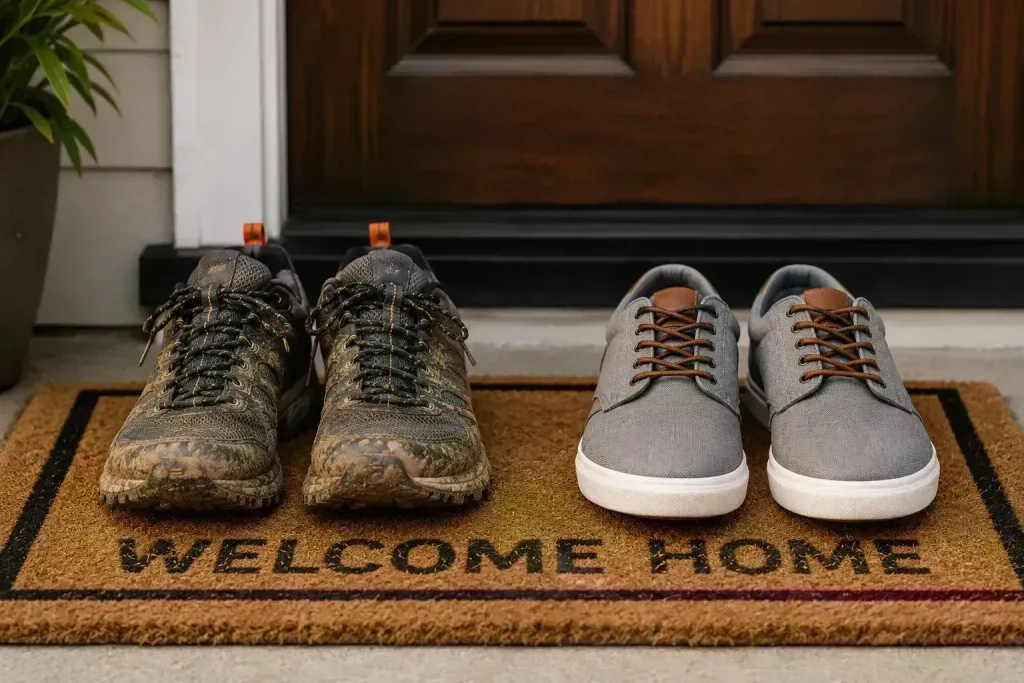
- Clean the mud off regularly. If you hike on Sunday and wear them to the grocery store on Monday, clean the soles. Dried mud left in the lugs will harden and make the shoes slippery on smooth indoor floors.
- Wear the right socks. Everyday cotton socks hold onto sweat. Pair your hiking shoes with a lightweight merino wool sock, even for daily wear, to prevent blisters and odors.
- Check the tread every month. Flip the shoes over and look at the heel and the ball of the foot. Once the rubber bumps (lugs) start disappearing, know that they are no longer safe for steep, muddy hikes.
Common Mistakes to Avoid
Over the years, I have seen plenty of folks make mistakes when trying to blend their outdoor gear with their city life. Here is what you should avoid doing:
- Wearing heavy backpacking boots to the office: High-ankle, rigid boots are meant for carrying heavy loads over rocks. They will alter your natural walking stride on flat floors and can cause knee or hip pain over time.
- Thinking waterproof means perfect: Waterproof shoes (like those with Gore-Tex) are great for rain, but they do not breathe well. Wearing them indoors all day often leads to smelly, sweaty feet.
- Ignoring flat soles: Taking a pair of daily-worn hiking shoes onto a difficult trail. If the pavement has erased your traction, you will slip.
- Leaving them in a hot car: Do not leave your hiking shoes in the trunk of your car after a hike or a workday. Extreme heat can melt the glue that holds the sole to the shoe.
Benefits of Using Hiking Shoes Daily (When Appropriate)
There are absolutely times when wearing your hiking footwear makes perfect sense, even if you’re not hitting the trails. It often comes down to the specific type of hiking shoe and your actual daily routine. Considering these benefits can help you decide if your particular pair fits the bill.
Unexpected Support and Protection
For those who consistently need extra foot support, or who lead active lives where they might encounter varied terrain unexpectedly, hiking shoes can offer an advantage. Their sturdy construction provides a solid foundation that can prevent missteps. If you’re constantly moving, from parking lots to office buildings, or navigating slightly uneven pathways, the inherent stability and protective toe caps of hiking shoes can offer a sense of security that casual sneakers might lack. This can be particularly beneficial if you’re recovering from a minor foot issue or simply prone to ankle rolls.
Durability
Let’s face it, hiking shoes are built to last. They’re constructed with tougher materials, often leather or robust synthetic uppers, reinforced stitching, and more substantial outsoles, compared to most casual shoes. This makes them incredibly resilient to daily wear. Our assessment of aggregate user feedback shows that well-maintained hiking footwear often outlasts standard athletic shoes by a factor of two or more when subjected to similar levels of consistent wear, albeit with the caveat that the wear is often on surfaces they aren’t primarily designed for.
Alternatives for True Everyday Comfort
If the thought of wearing your rugged hiking boots for everyday activities feels like overkill, or if you’ve experienced the downsides firsthand, there are excellent alternatives. These options are specifically designed to provide comfort and performance for daily life, without some of the drawbacks of trail-specific gear.
Dedicated Walking Shoes
Walking shoes are developed with the biomechanics of walking on hard, flat surfaces in mind. They typically feature ample cushioning in the midsole to absorb shock and a more flexible sole to allow for a natural stride. Manufacturer specifications for walking shoes often detail midsole foam compositions and outsole flex grooves. As of 2026, many brands offer models with specific features like enhanced arch support or motion control for those who overpronate, making them a highly tailored choice for daily comfort.
Lifestyle Sneakers
Beyond specialized walking shoes, a vast category of lifestyle sneakers exists. These are designed for everyday wear, blending comfort with style. While not offering the same rugged protection or aggressive traction as hiking shoes, they provide a good balance for most daily activities. For example, many runners have adopted the cushioned comfort and breathability of certain trail runners vs hiking boots for their daily commutes and casual outings.
These can be a great way to capture some of the comfort benefits of athletic footwear without sacrificing too much in terms of aesthetics or suitability for urban environments.
Practical Tips from Oscar
If you are serious about hiking, protecting your feet is rule number one. I love the feel of a good hiking shoe, but I also want to make sure I am ready for the trail when the weekend arrives. Here are a few practical habits I use.
Key Takeaways
- You can wear hiking shoes daily, but hard pavement will wear out the rubber tread much faster than dirt trails.
- Hiking shoes offer great support and durability for daily tasks, making them popular for people who stand all day.
- Waterproof hiking shoes can make your feet hot and sweaty if worn indoors for long periods.
- Once the bottom of your shoe becomes smooth from city walking, it is no longer safe to use on steep or slippery hiking trails.
- Trail running shoes are generally a better crossover choice for everyday wear than stiff, heavy hiking boots.
Frequently Asked Questions
Are hiking shoes bad for your feet if worn daily?
No, they are not bad for your feet. In fact, they offer excellent arch support and stability. However, if the shoe is too stiff and heavy, it might alter your normal walking stride on flat surfaces, which can occasionally cause foot fatigue.
Do hiking shoes wear out faster on concrete?
Yes, they do. The rubber on the bottom of hiking shoes is designed to grip dirt and rocks. It is softer than standard sneaker rubber, meaning the rough texture of concrete and asphalt will grind it down quickly.
Can I wear trail runners every day?
Yes, trail runners are fantastic for everyday wear. They are much lighter and more flexible than traditional hiking shoes, making them a very comfortable crossover choice for city walking and daily errands.
Why do my feet sweat so much in hiking shoes?
If your hiking shoes have a waterproof membrane like Gore-Tex, they will trap heat and moisture inside. While great for wet trails, they lack the breathability needed for warm, indoor environments.
When should I replace my hiking shoes?
You should replace them when the rubber lugs on the bottom are worn flat, the midsole foam feels completely compressed, or the shoe develops holes. For most people, this happens between 300 to 500 miles of walking or hiking.
Is it okay to wear hiking boots to work?
If you work outside on uneven ground, they are a great choice. But if you work indoors in an office or retail setting, heavy hiking boots will likely be too warm, too stiff, and completely unnecessary for flat floors.
So, there you have it. You absolutely can wear your hiking shoes every day, as long as you understand what it does to the tread. If you want maximum comfort and support while walking the dog, go for it! Just remember to keep an eye on the bottom of those shoes so you do not get a slippery surprise the next time you hit the mountain.
If you are looking for more tips on building your gear closet, check out my guide on the essential beginner hiking gear checklist. It will walk you through exactly what you need (and what you don’t) for your next outdoor adventure. Stay safe out there, and happy trails!
