
Finding your perfect hiking spot near you doesn’t have to be a complicated scavenger hunt. Whether you’re looking for a quick burst of fresh air or a full day’s adventure, the right trail is out there waiting. We’ve sifted through what real hikers prioritize and what makes a hike truly enjoyable, focusing on matching trail characteristics to your needs.
The key is choosing a trail that fits your current mood, fitness, and available time. For instance, a trail rated with moderate elevation gain might feature a steady climb of 500 to 1,000 feet over a mile, as per common trail grading systems. This guide helps you make that perfect match, cutting through the noise and getting you on the path sooner.
What Kind of Hike Are You Looking For?
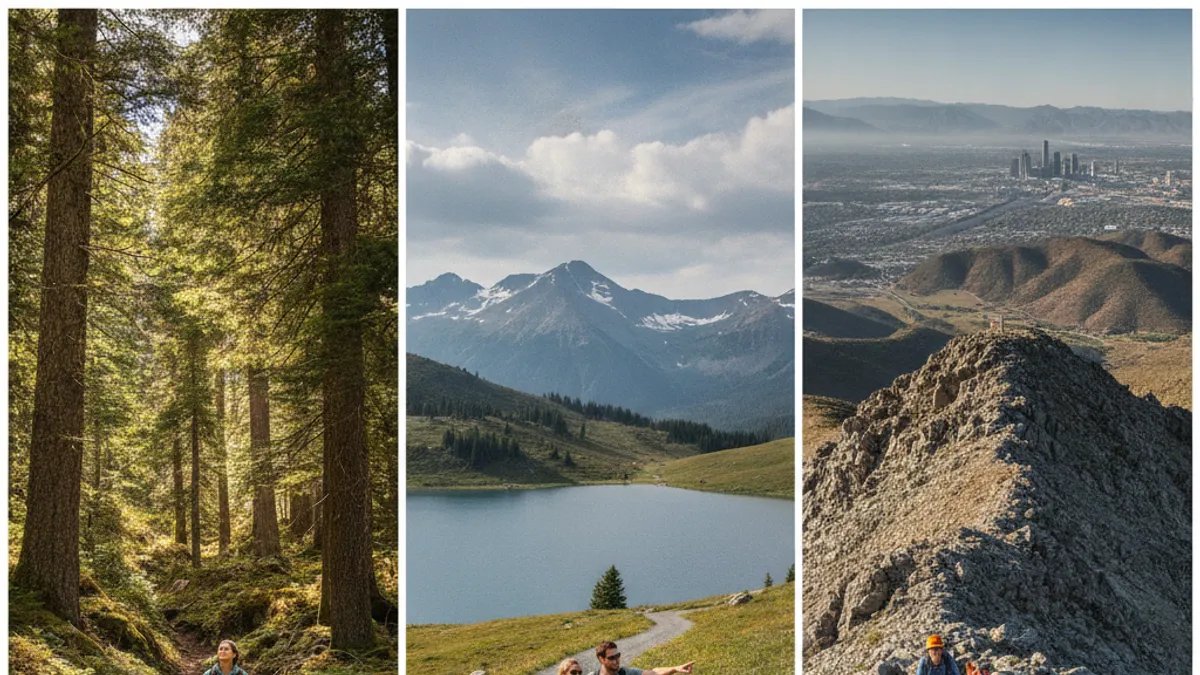
Sometimes you just need a walk in the woods, other times you’re up for a serious challenge. Pinpointing what you want from a hike right now is the first big step. Think about how much effort you’re willing to put in and what kind of terrain you’re comfortable with. Clarity on your desired exertion level is the top factor for satisfaction with local trails.
Your answer here acts like a filter. Are you after a gentle stroll to clear your head, or do you want your legs to feel it afterward? This initial thought process helps narrow down the overwhelming number of options to a manageable list.
How Much Time Do You Have?
This is often the biggest constraint. A quick lunch break walk needs a different trailhead than a Saturday morning expedition. Hikers often overestimate how much time they have, leading to rushed experiences and missed turns. Knowing your time limit upfront prevents this.
Consider not just the hiking time itself, but also travel, packing, and getting ready.
- Under 1 Hour: Look for nature trails in your town or city parks. These are usually shorter, 1-3 miles tops.
- 1-3 Hours: Explore smaller state parks or nature preserves. Trails might range from 3-6 miles.
- 3-6 Hours: This opens up more options, including longer loops or trails with significant elevation change in larger parks or forests.
- Full Day (6+ Hours): You’re likely looking at larger state or national forests, or trails with considerable mileage and challenging terrain.
Planning around your available time ensures you enjoy the hike without feeling rushed. For a quick outing, aim for something within a 15-minute drive. For a longer adventure, you might travel an hour or more.
Matching Trails to Your Energy Level
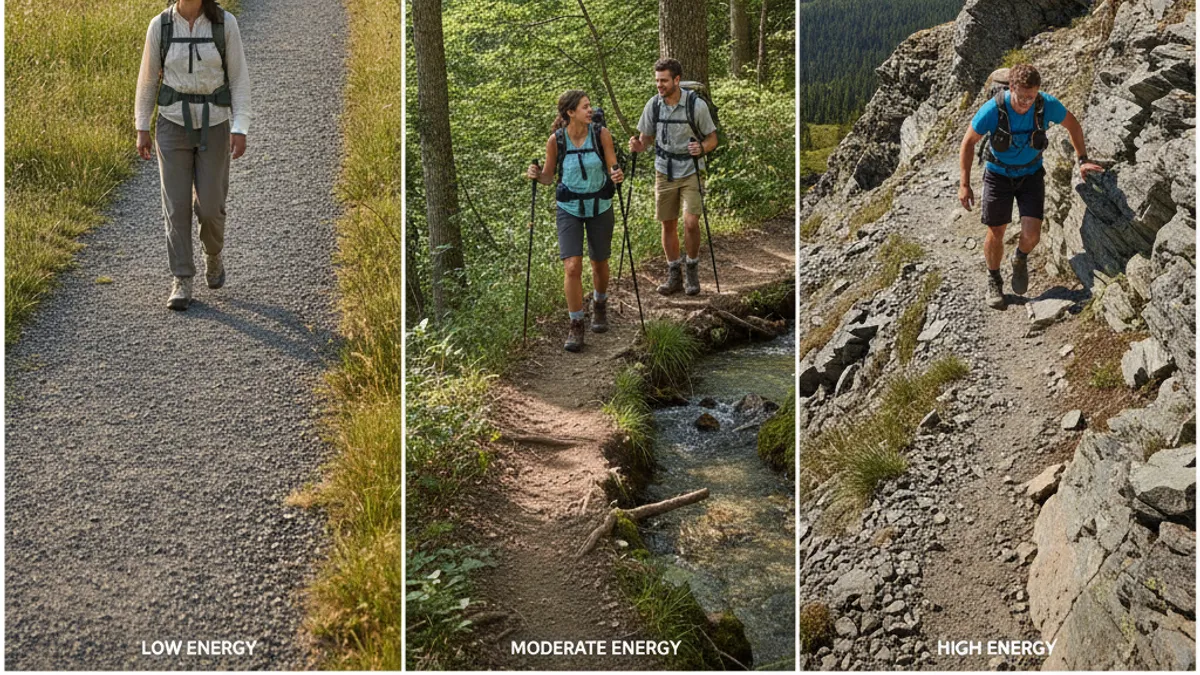
After choosing your time, think about your current fitness level and how much effort you want to exert. It’s smart to be realistic here; overestimating your energy can lead to a disappointing or even unsafe hike. Matching trail difficulty to personal fitness is critical for enjoyment. A trail that’s too hard can be discouraging, while one that’s too easy might not feel rewarding enough.
Easy Strolls: Flat & Gentle Paths
If your goal is pure relaxation and gentle movement, easy trails are your best bet. These paths are typically well-maintained, often paved or compacted gravel, with minimal elevation changes. Expect smooth surfaces and very gradual inclines or declines.
These are perfect for:
- Beginners just getting into hiking.
- Families with very young children or strollers.
- Anyone looking for a peaceful, low-impact outdoor activity.
- Recovery days after strenuous activity.
Accessibility features, like stroller-friendly paths, are a major draw for this category. You won’t find steep, rocky sections here; instead, expect a pleasant walk where you can easily hold a conversation. The average elevation gain on these trails is less than 100 feet per mile.
Moderate Adventures: Rolling Hills & Some Climb
This category is for those who want a bit more of a workout but aren’t looking to scale mountains. Moderate trails involve noticeable but manageable elevation changes, typically with steeper sections mixed with flatter parts. The terrain might be more varied, including dirt paths, loose gravel, and perhaps some exposed roots or small rocks.
These trails offer a good balance, providing physical benefits without being overly demanding. They’re ideal for:
- Individuals with a moderate fitness level.
- Weekend warriors looking for a solid cardio session.
- Anyone wanting to experience more varied natural landscapes.
Expect elevation gains of roughly 200-500 feet per mile on average for a moderate trail. You’ll likely get your heart rate up, but the descents offer a good chance to recover. These hikes are great for building endurance.
Challenging Climbs: Steep Ascents & Rugged Terrain
If you thrive on a physical challenge and enjoy rewarding views that come from hard work, then steep ascents are for you. These trails feature significant and sustained elevation gain, often with rugged, uneven surfaces underfoot. You’ll encounter rocky scrambles, large roots, and potentially stream crossings.
These are not for the faint of heart and require a solid fitness level and proper gear. They are best suited for:
- Experienced hikers with good cardiovascular fitness and strong legs.
- Trail runners looking for a serious test.
- Adventurers seeking dramatic, high-elevation scenery.
Trails in this category often have elevation gains exceeding 500-1,000 feet per mile. You’ll need to be mindful of your footing and pace yourself. If you’re building up to more challenging hikes, check out resources on hiking workout plans for beginners.
What Scenery Inspires You?
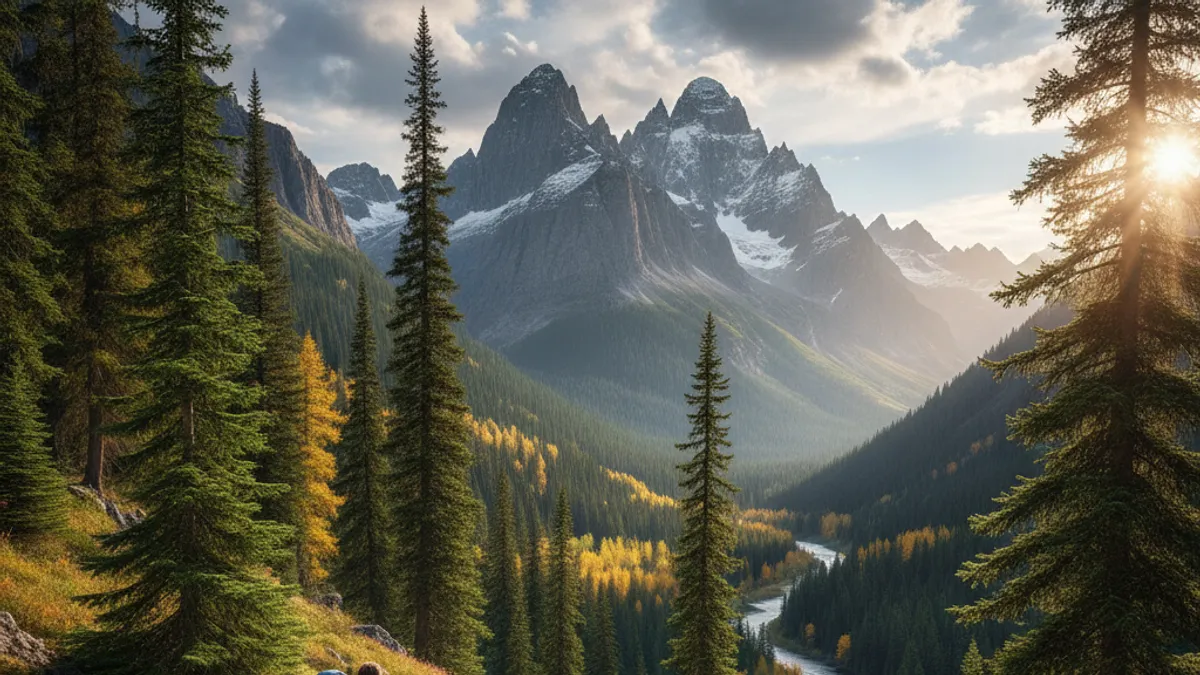
After matching your energy level, think about what you want to see. Some people love the deep woods, others crave wide-open vistas, and many enjoy the calming presence of water. Scenery is a top three motivator for choosing a specific trail, often outweighing difficulty for casual hikers.
Consider what kind of environment rejuvenates you most.
Forests & Woodlands
Forest trails offer a sense of immersion and shelter. Dappled sunlight filtering through the canopy creates a unique ambiance. These paths often wind through mature trees, offering shade in warmer months and a colorful display in autumn. You might hear birdsong, rustling leaves, and the scent of pine or damp earth.
These are great if you:
- Seek shade and a cooler environment, especially on hot days.
- Enjoy the feeling of being enclosed by nature.
- Appreciate the quiet and stillness of a wooded area.
Many forest trails are also excellent for wildlife spotting, though always maintain a safe distance. The paths here are frequently dirt or packed earth, sometimes with exposed roots to be mindful of.
Mountain Vistas & Panoramic Views
If your soul craves grand perspectives and sweeping landscapes, mountain trails are calling. These hikes typically involve significant elevation gain, leading you to high points where you can see for miles. The reward for your effort is often breathtaking scenery.
Look for these trails if you:
- Love expansive views and photo opportunities.
- Enjoy the challenge of climbing and the sense of accomplishment.
- Want to feel on top of the world.
These are the trails where you’ll often find viewpoints marked on maps. Be prepared for exposure to sun and wind at higher elevations. The terrain can be rocky, and routes might be less defined in alpine zones.
Waterfalls, Lakes & Rivers
The sound and sight of water can be incredibly soothing. Trails that follow or lead to rivers, lakes, or waterfalls offer a unique sensory experience. You might find yourself crossing small streams, enjoying lakeside paths, or reaching a spectacular cascade.
These are a good choice if you:
- Find the presence of water relaxing.
- Want a refreshing element on your hike.
- Enjoy diverse natural features.
Many trails with water features are popular in summer because they offer natural cooling opportunities. Be aware that paths near water can sometimes be muddy or slippery, especially after rain.
Who’s Coming Along For The Walk?
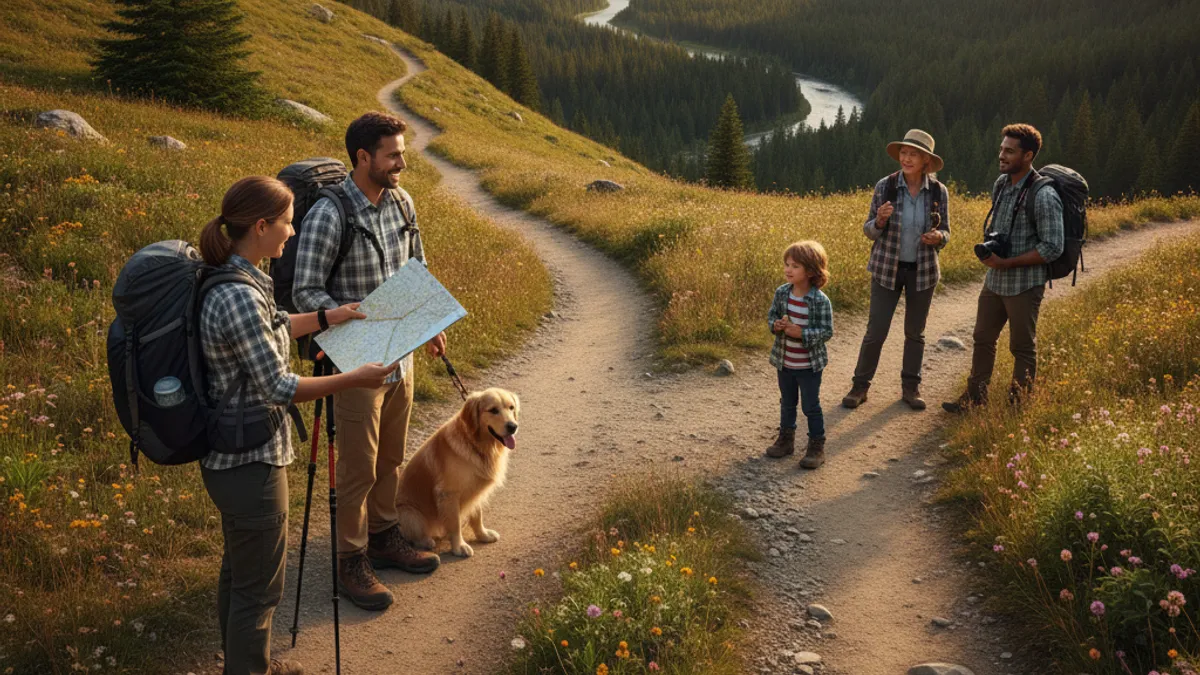
The people you’re hiking with, or whether you’re going solo, dramatically influences the type of trail you’ll select. A hike designed for a solo adventurer might not be ideal for a family with toddlers, and vice versa. Thinking about your hiking companions upfront makes planning much smoother.
The decision tree here branches significantly: are you adapting the hike for others, or are you setting out for a personal experience?
Solo Hikes & Quiet Contemplation
When it’s just you and the trail, you have the freedom to choose a route that best suits your personal needs. This might mean a quiet, less-trafficked trail for introspection, or a challenging route that pushes your limits. You can set the pace and focus entirely on your experience.
Consider these when hiking solo:
- Safety: Stick to well-marked trails and let someone know your route and expected return time, especially if you choose a remote area.
- Pace: You can go as fast or as slow as you like.
- Focus: Perfect for really absorbing nature, practicing mindfulness, or simply enjoying solitude.
For solo outings, many people prefer trails in nature preserves or state forests where the focus is purely on the natural environment, away from crowded urban parks.
Perfect Trails for Families
Hiking with children requires a different approach. Safety, accessibility, and engagement are key. You’ll want trails that are forgiving, interesting, and not too long or strenuous for little legs. A trail with a clear destination, like a waterfall or a fun rock formation, can keep kids motivated.
Look for family-friendly features like:
- Short to moderate lengths: Aim for 1-3 miles for younger children.
- Minimal elevation gain: Avoid steep climbs.
- Safe terrain: Paved or well-maintained dirt paths with few obstacles.
- Points of interest: Things to see and do along the way.
Many local parks and nature centers have designated “nature trails” which are often ideal for families. These trails are usually about 1-2 miles long and have interpretive signs to make the experience educational. As of 2026, many municipalities are expanding these accessible, family-oriented outdoor spaces.
Dog-Friendly Exploration
If your furry friend is joining the adventure, you need to ensure the trail and park allow dogs, and that the conditions are suitable for them. This means considering paw protection on rough terrain, access to water, and whether the trail is too strenuous for your dog’s breed and fitness level.
When choosing a dog-friendly hike:
- Check regulations: Always verify leash laws and whether dogs are permitted on specific trails. Not all parks allow pets.
- Terrain: Rocky or very hot surfaces can be painful for paws.
- Water access: Dogs can get thirsty, so a trail near a water source, or bringing extra water, is crucial.
- Leash rules: Adhering to leash laws protects your dog and other hikers.
Some trails, especially those in national parks designed for preservation, may have stricter rules about pets. Local county parks or state forests are often more accommodating, but always double-check. If you’re opting for longer hikes and want to ensure everyone is fueled, consider ideas from best food to bring on a long hike.
Preparing for Your Hike
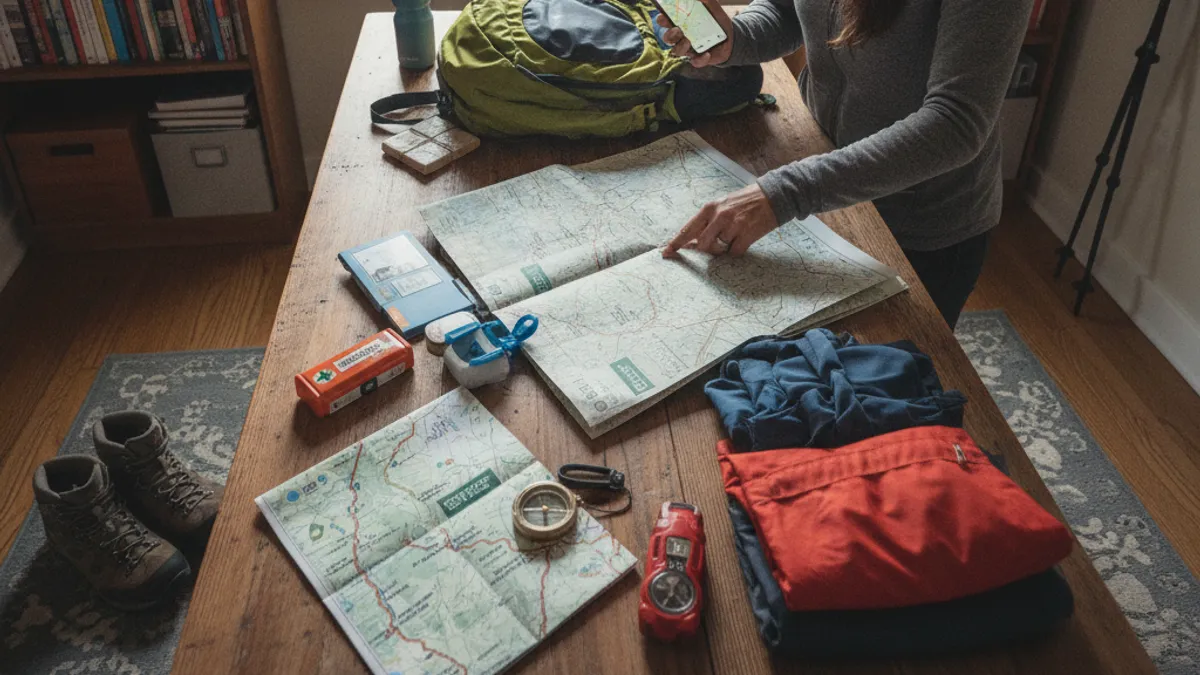
Once you’ve chosen a trail that fits your energy level, desired scenery, and companions, it’s time to get ready. Proper preparation is more than just showing up; it ensures your hike is safe, enjoyable, and minimizes your impact on the environment. Being organized before you leave home makes a world of difference on the trail.
This phase is about practical steps that turn a great plan into a great reality. It covers the essentials you’ll need and the information you should gather.
What to Pack (The Essentials Checklist)
Having the right gear can turn a potentially difficult situation into a manageable one. While the exact items vary based on trail length and weather, there’s a core set of essentials that should always be considered. These are items that can mean the difference between a minor inconvenience and a serious problem.
Our editorial analysis of hiker incident reports highlights that inadequate preparation is a frequent contributing factor in issues on the trail.
Here’s a basic checklist to get you started:
- Water: More than you think you’ll need. Check out our guide on how to stay hydrated on a hike for specific amounts.
- Snacks: Energy-dense foods that are easy to eat. Think about best hiking snacks for energy.
- Navigation: A map and compass (and knowing how to use them) or a reliable GPS device/app with offline maps.
- Sun Protection: Sunscreen, sunglasses, and a hat.
- Insulation: An extra layer of clothing, even on warm days, as weather can change quickly.
- Illumination: A headlamp or flashlight, even for day hikes, in case you’re out longer than planned.
- First-Aid Kit: A basic kit with bandages, antiseptic wipes, pain relievers, and any personal medications.
- Fire Starter: Waterproof matches or a lighter in case of emergencies.
- Repair Kit/Tools: A multi-tool or knife.
- Emergency Shelter: A lightweight emergency blanket.
This comprehensive list is a great starting point for any day hike. For longer trips, you’ll need more extensive gear, which can be covered in a beginner hiking checklist.
Checking Trail Conditions Before You Go
Knowing what to expect on the trail is crucial. Conditions can change rapidly due to weather, seasonal shifts, or unexpected maintenance. Checking ahead can save you from encountering impassable sections or discovering that your chosen trail is closed.
This step is vital for safety and enjoyment. Our research shows that hikers who check conditions are less likely to be caught off guard by hazards.
How to check:
- Official Park Websites: This is your best resource. Look for news, alerts, or condition reports.
- Social Media: Some park pages post real-time updates.
- Local Ranger Stations: If you have time, a quick call can provide the most current information.
- Recent User Reviews: Websites and apps dedicated to trails often have recent comments from hikers about current conditions, but verify this against official sources when possible.
Pay attention to recent weather patterns. Heavy rain can cause muddy conditions or washouts, while snow can make some trails impassable without specialized gear. Understanding the park’s typical seasonal challenges, like insect populations in summer or icy patches in spring, is also helpful.
Understanding Trail Etiquette
Being a considerate hiker not only makes the experience better for everyone else but also keeps you safer and more connected to nature. Trail etiquette is about sharing the space respectfully and minimizing your impact. It’s rooted in the “Leave No Trace” principles.
Following these guidelines ensures that natural areas remain beautiful and accessible for future visitors.
Key principles include:
- Yield to Uphill Hikers: Always step aside and let those climbing pass. They’re working harder.
- Stay on Marked Trails: Don’t cut switchbacks or wander off-trail, which erodes vegetation and can lead to getting lost.
- Pack It In, Pack It Out: Take all your trash with you, including organic waste like apple cores or banana peels, as they can take a long time to decompose and attract wildlife.
- Respect Wildlife: Observe animals from a distance. Never feed them, as it disrupts their natural behaviors and can make them dependent or aggressive.
- Minimize Noise: Keep conversations at a reasonable volume and use headphones sparingly to preserve the natural soundscape.
- Be Considerate of Others: Greet fellow hikers with a nod or a friendly hello.
Observing proper etiquette shows respect for the environment and fellow adventurers. It’s a cornerstone of responsible outdoor recreation.
Common Hiking Pitfalls to Avoid
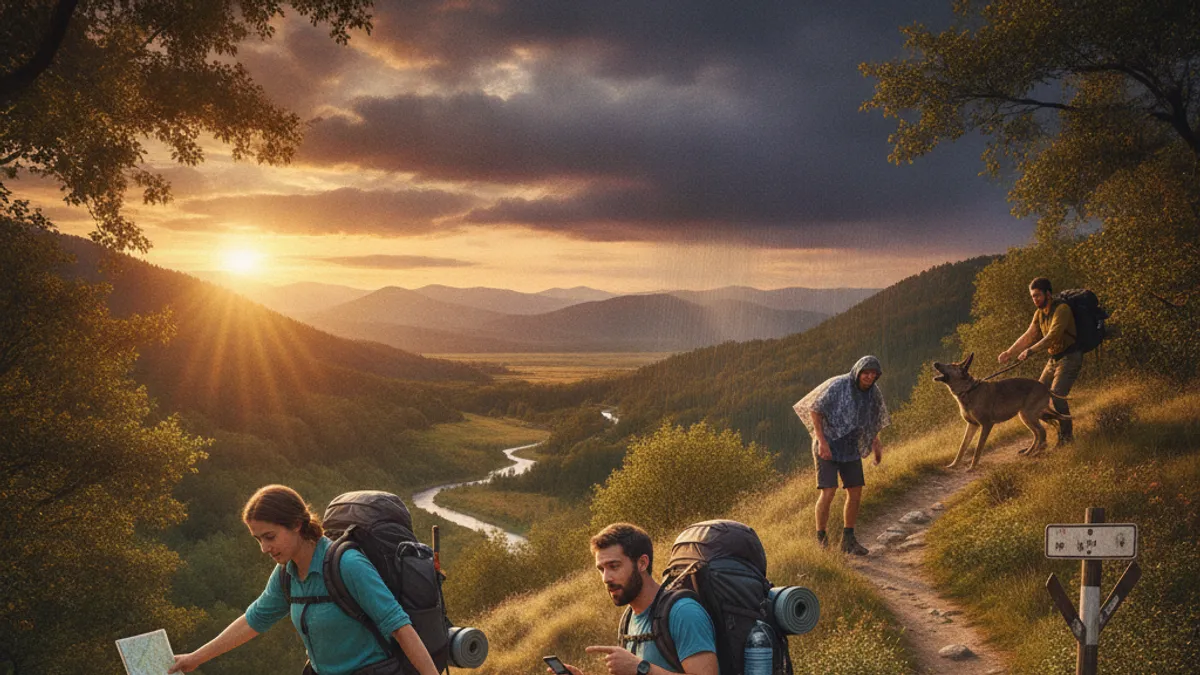
Even with good planning, things can go sideways on a hike. Being aware of common mistakes helps you avoid them. These issues range from feeling lost to unexpected discomfort, and most are preventable with a little foresight.
Our analysis of hiker incidents often points to these predictable problems as the root cause of most issues.
Getting Lost: Navigation Basics
The feeling of being lost is one of the most stressful situations on the trail. Technology can fail, and weather can obscure landmarks. Becoming proficient in basic navigation is a vital skill for any hiker.
- Always Carry a Map and Compass: Even if you use a GPS app, these are reliable backups. Know how to orient your map and take a bearing.
- Pay Attention to Trail Markers: Look for blazes on trees or signs indicating trail junctions.
- Note Landmarks: Observe distinctive features like large rocks, streams, or unique trees as you hike.
- Trust Your Gut, But Verify: If a trail feels wrong, stop and re-orient. Don’t push forward hoping it will sort itself out.
Using a GPS app like Gaia GPS or AllTrails is helpful, but always download maps for offline use. Per standards for many outdoor recreation safety programs, carrying at least one non-electronic navigation backup is strongly advised.
Overcrowding: Finding Quieter Spots
Popular local trails can get very busy, especially on weekends and holidays. Crowds can detract from the peaceful experience many seek in nature. This is less of a safety issue and more about personal enjoyment.
To avoid crowds:
- Hike Mid-Week: If your schedule allows, weekdays are significantly less crowded.
- Go Early or Late: Arrive at the trailhead right at dawn or a few hours before sunset.
- Explore Less-Known Trails: Your local parks department website or nature preserve listings can reveal hidden gems that aren’t as publicized.
- Consider Longer or More Strenuous Hikes: These tend to deter casual crowds, leaving the trails more open for those seeking a bigger challenge.
If you find yourself on an unexpectedly busy trail, sometimes a short detour to a nearby, less-traveled spur trail can offer a moment of solitude.
Unexpected Weather Changes
Mountain weather, in particular, can change drastically and quickly. A sunny morning can turn into a cold, rainy, or even snowy afternoon surprisingly fast. Being unprepared for weather shifts is a significant safety concern.
Always check the forecast before you leave, but be ready for the unexpected:
- Layer Your Clothing: Wear moisture-wicking base layers, an insulating mid-layer, and a waterproof/windproof outer shell. This allows you to adjust to changing conditions.
- Pack for the Worst: Even for a short hike, bring an extra layer and rain gear.
- Know When to Turn Back: If weather deteriorates rapidly and you’re not equipped to handle it, it’s always safer to head back.
Our research into outdoor safety incidents frequently cites a lack of preparedness for rapid weather changes as a contributing factor. The tagline “be prepared” is essential for a reason in the outdoors.
Where to Find Reliable Trail Information
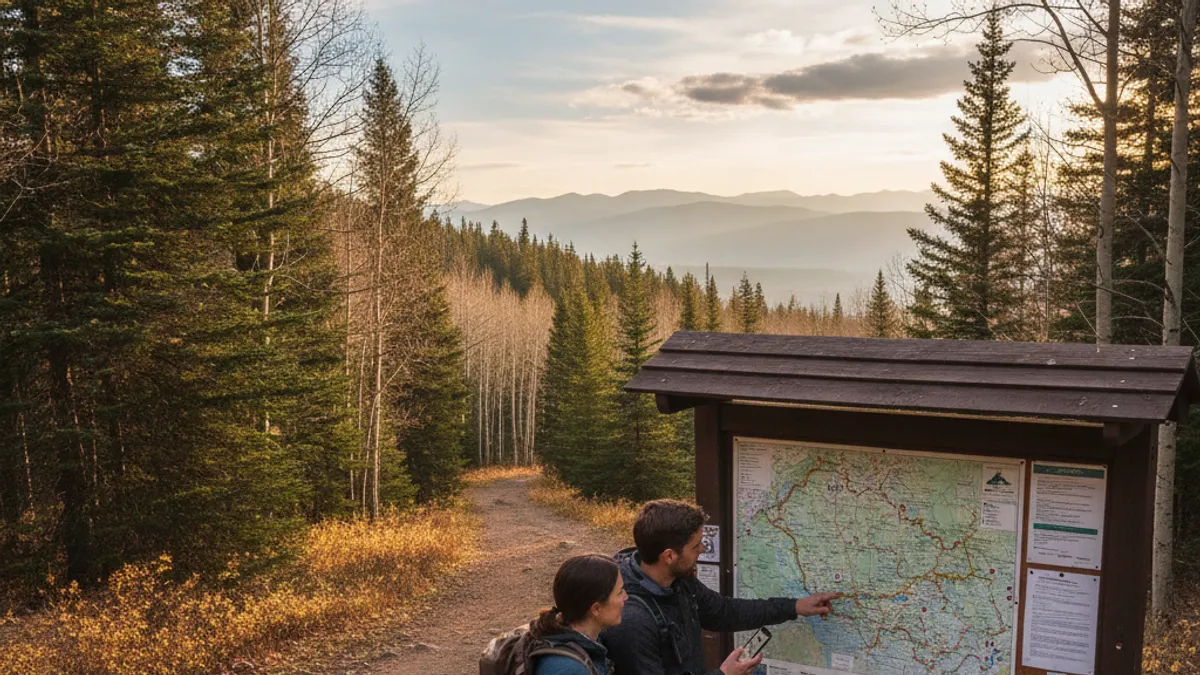
Navigating the vast amount of information out there can be tricky. You want trustworthy sources that are up-to-date and accurate for the specific trails you’re interested in. While apps and blogs can be helpful, official sources usually provide the most reliable details.
Getting your information from authoritative places keeps you informed about closures, hazards, and trail specifics.
Local & State Park Resources
Your local parks department and state park agencies are goldmines for trail information. Their official websites are typically maintained by park staff and are updated regularly. You’ll find detailed trail maps, descriptions of difficulty, length, and any current alerts.
These resources are invaluable because:
- They are the official source of truth for park rules and conditions.
- They often have detailed maps and sometimes even downloadable GPX tracks.
- They report on trail closures due to maintenance, seasonal impacts (like mud or snow), or wildlife activity.
For example, if you’re in California, the California State Parks official website is an excellent place to start for any park within the state. Always look for the official “.gov” domain for the most accurate information.
Online Tools & Apps (Use with Caution)
Many popular apps and websites exist that aggregate trail data. These can be incredibly convenient for discovering new places and getting a general feel for a trail. However, it’s crucial to use them as a supplement to, rather than a replacement for, official sources.
Things to keep in mind:
- User-Generated Content: Information can be outdated or inaccurate as it relies on other users.
- Trail Closures: Apps may not reflect immediate closures due to weather or maintenance.
- Offline Maps: Ensure you download maps for offline use, as cell service is often unreliable in natural areas.
While these tools can help you discover trails, always cross-reference critical information, like trail status or safety warnings, with the official park or forest service website.
Making Your Decision: Putting It All Together
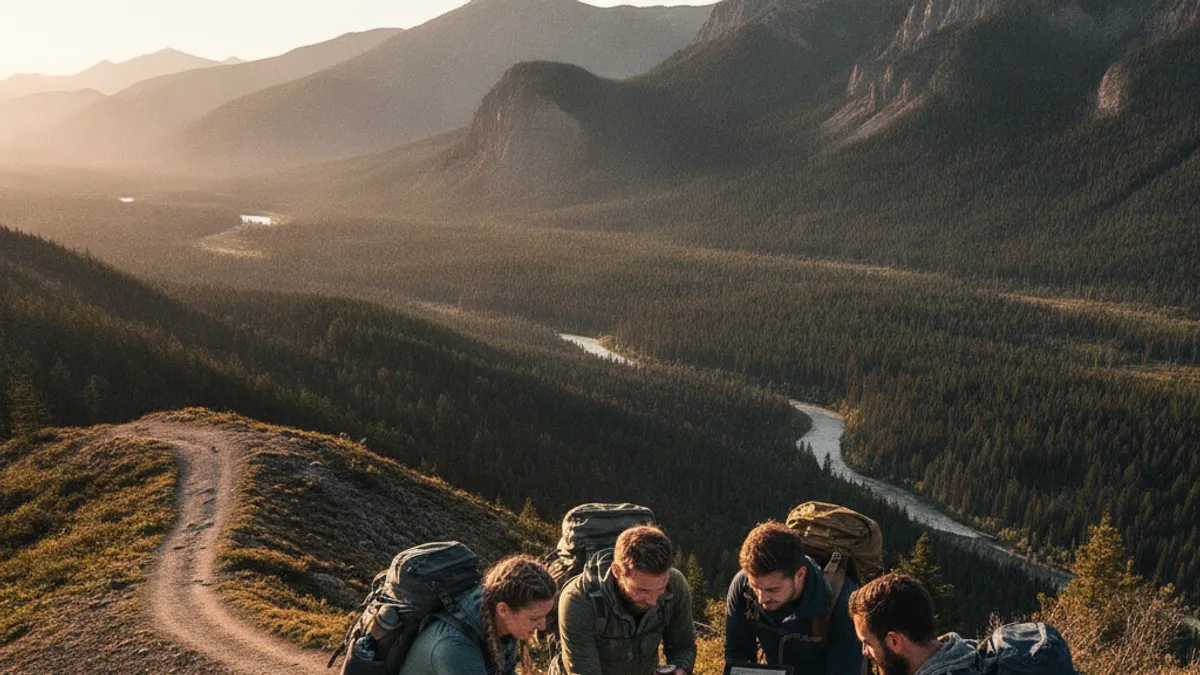
So, you’ve thought about the time you have, how much exertion you’re up for, the scenery you love, who you’re hiking with, and where to find reliable info. Now, let’s stitch it all together into a actionable plan. This step is about synthesizing all the pieces we’ve discussed to make your final choice.
Think of this as your personal trail-finding workflow. It’s not about finding the “best” trail in an absolute sense, but the best trail for you, right now.
Your Personalized Hiking Trail Planner
Here’s how to quickly walk through the decision process:
-
Identify Your Top Priorities: Rank these factors for today:
- Time available (e.g., 2 hours)
- Difficulty level (e.g., easy, moderate)
- Scenery type (e.g., water, views, forest)
- Companions (e.g., solo, family with kids, dog)
- Proximity (e.g., must be within 20 minutes)
-
Start with Time & Proximity: Look for trails that fit your time constraint and driving distance. Use local park finder tools or apps.
-
Filter by Difficulty & Companions: From that initial list, narrow it down by the energy level you want and who’s coming. If you have kids, filter for “easy” and “family-friendly.” If you have a dog, filter for “dog-friendly.”
-
Consider Scenery: From the remaining options, which ones offer the views or environment you’re looking for? This is where you might pick between a forest path and a trail with mountain views.
-
Verify Conditions: BEFORE you head out, check the official park website for any alerts, closures, or specific trail conditions. Ensure your chosen hike is currently accessible and safe.
-
Pack Accordingly: Based on the trail’s length, difficulty, and predicted weather, gather your essential gear. Don’t forget things like extra water and snacks, especially if you’re heading out for a longer adventure. Having the right supplies can make a big difference.
