
Have you ever reached the top of a steep trail, stopped to catch your breath, and felt your legs burning like crazy? I know I have. There is nothing quite like the feeling of jelly legs after a long day on the mountain. When you wake up the next morning and feel that deep ache in your thighs and calves, it is totally normal to wonder if all that effort is actually making you stronger.
Here’s the thing: many beginners start hiking just to enjoy nature or get some fresh air. But after a few trips, they notice their clothes fit a little differently, and climbing those stairs at home suddenly feels much easier. As a regular hiker, I get asked all the time if hitting the dirt trails is a good way to build muscle. People want to know if they can skip the gym and just head to the local state park instead.
The short answer is yes, but it works differently than lifting heavy weights. Let me explain exactly how hiking changes your body, which muscles get the best workout, and how you can safely adjust your trail routine to get stronger while enjoying the great outdoors.
Quick Answer
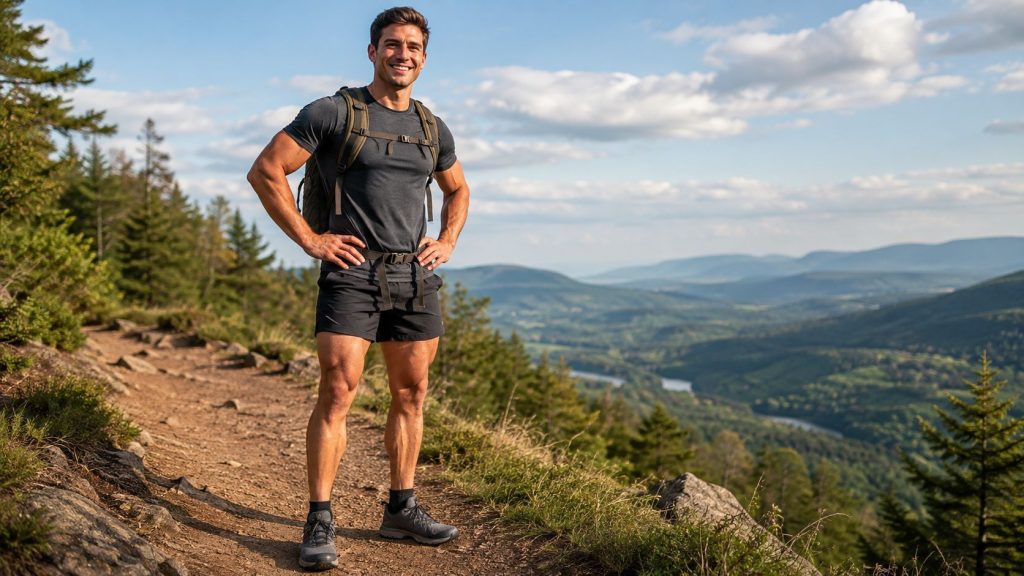
Yes, hiking builds muscle, primarily in your lower body and core. Because it is a weight-bearing endurance exercise, it builds lean, toned muscle rather than bulky bodybuilder muscle. The constant stepping, balancing on uneven terrain, and climbing hills work your calves, quadriceps, hamstrings, and glutes. You can increase the muscle-building benefits by hiking steeper trails, carrying a loaded backpack, and using trekking poles to engage your upper body.
What Hikers Should Know About Building Muscle
When you hike, you are carrying your own body weight over long distances and uneven ground. This is a form of resistance training mixed with cardiovascular exercise. The CDC notes that regular physical activity like brisk walking and hiking strengthens bones and muscles. But to understand how hiking builds muscle, we need to look at what exactly is happening to your body on the trail.
Unlike doing a few heavy squats in a gym, hiking requires your muscles to work constantly for hours. This builds muscular endurance. You are not going to look like a bodybuilder just from hiking, but your legs will become very strong, dense, and capable of handling long, tough days.
Here are the main muscle groups you use on a typical hike:
- Quadriceps (Front of thighs): These are your main climbing muscles. They push you up hills and absorb the heavy impact when you walk downhill.
- Hamstrings (Back of thighs): These muscles help bend your knees and pull your body forward with every single step.
- Glutes (Your backside): Your glutes are powerful muscles that do the heavy lifting when you are climbing steep stairs or climbing over big rocks.
- Calves (Lower back legs): These small but tough muscles provide the push-off power for your stride and work constantly to keep you balanced on roots and rocks.
- Core (Abs and lower back): Your core stays tight to keep you upright, especially when you are balancing on uneven dirt or carrying a backpack.
If you want to build more muscle, the flat, paved walking paths in your local park will only get you so far. To really challenge your muscles, you need to introduce elevation, varied terrain, and a bit of extra weight.
Signs You Should Adjust Your Hiking Plan for Safety
Pushing your muscles is a good thing, but pushing them too far on a remote trail can be dangerous. Muscle fatigue can cause you to trip, twist an ankle, or get stuck miles from the trailhead. It is vital to know the difference between a good muscle burn and a sign that you need to stop, rest, or turn around.
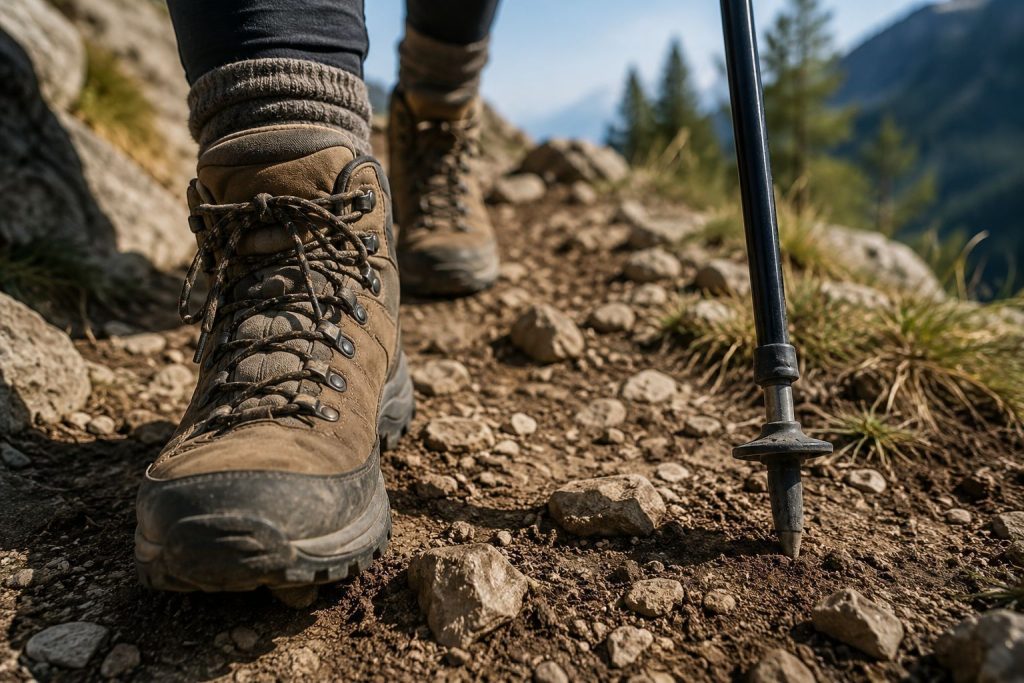
If your legs feel a little heavy or sore, that is normal. But if you start stumbling, dragging your feet, or feeling sharp pains in your joints, it is time to adjust your plan. The National Park Service recommends pacing yourself and knowing your limits to avoid exhaustion and injury in the wilderness.
Here is a simple guide to help you understand what your body is telling you on the trail.
| What You Feel | What It Means | What You Should Do |
|---|---|---|
| Dull, even burn in thighs or calves | Normal muscle fatigue from working hard. | Take a short water break, stretch, and keep going safely. |
| Heavy legs, but still walking normally | Endurance muscles are getting tired. | Eat a salty snack, drink water, and slow your pace. |
| Tripping over small rocks or dragging feet | Severe muscle exhaustion; loss of coordination. | Stop and rest. Consider turning back before you fall. |
| Sharp, sudden pain in a joint or muscle | Possible injury, strain, or sprain. | Stop immediately. Do not push through sharp pain. Use your first-aid kit if needed. |
| Severe muscle cramping that won’t stop | Dehydration or lack of electrolytes. | Rest in the shade, drink water with electrolytes, and massage the muscle gently. |
How to Safely Build Muscle on the Trail Step by Step
You do not need to tackle a massive mountain on day one to get stronger. In fact, doing too much too soon is a guaranteed way to pull a muscle or end up with painful blisters. If you want to use hiking to build your leg and core strength, follow these safe, practical steps.
- Start with rolling hills: If you are used to flat trails, start hiking routes that have gentle ups and downs. This forces your leg muscles to adapt to climbing and braking without overwhelming them.
- Add weight to your backpack slowly: Once basic day hiking feels easy, add a little extra weight to your pack. You can carry an extra water bottle or heavier snacks. The extra weight forces your legs and core to work harder. (If you want to learn more about packing, check out my day hiking gear checklist).
- Focus on the uphill climb: Elevation gain is the secret to building hiking muscle. Pick trails that have a steady, safe incline. Take slow, deliberate steps and focus on pushing up through your heels to activate your glutes.
- Use trekking poles: To turn your hike into a full-body workout, grab a pair of hiking poles. Pushing off with poles engages your chest, arms, shoulders, and upper back.
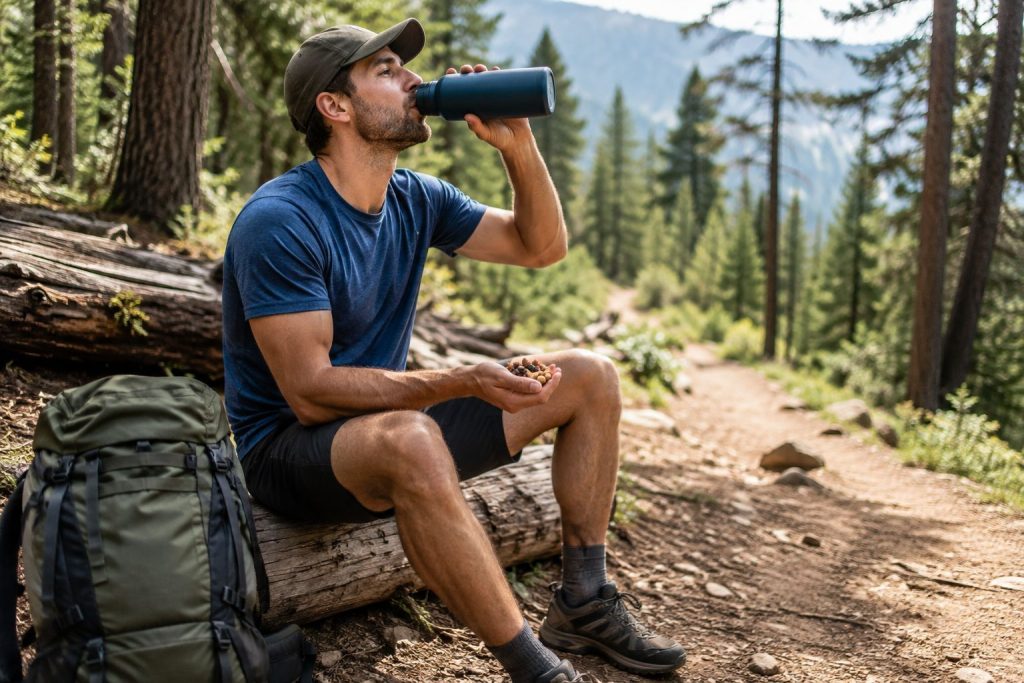
- Eat protein and carbs on the trail: Your muscles need fuel to work and grow. Pack trail mix, jerky, peanut butter sandwiches, or protein bars. Eat a small snack every hour to keep your energy up.
- Give yourself rest days: Muscles grow when they are resting, not when they are working. If you do a hard, steep hike on Saturday, take Sunday off or just do a very light, flat walk to recover.
Common Mistakes to Avoid
When hikers try to push themselves to get stronger, they sometimes make simple mistakes that lead to pain instead of progress. Let’s look at a few things you should avoid.
- Rushing the downhills: Running or hiking too fast downhill is terrible for your knees and doesn’t build healthy muscle. It actually causes tiny tears in your quadriceps that lead to extreme soreness. Take your time going down.
- Ignoring your upper body: If you never use trekking poles and only carry a tiny waist pack, your upper body misses out entirely.
- Hiking without enough water: Muscles cannot function or recover without hydration. If you do not drink enough, you will get severe muscle cramps.
- Wearing the wrong shoes: Flimsy sneakers offer no support. This forces your foot and ankle muscles to overwork, leading to foot pain rather than strong legs. Always wear sturdy trail shoes or hiking boots.
- Forgetting to stretch: Hiking makes your hamstrings and calves very tight. If you hop right into your car after a long hike without stretching, your muscles will stiffen up badly.
Practical Tips from Oscar
Over the years, I have learned a few tricks to make my legs feel stronger and recover faster. I am not a personal trainer, but these are the simple, everyday habits that help me handle longer, tougher trails.
Key Takeaways
- Hiking is an excellent way to build lean, endurance-based muscle, especially in your lower body and core.
- The main muscles worked during a hike are your quadriceps, hamstrings, glutes, calves, and stabilizing core muscles.
- To increase the muscle-building benefits, gradually hike steeper trails, carry a heavier backpack, and use trekking poles.
- Proper nutrition and hydration on the trail are required to keep your muscles functioning and prevent cramping.
- Always prioritize safety: know the difference between healthy muscle fatigue and dangerous exhaustion, and never push through sharp joint pain.
Frequently Asked Questions
Does hiking build glutes?
Yes, hiking is a fantastic way to build your glutes. Your glute muscles do most of the heavy lifting when you are walking uphill, climbing over rocks, or stepping up onto tall roots. The steeper the trail, the harder your glutes have to work.
Can you get bulky legs from hiking?
No, hiking generally will not make your legs look bulky. Hiking is a form of endurance exercise, which means it builds lean, dense, and toned muscle. To get bulky bodybuilder legs, you typically need to lift very heavy weights in a gym for short periods of time.
Does hiking build upper body muscle?
Hiking alone mostly works the lower body. However, if you carry a heavy backpack, your shoulders and upper back will get stronger to support the weight. Using trekking poles correctly also provides a light workout for your arms, chest, and back.
Is hiking better than the gym for legs?
It depends on your goals. If you want maximum size and strength quickly, the gym is better. But if you want functional, real-world leg strength, better balance, and high endurance—while enjoying fresh air—hiking is an incredible option.
How long does it take to see muscle from hiking?
If you hike consistently (two to three times a week) and challenge yourself with elevation, you may start feeling stronger within a few weeks. Visible changes to muscle tone usually take a couple of months of regular hiking and a healthy diet.
Why do my legs shake after a hike?
Shaking legs usually mean your muscles are completely fatigued and depleted of energy. This happens when you push past your normal endurance levels. It is a sign you need to stop, rest, hydrate, and eat carbohydrates and protein.
Wrapping Up Your Trail Training
So, does hiking build muscle? Absolutely. Every time you lace up your boots and head up a hill, you are making your legs stronger, improving your balance, and building a tougher core. The good news is that you don’t have to treat the trail like a grueling gym session to see the benefits. Just getting out there consistently and tackling new terrain will naturally make you a stronger hiker.
Remember, the goal is to enjoy the outdoors safely. Don’t rush into carrying heavy backpacks or climbing the steepest mountains right away. Take it step by step, listen to your body, and always pack enough snacks and water to keep those muscles fueled. If you take care of your body, it will carry you to some truly amazing places.
If you are feeling ready to test your legs on a longer adventure but aren’t sure what to pack, be sure to read my guide on backpacking basics before you plan your first overnight trip. See you on the trail!

1 thought on “Does Hiking Build Muscle? A Guide for Everyday Hikers”