
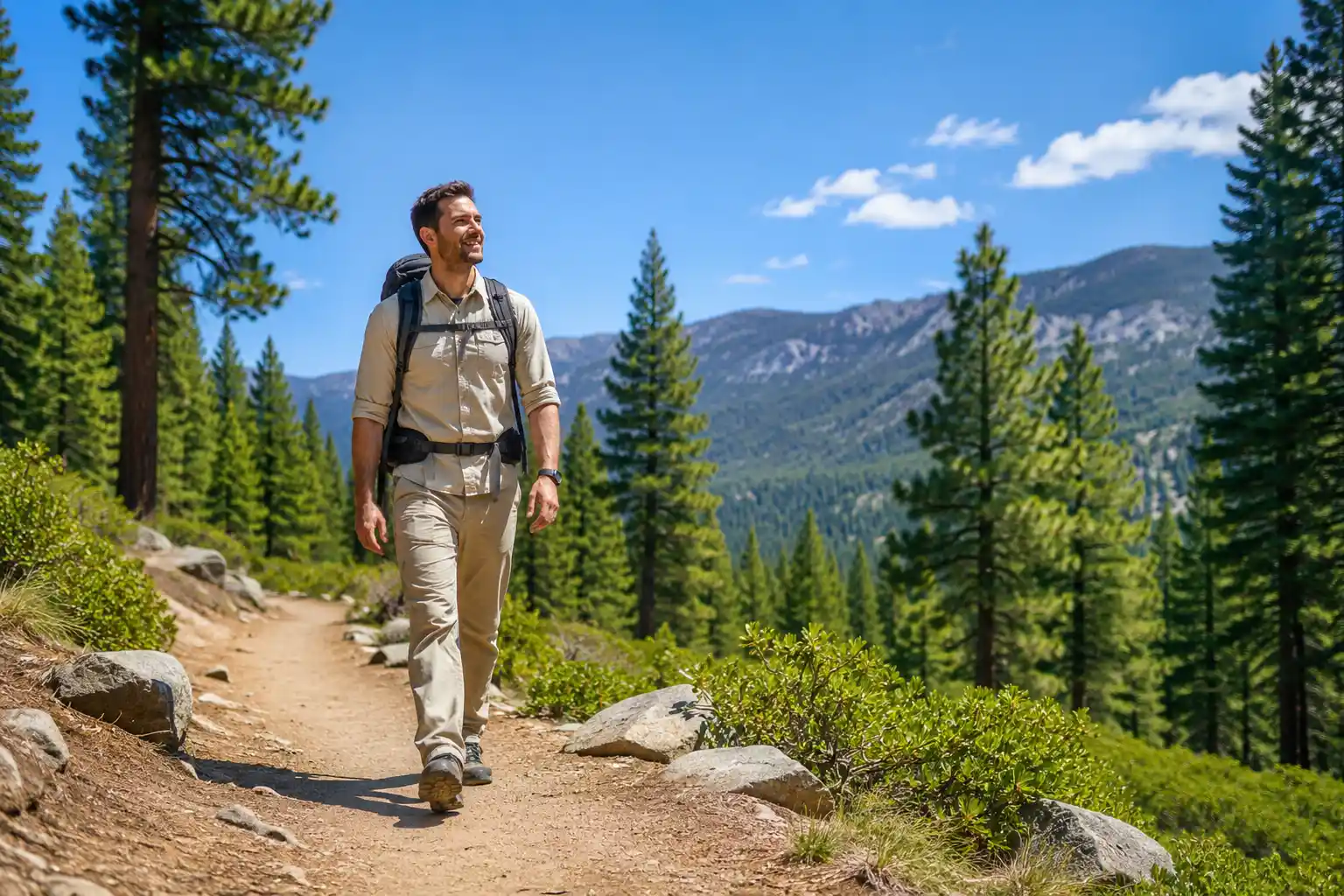
Hey there, Oscar here. Picture this. You are enjoying a beautiful summer hike. The sun is shining, the mountain views are amazing, and you feel great. Then, suddenly, you hear that familiar, angry buzzing sound right next to your ear. We have all been there. Nothing ruins a peaceful day on the trail faster than a swarm of bees or a few aggressive wasps.
If you are heading out into the woods, dealing with bugs is just part of the deal. But you do not have to be a walking target. In my years on the trail, I have learned that a few simple changes to your gear and habits can make a huge difference. You want to enjoy nature, not run away from it.
In this guide, I will show you exactly how to avoid bees and wasps while hiking. I will walk you through what to wear, how to pack your food, and what to do if a buzzing bug decides to check you out. Let me explain the best ways to keep these stingers away so you can focus on the hike.
Quick Answer
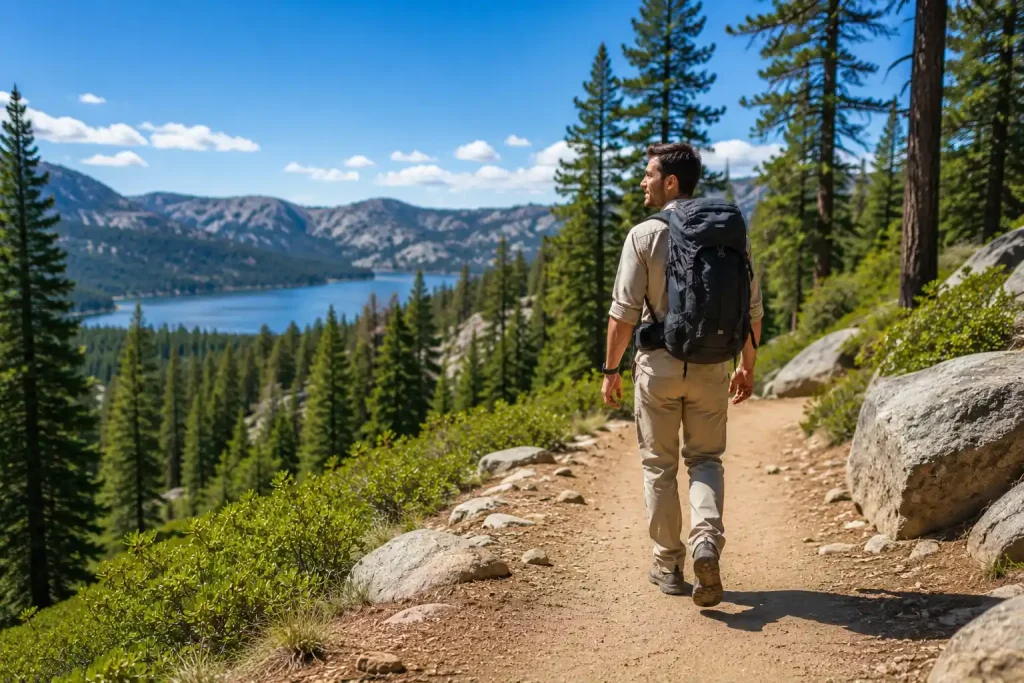
To avoid bees and wasps while hiking, wear light-colored clothing like white, tan, or khaki. Avoid using scented soaps, lotions, or perfumes before your trip. Keep all your food and sugary drinks sealed tight in your backpack. Always stay on marked trails to avoid stepping on hidden ground nests. If a bee or wasp flies near you, stay calm, walk away slowly, and never swat at it.
Why Do Bees and Wasps Target Hikers?
Before we talk about how to keep them away, let us look at why they bother you in the first place. Bees and wasps do not just attack hikers for fun. Most of the time, they are looking for food, or they feel threatened. Here is the thing. When you hike, you bring a lot of strange smells and colors into their home.
Wasps and yellow jackets are hunters and scavengers. They love the smell of human food, especially sweet snacks and meats. If you stop for a quick lunch, they will come looking for a free meal. Bees, on the other hand, are looking for nectar and pollen. If you wear bright colors or smell like flowers, a bee might mistake you for a giant, walking garden.
Here are the main things that attract them to you on the trail:
- Sweet Smells: Perfumes, scented deodorants, and sweet snacks are a magnet for bugs.
- Bright Colors: Floral patterns and bright colors look like big flowers to bees.
- Dark Colors: Dark colors like black or brown look like natural predators, such as bears or skunks.
- Sudden Movements: Swatting and waving your arms makes you look like a threat.
How to Tell If You Are in a High-Risk Area
If you want to avoid getting stung, you need to know where these bugs live. Bees and wasps make their homes in different places. Some build nests high up in trees, while others dig into the ground. Knowing what to look for can save you a lot of pain.
Ground nests are the biggest danger for hikers. Yellow jackets love to build their homes in old rodent burrows, under rotten logs, or hidden in tall grass. If you step on one of these nests, the whole colony will come out to defend it. Paper wasps usually build their umbrella-shaped nests under tree branches or rocks.
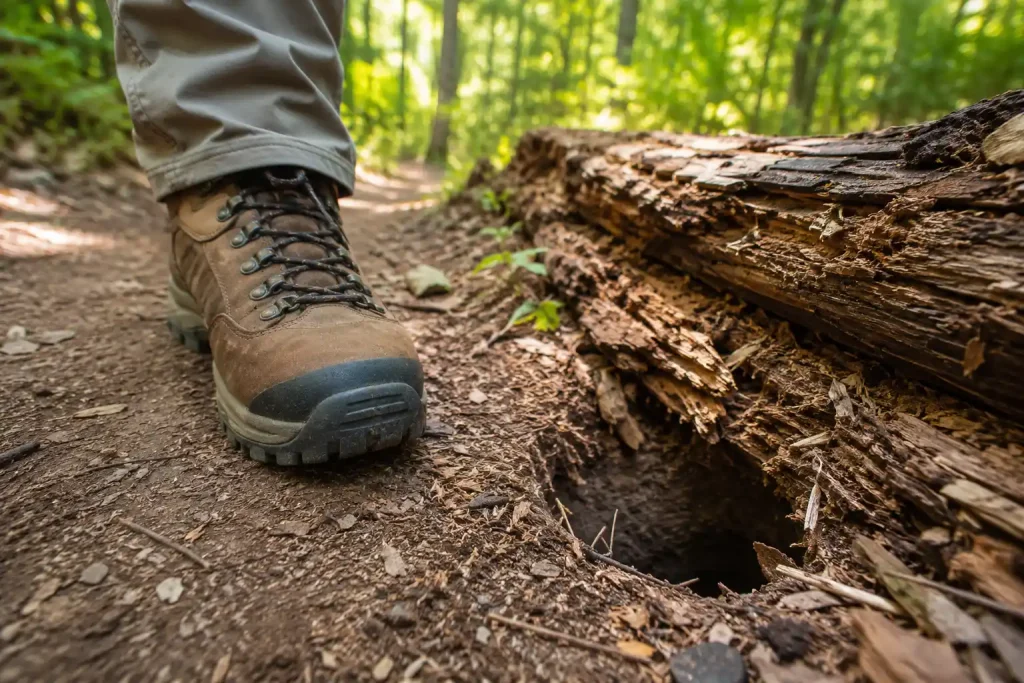
Always watch the path ahead of you. If you see bugs flying in and out of a specific hole in the ground, give it a wide berth. Late summer and early fall are the worst times for wasps. During these months, their natural food starts to dry up, and they get very hungry and aggressive.
| Insect Type | Nest Location | Diet Preference | Aggression Level |
|---|---|---|---|
| Honey Bee | Tree hollows, hives | Pollen, nectar | Low (Defensive only) |
| Bumblebee | Underground, brush | Pollen, nectar | Low |
| Yellow Jacket | Underground, logs | Meat, sugary foods | High (Very aggressive) |
| Paper Wasp | Tree branches, rocks | Insects, fruit | Medium |
You can also see ; Is Hiking at Night Dangerous? Safety Guide & Essential Tips 2026
How to Avoid Bees and Wasps While Hiking Step by Step
Now that you know what attracts them, let us fix your hiking routine. Follow these simple steps before and during your hike. These tips will greatly lower your chances of dealing with unwanted buzzing visitors.
- Wear Light, Plain Colors: White, tan, and light green are the safest colors to wear on the trail. Bugs ignore these colors because they do not look like flowers or predators.
- Skip the Smelly Stuff: Do not use scented shampoo, body wash, or deodorant on the morning of your hike. Go for unscented products instead. Never wear cologne or perfume in the woods.
- Pack Food Smartly: Keep your trail mix, sandwiches, and energy bars in airtight containers or bags. Do not leave food wrappers sitting out when you take a break.
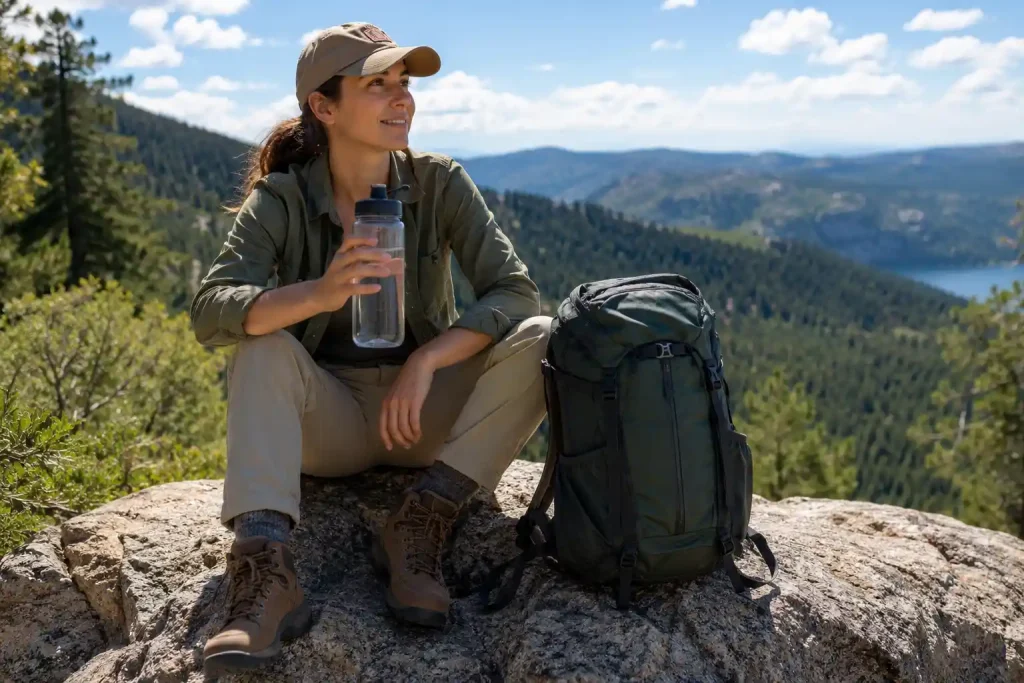
- Drink Plain Water: Sugary sports drinks and sodas are a huge draw for yellow jackets. If you must bring a sweet drink, keep it in a bottle with a tight lid, and check the rim before you take a sip.
- Stay on the Trail: Marked trails are cleared of heavy brush and hidden holes. Bushwhacking through tall grass greatly increases your chances of stepping on a ground nest.
- Keep Calm if Approached: If a bee flies around you, just freeze. Most of the time, they will realize you are not a flower and fly away. Slowly back up if it does not leave.
When you prepare for a hike, choosing the right clothes is half the battle. Here is a quick breakdown of what you should wear.
| Clothing Item | What to Wear | What to Avoid |
|---|---|---|
| Shirts and Pants | Light khaki, tan, white, or light gray | Floral patterns, neon, black, navy blue |
| Fabrics | Smooth, tightly woven nylon or polyester | Rough, fuzzy fabrics where stingers can get stuck |
| Fit | Slightly loose but close to the body | Extremely baggy clothes that bugs can fly under |
Common Mistakes to Avoid
Even smart hikers make mistakes when bugs start buzzing. Panic is your worst enemy on the trail. Avoid doing these common things if you want to stay sting-free.
- Swatting and Swinging: This is the biggest mistake. When you crush a wasp, its body releases an alarm scent. This smell tells every other wasp in the area to come and attack you.
- Wearing Hairspray or Gel: Hair products usually have strong, sweet smells. Bugs will go straight for your head.
- Leaving Your Backpack Open: An open hiking daypack is a perfect place for a wasp to explore. Always zip your bags completely shut when you stop to rest.
- Ignoring Trash Cans: If a trailhead or picnic area has overflowing trash cans, move far away. Wasps love to swarm around rotting food and empty soda cans.
Warning: If you accidentally step on a ground nest and a swarm attacks, do not freeze. In this one specific situation, you need to run away as fast as you can. Cover your face with your shirt and keep running until the wasps stop chasing you. Do not jump into water, as they will just wait for you to come up for air.
Expert Tips from Oscar
Over the years, I have picked up a few extra tricks for keeping bugs at bay. These are small habits, but they make a big difference when you are miles away from your car.
Be Careful with Sunscreen and Bug Spray
You need sunscreen to protect your skin, but many brands smell like coconuts or tropical fruit. Bees love this. I always buy sport or baby sunscreen because they are usually unscented. Also, remember that standard bug sprays made with DEET do not work well against wasps and bees. They only repel biting bugs like mosquitoes and ticks. For safe insect repellent guidelines, you can check resources from the EPA.
Check Your Food Before Every Bite
When you sit down to eat your lunch, keep your eyes on your food. Yellow jackets are sneaky. They will land on your sandwich right as you bring it to your mouth. I always take a bite, then cover my food with my hand or put it back in its wrapper while I chew. Never leave an open can of soda sitting on a rock.
Carry an EpiPen if You Need One
If you know you are highly allergic to bee or wasp stings, you must carry your prescribed EpiPen on every hike. Make sure it is not expired. Even more importantly, tell your hiking partner exactly where it is in your bag and how to use it. Safety should always come first. The National Park Service recommends always carrying a complete first-aid kit on the trail.
Key Takeaways
- Wear light colors like tan or white, and avoid dark colors or floral prints.
- Do not wear any scented products, including perfume, deodorant, and fruity sunscreen.
- Keep your food and sugary drinks sealed in your bag when you are not actively eating.
- Watch your step to avoid ground nests, especially in late summer.
- Never swat at a bee or wasp. Stay calm and walk away slowly to avoid a sting.
Frequently Asked Questions
What color clothing attracts bees?
Bees are highly attracted to bright colors and floral patterns because they mistake them for real flowers. They also dislike dark colors like black or brown, as these colors resemble natural predators like bears. Light, plain colors are the safest choice.
Does bug spray keep wasps away?
No, standard bug sprays like DEET are not very effective at keeping wasps or bees away. These sprays are designed to mask your scent from biting insects like mosquitoes and ticks, not stinging insects looking for sweet smells or defending their nests.
What should I do if a wasp lands on me?
If a wasp lands on you, the best thing to do is stay completely still. Do not swat it or yell. Wait a few moments to let it realize you are not food. If it does not fly away on its own, slowly and gently brush it off with a piece of paper or a leaf, not your bare hand.
Do trekking poles disturb ground nests?
Yes, stabbing your trekking poles into the dirt near a ground nest can easily send vibrations into the ground. These vibrations can alert yellow jackets and cause them to swarm. Always place your poles carefully and stay on the main, packed-down trail.
Are yellow jackets aggressive?
Yes, yellow jackets are known to be highly aggressive, especially in the late summer and fall when their food supply is low. They are very protective of their nests and can sting multiple times without losing their stinger, unlike honey bees.
Conclusion
Dealing with bugs is a normal part of spending time outdoors. But by dressing smartly, hiding your smelly snacks, and staying calm, you can greatly reduce your chances of a painful sting. The woods are their home, and we are just visitors. Respecting their space is the easiest way to stay safe.
So what should you do next? Go check your closet for some light-colored hiking clothes, swap out your scented deodorant for a plain one, and hit the trail with confidence. If you need help finding a good pack that seals your snacks away perfectly, check out my guide on the best day hiking backpacks for your next trip. Stay safe, and happy hiking!
