Have you ever found yourself on the trail as the sun starts to dip below the horizon? Maybe you planned to catch a beautiful sunset, or perhaps a long day hike just took a bit more time than you expected. Whatever the reason, finding yourself out in the wild after dark brings up a very important question.
Is hiking at night dangerous?
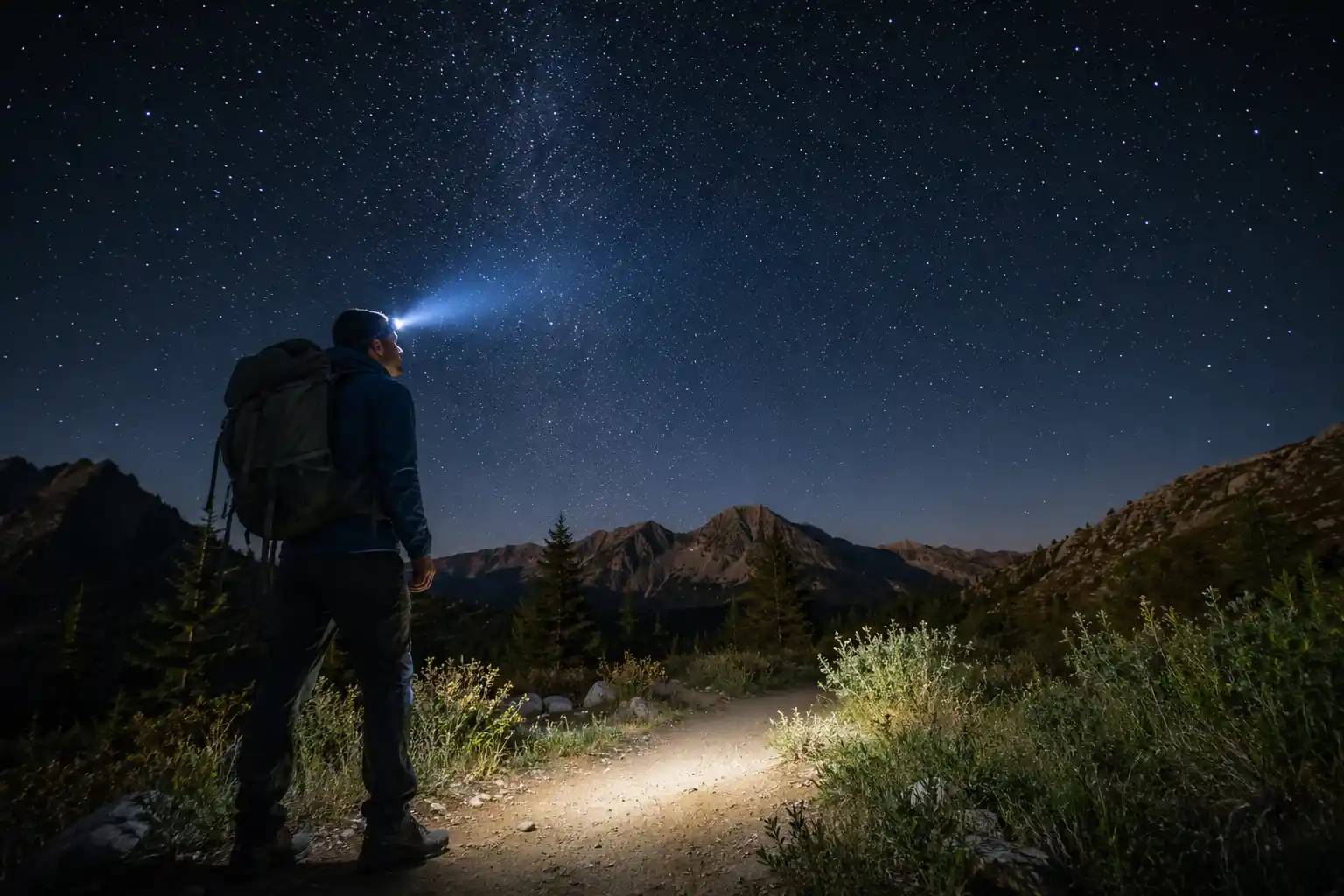
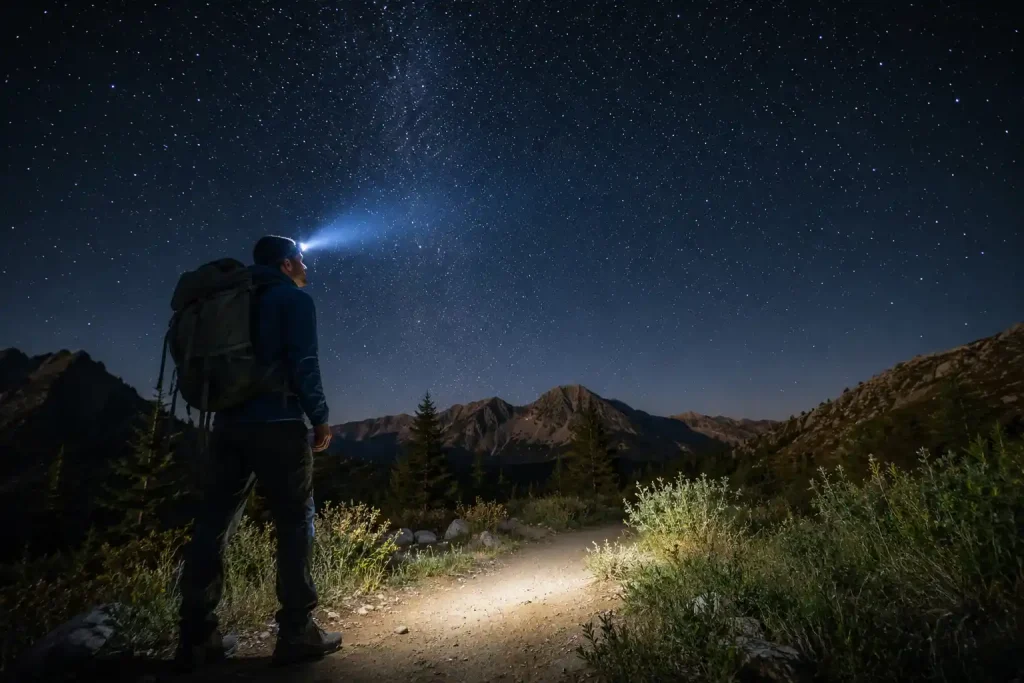
Here’s the thing. Night hiking can be an incredibly peaceful and rewarding experience. The trails are quiet, the stars are stunning, and the summer heat finally fades away. But without the right preparation, the dark can also turn a simple walk in the woods into a stressful and risky situation. Let me explain what you need to know to stay safe, confident, and ready for your next after-dark adventure.
Is Hiking at Night Dangerous
Yes, hiking at night can be dangerous if you are unprepared, but it is generally safe when you have the right gear, knowledge, and planning. The main risks include poor visibility, getting lost, sudden temperature drops, and unexpected wildlife encounters. You can easily manage these dangers by carrying a reliable headlamp, sticking to familiar trails, hiking with a buddy, and packing proper emergency outdoor gear.
What Makes Night Hiking Risky?
Hiking in the dark changes everything. The trail you know perfectly well during the day can feel like an alien planet at night. Understanding the risks is the first step to staying safe.
The most obvious challenge is visibility. Without the sun, you lose your depth perception and peripheral vision. Roots and rocks easily hide in the shadows cast by your headlamp. This makes tripping and falling much more likely. It also makes spotting trail markers much harder.
Then there is the weather. Once the sun goes down, temperatures can drop fast, especially in the mountains or desert. What felt like a warm summer evening can quickly turn freezing. If you are sweating from a long day hike and the wind picks up, you risk hypothermia if you do not have extra layers.
Wildlife is another factor to think about. Many forest animals are nocturnal or crepuscular, meaning they are most active at dawn and dusk. While most animals want nothing to do with you, you are more likely to surprise a skunk, raccoon, or even a bear or mountain lion in the dark.
Finally, getting lost is a real threat. Landmarks disappear in the dark. If you step off the trail for just a minute to use the bathroom, it can be shockingly hard to find your way back to the path.
How to Tell If You Are Ready for Night Hiking
So, how do you know if you are ready to tackle the trail after dark? Not every hiker should jump straight into a moonless midnight trek. You need to build up your skills first.
If you are a beginner, you should start by hiking a very familiar, well-marked trail. Choose a path you have hiked multiple times during the day. Go on a night when the moon is full and the sky is clear. This gives you extra natural light and makes the experience much less intimidating.
You also need to evaluate your gear. If your only source of light is a dying smartphone flashlight, you are not ready for night hiking. You need hands-free lighting, navigation tools, and extra warm outdoor clothing.
Skill Level
Trail Choice
Conditions to Look For
Navigation Needed
Beginner
Wide, flat, familiar trails (local parks)
Full moon, clear skies, mild weather
Cell phone map, simple trail signs
Intermediate
Moderate elevation, slightly rocky trails
Partial moon, cooler weather
GPS watch, downloaded maps
Advanced
Remote wilderness, steep terrain
No moon, deep forest canopy
Paper map, compass, satellite messenger
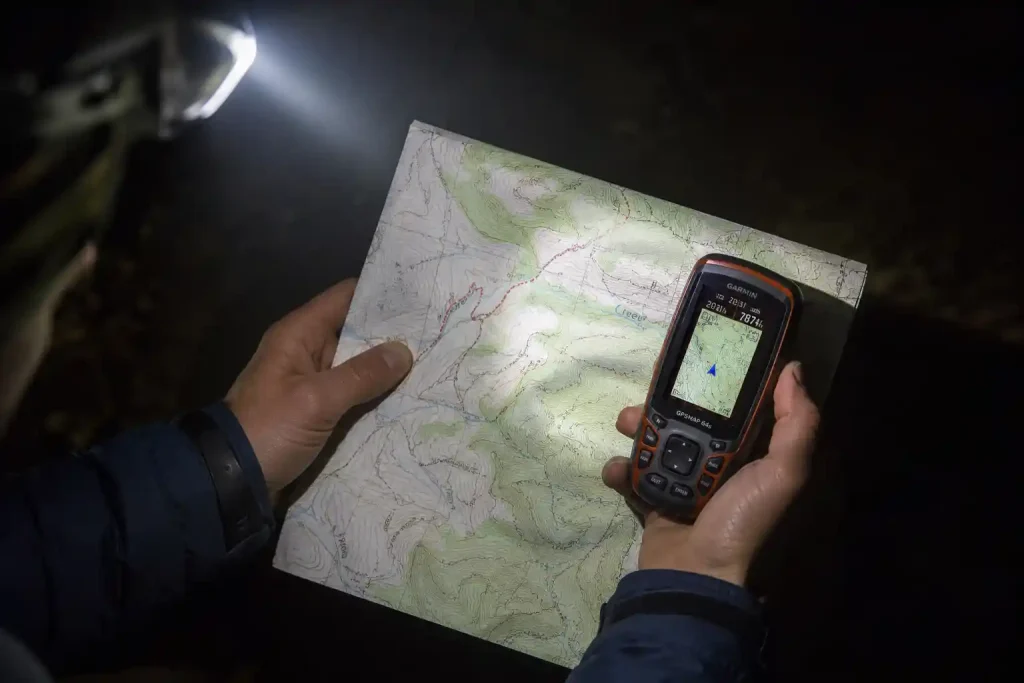
hiker’s hands holding a glowing GPS device
How to Stay Safe While Hiking at Night Step by Step
The good news is that you can easily make night hiking safe and fun. You just need to follow a few simple steps before you head out into the dark. Here is my exact process for planning a safe night hike.
Bring reliable light sources. Never rely on just one light. You need a high-quality headlamp so your hands remain free. Pack a set of extra batteries. You should also bring a backup light, like a small handheld flashlight, just in case your main headlamp breaks.
Layer up your clothing. The temperature will drop. Pack a moisture-wicking base layer, an insulating fleece, and a windproof jacket. When you stop moving to look at the stars, you will get cold very quickly.
Tell someone your plan. Always leave your itinerary with a friend or family member. Tell them exactly which trail you are hiking, where you parked, and what time you plan to be back.
Slow your pace. Night hiking is not a race. Because you cannot see as far ahead, you need to slow down to avoid twisting an ankle. Take your time and focus on your footing.
Use the buddy system. There is safety in numbers. Hiking with at least one other person cuts your risks significantly. It also makes the dark woods feel far less spooky.
Stay on the marked trail. Nighttime is not the time for bushwhacking or exploring new shortcuts. Stick to the established path to avoid getting lost or stepping into hazardous terrain.
If you plan to make this a regular hobby, you will need to invest in the right gear. Check out our guide on the best hiking backpacks to see how to organize your gear for nighttime adventures.
Gear Item
Why You Need It for Night Hiking
Headlamp (300+ Lumens)
Keeps hands free, illuminates the trail, has red light mode.
Extra Batteries
Cold weather drains batteries fast. Never be left in the dark.
Trekking Poles
Provides extra stability when you can’t easily see rocks and roots.
Emergency Bivy / Blanket
Reflects body heat if you are forced to spend the night outside.
Whistle
The loudest way to signal for help if you get separated from your group.
Common Mistakes to Avoid
Over the years, I have seen plenty of hikers make easily avoidable errors when the sun goes down. Avoid these common traps.
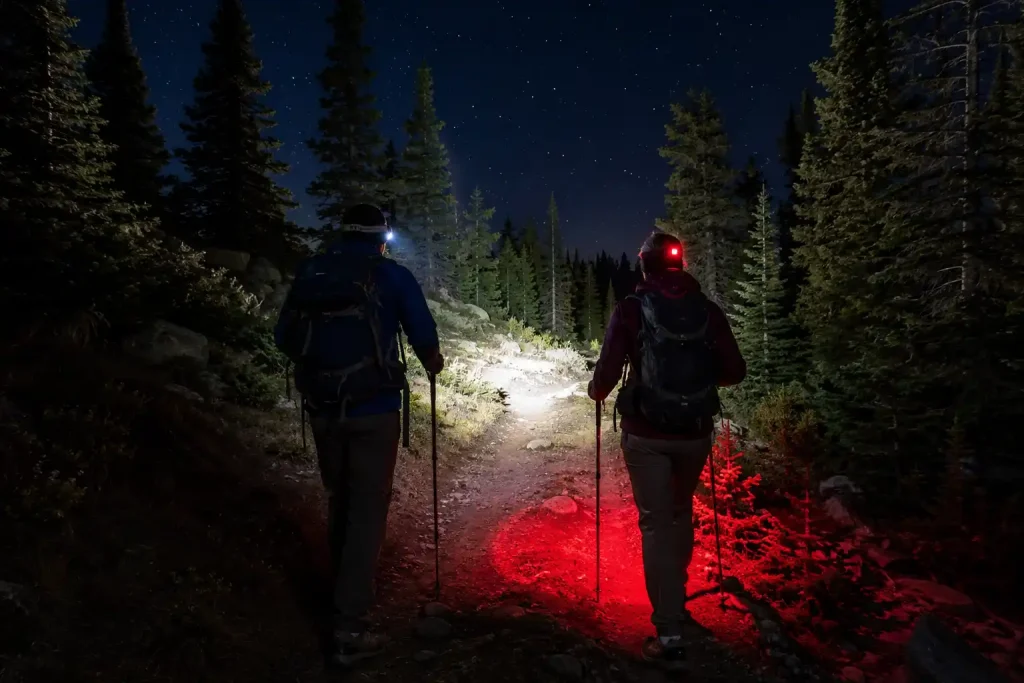
Looking directly at your hiking buddies. When you wear a bright headlamp, looking at your friends will blind them and ruin their night vision. Turn your head away or switch to a red light mode when talking.
Wearing dark, non-reflective clothing. If a rescue team or another hiker needs to find you, dark clothing makes you invisible. Wear bright colors or add reflective tape to your hiking gear.
Forgetting a physical map. Phones die very quickly in cold night air. Always carry a physical map and compass as a backup, and know how to use them.
Ignoring wildlife safety. You still need to make noise to avoid startling animals. Talk quietly with your partner or clap your hands occasionally.
Ignoring the moon cycle. Hiking on a new moon (no moon) is incredibly dark. Check the lunar calendar and try to plan your first few trips around a full moon.
Warning: Never use your phone flashlight as your primary light source on a night hike. It drains your battery rapidly, ruining your only way to call for help in an emergency, and prevents you from having your hands free to catch yourself if you fall.
Expert Tips from Oscar
As someone who spends a lot of time on the trail, I’ve picked up a few tricks to make night hiking much more enjoyable. Here are my favorite strategies.
Oscar’s Tip: Use Red Light Mode.
Most good headlamps have a red light setting. Use it! White light completely ruins your natural night vision, and it takes your eyes about 30 minutes to adjust to the dark again. Red light gives you enough visibility to see the trail right in front of you without destroying your eyes’ ability to see the stars and shadows. It also keeps bugs out of your face!
Oscar’s Tip: Familiarize Yourself with Trail Markers.
During the day, you probably don’t notice trail blazes on trees. At night, they are your best friend. Many national and state parks use reflective paint or metal diamonds for trail markers. Shine your light into the distance and sweep it side to side to catch the reflection of the next marker.
Oscar’s Tip: Pause and Listen.
Your sense of hearing becomes much stronger when your vision is limited. Stop every mile or so, turn off your lights, and just listen. The sounds of owls, crickets, and rustling leaves are incredible. It helps you feel connected to the environment rather than afraid of it.
Two hikers walking on a trail at night, viewed from behind.
Key Takeaways
Night hiking is generally safe if you prepare properly and bring the right gear.
Loss of visibility, sudden cold, and getting lost are the biggest dangers.
Always carry a primary headlamp and a backup light source.
Start on familiar, easy trails during a full moon before tackling hard routes.
Use the buddy system and always tell someone where you are going.
Use the red light setting on your headlamp to preserve your natural night vision.
Frequently Asked Questions
Are bears more active at night?
Bears are considered crepuscular, meaning they are most active during early morning and late evening. However, they can be active at night, especially in areas with high human activity during the day. It is always important to make noise and carry bear spray if you are hiking in bear country.
Do I need special shoes for night hiking?
You do not need strictly different shoes for night hiking, but you do need sturdy footwear. Because you cannot see obstacles perfectly, a solid pair of hiking boots with good ankle support will help prevent sprains if you trip over a hidden root.
Is it safe for a woman to hike alone at night?
Solo night hiking carries risks for anyone, regardless of gender. The primary dangers are environmental, like getting lost or injured. While many women do hike solo at night safely, it is highly recommended for all hikers to use the buddy system after dark for safety and peace of mind.
Can I use a regular flashlight instead of a headlamp?
You can use a flashlight, but it is not recommended. A headlamp keeps your hands free, which is critical if you trip and need to catch yourself, or if you need your hands to check a map or use trekking poles. Keep a flashlight as your emergency backup.
What should I do if my light stops working?
Stop moving immediately. Do not try to walk in the pitch black. Sit down, safely grab your backup flashlight or extra batteries from your pack. If you have absolutely no light, wait for your eyes to adjust to the moonlight, or stay put and wait for sunrise rather than risking a dangerous fall.
How cold does it get when night hiking?
Temperatures can drop 15 to 20 degrees Fahrenheit or more once the sun sets, especially in arid climates or high elevations. Always pack extra insulating layers and a windbreaker, even if you were sweating heavily during the day.
Conclusion
So, is hiking at night dangerous? It certainly can be, but only if you ignore the risks and head out unprepared. By taking a few extra minutes to pack a solid headlamp, extra layers, and a backup map, you can easily turn a potentially scary situation into an amazing outdoor adventure.
Hiking under the stars offers a completely different perspective on nature. The trails are empty, the air is crisp, and the experience is deeply rewarding. If you have never tried it, I highly recommend finding a local, familiar trail and going out on the next full moon.
If you are ready to upgrade your gear for your next dusk-to-dawn trek, check out our guide on how to choose the right trekking poles for better stability in the dark. Stay safe out there, bring extra batteries, and enjoy the night trail!
To provide the best experiences, we use technologies like cookies to store and/or access device information. Consenting to these technologies will allow us to process data such as browsing behavior or unique IDs on this site. Not consenting or withdrawing consent, may adversely affect certain features and functions.
Functional
Always active
The technical storage or access is strictly necessary for the legitimate purpose of enabling the use of a specific service explicitly requested by the subscriber or user, or for the sole purpose of carrying out the transmission of a communication over an electronic communications network.
Preferences
The technical storage or access is necessary for the legitimate purpose of storing preferences that are not requested by the subscriber or user.
Statistics
The technical storage or access that is used exclusively for statistical purposes.The technical storage or access that is used exclusively for anonymous statistical purposes. Without a subpoena, voluntary compliance on the part of your Internet Service Provider, or additional records from a third party, information stored or retrieved for this purpose alone cannot usually be used to identify you.
Marketing
The technical storage or access is required to create user profiles to send advertising, or to track the user on a website or across several websites for similar marketing purposes.


1 thought on “Is Hiking at Night Dangerous? Safety Guide & Essential Tips 2026”