
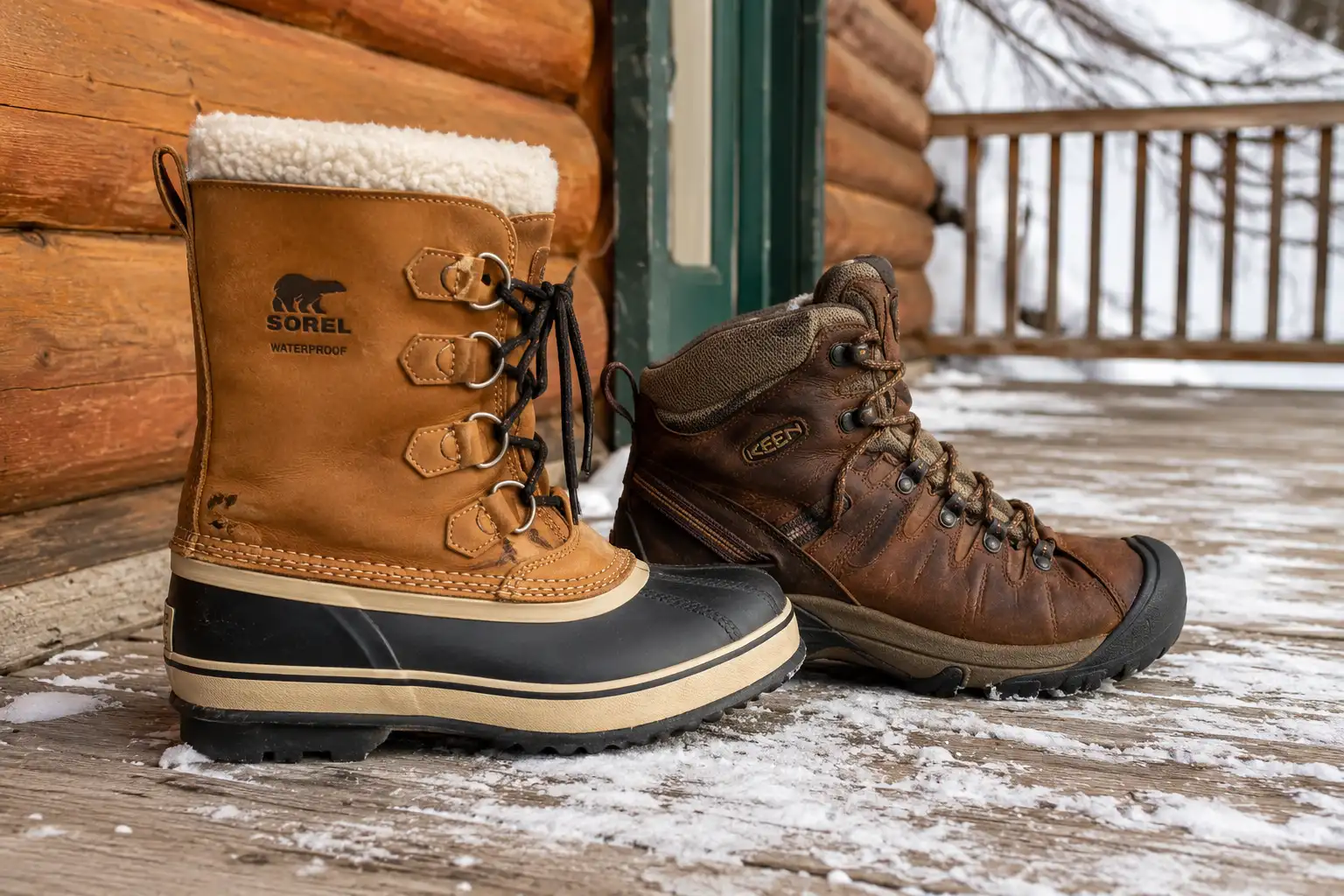
Hey there, Oscar here! If you live anywhere with long, cold winters, chances are you know the Sorel brand. They make some of the warmest, most stylish winter footwear on the market. But if you are planning a winter trail adventure, you might be wondering: are Sorel boots good for hiking?
It is a question I hear all the time out on the trails. You already spent good money on a pair of heavy-duty winter boots to keep your toes warm while shoveling the driveway or watching a winter parade. It seems logical to just lace them up for a snowy hike, right?
Well, here is the thing. While Sorels excel at keeping the cold out, the demands of a hiking trail are very different from the demands of a snowy sidewalk. Today, we are going to break down exactly what makes a good hiking boot, where traditional winter boots fall short, and how to keep your feet safe and blister-free this season.
Quick Answer
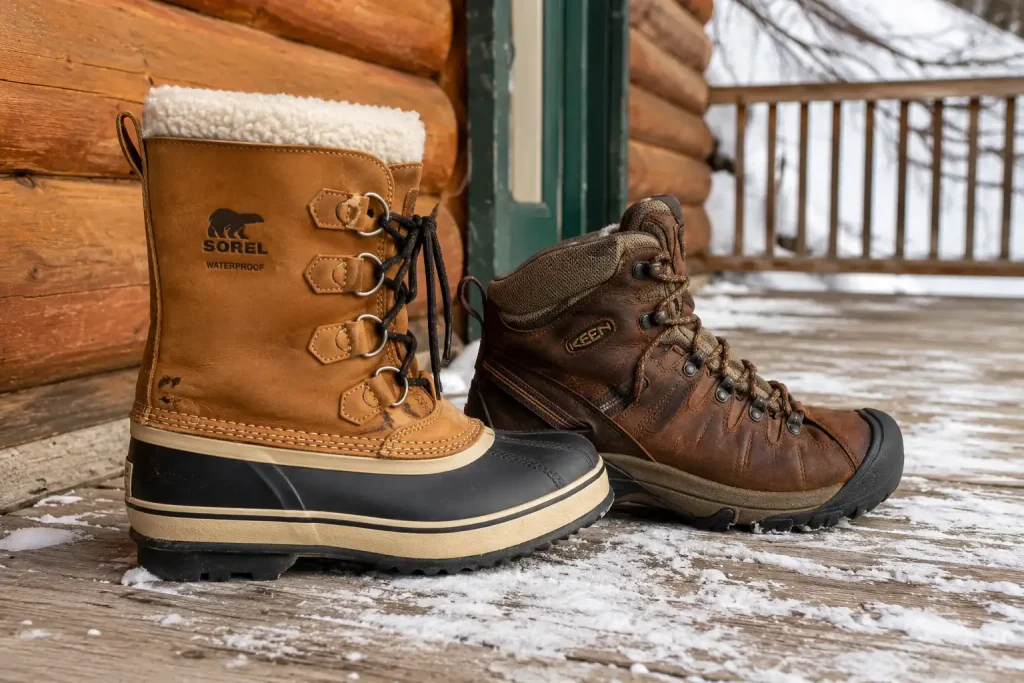
The short answer is no, traditional Sorel winter boots are not good for serious hiking. While they are incredibly warm and great for walking through deep snow in town, they lack the rigid ankle support, snug heel fit, and breathable materials needed for hiking trails. Wearing heavy winter boots on uneven terrain often leads to severe blisters and foot fatigue. However, Sorel does make a few lightweight sneaker-style boots that can handle flat, well-maintained dirt paths. For actual mountain hiking or backpacking, you should always choose dedicated hiking boots.
What Are Sorel Boots Actually Designed For?
To understand why most Sorels struggle on the trail, we need to look at what they were built to do. The classic Sorel “pac boot” design—think of the famous Sorel Caribou—was invented to keep your feet warm in extreme sub-zero temperatures.
These boots feature a thick rubber lower shell, a heavy suede or leather upper, and a thick, removable felt liner. They are designed for static warmth. This means they keep your feet toasty when you are standing still or moving slowly through deep snow.
When you are hiking, your body generates a massive amount of heat. You aren’t standing still; you are pushing your muscles to the limit. Hiking requires footwear that can breathe, flex with your foot, and grip unpredictable surfaces. Classic winter boots are simply too bulky and insulated for high-output activities.
The Problem with the “Pac Boot” Fit
One of the biggest issues with wearing winter boots on a hike is the fit. Winter boots are intentionally designed with a loose, roomy fit. This extra space allows warm air to circulate around your toes, which prevents frostbite.
But on a hiking trail, a loose fit is your worst enemy. When you walk uphill, your heel will slip up and down inside the boot. This constant friction causes massive blisters, sometimes within the first mile of your hike. By the time you reach the summit, your feet will be in agony.
Key Differences Between Sorel Boots and Hiking Boots
Let me explain exactly what sets a dedicated hiking shoe apart from a casual winter boot. If you are packing your hiking backpack for a weekend trip, these are the factors you need to consider.
- Ankle Support: Hiking boots have stiff collars that lock your ankle in place. This stops you from rolling your ankle on hidden rocks or tree roots. Winter boots have soft, flexible uppers that offer almost no structural support.
- Breathability: Hiking boots use specialized membranes like GORE-TEX to let foot sweat escape while keeping rain out. Winter boots trap heat and moisture inside.
- Weight: A single Sorel Caribou boot can weigh over two pounds. Lifting four pounds of extra weight with every single step will drain your energy incredibly fast.
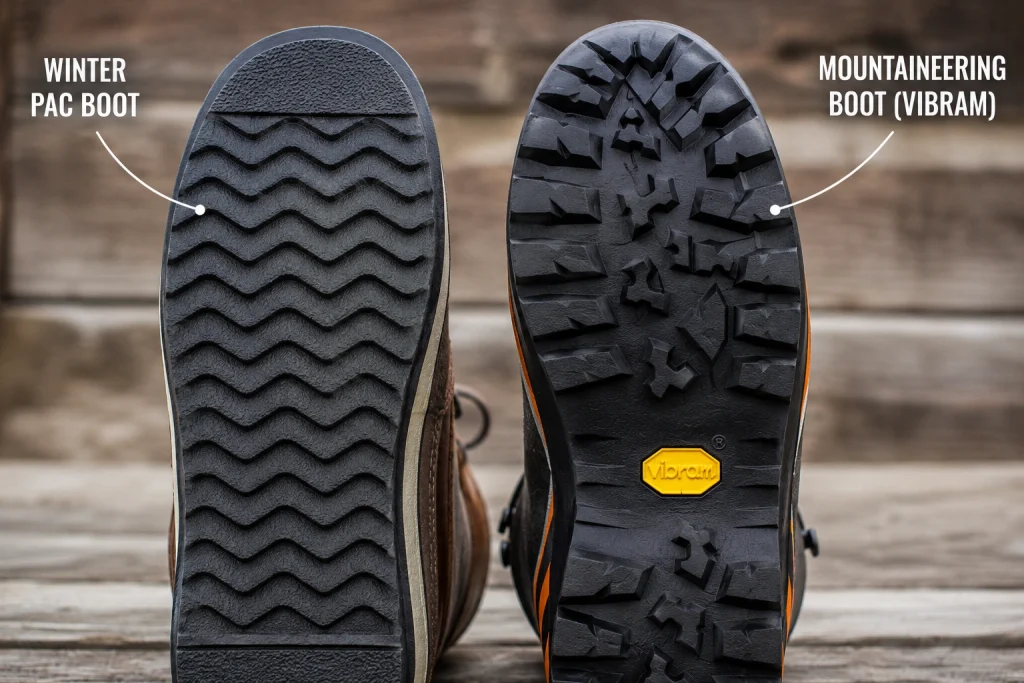
- Traction: Hiking boots feature deep, multi-directional lugs made of sticky rubber to grip wet rocks and mud. Winter boot outsoles are mostly flat and designed to walk on flat snow and pavement.
- Lacing Systems: Hiking boots have locking eyelets that allow you to customize the tension across your foot. Winter boots usually have basic D-rings that loosen as you walk.
Comparing the Footwear Side by Side
To make it easy, I put together a quick comparison of what you get with a classic winter boot versus a proper winter hiking boot.
| Feature | Classic Sorel Boot | Dedicated Hiking Boot |
|---|---|---|
| Primary Purpose | Standing in snow, shoveling, urban walking | Walking long distances on uneven terrain |
| Heel Fit | Loose and roomy (causes friction) | Snug and locked in place |
| Breathability | Very low; traps sweat inside | High; allows moisture to escape |
| Sole Stiffness | Soft and flexible rubber | Stiff shank to protect against sharp rocks |
| Weight per Pair | 4 to 5 pounds | 2 to 3 pounds |
The Danger of Sweaty Feet in Winter
This is a topic I am very passionate about. When you hike in a boot that is too warm, your feet are going to sweat. A lot. Because winter boots lack breathable membranes, that sweat has nowhere to go. It gets absorbed right into your socks and the felt liner of the boot.
While you are moving, your body heat keeps that moisture warm. But the good news ends the moment you stop for a rest or reach the summit. Once you stop moving, that trapped sweat rapidly cools down. Wet feet in freezing temperatures is a recipe for frostnip or even frostbite.
When Can You Actually Wear Sorels on a Hike?
I want to be fair here. Sorel makes a huge variety of footwear today, not just heavy snow boots. While I do not recommend their classic pac boots for mountains, there are a few scenarios where wearing Sorels is perfectly fine.
- Flat, Groomed Trails: If you are taking a two-mile walk on a flat, packed-down trail at a local nature center, your winter boots will do the job nicely.
- Sorel Explorer Series: Sorel has released hybrid sneaker-boots (like the Kinetic or Explorer lines). These are much lighter and fit more like running shoes. They are acceptable for light day hiking on dry dirt trails.
- Apres-Hike Comfort: My favorite way to use my Sorels is to leave them in the car. After a grueling 10-mile winter hike in stiff mountaineering boots, nothing feels better than slipping into soft, warm Sorels for the drive home.
If you plan to do any serious winter trekking, you need to invest in proper winter hiking boots. These look like normal hiking boots but include 200g to 400g of synthetic insulation to keep you warm without the bulk.
Benefits of Sorel Boots vs. Limitations for Hiking
| Feature | Sorel Boots (for Hiking) | Dedicated Hiking Boots | Who It’s Best For |
|---|---|---|---|
| Warmth | High: Excellent for cold, freezing temperatures | Moderate to High: Varies; focus is on comfort | Sorels excel in freezing conditions; hiking boots manage a wider temp range. |
| Waterproof | High: Great for snow, slush, and standing water | High: Designed for rain, streams, wet trails | Both offer waterproofing, but Sorel’s is geared towards static cold; hiking boots for active use. |
| Weight | High: Can cause fatigue on longer hikes | Lower to Moderate: Designed for energy efficiency | Hiking boots are lighter for sustained movement. |
| Breathability | Low: Can lead to sweaty, hot feet on exertion | High: Manages moisture for long-term comfort | Hiking boots are crucial for preventing blisters during activity. |
| Ankle Support | Moderate: Basic support, not specialized for trails | High: Engineered for stability on uneven ground | Hiking boots provide critical stability to prevent injury on technical trails. |
| Traction | Good on snow/ice: Less effective on dirt/mud/rock | Excellent on varied terrain: Designed for grip | Hiking boot outsoles are made to bite into natural surfaces. |
| Flexibility | Moderate to Stiff: Can feel less responsive | Engineered Flex: Adapts to foot movement | Hiking boots allow for a more natural stride over variable ground. |
Ultimately, Sorel boots are a specialized tool. They perform exceptionally well for their intended purpose of cold-weather foot protection. However, attempting to use them for activities where breathability, active support, and specialized traction are paramount, like hiking, often leads to a less enjoyable and potentially riskier experience.
When Sorel Boots Shine (But Not for Hiking)
Let’s be clear: Sorel boots are not “bad” footwear. They are exceptionally well-made for specific conditions, and for those conditions, they are often superior to many alternatives. Understanding their strengths helps clarify why they aren’t the go-to for hiking. Their reputation is built on rock-solid performance in environments that would make most other boots fail.
When you look at product specifications and aggregate user feedback, the recurring themes are warmth, waterproofing, and durability in cold, wet, and snowy environments. This makes them invaluable for a range of activities where staying comfortable and dry is the top priority without necessarily involving high levels of physical exertion.
Ideal Scenarios for Sorel Boots
If you find yourself in any of the following situations, your Sorel boots are likely an excellent choice:
- Conquering Winter Commutes: Navigating icy sidewalks, trudging through slushy streets, or dealing with unexpected snowfalls during your daily commute is where Sorels excel. Their robust rubber shells and deep treads offer good traction on slippery surfaces, and their insulation keeps your feet warm even in freezing temperatures. For example, many models are rated to keep you comfortable down to -40°F (-40°C), a specification that highlights their extreme cold performance.
- Enjoying Snowy Outdoor Activities: Think of a gentle walk in the snow, building a snowman, or a short, relaxed snowshoe outing. Sorels will keep your feet dry and warm, allowing you to enjoy the experience without the discomfort of cold toes. They provide a stable platform for light snow activities.
- Addressing Damp, Cold Chores: If you’re doing outdoor tasks like shoveling snow, clearing gutters, or any yard work in chilly, wet conditions, Sorels offer superior protection against water seeping in. Their waterproof construction means you don’t have to worry about puddles or damp ground.
- Bundled-Up Sightseeing: Exploring charming winter towns or attending outdoor holiday markets can be much more pleasant when your feet are warm and dry. Sorels offer that reliable comfort, letting you focus on the sights rather than your freezing toes.
The key commonality among these scenarios is that they typically involve lower levels of continuous physical exertion and a greater emphasis on static warmth and protection from external moisture and cold. This is precisely why they perform so well in these contexts and why they differ so much from footwear needed for prolonged, active hiking.
What to Look for in Genuine Hiking Boots
If you’ve decided that Sorel boots aren’t the ideal choice for your hiking adventures, the next step is knowing what to seek out in footwear specifically designed for the trail. Choosing the right hiking boots can make a world of difference in comfort, safety, and overall enjoyment on the trail. Our research indicates that proper hiking boots offer a combination of features tailored to performance and endurance.
Essential Features for Trail Footwear
When you’re shopping for hiking boots, keep an eye out for these key characteristics. These are the elements that will serve you best when navigating varied terrain and covering significant distances.
- Supportive Midsole and Shank: Look for a midsole made of materials like EVA or polyurethane, which provide cushioning and shock absorption. Many hiking boots also include a shank, a stiff layer between the midsole and outsole, to add load-bearing stability and protect your feet from sharp rocks. This is a core component for comfort on rough ground.
- Aggressive Outsole Tread: Hiking boot outsoles feature deep, multidirectional lugs designed for maximum grip on diverse surfaces like dirt, mud, gravel, and rock. Brands like Vibram are well-known for developing specialized rubber compounds and tread patterns for excellent traction.
- Waterproof and Breathable Materials: For true hiking performance, you want boots that can handle stream crossings and unexpected downpours without letting water in, but also allow internal moisture to escape. Many utilize membranes like Gore-Tex, which are tested to specific hydrostatic head and permeability standards. This ensures your feet stay dry from both external and internal sources.
- Ankle Support (Mid- or High-Cut): While low-cut trail runners offer agility, mid- and high-cut hiking boots provide crucial ankle support. This is vital for stabilizing your ankle joint on uneven or rocky terrain, reducing the risk of sprains. Construction methods often incorporate supportive overlays and lacing systems to enhance this feature.
- Durable Upper Construction: The upper part of the boot should be made from tough materials like full-grain leather, nubuck, or durable synthetic textiles designed to withstand abrasion from rocks and roots. Reinforced toe caps and heel counters add extra protection and longevity.
- Comfortable Fit and Lacing System: A boot that doesn’t fit well will quickly become a burden. Look for boots that accommodate your foot shape and allow for adjustment with a secure lacing system that prevents your foot from sliding forward on descents. You should be able to achieve a snug fit without pressure points.
Common Mistakes to Avoid When Hiking in the Snow
If you are heading out into cold weather, your footwear is your first line of defense. Here are a few common mistakes I see beginners make all the time:
- Ignoring Microspikes: Neither Sorels nor regular hiking boots will grip solid ice. If you are hiking in winter, you must carry traction cleats or microspikes in your pack.
- Over-tightening Laces: Trying to fix a loose winter boot by pulling the laces as tight as possible will just cut off your circulation, making your feet colder.
- Wearing Too Many Socks: Stuffing two pairs of thick wool socks into a boot compresses the insulation. You need dead air space around your foot to stay warm. One good pair of merino wool socks is enough.
- Assuming All Snow Boots Can Use Snowshoes: Heavy pac boots are often too wide to fit securely into the bindings of modern snowshoes. You usually need a streamlined winter hiking boot for a proper fit.
Expert Tips from Oscar
After years of hiking in freezing conditions, I’ve learned how to keep my feet happy. If you are building out your outdoor clothing and footwear system, keep these tips in mind.
How to Choose Proper Winter Hiking Boots
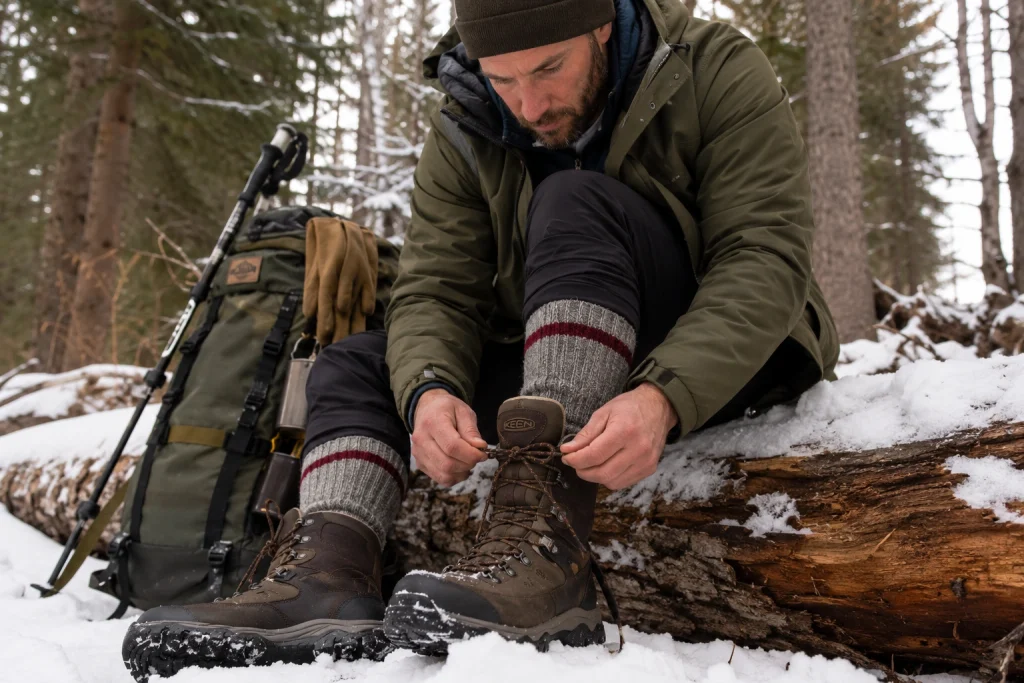
So, what should you look for instead? When shopping for winter hiking gear, you want a boot that strikes a balance between warmth, weight, and support. Let’s look at a quick checklist of what makes a great winter hiking boot.
| Feature to Look For | Why It Matters for Hiking |
|---|---|
| 200g – 400g Thinsulate | Provides excellent warmth without adding excessive weight or bulk. |
| Waterproof Membrane | Keeps melting snow out while allowing foot vapor to escape. |
| TPU Heel Counter | Locks your heel into the back of the shoe to prevent blister-causing friction. |
| Gusseted Tongue | Stops snow, dirt, and debris from falling in through the laces. |
| Snowshoe Ridge | A small lip on the heel that helps lock snowshoe binding straps in place. |
Brands like Merrell, Salomon, Oboz, and Keen make fantastic insulated hiking boots that perform beautifully on snowy mountains. They provide the agility of a running shoe with the warmth you need for cold weather survival.
Key Takeaways
- Traditional Sorel boots are designed for static warmth and urban walking, not for hiking trails.
- Their loose fit causes heel slip, which leads to painful blisters on uneven terrain.
- Because they lack breathability, your feet will sweat heavily, increasing the risk of cold injuries when you stop moving.
- Lightweight, sneaker-style Sorel boots can be used for short, flat walks on maintained dirt paths.
- For serious winter trails, always invest in a dedicated, insulated winter hiking boot with strong ankle support.
Frequently Asked Questions
Can you wear Sorel Caribou boots for hiking?
No, Sorel Caribou boots are not recommended for hiking. They are too heavy, lack ankle support, and have a loose fit that will cause blisters on uneven trails.
Are Sorel boots waterproof enough for hiking?
Yes, most classic Sorel boots are highly waterproof and feature sealed rubber shells. However, they are not breathable, meaning they will trap foot sweat inside the boot during a strenuous hike.
Do Sorel boots have good traction on ice?
Sorel boots have decent traction on loose snow, but their rubber outsoles do not grip solid ice well. If you are hiking in icy conditions, you need to attach microspikes to your boots.
What is the best type of boot for winter hiking?
The best boot for winter hiking is a dedicated insulated hiking boot. These feature 200g to 400g of synthetic insulation, a waterproof-breathable membrane, and aggressive rubber tread designed for trails.
Can I use Sorel boots for snowshoeing?
You can use Sorel boots for casual snowshoeing on flat terrain, but their bulky width often makes it difficult to secure them into standard snowshoe bindings. A slimmer winter hiking boot works much better.
Wrapping Up Your Winter Footwear Setup
I completely understand the temptation to use what you already have in the closet. Hiking gear can be expensive! But when it comes to your feet, taking shortcuts is rarely worth the pain. Sorel makes incredible winter boots for town, commuting, and standing in the snow. But the trail demands something different.
Protecting your feet with proper ankle support, a locked-in heel, and breathable insulation will make your outdoor adventures infinitely more enjoyable. If you want to dive deeper into building out your cold-weather kit, be sure to check out my complete guide to winter hiking essentials to ensure you stay safe and warm out there.
Happy hiking, and I will see you on the trails!
