
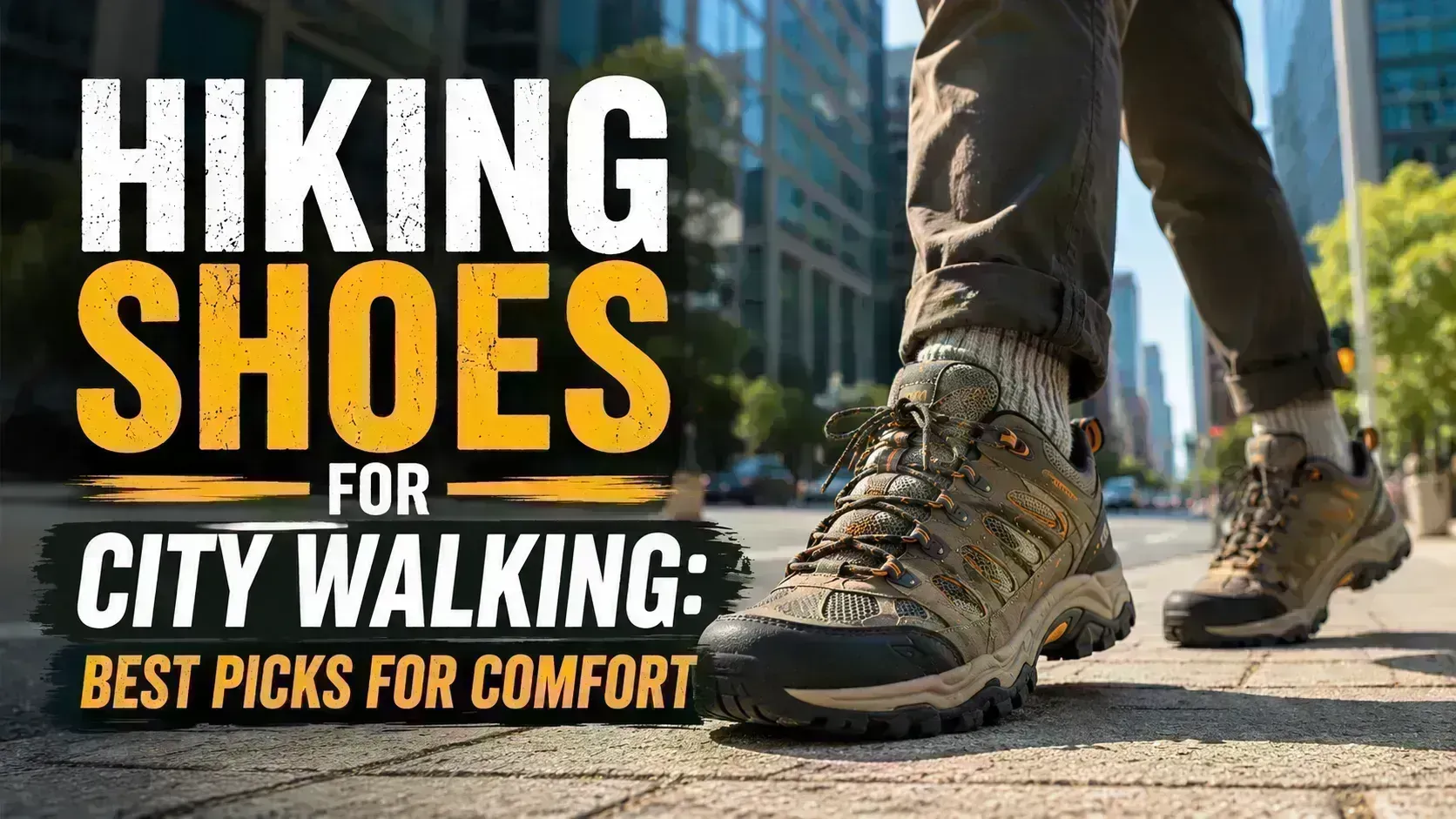
Hiking shoes can work well for city walking if you want comfort, grip, and all-day support.
If you spend a lot of time on sidewalks, subway stairs, park paths, and uneven streets, hiking shoes for city walking can be a smart choice. I’ve tested plenty of pairs in real daily use, and the right pair often feels like a strong mix of sneaker comfort and trail stability. In this guide, I’ll break down when hiking shoes make sense for city life, what features matter most, and how to avoid the common mistakes that leave your feet sore by noon.

Source: itumgrapes.com
What Makes Hiking Shoes Different for City Walking?
Hiking shoes are built for rough ground, so they usually offer more traction, support, and protection than regular walking shoes. That extra structure can feel great in a city, especially if your routes include cracked pavement, rain, long commutes, or lots of standing.
The big difference is under your feet. Hiking shoes often use tougher outsoles, firmer midsoles, and more protective uppers. In city walking, that can translate into steadier steps and less foot fatigue on long days.
Here’s why hiking shoes for city walking can be useful:
- Better grip on wet sidewalks and slick tile
- More cushioning for long walks
- Extra support for heavier loads like backpacks
- More durability than many light sneakers
- Better protection from debris, curb edges, and rough surfaces
Still, not every hiking shoe fits city life. Some are too stiff, too heavy, or too aggressive for everyday streets.

Source: congresofrutosrojos.com
Are Hiking Shoes Good for City Walking?
Yes, hiking shoes can be very good for city walking, but only if you choose the right type. The best pairs feel stable without being bulky, and cushioned without feeling mushy.
I’ve made the mistake of wearing rugged trail shoes in the city when I did not need that much boot-like protection. They were secure, but they felt clunky on long pavement walks and looked out of place with everyday clothes. After that, I learned that low-cut hiking shoes or lightweight trail shoes usually work better for urban use than heavy mountain models.
Hiking shoes for city walking are a good match if you:
- Walk several miles a day
- Deal with rain or slippery surfaces
- Carry a bag or laptop often
- Want more support than a standard sneaker
- Prefer durable shoes that last longer
They may not be the best choice if you want:
- A very light, flexible shoe
- A dressier look
- Maximum breathability in hot weather
- A soft, springy running-shoe feel
Key Features to Look for in Hiking Shoes for City Walking
Not all hiking shoes are built the same. For city use, the best ones focus on comfort first, then traction and support.
1. Cushioning that handles hard pavement
City sidewalks are hard, and that matters more than many people think. A good midsole helps absorb repeated impact from concrete and asphalt.
Look for:
- EVA or similar foam for lighter cushioning
- A balanced feel, not too firm and not too soft
- Enough support for long days on your feet
2. Lightweight build
A heavy shoe can feel fine for short walks, but tiring after a full day. In the city, you want enough protection without carrying extra weight in every step.
Lightweight hiking shoes are easier for:
- Fast-paced walking
- Commuting
- Travel days with lots of stops
- Stair climbing
3. Flexible sole
Some trail shoes are stiff for rocky terrain, which helps outdoors but can feel awkward on pavement. For city walking, a little flex makes each step smoother.
A flexible forefoot helps with:
- Natural foot roll
- Better comfort on long routes
- Less fatigue in the toes and arches
4. Reliable traction
You do not need deep mud lugs for the city, but good grip still matters. Wet crosswalks, subway stairs, and polished floors can be risky.
Look for soles that:
- Grip well on wet pavement
- Handle light gravel and park paths
- Do not feel overly aggressive on flat ground
5. Breathable upper
City walking often means warm sidewalks, crowded trains, and long hours on your feet. Breathability helps a lot.
Good options include:
- Mesh uppers
- Synthetic overlays
- Thin but durable materials
6. Clean, versatile style
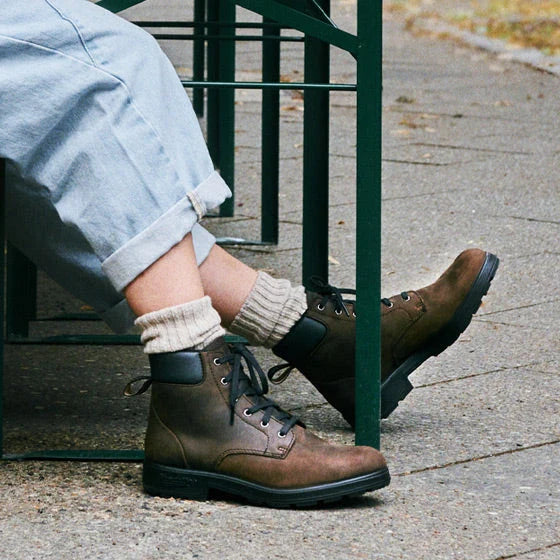
This may not affect performance, but it matters in real life. Many people want hiking shoes for city walking that can go from brunch to a walk through the park without looking too outdoorsy.
Neutral colors and low-profile shapes usually work best.
Source: congresofrutosrojos.com
Benefits of Wearing Hiking Shoes in the City
Hiking shoes for city walking offer a few real advantages that many people notice quickly.
More support for longer days
If you walk a lot or stand for work, support becomes a big deal. Hiking shoes often hold the heel and midfoot more securely than basic casual shoes.
Better stability on uneven ground
Cities are full of surprises:
- Broken sidewalks
- Loose bricks
- Curbs
- Staircases
- Construction areas
A stable shoe helps you feel more confident and less wobbly.
Longer durability
Good hiking shoes are often made to last. That can be a smart buy if you walk daily and wear through shoes fast.
Useful for travel
When I travel, I like shoes that can handle airports, long walks, and a surprise rain shower. Hiking shoes often shine there because they do many jobs at once.
Better protection
A stronger upper can help guard your feet from bumps, sharp bits of gravel, and city grime. That extra protection can be comforting on busy streets.
Limitations to Keep in Mind
Hiking shoes for city walking are not perfect. It helps to know the tradeoffs before you buy.
They can feel bulky
Some hiking shoes are simply too much shoe for pavement. If the outsole is very thick or the tread is very deep, it may feel awkward on smooth streets.
They may run warm
Trail-ready materials can trap heat, especially in summer. If you live in a hot climate, breathability should be high on your list.
Style can be tricky
Some hiking shoes look sporty, rugged, or very technical. That may be fine for you, but some people want something more subtle for office wear or casual outings.
Fit matters more than brand
I’ve seen people buy a respected name and still end up with sore feet because the fit was off. Toe room, heel hold, and arch feel matter more than the logo.
Best Types of Hiking Shoes for City Walking
Not every hiking shoe category makes sense for urban use. Some are better than others.
Low-cut hiking shoes
These are often the best choice for hiking shoes for city walking. They usually feel lighter, more flexible, and easier to wear all day.
Best for:
- Daily commuting
- Travel
- Moderate walking distances
- Casual urban use
Trail-to-town shoes
These are designed to move between outdoor and everyday settings. They often have a cleaner look and a more sneaker-like feel.
Best for:
- People who want one shoe for many settings
- Light hiking and city use
- Weekend travel
Lightweight hiking sneakers
These feel closest to regular sneakers but with trail grip and added support. For many city walkers, this is the sweet spot.
Best for:
- Fast walkers
- Urban errands
- All-day comfort
Heavy backpacking shoes
These are usually too much for city walking unless you need strong support for medical or personal reasons. They are built for rugged terrain, not smooth sidewalks.
How to Choose the Right Fit
Fit is where most people win or lose comfort. A great shoe on paper can still fail if it pinches, rubs, or slips.
Use this simple fit check:
- Try them on later in the day when your feet are a bit swollen.
- Wear the socks you will actually use.
- Make sure your toes have room to wiggle.
- Check that your heel does not lift too much.
- Walk on a hard floor for several minutes.
A good rule: your hiking shoes for city walking should feel secure, but never tight. If your toes press against the front on downhill steps or stairs, size up or try a wider fit.
Materials That Matter
The materials affect comfort, durability, and weather protection.
Mesh
Mesh helps with airflow and keeps weight down. It is a strong pick for warm weather and long days.
Synthetic leather or overlays
These add structure and protection. They can also improve durability in high-wear areas.
Waterproof membranes
These can be helpful in rainy cities. But they may reduce breathability, so they are not ideal for every climate.
Rubber outsole
This is where traction comes from. A good outsole should grip well without feeling too stiff on pavement.
Best Use Cases for Hiking Shoes for City Walking
Hiking shoes shine in certain real-life situations.
You may want them if you:
- Walk to work
- Explore cities while traveling
- Commute in rain or mixed weather
- Walk through parks and uneven paths
- Spend long hours on your feet
- Prefer one shoe for errands and weekend outings
I’ve found them especially useful on travel days. Airports, train stations, sidewalks, and walking tours can all happen in one day, and hiking shoes often handle that mix better than fashion sneakers.
How Hiking Shoes Compare to Other Options
Hiking shoes vs walking shoes
Walking shoes usually feel softer and more flexible. Hiking shoes give more grip and protection, which helps if your route is unpredictable.
Hiking shoes vs running shoes
Running shoes are lighter and often softer, but they may wear out faster on hard pavement. Hiking shoes can feel more stable and durable for city use.
Hiking shoes vs trail runners
Trail runners are lighter and more flexible than many hiking shoes. For city walking, they are often a strong alternative if you want trail grip without much bulk.
Maintenance Tips for Longer Life
A good pair can last longer if you care for it properly.
- Brush off dirt after walks
- Let shoes air dry naturally
- Avoid direct heat from radiators or dryers
- Replace worn insoles if needed
- Check the outsole for wear every few months
If you walk a lot on pavement, the sole may wear faster than it would on trails. That is normal, and it is one reason to choose durable materials from the start.
FAQs About Hiking Shoes for City Walking
Are hiking shoes comfortable for walking all day in the city?
Yes, many hiking shoes are very comfortable for all-day city walking, especially lightweight low-cut models. The key is choosing the right fit and enough cushioning for hard pavement.
Can I wear hiking shoes to work in an office?
You can, if your office dress code is casual or smart casual. Trail-to-town styles and neutral colors usually look more polished than rugged outdoor designs.
Do hiking shoes work better than sneakers for city walking?
Sometimes they do, especially if you need more grip, support, or durability. Sneakers may feel softer, but hiking shoes often handle rough sidewalks and long walks better.
Are waterproof hiking shoes good for the city?
Yes, but only if you deal with rain often. In hot weather, waterproof shoes can run warmer and feel less breathable than non-waterproof options.
How do I know if hiking shoes fit correctly?
Your toes should have room, your heel should stay in place, and the shoe should not pinch anywhere. A proper fit feels secure but relaxed, even after walking for a while.
Conclusion
Hiking shoes for city walking can be a smart, practical choice when you want comfort, support, and traction in one shoe. They are especially useful for people who walk long distances, deal with mixed weather, or want a durable option that can handle more than a basic sneaker.
The best pair is the one that fits your feet, matches your climate, and feels good on pavement. If you choose wisely, hiking shoes for city walking can make daily travel easier, safer, and a lot more comfortable.
If you’re shopping now, compare fit, weight, breathability, and sole grip before you decide. Then take what you learned here and choose a pair that fits your real life, not just the label.
