
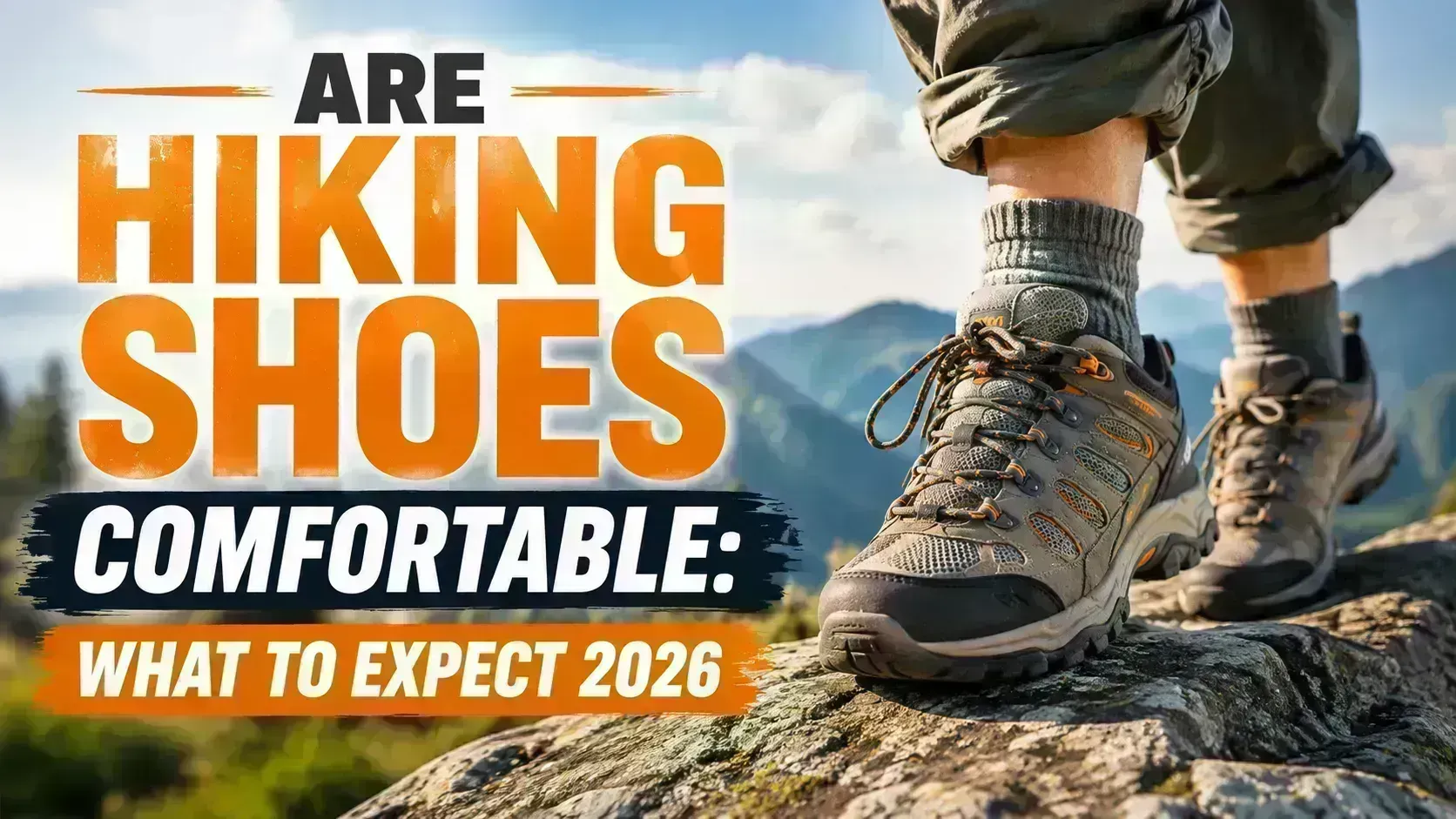
Yes, hiking shoes can be very comfortable when they fit well and match your trail needs.
If you have ever slipped on a pair and wondered why one feels like a dream while another feels stiff and awkward, you are not alone. I have spent years testing footwear on rocky paths, muddy hills, and long day hikes, and comfort usually comes down to fit, support, weight, and how the shoe moves with your foot. In this guide, I will break down what makes hiking shoes comfortable, when they are not, and how to choose a pair that feels good from the first mile to the last.

Source: cosmosscholars.com
What Makes Hiking Shoes Comfortable?
Hiking shoes are comfortable when they reduce pressure, support your foot, and stay stable on uneven ground. A good pair should feel secure without squeezing, and flexible without feeling sloppy. Think of them like a well-made chair for your feet: supportive, but not hard.
Several things shape comfort:
• Fit: The shoe should hold your heel in place and leave enough room in the toe box.
• Cushioning: Midsole foam helps absorb impact on hard trails and long walks.
• Support: Arch support and a stable base can reduce foot fatigue.
• Weight: Lighter shoes often feel easier to wear for long periods.
• Breathability: Mesh and moisture control help keep feet cooler and drier.
In my own experience, comfort often shows up after a few miles, not just in the store. A shoe that feels great in the aisle can still cause hot spots on a steep descent. That is why trail testing matters more than first impressions.
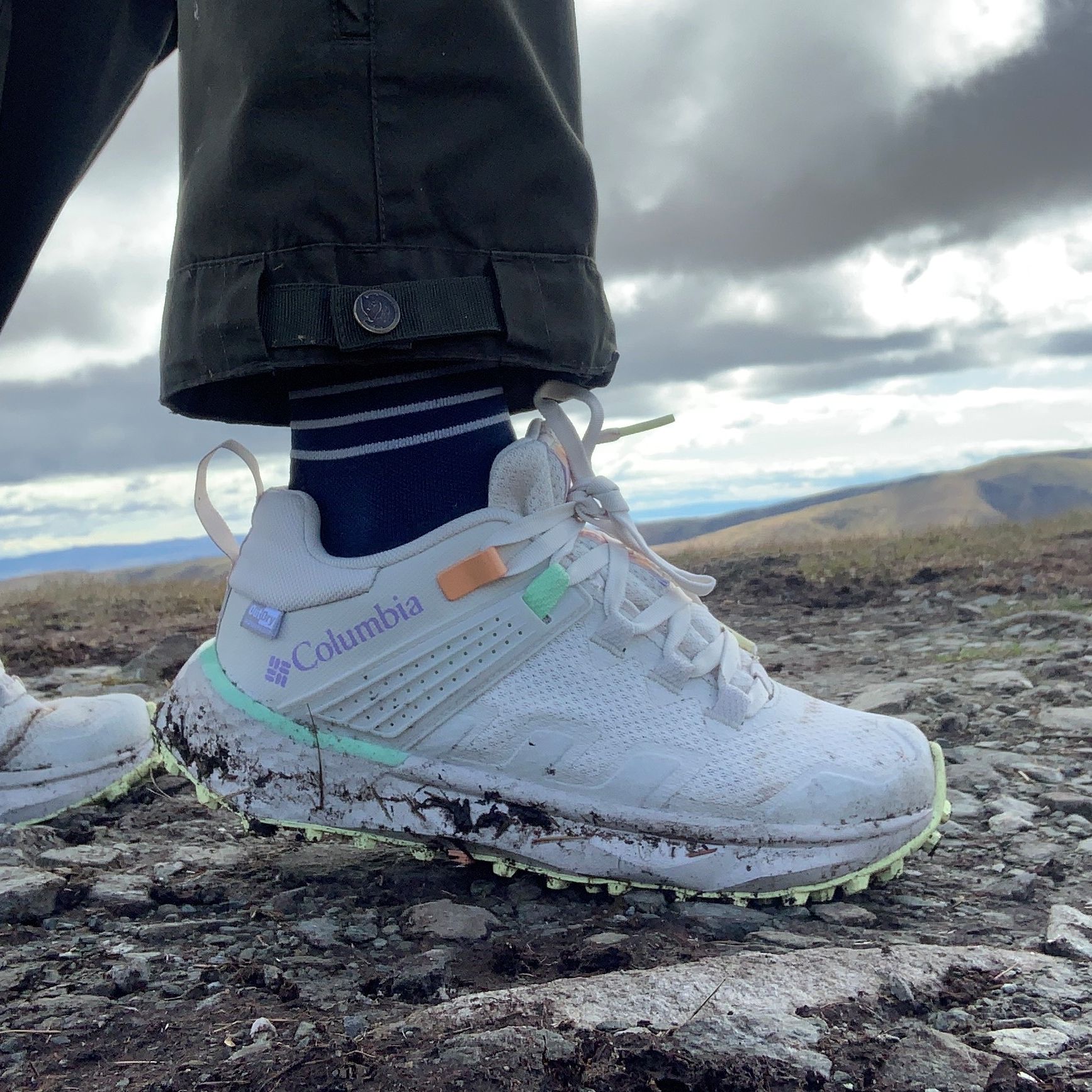
Source: inlandaction.com
Are Hiking Shoes More Comfortable Than Boots?
For many hikers, hiking shoes feel more comfortable than boots because they are lighter and less bulky. They usually bend more easily at the forefoot, which can make walking feel natural. If you prefer quick, easy steps on moderate trails, hiking shoes often win on comfort.
That said, boots can feel more comfortable if you need extra ankle support, carry a heavy pack, or hike over sharp rocks. Comfort is not only about softness. It is about what your body needs on the trail.
Here is the simple rule I use:
• Choose hiking shoes for day hikes, light packs, and faster movement.
• Choose boots for rough terrain, cold weather, or more support needs.
• Choose the one that matches your foot shape and trail style first.
I have seen hikers switch from boots to hiking shoes and feel instant relief. I have also seen the opposite happen when someone needed more structure than a shoe could give.
Why Some Hiking Shoes Feel Uncomfortable
Not every hiking shoe is comfortable, and that is usually because of a mismatch, not a bad product. A shoe can be great for one person and miserable for another. Foot shape, sock choice, and trail conditions all matter.
Common reasons hiking shoes feel uncomfortable include:
• Wrong size: Too small creates toe pain. Too big causes heel slip and blisters.
• Poor break-in: Some materials need time to soften and adapt.
• Bad arch match: Flat shoes can feel painful if you need more support.
• Too stiff or too soft: A stiff shoe may rub. A soft shoe may feel unstable.
• Heat and moisture: Sweat can lead to friction and hot spots.
One mistake I made early on was buying hiking shoes based on looks alone. They felt fine for ten minutes, but on a real trail, my toes kept hitting the front on downhill sections. That lesson stuck with me: comfort must be tested in motion.

Source: outdoorgearlab.com
How to Choose Comfortable Hiking Shoes
The best way to find comfortable hiking shoes is to focus on fit first, then features. A long list of specs means little if the shoe does not feel right on your foot. Comfort starts with shape, sizing, and how you plan to use the shoe.
Follow these steps when shopping:
- Measure both feet in the afternoon or after walking, since feet swell during the day.
- Try shoes with hiking socks, not thin everyday socks.
- Make sure your toes can wiggle, but your heel does not lift.
- Walk on an incline if the store allows it.
- Check for pressure points around the tongue, sides, and arch.
- Bend the shoe gently and see if it flexes where your foot naturally bends.
If you shop online, read reviews from people with similar foot shapes and hiking needs. A wide toe box, for example, can be a game changer for hikers with bunions or wide feet. For narrow feet, a snug heel cup may matter more.
Key Features That Improve Comfort
Some features make a hiking shoe feel good right away, while others help over long distances. The best hiking shoes balance cushioning, grip, and support without adding too much bulk. The goal is steady comfort, not just a soft first step.
Look for these comfort-friendly features:
• Cushioned midsole: Helps reduce shock on hard ground.
• Rock plate: Protects feet from sharp rocks without making the shoe feel dead.
• Padded collar and tongue: Reduces rubbing around the ankle and top of the foot.
• Breathable upper: Helps manage heat and sweat on warm days.
• Grippy outsole: Improves confidence on wet or uneven terrain.
• Wide or shaped toe box: Gives toes room to spread naturally.
In the field, I have found that a shoe with a supportive midsole and a roomy toe box often beats a super soft shoe with poor structure. Comfort is a balance. Too much softness can feel nice at first, but your feet may tire faster.
Do Hiking Shoes Need a Break-In Period?
Some hiking shoes need a short break-in period, but many modern models feel comfortable faster than older styles. Synthetic shoes usually break in quicker than leather ones. Still, I never recommend taking a brand-new pair on a long hike without testing them first.
A simple break-in plan works best:
• Wear them around the house for a few hours.
• Take short walks on sidewalks and easy trails.
• Increase distance slowly.
• Watch for rubbing, pressure, or slipping.
If a shoe still hurts after a few short wears, that is a warning sign. Good hiking shoes may feel snug at first, but they should not cause sharp pain. Your feet should adapt; they should not have to suffer.
:max_bytes(150000):strip_icc()/Web_1500-vwt-primary-best-overall-shoe-tstaples-118-671f4e0048e64d14a1c42e4f8d9e6658.jpg)
Source: cabal-app.com
Are Hiking Shoes Comfortable for All-Day Hiking?
Yes, hiking shoes can be comfortable for all-day hiking if they fit well and match the terrain. Many hikers prefer them for long summer days because they are lighter than boots and less tiring over time. Less weight on your feet can make a big difference by the fifth or sixth hour.
All-day comfort depends on a few things:
• Trail type: Smooth trails are easier on hiking shoes than jagged terrain.
• Pack weight: Heavier packs may call for more support.
• Weather: Hot days favor breathable shoes; wet days may need water resistance.
• Foot shape: Some feet need extra volume or arch support.
For long hikes, I like hiking shoes that feel stable without feeling stiff. If a shoe starts to rub or lose support halfway through the day, it can turn a great hike into a slow shuffle.
Benefits of Wearing Comfortable Hiking Shoes
Comfortable hiking shoes do more than feel nice. They can improve your hiking form, reduce fatigue, and help you enjoy the trail more. When your feet are happy, the rest of your body often follows.
Main benefits include:
• Less fatigue: Lighter shoes can make long hikes feel easier.
• Better movement: Flexibility helps your stride stay natural.
• Fewer hot spots: Good fit lowers the chance of blisters.
• More confidence: Stable traction helps on uneven ground.
• Better enjoyment: You can focus on the hike, not your feet.
A comfortable shoe is like a good travel partner. You barely notice it when things go well, and that is exactly the point.
When Hiking Shoes May Not Be the Best Choice
Hiking shoes are not always the most comfortable option. If you need strong ankle support, extra warmth, or maximum foot protection, boots may serve you better. The most comfortable shoe is the one that fits your hike, not just your foot.
You may want something else if:
• You carry a heavy backpack.
• You hike in snow or deep mud.
• You have a history of ankle rolls.
• You prefer a very structured feel.
• You need extra protection from sharp terrain.
There is no shame in choosing boots, trail runners, or even specialty footwear if that fits your needs better. The trail does not care what label is on the shoe.
Tips to Make Hiking Shoes More Comfortable
Even a good shoe can feel better with a few smart adjustments. Small changes often make a big difference on the trail. I have fixed many comfort issues with simple swaps rather than replacing the shoe right away.
Try these tips:
• Wear proper hiking socks with moisture-wicking fabric.
• Use insoles if you need more arch support.
• Lace shoes differently to ease pressure on the top of the foot.
• Keep toenails trimmed to reduce toe impact.
• Break in shoes before a major hike.
• Replace worn-out shoes when the midsole flattens or the tread fades.
Also pay attention to how your feet feel after the hike. A little soreness can be normal. Sharp pain, numbness, or blisters usually mean something needs to change.
Frequently Asked Questions of Are hiking shoes comfortable
Are hiking shoes comfortable for beginners?
Yes, hiking shoes are often a great choice for beginners because they are lighter and easier to walk in than boots. They usually feel more natural on short to medium trails, especially if you are just starting out.
Do hiking shoes need to be tight to be comfortable?
No, hiking shoes should feel secure, not tight. Your toes should have room to move, and your heel should stay in place without rubbing.
Are hiking shoes comfortable for wide feet?
They can be, if you choose a model with a wide toe box or wide sizing. A poor fit can cause pressure points, so wide-foot hikers should pay close attention to shape and volume.
Can hiking shoes cause blisters?
Yes, hiking shoes can cause blisters if they fit poorly, rub in one spot, or are not broken in. Moisture and the wrong socks can also increase friction.
Are waterproof hiking shoes less comfortable?
Sometimes they are, especially in hot weather, because waterproof membranes can trap more heat. They are often more comfortable in wet or cold conditions, so the best choice depends on your climate and trail use.
How long does it take to break in hiking shoes?
Many hiking shoes need only a few walks or short hikes to feel better. Leather models may take longer than synthetic ones, so test them before a big trip.
Conclusion
So, are hiking shoes comfortable? Yes, they can be extremely comfortable when the fit, support, and trail use all line up. The best pair should feel natural, stable, and easy on your feet, not just soft in the store.
If you are shopping for your next pair, focus on how the shoe fits your foot, how it feels on real ground, and whether it matches the kind of hiking you do most. A little testing now can save you from a lot of pain later. If you found this guide helpful, keep exploring footwear tips and share your own hiking shoe experience in the comments.
