
If you just bought a great pair of hiking boots, you might be looking at them sitting by the door and wondering: can I wear hiking boots for walking? It is a fair question! Good hiking footwear is an investment. It makes sense that you want to get as much use out of them as possible, whether you are exploring a local dirt path or just taking a walk around your neighborhood.
I get asked this question all the time by beginner hikers. When I first started hitting the trails, I wore my stiff, heavy boots everywhere because I thought I had to break them in constantly. I ended up with tired legs and worn-out tread long before I even planned a big backpacking trip. Here is the thing: while you absolutely can use your trail footwear for a daily stroll, there are a few important things you should consider before hitting the pavement.
In this guide, I will share exactly when it makes sense to use your hiking shoes for everyday walking, when it might actually hurt your feet, and how to keep your boots in great shape for your next real outdoor adventure.
Quick Answer
Yes, you can wear hiking boots for walking, but they are best suited for natural surfaces like dirt, gravel, or grass. Hiking boots are built with stiff soles and deep tread to grip uneven terrain, which can feel heavy and uncomfortable on flat, hard pavement. Walking on concrete will also wear down the rubber outsoles of your boots much faster. If you are going for a short walk to break them in, they are perfectly fine, but a dedicated walking shoe is better for daily neighborhood walks.
What Hikers Should Know About Wearing Boots on Pavement
Hiking boots are designed to protect your feet from rocks, roots, and uneven ground. To do this, manufacturers build them with rigid materials, thick rubber outsoles, and heavy-duty ankle support. Let me explain how this design impacts your daily walk.
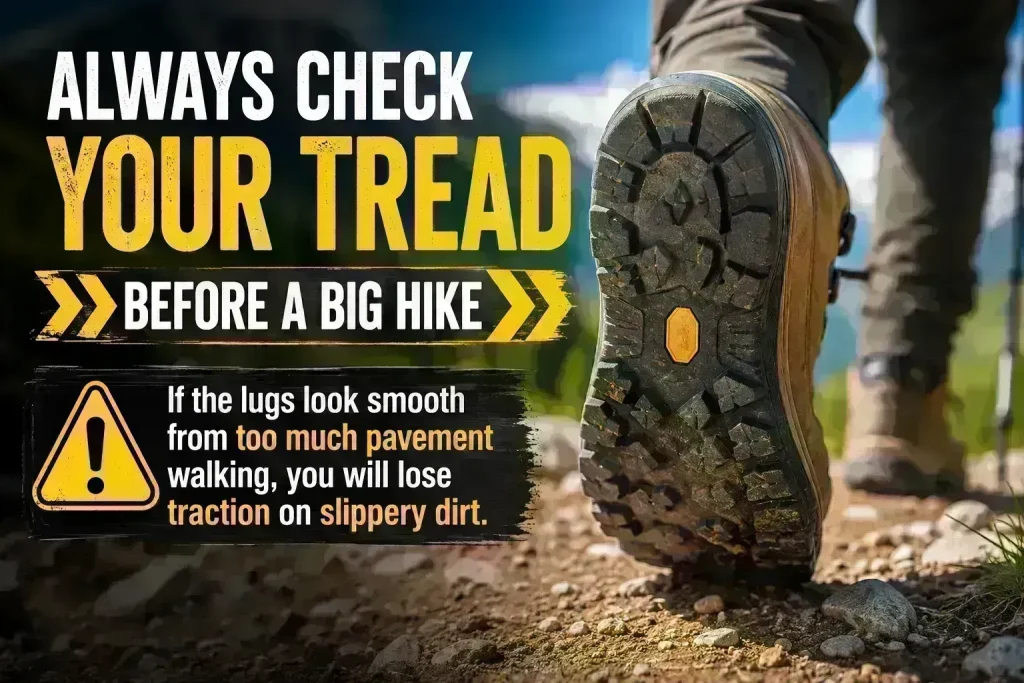
First, consider the traction. The bottom of your boot is covered in thick rubber bumps called “lugs.” These lugs act like cleats in the dirt, keeping you from slipping on muddy slopes. However, on flat concrete, you do not need that grip. Walking on hard pavement acts like sandpaper on those soft rubber lugs. Over time, frequent city walking will grind down your tread, leaving you with less grip when you finally head to the mountains.
Second, think about the stiffness. When you walk on a flat sidewalk, your foot naturally wants to flex from heel to toe. A stiff hiking boot prevents this natural rolling motion. This can lead to sore arches or foot fatigue after a couple of miles.
Here are a few quick points to remember about your boots:
- Weight: Hiking boots weigh significantly more than running or walking shoes, which means your legs will tire out faster.
- Breathability: Many boots are waterproof. Waterproof membranes keep rain out, but they also trap heat, making your feet sweat more on a casual sunny walk.
- Ankle Support: High-top boots provide great support for carrying a heavy backpack, but they can feel restrictive and unnecessary for a simple walk in the park.
Signs You Should Adjust Your Hiking Plan, Gear, or Trail Choice
Sometimes, your body or the environment will tell you that your footwear is not quite right for the activity. If you are trying to use your boots for daily exercise, you need to pay attention to how your feet feel.
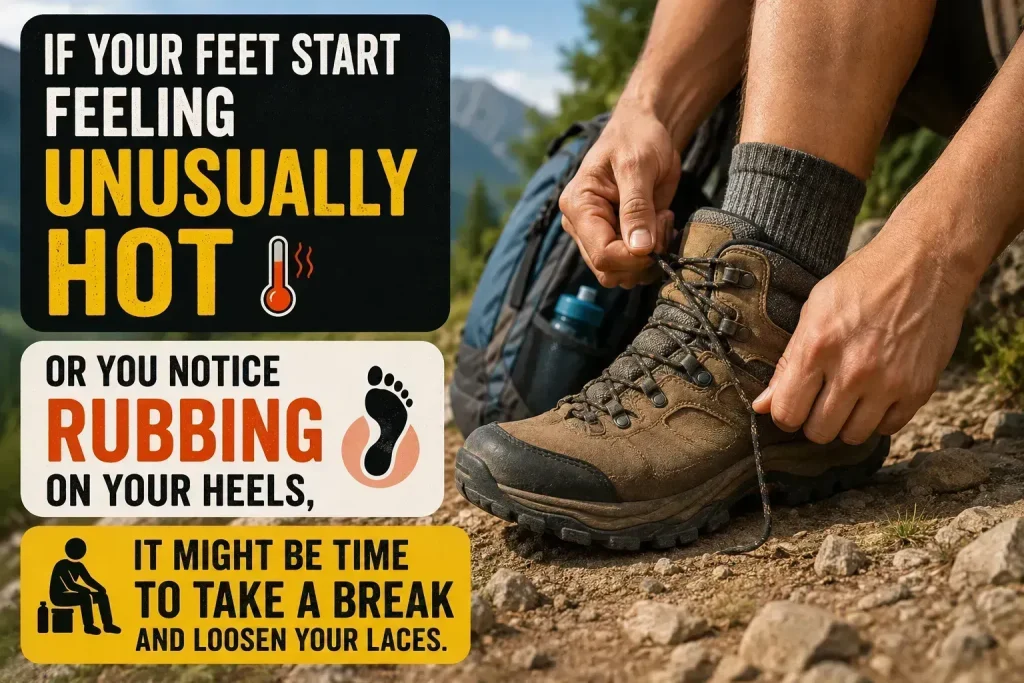
If you experience any of these warning signs, it is a good idea to switch back to a standard walking or running shoe for your urban walks. Ignoring these signs can lead to painful blisters or muscle fatigue that might ruin your weekend hiking plans.
| Warning Sign | What It Means | What You Should Do |
|---|---|---|
| Hot spots on your heels | The stiff boot is rubbing against your skin because it is not flexing with your foot. | Stop walking, apply blister tape, and switch to softer shoes for your next city walk. |
| Aching shins or calves | The extra weight of the boots is forcing your leg muscles to work harder on flat ground. | Reduce your mileage, take off the boots, and rest your legs. |
| Smooth, worn-down lugs | The concrete or asphalt is destroying your expensive trail traction. | Stop wearing your boots on pavement immediately. Save them for the dirt trails. |
| Excessive foot sweat | Your waterproof boots are not breathing well enough for a fast-paced fitness walk. | Switch to a lightweight, breathable mesh walking shoe for fitness walks. |
How to Handle Walking in Hiking Boots Step by Step
The good news is that walking in your hiking boots is actually the absolute best way to break them in before a big outdoor trip. If your goal is to soften up the material and prevent trail blisters, you should wear them around town first. Here is the safest and most practical way to do it.
- Start indoors first. Before you even go outside, wear your new boots around the house for an hour or two. Climb the stairs, do some chores, and see how they feel. This keeps them clean in case you need to return them.
- Wear your trail socks. Never break in your boots wearing thin cotton socks. Put on the exact wool or synthetic hiking socks you plan to wear on the trail. This ensures the fit is accurate.
- Choose soft surfaces. When you take your first walk outside, try to walk on grass, dirt paths, or a gravel track at a local park. Avoid walking purely on concrete sidewalks if possible.
- Keep the distance short. Limit your first few walks to just one or two miles. Do not attempt a five-mile urban hike on day one. Give the leather or synthetic materials time to mold to your foot shape.
- Check your laces. Adjust your laces during the walk. If the boot feels too tight across the top of your foot, loosen the lower eyelets. If your heel is slipping, lock down the ankle laces tightly.
Common Mistakes to Avoid
It is easy to make simple footwear mistakes when you are eager to get outside. Avoid these common traps to keep your feet happy and your gear in good condition.
- Wearing heavy backpacking boots for errands: Save the stiff, heavy boots for carrying loads. If you must wear a trail shoe every day, opt for a lightweight trail running shoe instead.
- Ignoring hot spots: A hot spot is the friction you feel right before a blister forms. Never try to “push through” the pain. Stop and adjust your socks or laces.
- Leaving dirt on your boots: If you walk through a muddy park and then let the boots dry in your closet, the mud can dry out and ruin the boot material. Always brush them off.
- Tying laces too tight: Pavement walking causes your feet to swell slightly. If your laces are cranked down too tight, you will cut off circulation and cause numbness in your toes.
Practical Tips from Oscar
After years of trying different trail shoes, day hikers, and heavy-duty boots, I have learned a few tricks about managing outdoor footwear. Here are some of my personal trail habits to help you get the most out of your gear.
For more great advice on finding the perfect fit and understanding exactly how hiking shoes should feel, I always highly recommend reading through the American Hiking Society’s guide to footwear. It is a fantastic resource for understanding the mechanics of trail shoes.
Key Takeaways
- You can wear hiking boots for walking, but hard pavement will wear out the rubber tread much faster than dirt trails.
- Hiking boots are heavier and stiffer than walking shoes, which can cause foot fatigue or sore leg muscles on flat terrain.
- Walking in your boots is the best way to break them in, as long as you start with short distances and wear proper wool or synthetic hiking socks.
- If you experience heel rubbing or hot spots during a walk, stop immediately and adjust your laces to prevent painful blisters.
- For daily neighborhood fitness walks, standard walking or running shoes are usually a safer and more comfortable choice.
Frequently Asked Questions
Are hiking boots good for walking on concrete?
Hiking boots are not ideal for walking on concrete for long distances. The hard concrete wears down the soft rubber tread quickly, and the stiff sole can cause foot fatigue. However, short walks on concrete are perfectly fine when breaking them in.
Can I wear hiking boots for everyday use?
Yes, you can, but it might not be comfortable. Hiking boots are heavier and less breathable than everyday sneakers. If you want a trail shoe for everyday use, a lightweight trail runner is usually a better choice than a heavy boot.
Will walking on pavement ruin my hiking boots?
It will not ruin them immediately, but it will significantly reduce their lifespan. The friction from pavement grinds down the deep rubber lugs meant for gripping mud and rocks, which leaves you with less traction for actual hiking.
Why do my feet hurt when walking in hiking boots?
Your feet might hurt because hiking boots are stiffer and do not allow your foot to flex naturally on flat ground. Pain can also be caused by wearing boots that are too heavy, tying them too tight, or not wearing thick enough socks.
Should I buy hiking shoes or walking shoes?
If you spend most of your time on paved paths, sidewalks, and treadmills, buy walking shoes. If you spend your time on uneven dirt trails, rocks, and muddy forest paths, buy hiking shoes.
Is it normal for new hiking boots to cause blisters on a walk?
It is common for new, unbroken-in boots to cause friction, but blisters are a sign that you need to adjust something. You may need to change your socks, alter your lacing technique, or give the boots more time to break in gradually.
Conclusion
So, can you wear hiking boots for walking? Absolutely. They provide excellent support and are incredibly durable. If you need to break in a fresh pair before your next weekend adventure, taking them for a walk around the local park is a smart move. Just remember that pavement is the enemy of trail tread. Try to stick to the grass or gravel whenever you can to protect those rubber soles.
Ultimately, the right shoe makes all the difference. Keep your heavy boots in the closet for rugged dirt trails, and rely on a comfortable, breathable walking shoe for your daily neighborhood laps. Taking care of your feet and your gear means you will be ready when the real mountains call.
If you are still putting together your gear closet and want to make sure you have everything you need for the trail, be sure to check out our beginner hiking gear checklist for a simple, no-nonsense breakdown of the essentials.

1 thought on “Can I Wear Hiking Boots for Walking? What You Need to Know 2026”