
Introduction
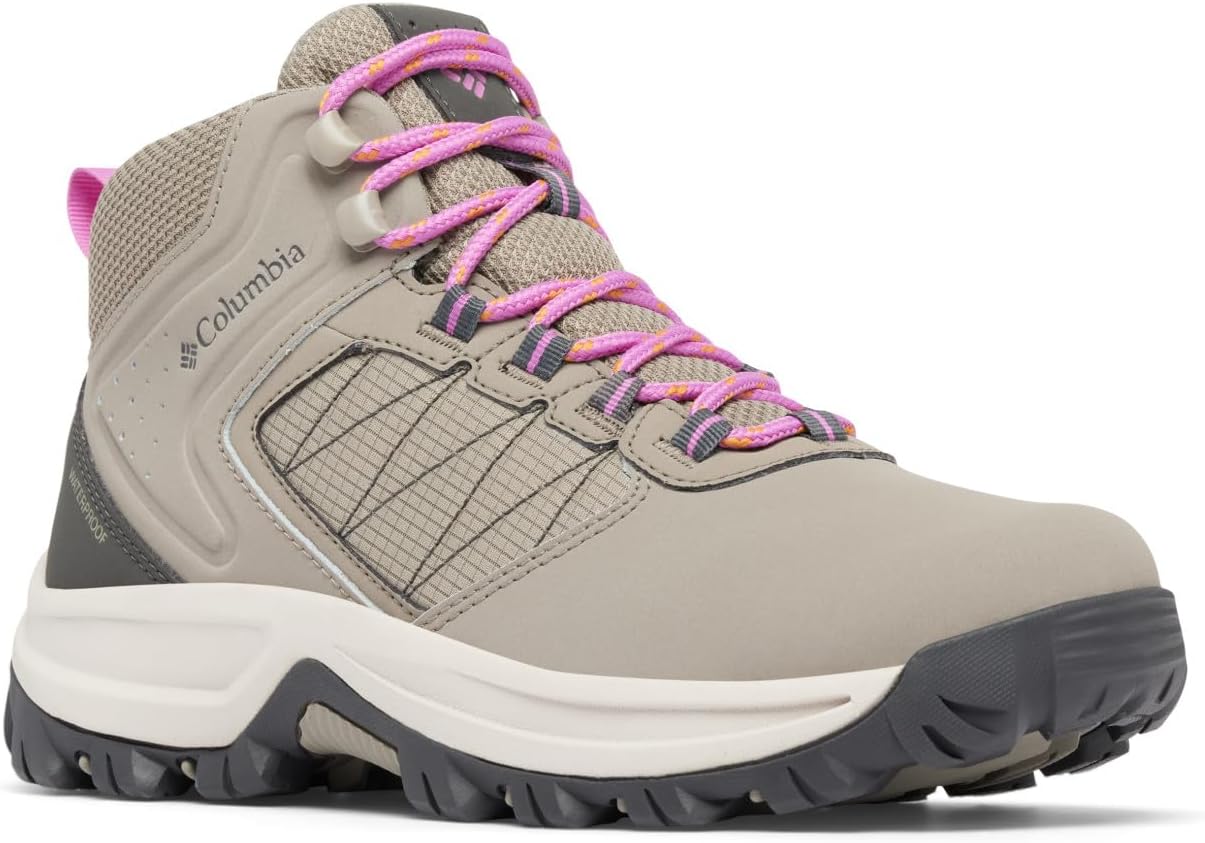
The best waterproof hiking shoes for women keep your feet dry, support your stride, and match the trails you use in the United States. A light shoe may suit dry paths in Arizona. A sturdier pair may work better on wet trails in Washington, muddy routes in the Appalachian Mountains, or rocky ground in Colorado.
Look for a waterproof membrane, a secure fit, strong outsole grip, and enough room for your toes. Then match the shoe to the trail, weather, pack weight, and distance. No waterproof shoe stays dry forever in deep water, and no pair can replace good socks and safe trail choices.

Source: decathlon.ca
Quick Answer: What Should You Look for in Waterproof Hiking Shoes?
Choose waterproof hiking shoes with these features:
- A waterproof membrane or sealed waterproof construction
- A gusseted tongue to help block water and debris
- A lugged rubber outsole for grip
- A firm heel counter for rear-foot control
- Enough toe room for swelling and downhill travel
- A snug midfoot fit without pressure
- A flexible design for easy trails or a stiffer build for rough ground
- A weight that matches your speed and comfort needs
For short hikes in light rain, lightweight waterproof trail shoes may be enough. For rocky trails, heavy packs, snow, or long descents, waterproof hiking boots can offer more support and protection.
The main trade-off is simple: waterproof shoes block outside water better, but they often dry more slowly after water enters from the top. They may also feel warmer than non-waterproof shoes.
Source: decathlon.vn
What Does “Waterproof” Mean in Hiking Shoes?
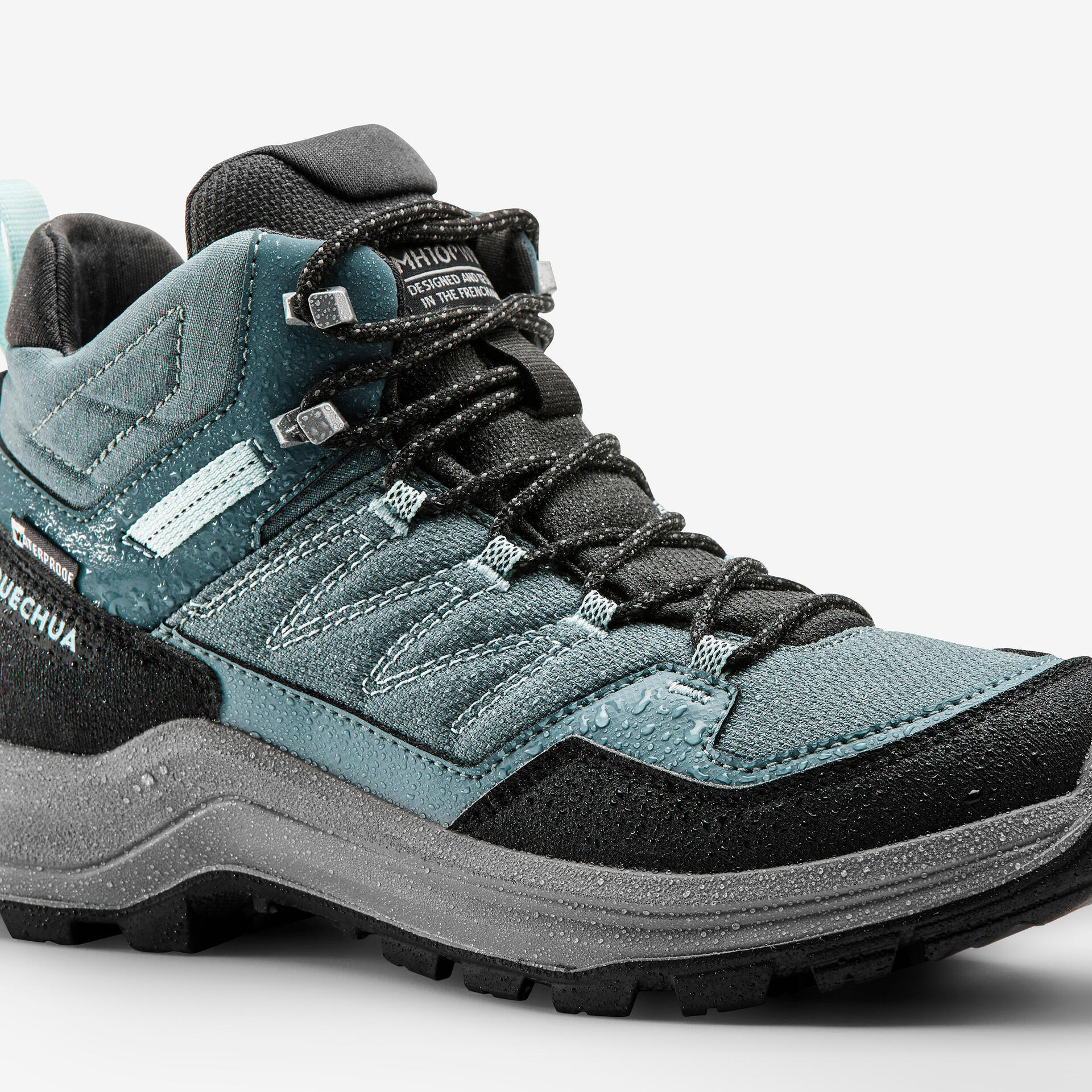
Waterproof hiking shoes use a barrier that slows or stops liquid water from passing through the upper. This barrier may be a waterproof-breathable membrane, a coated fabric, or a sealed construction that joins the upper, tongue, and sole.
“Waterproof” does not mean the shoe can stay submerged. Water can enter through the collar, tongue opening, seams, or a damaged upper. Deep puddles and stream crossings can also fill a shoe from above.
Waterproof vs. water-resistant
These terms describe different levels of protection:
| Term | What it usually means | Best use |
|---|---|---|
| Waterproof | Built to resist liquid water through much of the upper | Rain, wet grass, shallow puddles |
| Water-resistant | Repels some water for a limited time | Light rain, dry climates, short walks |
| Water-repellent | A surface treatment helps water bead up | Brief exposure and light moisture |
| Non-waterproof | No dedicated barrier against liquid water | Hot, dry trails or wet conditions where fast drying matters |
A durable water-repellent treatment, often called DWR, helps water bead on the outer fabric. It does not create the main waterproof barrier. When the outer fabric “wets out,” the shoe may feel colder and less breathable even if the inner membrane still blocks water.
The Waterproofness test used by a brand may not match real trail use. Check the exact shoe design, care instructions, and warranty terms. A waterproof label is not proof that a shoe will keep feet dry during long submersion or repeated stream crossings.

Source: amazon.com
Waterproof Hiking Shoes vs. Hiking boots
waterproof hiking shoes sit lower on the ankle and usually weigh less than hiking boots. They can feel quick and flexible on maintained trails. Boots rise higher and may offer more protection from rocks, brush, mud, and snow.
Neither style is always safer. A high collar does not prevent every ankle injury, and a low shoe does not automatically lack support. Fit, traction, walking skill, trail conditions, and pack weight all matter.
| Choose waterproof hiking shoes when you need | Choose waterproof hiking boots when you need |
|---|---|
| Lower weight | More coverage around the ankle |
| More flex | A more supportive, stable feel |
| Faster walking on easy trails | Protection on rough or brushy routes |
| A shoe for day hikes | A shoe for heavier loads or colder conditions |
| Less bulk in a travel bag | More insulation in cold weather |
For many day hikers, a waterproof hiking shoe is a useful middle ground. It offers more protection than a running shoe but less weight than a full boot.
If you often carry a heavy pack, hike off trail, or walk on loose rock, try both shoes and boots. The right choice is the one that controls your foot without causing pain or limiting your natural step.

Source: amazon.com
How Should Women’s Waterproof Hiking Shoes Fit?
A good fit matters more than the “women’s” label. Women’s footwear often uses a narrower heel, a different heel-to-ball length, or a lower overall volume. These traits are not universal. Some women need a wide toe box, while some need a narrow fit.
Try shoes at the end of the day. Feet often swell after hours of walking. Wear the socks you plan to use on the trail.
Check the fit in this order:
- Toe room: Your toes should not touch the front when you stand or walk downhill.
- Heel hold: Your heel should stay in place with little lift.
- Midfoot comfort: The laces should hold your foot without creating numbness or pressure.
- Width: Your little toe should not press against the side of the shoe.
- Flex point: The shoe should bend near the ball of your foot rather than across your arch.
- Balance: Your foot should feel centered over the sole.
A useful home test is to loosen the laces and slide your foot forward until your toes touch the front. You should be able to place about one finger behind your heel. This is only a rough check, not a fixed rule. Foot shape and shoe design vary.
Walk up and down stairs or a ramp while wearing the shoes. If your toes hit the front, the shoe may be too short. If your heel lifts sharply, try a different size, lacing method, or heel shape.
Do not assume a painful shoe will “break in.” Some leather may soften, but pressure points and poor length rarely improve enough to solve the problem.

Source: amazon.com
How to Choose Waterproof Hiking Shoes for Your Trail
The right shoe depends on more than rain. Consider the surface, temperature, distance, pack weight, and expected water.
For easy day hikes
Pick a light shoe with moderate cushioning and flexible soles. This setup works well on maintained paths, gravel trails, and short walks in mild weather.
A low-cut shoe may feel more natural and reduce fatigue. Make sure the outsole still has enough tread for wet roots, packed soil, and loose gravel.
For rocky or uneven trails
Choose a shoe with a firmer midsole, a protective toe cap, and a stable heel. A rock plate can reduce pressure from sharp stones under the foot.
A stiffer shoe may feel less comfortable at first. It can provide better control on uneven ground, but it may feel slow or bulky on smooth trails.
For mud and wet grass
Look for deep, well-spaced lugs. Wide spaces can shed mud more easily than shallow, closely packed tread.
Waterproofing helps keep rain and wet grass out. It does not create traction. Rubber compound and tread shape affect grip, too.
For hot or humid weather
Waterproof footwear can feel warm because it limits airflow. If you hike in warm parts of the Southeast or desert areas during brief storms, a non-waterproof shoe may dry faster after getting wet.
Choose waterproof shoes when staying dry is more important than ventilation. Choose fast-drying mesh shoes when heat, sweat, and stream crossings are common.
For snow and cold
A waterproof hiking shoe may work for light snow if it has enough room for warm socks and a sole that grips cold surfaces. It may not provide enough insulation for extended time in freezing conditions.
For snowshoeing, icy travel, or winter mountaineering, use footwear designed for those tasks. Regular hiking shoes may lack insulation, gaiter compatibility, or the sole stiffness required by some traction devices.

Source: bike24.com
Key Features That Matter Most
Waterproof membrane
A membrane can block liquid water while allowing some water vapor to escape. Breathability depends on temperature, humidity, exertion, and the rest of the shoe. No membrane vents sweat as well as open mesh.
Gusseted tongue
A gusset connects the tongue to the sides of the upper. It reduces openings where rain, mud, and small stones can enter.
Outsole and lugs
The outsole touches the trail. Look for rubber with a tread pattern suited to your surface.
- Shallow lugs suit pavement, packed paths, and light gravel.
- Medium lugs suit mixed day hikes.
- Deep lugs suit mud and soft ground.
- Broad contact areas may feel more stable on rock.
More tread is not always better. Deep lugs can feel awkward on smooth rock and hard surfaces.
Midsole
The midsole controls much of the shoe’s cushioning and stability. Softer foam may feel comfortable but less precise on uneven ground. Firmer foam may offer better control but feel harsh over long distances.
Toe protection
A rubber toe cap can protect against rocks and roots. It does not make a shoe impact-proof. Keep your pace controlled on rough terrain.
Heel counter
The heel counter is the firm part around the back of the foot. It helps hold the heel in place. It should feel supportive, not painful.
Lacing system
Laces should let you adjust the upper in separate areas. A common method is to keep the lower laces comfortable, then tighten the upper section to improve heel hold.
Avoid tying the shoe so tightly that your toes become numb or your foot loses circulation.

Source: mx.pinterest.com
How to Test Waterproof Hiking Shoes Before a Trip
Test new shoes before using them on a long hike. This reduces the chance of blisters, hot spots, and fit problems far from help.
Follow this process:
- Wear the shoes indoors with hiking socks.
- Walk on stairs and sloped ground.
- Take a short outdoor walk.
- Check your feet for red spots, rubbing, or numbness.
- Increase the distance only if your feet feel normal.
- Test the shoes in light rain if you need waterproof protection.
- Inspect the inside after the walk for moisture or damp socks.
A short test cannot prove long-term waterproof performance. It can reveal poor fit, heel slip, lace pressure, and early seam problems.
If you develop a hot spot, stop and protect it before it becomes a blister. A blister can make each step painful and may limit your ability to return safely. For a long trip, carry blister care, spare socks, and a way to keep wet gear separate.

Source: amazon.com
Do Waterproof Hiking Shoes Need Special Care?
Care can extend the useful life of waterproof hiking shoes. Start by following the brand’s care instructions because leather, synthetic fabric, and membrane systems need different treatment.
General care steps include:
- Remove dirt after each muddy hike.
- Use clean water and a soft brush.
- Avoid harsh detergent unless the maker allows it.
- Remove the insole and let the shoe air-dry.
- Keep shoes away from direct heat, fireplaces, and hot car interiors.
- Reapply an approved water-repellent treatment when the outer fabric stops beading.
- Check the sole, seams, eyelets, and lining for damage.
Do not dry wet shoes with a hair dryer or radiator. High heat may damage adhesives, leather, foam, or waterproof materials.
If water enters through a tear or separated sole, surface treatment will not fix the problem. Check the warranty before using glue or other repairs. A repair shop that works with outdoor footwear may be able to help.

Source: dashengshoes.en.made-in-china.com
Common Mistakes to Avoid
Buying by the word “waterproof” alone
Waterproofing does not tell you whether the shoe has enough grip, cushioning, support, or toe room. Treat waterproofing as one feature among several.
Choosing a size that is too small
Feet may swell during a long hike. Downhill pressure can also push your toes forward. A short shoe can cause bruised nails and pain.
Wearing cotton socks in wet weather
Cotton holds moisture next to the skin. Wool or synthetic hiking socks usually manage moisture better and may reduce friction.
Using waterproof shoes in every climate
A waterproof shoe can feel hot in summer. If your main risk is sweat rather than rain, a breathable non-waterproof shoe may be more comfortable.
Crossing water above the shoe collar
A shoe that keeps out rain may fill quickly in a deep stream. Use a safer crossing method, wait for lower water when possible, or choose footwear designed for the crossing.
Ignoring worn tread
A waterproof upper cannot compensate for a smooth outsole. Replace the shoes when the tread is worn, the midsole feels collapsed, or the upper no longer holds your foot securely.
Assuming more stiffness is always better
A stiff shoe may help on rough ground. It may feel tiring or awkward on easy trails. Match the structure to the route.

Source: travelandleisure.com
A Simple Buying Checklist
Before you buy women’s waterproof hiking shoes, ask:
- Where will I hike most often in the United States?
- Will I walk on mud, rock, sand, snow, or paved paths?
- Do I need a low shoe or a higher boot?
- Will I carry a daypack or a heavy load?
- Do my feet run hot?
- Do I need a wide toe box?
- Can I walk downhill without my toes touching the front?
- Does my heel stay secure?
- Does the outsole match the trail surface?
- Can I return the shoes if they fail a careful fit test?
- Are replacement insoles, care products, or warranty service available?
If two pairs fit equally well, choose based on the conditions you face most often. For warm, wet trails, ventilation and drying speed may matter more. For cold rain and wet grass, waterproof coverage may matter more.
Key Takeaways
- The best waterproof hiking shoes for women fit securely and leave room for toe movement.
- Waterproof shoes help with rain and shallow puddles but can fill from the top.
- Low-cut shoes suit many day hikes; boots offer more coverage and structure.
- Waterproof footwear may feel warmer and dry more slowly than mesh shoes.
- Grip, fit, trail match, and comfort matter as much as the waterproof membrane.
- Test new shoes before a long hike, and stop early if you feel rubbing or numbness.
FAQs
Are waterproof hiking shoes better than regular hiking shoes?
Not for every hike. Waterproof shoes are useful in rain, wet grass, and cool conditions. Regular mesh shoes may feel cooler and dry faster in hot weather or during frequent stream crossings.
Should waterproof hiking shoes feel tight?
They should feel secure, not tight. Your heel should stay in place, your toes should not touch the front, and your forefoot should not feel squeezed. Numbness or tingling means the fit needs attention.
Can I wear waterproof hiking shoes in summer?
Yes, but they may feel warm. Choose them when rain protection matters more than airflow. For hot and humid trails, a breathable shoe may provide better comfort.
How long do waterproof hiking shoes last?
There is no fixed lifespan. Use, terrain, body weight, care, and shoe construction all affect wear. Replace them when the tread is worn, cushioning is damaged, the sole separates, or the shoe no longer holds your foot well.
Do I need waterproof hiking shoes for light rain?
Not always. Water-resistant shoes may work for a short walk in light rain. Waterproof shoes make more sense when you expect prolonged rain, wet vegetation, cold conditions, or muddy trails.
Can I waterproof hiking shoes myself?
You can use a treatment made for the shoe’s material, but it may improve water beading rather than repair a damaged waterproof barrier. Follow the manufacturer’s instructions and avoid products that can clog breathable fabric.
Conclusion
The best waterproof hiking shoes for women are not simply the shoes with the strongest waterproof label. They are the shoes that fit your feet, match your trail, provide suitable grip, and keep you comfortable for the full walk.
Start with fit. Then compare waterproof protection, breathability, tread, cushioning, support, and weight. Test the pair before a long hike, care for it after wet trips, and choose a different type of footwear when the route involves deep water, severe cold, or technical terrain.
